
The Vicious Cycle: How Mood Disorders Alter Brain Chemistry Over Time

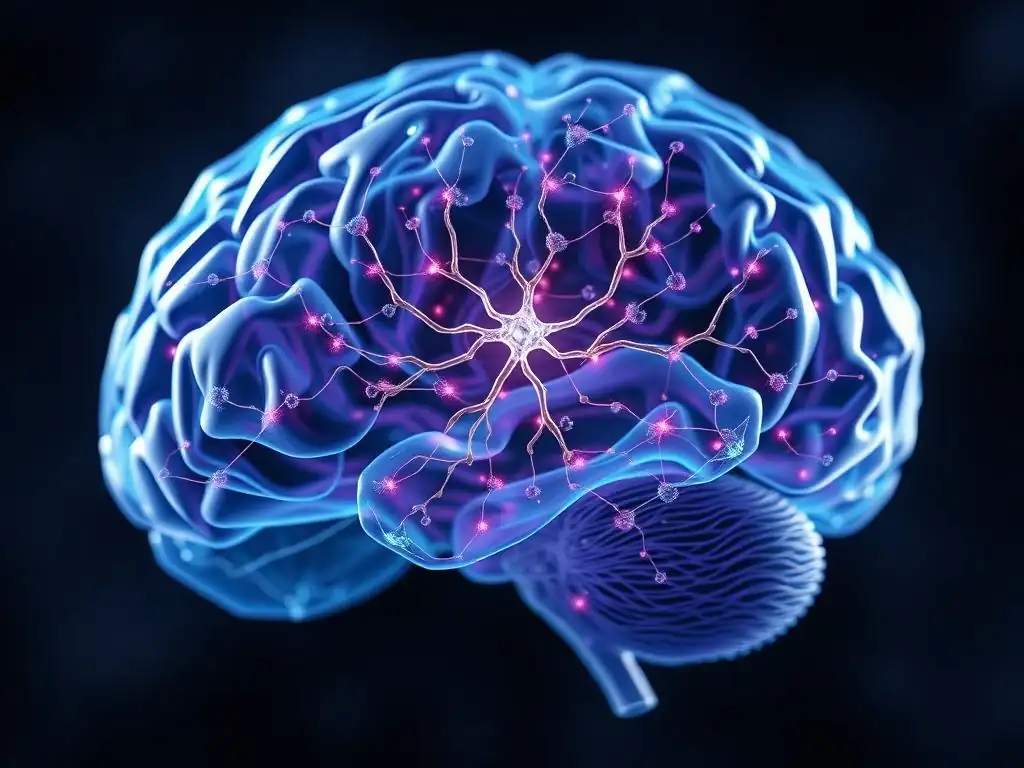
Welcome to Mind Care Guide, your sanctuary for understanding and nurturing mental well-being. Are you struggling to understand the intricate connection between your mood and your brain? In this article, we delve into Mood Disorders Brain Chemistry Changes, exploring the complex ways these conditions can reshape the very fabric of your mind. Prepare to uncover the science behind the cycle and discover pathways towards a brighter, more balanced future. Let's begin this journey of understanding together.
The Vicious Cycle: How Mood Disorders Alter Brain Chemistry Over Time - Mind Care Guide
- Understanding the Interplay: Mood Disorders and Brain Chemistry
- The Initial Impact: Early Stages of Mood Disorders
- The Vicious Cycle: Progressive Brain Chemistry Alterations
- Specific Mood Disorders and Their Impact on Brain Chemistry
- Long-Term Consequences: The Neurobiological Effects of Untreated Mood Disorders
- Breaking the Cycle: Treatment and Intervention Strategies
- The Future of Research: Understanding and Reversing Brain Chemistry Changes in Mood Disorders
- Seeking Help and Support for Mood Disorders
- Conclusion: The Importance of Early Intervention and Comprehensive Care for Mood Disorders and Brain Chemistry Health
-
Frequently Asked Questions
- How do mood disorders impact brain chemistry in the long term?
- What specific brain chemistry changes are associated with mood disorders?
- Can these brain chemistry changes from mood disorders be reversed?
- How does understanding brain chemistry changes help in treating mood disorders?
- What role does genetics play in the brain chemistry changes associated with mood disorders?
- Final Reflection: Unraveling the Vicious Cycle of Mood Disorders
- Unlock Your Brain's Potential: Take Charge of Your Mental Wellbeing
Understanding the Interplay: Mood Disorders and Brain Chemistry
The Brain's Role in Mood Regulation
The human brain is a complex organ responsible for orchestrating our thoughts, feelings, and behaviors, including the intricate process of mood regulation. This function is primarily managed by a network of interconnected brain regions, including the prefrontal cortex (involved in decision-making and emotional expression), the amygdala (processing fear and emotions), the hippocampus (memory and stress response), and the striatum (reward and motivation). These areas communicate through chemical messengers called neurotransmitters, which transmit signals across synapses, the tiny gaps between neurons.
A healthy balance and efficient signaling within these circuits are crucial for maintaining stable mood states. When these systems are disrupted, it can lead to significant alterations in mood, paving the way for the development of mood disorders.
Maintaining emotional equilibrium requires a finely tuned balance of activity within these neural circuits. For instance, the prefrontal cortex helps to modulate the activity of the amygdala, preventing excessive emotional reactions. The hippocampus, involved in context and memory, can influence how we perceive and respond to stressful situations, which in turn affects mood.
The striatum plays a role in our ability to experience pleasure and motivation, key components of positive mood. Disruptions in the structure or function of these regions, often linked to underlying changes in brain chemistry, are fundamental to understanding how mood disorders manifest and why they can become chronic conditions, illustrating the profound impact of mood disorders brain chemistry changes over time.
Introduction to Mood Disorders and Neurotransmitters
Mood disorders, such as major depressive disorder, bipolar disorder, and persistent depressive disorder (dysthymia), are characterized by significant disturbances in emotional state. Unlike temporary fluctuations in mood, these conditions involve prolonged periods of excessive sadness, emptiness, irritability, or elevated/expansive mood, often accompanied by changes in thinking, behavior, and physical health.
At the core of these disturbances are often imbalances or dysregulations in key neurotransmitter systems. While the "chemical imbalance" theory is a simplification of complex neuropsychological processes, neurotransmitters like serotonin, norepinephrine, dopamine, GABA, and glutamate play critical roles in the brain circuits that govern mood, sleep, appetite, energy levels, and cognitive function – all areas affected by mood disorders.
Research has identified specific neurotransmitters as particularly relevant to mood disorders brain chemistry changes. Serotonin, for example, is often associated with feelings of well-being, sleep, and appetite; low levels or impaired signaling are frequently implicated in depression. Norepinephrine is linked to energy, alertness, and the stress response.
Dopamine is central to the brain's reward system and motivation. GABA (gamma-aminobutyric acid) is the primary inhibitory neurotransmitter, helping to calm neural activity, while glutamate is the primary excitatory neurotransmitter; imbalances in these can contribute to anxiety and mood instability. Understanding how these chemicals interact and are affected by various factors is key to grasping the neurobiological underpinnings of mood disorders and the potential for therapeutic intervention.
The Initial Impact: Early Stages of Mood Disorders
How Initial Episodes Affect Brain Chemistry
The first episode of a mood disorder, whether it's a depressive episode, manic episode, or hypomanic episode, can initiate a cascade of changes in the brain's chemical landscape. During an acute depressive episode, for example, there is often evidence of altered levels or function of monoamine neurotransmitters like serotonin, norepinephrine, and dopamine in certain brain regions.
Studies using neuroimaging techniques like PET scans have shown differences in receptor availability or transporter activity for these neurotransmitters in individuals experiencing depression compared to healthy controls. While the exact pattern varies among individuals, these initial disturbances can disrupt the delicate balance required for stable mood regulation.
Furthermore, early episodes can trigger changes in the stress hormone system, particularly the hypothalamic-pituitary-adrenal (HPA) axis. Chronic stress, often preceding or accompanying a mood disorder episode, leads to elevated levels of cortisol. Sustained high cortisol can have detrimental effects on brain structures involved in mood, such as the hippocampus, potentially impairing its ability to regulate the stress response and contributing to further mood dysregulation. These initial neurochemical shifts and hormonal disruptions lay the groundwork for potential future episodes and highlight the importance of addressing the earliest signs of mood disorders brain chemistry changes.
The Role of Stress and Trauma in Triggering Changes
Significant stress and trauma are widely recognized as potent triggers for the onset of mood disorders. Exposure to chronic stress or acute traumatic events can profoundly impact brain chemistry and structure. For instance, research has shown that early life trauma, such as child abuse or neglect, can lead to long-lasting alterations in the HPA axis, making individuals more vulnerable to stress-induced mood episodes later in life. This involves changes in cortisol release patterns and the sensitivity of glucocorticoid receptors in the brain.
Beyond the HPA axis, stress and trauma can directly affect neurotransmitter systems and neural circuits. Chronic stress exposure has been linked to decreased levels of brain-derived neurotrophic factor (BDNF), a protein crucial for neuron growth, survival, and plasticity, particularly in the hippocampus and prefrontal cortex – areas critical for mood regulation. This reduction in BDNF can impair neurogenesis (the creation of new neurons) and synaptic plasticity, contributing to the structural and functional changes observed in mood disorders. These stress-induced alterations are a significant factor in how mood disorders brain chemistry changes occur and persist.
Neuroplasticity and the Brain's Response to Early Mood Disturbances
Neuroplasticity, the brain's remarkable ability to reorganize itself by forming new neural connections throughout life, plays a complex role in the early stages of mood disorders. Initially, neuroplasticity can be seen as the brain's attempt to adapt to the altered chemical environment and functional disruptions.
However, in the context of mood disorders, this plasticity can sometimes be maladaptive, reinforcing dysfunctional neural pathways associated with negative mood states, rumination, and altered stress responses. For example, repeated experiences of depression can strengthen connections between brain regions involved in processing negative emotions (like the amygdala) and those involved in self-referential thought (like the medial prefrontal cortex), making it easier for the brain to fall into a depressive pattern.
Conversely, understanding neuroplasticity also offers hope for recovery. The brain's capacity for change means that interventions can potentially reverse some of the maladaptive changes. Early therapeutic interventions, whether medication or psychotherapy, aim to promote adaptive neuroplasticity, helping the brain to rewire itself towards healthier functioning. For instance, successful treatment is associated with changes in brain activity patterns and structure, such as increased volume in the hippocampus or altered connectivity in mood-regulating circuits. This highlights that while early episodes initiate potentially harmful mood disorders brain chemistry changes, the brain's plasticity also provides a pathway for healing and recovery.
The Vicious Cycle: Progressive Brain Chemistry Alterations
Chronic Mood Disorders and Neurotransmitter Imbalances
As mood disorders transition from acute episodes to chronic or recurrent conditions, the initial alterations in brain chemistry can become more entrenched and complex. Repeated episodes of depression, for example, may lead to more persistent dysregulation of neurotransmitter systems. Research suggests that in chronic depression, there might be not just issues with the levels of neurotransmitters, but also problems with how the brain responds to them. This could involve changes in the number or sensitivity of receptors for serotonin, norepinephrine, or dopamine, or alterations in the transporters that clear these neurotransmitters from the synapse.
The cyclical nature of mood disorders means that each episode can potentially leave a lasting imprint on brain function. Studies have shown that the duration of untreated mood episodes correlates with the degree of certain structural brain changes, such as reductions in hippocampal volume. This suggests a cumulative effect where prolonged exposure to the neurobiological state of depression or mania can exacerbate underlying mood disorders brain chemistry changes, making future episodes more likely or severe. The brain essentially becomes "sensitized" or "kindled" to subsequent mood disturbances.
Downregulation of Receptors in Mood Disorders
One significant way chronic mood disorders impact brain chemistry is through the downregulation or desensitization of neurotransmitter receptors. When neurotransmitter levels are persistently high or low, or when the signaling environment is disrupted, the brain's neurons can adapt by reducing the number of receptors on their surface or making existing receptors less responsive. For example, in some models of depression, there's evidence of reduced sensitivity of serotonin receptors in certain brain areas. This means that even if serotonin is present, the receiving neuron is less able to pick up the signal effectively.
This downregulation can contribute to treatment resistance. Many antidepressant medications work by increasing the amount of neurotransmitters in the synapse. However, if the postsynaptic receptors are downregulated or desensitized due to chronic illness, the increased neurotransmitter availability may not translate into a sufficient biological response, making the medication less effective. This phenomenon underscores how prolonged mood disorders brain chemistry changes can create barriers to recovery, trapping individuals in the vicious cycle.
The Impact of Mood Disorders on Neurogenesis
Chronic mood disorders, particularly depression, have been consistently linked to impaired neurogenesis, the process by which new neurons are generated, primarily in the hippocampus. The hippocampus is vital for learning, memory, and regulating the stress response, all of which are affected by mood disorders. Studies in both animal models and humans (through post-mortem studies or indirect measures) suggest that the rate of neurogenesis can be reduced in chronic depression. This reduction is thought to be mediated, in part, by elevated stress hormones (like cortisol) and decreased levels of neurotrophic factors like BDNF.
Impaired neurogenesis can contribute to the structural changes observed in the brains of individuals with chronic mood disorders, such as reduced hippocampal volume. Functionally, fewer new neurons can compromise the hippocampus's ability to integrate into neural circuits, potentially disrupting its role in mood regulation and cognitive function. This further perpetuates the cycle, as impaired hippocampal function can worsen stress regulation and contribute to cognitive symptoms like memory problems, which are common in chronic depression, thereby solidifying the mood disorders brain chemistry changes.
Specific Mood Disorders and Their Impact on Brain Chemistry
Depression and Serotonin Levels: A Closer Look
While often oversimplified, the link between depression and serotonin is one of the most well-studied aspects of mood disorders brain chemistry changes. Serotonin, produced in the raphe nuclei in the brainstem, projects widely throughout the brain and influences mood, sleep, appetite, and cognitive functions. The "monoamine hypothesis" of depression initially proposed that a deficiency in serotonin, norepinephrine, or dopamine was the primary cause. While this view is now considered too simplistic, research continues to highlight the critical role of the serotonergic system.
Studies have shown abnormalities in serotonin transporter density, serotonin receptor binding, and the metabolic breakdown of serotonin in individuals with depression. For instance, some studies suggest reduced serotonin transporter availability in certain brain regions, potentially leading to less efficient serotonin signaling. Furthermore, genetic variations affecting serotonin pathways have been associated with an increased risk of developing depression, particularly in response to stress. While serotonin isn't the only player, dysregulation within its system is a significant component of the complex mood disorders brain chemistry changes seen in depression.
Bipolar Disorder: Fluctuations in Brain Chemistry
Bipolar disorder, characterized by dramatic shifts between manic or hypomanic episodes and depressive episodes, involves a complex interplay of neurotransmitter systems and brain circuits that differs from unipolar depression. While serotonin, norepinephrine, and dopamine are also implicated, the pattern of dysregulation appears distinct, contributing to the cycling nature of the illness. During manic episodes, there is often evidence of increased dopaminergic activity, particularly in reward pathways, which may contribute to elevated energy, impulsivity, and goal-directed behavior (sometimes excessively).
Conversely, depressive episodes in bipolar disorder share some neurochemical features with unipolar depression, including potential issues with serotonin and norepinephrine. However, research also points to dysregulation in glutamate and GABA systems, which are involved in excitatory and inhibitory signaling, respectively.
Imbalances in these systems could contribute to the instability of neural circuits in bipolar disorder, leading to rapid or dramatic shifts in mood and energy levels. Additionally, abnormalities in calcium channel function and intracellular signaling pathways have been identified, suggesting that bipolar disorder involves broader disruptions in how neurons communicate and regulate their activity, reflecting unique mood disorders brain chemistry changes.
Anxiety Disorders: The Role of GABA and Glutamate
While often classified separately, anxiety disorders frequently co-occur with mood disorders and share some underlying neurobiological mechanisms, particularly involving the balance between excitatory and inhibitory neurotransmission. GABA (gamma-aminobutyric acid) is the brain's primary inhibitory neurotransmitter, acting like a brake on neural activity. Glutamate is the primary excitatory neurotransmitter, facilitating communication between neurons. A proper balance between GABA and glutamate is essential for regulating brain excitability and preventing excessive firing of neurons.
In anxiety disorders, there is often evidence of dysregulation in the GABAergic system, potentially involving reduced GABA levels, fewer GABA receptors, or impaired receptor function. This can lead to increased neural excitability and heightened states of arousal, contributing to symptoms like excessive worry, restlessness, and panic. Conversely, altered glutamate signaling, including changes in glutamate receptor function (such as NMDA or AMPA receptors), has also been implicated. These imbalances in the brain's fundamental excitatory and inhibitory systems are key aspects of the mood disorders brain chemistry changes that contribute to anxiety and its overlap with mood disorders.
Long-Term Consequences: The Neurobiological Effects of Untreated Mood Disorders
Structural Changes in the Brain Due to Mood Disorders
Untreated or chronic mood disorders can lead to measurable structural changes in the brain over time. One of the most consistently reported findings is a reduction in the volume of the hippocampus, a brain region critical for memory and stress regulation.
Studies using MRI scans have shown that individuals with multiple episodes of depression, particularly those left untreated for longer periods, tend to have smaller hippocampal volumes compared to healthy individuals or those who received early and effective treatment. This volume loss is thought to be related to impaired neurogenesis and the toxic effects of elevated stress hormones like cortisol.
Beyond the hippocampus, other brain regions involved in mood regulation also show structural alterations. The prefrontal cortex, involved in executive function, decision-making, and emotional regulation, can show reduced volume or cortical thickness in chronic mood disorders. The amygdala, while sometimes enlarged in early stages or acute episodes, may show volume changes over the long term, and its connectivity with other brain regions is often altered. These structural changes are not merely markers of illness but likely contribute to the persistence of symptoms and cognitive difficulties, representing significant long-term mood disorders brain chemistry changes.
Cognitive Impairment and Mood Disorders
Cognitive deficits are common in mood disorders, particularly in chronic or severe cases, and are linked to the underlying neurobiological changes. Individuals with depression often experience difficulties with concentration, memory, decision-making, and processing speed. These cognitive impairments can persist even during periods of remission, significantly impacting daily functioning and quality of life. In bipolar disorder, cognitive deficits can be even more pronounced, affecting executive functions, attention, and verbal memory, regardless of whether the individual is in a manic or depressive state.
These cognitive symptoms are thought to arise from the same brain circuit dysfunctions and structural changes that underpin the mood disturbances. Alterations in the prefrontal cortex, which is crucial for executive functions, and the hippocampus, vital for memory, directly contribute to these cognitive challenges. The chronic disruption of neurotransmitter systems and neurotrophic factors also impairs the neural processes necessary for optimal cognitive performance. Understanding these cognitive impacts is crucial, as they represent a significant burden of the illness beyond the core mood symptoms and are a direct consequence of persistent mood disorders brain chemistry changes.
Increased Risk of Comorbidities
Chronic mood disorders significantly increase the risk of developing other mental and physical health conditions, a phenomenon known as comorbidity. Individuals with persistent depression or bipolar disorder are at higher risk for anxiety disorders, substance use disorders, and eating disorders. Furthermore, chronic mood disorders are associated with an increased risk of cardiovascular disease, diabetes, obesity, and neurodegenerative conditions like dementia. This heightened vulnerability to other illnesses is partly mediated by the same underlying neurobiological dysregulations.
The chronic activation of the stress response system (HPA axis), inflammation, and metabolic changes associated with mood disorders can negatively impact various bodily systems over time. For example, chronic inflammation, which is often observed in mood disorders, is a known risk factor for cardiovascular disease and diabetes. The shared neural pathways and neurotransmitter systems involved in mood regulation and other brain functions also explain the high co-occurrence of mood disorders with anxiety and substance use disorders. These comorbidities underscore the systemic impact of chronic mood disorders brain chemistry changes on overall health.
Breaking the Cycle: Treatment and Intervention Strategies
Medication and its Impact on Brain Chemistry
Pharmacological treatments are a cornerstone in managing mood disorders and work by directly targeting the brain's chemistry. Antidepressants, such as Selective Serotonin Reuptake Inhibitors (SSRIs), Serotonin-Norepinephrine Reuptake Inhibitors (SNRIs), and others, primarily aim to increase the availability of neurotransmitters like serotonin and norepinephrine in the synaptic clefts.
While the immediate effect is increased neurotransmitter levels, their therapeutic benefit, which often takes several weeks to appear, is thought to result from more gradual adaptations in the brain, including changes in receptor sensitivity, gene expression, and the promotion of neurogenesis and synaptic plasticity, helping to reverse some mood disorders brain chemistry changes.
For bipolar disorder, mood stabilizers like lithium, valproate, and lamotrigine are used. These medications have diverse mechanisms of action, including modulating ion channels (like calcium and sodium), affecting second messenger systems within neurons, and influencing neurotransmitter release (including glutamate and GABA). Antipsychotic medications are also sometimes used, particularly for manic episodes or bipolar depression, and they primarily target dopamine and serotonin receptors. The goal of medication is to restore a more balanced neurochemical environment and stabilize the mood-regulating circuits.
Therapy and its Role in Neuroplasticity
Psychotherapy, such as Cognitive Behavioral Therapy (CBT), Interpersonal Therapy (IPT), and Dialectical Behavior Therapy (DBT), is another highly effective treatment for mood disorders. While therapy doesn't involve taking pills, it also works by influencing brain function through behavioral and cognitive changes. Therapy provides individuals with strategies to identify and modify negative thought patterns, change problematic behaviors, and improve coping skills. These learned strategies and new ways of thinking and behaving can actually promote adaptive neuroplasticity.
Research using neuroimaging has shown that successful psychotherapy is associated with changes in brain activity and connectivity patterns in regions involved in mood regulation, similar to those seen with medication. For example, CBT for depression has been shown to alter activity in the prefrontal cortex and amygdala, helping to strengthen the brain's ability to regulate emotional responses. By changing how individuals process information and react to challenges, therapy helps to rewire the brain's circuits, counteracting some of the maladaptive mood disorders brain chemistry changes that have developed over time.
Lifestyle Changes for Improved Brain Health and Mood
Beyond medication and therapy, lifestyle changes play a significant role in supporting brain health and improving mood. Regular physical exercise has robust evidence demonstrating its antidepressant and anxiolytic effects. Exercise increases the release of endorphins, improves blood flow to the brain, and promotes the production of neurotrophic factors like BDNF, supporting neurogenesis and synaptic plasticity. Aiming for at least 150 minutes of moderate-intensity aerobic exercise per week is generally recommended.
Proper nutrition is also crucial. A diet rich in omega-3 fatty acids, antioxidants, vitamins (especially B vitamins and vitamin D), and minerals supports brain function and reduces inflammation, which is implicated in mood disorders. Conversely, diets high in processed foods, sugar, and unhealthy fats can negatively impact brain health.
Adequate sleep is vital, as sleep disruption is both a symptom and a contributor to mood disorders brain chemistry changes. Establishing a consistent sleep schedule and practicing good sleep hygiene can significantly improve mood and cognitive function. Stress reduction techniques like mindfulness, meditation, and yoga can also help regulate the HPA axis and promote a calmer neurochemical state.
The Future of Research: Understanding and Reversing Brain Chemistry Changes in Mood Disorders
New Frontiers in Neuroimaging and Mood Disorder Research
Advancements in neuroimaging technologies are providing unprecedented insights into the living brain and the complex mood disorders brain chemistry changes associated with these conditions. Techniques like functional MRI (fMRI) allow researchers to observe brain activity and connectivity in real-time during various tasks or resting states. Diffusion Tensor Imaging (DTI) maps the white matter pathways, revealing how different brain regions are structurally connected. PET and SPECT scans can visualize the distribution and activity of specific neurotransmitter receptors, transporters, and enzymes.
Emerging techniques, such as ultra-high field MRI and advanced computational modeling, are pushing the boundaries further, allowing for finer-grained analysis of brain structure, function, and connectivity. These tools are not only helping to identify the neural signatures of mood disorders but also tracking how these signatures change with treatment and over the course of the illness. This detailed understanding is crucial for developing more targeted and effective interventions aimed at correcting the specific mood disorders brain chemistry changes observed in individuals.
Personalized Medicine and Targeted Therapies
The future of treating mood disorders is increasingly moving towards personalized medicine. Recognizing that "depression" or "bipolar disorder" are umbrella terms for conditions with potentially diverse underlying neurobiological profiles, researchers are working to identify biomarkers – measurable indicators of biological state – that can predict treatment response. These biomarkers could include genetic variations, specific patterns of brain activity or connectivity identified through neuroimaging, levels of certain proteins or metabolites in blood or cerebrospinal fluid, or even cognitive profiles.
By identifying these biomarkers, clinicians could potentially match individuals to the treatments most likely to be effective for their specific type of mood disorder brain chemistry changes. For example, individuals with certain genetic profiles might respond better to one class of antidepressant than another. Neuroimaging patterns might predict who will benefit most from psychotherapy versus medication, or which brain regions to target with neuromodulation techniques. This tailored approach promises to improve treatment outcomes and reduce the trial-and-error process that many individuals currently face.
The Potential of Brain Stimulation Techniques
Brain stimulation techniques represent another exciting frontier in treating mood disorders, offering ways to directly modulate the activity of dysfunctional brain circuits implicated in mood disorders brain chemistry changes. Transcranial Magnetic Stimulation (TMS), which uses magnetic pulses to stimulate specific areas of the brain (typically the prefrontal cortex), is already an approved treatment for major depression that hasn't responded to medication. It is thought to work by altering neural activity and promoting synaptic plasticity in targeted regions.
Other techniques under investigation include Transcranial Direct Current Stimulation (tDCS), which uses low-level electrical currents, and Deep Brain Stimulation (DBS), which involves surgically implanting electrodes in specific brain areas (like the subcallosal cingulate cortex) to deliver continuous electrical impulses. While DBS is currently reserved for severe, treatment-resistant cases, ongoing research aims to refine these techniques, understand their precise mechanisms of action on brain chemistry and circuits, and expand their application to a wider range of mood disorders.
Seeking Help and Support for Mood Disorders
Recognizing the Signs and Symptoms
Recognizing the signs and symptoms of a mood disorder is the crucial first step towards breaking the vicious cycle and addressing the underlying mood disorders brain chemistry changes. Symptoms can vary depending on the specific disorder and individual, but common indicators of depression include persistent sadness, loss of interest or pleasure in activities (anhedonia), significant changes in appetite or weight, sleep disturbances (insomnia or hypersomnia), fatigue, feelings of worthlessness or excessive guilt, difficulty concentrating, and thoughts of death or suicide.
For bipolar disorder, recognizing manic or hypomanic episodes is key. Symptoms can include elevated or irritable mood, decreased need for sleep, increased talkativeness, racing thoughts, distractibility, increased goal-directed activity or psychomotor agitation, and excessive involvement in pleasurable activities with high potential for painful consequences (e.g., reckless spending, impulsive decisions). Recognizing these patterns, whether in oneself or a loved one, is vital for seeking timely help before mood disorders brain chemistry changes become more entrenched.
Finding the Right Mental Health Professional
Once symptoms are recognized, seeking professional help is paramount. Finding the right mental health professional is a critical step in receiving an accurate diagnosis and developing an effective treatment plan tailored to individual needs and the specific mood disorders brain chemistry changes involved. Potential professionals include psychiatrists (medical doctors who can prescribe medication), psychologists (who provide therapy and psychological testing), licensed clinical social workers, licensed professional counselors, and psychiatric nurse practitioners.
It's important to find a professional with whom you feel comfortable and who has experience treating mood disorders. Don't hesitate to ask about their approach, experience, and treatment philosophy. Treatment often involves a combination of medication and psychotherapy, and finding a team or professional who can coordinate these aspects of care is beneficial. Resources like the Substance Abuse and Mental Health Services Administration (SAMHSA) treatment locator, professional organizations' directories, or referrals from a primary care physician can help in finding qualified providers.
Support Groups and Resources for Individuals and Families
Navigating a mood disorder can be challenging not only for the individual but also for their family and loved ones. Support groups offer a valuable resource for shared experiences, emotional support, and practical coping strategies. Connecting with others who understand firsthand the challenges of living with a mood disorder can reduce feelings of isolation and provide a sense of community. Organizations like the Depression and Bipolar Support Alliance (DBSA) and the National Alliance on Mental Illness (NAMI) offer local and online support groups.
These organizations, along with others like Mental Health America (MHA), also provide extensive educational resources, advocacy, and information about treatment options and services. For families, learning about the disorder, understanding how it affects brain chemistry and behavior, and finding ways to provide support while also caring for their own well-being is essential. Utilizing these resources can empower individuals and families to better manage the illness, advocate for effective care, and work towards recovery, helping to mitigate the impact of mood disorders brain chemistry changes.
Conclusion: The Importance of Early Intervention and Comprehensive Care for Mood Disorders and Brain Chemistry Health
Mood disorders are complex conditions with profound effects on brain chemistry and structure over time. The initial disruptions in neurotransmitter systems, stress hormones, and neuroplasticity can initiate a vicious cycle where repeated episodes lead to progressive and potentially enduring alterations in brain function. These mood disorders brain chemistry changes contribute not only to the persistence and severity of mood symptoms but also to cognitive impairment and an increased risk of other health problems.
However, the brain's remarkable capacity for neuroplasticity offers hope. Early intervention with evidence-based treatments, including medication, psychotherapy, and lifestyle changes, can effectively manage symptoms, promote adaptive brain changes, and potentially reverse some of the detrimental effects of the illness. Comprehensive care that addresses the biological, psychological, and social aspects of mood disorders is crucial for long-term recovery and preventing relapse.
By understanding the interplay between mood disorders and brain chemistry and actively seeking help, individuals can break the cycle and work towards restoring brain health and emotional well-being. Continued research into the neurobiological underpinnings of these disorders promises even more effective and personalized treatments in the future.
Frequently Asked Questions
How do mood disorders impact brain chemistry in the long term?
Mood disorders can lead to long-term changes in brain chemistry, affecting neurotransmitter levels and receptor sensitivity. This creates a vicious cycle where the disorder itself exacerbates the chemical imbalances.
What specific brain chemistry changes are associated with mood disorders?
Mood disorders are often linked to imbalances in neurotransmitters like serotonin, dopamine, and norepinephrine. These imbalances can alter neural pathways and brain structure over time.
Can these brain chemistry changes from mood disorders be reversed?
While challenging, therapeutic interventions like medication and therapy can help restore balance. The extent of reversal depends on the severity and duration of the mood disorder.
How does understanding brain chemistry changes help in treating mood disorders?
Knowing the specific chemical imbalances allows for targeted treatment strategies. This includes using medications that address specific neurotransmitter deficiencies and therapies that promote neural plasticity.
What role does genetics play in the brain chemistry changes associated with mood disorders?
Genetics can predispose individuals to certain neurotransmitter vulnerabilities. However, environmental factors and stress also contribute to the development and progression of brain chemistry changes in mood disorders.
Final Reflection: Unraveling the Vicious Cycle of Mood Disorders
The intricate relationship between mood disorders and brain chemistry is not merely a scientific curiosity; it's a critical understanding necessary for effective treatment and prevention. Ignoring the long-term alterations in neurotransmitter function and brain structure risks perpetuating the suffering of millions. The implications are far-reaching, impacting not only individual lives but also the broader social and economic landscape.
The more I researched the complex interplay between mood disorders and brain plasticity, the more profoundly I was struck by the resilience, yet vulnerability, of the human brain. It's a testament to our capacity for adaptation, yet also a stark reminder of the lasting impact of untreated mental illness. The brain is the most complex organ in the body, and its plasticity allows it to adapt and change throughout life. However, this plasticity can also be a double-edged sword, as it can lead to maladaptive changes in response to stress and trauma.
This quote encapsulates the delicate balance at play, highlighting the need for early intervention and ongoing support for individuals struggling with mood disorders.
You, the reader, now possess a deeper understanding of the intricate mechanisms driving mood disorders. This knowledge is not merely for intellectual consumption; it's a call to action. Take the time to learn the signs and symptoms, not just for yourself, but for those around you. Advocate for increased mental health awareness, support research initiatives, and remember that seeking professional help is a sign of strength, not weakness. Let's break the vicious cycle together, fostering a future where understanding leads to compassion, support, and ultimately, healing.
Unlock Your Brain's Potential: Take Charge of Your Mental Wellbeing
Thanks for taking the time to learn about the intricate relationship between mood disorders and brain chemistry. You've gained valuable insights into a complex subject – and that's a huge step! Now, let's put this knowledge into action.
- Prioritize self-care: Identify one small, manageable self-care activity you can incorporate into your daily routine (e.g., a 10-minute walk, mindful breathing). This is your starting point towards building resilience.
- Connect with support: Share this article with a friend or family member who might benefit from understanding mood disorders better. Open communication is key.
- Explore further: Consider journaling about your own experiences and observations related to mood and self-care. Reflecting on your mental wellbeing can be remarkably powerful.
What small change can you make today to nurture your mental wellness, even if it feels like a tiny step?