
Persistent Depressive Disorder (Dysthymia): Subtle Brain Chemistry Differences

Welcome to Mind Care Guide, a space dedicated to understanding and nurturing your mental well-being.
Ever felt like the shadows just won't lift? We understand. This is where your journey towards understanding persistent depressive disorder, or dysthymia, begins. Dive into our exploration of dysthymia brain chemistry treatment options and discover how subtle differences in brain function may be contributing to your experience. We're here to shed light on the complexities of mood disorders and empower you to take informed steps toward a brighter tomorrow. Curious to learn more? Let's explore together.
Persistent Depressive Disorder (Dysthymia): Subtle Brain Chemistry Differences - Mind Care Guide
- Understanding Dysthymia: A Neuropsychological Perspective
- The Role of Neurotransmitters in Dysthymia
- Brain Structure and Function in Dysthymia
- Exploring Dysthymia Treatment Options
- Dysthymia and Comorbid Mental Health Conditions: A Brain Chemistry Connection
- Living with Dysthymia: Strategies for Managing Brain Chemistry
- The Future of Dysthymia Research: Unlocking Brain Chemistry Secrets
-
Frequently Asked Questions
- What is Dysthymia, and how does it differ from major depressive disorder?
- How might brain chemistry be different in individuals with Dysthymia compared to those without depression?
- What are some common treatment options for Dysthymia that target brain chemistry?
- Besides medication, what other therapies can help manage Dysthymia and its impact on brain function?
- How can I find resources and support if I suspect I have Dysthymia or want to learn more about brain chemistry and treatment options?
- Final Reflection: Unlocking the Brain's Secrets to Dysthymia Relief
- Unlock Your Brain's Potential: Take Charge of Your Mood
Understanding Dysthymia: A Neuropsychological Perspective
Persistent Depressive Disorder, often referred to as dysthymia, is a chronic form of depression characterized by a low mood that lasts for at least two years. Unlike major depressive disorder (MDD), which often involves severe episodes, dysthymia presents with more persistent, albeit often less intense, symptoms. Understanding the neuropsychological underpinnings of dysthymia is crucial for effective management and exploring appropriate Dysthymia brain chemistry treatment options. This chronic condition impacts daily functioning, relationships, and overall quality of life, making the exploration of its brain chemistry and potential treatments a vital area of focus.
From a neuropsychological viewpoint, dysthymia involves subtle, yet significant, alterations in brain function and structure compared to individuals without the condition. While research is ongoing, studies utilizing neuroimaging techniques like fMRI and PET scans have begun to reveal patterns that differentiate dysthymia from other mood disorders and healthy states. These findings suggest that persistent low mood is not merely a psychological state but is deeply intertwined with specific neurobiological processes, offering insights into targeted Dysthymia brain chemistry treatment options.
Dysthymia vs. Major Depressive Disorder: Key Brain Chemistry Distinctions
While both dysthymia and major depressive disorder involve imbalances in neurotransmitter systems, the nature and severity of these imbalances may differ, contributing to their distinct clinical presentations. Research suggests that while MDD is often associated with more pronounced deficits in serotonin, norepinephrine, and dopamine activity during acute episodes, dysthymia might involve more chronic, perhaps less severe, dysregulation in these same pathways. For instance, studies comparing individuals with dysthymia and MDD have sometimes shown less pronounced hypoactivity in certain reward-related brain regions in dysthymia compared to the anhedonia seen in severe MDD, although this is an area of active investigation.
Furthermore, neuroimaging studies have pointed towards potential differences in brain structure and connectivity. While both conditions can show changes in areas like the prefrontal cortex or hippocampus, the specific nature or degree of these changes might vary. Some research indicates that structural changes might be more subtle or develop differently over time in dysthymia due to its chronic nature. Understanding these nuanced differences is key to developing targeted Dysthymia brain chemistry treatment options that address the specific neurobiological profile of this persistent condition, rather than solely relying on treatments optimized for acute MDD.
Prevalence of Dysthymia and its Neurological Impact
Dysthymia is a relatively common condition, affecting a significant portion of the population globally. Estimates suggest that approximately 1.5% to 3% of adults in the United States experience dysthymia at some point in their lives. Given its chronic nature, the cumulative impact on brain function over years can be substantial. The persistent low mood and associated symptoms like fatigue, poor concentration, and low self-esteem can influence neural pathways involved in mood regulation, cognitive processing, and emotional resilience.
The chronic stress associated with living with dysthymia can also have a long-term impact on brain health. Chronic stress is known to affect the hypothalamic-pituitary-adrenal (HPA) axis, the body's primary stress response system, leading to elevated cortisol levels. Sustained exposure to high cortisol can negatively impact areas like the hippocampus, potentially contributing to memory problems and further exacerbating mood symptoms. Therefore, addressing the neurological impact of chronic low mood is a critical component when considering Dysthymia brain chemistry treatment options.
The Role of Neurotransmitters in Dysthymia
Neurotransmitters are chemical messengers that play a critical role in regulating mood, sleep, appetite, and cognitive function. Imbalances in these chemicals are thought to be central to the pathophysiology of dysthymia. Understanding how specific neurotransmitters are implicated provides valuable insights into potential Dysthymia brain chemistry treatment options that target these imbalances.
Serotonin's Involvement in Persistent Low Mood
Serotonin, often dubbed the "feel-good" neurotransmitter, is heavily involved in regulating mood, sleep, appetite, and social behavior. Research suggests that dysfunction in the serotonergic system contributes significantly to depressive disorders, including dysthymia. While the exact mechanism is complex, it's believed that lower levels of serotonin activity or problems with serotonin receptors or transporters in the brain may lead to the persistent low mood characteristic of dysthymia.
Many common Dysthymia brain chemistry treatment options, such as selective serotonin reuptake inhibitors (SSRIs), work by increasing the availability of serotonin in the synaptic cleft, thereby enhancing serotonergic signaling. While SSRIs are often effective, their variable response rates in individuals with dysthymia highlight the complexity of serotonin's role and suggest that other factors or neurotransmitter systems are also involved in the chronic presentation of the disorder.
Dopamine and Anhedonia in Dysthymia
Dopamine is a neurotransmitter associated with pleasure, reward, motivation, and executive functions. While often more prominently linked to the severe anhedonia (inability to experience pleasure) seen in major depression, reduced dopamine signaling is also implicated in the motivational deficits and lack of interest common in dysthymia. The persistent lack of drive and difficulty finding enjoyment in activities may stem, in part, from dysregulation in the brain's mesolimbic dopamine pathway, which is crucial for reward processing.
Some Dysthymia brain chemistry treatment options, particularly certain antidepressants, target dopamine pathways alongside serotonin or norepinephrine. For example, some atypical antidepressants or SNRIs (which also affect norepinephrine, related to motivation) may offer benefits in addressing the anhedonia and motivational symptoms of dysthymia. Research into the specific deficits in dopamine signaling in dysthymia, distinct from MDD, is ongoing to refine targeted treatments.
Norepinephrine's Impact on Energy and Motivation
Norepinephrine is another key neurotransmitter involved in the stress response, attention, energy levels, and motivation. Dysregulation of the noradrenergic system is thought to contribute to symptoms of fatigue, psychomotor retardation, and difficulty concentrating often experienced by individuals with dysthymia. Persistent low levels of norepinephrine activity or problems with its receptors can leave individuals feeling constantly drained and lacking the energy to engage in daily tasks.
Antidepressants like serotonin-norepinephrine reuptake inhibitors (SNRIs) are designed to increase the availability of both serotonin and norepinephrine in the brain, addressing both mood and energy/motivation symptoms. The inclusion of norepinephrine targeting in some Dysthymia brain chemistry treatment options is based on the understanding that the chronic fatigue and lack of vitality in dysthymia often requires addressing this neurotransmitter system alongside serotonin.
Brain Structure and Function in Dysthymia
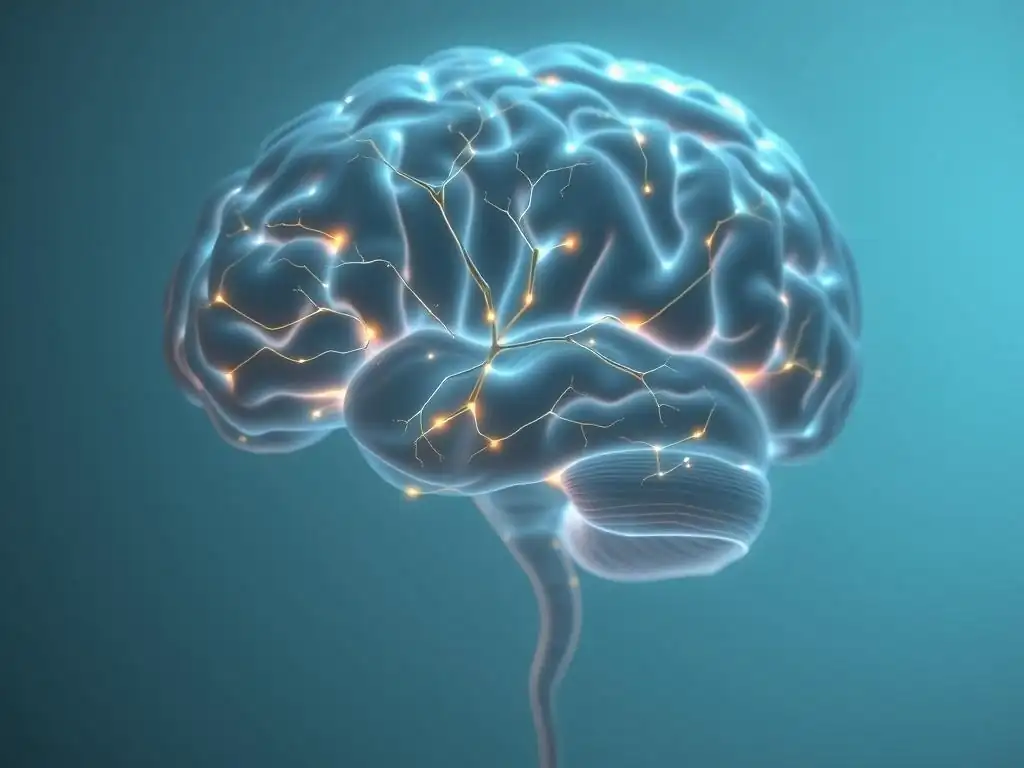
Beyond neurotransmitter imbalances, research indicates that structural and functional differences in specific brain regions are associated with dysthymia. These alterations can impact emotional regulation, cognitive function, and overall mood state, providing further avenues for understanding and potentially treating the condition.
Amygdala Activity and Emotional Regulation in Dysthymia
The amygdala is a key brain structure involved in processing emotions, particularly fear and anxiety. Studies in depressive disorders, including dysthymia, have often found altered amygdala activity. While some research in MDD points towards hyperactivity, suggesting heightened reactivity to negative stimuli, findings in dysthymia can be more nuanced. Persistent low mood might be associated with chronic low-level dysregulation rather than acute spikes in activity.
The amygdala's connectivity with other brain regions, such as the prefrontal cortex (involved in emotional regulation), is also crucial. Dysfunctional connectivity between the amygdala and regulatory regions could impair an individual's ability to process and manage negative emotions effectively, contributing to the persistent negative affect seen in dysthymia. Addressing this emotional dysregulation is a goal of certain Dysthymia brain chemistry treatment options, including psychotherapy.
Hippocampal Volume and Memory Impairment in Chronic Depression
The hippocampus is vital for learning, memory, and regulating the stress response. Chronic stress and depression, including dysthymia, have been linked to reduced hippocampal volume. While more pronounced volume reductions are often observed in chronic or recurrent MDD, studies suggest that the long-term nature of dysthymia may also contribute to subtle changes in hippocampal structure.
These structural changes in the hippocampus may underlie some of the cognitive symptoms experienced in dysthymia, such as difficulties with concentration, memory problems, and impaired executive function. Treatments that promote neurogenesis (the growth of new neurons), such as exercise and certain antidepressants, are being explored for their potential to counteract these effects, highlighting their relevance as Dysthymia brain chemistry treatment options.
Prefrontal Cortex and Executive Function Deficits in Dysthymia
The prefrontal cortex (PFC), especially the dorsolateral and ventromedial regions, plays a crucial role in executive functions, decision-making, working memory, and regulating emotions. Functional imaging studies in dysthymia have often shown reduced activity or altered connectivity within the PFC, particularly in areas involved in cognitive control and emotional regulation.
These deficits in PFC function likely contribute to symptoms like poor concentration, indecisiveness, and difficulty with planning and problem-solving commonly reported by individuals with dysthymia. The PFC's impaired ability to regulate limbic areas like the amygdala can perpetuate negative emotional states. Many Dysthymia brain chemistry treatment options, including both medication and psychotherapy, aim to restore healthy activity and connectivity within the PFC to improve executive function and emotional regulation.
Exploring Dysthymia Treatment Options
Treating dysthymia often involves a combination of approaches targeting both the psychological and neurobiological aspects of the disorder. Understanding the potential Dysthymia brain chemistry treatment options is key to developing an effective management plan.
Pharmacological Interventions: Targeting Neurotransmitter Imbalances
Antidepressant medications are a common first-line treatment for dysthymia, aiming to correct the suspected neurotransmitter imbalances. The choice of medication often depends on the individual's specific symptoms and response to treatment.
SSRIs for Dysthymia
Selective Serotonin Reuptake Inhibitors (SSRIs) are among the most frequently prescribed medications for dysthymia. They work by blocking the reabsorption of serotonin in the brain, increasing the amount of serotonin available to bind to receptors. Examples include fluoxetine (Prozac), sertraline (Zoloft), and escitalopram (Lexapro).
Clinical trials have shown that SSRIs can be effective in reducing the symptoms of dysthymia, with response rates varying but often ranging from 40% to 60%. While they may take several weeks to exert their full effect, continued use can help maintain mood stability and reduce the chronic low mood characteristic of the disorder. They represent a primary component of many Dysthymia brain chemistry treatment options.
SNRIs for Dysthymia
Serotonin-Norepinephrine Reuptake Inhibitors (SNRIs) affect both serotonin and norepinephrine levels in the brain. By blocking the reuptake of both neurotransmitters, they increase their availability. Examples include venlafaxine (Effexor) and duloxetine (Cymbalta).
SNRIs may be particularly beneficial for individuals with dysthymia who experience significant fatigue, lack of energy, or physical symptoms alongside low mood, as norepinephrine is heavily involved in these functions. Studies suggest SNRIs can be effective, sometimes offering benefits beyond those of SSRIs alone, particularly in cases where fatigue is a prominent symptom. They are considered valuable Dysthymia brain chemistry treatment options, especially for certain symptom profiles.
Atypical Antidepressants for Dysthymia
Atypical antidepressants are a group of medications that work in different ways than SSRIs or SNRIs, often affecting a combination of neurotransmitters, including dopamine. Bupropion (Wellbutrin) is an example that primarily affects dopamine and norepinephrine.
Atypical antidepressants may be used when SSRIs or SNRIs are not effective or cause undesirable side effects. Bupropion, for instance, may be helpful for anhedonia and lack of motivation in dysthymia due to its dopaminergic effects. Mirtazapine (Remeron), which affects serotonin and norepinephrine through a different mechanism, might be chosen for individuals experiencing insomnia and poor appetite. Exploring these options is part of tailoring Dysthymia brain chemistry treatment options.
Non-Pharmacological Approaches to Dysthymia and Brain Health
Beyond medication, several non-pharmacological interventions have demonstrated effectiveness in managing dysthymia symptoms and promoting brain health. These approaches can be used alone or in combination with medication.
Cognitive Behavioral Therapy (CBT) and Neural Plasticity
Cognitive Behavioral Therapy (CBT) is a psychotherapy approach that helps individuals identify and change negative thought patterns and behaviors contributing to their low mood. While not directly targeting brain chemistry in the same way as medication, CBT is believed to promote beneficial changes in brain function through neural plasticity – the brain's ability to reorganize itself by forming new neural connections.
Studies using neuroimaging have shown that successful CBT treatment for depression can lead to changes in activity in areas like the prefrontal cortex and amygdala, similar to those seen with medication. By learning new coping strategies and reframing negative thoughts, individuals can alter the neural pathways associated with their emotional responses, making CBT a powerful component of Dysthymia brain chemistry treatment options.
Exercise and its Impact on Neurotransmitter Levels
Regular physical exercise has well-documented benefits for mental health and is considered a valuable adjunct to Dysthymia brain chemistry treatment options. Exercise is known to increase the release of neurotransmitters like serotonin, norepinephrine, and dopamine, similar to the effects of some antidepressants.
Moreover, exercise promotes the production of brain-derived neurotrophic factor (BDNF), a protein that supports the growth, survival, and function of brain cells, particularly in areas like the hippocampus. Engaging in regular aerobic exercise, such as brisk walking or jogging for 30 minutes most days of the week, can lead to tangible improvements in mood, energy levels, and cognitive function in individuals with dysthymia.
Diet and Nutrition for Brain Health in Dysthymia
Nutrition plays a vital role in overall brain health and can influence neurotransmitter synthesis and function. A diet rich in omega-3 fatty acids, vitamins (especially B vitamins and Vitamin D), minerals (like zinc and magnesium), and antioxidants can support brain function and potentially mitigate depressive symptoms.
For example, omega-3 fatty acids are crucial components of brain cell membranes and have anti-inflammatory properties that may benefit mood regulation. Deficiencies in certain nutrients, such as Vitamin D or B12, have been linked to increased risk of depression. Focusing on a balanced diet with plenty of fruits, vegetables, whole grains, lean proteins, and healthy fats is a supportive strategy within Dysthymia brain chemistry treatment options.
Investigating Novel Dysthymia Treatment Approaches
Research continues to explore new and innovative Dysthymia brain chemistry treatment options, particularly for individuals who do not respond adequately to traditional therapies.
Transcranial Magnetic Stimulation (TMS) for Dysthymia
Transcranial Magnetic Stimulation (TMS) is a non-invasive procedure that uses magnetic pulses to stimulate specific areas of the brain known to be involved in mood regulation, typically the prefrontal cortex. While more widely studied and approved for major depressive disorder, research is emerging on its potential for dysthymia.
TMS is thought to work by modulating the activity of neurons in the targeted brain regions, potentially restoring more balanced neural activity. A typical TMS course involves daily sessions over several weeks. Early studies and clinical experience suggest it may be a promising option for some individuals with treatment-resistant dysthymia, offering a different approach to influencing brain activity compared to medication.
Ketamine Infusion Therapy for Treatment-Resistant Dysthymia
Ketamine, an anesthetic drug, has emerged as a rapid-acting antidepressant in recent years, particularly for treatment-resistant depression. It works through a different mechanism than traditional antidepressants, primarily by affecting the glutamate system, the brain's main excitatory neurotransmitter.
While most research has focused on severe MDD, there is growing interest in its potential for chronic, treatment-resistant dysthymia. Ketamine is thought to rapidly increase synaptic plasticity and connectivity in certain brain areas. Administered via intravenous infusion at low doses, it can sometimes produce significant symptom relief within hours or days. However, its use requires careful medical supervision and is typically reserved for severe, refractory cases as part of advanced Dysthymia brain chemistry treatment options.
Dysthymia and Comorbid Mental Health Conditions: A Brain Chemistry Connection
Dysthymia frequently co-occurs with other mental health conditions. Understanding the shared neurological pathways or reciprocal influences between dysthymia and these comorbidities is important for comprehensive treatment planning and exploring combined Dysthymia brain chemistry treatment options.
Anxiety disorders, such as generalized anxiety disorder or social anxiety disorder, frequently coexist with dysthymia. It's estimated that a significant percentage, perhaps around 50% or more, of individuals with dysthymia will also experience an anxiety disorder at some point. This high comorbidity suggests shared underlying neurobiological vulnerabilities.
Both conditions involve dysregulation in similar brain circuits and neurotransmitter systems, including serotonin, norepinephrine, and the HPA axis. The amygdala and its connections to the prefrontal cortex are implicated in both chronic low mood and heightened anxiety. Treatment approaches that target these shared pathways, such as SSRIs, SNRIs, and CBT, can be effective for both conditions, highlighting the interconnectedness of Dysthymia brain chemistry treatment options when anxiety is also present.
Personality Disorders and Dysthymia
Certain personality disorders, particularly Cluster B (e.g., Borderline Personality Disorder) and Cluster C (e.g., Dependent Personality Disorder) disorders, have a higher rate of comorbidity with dysthymia. While personality disorders are complex and involve ingrained patterns of thinking and behaving, they can interact with and exacerbate depressive symptoms.
The relationship between personality disorders and dysthymia brain chemistry is less direct than with anxiety but may involve shared genetic predispositions or neurobiological factors influencing temperament and emotional regulation. Individuals with certain personality traits, such as neuroticism or difficulty with emotional regulation, may be more vulnerable to chronic low mood. Treatment in these cases requires addressing both the dysthymia and the underlying personality patterns, often utilizing therapies like Dialectical Behavior Therapy (DBT) alongside Dysthymia brain chemistry treatment options.
Substance Use Disorders and Dysthymia: The Reward System Connection
There is a significant overlap between dysthymia and substance use disorders. Individuals with chronic low mood may turn to substances as a way to self-medicate or escape their feelings, while substance use can in turn worsen depressive symptoms and disrupt brain chemistry further.
Substance use disorders heavily involve dysregulation of the brain's reward system, particularly the dopamine pathways. Since dopamine is also implicated in the anhedonia and motivational deficits of dysthymia, shared vulnerability or reciprocal exacerbation within these reward circuits likely plays a role in the comorbidity. Treating this dual diagnosis requires integrated approaches that address both the substance use and the underlying Dysthymia brain chemistry treatment options.
Living with Dysthymia: Strategies for Managing Brain Chemistry
Managing dysthymia is often a long-term process that involves professional treatment alongside lifestyle strategies aimed at supporting brain health and emotional well-being. These strategies can complement clinical Dysthymia brain chemistry treatment options.
Mindfulness and Meditation for Emotional Regulation
Mindfulness and meditation practices have been shown to impact brain structure and function, particularly in areas related to attention, emotional regulation, and self-awareness, such as the prefrontal cortex and insula. Regular practice can help individuals with dysthymia become more aware of their thoughts and feelings without judgment, reducing rumination and reactivity to negative emotions.
Studies suggest that mindfulness can increase gray matter density in certain brain regions and alter connectivity patterns in ways that enhance emotional resilience. Incorporating even short periods of mindfulness meditation into a daily routine can be a valuable tool for managing the persistent low mood and supporting the brain's capacity for regulation alongside Dysthymia brain chemistry treatment options.
Social connection is crucial for mental well-being and can have positive effects on brain health. Isolation and loneliness, conversely, are associated with increased stress and negative impacts on mood. Building and maintaining strong social connections can provide emotional support, reduce feelings of isolation, and buffer against stress.
Positive social interactions can stimulate the release of oxytocin, a hormone associated with bonding and stress reduction, and may also influence neurotransmitter systems involved in mood. Engaging with supportive friends, family, or support groups is a powerful behavioral strategy that complements Dysthymia brain chemistry treatment options by fostering a sense of connection and belonging.
Promoting Healthy Sleep Habits for Brain Function
Sleep is essential for brain function, including memory consolidation, emotional processing, and clearing metabolic waste. Sleep disturbances are common in dysthymia and can worsen symptoms of low mood, fatigue, and cognitive impairment. Prioritizing healthy sleep habits can significantly support brain health.
Establishing a regular sleep schedule, creating a relaxing bedtime routine, ensuring a dark and quiet sleep environment, and avoiding stimulants before bed can improve sleep quality. Restoring healthy sleep patterns can help regulate neurotransmitter systems and improve overall brain function, serving as a fundamental supportive strategy alongside Dysthymia brain chemistry treatment options.
- Establish a consistent sleep schedule.
- Create a relaxing pre-sleep routine.
- Optimize sleep environment (dark, quiet, cool).
- Limit screen time before bed.
- Avoid caffeine and alcohol close to bedtime.
The Future of Dysthymia Research: Unlocking Brain Chemistry Secrets
Research into the neurobiology of dysthymia is continuously evolving, aiming to uncover more precise details about the underlying brain chemistry and structure. This ongoing work is paving the way for more targeted and effective Dysthymia brain chemistry treatment options.
Genetic Factors and Dysthymia Vulnerability
Studies suggest that genetic factors contribute to vulnerability to depressive disorders, including dysthymia. While there isn't a single "dysthymia gene," variations in genes that influence neurotransmitter transporters, receptors, or signaling pathways are being investigated. For example, variations in the serotonin transporter gene (SLC6A4) have been studied in relation to risk and response to treatment.
Understanding these genetic predispositions can help identify individuals at higher risk and potentially inform personalized treatment approaches in the future. Research is also exploring the interaction between genetic factors and environmental stressors, such as early life adversity, in shaping the neurobiological profile associated with chronic low mood.
Biomarkers for Dysthymia Diagnosis and Treatment Response
A significant goal of neuropsychiatric research is to identify biomarkers – measurable biological indicators – that can aid in the diagnosis of dysthymia or predict response to specific treatments. Potential biomarkers include genetic markers, specific patterns of brain activity or connectivity seen in neuroimaging, or levels of certain substances in blood or cerebrospinal fluid (e.g., neurotransmitter metabolites, inflammatory markers).
Identifying reliable biomarkers for dysthymia could revolutionize diagnosis, moving towards more objective assessments. Furthermore, predictive biomarkers could help clinicians select the most effective Dysthymia brain chemistry treatment options for an individual from the outset, reducing the need for trial-and-error approaches. While still largely in the research phase, this area holds significant promise.
Personalized Medicine Approaches to Dysthymia Treatment
The future of Dysthymia brain chemistry treatment options is likely to move towards personalized medicine. This approach tailors treatment decisions based on an individual's unique biological profile, including genetic makeup, specific brain imaging findings, and potentially other biomarkers.
Instead of a one-size-fits-all approach, personalized medicine aims to match the right treatment to the right person based on a deeper understanding of their specific neurobiological underpinnings of dysthymia. For example, someone with evidence of significant dopamine dysregulation might be preferentially treated with medications targeting that system, while someone with pronounced amygdala hyperactivity might benefit more from therapies focused on emotional regulation. This tailored approach holds the potential to improve treatment outcomes and reduce the burden of chronic low mood.
Frequently Asked Questions
What is Dysthymia, and how does it differ from major depressive disorder?
Dysthymia, now often referred to as Persistent Depressive Disorder (PDD), is a chronic form of depression lasting for at least two years. Unlike major depressive disorder, which involves more intense episodes, Dysthymia presents with milder but persistent symptoms.
How might brain chemistry be different in individuals with Dysthymia compared to those without depression?
While the exact mechanisms are still being researched, studies suggest that individuals with Dysthymia may have subtle differences in neurotransmitter levels like serotonin, dopamine, and norepinephrine. These differences can affect mood regulation and emotional processing.
What are some common treatment options for Dysthymia that target brain chemistry?
Common treatments include antidepressant medications such as SSRIs and SNRIs, which aim to rebalance neurotransmitter levels in the brain. Additionally, lifestyle modifications like exercise and diet can positively influence brain chemistry.
Besides medication, what other therapies can help manage Dysthymia and its impact on brain function?
Psychotherapy, particularly cognitive-behavioral therapy (CBT) and interpersonal therapy (IPT), helps individuals identify and change negative thought patterns. These therapies can also promote healthier brain function through behavioral changes and coping strategies.
How can I find resources and support if I suspect I have Dysthymia or want to learn more about brain chemistry and treatment options?
The Mind Care Guide offers a wealth of information, support groups, and resources related to mental well-being. Consult with a qualified mental health professional for personalized diagnosis and treatment plans tailored to your specific needs and brain chemistry considerations.
Final Reflection: Unlocking the Brain's Secrets to Dysthymia Relief
Persistent Depressive Disorder, or dysthymia, is not simply a matter of "feeling down"; it's a chronic condition rooted in subtle yet significant imbalances within the brain's intricate chemistry. Understanding these imbalances is crucial, not just for diagnosis, but for developing truly effective and personalized treatment strategies. The journey towards healing requires a nuanced approach that moves beyond simplistic solutions.
The exploration of dysthymia's neurochemical underpinnings has profoundly shifted our understanding of this often-overlooked condition. For too long, dysthymia was dismissed as simply "mild depression," failing to acknowledge the significant impact it has on individuals' lives. This lack of understanding hindered the development of targeted treatments. The most common way people give up their power is by thinking they don't have any.
– Alice Walker. This quote resonates deeply because recognizing the power of understanding our brain chemistry is the first step towards reclaiming control over our mental health. The ongoing research into dysthymia's neurochemical basis empowers us to challenge this historical oversight and advocate for better care.
Now, consider your own mental well-being. Are you experiencing persistent low mood, fatigue, or difficulty concentrating? Don't hesitate to seek professional help. This article has hopefully illuminated the complex interplay of brain chemistry in dysthymia, but it's only a starting point. Take the initiative to learn more about your specific situation, explore the various treatment options available, and advocate for the care you deserve. Remember, understanding your brain is the key to unlocking a brighter, healthier future.
Unlock Your Brain's Potential: Take Charge of Your Mood
Thanks for taking the time to learn about the subtle yet significant brain chemistry differences linked to persistent depressive disorder. Understanding these nuances is a powerful first step towards positive change. Now, let's move forward!
- Prioritize self-care: Identify one small, enjoyable activity you can incorporate into your daily routine – even 5 minutes of mindful breathing or listening to uplifting music can make a difference.
- Share your insights: Discuss what you've learned with a friend, family member, or support group. Sharing your knowledge can help others and strengthen your own understanding.
- Explore further: Consider researching evidence-based coping strategies for managing dysthymia, such as cognitive behavioral therapy (CBT) or mindfulness techniques.
What small step will you take today to nurture your mental well-being?