
BrainDerived Neurotrophic Factor (BDNF): Growth, Survival, and Mood


Welcome to Mind Care Guide, your trusted companion on the journey to mental well-being. Feeling lost in the labyrinth of mood disorders? Perhaps you've heard whispers of a tiny, yet powerful molecule impacting your emotional landscape. Dive into our exploration of Brain-Derived Neurotrophic Factor (BDNF) and discover how understanding and potentially influencing your BDNF levels improve mood, offering a beacon of hope and a path towards a brighter, more balanced you. Intrigued? Let's begin...
Brain-Derived Neurotrophic Factor (BDNF): Growth, Survival, and Mood - A Mental Wellness Guide
- Understanding Brain-Derived Neurotrophic Factor (BDNF)
- The Link Between BDNF Levels and Mental Health Conditions
- How BDNF Improves Mental Well-being: Mechanisms and Evidence
- Strategies to Naturally Boost BDNF Levels
- Medical Interventions and BDNF Modulation
- The Future of BDNF Research and Mental Healthcare
- Maintaining Optimal BDNF Levels for Long-Term Mental Wellness
- Frequently Asked Questions
- Final Reflection: The Untapped Potential of BDNF for Mood Enhancement
- Unleash Your Brain's Potential: Boost BDNF Today!
Understanding Brain-Derived Neurotrophic Factor (BDNF)
What is BDNF and Its Role in Brain Health?
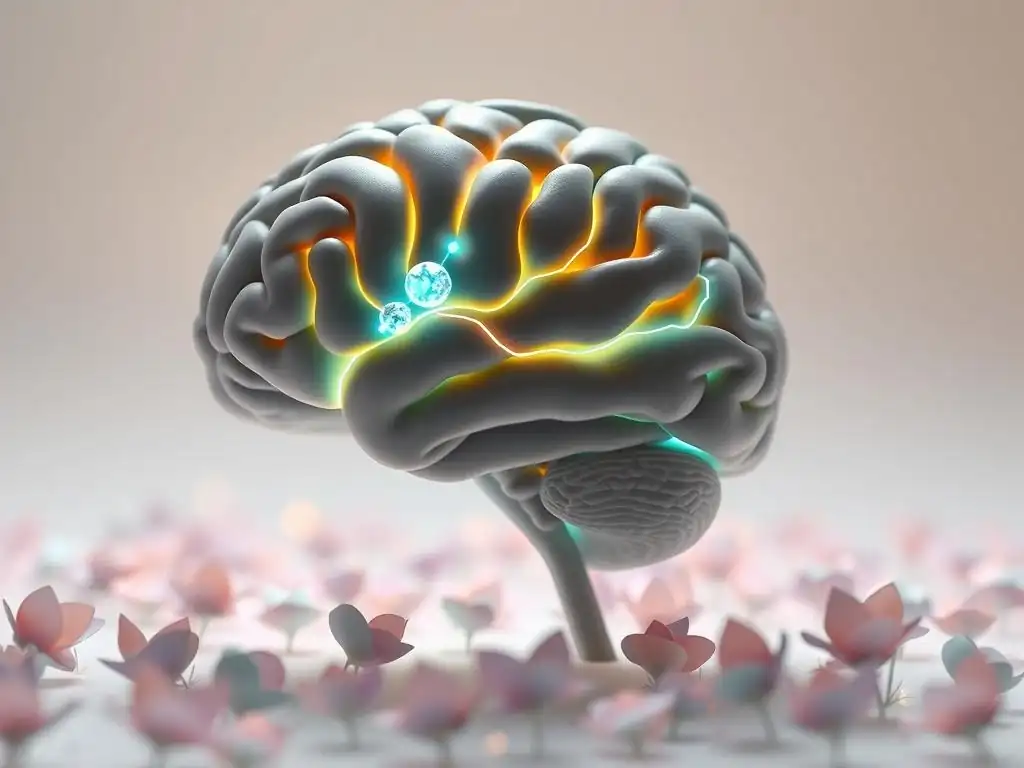
Brain-Derived Neurotrophic Factor (BDNF) is a protein that plays a crucial role in the survival, growth, and maintenance of brain cells, known as neurons. It belongs to a family of proteins called neurotrophins, which are essential for the development and function of the nervous system. BDNF acts like a fertilizer for the brain, promoting the health of existing neurons and encouraging the growth of new ones, a process particularly significant in areas like the hippocampus, a region vital for learning, memory, and mood regulation.
This remarkable protein is widely distributed throughout the brain, with high concentrations found in areas critical for cognitive function and emotional processing, such as the hippocampus, cortex, and amygdala. Its primary function is to bind to specific receptors on neurons, triggering signaling pathways that support cellular survival, differentiation, and synaptic plasticity – the ability of synapses to strengthen or weaken over time. Without adequate BDNF, neurons can struggle to survive, communicate effectively, or form the new connections necessary for a healthy, adaptable brain.
BDNF's Significance in Neuroplasticity and Cognitive Function
Neuroplasticity, the brain's ability to reorganize itself by forming new neural connections throughout life, is profoundly influenced by BDNF. This protein is a key mediator of synaptic plasticity, facilitating the strengthening or weakening of connections between neurons based on activity. This process is fundamental to learning, memory formation, and adapting to new experiences. For instance, engaging in challenging cognitive tasks or learning new skills can stimulate BDNF production, which in turn supports the structural and functional changes required for these processes.
Studies have consistently shown a strong correlation between BDNF levels and various aspects of cognitive function, including learning, memory recall, and executive functions like problem-solving and decision-making. Higher levels of BDNF are generally associated with enhanced cognitive performance and greater resilience to cognitive decline. Conversely, reduced BDNF expression has been observed in conditions characterized by cognitive impairment, highlighting its critical role in maintaining optimal brain function throughout the lifespan.
BDNF and Neuroprotection: Protecting Brain Cells from Damage
Beyond promoting growth and plasticity, BDNF serves as a vital neuroprotective agent, shielding brain cells from various forms of damage and stress. It helps neurons survive insults such as oxidative stress, inflammation, and excitotoxicity, which are implicated in numerous neurological and psychiatric conditions. By activating survival pathways and inhibiting programmed cell death (apoptosis), BDNF acts as a cellular bodyguard, enhancing the resilience of the brain.
This protective function is particularly important in the context of aging and disease. Research indicates that maintaining healthy BDNF levels may help slow the progression of neurodegenerative processes. For example, in models of neurodegenerative diseases, increasing BDNF has been shown to improve neuronal survival and function, suggesting its potential as a therapeutic target to protect the brain from damage and preserve cognitive and emotional well-being.
The Link Between BDNF Levels and Mental Health Conditions
How Low BDNF Levels Affect Mood and Cognition
Reduced levels of Brain-Derived Neurotrophic Factor are frequently observed in individuals experiencing various mental health challenges, particularly mood disorders. When BDNF levels are low, the brain's ability to support neuronal health, plasticity, and communication is compromised. This can lead to impairments in brain regions crucial for regulating mood, such as the prefrontal cortex and hippocampus. Symptoms commonly associated with low BDNF include persistent sadness, loss of interest or pleasure (anhedonia), fatigue, difficulty concentrating, and memory problems.
The impact of low BDNF extends beyond mood to affect cognitive functions essential for daily life. Individuals with insufficient BDNF may experience 'brain fog,' characterized by slow thinking, difficulty making decisions, and impaired memory. For example, studies comparing individuals with major depressive disorder to healthy controls often report significantly lower serum BDNF levels in the depressed group, sometimes by as much as 20-30%, correlating with the severity of cognitive symptoms like poor concentration and memory deficits. This suggests that compromised BDNF signaling directly contributes to both the affective and cognitive aspects of mood disorders.
BDNF's Role in Depression, Anxiety, and PTSD
BDNF is a key player in the neurobiological underpinnings of several prevalent mental health conditions, including depression, anxiety disorders, and Post-Traumatic Stress Disorder (PTSD). Extensive research has demonstrated that individuals diagnosed with major depression typically exhibit lower circulating levels of BDNF compared to healthy individuals.
Furthermore, the severity of depressive symptoms often inversely correlates with BDNF levels – the lower the BDNF, the more severe the symptoms tend to be. Effective antidepressant treatments, such as selective serotonin reuptake inhibitors (SSRIs), are thought to exert their therapeutic effects, at least in part, by increasing BDNF expression over time, which supports neuronal repair and plasticity in mood-regulating circuits.
Similarly, altered BDNF levels have been implicated in anxiety disorders and PTSD. Chronic stress, a significant risk factor for these conditions, is known to suppress BDNF production, particularly in the hippocampus and prefrontal cortex, brain areas critical for fear regulation and emotional processing. In PTSD, lower BDNF levels have been associated with impaired fear extinction and heightened reactivity to trauma-related cues. These findings underscore BDNF's central role in maintaining the structural and functional integrity of neural circuits involved in emotional regulation and stress resilience, and how low BDNF levels can contribute to the vulnerability and persistence of these conditions.
The Connection Between BDNF and Neurodegenerative Diseases
The protective and supportive functions of BDNF are also highly relevant to neurodegenerative diseases, conditions characterized by the progressive loss of neurons and brain function. Diseases such as Alzheimer's disease, Parkinson's disease, and Huntington's disease are associated with significant neuronal damage and death in specific brain regions. Research indicates that reduced BDNF levels or impaired BDNF signaling pathways are frequently observed in the brains of individuals affected by these conditions.
For example, studies have found lower BDNF levels in the brains and cerebrospinal fluid of Alzheimer's patients compared to age-matched controls. This reduction may contribute to the vulnerability of neurons to amyloid plaques and tau tangles, hallmarks of the disease.
Similarly, in Parkinson's disease, BDNF dysfunction may exacerbate the degeneration of dopamine-producing neurons. While the exact relationship is complex – lower BDNF might be both a cause and a consequence of neurodegeneration – maintaining or boosting BDNF is being explored as a potential strategy to enhance neuronal survival and potentially slow disease progression, complementing efforts to improve mood and cognition in these populations.
How BDNF Improves Mental Well-being: Mechanisms and Evidence

BDNF and Neurogenesis: Promoting the Growth of New Neurons
One of the most significant ways BDNF contributes to improved mental well-being is through its powerful influence on neurogenesis, the process by which new neurons are generated from neural stem cells. While neurogenesis occurs in several brain regions, it is particularly robust and functionally important in the adult hippocampus, a structure critically involved in learning, memory, and mood regulation. BDNF acts as a key growth factor, promoting the proliferation, survival, and integration of these newly born neurons into existing neural circuits.
In conditions like depression, stress can suppress hippocampal neurogenesis, potentially contributing to the observed reduction in hippocampal volume and impaired mood regulation. By promoting the birth and maturation of new neurons in this area, BDNF helps counteract these negative effects. This structural plasticity, supported by BDNF, is thought to be a fundamental mechanism underlying the long-term benefits of treatments and lifestyle interventions that improve mood and cognitive function.
BDNF's Influence on Neurotransmitter Systems
BDNF doesn't just support structural changes; it also profoundly influences the function of key neurotransmitter systems crucial for mood and behavior, such as serotonin, dopamine, and norepinephrine. These neurotransmitters are chemical messengers that facilitate communication between neurons, and imbalances in their activity are strongly linked to mood disorders. BDNF can modulate the synthesis, release, and reuptake of these neurotransmitters, thereby influencing the overall signaling balance in the brain.
For example, research suggests that BDNF can enhance the function of serotonergic neurons, which are central to mood regulation and targeted by many antidepressant medications. It can also influence dopaminergic pathways, which are involved in reward, motivation, and pleasure – areas often disrupted in depression and anhedonia. By modulating these critical systems, BDNF levels improve mood by enhancing synaptic efficacy and restoring balanced neurotransmitter signaling, contributing to feelings of well-being and resilience.
Clinical Studies: Evidence for BDNF's Role in Mental Health Treatment
Numerous clinical studies have investigated the relationship between BDNF and mental health treatment outcomes, providing substantial evidence for its role. Studies have consistently shown that effective treatments for depression, including antidepressant medications and psychotherapy, are often associated with an increase in circulating BDNF levels over time. For example, a meta-analysis of multiple studies found that antidepressant treatment significantly increased serum BDNF levels in depressed patients compared to baseline or placebo groups.
Furthermore, some studies suggest that the degree to which BDNF levels increase during treatment can predict treatment response. Patients who show a greater increase in BDNF may be more likely to achieve remission or significant improvement in symptoms. This evidence supports the hypothesis that boosting BDNF levels improves mood and cognitive function as a key mechanism by which these therapies exert their beneficial effects, highlighting BDNF as not just a marker of disease but also a potential target for therapeutic intervention.
Strategies to Naturally Boost BDNF Levels
Diet and BDNF: Nutrients That Support Brain Health
The food we eat significantly impacts our brain health, including BDNF production. Certain dietary patterns and specific nutrients have been linked to higher BDNF levels. A diet rich in omega-3 fatty acids, found in fatty fish like salmon, walnuts, and flaxseeds, is particularly beneficial. Omega-3s are essential components of brain cell membranes and are known to support BDNF expression. For example, consuming sufficient omega-3s has been associated with improved mood and cognitive function, potentially mediated by increased BDNF.
Additionally, consuming foods high in polyphenols and antioxidants, such as berries, dark chocolate, green tea, and colorful vegetables, can help protect brain cells from damage and support BDNF production. Curcumin, the active compound in turmeric, has also shown promise in studies for its ability to cross the blood-brain barrier and potentially increase BDNF levels. Incorporating these nutrient-dense foods into your daily meals is a foundational strategy for supporting brain health and naturally boosting BDNF levels improve mood.
Exercise and BDNF: The Benefits of Physical Activity
Physical activity is one of the most potent natural stimulators of BDNF production. Regular exercise, particularly aerobic activity, has been repeatedly shown to increase BDNF levels in both animals and humans. The brain responds to the demands of physical exertion by upregulating BDNF expression, especially in the hippocampus. This exercise-induced increase in BDNF is thought to be a major factor behind the well-documented benefits of exercise on mood, cognition, and stress resilience.
Even moderate levels of exercise can have a positive impact. Studies suggest that engaging in at least 30 minutes of moderate-intensity aerobic exercise, such as brisk walking, jogging, swimming, or cycling, most days of the week can lead to significant increases in BDNF. For instance, a study found that participants who engaged in regular aerobic exercise showed a noticeable increase in serum BDNF compared to sedentary individuals. This makes incorporating regular physical activity a cornerstone strategy for anyone looking to naturally boost BDNF levels improve mood and overall brain function.
Stress Management Techniques: Mindfulness, Meditation, and Yoga
Chronic stress is detrimental to brain health and is known to suppress BDNF production. Effective stress management is therefore crucial for maintaining healthy BDNF levels. Techniques such as mindfulness, meditation, and yoga have been shown to reduce stress hormones like cortisol and promote a more balanced physiological state, which in turn can support BDNF expression. Engaging in practices that cultivate relaxation and emotional regulation can help counteract the negative impact of stress on neuronal health and plasticity.
Mindfulness meditation, for instance, involves focusing on the present moment without judgment and has been linked to structural changes in the brain associated with increased BDNF. Similarly, yoga combines physical postures, breathing exercises, and meditation, offering a holistic approach to stress reduction. Regular practice of these techniques can create an environment in the brain that is more conducive to BDNF production and activity, thereby contributing to improved mood and cognitive function.
Sleep Hygiene: Optimizing Sleep for Brain Function
Quality sleep is essential for numerous brain functions, including the regulation of BDNF. Sleep deprivation and poor sleep quality have been associated with reduced BDNF levels, potentially hindering the brain's ability to repair and consolidate memories. During sleep, the brain undergoes crucial processes, including waste removal and synaptic plasticity, which are supported by adequate BDNF. Ensuring sufficient and restorative sleep is therefore a vital component of a lifestyle aimed at optimizing BDNF.
Prioritizing good sleep hygiene involves maintaining a consistent sleep schedule, creating a relaxing bedtime routine, ensuring your sleep environment is dark, quiet, and cool, and avoiding stimulants like caffeine and nicotine close to bedtime. Aiming for 7-9 hours of quality sleep per night can help support healthy BDNF levels, contributing to better mood, cognitive function, and overall mental resilience.
Medical Interventions and BDNF Modulation
Pharmacological Approaches: Antidepressants and BDNF
Many commonly prescribed antidepressant medications, particularly SSRIs and SNRIs, are believed to exert their therapeutic effects, at least in part, by indirectly influencing BDNF levels. While these medications primarily target neurotransmitter systems like serotonin and norepinephrine, chronic administration has been shown to lead to an increase in BDNF expression in key brain regions involved in mood regulation, such as the hippocampus. This increase in BDNF is thought to contribute to the neuroplastic changes necessary for symptom remission.
The timeline for antidepressant response, which often takes several weeks, aligns with the time it takes for neuroplastic changes mediated by increased BDNF to occur. This suggests that the ability of these drugs to boost BDNF levels improves mood and helps reverse some of the neuronal atrophy or dysfunction associated with chronic stress and depression. However, it's important to note that the relationship is complex, and not all patients respond equally, highlighting the need for personalized treatment approaches.
Non-Invasive Brain Stimulation: TMS and BDNF
Non-invasive brain stimulation techniques, such as Transcranial Magnetic Stimulation (TMS), are emerging as promising treatments for depression and other neurological conditions. TMS involves using magnetic pulses to stimulate specific areas of the brain. Studies investigating the mechanisms of action of TMS have provided evidence that it can influence BDNF levels. For example, research indicates that repetitive TMS (rTMS) applied to the prefrontal cortex, a common target for depression treatment, can lead to increased BDNF expression in both animal models and human patients.
This increase in BDNF is hypothesized to contribute to the neuroplastic changes in cortical excitability and connectivity observed following TMS treatment, which are thought to underpin its antidepressant effects. As a treatment option, TMS offers a way to modulate brain activity and potentially boost BDNF levels improve mood and function for individuals who haven't responded to traditional pharmacological approaches.
BDNF as a Biomarker: Monitoring Treatment Response
Given its association with mental health conditions and response to treatment, BDNF is being explored as a potential biomarker. Measuring BDNF levels in blood or cerebrospinal fluid could potentially help clinicians assess the severity of a condition, predict treatment response, or monitor the effectiveness of interventions. For instance, serial measurements of serum BDNF levels during antidepressant treatment might provide an objective indicator of whether the treatment is having the desired neurobiological effect.
While using BDNF as a routine clinical biomarker is still largely in the research phase, ongoing studies are refining measurement techniques and investigating its predictive value across different conditions and treatments. The potential for using BDNF levels to personalize treatment strategies and better understand individual responses highlights its growing importance in the field of mental healthcare.
The Future of BDNF Research and Mental Healthcare
Emerging Research on BDNF and Novel Therapeutic Targets
Research into Brain-Derived Neurotrophic Factor continues to uncover new insights into its complex roles in brain function and disease. Scientists are exploring novel ways to modulate BDNF signaling, not just through indirect means like exercise or antidepressants, but also through more direct approaches. This includes investigating small molecules that can mimic BDNF's effects, gene therapy approaches to increase BDNF production in specific brain regions, and the development of compounds that enhance the sensitivity of BDNF receptors.
Emerging research is also focusing on the intricate interactions between BDNF and other neurotrophic factors, as well as its relationship with inflammation and the gut-brain axis. Understanding these complex pathways could lead to the identification of new therapeutic targets that work synergistically with BDNF to promote brain health and resilience. The goal is to develop more targeted and effective interventions for a range of neurological and psychiatric conditions.
The Potential of BDNF-Enhancing Therapies for Mental Health Disorders
The strong evidence linking low BDNF to mental health challenges, coupled with the finding that BDNF levels improve mood and cognitive function, has fueled interest in developing therapies specifically designed to enhance BDNF signaling. These potential BDNF-enhancing therapies could offer new avenues for treating conditions like depression, anxiety, PTSD, and even neurodegenerative diseases, potentially addressing the underlying neurobiological deficits more directly than current treatments.
While direct administration of BDNF itself is challenging due to its size and inability to easily cross the blood-brain barrier, researchers are exploring delivery methods and compounds that can stimulate endogenous BDNF production or mimic its effects. The development of safe and effective BDNF-enhancing drugs or therapies holds significant promise for revolutionizing the treatment landscape for mental health disorders, potentially offering more robust and long-lasting improvements in symptoms and overall brain health.
Maintaining Optimal BDNF Levels for Long-Term Mental Wellness
Lifestyle Recommendations for Sustained Mental Health
Maintaining optimal BDNF levels is not just about treating illness; it's a proactive approach to fostering long-term mental wellness. Integrating lifestyle strategies known to boost BDNF into your daily routine is a powerful way to support your brain's health and resilience. This involves consistently engaging in regular physical activity, such as daily walks, jogging, or other forms of aerobic exercise, aiming for at least 150 minutes of moderate exercise per week.
Adopting a brain-healthy diet rich in omega-3 fatty acids, antioxidants, and polyphenols, while minimizing processed foods and excessive sugar, provides the necessary building blocks and protection for neurons. Prioritizing 7-9 hours of quality sleep each night allows the brain to perform essential maintenance tasks supported by BDNF. Furthermore, actively managing stress through practices like mindfulness, meditation, or engaging in hobbies can mitigate the negative impact of stress on BDNF production. These consistent efforts collectively contribute to a brain environment where BDNF levels improve mood, cognitive function, and emotional stability over time.
Consulting a Healthcare Professional: When and Why
While lifestyle modifications are powerful tools for supporting BDNF and mental wellness, they are not a substitute for professional medical advice or treatment, especially if you are experiencing symptoms of a mental health condition. If you are struggling with persistent low mood, anxiety, difficulty concentrating, or other distressing symptoms, it is crucial to consult a healthcare professional, such as a doctor, psychiatrist, or licensed therapist.
A healthcare provider can provide an accurate diagnosis, discuss evidence-based treatment options, which may include medication, psychotherapy, or other interventions, and help you develop a comprehensive treatment plan. They can also assess your individual circumstances and provide guidance on how lifestyle changes can complement your overall care plan. BDNF is an important piece of the puzzle, but professional support is essential for navigating mental health challenges effectively and safely.
Conclusion: BDNF as a Key Factor in Brain Health and Mental Well-being
Brain-Derived Neurotrophic Factor stands out as a critical protein for the health, survival, and plasticity of our brain cells. Its influence extends across fundamental processes from neurogenesis and synaptic function to neuroprotection and neurotransmitter modulation. Evidence clearly demonstrates that BDNF levels improve mood, cognitive function, and resilience, and that disruptions in its signaling are strongly implicated in various mental health conditions, including depression, anxiety, and neurodegenerative diseases.
Fortunately, we have powerful tools at our disposal to positively influence our BDNF levels. Engaging in regular exercise, adopting a nutrient-rich diet, managing stress effectively, and prioritizing quality sleep are all lifestyle strategies supported by research to naturally boost BDNF. Coupled with medical interventions when necessary, focusing on BDNF represents a promising avenue for promoting recovery and fostering long-term mental well-being. Understanding the role of BDNF empowers us to make choices that support our brain health and enhance our capacity for a fulfilling life.
Frequently Asked Questions
What is Brain-Derived Neurotrophic Factor (BDNF) and why is it important?
BDNF is a protein that supports the growth, survival, and maintenance of brain cells. It's crucial for learning, memory, and, importantly, mood regulation.
How do BDNF levels relate to mood?
Lower levels of BDNF have been linked to depression and other mood disorders. Conversely, strategies that increase BDNF levels can often improve mood.
What factors can influence BDNF levels?
Several factors impact BDNF, including exercise, diet, sleep, and stress levels. Lifestyle choices play a significant role in maintaining healthy BDNF.
Can I test my BDNF levels?
While possible, BDNF testing isn't routine. It's usually done in a research setting, not for general mental well-being assessment. Talk to your doctor if you are concerned about your mental health.
What are some practical steps I can take to improve my BDNF levels and mood?
Focus on a healthy lifestyle: regular exercise, a balanced diet rich in omega-3 fatty acids, sufficient sleep, and stress management techniques such as mindfulness and meditation.
Final Reflection: The Untapped Potential of BDNF for Mood Enhancement
Understanding and optimizing BDNF levels is not just a scientific pursuit; it's a key to unlocking a brighter, more resilient future for mental well-being. The research presented highlights the profound impact of BDNF on neuronal growth, survival, and ultimately, our mood. This isn't just theoretical; the implications for treating and preventing mood disorders are incredibly significant, offering a potential pathway towards more effective and personalized interventions.
The exploration of BDNF's role in mood regulation has profoundly shifted my understanding of mental health. It's no longer solely about managing symptoms, but about fostering the very biological mechanisms that underpin emotional resilience. This shift in perspective is crucial. The brain is not a machine; it is a garden that needs tending.
This quote perfectly encapsulates the active role we can play in nurturing our own mental well-being, and BDNF offers a tangible pathway to do so. The ongoing research into lifestyle factors that influence BDNF levels—exercise, diet, sleep—empowers us to take proactive steps towards improving our mental health.
Consider the power you hold. You have the ability to influence your BDNF levels through conscious choices. What steps will you take today to cultivate a brain environment conducive to growth, resilience, and a more positive mood? Embrace the opportunity to invest in your mental well-being; explore the lifestyle changes that boost BDNF production, and witness the transformative impact on your life. The journey towards a healthier, happier you begins with a single, mindful step.
Unleash Your Brain's Potential: Boost BDNF Today!
Thanks for diving into the fascinating world of BDNF and its impact on brain health and mood! You've now armed yourself with valuable knowledge about this incredible growth factor. Ready to put it into action?
- Prioritize BDNF-boosting activities: Start with one small change this week: incorporate regular exercise, a mindful practice, or a BDNF-rich diet into your routine. Even 15 minutes can make a difference!
- Share your BDNF journey: Discuss this article with a friend or family member – helping others learn about BDNF is a great way to reinforce your own understanding!
- Explore deeper: Search for "BDNF-enhancing recipes" or "BDNF and meditation" online to discover more ways to support your brain's health.
So, what simple step will you take today to nurture your brain and unlock its incredible potential?