Rapid Cycling Bipolar Disorder: A Practical Guide to Managing Mood Swings
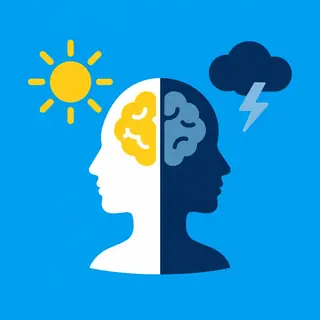
Rapid cycling bipolar disorder is a complex and challenging variant of bipolar disorder, marked by four or more distinct mood episodes—manic, hypomanic, or depressive—within a single year. For those navigating this condition, the unpredictable shifts can feel overwhelming, but understanding triggers, building a robust support system, and adopting targeted strategies can significantly improve stability. This guide offers evidence-based insights, practical tools, and compassionate advice designed to help you or a loved one manage the rapid pace of mood swings, reduce episode frequency, and reclaim a sense of control over daily life. Whether you are newly diagnosed or seeking to refine your management plan, the following sections cover essential facets from medication adherence to lifestyle adjustments and emotional resilience.
🔍 Recognizing Triggers and Early Warning Signs
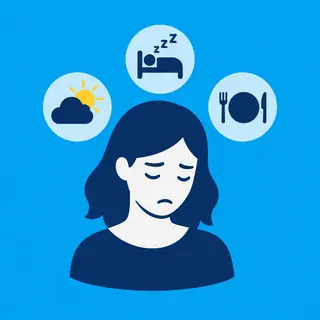
One of the most powerful tools in managing rapid cycling is learning to identify personal triggers and the subtle early signs of an impending mood shift. Common triggers include sleep disruption, high stress, seasonal changes, caffeine or alcohol use, and even certain medications like antidepressants, which can accelerate cycling. By keeping a daily mood and sleep diary, you can track patterns and notice that a few nights of poor sleep often precede a depressive dip, while increased goal-directed activity may herald a hypomanic phase. Early warning signs might be as subtle as heightened irritability, racing thoughts, or a sudden drop in energy.
Once you recognize these cues, you can implement a pre-planned “crisis toolkit” that includes grounding techniques, a call list of trusted contacts, and a reminder to contact your psychiatrist sooner rather than later. The goal is not to eliminate all emotions but to catch shifts early enough to soften their intensity. This proactive approach empowers you to feel less like a passive passenger and more like an active participant in your own mental health journey, reducing the chaos that rapid cycling often brings and building a foundation of predictability in an unpredictable condition.
💊 Mood Stabilizers and Medication Adherence
Medication is often the cornerstone of managing rapid cycling, and a tailored pharmacological regimen can dramatically reduce episode frequency. Unlike classic bipolar disorder, rapid cycling may respond better to mood stabilizers like lithium or lamotrigine, while antidepressants are sometimes avoided or used with extreme caution because they can worsen cycling. Antipsychotics such as quetiapine or olanzapine, as well as newer agents like cariprazine, have shown efficacy in stabilizing both poles. Your doctor may recommend combination therapy to address the rapid switches, but finding the right balance often requires patience and close monitoring of side effects like weight gain, sedation, or tremor.
Adherence is critical because missing doses can trigger a relapse, yet many struggle with the “feeling fine” trap, where stopping medication during a stable period seems tempting. To improve adherence, integrate meds into a daily routine, use pill organizers or smartphone reminders, and have honest conversations with your prescriber about any adverse effects—there are often alternatives worth exploring. Remember that medication is a tool, not a failure, and consistency is a radical act of self-care. With a stable pharmacological base, other therapies, from CBT to lifestyle changes, become far more effective, allowing you to build momentum toward sustained wellness instead of being constantly derailed by chemical imbalances.
🧠 Psychotherapy and Cognitive Behavioral Strategies
Psychotherapy, especially Cognitive Behavioral Therapy (CBT) adapted for bipolar disorder, is a critical companion to medication. For rapid cycling, CBT focuses on decatastrophizing mood swings, identifying distorted thoughts (“I’ll never be stable”), and restructuring them into balanced perspectives. Interpersonal and Social Rhythm Therapy (IPSRT) is particularly valuable because it targets regularity in daily routines, sleep, and social interactions—factors that profoundly influence episode timing. Through therapy, you learn to separate your identity from the diagnosis, seeing mood swings as events to manage rather than definitions of who you are.
A core CBT skill is psychoeducation, which helps you understand the illness’s biological underpinnings, reducing self-blame. You’ll practice behavioral experiments, such as gradually facing feared situations during low energy phases, and develop a relapse prevention plan that you and your therapist review regularly. Therapy also provides a safe space to process the grief and frustration that often accompany a chronic condition, fostering emotional regulation outside of episodes. Over time, these cognitive tools reduce the emotional reactivity that can fuel rapid cycling, creating longer windows of euthymic stability and improving your quality of life beyond mere symptom control.
🌙 Sleep Hygiene and Lifestyle Regularity
Sleep disruption is not just a symptom but a potent trigger for rapid cycling; thus, prioritizing impeccable sleep hygiene is non-negotiable. Aim for a consistent sleep-wake schedule, even on weekends, and avoid shift work if possible. Create a wind-down ritual: dim lights an hour before bed, avoid screens, and keep your bedroom cool and quiet. Limit caffeine after noon and alcohol entirely, as both fragment sleep architecture. If you wake during the night, resist checking the time or your phone—use a relaxation audio instead. For those with bipolar, even a single night of poor sleep can tip the balance, so treat sleep as a vital sign to protect with the same urgency as taking medication.
Beyond sleep, daily regularity in meals, exercise, and social rhythms further stabilizes your internal clock. Eat at consistent times to avoid blood sugar swings that worsen mood, and engage in moderate aerobic exercise like brisk walking or swimming, which boosts endorphins and improves sleep depth. Avoid intense workouts late in the evening, as they may stimulate rather than calm. Structure your day with a mix of activity and rest, using a planner or app to anchor wake and meal times. This lifestyle regularity acts as an external pacemaker for your body’s circadian system, directly counteracting the chaotic rhythms that define rapid cycling and giving you a predictable scaffold upon which recovery can build.
🤝 Building a Support Network and Coping Skills
No one should face rapid cycling alone. A robust support network—comprising family, friends, a therapist, and a psychiatrist—provides both practical assistance and emotional validation. Educate your inner circle about your disorder, share your early warning signs with them, and agree on specific ways they can help during an episode, such as reminding you to eat or attending a doctor’s appointment. Support groups, whether online or in-person, offer the unique comfort of peer understanding; hearing others articulate the same dizzying cycle can reduce isolation and offer novel coping tips that professionals might not know. Do not underestimate the power of a simple coffee date with a trusted friend on a low day.
Equally important is developing personal coping skills that ground you during mood swings. Practice deep breathing (like 4-7-8 breathing) to calm the nervous system in a hypomanic phase, or use grounding techniques—name five things you see, four you feel—to anchor yourself during depressive fog. Engage your five senses with a “sensory toolkit”: lavender oil for calming, a textured stone for focus, or a favorite playlist for emotional release. Set realistic boundaries with work and social obligations, learning to say no without guilt. By combining external support with internal resilience tools, you create a safety net that catches you before a full fall, transforming crisis points into manageable hurdles and reinforcing your capacity for long-term stability.
Frequently Asked Questions
What defines rapid cycling bipolar disorder?
Rapid cycling is defined as having four or more distinct mood episodes—depressive, hypomanic, or manic—within a 12-month period. These episodes can occur in any order and may switch quickly, sometimes within days or weeks, but each episode must meet full diagnostic criteria and be separated by partial or complete remission.
Can medication worsen rapid cycling?
Yes, certain antidepressants, especially when used alone, can actually increase cycling frequency in some patients. This is why psychiatrists often use mood stabilizers first and may cautiously avoid or limit antidepressants. Always report any new medication to your doctor immediately, as proper adjustment is crucial for preventing worsening symptoms.
Is rapid cycling permanent?
No, rapid cycling is a phase, not a lifelong subtype. With optimized treatment—including the right mood stabilizers, therapy, and lifestyle changes—many people see a reduction in episode frequency over time. However, it may require patience to stabilize, and some individuals experience relapses if treatment is interrupted or stressors spike.
How can I track my mood swings effectively?
Use a daily mood chart that rates your mood from -5 (severe depression) to +5 (high mania), alongside sleep hours, medication intake, stress levels, and menstrual cycle if applicable. Digital apps like eMoods or daylio make tracking convenient. Review this chart weekly with your therapist to spot patterns and triggers.
When should I seek emergency help?
Seek immediate help if you experience thoughts of self-harm, suicidal ideation, hallucinations, or if you are unable to care for basic needs. Also, if a manic episode leads to dangerous impulse behavior (e.g., reckless spending). Call your local crisis line, go to an ER, or contact your psychiatrist right away—never wait for an office appointment.