
How Family and Friends Can Be Allies in Rapid Cycling Management

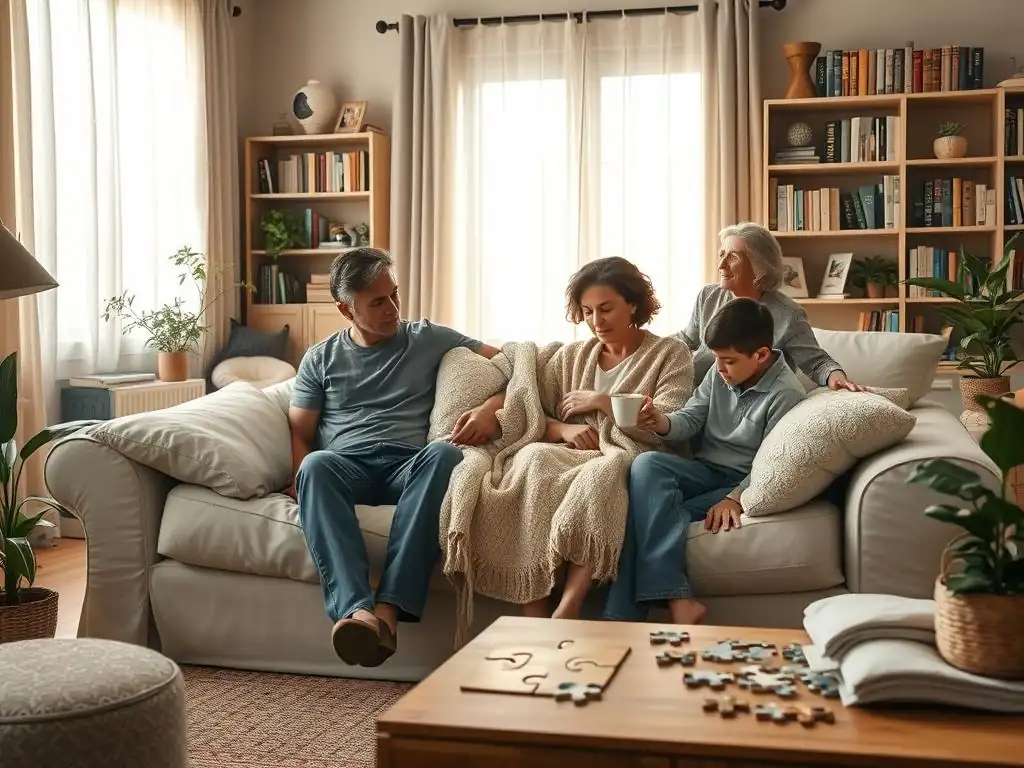
Welcome to Mind Care Guide, a sanctuary for understanding and navigating the complexities of mental well-being. Feeling lost amidst the whirlwind of mood swings? You're not alone. Our guide, " How Family and Friends Can Be Allies in Rapid Cycling Management," delves into the vital role loved ones play in providing rapid cycling support. Discover how to build a strong support network and foster a deeper understanding of this challenging condition. Ready to unlock the power of connection and find practical strategies for navigating this journey together? Let's begin.
- Mind Care Guide: How Family and Friends Can Be Allies in Rapid Cycling Management
- Building a Strong Support System: A Guide for Family and Friends
- Practical Ways Family and Friends Can Provide Assistance
- Fostering a Healthy and Supportive Relationship
- Resources and Tools for Family and Friends of Individuals with Rapid Cycling
- The Long-Term Benefits of a Strong Support Network in Rapid Cycling Management
- Addressing Common Misconceptions About Rapid Cycling and Support
- Navigating Crisis Situations: A Guide for Immediate Support
-
Frequently Asked Questions
- What is rapid cycling, and how does it relate to bipolar disorder?
- How can family and friends support someone experiencing rapid cycling?
- What are some specific warning signs of mood episodes that family and friends should watch for?
- Where can family and friends find resources and support for themselves while supporting someone with rapid cycling?
- How can family and friends encourage someone with rapid cycling to seek professional help?
- Final Reflection: Building Bridges of Understanding in Rapid Cycling
- Unlock Your Support Network: Empower Your Rapid Cycling Journey
Mind Care Guide: How Family and Friends Can Be Allies in Rapid Cycling Management
What is Rapid Cycling Bipolar Disorder?
Rapid cycling is a course specifier for bipolar disorder, characterized by experiencing four or more distinct mood episodes (major depressive, manic, hypomanic, or mixed) within a single year. These shifts can occur quickly, sometimes within days or even hours, making the condition particularly challenging to manage compared to other forms of bipolar disorder where episodes might be less frequent. The intensity and rapid fluctuation of mood states can significantly impact an individual's daily life, relationships, and overall stability.
Unlike typical bipolar disorder patterns which might see one or two episodes annually, rapid cycling means an individual might experience multiple severe mood swings, moving from depression to mania or hypomania, or experiencing mixed states where symptoms of both occur simultaneously. This accelerated pattern can make diagnosis difficult initially and often requires more intensive treatment approaches. Approximately 10-20% of individuals with bipolar disorder experience periods of rapid cycling at some point, though this figure can vary.
The Critical Role of Family Friends Rapid Cycling Support
The unpredictable and intense nature of rapid cycling bipolar disorder highlights the indispensable need for a robust support network. Family friends rapid cycling support provides a vital layer of stability and understanding for individuals navigating these turbulent mood shifts. Loved ones can offer emotional comfort, practical assistance, and crucial monitoring, acting as a bridge between the individual and their healthcare team.
Having family and friends involved in the management process can significantly improve treatment adherence and outcomes. Studies have indicated that strong social support is correlated with fewer hospitalizations and better long-term stability in individuals with bipolar disorder. For rapid cycling, where episodes are frequent and sometimes debilitating, this consistent support from family and friends becomes even more critical in helping the individual maintain their treatment plan and manage daily life during intense periods.
Challenges Faced by Individuals with Rapid Cycling and Their Support Systems
Individuals living with rapid cycling often face profound challenges, including difficulty maintaining employment or education, strained relationships due to unpredictable behavior during episodes, and the physical and emotional exhaustion of frequent mood shifts. The rapid changes can be disorienting and leave them feeling out of control, making it hard to sustain motivation for treatment or self-care. The sheer frequency of episodes can also lead to a sense of hopelessness or despair.
For family and friends providing rapid cycling support, the challenges are also significant. They may experience caregiver burnout, feel overwhelmed by the unpredictable nature of the illness, struggle to understand the drastic mood changes, and grapple with the emotional toll of seeing their loved one suffer. There can be tension and conflict arising from behaviors during episodes, and navigating the balance between providing support and maintaining their own well-being is a constant effort.
Building a Strong Support System: A Guide for Family and Friends
Educating Yourself About Rapid Cycling Bipolar Disorder
Understanding the nuances of rapid cycling is the foundational step for providing effective family friends rapid cycling support. Learning about the specific symptoms associated with manic, hypomanic, depressive, and mixed episodes, as well as how they can manifest rapidly, helps demystify the behavior changes witnessed. Accessing reputable information from mental health organizations or healthcare providers can provide clarity and reduce fear or confusion surrounding the diagnosis.
Gaining knowledge also involves understanding the treatment options available, such as medication (like mood stabilizers or antipsychotics) and therapy (like cognitive behavioral therapy or family-focused therapy). Knowing about the potential side effects of medications or the goals of therapy allows family and friends to better support adherence and recognize potential issues. Informed support is empathetic support, enabling loved ones to respond with understanding rather than frustration during difficult periods.
Effective Communication Strategies for Supporting Loved Ones
Open, honest, and empathetic communication is paramount when supporting someone with rapid cycling. This involves active listening without judgment, validating their feelings during both high and low moods, and expressing your support clearly and consistently. Choosing calm moments to discuss the illness, treatment plans, and how you can best help is more effective than trying to communicate during an episode.
It is also crucial to establish clear communication about expectations and boundaries. For instance, discussing what kind of support is helpful during a depressive episode versus a manic one, or agreeing on how to handle financial matters during potential impulsive phases. Using "I" statements ("I feel concerned when...") rather than accusatory "You" statements ("You always...") can help keep conversations constructive and less confrontational, fostering a safer space for the individual to share their experiences.
Recognizing Triggers and Early Warning Signs of Mood Swings
Learning to identify potential triggers and subtle early warning signs of mood shifts is a critical aspect of family friends rapid cycling support. Triggers can vary greatly from person to person but might include stress, sleep deprivation, changes in routine, or even seasonal changes. Recognizing these can sometimes help in proactively managing potential episodes or at least being prepared for a shift.
Early warning signs are the subtle cues that an episode might be beginning. For a manic or hypomanic episode, these might include decreased need for sleep, increased talkativeness, restlessness, or heightened irritability. For a depressive episode, signs could be withdrawal, loss of interest, changes in appetite or sleep, or increased fatigue. Keeping a shared mood log or journal can sometimes help both the individual and their support system track patterns and identify these precursors, allowing for earlier intervention by the individual and their healthcare team.
Practical Ways Family and Friends Can Provide Assistance

Creating a Structured and Predictable Environment
Maintaining a stable and predictable environment can be incredibly helpful for individuals with rapid cycling. This involves encouraging consistent sleep schedules, regular meal times, and a routine for daily activities. Predictability can help regulate mood and reduce the stress that might trigger episodes. Simple steps like consistent wake-up and bedtime, even on weekends, can make a difference.
During periods of instability, family and friends can assist in maintaining this structure. This might mean gentle reminders about bedtime, helping plan meals, or ensuring appointments are kept. While flexibility is sometimes needed, a foundational structure provides a sense of safety and grounding when internal mood states are fluctuating wildly. This practical support helps counteract the chaos that rapid cycling can introduce into daily life.
Encouraging Medication Adherence and Therapy Attendance
Medication and therapy are cornerstones of rapid cycling treatment, and adherence is often challenging, especially during mood shifts. Family friends rapid cycling support includes gently encouraging the individual to take their prescribed medications as directed and attend therapy sessions. This isn't about policing, but rather offering reminders, perhaps helping with transportation to appointments, or simply asking how their therapy session went.
During depressive episodes, motivation can be low, making adherence difficult. During manic or hypomanic episodes, individuals might feel they don't need medication or therapy. In these times, empathetic reminders and highlighting the long-term benefits of consistent treatment are vital. Helping organize medication or appointment schedules can be practical ways to support this crucial aspect of management.
Helping with Daily Tasks and Responsibilities During Episodes
When someone is experiencing a severe mood episode, whether depressive or manic, simple daily tasks can become overwhelming or impossible. During a depressive episode, getting out of bed, hygiene, or preparing food might be too difficult. During a manic episode, focus can be scattered, leading to neglect of responsibilities like paying bills or maintaining cleanliness.
Family and friends can offer practical help with these tasks. This might involve assisting with meal preparation, helping manage finances (with the individual's consent and involvement where possible), doing laundry, or helping maintain the household. This tangible support alleviates stress on the individual and helps keep life functioning during periods when they are less able to cope independently.
Monitoring Mood Changes and Reporting to Healthcare Professionals
Given the rapid nature of mood shifts, continuous monitoring by the individual and their support network is invaluable. Family and friends are often the first to notice significant changes in mood, behavior, or energy levels that might indicate an impending or current episode. This is a key element of effective family friends rapid cycling support.
Establishing an agreement with the individual (and their permission to share information with their doctor) about reporting concerning changes is important. This allows the healthcare team to intervene early, potentially adjusting medication or therapy before an episode becomes severe. Maintaining a shared mood log or using a tracking app can facilitate this process, providing concrete data points to discuss with healthcare providers.
Fostering a Healthy and Supportive Relationship
Setting Boundaries and Maintaining Personal Well-being
Providing rapid cycling support is demanding, and it is essential for family and friends to set healthy boundaries and prioritize their own well-being. Boundaries protect the caregiver from burnout and ensure the relationship remains sustainable. This might involve deciding what type of support you can realistically offer, how often you can provide it, and what behaviors are unacceptable within the relationship.
Maintaining personal well-being means continuing to engage in your own hobbies, social activities, and self-care practices. Caregiver burnout is real, and neglecting your own needs can lead to resentment and diminished capacity to help. Seeking your own support, whether through therapy or support groups for caregivers, is not selfish; it's necessary for long-term effectiveness.
Avoiding Judgment and Offering Unconditional Support
One of the most damaging responses to mental illness is judgment. Behaviors during manic or depressive episodes are symptoms of the illness, not character flaws. Providing family friends rapid cycling support requires cultivating empathy and understanding that the individual is struggling with a complex biological condition.
Offering unconditional support means being there for the person regardless of their current mood state or behaviors during an episode. It means separating the person from the illness and reminding them that they are loved and valued. This non-judgmental stance fosters trust and encourages the individual to be open about their struggles, making them more receptive to help.
Promoting Self-Care and Healthy Coping Mechanisms
Encouraging and participating in healthy self-care and coping mechanisms is a practical way to support someone with rapid cycling. This includes promoting regular exercise, a balanced diet, stress reduction techniques (like mindfulness or meditation), and engaging in enjoyable activities. These habits can help manage stress and potentially reduce the severity or frequency of episodes.
Family and friends can model healthy behaviors and even participate in these activities together, making them more enjoyable and sustainable. Helping the individual identify their own healthy coping strategies and gently encouraging their use, especially during challenging times, reinforces positive ways to manage the illness.
Resources and Tools for Family and Friends of Individuals with Rapid Cycling
Support Groups and Online Communities for Caregivers
Connecting with others who understand the unique challenges of supporting someone with rapid cycling can be incredibly validating and informative. Support groups, both in-person and online, offer a space to share experiences, gain practical advice, and receive emotional support from peers who face similar situations. Organizations like the Depression and Bipolar Support Alliance (DBSA) or the National Alliance on Mental Illness (NAMI) often host such groups.
Online communities provide flexibility and access to a wider network, allowing caregivers to connect regardless of location or time constraints. Sharing stories and learning from others who have navigated similar difficulties can reduce feelings of isolation and equip family and friends with new strategies for providing effective family friends rapid cycling support.
Mental Health Organizations and Their Services
Numerous mental health organizations offer valuable resources, information, and support services for individuals with bipolar disorder and their families. NAMI provides educational programs like "Family-to-Family," specifically designed for family members of individuals with mental illness. DBSA offers support groups specifically for those affected by depression and bipolar disorder.
These organizations often have helplines, websites with extensive information, and directories of local resources like therapists, support groups, and treatment centers. Accessing these services can provide much-needed guidance, education, and a pathway to professional help, strengthening the support system's ability to assist their loved one.
Books and Articles on Rapid Cycling and Bipolar Disorder
Educating yourself through reputable literature is another key tool for family friends rapid cycling support. Books written by mental health professionals or individuals with lived experience can offer deep insights into the condition, treatment options, and strategies for living well with bipolar disorder. Specific books focusing on rapid cycling or caregiving for someone with bipolar disorder can be particularly helpful.
Reliable online articles from established mental health websites, academic journals, or patient advocacy groups also provide up-to-date information on research, treatment advancements, and practical tips. Continuously learning about the illness helps family and friends adapt their support strategies as needed and stay informed about the best ways to help.
The Long-Term Benefits of a Strong Support Network in Rapid Cycling Management

Improved Treatment Outcomes and Reduced Hospitalizations
Consistent and informed family friends rapid cycling support is strongly linked to better treatment outcomes. When individuals feel supported, understood, and encouraged, they are more likely to adhere to medication regimens, attend therapy regularly, and engage in self-care. This adherence can lead to greater mood stability and a significant reduction in the frequency and severity of episodes.
Research consistently shows that social support is a protective factor against relapse and hospitalization in bipolar disorder. For rapid cycling, where the risk of frequent, severe episodes is higher, this protective effect is particularly valuable. A strong support network can help identify early warning signs, facilitate timely intervention, and provide the stability needed to navigate challenging periods outside of a hospital setting. One study found that individuals with high levels of family support had significantly lower rates of rehospitalization compared to those with less support.
Enhanced Quality of Life for Individuals and Their Families
Effective rapid cycling support from family and friends doesn't just improve clinical outcomes; it also significantly enhances the overall quality of life for both the individual with the diagnosis and their loved ones. When mood swings are better managed, the individual can experience more stability in their relationships, work, and personal pursuits. They may feel less isolated and more hopeful about their future.
For family and friends, successful support means less stress, fear, and uncertainty. While challenges remain, seeing their loved one thrive and manage their illness effectively is incredibly rewarding. It allows for more positive interactions, stronger relationships, and the ability to enjoy life together without the constant shadow of unpredictable episodes.
Fostering Resilience and Hope in the Face of Challenges
Living with rapid cycling is undoubtedly challenging, but the presence of a strong support network fosters resilience and hope. Knowing that there are people who care, understand, and are willing to help provides a foundation of strength during difficult times. This sense of connection combats the isolation that mental illness can create.
Family friends rapid cycling support helps the individual see that recovery and stability are possible, even with a complex condition. By navigating challenges together, celebrating successes, and providing unwavering encouragement, the support system empowers the individual to believe in their ability to manage the illness and live a fulfilling life.
Addressing Common Misconceptions About Rapid Cycling and Support
Debunking Myths About Bipolar Disorder and Rapid Cycling
Many myths surround bipolar disorder and rapid cycling, often fueled by stigma and misunderstanding. One common myth is that individuals with bipolar disorder are simply "moody" or "unstable" by choice. It's crucial to understand that rapid cycling is a severe medical condition involving complex neurobiological processes, not a personality flaw or a lack of willpower. Another myth is that medication cures the disorder; while essential, medication is often part of a broader treatment plan including therapy and lifestyle management.
Family and friends providing rapid cycling support play a key role in debunking these myths within their own understanding and when interacting with others. Educating themselves and others helps to reduce stigma and promotes a more accurate understanding of the illness, fostering a more supportive environment for the individual.
Overcoming Stigma and Promoting Understanding
Stigma associated with mental illness, including bipolar disorder, can be a significant barrier to seeking help and living openly. Individuals with rapid cycling may internalize this stigma, leading to shame and reluctance to discuss their struggles or seek necessary support. Family and friends can actively work to overcome stigma by treating the illness like any other medical condition, speaking openly and honestly about it (with the individual's permission), and challenging discriminatory attitudes.
Promoting understanding involves educating others about the realities of rapid cycling and emphasizing that it is a treatable condition. Sharing accurate information and personal stories (again, with consent) can help break down barriers and build a more compassionate community. The support system's attitude significantly influences how the individual perceives their own condition and their willingness to seek and accept help.
Emphasizing the Importance of Seeking Professional Help
While family friends rapid cycling support is invaluable, it is not a substitute for professional medical and psychiatric care. A crucial aspect of support is consistently emphasizing and facilitating access to qualified healthcare professionals. This includes psychiatrists, therapists, and other mental health specialists who can provide accurate diagnosis, evidence-based treatment, and ongoing management.
Family and friends can help by encouraging appointments, helping prepare questions for the doctor, or even accompanying the individual to appointments (with their consent). They can also serve as important informants for the healthcare team, providing observations about mood and behavior changes that the individual might not recognize or report. Stressing that professional help is a sign of strength, not weakness, is vital.
Recognizing Signs of a Manic or Depressive Emergency
Despite best efforts, individuals with rapid cycling may experience severe episodes that constitute a crisis. Recognizing the signs of a potential emergency is paramount for family friends rapid cycling support. A manic emergency might involve reckless behavior posing danger to self or others (e.g., excessive spending leading to financial ruin, dangerous driving, aggressive outbursts), psychosis (hallucinations or delusions), or complete inability to function due to racing thoughts and lack of sleep.
A severe depressive emergency can involve active suicidal thoughts or plans, complete withdrawal and inability to care for basic needs (eating, drinking, hygiene), or catatonia. Any indication of self-harm intent or inability to maintain safety requires immediate attention.
Developing a Crisis Plan with the Individual and Their Healthcare Team
A proactive step in managing rapid cycling is developing a detailed crisis plan before an emergency occurs. This plan should be created collaboratively with the individual, their family/friends, and their healthcare team. It should outline specific warning signs of a crisis, preferred interventions, emergency contacts (including therapists, psychiatrists, and trusted family/friends), location of important documents (like insurance information), and the individual's preferences regarding hospitalization or specific treatments during a crisis when they might not be able to make decisions.
Having this plan in place removes guesswork during a high-stress situation and ensures that the individual's wishes and the healthcare team's recommendations are followed. It provides a clear roadmap for family friends rapid cycling support during the most challenging times.
Knowing When and How to Seek Emergency Medical Attention
Knowing when to escalate from regular support to seeking emergency attention is critical. If the individual expresses suicidal intent, makes plans for self-harm, engages in severely reckless or dangerous behavior, experiences psychosis, or is unable to care for themselves safely, it is time to seek immediate professional help.
This might involve calling the individual's psychiatrist or therapist first if they are available, contacting a local crisis hotline, or going to the nearest emergency room. If the situation is immediately life-threatening, calling emergency services (like 911 in the U.S.) is necessary. The crisis plan should include these emergency contacts and procedures. Acting decisively during a crisis is a vital component of effective family friends rapid cycling support and can be life-saving.
Frequently Asked Questions
What is rapid cycling, and how does it relate to bipolar disorder?
Rapid cycling is a pattern of frequent, distinct episodes in bipolar disorder, characterized by four or more mood episodes (mania, hypomania, depression, or mixed) within a 12-month period. It's important to understand that it is not a separate diagnosis, but a course specifier for bipolar disorder.
How can family and friends support someone experiencing rapid cycling?
Family and friends can provide emotional support, help monitor mood changes, and encourage adherence to treatment plans. They can also assist with practical tasks and create a stable and understanding environment.
What are some specific warning signs of mood episodes that family and friends should watch for?
Warning signs vary but may include changes in sleep patterns, increased or decreased energy levels, irritability, racing thoughts, and impulsive behaviors. Open communication and awareness of the individual's typical patterns are crucial.
Where can family and friends find resources and support for themselves while supporting someone with rapid cycling?
Organizations like the National Alliance on Mental Illness (NAMI) and the Depression and Bipolar Support Alliance (DBSA) offer educational materials, support groups, and online resources for both individuals with bipolar disorder and their loved ones. Seeking professional guidance for themselves is also important.
How can family and friends encourage someone with rapid cycling to seek professional help?
Approach the conversation with empathy and understanding, emphasizing the potential benefits of treatment for improving their quality of life. Offer to accompany them to appointments and provide ongoing support throughout the treatment process.
Final Reflection: Building Bridges of Understanding in Rapid Cycling
The struggle with rapid cycling bipolar disorder doesn't end with diagnosis; it demands a village. This article has highlighted the crucial role family and friends play in navigating the unpredictable emotional landscape of rapid cycling, emphasizing the need for education, empathy, and consistent support. The impact on the individual experiencing rapid cycling is profound, but the ripple effect on their loved ones is equally significant, making a strong support system vital for successful management and improved quality of life.
Witnessing the challenges faced by someone with rapid cycling firsthand underscores the importance of fostering understanding and reducing stigma. This journey isn't just about managing symptoms; it's about building resilience and fostering a sense of belonging. The emotional toll on both the individual and their support network is immense, requiring patience, unwavering commitment, and a willingness to learn. The most basic of all human needs is the need to understand and be understood.
- Ralph Nichols. This quote perfectly encapsulates the core of effective support in navigating the complexities of rapid cycling.
Now, consider your own relationships. How can you apply the knowledge gained from this article to strengthen your support network? Are you equipped to offer understanding and practical assistance to someone facing rapid cycling?
Perhaps it's time to initiate a conversation, educate yourself further, or simply offer a listening ear. Remember, building bridges of understanding and providing consistent support can make a world of difference in the life of someone battling rapid cycling, and in the lives of those who love them. Let's work together to create a more supportive and informed community for everyone affected by this challenging condition.
Unlock Your Support Network: Empower Your Rapid Cycling Journey
Thanks for taking the time to learn more about supporting someone with rapid cycling! We hope this article provided valuable insights and tools to better understand and navigate this complex condition. Now, let's turn those insights into action.
- Prioritize open communication: Schedule a conversation with your loved one, focusing on how you can best offer support based on what you've learned. Discuss practical ways to help manage their symptoms and create a supportive environment.
- Join the conversation: Share this article with other family members or friends who want to understand rapid cycling better. Starting a dialogue can strengthen the entire support network.
- Explore additional resources: Research local support groups or online communities dedicated to bipolar disorder and rapid cycling. Connecting with others facing similar challenges can be incredibly powerful.
Ready to transform your approach to supporting someone through rapid cycling? What small step will you take today to strengthen your family's support system?