
From Worry to Wellness: Helping Older Adults Manage Chronic Anxiety


Welcome to Mind Care Guide, a space dedicated to nurturing your mental well-being.
Feeling overwhelmed by persistent worry? You're not alone. Many seniors experience chronic anxiety, and finding effective ways to manage it is crucial for a fulfilling life. Let's explore actionable strategies and supportive resources together. Dive into our latest guide on Managing Chronic Anxiety in Seniors and discover pathways to peace and resilience. What if you could reclaim control and find comfort in your daily life? Let's begin.
Thriving in Retirement: Managing Anxiety and Finding Fulfillment
Retirement marks a significant life transition, often anticipated with excitement, yet it can also bring unexpected challenges, including heightened anxiety. This phase of life involves substantial changes to daily routines, social circles, and personal identity, all of which can impact mental well-being. Learning how to navigate these shifts and actively manage anxiety is crucial for embracing a fulfilling and healthy retirement. This guide explores the unique aspects of anxiety in later life and provides practical strategies for older adults and their families in managing chronic anxiety in seniors.
- Understanding Anxiety in Retirement
- Unique Challenges Contributing to Anxiety in Retirement
- Strategies for Managing Anxiety in Retirement
- Building a Strong Support System in Retirement
- Practical Tips for Family Members Supporting Retirees with Anxiety
- Resources for Retirees Seeking Anxiety Relief and Fulfillment
- Promoting Well-being and Resilience in Retirement
- Conclusion: Embracing a Fulfilling and Anxiety-Free Retirement
-
Frequently Asked Questions
- How does chronic anxiety specifically manifest in older adults?
- What are some common triggers for chronic anxiety in seniors?
- What are some effective non-pharmacological approaches to managing chronic anxiety in seniors?
- How can family members best support seniors struggling with chronic anxiety?
- When is medication necessary for managing chronic anxiety in seniors, and what are the considerations?
- Final Reflection: Embracing Serenity in the Golden Years
- Unleash Your Inner Calm: Start Your Wellness Journey Today
Understanding Anxiety in Retirement
The transition into retirement is a complex process that can affect individuals differently. While many look forward to newfound freedom and leisure, the sudden absence of work structure and social connections can sometimes lead to feelings of unease and anxiety. Understanding what anxiety is and how this specific life stage can influence it is the first step toward effective management.
What is Anxiety and How Does Retirement Impact It?
Anxiety is a natural human response to stress, characterized by feelings of worry, nervousness, or unease. While occasional anxiety is normal, chronic anxiety involves persistent and excessive worry that interferes with daily life. For retirees, this can manifest as concerns about health, finances, purpose, or social connections.
Retirement removes the familiar structure of a working life, which often provided routine, social interaction, and a sense of purpose. The sudden availability of unstructured time can be overwhelming for some, leading to feelings of aimlessness or dread. Furthermore, the transition often coincides with other age-related changes, such as shifts in physical health or the loss of peers, which can exacerbate underlying anxieties. Studies indicate that the period immediately following retirement can be a particularly vulnerable time for mental health adjustments.
Retirement can also trigger existential questions about identity and value outside of one's profession. A person who defined themselves largely by their career may struggle to find meaning, leading to increased worry about their future role and contribution. This loss of identity can fuel chronic anxiety in seniors, making the transition feel less like a reward and more like a void to be filled. The lack of a demanding schedule might also leave more time for rumination on past regrets or future uncertainties.
Prevalence of Anxiety Among Retirees
Anxiety disorders are among the most common mental health issues affecting older adults, including those in retirement. While depression often receives more attention in this demographic, anxiety is equally prevalent, affecting millions of seniors. Estimates suggest that approximately 10-20% of older adults experience clinically significant anxiety symptoms, with subthreshold anxiety impacting an even larger percentage.
The prevalence of anxiety in retirement is influenced by multiple factors unique to this life stage. Data indicates that retirees with pre-existing health conditions, financial instability, or limited social support networks are at a higher risk of developing or experiencing exacerbated anxiety. For example, a survey might show that older adults reporting fair or poor health are twice as likely to report symptoms of generalized anxiety disorder compared to those in good health. This highlights the interconnectedness of physical well-being and mental health when managing chronic anxiety in seniors.
Recognizing the signs of anxiety in retirement can be challenging, as symptoms can sometimes overlap with other age-related conditions or simply be dismissed as normal aging concerns. However, persistent worry that is difficult to control is a core symptom. This worry might focus on retirement-specific issues like running out of money, becoming ill, or being a burden to family.
Physical symptoms are also common and include restlessness, fatigue, difficulty concentrating, irritability, muscle tension, and sleep disturbances. A retiree might complain of being constantly tired despite not having a demanding schedule, or experience unexplained aches and pains. Behavioral signs could include avoiding social situations they once enjoyed, excessive checking behaviors (like repeatedly checking financial statements), or an inability to relax and enjoy leisure time. It is important to differentiate between normal adjustments to retirement and persistent symptoms that indicate a need for support in managing chronic anxiety in seniors.
Unique Challenges Contributing to Anxiety in Retirement
Retirement isn't just a cessation of work; it's a fundamental shift in lifestyle and social role. This transition presents several unique challenges that can significantly contribute to anxiety in older adults. Understanding these specific pressures is vital for developing effective strategies for managing chronic anxiety in seniors.
Loss of Identity and Purpose: Impact on Mental Well-being
For many individuals, their professional identity is deeply intertwined with their sense of self-worth and purpose. Retirement can abruptly remove this central pillar, leaving individuals feeling lost or insignificant. A retired teacher, for instance, might miss the daily interaction with students and colleagues, feeling that their valuable skills are no longer being utilized. This void can lead to feelings of emptiness and worry about one's relevance.
Research consistently shows a correlation between a strong sense of purpose and positive mental health outcomes in older adults. A study might reveal that retirees who engage in meaningful activities report lower levels of anxiety and depression compared to those who do not. The loss of a structured work schedule and the inherent goals it provided can make it difficult for retirees to establish new routines and find activities that provide a similar sense of fulfillment, contributing significantly to the challenge of managing chronic anxiety in seniors.
Retirement often coincides with increasing health concerns, which can be a significant source of anxiety. Worries about developing chronic conditions, managing existing illnesses, or navigating the healthcare system become more prominent. The financial burden of healthcare costs on a fixed income is also a major stressor.
Navigating complex insurance plans, understanding medical bills, and coordinating care can be overwhelming. A common scenario involves a retiree worrying excessively about a minor symptom, fearing it's a sign of a serious disease, leading to frequent, anxious visits to the doctor. Data from health surveys often indicates that fear of illness and dependency is a leading cause of worry among older adults. This health-related anxiety can significantly impact their quality of life and requires specific strategies when managing chronic anxiety in seniors.
The workplace provides a built-in social network. Retirement can drastically reduce daily social interactions, leading to feelings of isolation and loneliness. Colleagues who were seen daily are no longer part of the routine, and friendships that were primarily work-based may fade.
Studies have demonstrated a strong link between social isolation and negative health outcomes, including increased anxiety and depression. For example, research might show that older adults who report feeling lonely have a 30-50% higher risk of experiencing anxiety symptoms compared to those with strong social ties. This lack of regular connection can leave retirees feeling disconnected and anxious about their place in the world, highlighting the importance of proactive efforts in managing chronic anxiety in seniors through social engagement.
Financial Uncertainty and Budgeting Anxiety in Retirement
Managing finances on a fixed income is a primary concern for many retirees and a significant contributor to anxiety. Worries about having enough money to cover expenses, potential unexpected costs, inflation, or outliving savings can be constant stressors.
The shift from receiving a regular paycheck to managing withdrawals from retirement funds or relying solely on pensions and social security requires careful planning and can be a source of significant worry. A common example is a retiree constantly checking their investment portfolio, panicking over market fluctuations, or rigidly restricting spending out of fear of depletion. Financial anxiety can lead to sleep problems, irritability, and difficulty enjoying leisure time. Financial planning resources and counseling can be crucial tools in managing chronic anxiety in seniors related to money matters.
Strategies for Managing Anxiety in Retirement
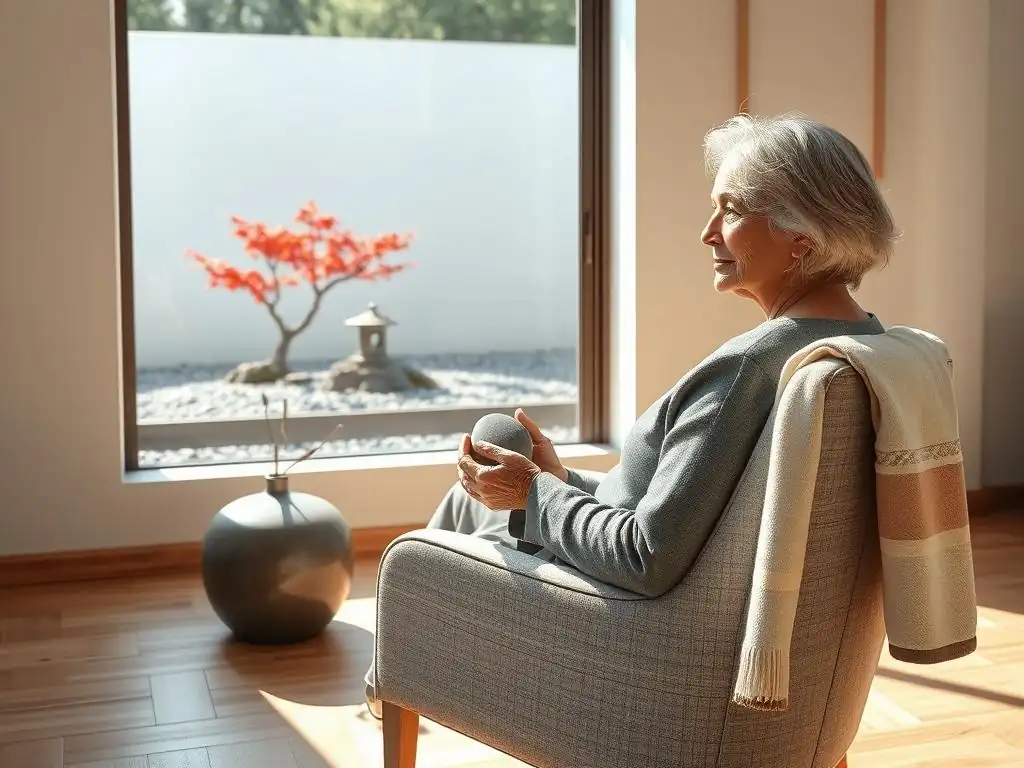
Effectively managing chronic anxiety in seniors involves a multi-faceted approach that addresses both the physical and psychological aspects of well-being. Implementing positive lifestyle changes and exploring therapeutic options can significantly reduce anxiety symptoms and improve quality of life.
Lifestyle Adjustments for Reducing Anxiety
Small, consistent changes to daily habits can have a profound impact on managing anxiety. Focusing on physical activity, nutrition, and sleep are fundamental steps toward improving mental resilience in retirement.
The Role of Physical Activity and Exercise in Retirement
Regular physical activity is a powerful tool for reducing anxiety. Exercise releases endorphins, which have mood-boosting effects, and can also help reduce tension and improve sleep. Even moderate activity, like walking, gardening, or swimming, can make a difference.
Studies consistently show that older adults who engage in regular exercise report lower levels of anxiety. For instance, research might indicate that walking for 30 minutes most days of the week can reduce anxiety symptoms by approximately 20-30% in sedentary individuals. Finding enjoyable activities that fit into a retirement routine is key to sustained engagement and is a vital component of managing chronic anxiety in seniors through natural means.
Healthy Eating Habits for Mental Clarity and Stability
Nutrition plays a significant role in mental health. A balanced diet rich in fruits, vegetables, lean proteins, and whole grains can help stabilize blood sugar levels and provide the necessary nutrients for brain function. Limiting caffeine, alcohol, and processed foods can also reduce anxiety symptoms.
Specific nutrients like omega-3 fatty acids, B vitamins, and magnesium are linked to improved mood and reduced anxiety. For example, incorporating fatty fish like salmon a couple of times a week or ensuring adequate intake of leafy greens can support neurological health. Maintaining consistent meal times and staying hydrated are simple yet effective dietary strategies for supporting overall well-being when managing chronic anxiety in seniors.
Establishing a Consistent Sleep Routine for Rest and Relaxation
Sleep disturbances are common in older adults and can significantly worsen anxiety. Establishing a regular sleep schedule, creating a relaxing bedtime routine, and ensuring the bedroom is dark, quiet, and cool can improve sleep quality.
Aiming for 7-9 hours of quality sleep per night is crucial. Avoiding screens before bed, limiting naps during the day, and using relaxation techniques like deep breathing can help promote restful sleep. Improving sleep is often a foundational step in effectively managing chronic anxiety in seniors, as fatigue can amplify feelings of worry and irritability.
Therapeutic Approaches to Anxiety Management
Beyond lifestyle changes, various therapeutic interventions can provide targeted support for managing anxiety. These approaches help individuals understand the roots of their anxiety and develop effective coping mechanisms.
Cognitive Behavioral Therapy (CBT) for Retirement-Related Anxiety
Cognitive Behavioral Therapy (CBT) is a highly effective form of therapy for anxiety disorders. It helps individuals identify and challenge negative thought patterns and behaviors that contribute to anxiety. For retirees, CBT can specifically address worries related to loss of purpose, financial fears, or health anxieties.
A CBT therapist might work with a retiree to reframe negative thoughts like "I'm useless now that I'm not working" into more balanced perspectives, such as "Retirement is an opportunity to explore new interests and contribute in different ways." CBT techniques, like gradual exposure to feared situations (e.g., attending a social event after a period of isolation), can also be practiced. Studies show that CBT can reduce anxiety symptoms by 60-80% in older adults, making it a cornerstone for managing chronic anxiety in seniors.
Mindfulness and Meditation for Stress Reduction in Retirement
Mindfulness and meditation practices involve focusing on the present moment without judgment. These techniques can help quiet the anxious mind, reduce rumination, and promote a sense of calm. Simple practices like mindful breathing or walking meditation can be easily incorporated into a daily routine.
Regular mindfulness practice has been shown to alter brain structure in ways that reduce reactivity to stress. Even practicing for 10-15 minutes daily can yield benefits, such as reduced perceived stress levels and improved emotional regulation. Apps, online resources, or local classes can provide guidance for retirees interested in using mindfulness for managing chronic anxiety in seniors.
Finding Purpose Through Volunteer Work and Community Engagement
Engaging in meaningful activities that provide a sense of purpose is vital for mental well-being in retirement. Volunteer work, pursuing hobbies, or joining community groups can fill the void left by work and create new social connections.
Volunteering, for example, offers opportunities to contribute to society, utilize existing skills, or learn new ones, fostering a sense of value and connection. Research suggests that older adults who volunteer report higher levels of life satisfaction and lower levels of anxiety and depression. Finding activities that align with personal values and interests is key to successfully managing chronic anxiety in seniors by building a fulfilling post-work life.
Medication Options for Anxiety (When Necessary)
For some individuals, lifestyle adjustments and therapy may not be sufficient to manage severe or persistent anxiety. In such cases, medication may be considered as part of a comprehensive treatment plan, always under strict medical supervision.
Consulting with a Physician About Medication Management
If anxiety symptoms are significantly impacting daily life and other strategies have not provided sufficient relief, consulting with a physician is crucial. A doctor can assess the severity of the anxiety, rule out any underlying medical conditions contributing to symptoms, and discuss potential medication options.
The physician will consider the individual's overall health, other medications they are taking, and the specific type of anxiety experienced. They can explain the different classes of anti-anxiety medications, such as SSRIs (Selective Serotonin Reuptake Inhibitors) or SNRIs (Serotonin-Norepinephrine Reuptake Inhibitors), which are often preferred for long-term use in older adults due to their lower risk of dependence compared to benzodiazepines. Open communication with the doctor is essential when considering medication for managing chronic anxiety in seniors.
Understanding Potential Side Effects and Interactions
It is vital to have a thorough discussion with the physician about potential side effects and interactions of any prescribed medication. Older adults can be more sensitive to medication effects, and polypharmacy (taking multiple medications) is common, increasing the risk of adverse interactions.
Common side effects of anti-anxiety medications can include drowsiness, dizziness, or digestive issues, though these often subside over time. The physician will monitor the individual closely after starting medication to assess its effectiveness and manage any side effects. Patients should be encouraged to report any unusual symptoms immediately. Understanding these aspects is a key part of safely managing chronic anxiety in seniors with medication.
Building a Strong Support System in Retirement
A robust support system is invaluable for navigating the challenges of retirement and managing chronic anxiety in seniors. Connection with others provides emotional comfort, practical assistance, and a sense of belonging.
Actively working to maintain and build social connections is critical after leaving the workplace. Friendships and social networks provide emotional support, reduce feelings of isolation, and offer opportunities for enjoyable activities.
Making an effort to regularly connect with friends, joining clubs or groups centered around shared interests, or participating in community events can counteract the social void left by retirement. Research consistently shows that strong social ties are associated with lower rates of anxiety and depression in older adults. Prioritizing social engagement is a proactive step in managing chronic anxiety in seniors.
Family Involvement: Strengthening Bonds and Seeking Support
Family members can be a primary source of support for retirees experiencing anxiety. Open communication with spouses, children, siblings, and grandchildren can provide reassurance and help alleviate worries.
Sharing feelings and concerns with trusted family members can reduce the burden of anxiety. Family can also offer practical support, such as helping with appointments or providing transportation, which can reduce stress. Strengthening family bonds and actively seeking their support is a vital aspect of managing chronic anxiety in seniors within a supportive network.
Retirement communities and social clubs designed for older adults offer built-in opportunities for social interaction and shared activities. These settings provide a sense of community and belonging.
Joining a book club, a walking group, a bridge club, or participating in activities offered by a senior center can provide regular social engagement and opportunities to develop new friendships. Being part of a community reduces feelings of loneliness and provides a supportive environment, which is highly beneficial for managing chronic anxiety in seniors.
Practical Tips for Family Members Supporting Retirees with Anxiety
Supporting a family member who is managing chronic anxiety in seniors requires patience, understanding, and effective communication. Family members can play a crucial role in helping their loved one cope with their worries and find fulfillment in retirement.
Recognizing Anxiety Triggers and Developing Coping Mechanisms
Family members can help by observing and understanding what situations or thoughts seem to trigger their loved one's anxiety. Common triggers might include discussions about finances, health scares, or social events.
Once triggers are identified, family can work with the retiree to develop coping mechanisms. This might involve planning ahead for stressful situations, practicing relaxation techniques together, or gently encouraging engagement in calming activities. For example, if financial discussions cause anxiety, scheduling them at a calm time and keeping them focused and brief might help. Helping identify and navigate triggers is a key part of supporting managing chronic anxiety in seniors.
Effective Communication Strategies for Sensitive Conversations
Talking about anxiety can be difficult. Using empathetic and non-judgmental language is essential. Avoid dismissing their worries or telling them to "just snap out of it." Instead, validate their feelings and express your support.
Phrases like "I understand you're feeling worried about that" or "How can I best support you right now?" are more helpful than minimizing their experience. Encourage them to share their feelings without pressure. If they are reluctant to talk, simply being present and offering quiet support can be meaningful. Effective communication builds trust and facilitates the process of managing chronic anxiety in seniors.
Creating a Supportive and Understanding Home Environment
The home environment should be a place of safety and calm. Family members can contribute by maintaining a predictable routine, reducing unnecessary stressors, and encouraging healthy habits like regular sleep and activity.
Being patient during moments of heightened anxiety is crucial. Avoid conflict or criticism when the person is feeling overwhelmed. Encourage them to pursue hobbies and interests, and celebrate small victories in managing their anxiety. A supportive home life is a foundational element in successfully managing chronic anxiety in seniors.
Resources for Retirees Seeking Anxiety Relief and Fulfillment

Fortunately, numerous resources are available to help retirees manage anxiety and enhance their well-being. Knowing where to turn for information, support, and professional help is an important step.
Online Mental Health Resources and Support Groups
The internet offers a wealth of information and support for managing anxiety. Websites from reputable organizations often provide articles, tips, and self-help tools. Online support groups can connect retirees with others facing similar challenges.
Many mental health organizations offer dedicated sections on anxiety in older adults. While online resources should not replace professional medical advice, they can provide valuable information and a sense of community. Exploring these platforms can be a convenient way for seniors to find initial support and information related to managing chronic anxiety in seniors.
Local Senior Centers and Community Programs
Senior centers and local community programs are excellent resources for social engagement, activities, and support. They often offer classes, social events, fitness programs, and access to various services.
These centers provide opportunities to connect with peers, learn new skills, and stay active – all of which contribute to reduced anxiety and improved mental health. Participating in local programs is a practical way to build social connections and find purpose, aiding in managing chronic anxiety in seniors.
National Council on Aging (NCOA) and AARP Resources
Organizations like the National Council on Aging (NCOA) and AARP (formerly the American Association of Retired Persons) provide extensive resources specifically for older adults. Their websites and publications cover a wide range of topics, including health, finances, and mental well-being.
These organizations offer information on managing chronic conditions, navigating Medicare, finding social opportunities, and accessing mental health services. They serve as comprehensive hubs for retirees seeking guidance and support. Utilizing these established resources is highly recommended for managing chronic anxiety in seniors and addressing related life challenges.
Promoting Well-being and Resilience in Retirement
Beyond managing anxiety symptoms, the goal is to foster overall well-being and resilience, enabling retirees to thrive in this new chapter of life. This involves actively cultivating positive experiences and a healthy mindset.
Setting New Goals and Pursuing Personal Interests
Retirement offers a unique opportunity to set new goals and pursue interests that may have been neglected during working years. Whether it's learning a new language, mastering a craft, or training for a recreational event, having goals provides direction and motivation.
Setting achievable goals, no matter how small, can provide a sense of accomplishment and purpose. Exploring long-held interests or discovering new passions fills unstructured time with meaningful activities, which is crucial for managing chronic anxiety in seniors by focusing energy positively.
Engaging in Lifelong Learning and Skill Development
Staying mentally active is vital for cognitive health and overall well-being. Engaging in lifelong learning, whether through formal classes, online courses, or simply reading and exploring new topics, keeps the mind sharp and provides intellectual stimulation.
Learning new skills or acquiring knowledge can boost confidence and provide new avenues for social connection. Many universities and community colleges offer programs specifically for older adults. Embracing continuous learning is a powerful way to promote resilience and counter anxieties related to feeling unproductive or irrelevant.
Maintaining a Positive Outlook and Practicing Gratitude
Cultivating a positive outlook and practicing gratitude can significantly impact mental health. Focusing on the good aspects of life, even small ones, can shift perspective and reduce the tendency to dwell on worries.
Simple practices like keeping a gratitude journal, reflecting on positive experiences daily, or expressing appreciation to others can retrain the brain to focus on the positive. While it doesn't eliminate challenges, a positive mindset builds resilience and is a valuable tool in managing chronic anxiety in seniors.
Conclusion: Embracing a Fulfilling and Anxiety-Free Retirement
Retirement is a time of significant change, and it's normal to experience some level of anxiety during this transition. However, chronic anxiety doesn't have to define this chapter of life. By understanding the unique challenges of retirement, proactively implementing lifestyle adjustments, exploring therapeutic options, building strong support systems, and utilizing available resources, older adults can effectively manage their anxiety. Embracing new goals, pursuing interests, and fostering resilience are key to finding fulfillment and truly thriving in retirement. Managing chronic anxiety in seniors is an achievable goal, paving the way for a peaceful and rewarding post-work life.
Frequently Asked Questions
How does chronic anxiety specifically manifest in older adults?
Chronic anxiety in seniors often presents differently, with physical symptoms like fatigue or digestive issues being more prominent. It can also manifest as increased irritability or difficulty concentrating, rather than just worry.
What are some common triggers for chronic anxiety in seniors?
Common triggers include declining health, loss of loved ones, and financial concerns related to retirement or healthcare. Social isolation and fear of falling can also contribute to anxiety.
What are some effective non-pharmacological approaches to managing chronic anxiety in seniors?
Non-pharmacological approaches include cognitive behavioral therapy (CBT) tailored for seniors, mindfulness exercises, and regular physical activity adapted to their abilities. Social engagement is also crucial.
How can family members best support seniors struggling with chronic anxiety?
Family can offer support by actively listening to their concerns, encouraging professional help, and creating a supportive and stable environment. Helping with daily tasks can also reduce stress.
When is medication necessary for managing chronic anxiety in seniors, and what are the considerations?
Medication may be necessary when other treatments aren't sufficient, but it's crucial to consider potential side effects and interactions with other medications. A geriatric psychiatrist is best suited to manage this.
Final Reflection: Embracing Serenity in the Golden Years
The pervasive nature of chronic anxiety in older adults is a critical issue demanding immediate attention. It's not simply a matter of aging gracefully; it's about ensuring that our senior citizens experience the peace and joy they deserve in their later years, free from the debilitating grip of persistent worry. This isn't just a medical concern; it's a societal responsibility.
The journey from worry to wellness is a deeply personal one, and the impact of chronic anxiety extends far beyond the individual. It affects families, communities, and the overall quality of life for our aging population. The subtle erosion of joy and the constant shadow of fear can significantly diminish the richness of later life. The best years of your life are the ones in which you decide your problems are your own. You do not blame them on your mother, the ecology, or the government.
– Robert Brault. This quote highlights the importance of empowering older adults to take ownership of their mental health and actively participate in their recovery.
Now, consider your own life and the lives of the older adults you know. What steps can you take to foster a more supportive and understanding environment for those struggling with chronic anxiety? Are you willing to be a part of the solution, to learn the signs, and to offer a listening ear and a helping hand?
This isn't just about reading an article; it's about actively choosing compassion and contributing to a future where our seniors can age with dignity, serenity, and a sense of well-being. Let's work together to create a world where worry is replaced with wellness.
Unleash Your Inner Calm: Start Your Wellness Journey Today
Thanks for taking the time to explore ways to support older adults managing chronic anxiety. We hope you gained valuable insights! Now, let's put that knowledge into action.
- Prioritize one small step: Choose one practical tip from the article – whether it's encouraging mindful breathing exercises, suggesting a gentle form of exercise, or researching local support groups – and implement it this week.
- Share the wisdom: Forward this article to a friend or family member who might benefit from these strategies. Spreading awareness makes a real difference.
- Join the conversation: What's one immediate change you could make to better support someone you know who's experiencing anxiety? Share your thoughts in the comments below!