
Teacher's Guide: Spotting and Supporting Anxious Students

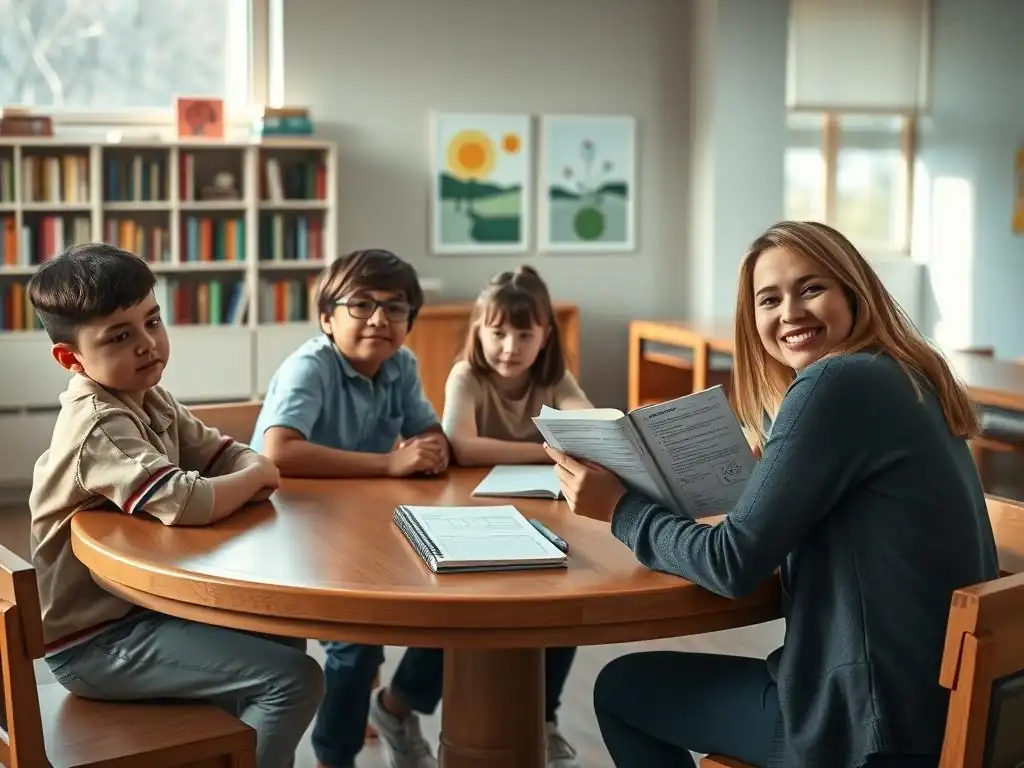
Welcome to Mind Care Guide, your sanctuary for navigating the complexities of mental well-being. Ever wonder how to truly connect with and support students struggling with anxiety? Our latest guide, "Anxious students: teacher support guide," offers practical insights and compassionate strategies to empower educators. Discover the key to fostering a more supportive learning environment and making a real difference in the lives of your students. Ready to learn how?
Teacher's Guide: Spotting and Supporting Anxious Students - Mind Care Guide
- Introduction: Understanding Anxiety in the Classroom
- Identifying Anxious Students: Recognizing the Signs and Symptoms
- Creating a Supportive Classroom Environment for Anxious Students
- Practical Strategies for Supporting Anxious Students
- Communicating with Parents and Guardians of Anxious Students
- Working with School Counselors and Mental Health Professionals
- Teacher Self-Care: Managing Stress and Preventing Burnout
- Resources and Further Reading for Teachers Supporting Anxious Students
- Conclusion: Empowering Teachers to Support Anxious Students
-
Frequently Asked Questions
- How can teachers identify anxious students in the classroom?
- What are some practical classroom strategies to support anxious students?
- How can teachers communicate effectively with anxious students?
- What resources are available to teachers to further support anxious students?
- How can teachers collaborate with parents to address student anxiety?
- Final Reflection: The Ripple Effect of Understanding Anxious Students
- Unlock Your Students' Potential: Actionable Steps to Support Anxiety
Introduction: Understanding Anxiety in the Classroom
The Growing Prevalence of Anxiety Among Students
Anxiety is a natural human emotion, but for many students, it can become a significant challenge, impacting their learning, social interactions, and overall well-being. Recent data suggests a notable increase in the number of children and adolescents experiencing anxiety disorders. For example, estimates often place the prevalence of anxiety disorders in children and adolescents in the range of 1 in 5 or 1 in 6, though figures can vary based on the study and diagnostic criteria used.
This rise is attributed to a complex interplay of factors, including academic pressure, social media influence, global events, and changes in family dynamics. Teachers are increasingly on the front lines of observing these struggles daily.
The classroom, designed as a place of learning and growth, can inadvertently become a trigger for anxiety for some students. Performance expectations, social dynamics with peers, transitions between activities, or even the unpredictable nature of a school day can all contribute to heightened anxiety levels. Recognizing that a significant portion of students may be silently battling anxiety underscores the critical need for educators to be equipped with the knowledge and tools to identify and support these young people effectively.
Why Teacher Support is Crucial for Anxious Students
Teachers spend a considerable amount of time with students and are often the first adults outside the family to notice changes in behavior or mood. Their unique position allows them to observe students in various situations – during lessons, group work, transitions, and even informal interactions. This consistent observation is invaluable in identifying potential signs of anxiety that might be missed elsewhere. Effective teacher support can make a profound difference in an anxious student's school experience, potentially mitigating the long-term impact of their struggles.
Providing support is not about diagnosing or treating anxiety, which is the role of mental health professionals. Instead, it's about creating an environment where anxious students feel understood, safe, and supported to engage with their learning despite their worries. Simple, consistent strategies implemented in the classroom can reduce anxiety triggers, build coping skills, and improve a student's confidence. A teacher's empathetic response and proactive support can be a critical protective factor, helping students navigate their anxiety and remain connected to their education. This guide aims to empower educators with practical knowledge to become vital allies for anxious students.
Identifying Anxious Students: Recognizing the Signs and Symptoms
Observable Signs of Anxiety in the Classroom
Identifying anxiety in students can be challenging as it manifests differently in each child. Some signs are overt, while others are more subtle and might be misinterpreted as shyness, defiance, or lack of motivation. Teachers need to look beyond the obvious and consider patterns of behavior that might indicate underlying anxiety. These signs often cluster together and may fluctuate in intensity depending on the specific stressors a student is facing.
Paying close attention to changes in a student's typical demeanor is key. A student who was once outgoing might become withdrawn, or a student who usually participates might stop raising their hand. These shifts, when consistent over time or tied to specific situations (like presentations or group work), warrant further attention. Recognizing these observable signs is the first step in providing timely and appropriate support for anxious students.
Physical Symptoms of Anxiety in Students
Anxiety can manifest physically, often mimicking illness. Teachers might observe students frequently complaining of headaches, stomach aches, or nausea, especially on school mornings or before specific activities they dread. Some students might appear restless, fidgeting constantly, tapping their feet, or unable to sit still. Others might seem fatigued or report difficulty sleeping, which can impact their focus and energy levels in class.
Other physical signs include trembling hands, sweating more than usual, rapid breathing or sighing, and muscle tension (like clenched fists or shoulders pulled tight). A student might frequently ask to go to the nurse's office or the bathroom. While these physical symptoms can be indicative of various issues, when they occur repeatedly, particularly in stressful school situations, they can be strong indicators of underlying anxiety. For instance, a student might report a stomach ache every day before math class but feel fine during other subjects.
Behavioral Indicators of Anxiety in Students
Behavioral signs of anxiety can range from withdrawal to disruptive actions. Some anxious students might become excessively quiet, avoid eye contact, or refuse to participate in class discussions or group activities. They might exhibit perfectionistic tendencies, redoing work multiple times or becoming distressed by minor errors. Procrastination, particularly on tasks that feel overwhelming, is also common.
Conversely, anxiety can sometimes manifest as irritability, defiance, or difficulty focusing, which might be misconstrued as behavioral problems rather than anxiety responses. Students might seek constant reassurance from the teacher, ask repetitive questions, or exhibit excessive clinginess. Avoidance behaviors are hallmark signs; a student might skip school, refuse to go to the lunchroom, or find excuses to miss classes or events that trigger their anxiety. Observing these behaviors in context is vital for proper interpretation.
Emotional Manifestations of Anxiety in Students
Emotionally, anxious students often appear worried, fearful, or nervous. They might express excessive concerns about future events, such as tests, presentations, or social situations. They may seem easily startled or overly sensitive to criticism or perceived negative feedback. Some students might cry easily or appear tearful when faced with challenges or transitions.
Teachers might notice that an anxious student seems constantly on edge or has difficulty relaxing, even during less structured times. They might express feelings of dread or impending doom related to school tasks or social interactions. While all children experience worries, the intensity, duration, and impact on daily functioning differentiate typical worries from clinical anxiety. Understanding these emotional cues helps teachers empathize and respond appropriately.
Differentiating Anxiety from Typical Childhood Worries
It's important to distinguish between normal childhood worries and anxiety that warrants attention and support. Most children experience temporary fears or worries related to new situations, school transitions, or specific events like a test. These worries are usually short-lived, manageable, and don't significantly interfere with their daily life, academic performance, or social interactions. For example, a child might feel nervous about the first day of school but quickly adjust and participate fully within a few days.
Anxiety, in contrast, involves worries that are excessive, persistent, and out of proportion to the actual situation. These worries significantly impair a child's ability to function in multiple settings, including school. The fear or worry is often pervasive, difficult to control, and leads to significant distress and avoidance behaviors. A student with anxiety might not only be nervous about the first day but continue to experience intense fear, refuse to attend, or be unable to participate in class weeks into the school year. The key lies in the intensity, duration, and level of functional impairment caused by the worry.
Creating a Supportive Classroom Environment for Anxious Students
Fostering a Sense of Safety and Belonging
A classroom that feels safe and predictable can significantly reduce anxiety for vulnerable students. Safety isn't just physical; it's also psychological. Students need to feel safe to make mistakes, ask questions, and express themselves without fear of ridicule or negative judgment from peers or the teacher. This involves cultivating a classroom culture of respect, kindness, and acceptance, where differences are valued and bullying is actively discouraged and addressed.
Building a sense of belonging is equally crucial. Anxious students often feel isolated or "different." Creating opportunities for positive peer interactions, ensuring every student feels seen and heard, and celebrating individual strengths can help these students feel more connected and less alone. Simple gestures like greeting students at the door, learning their interests, and incorporating opportunities for collaboration in low-pressure ways can foster a sense of community where anxious students feel like a valued part of the group.
Implementing Predictable Routines and Clear Expectations
Anxiety thrives on uncertainty. For students who struggle with anxiety, unpredictable changes or unclear expectations can be highly distressing. Establishing and consistently following predictable daily and weekly routines helps create a sense of stability and reduces the unknown. Displaying the daily schedule clearly, announcing transitions in advance, and preparing students for upcoming changes (like a substitute teacher or a special event) can help them feel more in control.
Clear expectations for behavior, assignments, and classroom procedures also reduce ambiguity. Explicitly teaching classroom rules and routines, providing written instructions, and using rubrics for assignments can help anxious students understand exactly what is expected of them. When expectations are clear, students are less likely to worry about doing something wrong or facing negative consequences. This predictability provides a comforting structure that can significantly lower anxiety levels in the classroom environment.
Promoting Open Communication and Active Listening
Creating an environment where students feel comfortable communicating their feelings and concerns is vital. Encourage students to talk about their worries, even if they seem small. Teachers can model this by sharing appropriate examples of managing challenges or expressing feelings. Establishing private ways for students to communicate, such as a worry box, a designated time to talk privately, or email, can be helpful for those who are hesitant to speak up in front of peers.
Active listening is crucial when a student does share their anxiety. This involves truly hearing their concerns without minimizing them, validating their feelings, and responding with empathy. Phrases like "I hear you, and it sounds like you're feeling really worried about that" can be incredibly validating. Avoid dismissive responses like "Don't worry about it" or "Just calm down." By listening patiently and empathetically, teachers build trust and encourage students to seek help when they need it, which is a fundamental aspect of supporting anxious students effectively.
Practical Strategies for Supporting Anxious Students

Addressing Academic Anxiety in the Classroom
Academic demands are a common source of anxiety for many students. This can manifest as fear of failure, perfectionism, difficulty concentrating during tests, or avoidance of challenging tasks. Teachers can implement several strategies to reduce academic pressure and support students in navigating their learning.
One approach is to break down large assignments or projects into smaller, more manageable steps. Providing checklists or timelines can help anxious students feel less overwhelmed by the scope of the work. For example, instead of assigning a large research paper all at once, break it into stages: topic selection, outline, research notes, first draft, revisions, and final submission, with clear deadlines for each stage. This incremental approach makes the task feel less daunting.
Modifying Assignments and Assessments
Modifying assignments and assessments can significantly reduce anxiety for some students. This doesn't mean lowering standards, but rather adjusting the format or requirements to better suit a student's needs. For instance, a student with presentation anxiety might be allowed to present to a small group instead of the whole class, record their presentation beforehand, or submit a detailed written report in lieu of a verbal presentation.
For written assignments, providing sentence starters, graphic organizers, or templates can ease the initial hurdle of getting started. During assessments, allowing students to use fidget tools, sit in a preferred location, or take short breaks can help manage test anxiety. These modifications should be discussed with the student, and potentially parents or school counselors, to ensure they are appropriate and supportive of the student's learning goals.
Providing Extra Time and Support
Time pressure is a major stressor for anxious students. Offering extended time for tests, quizzes, or assignments can alleviate some of this pressure and allow them to demonstrate their knowledge without being rushed. This is a common accommodation in individualized education plans (IEPs) or 504 plans for students with diagnosed anxiety, but it can also be a flexible support offered to students who are visibly struggling.
Beyond time, providing extra support means being available to answer questions, offering clarification on instructions, and providing feedback in a constructive, supportive manner. Checking in with an anxious student privately before a difficult task or assessment can provide needed reassurance. Offering brief one-on-one check-ins to monitor progress and address concerns can prevent small worries from escalating into overwhelming anxiety.
Encouraging a Growth Mindset
Students with anxiety often have a fixed mindset, believing their abilities are inherent and unchangeable. They may avoid challenges for fear of proving they aren't "smart" or "capable." Promoting a growth mindset – the belief that abilities can be developed through dedication and hard work – is crucial. Teachers can foster this by praising effort and process rather than just outcomes.
Use language that emphasizes learning and improvement, such as "You're not there yet" instead of "You didn't get it right." Frame mistakes as learning opportunities rather than failures. Share stories of perseverance and highlight how challenges help build resilience. Encourage students to set realistic goals and celebrate small successes along the way. This focus on growth helps anxious students see challenges as opportunities for development rather than insurmountable threats.
Social anxiety can make school a terrifying place, impacting participation, friendships, and overall well-being. Students might fear judgment from peers, avoid interacting in groups, or struggle with informal social situations like lunch or recess. Supporting these anxious students requires strategies that build confidence and facilitate positive social experiences.
Creating structured opportunities for positive social interaction in low-pressure settings is key. This could involve assigning small group work with clear roles and expectations, facilitating peer tutoring, or organizing structured activities during less formal times. Teachers can also model positive social interactions and explicitly teach social skills that anxious students might lack or avoid practicing.
Facilitating Positive Peer Interactions
Teachers can strategically facilitate positive interactions among students. Assigning partners or small groups thoughtfully, pairing an anxious student with supportive and understanding peers, can reduce fear. Providing clear guidelines and expectations for group work helps minimize uncertainty. Activities that require cooperation towards a common goal can also build connection.
It's helpful to start with activities that require minimal verbal interaction and gradually introduce tasks that require more communication as the student becomes more comfortable. For example, begin with a collaborative art project or a puzzle, then move to a small group discussion with defined roles. Celebrating positive peer interactions and highlighting acts of kindness can reinforce a supportive social environment.
Addressing Bullying and Social Exclusion
Bullying and social exclusion are deeply damaging, especially for students already vulnerable to social anxiety. Teachers must maintain a zero-tolerance policy for bullying and actively intervene whenever they witness or suspect it. Creating a classroom culture where students feel safe to report bullying is essential.
Equally important is addressing social exclusion. Teachers can observe who is being left out and find ways to gently include those students. This might involve assigning them to a group for an activity, initiating a conversation with them during informal times, or encouraging other students to include them. Explicitly teaching empathy and the importance of inclusion can help shift peer dynamics and protect anxious students from harmful social experiences.
Teaching Social Skills
Social skills are not innate for everyone and can be explicitly taught. Anxious students may benefit from learning specific skills like starting a conversation, making eye contact, listening actively, or understanding social cues. These skills can be taught through role-playing, modeling, and direct instruction, perhaps incorporated into morning meetings or social-emotional learning lessons.
Providing opportunities to practice these skills in a safe, supportive environment is crucial. Teachers can create structured scenarios or provide gentle coaching in the moment. For example, before a group activity, a teacher might discreetly prompt an anxious student with a simple phrase they can use to join the conversation. Building these skills empowers students to navigate social situations with greater confidence.
Helping Students Develop Coping Mechanisms for Anxiety
Equipping students with tools to manage their anxiety independently is a powerful form of support. While teachers aren't therapists, they can introduce and encourage the practice of simple coping strategies in the classroom. These techniques can help students regulate their emotions and reduce the intensity of their physical and emotional anxiety symptoms in the moment.
Integrating these practices into the regular classroom routine, even for short periods, normalizes them and makes them accessible to all students, not just those who are visibly anxious. For example, starting the day with a brief breathing exercise or having a quiet corner available for students who need a moment to regulate can be beneficial for the entire class while being particularly helpful for anxious students.
Breathing Exercises and Relaxation Techniques
Simple breathing exercises are effective tools for calming the nervous system. Teaching students techniques like 4-7-8 breathing (inhale for 4 counts, hold for 7, exhale for 8) or square breathing (inhale, hold, exhale, hold, each for 4 counts) can provide them with an immediate way to reduce physical symptoms of anxiety like rapid heart rate or shortness of breath.
Teachers can lead the class in these exercises during transition times, before tests, or when students return from a high-energy activity. Progressive muscle relaxation, where students tense and then release different muscle groups, is another technique that can help students recognize and release physical tension caused by anxiety. These techniques are easy to learn and can be practiced anywhere.
Mindfulness and Meditation Practices
Mindfulness involves paying attention to the present moment without judgment. Practicing mindfulness can help anxious students interrupt the cycle of worrying about the past or future. Short guided meditations or mindfulness exercises, such as focusing on the sensations of breathing or doing a body scan, can help students become more aware of their physical and emotional state without getting overwhelmed by it.
Even brief mindfulness activities, like mindfully eating a snack or going for a silent walk, can build this skill. Teachers can incorporate moments of mindfulness throughout the day, perhaps before starting a new subject or after recess. These practices help students develop a greater sense of presence and reduce the power of anxious thoughts.
Cognitive Restructuring Techniques
Cognitive restructuring involves identifying and challenging negative or anxious thought patterns. While more advanced techniques are typically taught by therapists, teachers can introduce basic concepts. This might involve helping students identify catastrophic thinking ("If I fail this test, my life is over") and gently encouraging them to consider alternative, more realistic outcomes ("If I don't do well on this test, I can study harder for the next one, and it's just one grade").
Teachers can help students reframe anxious thoughts by asking questions like "What's the evidence for that thought?" or "What's another way of looking at this?" This isn't about dismissing their feelings but about helping them gain perspective and develop more balanced thinking habits. Introducing the concept of "thought bugs" (unhelpful thoughts) versus "thought helpers" (helpful thoughts) in an age-appropriate way can also be effective.
Communicating with Parents and Guardians of Anxious Students
The Importance of Collaboration Between Teachers and Parents
Parents and teachers are key partners in supporting anxious students. Open and collaborative communication ensures a consistent approach to support both at school and at home. Parents have invaluable insights into their child's history, triggers, and coping mechanisms outside of the school setting, while teachers can provide observations about the child's functioning in the classroom environment.
Working together allows for a more comprehensive understanding of the student's anxiety and helps create a unified support system. When parents and teachers are on the same page, they can share strategies, reinforce positive behaviors, and monitor the effectiveness of interventions. This partnership is crucial for ensuring the student receives the most effective and consistent support possible.
Effective Strategies for Communicating Concerns
Initiating conversations about potential anxiety requires sensitivity and care. Start by sharing specific, observable behaviors you've noticed in the classroom, framing them as observations rather than diagnoses. For example, instead of saying "I think your child has anxiety," you might say, "I've noticed your child seems very worried before presentations and often asks to leave the room. Have you observed similar things at home?"
Choose a private time to discuss concerns, avoiding hurried conversations during pick-up or drop-off. Listen actively to the parents' perspective and any observations they have. Be prepared to share specific examples of how the student's anxiety is impacting their schoolwork or social interactions. Focus on the shared goal: supporting the student's well-being and academic success.
Teachers can be valuable conduits for connecting parents with resources. This doesn't mean giving therapeutic advice, but rather sharing general information about anxiety in children and directing them to appropriate sources of help. This could include providing information about the school counselor's services, suggesting reputable websites about child anxiety, or listing local mental health resources if known.
It's helpful to have a list of approved resources readily available. This might include websites from national mental health organizations, recommended books for parents, or information about support groups. Sharing this information empowers parents to learn more about anxiety and seek professional help if needed, strengthening the support network around the anxious student.
Working with School Counselors and Mental Health Professionals
Knowing When to Seek Professional Help
Teachers play a crucial role in identifying potential anxiety, but it's essential to know when the level of distress or impairment warrants professional intervention. If a student's anxiety is severe, persistent, significantly impacting their ability to learn or socialize, or if you suspect a more serious mental health concern, it's time to involve the school counselor or recommend seeking external professional help.
Specific indicators that professional help may be needed include:
- Intense panic attacks or frequent physical symptoms.
- Significant school refusal or avoidance of multiple activities.
- Extreme withdrawal or difficulty functioning in social settings.
- Expressions of hopelessness or despair.
- Anxiety that is worsening despite teacher support and parent communication.
- Concerns about self-harm or suicidal ideation (always require immediate escalation to school protocols).
Understanding the Role of School Counselors
School counselors are trained mental health professionals within the school setting. They can provide individual or group counseling to students, offer strategies for managing anxiety, and help students develop coping skills. They also serve as a bridge between students, teachers, parents, and external mental health providers.
Teachers should feel comfortable consulting with school counselors about students they are concerned about (while respecting privacy guidelines). Counselors can offer guidance on classroom strategies, provide support to the teacher, and determine if the student would benefit from counseling services within the school or a referral for a more comprehensive assessment outside of school. They are key partners in developing a holistic support plan for anxious students.
Collaborating on Individualized Support Plans
For students with significant anxiety, an individualized support plan may be developed, often involving the teacher, parents, school counselor, and potentially other specialists. This could be part of an IEP or 504 plan, or an informal school-based plan. Teachers are crucial members of this team, providing insights into the student's daily challenges and successes in the classroom.
Collaboration involves discussing the student's specific needs, setting realistic goals, and determining specific accommodations and strategies to be implemented across different school settings. This might include agreed-upon signals the student can use when feeling overwhelmed, a safe space they can go to regulate, or specific modifications to assignments or transitions. Consistent communication among team members is vital for the plan's success.
Teacher Self-Care: Managing Stress and Preventing Burnout

The Impact of Student Anxiety on Teachers
Supporting anxious students, while rewarding, can also be emotionally demanding for teachers. Witnessing a student's distress, managing challenging behaviors that stem from anxiety, and feeling responsible for their well-being can contribute to stress and emotional fatigue. Teachers might experience empathy overload or feel frustrated when strategies don't yield immediate results.
The increasing prevalence of anxiety among students means teachers are encountering these challenges more frequently, adding to their already significant workload. Without adequate self-care and support, this can lead to burnout, impacting a teacher's effectiveness and job satisfaction. Recognizing the emotional toll is the first step in addressing it.
Strategies for Managing Stress and Maintaining Well-being
Prioritizing teacher well-being is not selfish; it's essential for sustaining the energy and empathy needed to support students effectively. Simple strategies can make a difference. This includes establishing clear boundaries between work and personal life, ensuring adequate rest and nutrition, and engaging in regular physical activity.
Finding healthy ways to cope with stress is crucial. This could involve practicing mindfulness, pursuing hobbies, spending time in nature, or connecting with loved ones. It's also important to manage workload effectively, prioritize tasks, and recognize that you cannot solve every student's problem alone. Celebrating small wins and focusing on the positive impact you are making can help maintain perspective.
Seeking Support from Colleagues and Professionals
Teachers should not feel isolated in their efforts to support anxious students. Connecting with colleagues to share experiences, challenges, and successful strategies can provide invaluable support and reduce feelings of isolation. Collaborative problem-solving with fellow educators can lead to new insights and practical solutions.
Additionally, utilizing available support systems within the school, such as talking to the school counselor or administrators about stress or difficult situations, can be beneficial. If stress or burnout becomes significant, seeking support from a mental health professional is a sign of strength, not weakness. Taking care of your own mental health allows you to be a more present and effective teacher for all your students, including those who are anxious.
Resources and Further Reading for Teachers Supporting Anxious Students
Recommended Books and Articles on Child Anxiety
Numerous valuable resources exist to deepen a teacher's understanding of child and adolescent anxiety. Books such as "Helping Your Anxious Child" (though aimed at parents, contains useful insights into anxiety) or resources from organizations focused on child mental health can provide detailed information on different types of anxiety disorders, their causes, and evidence-based strategies.
Academic articles and educational journals often publish research on the impact of anxiety in the classroom and effective school-based interventions. Looking for articles on topics like "classroom management for anxiety," "social-emotional learning and anxiety," or "accommodations for anxious students" can provide research-backed strategies and a deeper theoretical understanding.
Online Resources and Websites for Teachers and Parents
Many reputable organizations offer free online resources, guides, and toolkits specifically for educators and parents supporting anxious students. Websites from national mental health associations, child psychology centers, and educational resource platforms often feature articles, webinars, printable worksheets (like feeling thermometers or coping skills lists), and practical tips.
These online resources can be excellent starting points for learning more about specific anxiety symptoms or finding age-appropriate strategies. Sharing links to such resources with parents can also empower them to find additional information and support outside of school hours. Look for sites that provide evidence-based information and practical, actionable advice.
Professional Development Opportunities for Supporting Student Mental Health
Investing in professional development is a powerful way for teachers to enhance their skills in supporting students with anxiety and other mental health challenges. Workshops, training sessions, and conferences focused on topics like trauma-informed teaching, social-emotional learning, positive behavior interventions, and specific mental health issues like anxiety and depression can provide in-depth knowledge and practical strategies.
Many school districts or educational organizations offer such training. Online courses and webinars are also widely available, offering flexible learning options. Engaging in ongoing professional learning ensures teachers stay updated on the latest research and best practices for creating supportive and mentally healthy classroom environments for all students, especially those navigating anxiety.
Conclusion: Empowering Teachers to Support Anxious Students
Supporting anxious students is a critical aspect of creating an inclusive and effective learning environment. While teachers are not expected to be therapists, they possess a unique ability to identify students who are struggling, implement supportive classroom strategies, and collaborate with parents and school professionals. By understanding the signs of anxiety, fostering a safe and predictable classroom, and utilizing practical interventions, teachers can significantly impact an anxious student's ability to learn and thrive.
This guide provides a framework for recognizing anxiety and offering support, emphasizing the power of empathy, clear communication, and collaboration. Empowering teachers with knowledge and resources strengthens the network of support available to anxious students, helping them build resilience, develop coping skills, and navigate their educational journey with greater confidence. Every teacher's effort in this area contributes to a more supportive and understanding school community for all.
Frequently Asked Questions
How can teachers identify anxious students in the classroom?
Teachers can observe for behavioral changes, such as increased irritability, difficulty concentrating, or avoidance of social situations. They should also be aware of physical symptoms like frequent headaches or stomachaches.
What are some practical classroom strategies to support anxious students?
Creating a predictable and structured classroom environment can help. Teachers can also offer flexible deadlines and provide opportunities for quiet breaks.
How can teachers communicate effectively with anxious students?
Use a calm and reassuring tone. Practice active listening and validate their feelings. Offer specific and positive feedback.
What resources are available to teachers to further support anxious students?
Schools often have counselors or psychologists who can provide guidance. Online resources, like Mind Care Guide, offer valuable information and strategies.
How can teachers collaborate with parents to address student anxiety?
Open and consistent communication is crucial. Share observations and strategies, and work together to create a supportive home-school environment.
Final Reflection: The Ripple Effect of Understanding Anxious Students
The ability to recognize and support anxious students isn't just a pedagogical skill; it's a crucial element of creating a truly inclusive and thriving learning environment. Failing to address student anxiety directly impacts academic performance, social-emotional well-being, and ultimately, their future potential. The consequences of inaction are far-reaching and demand our immediate attention.
The impact of anxiety on young learners is profound and multifaceted. It shapes not only their academic journey but also their self-perception and their relationships with peers and educators. Anxiety doesn't just affect the mind; it affects the body, the spirit, and the ability to learn.
This quote highlights the holistic nature of anxiety and underscores the importance of a comprehensive approach to support. We, as educators, have a responsibility to foster a classroom climate where vulnerability is met with understanding and where students feel empowered to seek help without fear of judgment.
Now, consider your own classroom. Think about the students you've encountered who might be struggling silently with anxiety. What small changes could you implement to make your classroom a safer and more supportive space? Perhaps it's a simple adjustment to your teaching style, a more empathetic approach to grading, or the proactive creation of opportunities for connection and peer support. Remember, even the smallest act of kindness and understanding can have a ripple effect, creating a positive shift in a student's life and fostering a more compassionate learning community for all.
Unlock Your Students' Potential: Actionable Steps to Support Anxiety
Thank you for taking the time to learn more about spotting and supporting anxious students. We hope this guide has equipped you with valuable insights and practical strategies. Now, let's put this knowledge into action!
- Prioritize one small change: Choose just one technique from the guide – perhaps a specific communication style or classroom activity – and implement it this week. See what impact it has!
- Share this guide: Let's build a supportive community. Share this guide with fellow educators who might also benefit from these practical strategies. A collaborative approach can make a huge difference.
- Reflect and adjust: At the end of the week, take a few moments to reflect on your experience with the chosen technique. What worked well? What could be improved? Sharing your reflections in the comments below could inspire others.
Ready to make a positive difference in your students' lives? What small step will you take today to create a more supportive classroom environment?