Sleep Hygiene for Anxiety: Creating Your Perfect Sleep Sanctuary
🌙 Discover how cultivating a restful sleep environment can significantly reduce anxiety symptoms. Improving sleep hygiene creates your ideal sanctuary, empowering mental…
Read article

Struggling with restless nights fueled by anxious thoughts? You’re not alone—anxiety and sleep are deeply connected, and improving sleep quality can significantly reduce daily stress and emotional turmoil. On Mind Care Guide, we explore practical, evidence-based strategies to calm your mind before bed, build a soothing nighttime routine, and break the cycle of worry that keeps you awake. From relaxation techniques and sleep hygiene tips to natural remedies and cognitive behavioral approaches, our resources help you reclaim restful sleep as a cornerstone of mental wellness. Discover how better sleep boosts resilience, lowers anxiety symptoms, and enhances overall mood—because a peaceful night is the foundation of a balanced day. Start your journey to deeper, more restorative rest today.
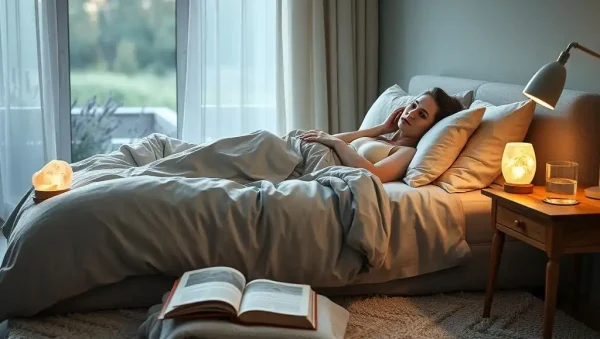
🌙 Discover how cultivating a restful sleep environment can significantly reduce anxiety symptoms. Improving sleep hygiene creates your ideal sanctuary, empowering mental…
Read article
🌙 Discover how certain supplements improve sleep anxiety, offering relief for anxious individuals. This guide explores effective options to enhance rest, reduce…
Read article
🌙 Discover proven anxious sleep techniques for relief that go beyond traditional methods. This guide offers practical strategies to calm your mind,…
Read article
🌬️ Discover the 478 breathing method for anxiety sleep—a simple, powerful technique that instantly calms your mind, easing stress and promoting restful…
Read article
🌙 Struggling with restless nights? Discover effective anxious nights sleep improvement tips to calm your mind and promote restful sleep. This guide…
Read article
🌙 Discover how anxious sleep problems solutions can help soothe restless nights. Learn effective strategies to calm an overactive mind, improve sleep…
Read article
🌟 Discover how anxiety-induced insomnia perpetuates stress and disrupts sleep. Explore effective anxiety insomnia treatment strategies to break the cycle, improve mental…
Read article
🌙 Discover effective stress sleep management techniques in our comprehensive guide to unwind your mind before bed, reducing anxiety and enhancing restful…
Read article
🌙 Discover how mindfulness for better sleep can quiet your inner noise, promoting restful nights and enhanced mental well-being. This guide offers…
Read article
🌙 Discover science-backed anxious minds sleep strategies to conquer insomnia and enhance rest. This comprehensive guide offers proven techniques to calm your…
Read article
🌙 Discover how establishing a consistent sleep schedule reduces insomnia by calming the mind and regulating your body's internal clock. Embracing routine…
Read article
🌙 Discover effective natural remedies for sleep anxiety and learn what truly works to improve your rest. This guide explores proven strategies…
Read articleWhen anxiety disrupts your sleep, a vicious cycle begins: poor rest fuels more worry, and more worry destroys your chances of deep, restorative sleep. This subcategory focuses specifically on improving sleep quality while managing anxiety disorders. Here, you’ll discover evidence-based strategies, bedtime routines, and cognitive tools designed to calm your racing mind and rebuild a healthy sleep-wake rhythm. Whether you struggle with falling asleep, staying asleep, or waking up exhausted, these resources are tailored to break the anxiety‑insomnia loop and help you reclaim peaceful nights.
Anxiety activates your body’s stress response, keeping cortisol and adrenaline elevated—the exact opposite of what your brain needs for sleep. This section explains the neurobiological link between hyperarousal and insomnia, including how worry hijacks the pre-sleep period and leads to fragmented sleep cycles. You’ll learn why your mind races at 2 AM and how this chronic pattern affects your overall mental health.
Understanding this connection is the first step to improvement. By recognizing that your sleep difficulties are a physiological response, not a personal failure, you can reduce self-blame and adopt targeted interventions. Expect practical explanations of the sleep stages, the role of the amygdala and prefrontal cortex, and how anxiety disorders like generalized anxiety or PTSD uniquely impact sleep architecture. This knowledge empowers you to choose the most effective techniques for your specific situation.
Sleep hygiene isn’t just about dark rooms and cool temperatures—it’s about creating a sensory and behavioral environment that signals safety to your anxious brain. Here, you’ll find a step-by-step guide to optimizing your bedroom for sleep, including light exposure management, noise control, and the optimal temperature range. More importantly, you’ll learn how to adapt these principles when anxiety makes following routines feel overwhelming.
We also cover the “10‑20‑30” rule for naps, timing of caffeine and exercise, and the surprising impact of meal timing on nighttime anxiety. These actionable tips are framed with realistic flexibility, acknowledging that perfection isn’t the goal—consistency is. Expect a downloadable checklist and troubleshooting advice for common barriers, such as partner snoring or shift work, so you can systematically improve your sleep environment without adding another source of stress.
For anxiety-driven insomnia, traditional counting sheep rarely works—because the problem is mental, not physical. This section introduces clinically validated relaxation methods like progressive muscle relaxation (PMR), diaphragmatic breathing, and guided imagery, all adapted for use in bed. You’ll learn a 4‑7‑8 breathing pattern that quickly lowers heart rate, as well as a body-scan meditation that shifts focus from future worries to present sensations.
We also demystify mindfulness: you don’t need to “empty your mind”—instead, you’ll practice anchoring attention to the breath or physical sensations, which reduces the emotional charge of intrusive thoughts. Expect audio scripts and step-by-step instructions for a 10‑minute pre-sleep ritual. Crucially, we address what to do when relaxation itself triggers anxiety, offering “opposite action” strategies and progressive exposure to calmness for those who feel worse when trying to relax.
CBT-I is the gold‑standard, non-drug treatment for chronic insomnia, particularly effective for anxiety sufferers. Here, we break down its core components: stimulus control (rebuilding the bed’s association with sleep), sleep restriction (consolidating sleep time), and cognitive restructuring (challenging catastrophic thoughts like “If I don’t sleep, I’ll fail tomorrow”). You’ll learn how to implement these techniques safely, with a clear example of a sleep diary and how to adjust your window gradually.
We also explain the “quiet mind” technique for handling worry at bedtime: setting aside a “worry time” earlier in the evening to offload concerns onto paper. Expect a comparison of CBT-I self-guided programs versus therapist-led sessions, along with tips for overcoming the initial tiredness of sleep restriction. By applying these evidence-based methods, you can break the conditioned arousal that keeps you awake, even after years of poor sleep.
While not a substitute for professional care, certain supplements and lifestyle tweaks can support sleep without increasing anxiety. This section reviews magnesium glycinate, L‑theanine, and valerian root, with honest notes on dosages, side effects, and interactions with anxiety medications. You’ll also explore the role of regular morning sunlight exposure, which helps regulate your circadian rhythm—a critical yet often overlooked factor for anxious sleepers.
Importantly, we discuss caffeine and alcohol: why your evening glass of wine may worsen nighttime awakenings, and how to taper caffeine gradually rather than quitting cold turkey (which can spike anxiety). Learn about the “digital sunset” rule—dimming screens 90 minutes before bed—and practical alternatives to late-night doom‑scrolling. Expect a balanced view, emphasizing that supplements work best when combined with behavioral changes, and a clear warning to consult your doctor before starting any new supplement, especially if you’re on SSRIs or benzodiazepines.
If improved sleep hygiene and relaxation haven’t helped after several weeks, it’s time to consider professional support. This section outlines warning signs: severe daytime impairment, increased anxiety about sleeping itself (somniphobia), or coexisting conditions like sleep apnea or nightmares. You’ll learn about referral pathways to sleep specialists, cognitive behavioral therapists, and psychiatrists who can prescribe short-term medications if needed.
We also explain the subtle difference between “sleep maintenance” and “sleep onset” issues, as each may require distinct treatment (e.g., CBT-I for onset, or addressing for asthma/hormonal causes for maintenance). Expect practical guidance on what to bring to your appointment—sleep logs, medication lists, and your anxiety triggers—so you can maximize the value of that visit. Remember, seeking help is a strength, not a weakness; early intervention prevents chronic insomnia from worsening anxiety disorders.
Yes. Anxiety often causes sleep maintenance insomnia, where you wake up multiple times at night with racing thoughts. Additionally, hyperarousal can make your sleep lighter, with more time in stage 1 and less deep sleep, leaving you unrefreshed even if total sleep time seems adequate. Focus on reducing nighttime arousal with relaxation and consistent sleep schedules to improve depth.
Plan to do it 1–2 hours before bed, but never in the bedroom. Keep a dedicated notebook where you list all worries, then write a brief action plan for each (even if it’s “think about tomorrow”). This “brain dump” helps offload mental clutter. Once finished, close the notebook and commit to not revisiting those thoughts until morning.
Melatonin is generally safe for short-term use, but it isn’t a sedative—it helps regulate the circadian rhythm, not anxiety-induced hyperarousal. Start at 1–3 mg, 30 minutes before bed, and avoid daily use for more than 2 weeks without medical advice. If your anxiety is severe, melatonin alone won’t resolve the underlying issue; combine it with CBT-I strategies.
Most people see measurable improvements in 4–6 weeks, but the first week can feel worse due to sleep restriction. You’ll likely notice better sleep continuity by week 2. The key is consistency with the sleep window adjustments and stimulus control. Many anxiety sufferers find their daytime worry reduces as sleep quality improves, creating a positive feedback loop.
Yes. Some SSRIs (like fluoxetine) or SNRIs can cause insomnia, especially in the first few weeks. Similarly, certain anti-histamines in sleep aids may worsen anxiety. Never stop or change medication on your own. Speak to your physician—they may adjust timing (e.g., morning dosing), lower the dose, or switch to a less activating option. A sleep specialist can also rule out other causes.