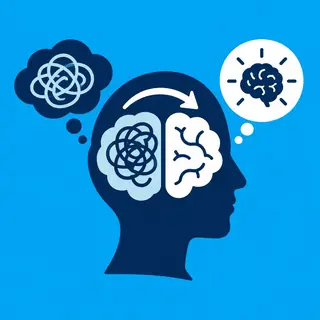
Preventing Burnout: Managing Mental Stress in Competitive Sports
🌟 Discover essential strategies for managing mental stress in sports to prevent burnout. This guide offers practical tips and resources to help…
Read article

Competitive sports demand peak mental resilience, yet the pressure to perform can silently spiral into anxiety that undermines confidence, focus, and even love for the game. From pre-game jitters to the fear of failure, athletes across all levels face unique psychological hurdles that are often misunderstood as mere “weakness.” This guide sheds light on performance anxiety in athletes, distinguishing normal nervous energy from debilitating worry, and reveals practical strategies to channel pressure into power. Learn how to identify triggers, rebuild self-belief, and embrace a growth mindset—so you can step onto the field, court, or track with calm clarity and unshakeable drive. Whether you’re a weekend warrior, a student-athlete, or a professional, discover tools to protect your mental game and thrive under the spotlight.

🌟 Discover essential strategies for managing mental stress in sports to prevent burnout. This guide offers practical tips and resources to help…
Read article
🌟 Discover essential athlete mental wellbeing strategies in our comprehensive guide, emphasizing the importance of prioritizing mental health beyond medals. Empower athletes…
Read article
🌟 Discover innovative athlete anxiety management techniques shaping the future of sports psychology, empowering athletes to overcome mental hurdles, enhance performance, and…
Read article
💪 Discover essential sports anxiety management techniques to conquer pressure and boost performance. This guide reveals proven mental strategies, empowering athletes to…
Read article
🌟 Discover how optimizing nutrition and sleep can significantly enhance athlete anxiety relief, empowering athletes to perform better and feel more balanced.…
Read article
🌟 Discover how parents can effectively support young athletes facing anxiety pressure, fostering resilience and emotional well-being. This guide offers essential strategies…
Read article
🌟 Discover effective breathing techniques to help managing pressure for performance athletes, enabling better focus, reduce anxiety, and enhance resilience during high-stakes…
Read article
🌟 Discover how anxiety impacting athletic performance can hinder your success. This guide offers essential insights, practical strategies, and support to help…
Read article
🤔 Discover essential anxious athletes mental strategies to conquer anxiety and unlock peak performance. Our comprehensive guide offers practical techniques and support…
Read article
🌟 Discover how anxiety causes performance slumps, impacting productivity and confidence. Our comprehensive guide explores the links between mental health and performance,…
Read article
🌟 Discover essential athlete mental health resources in our comprehensive guide, designed to support athletes under pressure. Prioritize well-being and access vital…
Read article
🌟 Visualization techniques reduce athlete anxiety by empowering competitors to mentally rehearse success, boosting confidence and focus. Discover how mastering these mental…
Read articleFor athletes, the pursuit of excellence is a double-edged sword. While competition fuels ambition, the relentless pressure to perform can trigger a specific and often misunderstood form of anxiety. This subcategory of Anxiety Disorders focuses on how the psychological demands of sport—from tryouts to championship finals—can overwhelm even the most seasoned competitor. Here, we explore the physiological symptoms, mental traps, and evidence-based strategies to help athletes regain control, preserve their passion, and perform at their peak without sacrificing their mental health.
Unlike general social anxiety, athletic anxiety is rooted in performance evaluation, fear of failure, and the public nature of outcomes. Triggers can include pre-game rituals, high-stakes matches, playing through injury, or even the weight of a scholarship. The body responds with a racing heart, shallow breathing, and muscle tension—symptoms that ironically sabotage the very coordination and focus needed to succeed.
Athletes also face “choking under pressure,” where conscious overthinking disrupts automated motor skills. This subcategory examines how perfectionism, parental or coaching expectations, and social media scrutiny amplify these triggers. By identifying your specific pressure points—whether it’s a punishing error or a hostile crowd—you can begin to separate the anxiety from your identity as an athlete and build a personalized coping plan.
Anxiety in athletes manifests both physically and mentally. Somatic signs include increased heart rate, sweating, gastrointestinal distress, and a feeling of “heaviness” in the limbs. Cognitive signs often involve negative self-talk (“I’m going to let my team down”), catastrophic thinking (“If I miss this shot, my career is over”), and difficulty concentrating on the next play. These symptoms create a feedback loop: the more you worry about anxiety, the worse the performance becomes.
Here, you’ll learn how to differentiate between normal nervousness and clinical anxiety, which persists beyond competition and affects daily life. Understanding this loop is the first step to interrupting it. With tools like biofeedback and mindfulness, athletes can shift from a “fight-or-flight” state to a calm, focused “flow” state, where body and mind work in harmony rather than against each other.
Not every athlete who feels nervous before a game has an anxiety disorder. Performance anxiety is situational—it peaks during specific events and subsides afterward. However, when anxiety becomes pervasive, interfering with training, relationships, and sleep even off the field, it may indicate Generalized Anxiety Disorder (GAD) or an undiagnosed panic disorder. This subcategory helps you self-assess using clinical criteria, such as how often symptoms occur and whether they impair daily functioning.
We also address the stigma athletes face when admitting struggles, as many fear being viewed as “mentally weak.” By normalizing the spectrum of anxiety—from mild butterflies to debilitating dread—we encourage early intervention. Recognizing that seeking help is a performance-enhancing strategy, not a weakness, can be the difference between a stalled career and a resilient, long-term athletic journey.
Evidence-backed interventions are crucial for managing in-the-moment spikes. Box breathing (inhale, hold, exhale, hold for four counts each) calms the nervous system within two minutes. Visualization—mentally rehearsing the perfect execution—reduces uncertainty and builds neural pathways. Anchoring routines, such as a specific pre-shot ritual or a reminder phrase (“I’ve done this a thousand times”), provide a sense of control amidst chaos.
We also explore progressive muscle relaxation and cognitive reframing. Instead of saying “I’m terrified,” teach yourself to say “I’m excited—my body is ready.” This subtle linguistic shift lowers cortisol levels. Consistency is key: these skills require daily practice, not just before big games. By integrating them into training sessions, they become automatic, allowing you to tap into calmness even during unexpected disruptions.
For chronic athletic anxiety, professional help is transformative. Cognitive Behavioral Therapy (CBT) is particularly effective, as it challenges irrational beliefs about perfection and self-worth. Acceptance and Commitment Therapy (ACT) helps athletes accept anxiety as a natural part of competition while committing to values-driven actions. Sports psychologists can also work with coaches to adjust communication styles that inadvertently heighten pressure.
Outside therapy, building a support network is vital. Teammates, friends, and family who understand can provide validation and perspective. Prioritizing recovery—adequate sleep, nutrition, and rest days—reduces physiological vulnerability to anxiety. Finally, we discuss burnout prevention. Recognizing when to step back or change training intensity can preserve mental health, ensuring your athletic career remains a source of joy, not a trigger for chronic stress.
Mild to moderate anxiety can sharpen focus and reaction times, known as the “inverted U” theory. However, excessive anxiety impairs motor function and decision-making. The key is recognizing your optimal arousal zone—where you feel alert but not overwhelmed—and using relaxation techniques to stay within it.
All are performance anxieties, but athletic anxiety is unique due to its physical demands, real-time feedback, and team dynamics. Unlike a test, athletic performance involves bodily coordination and immediate emotional responses. Additionally, athletes often face repeated, public evaluations over years, which can create conditioned anxiety responses.
If your coach is supportive and knowledgeable about mental health, yes—open communication can lead to adjusted expectations and training modifications. However, if you fear negative reactions, start with a sports psychologist or counselor who can advocate for you. Your mental health always takes precedence over external approval.
Some athletes use beta-blockers to reduce physical tremors, but these are banned in many sports. Always consult a physician—never self-medicate. Natural options like magnesium and Ashwagandha may help, but evidence is mixed. The most sustainable approach remains psychological training, which has no side effects and instills lifelong skills.
There’s no set timeline. With consistent CBT and relaxation practice, many athletes notice improvement within 8–12 weeks. However, if anxiety stems from deeper trauma or concurrent depression, longer-term therapy may be needed. Progress is nonlinear—expect setbacks but view them as learning opportunities. Resilience builds over time.