
The Future of Sports Psychology: New Approaches to Athlete Anxiety


Welcome to Mind Care Guide, your sanctuary for mental well-being.
Feeling overwhelmed by the pressure to perform? You're not alone. Dive into "The Future of Sports Psychology: New Approaches to Athlete Anxiety" and discover groundbreaking athlete anxiety management techniques that can help you reclaim your peace of mind and excel in your chosen field. We understand the unique challenges athletes face, and we're here to provide the support and resources you need to thrive, both on and off the field. Let's explore how you can take control of your mental game, starting now...
- Optimizing Athletic Performance: Innovative Approaches to Managing Anxiety
- Understanding Anxiety in Athletes: A Comprehensive Overview
- Evidence-Based Strategies for Anxiety Management in Sports
- Technology-Driven Solutions for Anxiety Reduction
- Personalized Anxiety Management: Tailoring Strategies to Individual Needs
- Addressing Specific Anxiety Triggers in Competitive Sports
- The Crucial Role of Coaches and Support Staff
- Future Directions in Anxiety Research
- Implementing Effective Strategies: A Call to Action
-
Frequently Asked Questions
- What are some new approaches being used in sports psychology to address athlete anxiety?
- How does "The Future of Sports Psychology" view the role of technology in athlete anxiety management?
- Why is athlete anxiety management important for overall performance and well-being?
- What are some practical athlete anxiety management techniques athletes can start using today?
- How can coaches and support staff contribute to an athlete's anxiety management plan?
- Final Reflection: The Evolving Landscape of Athlete Anxiety
- Unlock Your Peak Performance: Take Control of Your Sports Anxiety
Optimizing Athletic Performance: Innovative Approaches to Managing Anxiety
Anxiety is a common yet complex challenge faced by athletes at all levels. While a certain level of arousal can be beneficial for performance, excessive or poorly managed anxiety can significantly hinder an athlete's potential, affecting focus, coordination, and decision-making. Effective athlete anxiety management techniques are crucial not just for competitive success but also for overall well-being and longevity in sport. This article explores the evolving landscape of sports psychology, highlighting new approaches and evidence-based strategies aimed at helping athletes navigate the pressures of competition and training.
Moving beyond traditional methods, the field is embracing integrated, personalized, and technology-driven solutions. Understanding the root causes of anxiety in athletes and applying appropriate interventions is paramount. This guide delves into the latest research and practical applications, offering insights into how athletes, coaches, and support staff can collaborate to build resilience and optimize performance through comprehensive anxiety management.
Understanding Anxiety in Athletes: A Comprehensive Overview
Anxiety in the athletic context is a multifaceted phenomenon, extending beyond simple nervousness before a game. It encompasses cognitive components like worry and fear, as well as physiological responses such as increased heart rate and muscle tension. The impact of anxiety on an athlete's ability to perform at their peak is well-documented, often leading to decreased reaction times, impaired motor skills, and difficulty concentrating under pressure. Recognizing the various forms and triggers of athlete anxiety is the first step toward effective intervention.
The pressure to perform, fear of failure, injury concerns, and interpersonal dynamics within a team are just some of the factors contributing to anxiety among athletes. Addressing these underlying causes requires a nuanced understanding of each individual's experience. Developing robust athlete anxiety management techniques is not a one-size-fits-all process; it demands a tailored approach that considers the unique psychological profile and circumstances of the athlete.
Defining Anxiety and its Multifaceted Impact on Athletic Performance
Anxiety in athletes can manifest in various ways, broadly categorized into cognitive and somatic components. Cognitive anxiety involves negative thoughts, worries, and fears about performance, evaluation, or outcomes. Somatic anxiety relates to the physiological symptoms like sweaty palms, upset stomach, rapid breathing, and muscle stiffness. Both forms can significantly impair performance. For instance, excessive cognitive anxiety might lead an athlete to overthink a simple movement, disrupting flow, while high somatic anxiety can cause muscle tremors or coordination issues.
Research consistently shows a curvilinear relationship between arousal and performance, often depicted by the Yerkes-Dodson law, suggesting that while moderate arousal can enhance performance, too little or too much is detrimental. Studies have indicated that performance anxiety affects a significant portion of athletes; some reports suggest that between 25% and 50% of elite athletes may experience performance anxiety severe enough to impact their play.
Effective athlete anxiety management techniques are vital to keep arousal within the optimal zone, allowing athletes to channel nervous energy positively rather than being overwhelmed by it. The impact extends beyond a single event, potentially affecting training consistency, recovery, and long-term engagement with the sport.
Limitations of Traditional Methods: The Need for Updated Strategies
Traditional approaches to managing athlete anxiety often relied heavily on general relaxation techniques, visualization, and basic self-talk strategies. While these methods have some merit and remain foundational in many programs, their effectiveness can be limited for athletes facing complex or deeply ingrained anxiety triggers. These techniques sometimes fail to address the underlying cognitive patterns or physiological dysregulation that contribute to severe anxiety. For example, simply telling an anxious athlete to "just relax" often overlooks the physiological inability to do so or the persistent negative thought loops they are experiencing.
Furthermore, traditional methods were often applied uniformly, without sufficient consideration for individual differences in personality, sport-specific demands, or the unique psychological history of the athlete. The evolving nature of sports, with increasing pressure from media, social platforms, and competition, necessitates more sophisticated and personalized athlete anxiety management techniques. The need for updated strategies stems from a desire to achieve more sustainable results, move beyond temporary coping mechanisms, and address the root causes of anxiety with evidence-based, clinically validated interventions that are tailored to the individual athlete's needs and context.
Evidence-Based Strategies for Anxiety Management in Sports
The field of sports psychology has increasingly adopted therapeutic modalities proven effective in clinical psychology settings, adapting them for the unique environment of competitive sports. These evidence-based strategies offer athletes powerful tools to understand, manage, and ultimately reduce the impact of anxiety on their performance and well-being. Integrating these techniques requires skilled practitioners who can guide athletes through the process, ensuring the methods are applied effectively and consistently.
These modern athlete anxiety management techniques focus on building psychological skills that are transferable both within and outside the sporting arena. By addressing the cognitive, emotional, and physiological components of anxiety, these strategies empower athletes to develop greater self-awareness, emotional regulation, and mental resilience. The goal is not to eliminate anxiety entirely, but rather to help athletes develop a healthier relationship with challenging emotions and perform effectively despite their presence.
Mindfulness and Meditation: Enhancing Focus and Reducing Stress
Mindfulness involves paying deliberate attention to the present moment without judgment, while meditation is the practice used to cultivate this state. For athletes, these practices are powerful athlete anxiety management techniques because they enhance focus, reduce reactivity to stressful thoughts or events, and improve body awareness. By regularly practicing mindfulness, athletes learn to observe their anxious thoughts and physiological sensations without getting swept away by them, allowing them to stay present and focused on the task at hand during competition or training.
Numerous studies have shown the benefits of mindfulness interventions for athletes. For example, a meta-analysis pooling data from multiple studies might indicate that mindfulness training can lead to a moderate reduction in competitive anxiety and a significant improvement in attention control among athletes across various sports.
Implementing mindfulness can involve guided meditations, body scans, or simply incorporating mindful moments throughout the day, such as paying full attention while hydrating or stretching. These practices help athletes develop a greater sense of calm, improve their ability to rebound from mistakes, and reduce the overall stress associated with high-stakes environments, making them essential athlete anxiety management techniques.
Cognitive Behavioral Therapy (CBT): Restructuring Thoughts and Behaviors for Peak Performance
Cognitive Behavioral Therapy (CBT) is a highly effective psychological intervention that helps individuals identify and challenge negative or irrational thought patterns and change unhelpful behaviors. Applied to sports, CBT helps athletes recognize how their thoughts directly influence their feelings and actions, particularly in high-pressure situations. For an athlete struggling with performance anxiety, CBT might involve identifying catastrophic thinking (e.g., "If I miss this shot, I'll lose the game and let everyone down") and replacing it with more realistic and helpful thoughts (e.g., "I've practiced this shot countless times; I'll focus on the process, and the outcome is uncertain").
A core component of CBT for athletes involves cognitive restructuring, where negative self-talk and beliefs are challenged and replaced with more positive and constructive alternatives. Behavioral techniques, such as gradual exposure to anxiety-provoking situations (like simulating game pressure in practice), are also utilized. Research supports the efficacy of CBT; studies on athletes using CBT for performance anxiety have shown improvements in self-confidence, reductions in worry, and enhanced performance outcomes.
For instance, a study on collegiate swimmers might report a significant decrease in self-reported anxiety symptoms after a 6-week CBT program, alongside improvements in race times. CBT equips athletes with practical, actionable athlete anxiety management techniques they can apply proactively before and during competition.
Acceptance and Commitment Therapy (ACT): Fostering Psychological Flexibility and Resilience
Acceptance and Commitment Therapy (ACT) is another evidence-based approach gaining traction in sports psychology. Unlike CBT, which often focuses on changing negative thoughts, ACT emphasizes accepting difficult thoughts and feelings rather than trying to eliminate them. The core idea is to increase psychological flexibility – the ability to be present, open up, and do what matters. For an athlete, this means acknowledging the presence of anxiety (e.g., "I notice my heart is racing and I feel nervous") without letting it dictate their actions.
ACT helps athletes clarify their values (e.g., dedication, teamwork, pushing limits) and commit to taking action consistent with those values, even when experiencing discomfort or anxiety. Techniques include mindfulness exercises to increase present moment awareness, defusion strategies to create distance from unhelpful thoughts (seeing them as just thoughts, not facts), and committed action plans based on values. Studies suggest ACT can improve mental toughness and resilience in athletes.
For example, research on endurance athletes using ACT might show increased persistence during difficult moments in races and reduced self-judgment related to performance outcomes. ACT provides athletes with robust athlete anxiety management techniques by shifting the focus from controlling anxiety to acting effectively while anxiety is present, fostering long-term psychological health and performance consistency.
Technology-Driven Solutions for Anxiety Reduction
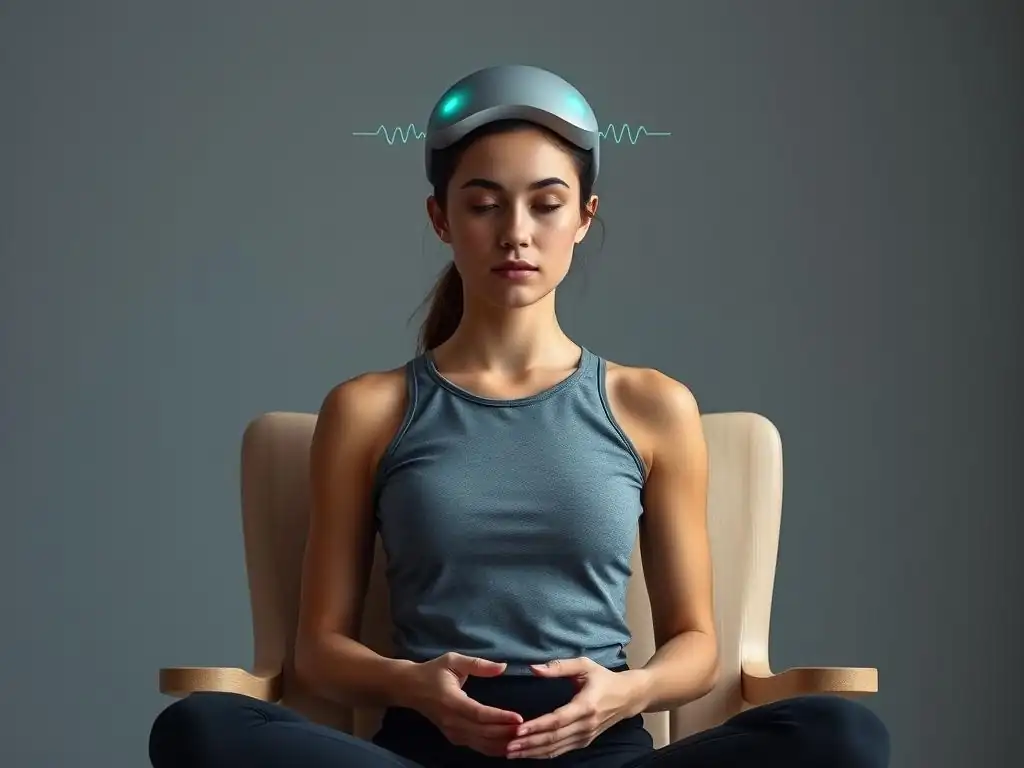
The integration of technology into sports psychology is opening up exciting new avenues for understanding and managing athlete anxiety. These tools offer objective data, immersive experiences, and personalized feedback, complementing traditional psychological techniques. Technology-driven solutions can provide athletes with real-time insights into their physiological and psychological states, enabling more targeted and effective interventions.
These advancements are not intended to replace human interaction with sports psychologists but rather to augment the support provided. By leveraging data and simulations, athletes can gain a deeper understanding of their anxiety triggers and practice coping strategies in controlled or simulated environments. The adoption of these technologies represents a significant step forward in developing sophisticated athlete anxiety management techniques tailored to the demands of modern sport.
Biofeedback and Neurofeedback: Gaining Control Over Physiological Responses
Biofeedback and neurofeedback are technologies that provide athletes with real-time information about their physiological or brain activity, allowing them to learn how to regulate these responses. Biofeedback, for example, might measure heart rate variability (HRV), skin temperature, or muscle tension. An athlete might see their HRV on a screen and learn to use breathing exercises or relaxation techniques to increase it, indicating a shift towards a more relaxed state. Neurofeedback, a type of biofeedback, specifically focuses on brainwave activity, helping athletes train their brains to achieve states associated with optimal focus or reduced anxiety.
These techniques are powerful athlete anxiety management techniques because they offer tangible evidence of the mind-body connection, helping athletes understand how anxiety manifests physiologically and providing them with a concrete way to practice self-regulation. For instance, an athlete prone to muscle tension under pressure can see their muscle activity spike on a monitor and learn specific relaxation exercises to bring it down. While requiring specialized equipment and training, studies have shown that biofeedback can lead to significant reductions in somatic anxiety symptoms and improvements in performance consistency, especially in precision sports like archery or shooting.
Virtual Reality (VR) Training: Simulating Pressure Situations for Desensitization
Virtual Reality (VR) technology offers a unique opportunity to simulate realistic, high-pressure sporting scenarios in a controlled environment. This allows athletes to experience and practice managing their anxiety responses without the real-world consequences of failure. For a golfer, VR could simulate facing a crucial putt on the 18th green of a major tournament. For a basketball player, it might be shooting free throws in a noisy, crowded arena during the final seconds of a tied game.
VR training serves as a form of exposure therapy, helping athletes gradually desensitize themselves to anxiety triggers. They can practice their athlete anxiety management techniques, such as deep breathing or positive self-talk, while immersed in a stressful simulation. This repeated exposure, combined with coping strategy practice, can reduce the intensity of the anxiety response when facing similar situations in real life.
Early research suggests VR can be effective in reducing performance anxiety, with studies showing athletes reporting lower anxiety levels and improved confidence after VR exposure training compared to traditional methods. The immersive nature of VR makes it a compelling tool for developing robust athlete anxiety management techniques.
Wearable Sensors: Monitoring Stress Levels and Providing Personalized Feedback
Wearable sensors, such as smartwatches, rings, or patches, are becoming increasingly sophisticated in their ability to monitor physiological markers related to stress and recovery. These devices can track metrics like heart rate, heart rate variability (HRV), sleep patterns, skin temperature, and even provide data on movement patterns and recovery status. By continuously monitoring these parameters, athletes and their support staff can gain objective insights into daily stress levels, training load impact, and recovery quality, all of which are intertwined with anxiety.
This data provides valuable feedback for personalized athlete anxiety management techniques. For example, consistently low HRV might indicate chronic stress or inadequate recovery, signaling a need to adjust training intensity, increase relaxation practices, or seek psychological support. Some wearables now offer features like guided breathing exercises triggered by detected stress peaks.
While still an evolving field, the data from wearables allows for a more proactive and data-driven approach to managing athlete well-being and anxiety. It helps athletes become more aware of their physiological responses to stress and provides concrete data points to guide the application of various athlete anxiety management techniques.
Personalized Anxiety Management: Tailoring Strategies to Individual Needs
Effective athlete anxiety management techniques are inherently personal. What works for one athlete may not work for another, even within the same sport. Recognizing the unique psychological makeup, background, and specific triggers of each individual is paramount to developing interventions that are truly effective and sustainable. This section explores how personalization, considering factors from genetics to daily habits, shapes the future of anxiety management in sports.
Moving beyond generic advice, the focus is shifting towards understanding the athlete as a whole person, integrating biological, psychological, and social factors. This holistic approach allows for the creation of highly targeted and impactful athlete anxiety management techniques, maximizing the chances of success and promoting long-term mental wellness alongside athletic achievement.
Genetic Predisposition and Personalized Interventions: Understanding Individual Risk Factors
Emerging research in genetics is beginning to shed light on how certain genetic variations might influence an individual's predisposition to anxiety and stress responses. While complex and not deterministic, understanding potential genetic factors could, in the future, help identify athletes who might be at higher risk for developing significant anxiety challenges. This knowledge could inform proactive strategies and the tailoring of athlete anxiety management techniques from an earlier stage.
For instance, variations in genes related to neurotransmitter regulation (like serotonin or dopamine) or stress hormone response (like cortisol) are being studied for their links to anxiety disorders in the general population. While applying this directly to sports is still in its nascent stages and fraught with ethical considerations, the potential exists to personalize interventions based on an athlete's biological profile.
This could involve recommending specific types of psychological support, recovery strategies, or even nutritional approaches known to impact neurochemical pathways relevant to mood and stress regulation. It's crucial to emphasize that genetics represent just one piece of a complex puzzle, but future athlete anxiety management techniques may incorporate such insights for truly individualized support.
Nutrition for Mental Wellness: Optimizing Brain Function and Reducing Anxiety
The link between nutrition and mental health is increasingly recognized, and this applies directly to athletes managing anxiety. What an athlete eats can significantly impact brain function, neurotransmitter balance, and stress hormone levels, all of which influence mood and anxiety. Specific dietary patterns and nutrients have been associated with reduced anxiety symptoms. For example, diets rich in omega-3 fatty acids (found in fish like salmon), complex carbohydrates, lean proteins, fruits, and vegetables support brain health and can help stabilize blood sugar, preventing mood swings that can exacerbate anxiety.
Conversely, high consumption of processed foods, excessive sugar, and caffeine can potentially worsen anxiety symptoms. Ensuring adequate hydration is also critical, as dehydration can mimic or intensify feelings of anxiety. A sports nutritionist specializing in mental wellness can help athletes develop personalized dietary plans that support both physical performance and mental resilience. Supplementation with certain vitamins (like B vitamins, Vitamin D) or minerals (like magnesium) might also be considered, but always under professional guidance. Integrating nutritional strategies is a valuable component of comprehensive athlete anxiety management techniques, addressing the biochemical underpinnings of stress and mood.
Sleep Hygiene and Recovery Strategies: Promoting Relaxation and Reducing Stress
Adequate sleep and effective recovery are fundamental pillars of both physical and mental health for athletes, directly impacting anxiety levels. Chronic sleep deprivation can impair cognitive function, increase irritability, heighten stress reactivity, and exacerbate feelings of anxiety. Athletes often face challenges with sleep due to demanding training schedules, travel, and pre-competition nervousness. Prioritizing sleep hygiene – establishing consistent sleep schedules, creating a dark and quiet sleep environment, and avoiding screens before bed – is a critical athlete anxiety management technique.
Beyond sleep, incorporating structured recovery strategies is essential. This includes active recovery (like light movement), passive recovery (like massage or foam rolling), and mental recovery (like relaxation exercises or mindfulness). Allowing the body and mind sufficient time to recover from physical and mental exertion helps regulate the nervous system, reduce stress hormones, and promote a sense of calm.
For example, incorporating a 15-minute guided relaxation or meditation session post-training can significantly aid mental recovery and reduce accumulated stress that could contribute to anxiety. Emphasizing sleep and recovery provides a solid foundation for all other athlete anxiety management techniques to be effective.
Addressing Specific Anxiety Triggers in Competitive Sports
Anxiety in athletes is often tied to specific situations or events within their sport. Understanding and directly addressing these common triggers is vital for developing targeted and effective athlete anxiety management techniques. Whether it's the pressure of a crucial moment, the uncertainty following an injury, or the social dynamics of a team, each trigger requires a specific approach.
This section focuses on identifying prominent anxiety triggers and outlining strategies specifically designed to help athletes navigate these challenges. By equipping athletes with tools tailored to their specific fears and circumstances, sports psychologists and support staff can significantly enhance their ability to perform under pressure and maintain their well-being.
Performance Anxiety: Overcoming Fear of Failure and Enhancing Confidence
Performance anxiety, often described as "choking," is perhaps the most well-known form of athlete anxiety. It stems primarily from the fear of not meeting expectations, making mistakes, or failing in front of others. This fear can lead to excessive self-focus, muscle tension, and disrupted execution of skills that are otherwise automatic. Overcoming performance anxiety requires techniques that build confidence, shift focus from outcome to process, and manage physiological responses.
Effective athlete anxiety management techniques for performance anxiety often involve cognitive restructuring (challenging fear-based thoughts), visualization (mentally rehearsing successful performance), and pre-performance routines. Routines provide a sense of control and familiarity, helping athletes transition into a focused mindset. For example, a basketball player might have a specific routine before shooting a free throw, involving dribbles, breaths, and focal points, regardless of the game situation.
Exposure techniques, like simulating high-pressure scenarios in practice, also help athletes build resilience. Building self-efficacy through consistent, successful practice and focusing on controllable aspects (effort, strategy, execution) rather than uncontrollable outcomes are central to mitigating the fear of failure and enhancing confidence.
Injury is a significant source of anxiety for athletes, not only due to the physical pain and recovery process but also the fear of re-injury, losing fitness, being replaced, or never returning to previous performance levels. This anxiety can impede physical rehabilitation and delay the return to play. Managing injury-related anxiety requires addressing both the psychological impact of the injury and the fears associated with the recovery and return process.
Athlete anxiety management techniques in this context include setting realistic expectations for recovery, celebrating small progress milestones, using visualization to maintain mental connection to the sport, and gradually exposing the athlete to movements and situations that might trigger fear. Cognitive techniques can help challenge catastrophic thoughts about re-injury or career-ending consequences. Building a strong support system with medical staff, coaches, and teammates is also crucial. Psychologists specializing in sports injury can guide athletes through the emotional rollercoaster of recovery, helping them build confidence in their healing body and manage the inevitable anxieties associated with returning to competition.
Athletes, despite being part of a team or highly visible in individual sports, can experience social anxiety or feelings of isolation. This might stem from fear of judgment by teammates, coaches, or fans, difficulty fitting into team dynamics, or the isolating nature of intense training schedules that limit social interaction outside of sport. Social anxiety can impact team cohesion, communication, and an athlete's overall sense of belonging and well-being.
Addressing social anxiety and isolation involves actively building supportive relationships and improving communication skills. For team sports, fostering a positive and inclusive team culture is paramount. This can involve team-building activities, promoting open communication channels, and ensuring athletes feel valued regardless of performance.
For individual athletes, building a strong support network outside of their immediate training environment, including family, friends, or a mental performance consultant, is crucial. Specific athlete anxiety management techniques like assertiveness training, social skills practice, and cognitive restructuring to challenge fears of judgment can also be beneficial. Encouraging athletes to connect with peers who understand the unique pressures of their sport can also reduce feelings of isolation.
The Crucial Role of Coaches and Support Staff
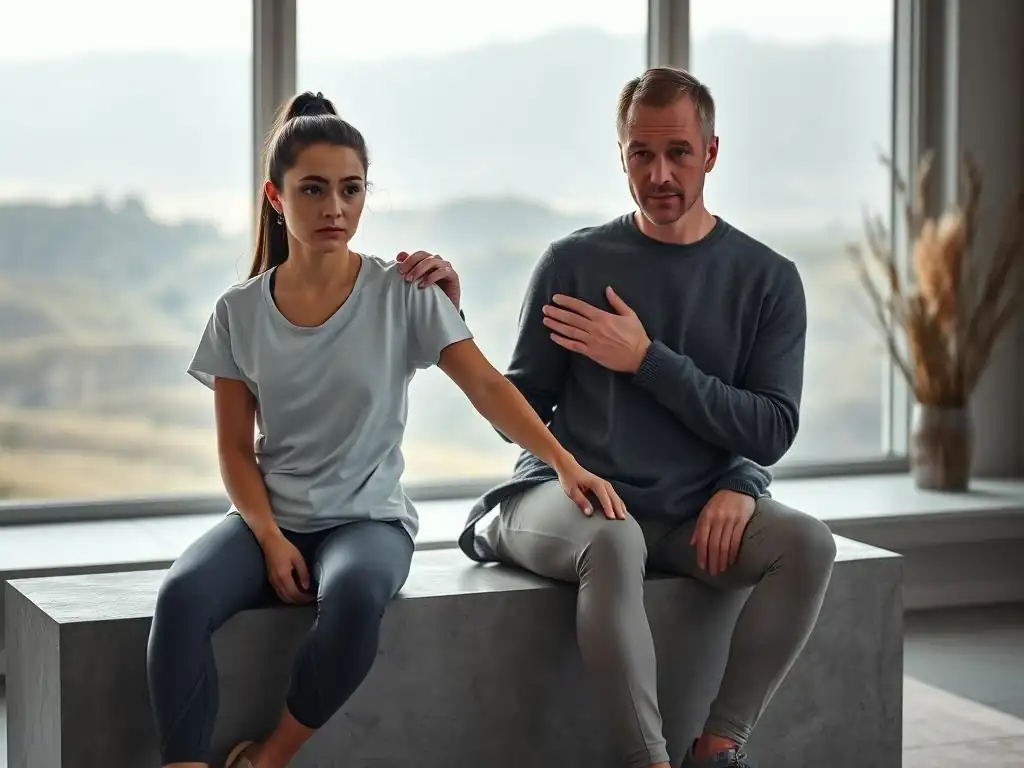
While athletes are ultimately responsible for applying athlete anxiety management techniques, coaches, trainers, medical staff, and administrators play a pivotal role in creating an environment that supports mental well-being. Their awareness, understanding, and proactive engagement can significantly impact an athlete's experience with anxiety and their willingness to seek help.
A supportive ecosystem is essential for fostering mental resilience. Coaches and support staff are often the first points of contact for athletes and are uniquely positioned to observe signs of distress, promote healthy coping mechanisms, and connect athletes with appropriate resources. Their involvement is not just about performance; it's about prioritizing the holistic health and safety of the athlete.
Cultivating a Supportive Team Culture: Fostering Open Communication and Trust
The culture within a team or training environment has a profound impact on an athlete's mental state. A supportive culture, characterized by open communication, mutual respect, and trust, can significantly reduce the stigma associated with mental health challenges, including anxiety. When athletes feel safe to express their feelings and concerns without fear of judgment or negative repercussions, they are more likely to address anxiety proactively.
Coaches can cultivate such a culture by modeling open communication, actively listening to athletes, and normalizing discussions about mental health struggles. Implementing regular check-ins, creating avenues for anonymous feedback, and promoting empathy among teammates are practical steps. Emphasizing effort and process over solely focusing on outcomes can also alleviate performance-related anxiety. A team where vulnerability is seen as strength, and support is readily available, provides fertile ground for athlete anxiety management techniques to thrive and be openly discussed and practiced.
Early Identification and Intervention: Recognizing and Responding to Signs of Distress
Coaches and support staff are on the front lines and are often the first to notice subtle changes in an athlete's behavior, mood, or performance that might indicate underlying anxiety or other mental health issues. Recognizing these early signs is critical for timely intervention before issues escalate. Signs might include unusual irritability, withdrawal from teammates, significant changes in sleep or appetite, loss of interest in training, increased errors, or uncharacteristic hesitancy during play.
Training for coaches and staff on mental health literacy and recognizing signs of distress is invaluable. Establishing clear protocols for how to respond when signs are observed is equally important. This involves knowing when and how to approach an athlete empathetically, expressing concern, and most importantly, knowing how to connect them with qualified mental health professionals, such as a sports psychologist or counselor.
Proactive screening tools, while used carefully and ethically, can also aid in early identification. The ability of support staff to identify and respond appropriately is a key component of effective athlete anxiety management techniques at an organizational level.
Ethical Considerations: Prioritizing Athlete Well-being and Informed Consent
Coaches and support staff operate within an ethical framework that must prioritize the athlete's well-being above performance outcomes. When addressing athlete anxiety, this means respecting confidentiality, maintaining professional boundaries, and ensuring informed consent when recommending or involving mental health services. Coaches are not therapists, and their role is to support, not diagnose or treat clinical conditions.
Discussions about mental health and anxiety must be handled with sensitivity and respect for the athlete's privacy. Any referral to a sports psychologist or other mental health professional should be made with the athlete's understanding and consent. It is essential to ensure that athletes feel empowered in the process and that seeking support is framed positively, as a proactive step towards enhancing both performance and overall health. Ethical practice in supporting athlete anxiety management techniques builds trust and ensures that interventions are truly athlete-centered.
Future Directions in Anxiety Research
The field of sports psychology and mental health is constantly evolving, with new research uncovering complex interactions that influence athlete anxiety. Future directions are focusing on less explored areas and the impact of modern life, promising even more sophisticated and holistic athlete anxiety management techniques.
Understanding these emerging areas will be crucial for developing the next generation of interventions. This includes exploring the intricate connections between the body and mind, examining the impact of the digital world, and ensuring that mental health support is accessible and relevant to athletes from diverse backgrounds.
The Gut-Brain Axis: Exploring the Link Between Gut Health and Mental Well-being
Emerging research is highlighting the significant connection between gut health and mental well-being, often referred to as the gut-brain axis. The gut microbiome, the trillions of microorganisms living in the digestive tract, communicates with the brain and influences mood, stress response, and potentially anxiety levels through various pathways, including neurotransmitter production and inflammatory signals. For athletes, who often experience gut stress due to training intensity, travel, and dietary habits, this link is particularly relevant.
Future athlete anxiety management techniques may incorporate strategies aimed at optimizing gut health. This could involve personalized dietary recommendations focusing on prebiotic and probiotic-rich foods, managing stress to reduce its negative impact on the gut, and potentially using targeted supplements under expert guidance. Research in this area is still developing, but the potential to influence mental health, including anxiety, by addressing gut health is a fascinating and promising frontier. Understanding and leveraging the gut-brain axis could provide novel, biologically informed approaches to managing athlete anxiety.
Social media is an undeniable part of modern life for many athletes, offering opportunities for connection and brand building but also posing significant risks to mental well-being, including increasing anxiety. Athletes can face intense scrutiny, negative comments, cyberbullying, and the pressure to curate a perfect online image, all of which can contribute to stress and anxiety. The constant comparison to others online can also fuel feelings of inadequacy.
Future athlete anxiety management techniques need to specifically address the challenges posed by social media. This includes educating athletes on setting healthy boundaries with social platforms, developing strategies for dealing with online negativity (e.g., disengaging, blocking, reporting), and fostering a realistic perspective on the curated nature of online content. Promoting digital well-being, encouraging 'digital detox' periods, and teaching athletes how to use social media constructively rather than reactively are becoming essential components of mental skills training. Support staff need to be aware of the potential negative impacts and provide guidance on navigating the digital landscape.
Culturally Sensitive Interventions: Addressing Diverse Needs and Experiences
Sports are global, attracting athletes from diverse cultural backgrounds, each with unique experiences, beliefs about mental health, and coping mechanisms. Effective athlete anxiety management techniques must be culturally sensitive and adaptable to meet the needs of all athletes. What is considered a normal expression of distress or an acceptable coping strategy can vary significantly across cultures.
Future research and practice in sports psychology must prioritize developing culturally competent approaches. This involves understanding how cultural background, race, ethnicity, gender identity, sexual orientation, socioeconomic status, and other factors intersect to influence an athlete's experience of anxiety and their access to or willingness to use mental health support. Training for sports psychologists and support staff on cultural humility and competence is crucial. Developing interventions that respect and incorporate diverse cultural perspectives ensures that athlete anxiety management techniques are accessible, relevant, and effective for every athlete, regardless of their background.
Implementing Effective Strategies: A Call to Action
The insights and strategies discussed highlight the evolving nature of athlete anxiety management techniques. Moving forward, the focus must be on implementing these evidence-based, personalized, and technologically informed approaches effectively across all levels of sport. This requires a concerted effort from athletes, coaches, support staff, and organizations to prioritize mental well-being.
Accessing appropriate resources, learning from successful implementations, and staying informed about future trends are key steps. By integrating comprehensive anxiety management into the fabric of athletic development, we can help athletes not only achieve their performance goals but also cultivate lasting mental resilience and overall wellness.
Resources for Athletes and Coaches: Accessing Support and Information
Access to reliable resources is fundamental for implementing effective athlete anxiety management techniques. Athletes and coaches need to know where to turn for support, information, and professional help. This includes connecting with certified mental performance consultants or sports psychologists who specialize in anxiety, utilizing mental health services provided by sports organizations or universities, and accessing reputable online resources and educational materials.
Organizations like national governing bodies for sports, athlete welfare foundations, and professional associations for sports psychology often provide lists of qualified practitioners, educational workshops, and mental health toolkits. Universities with strong athletic programs typically have dedicated sports psychology staff. For athletes without access to these formal structures, telehealth options and online platforms offering mental health support tailored to athletes are becoming more available. Coaches can play a vital role in identifying suitable resources and facilitating connections, acting as a bridge between athletes and professional help.
Success Story: Elite Athlete Utilizing Mindfulness for Optimal Performance
Consider the case of a world-class gymnast who struggled with intense performance anxiety, particularly during high-stakes competitions. The pressure to execute complex routines flawlessly in front of judges and a large audience often led to muscle tension, disrupted focus, and uncharacteristic errors during crucial moments. Despite rigorous physical training, her mental game was a significant barrier.
Working with a sports psychologist, she incorporated mindfulness and meditation into her daily routine. Initially skeptical, she committed to practicing 10-15 minutes of mindfulness meditation each morning and using short breathing exercises and body scans throughout the day, especially before training and competition. She learned to observe her anxious thoughts ("What if I fall?")
and physiological sensations (racing heart, shaky legs) without immediate judgment or reaction, allowing them to pass like clouds. She also practiced mindful movement during her routines, focusing on the present sensation of each element rather than the potential outcome. Over several months, she reported a significant reduction in the intensity of her pre-competition anxiety.
While the nervousness didn't vanish entirely, she developed the ability to stay present and focused, allowing her muscle memory and training to take over. This shift led to more consistent performance under pressure, culminating in achieving a personal best score at a major international championship, demonstrating the power of targeted athlete anxiety management techniques like mindfulness.
Future Trends: Integrating Technology and Personalized Approaches for Enhanced Mental Wellness
Looking ahead, the future of athlete anxiety management techniques lies in the deeper integration of technology and increasingly personalized interventions. We can expect to see more sophisticated wearable technology providing real-time, actionable insights into stress and recovery, potentially linked to AI-driven platforms that offer personalized coping strategy recommendations. VR training environments will become more common and realistic, allowing athletes to practice managing anxiety in an even wider range of simulated scenarios.
Furthermore, genetic and biological data, combined with psychological profiling and performance analytics, will likely inform highly individualized mental performance plans. Nutritional and sleep interventions will be more precisely tailored based on individual needs and responses. The emphasis will be on a holistic, preventative approach, building mental resilience alongside physical conditioning. As research into areas like the gut-brain axis matures, we may see novel interventions targeting biological factors influencing anxiety. The goal is to create a comprehensive, accessible, and highly effective system of athlete anxiety management techniques that supports every athlete's journey towards peak performance and enduring well-being.
Frequently Asked Questions
What are some new approaches being used in sports psychology to address athlete anxiety?
New approaches often involve mindfulness techniques and cognitive restructuring to help athletes manage their thoughts and emotions. Biofeedback is also gaining traction, offering athletes real-time data about their physiological responses to stress.
How does "The Future of Sports Psychology" view the role of technology in athlete anxiety management?
The future emphasizes using technology for personalized interventions, such as apps that provide guided meditations or track anxiety levels. This allows for data-driven insights and tailored strategies.
Why is athlete anxiety management important for overall performance and well-being?
Unmanaged anxiety can negatively impact athletic performance, leading to errors and decreased focus. Addressing anxiety is crucial for mental health and long-term success both on and off the field.
What are some practical athlete anxiety management techniques athletes can start using today?
Athletes can implement techniques like deep breathing exercises, visualization, and positive self-talk. These are simple yet effective tools for managing pre-competition jitters and performance anxiety.
How can coaches and support staff contribute to an athlete's anxiety management plan?
Coaches can create a supportive environment that encourages open communication and reduces pressure. Collaborating with sports psychologists can help develop individualized strategies for each athlete.
Final Reflection: The Evolving Landscape of Athlete Anxiety
The strategies discussed in this article—from mindfulness techniques to cutting-edge neurofeedback—are not merely theoretical exercises; they represent a crucial shift in how we understand and address athlete anxiety in the modern sporting world. The pressure on athletes to perform at peak levels is unrelenting, and without effective coping mechanisms, the debilitating effects of anxiety can derail even the most talented individuals. This is not just about winning or losing; it's about the mental well-being of athletes, a factor increasingly recognized as paramount to their overall success and long-term health.
The impact of anxiety on athletic performance is profound, extending far beyond the immediate competition. It shapes training regimens, interpersonal relationships, and even post-career transitions. The normalization of mental health support within the athletic community is a positive development, but there's still significant work to be done. The greatest victory is not to never fall, but to rise every time we fall.
This quote, often attributed to Nelson Mandela, perfectly encapsulates the resilience needed to overcome anxiety and achieve peak performance. The journey towards effective anxiety management is a continuous process of learning, adapting, and self-discovery.
Consider the techniques explored within this article—mindfulness, visualization, cognitive behavioral therapy, and neurofeedback—and reflect on how they might benefit you, not just as an athlete, but as an individual navigating the complexities of life. You possess the power to cultivate inner strength and resilience. Embrace the tools available to you, experiment with different approaches, and prioritize your mental well-being. The journey to mastering your mental game is a personal one, but the rewards—both on and off the field—are immeasurable. Begin your journey today.
Unlock Your Peak Performance: Take Control of Your Sports Anxiety
Thanks for diving into the world of sports psychology with us! We hope you gained valuable insights into managing athlete anxiety and unlocking your peak performance. Ready to put this knowledge into action?
- Implement one new anxiety-management technique from the article this week. Even small changes can make a big difference! Try the deep breathing exercises or progressive muscle relaxation – we're confident you'll feel the benefit.
- Share this article with a fellow athlete who might benefit from these strategies. Let's build a supportive community focused on mental wellness in sports!
- Consider journaling your experiences with anxiety and the techniques you've tried. Reflecting on your progress can be incredibly powerful.
What's one small step you'll take today to reduce your sports-related anxiety and improve your overall performance?