
Shining a Light: Raising Awareness About Anxiety in Children and Adolescents

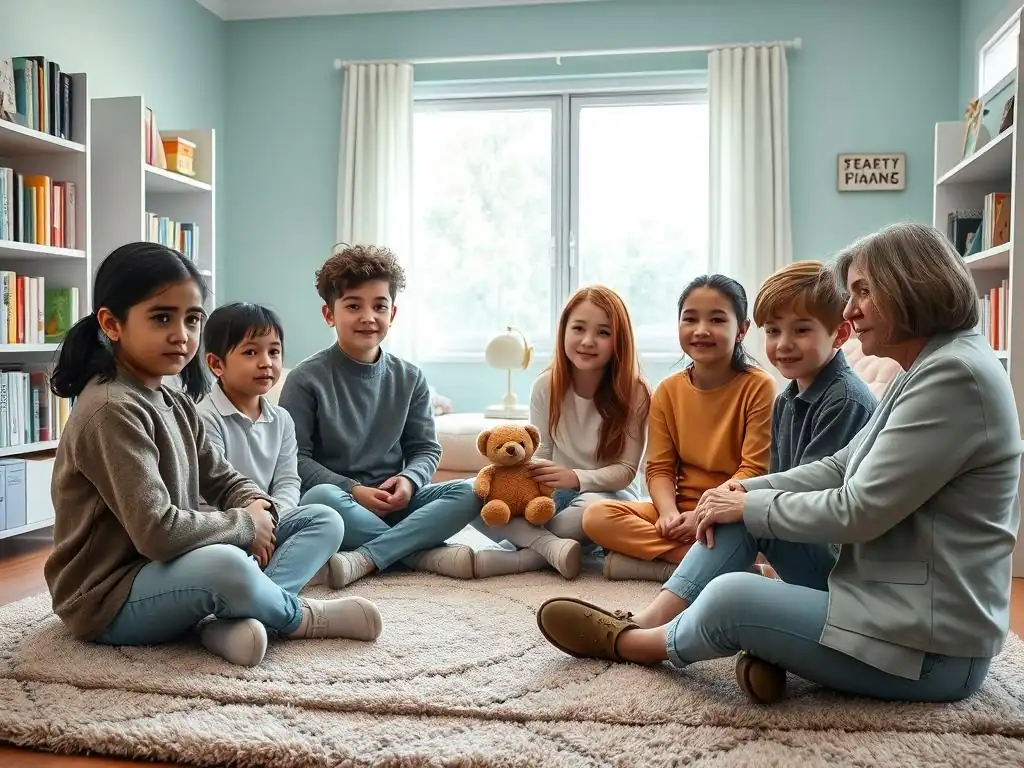
Welcome to Mind Care Guide, a safe space dedicated to understanding and nurturing mental well-being.
Feeling overwhelmed by worry for your little one? You're not alone. Many parents find themselves searching for answers when it comes to anxiety in young children. This guide offers compassionate insights and practical steps to help you navigate these challenging moments and build a brighter future for your child. Ready to learn more and discover how to support their emotional health? Let's begin.
Shining a Light: Raising Awareness About Anxiety in Children and Adolescents
- Understanding Anxiety in Young Children: An Introduction
- Identifying Anxiety Symptoms in Young Children and Teenagers
- The Root Causes of Anxiety in Young Children: Exploring Contributing Factors
- Helping Anxious Children: Practical Strategies and Intervention Methods
- Supporting Anxious Adolescents: Tailored Approaches for Teenagers
- Resources for Parents and Educators: Where to Find Help and Support
- Long-Term Outlook: Managing Anxiety and Promoting Mental Wellness in Young People
-
Frequently Asked Questions
- What are the common signs of anxiety in young children?
- How is anxiety in young children different from typical childhood fears?
- What are some effective strategies parents can use to help their anxious child?
- When should parents seek professional help for their child's anxiety?
- What types of therapy are typically used to treat anxiety in young children?
- Final Reflection: The Urgent Need for Compassionate Understanding of Childhood Anxiety
- Unleash Your Child's Potential: Take Action Against Anxiety Today!
Understanding Anxiety in Young Children: An Introduction
What is Anxiety? Defining Anxiety in Childhood and Adolescence
Anxiety is a natural human emotion, a feeling of worry, nervousness, or unease, typically about an imminent event or something with an uncertain outcome. It's the body's built-in alarm system, triggering the "fight or flight" response to perceived threats. While adults can often articulate these feelings, for young children and adolescents, anxiety can be a confusing and overwhelming experience that they may not fully understand or know how to express verbally. It's distinct from normal fear, which is a response to an immediate, real danger, and from typical childhood worries, which are often transient and tied to developmental stages.
In childhood and adolescence, anxiety manifests differently than in adults. While adults might describe feeling stressed or worried, young children might express anxiety through physical complaints like stomachaches or clingy behavior. Teenagers might withdraw socially or become irritable.
Understanding these age-specific presentations is crucial. Clinical anxiety, or an anxiety disorder, is when this worry is excessive, persistent, disproportionate to the actual threat, and significantly interferes with a child's daily life, impacting their ability to attend school, participate in social activities, or even sleep peacefully. Recognizing these patterns is the first step in addressing anxiety in young children and teens effectively.
The Prevalence of Anxiety Disorders in Young People: Why Awareness Matters
Anxiety disorders are among the most common mental health conditions affecting children and adolescents. According to data from the Centers for Disease Control and Prevention (CDC), approximately 7.1% of children aged 3-17 years have a diagnosed anxiety disorder. This translates to millions of young people across the country grappling with significant anxiety. The actual number of children experiencing impairing anxiety symptoms, even without a formal diagnosis, is likely even higher. This prevalence underscores the urgent need for increased awareness among parents, educators, and healthcare providers.
Raising awareness about anxiety in young children is paramount because early identification and intervention can dramatically improve outcomes. Untreated anxiety disorders in childhood can persist into adulthood and increase the risk of developing other mental health issues like depression, substance abuse, and even physical health problems. It can also severely impact a child's academic performance, social development, and overall quality of life. By shining a light on this common challenge, we empower adults to recognize the signs, understand the impact, and seek appropriate help before anxiety takes a deeper hold on a child's life.
Child Mind Institute: Your Resource for Child and Adolescent Mental Well-being
The Child Mind Institute is a leading independent national nonprofit dedicated to transforming the lives of children and families struggling with mental health and learning disorders. Their mission is to provide help to children and families when they need it the most, offering expert information, innovative research, and compassionate clinical care. They serve as a vital resource for anyone seeking to understand and address mental health challenges in youth, including the complex issue of anxiety in young children and teenagers.
Their website and publications offer a wealth of evidence-based information tailored for parents, educators, and even young people themselves. You can find detailed guides on specific anxiety disorders, symptom checkers, articles on causes and treatments, and practical tips for supporting an anxious child. They translate complex scientific research into accessible language, helping families navigate the often-confusing world of child mental health. Relying on reputable sources like the Child Mind Institute is essential for anyone seeking accurate and helpful information about anxiety in young children and adolescents.
Identifying Anxiety Symptoms in Young Children and Teenagers
Recognizing the Signs: Common Anxiety Symptoms in Children
Identifying anxiety in children can be challenging because symptoms vary widely depending on age, personality, and the specific type of anxiety. However, common signs often involve changes in behavior, emotions, and physical well-being. Behaviorally, you might notice increased irritability, difficulty separating from parents (beyond what's typical for their age), avoidance of specific places or situations (like school or social gatherings), excessive seeking of reassurance, or difficulty sleeping. Young children might become clingier or have more tantrums.
Emotionally, children with anxiety often report excessive worry, even about minor things, persistent fears that are out of proportion to the situation, or feeling constantly on edge or restless. They might have difficulty concentrating or seem easily startled. While young children may struggle to say "I feel worried," they might express it through play (e.g., constantly playing out scenarios of separation or danger) or simply state "I don't want to go." Recognizing these varied presentations is key to understanding the potential presence of anxiety in young children.
Differentiating Normal Childhood Fears from Anxiety Disorders
It's important to distinguish between typical developmental fears and the signs of a potential anxiety disorder. Many fears are normal and even adaptive parts of childhood development. For instance, toddlers often fear strangers, preschoolers might fear monsters or the dark, and older children may develop fears of storms, natural disasters, or minor injuries. These fears are usually temporary, specific to certain situations, and don't significantly disrupt the child's daily life or cause extreme distress.
Anxiety disorders, however, involve fears or worries that are excessive, persistent, and out of proportion to the actual risk. They cause significant distress and interfere with daily functioning – preventing a child from attending school, participating in activities, or maintaining friendships.
For example, while a normal fear of dogs might lead a child to be cautious around them, a child with a phobia or generalized anxiety about dogs might refuse to go to the park, cross the street to avoid seeing one, or constantly worry about encountering a dog, severely limiting their life. This level of impairment is a key indicator that help is needed for anxiety in young children.
Specific Anxiety Disorders in Young Children: A Closer Look
Generalized Anxiety Disorder (GAD) in Children
Generalized Anxiety Disorder (GAD) in children is characterized by excessive, uncontrollable worry about a range of everyday things, rather than just one specific fear. A child with GAD might worry excessively about school performance, their own or others' safety, future events, or even minor issues like being late. This worry is pervasive and difficult for the child to stop or control, consuming a significant amount of their time and energy.
Unlike adults, children with GAD may not always identify themselves as "worried." Instead, their anxiety might manifest as irritability, restlessness, difficulty concentrating, fatigue, or physical complaints like headaches or stomachaches. They often seek constant reassurance and may struggle with perfectionism, redoing tasks excessively due to fear of making mistakes. GAD affects an estimated 2-3% of children and adolescents, making it a notable concern when evaluating anxiety in young children.
Separation Anxiety Disorder (SAD) in Children
Separation Anxiety Disorder (SAD) is one of the most common anxiety disorders diagnosed in young children. It involves excessive fear or distress concerning separation from home or attachment figures, such as parents. While it's normal for infants and toddlers to show some distress when separated, SAD occurs when this anxiety is intense, beyond what is developmentally appropriate, and persists for at least four weeks in children and six months in adults.
Symptoms in children can include refusing to go to school or daycare, extreme distress or panic when separation occurs or is anticipated, excessive worry about losing attachment figures or harm befalling them, reluctance to sleep alone, repeated nightmares about separation, and physical symptoms like nausea or vomiting when separation is looming. This intense fear significantly impacts the child's ability to function independently and is a hallmark sign of significant anxiety in young children.
Social Anxiety Disorder (Social Phobia) in Children and Teens
Social Anxiety Disorder, or Social Phobia, is marked by an intense fear of social situations where the individual might be scrutinized, judged, or embarrassed by others. In children and adolescents, this fear can manifest in various ways, often leading to avoidance of social interactions. While shyness is a personality trait, social anxiety causes significant distress and impairment.
In young children, social anxiety might look like excessive clinging in social settings, crying, tantrums, freezing up, or refusing to speak in unfamiliar social situations. Older children and teens might avoid school presentations, participating in class, eating in front of others, making friends, or attending parties. The fear is not just about interacting with strangers but can also involve peers or familiar adults. Affecting an estimated 5-10% of adolescents, social anxiety can severely limit a young person's social development and is a key consideration when assessing anxiety in young children transitioning into their teen years.
Panic Disorder in Adolescents
Panic Disorder is less common in young children but can emerge during adolescence. It is characterized by recurrent, unexpected panic attacks, which are sudden episodes of intense fear or discomfort that peak within minutes. These attacks involve a combination of physical and cognitive symptoms, such as a racing heart, sweating, trembling, shortness of breath, chest pain, dizziness, nausea, fear of losing control, or fear of dying.
Individuals with Panic Disorder also experience persistent worry about having more panic attacks or about the implications of the attacks (e.g., fear of having a heart attack or "going crazy"). This often leads to significant changes in behavior to avoid potential triggers or situations where help might not be available, such as avoiding crowded places or public transportation. While rare in very young children, understanding its potential onset in adolescence is important for comprehensive awareness of anxiety in young people.
Specific Phobias in Young Children and Adolescents
A specific phobia is an intense, irrational fear of a particular object or situation that is disproportionate to the actual danger it poses. Common specific phobias in children include fears of animals (like dogs or spiders), natural environments (like heights or storms), blood/injections/injury, or situational fears (like elevators or flying). While many children experience transient fears, a specific phobia is diagnosed when the fear is persistent, causes significant distress, and leads to avoidance behaviors that interfere with daily life.
For example, a child with a specific phobia of dogs might scream, cry, or freeze when they see one and refuse to go places where dogs might be present, such as parks or friends' houses. This level of avoidance and distress goes beyond typical childhood fears. Affecting approximately 5% of children and 16% of adolescents, specific phobias are a common form of anxiety in young children and teens, though they often go untreated because parents may view them as just a phase.
Physical Symptoms of Anxiety in Children: What to Look For
Anxiety doesn't just manifest emotionally or behaviorally; it often has significant physical manifestations, especially in children. Young children, in particular, may not have the vocabulary to describe feeling "worried" or "scared," so they express their distress through their bodies. Common physical symptoms include frequent stomachaches, headaches, nausea, or even vomiting, especially before a feared event like school or a social gathering.
Other physical signs of anxiety in children can include muscle tension, fatigue, trembling, sweating, rapid heartbeat, shortness of breath, dizziness, or changes in appetite and sleep patterns (difficulty falling asleep, nightmares, waking up frequently). These symptoms are a real physiological response to the perceived threat, triggered by the body's stress response system. While it's essential to rule out underlying medical conditions, persistent physical complaints without a clear medical cause, particularly when linked to stressful situations, are a strong indicator to consider anxiety in young children.
The Root Causes of Anxiety in Young Children: Exploring Contributing Factors
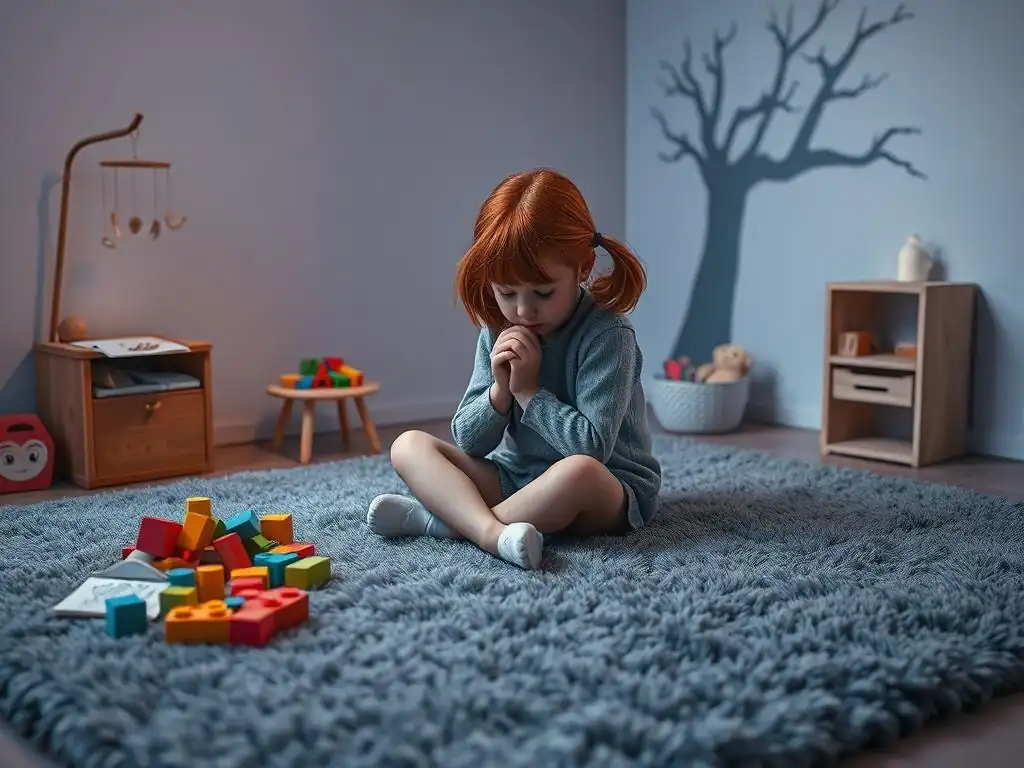
Genetic Predisposition and Family History of Anxiety
Research indicates that there is a significant genetic component to anxiety disorders. Children with a family history of anxiety, depression, or other mental health conditions are statistically more likely to develop anxiety themselves. Studies, including twin studies, suggest that genetics can account for a notable portion of the vulnerability to anxiety, with heritability estimates often cited in the range of 30-40% for generalized anxiety disorder and other anxiety types.
This doesn't mean that anxiety is purely genetic or inevitable if it runs in the family. Genetics are thought to create a predisposition or vulnerability. This means that a child with a family history might be more sensitive to stress or more prone to anxious reactions than a child without such a history. This genetic vulnerability then interacts with environmental factors and life experiences, which can either trigger or mitigate the development of an anxiety disorder. Understanding this interplay is crucial when considering the causes of anxiety in young children.
Environmental Factors: Stressful Life Events and Trauma
Beyond genetics, a child's environment and life experiences play a significant role in the development of anxiety. Stressful life events can act as triggers, especially for children who may already have a genetic vulnerability. Examples include major transitions like moving to a new town or changing schools, family changes like parental divorce or separation, or the birth of a sibling. Even positive changes can be stressful for a child.
More severe environmental factors, such as exposure to trauma, abuse (physical, emotional, or sexual), neglect, or witnessing violence, can significantly increase a child's risk of developing anxiety disorders, including post-traumatic stress disorder (PTSD), which often involves significant anxiety symptoms. Chronic stress, such as living in a chaotic or unstable home environment, can also contribute. These environmental factors can overwhelm a child's coping resources and lead to a persistent state of heightened anxiety.
The Role of Parenting Styles in Child Anxiety
Parenting styles can influence a child's anxiety levels, though it's a complex relationship and not about blaming parents. Certain parenting behaviors have been associated with increased anxiety in children. For example, overprotective or "helicopter" parenting, while well-intentioned, can inadvertently signal to a child that the world is dangerous and that they are incapable of handling challenges on their own. This can hinder the development of independence and coping skills, potentially exacerbating anxiety in young children.
Conversely, highly critical, controlling, or inconsistent parenting can also contribute to a child's anxiety by creating an unpredictable or fearful environment. However, it's important to recognize that parents of anxious children may themselves be anxious, and their behaviors might be influenced by their own struggles. Furthermore, parents can play a crucial positive role by modeling healthy coping, encouraging brave behaviors, and providing a supportive and understanding environment, which can help mitigate a child's anxiety. Research suggests that parenting interventions are often a vital component of effective treatment for child anxiety.
In the digital age, social media and technology have emerged as significant environmental factors potentially contributing to adolescent anxiety. Constant exposure to curated online lives can lead to unrealistic social comparisons, fostering feelings of inadequacy and low self-esteem. Cyberbullying is another serious issue, exposing teens to harassment and social exclusion that can have profound psychological impacts, including heightened anxiety.
The pressure to be constantly available and responsive online, the fear of missing out (FOMO), and the reliance on social media for validation can create a cycle of stress and dependency. Excessive screen time, particularly before bed, can also disrupt sleep patterns, which are closely linked to mood and anxiety regulation. While the impact on very young children is less direct, the overall digital environment and parental screen habits can still play a role in shaping a child's stress levels and potential vulnerability to anxiety as they grow.
Helping Anxious Children: Practical Strategies and Intervention Methods
Creating a Supportive and Understanding Home Environment
Creating a supportive and understanding home environment is fundamental to helping a child manage anxiety. This means validating their feelings ("I understand you're feeling scared") without enabling avoidance behaviors that maintain the anxiety. Encourage brave steps, no matter how small, towards facing their fears and praise effort and courage. Avoid dismissing their worries, even if they seem irrational from an adult perspective, as this can make the child feel misunderstood and isolated.
A predictable routine can also provide a sense of safety and control for an anxious child. Teach simple coping skills like deep breathing or positive self-talk within the home. Model healthy ways of managing stress yourself. Most importantly, ensure your child feels safe to talk about their worries without fear of judgment or criticism. A calm, patient, and empathetic response from parents is a powerful tool in helping children learn to navigate their anxiety. This foundational support is crucial when addressing anxiety in young children.
Cognitive Behavioral Therapy (CBT) for Child Anxiety
Cognitive Behavioral Therapy (CBT) is considered the gold standard, evidence-based treatment for anxiety disorders in children and adolescents. CBT helps children understand the connection between their thoughts, feelings, and behaviors. A core component involves identifying and challenging anxious thoughts – helping the child recognize that their worried thoughts are often exaggerated or unrealistic.
Another key element of CBT is exposure therapy, where the child is gradually and systematically exposed to the situations or objects they fear in a safe and controlled environment. This helps them learn that they can tolerate the anxiety and that their feared outcomes often don't occur. CBT also teaches practical coping skills, such as relaxation techniques and problem-solving skills. Studies consistently show high success rates for CBT in treating child anxiety, with many children experiencing significant symptom reduction. For example, research indicates that 60-70% of children with anxiety disorders show marked improvement after a course of CBT.
Play Therapy for Young Children with Anxiety
For very young children, especially those who may not have the verbal skills or cognitive ability for traditional talk therapy like CBT, play therapy can be a highly effective approach for addressing anxiety. Play is a child's natural language, and a trained play therapist uses therapeutic play to help children express their feelings, process difficult experiences, and work through their fears in a safe and non-threatening way.
In play therapy, children might use toys, art supplies, or sand trays to act out scenarios related to their anxiety. The therapist observes and interacts, helping the child gain insight, develop coping strategies, and build resilience. For instance, a child with separation anxiety might use dolls to play out scenarios of going to school or saying goodbye, allowing them to explore their fears and practice brave behaviors in a symbolic way. This approach makes therapy accessible and engaging for anxiety in young children.
Mindfulness and Relaxation Techniques for Anxiety Relief
Teaching children mindfulness and relaxation techniques provides them with practical tools to manage the physical and emotional symptoms of anxiety in the moment. Simple relaxation techniques, such as deep belly breathing ("balloon breathing" or "dragon breaths"), progressive muscle relaxation (tensing and releasing different muscle groups), or guided imagery (imagining a calm, safe place), can help activate the body's relaxation response and counteract the physical effects of anxiety.
Mindfulness involves paying attention to the present moment without judgment. For children, this can be introduced through simple activities like focusing on their senses during a walk, mindful eating, or listening exercises. Regular practice of mindfulness helps children become more aware of their anxious thoughts and feelings without being overwhelmed by them, fostering a sense of calm and control. Many age-appropriate books, apps, and videos are available to help parents introduce these techniques to anxiety in young children and teens.
When to Consider Medication: A Doctor's Perspective
Medication is typically not the first-line treatment for anxiety in young children, but it can be a valuable option for moderate to severe cases, especially when anxiety significantly impairs functioning and therapy alone has not been sufficient. The decision to use medication is a medical one, made by a qualified healthcare professional, usually a pediatrician or a child and adolescent psychiatrist, in close consultation with the family.
Selective Serotonin Reuptake Inhibitors (SSRIs) are the most commonly prescribed class of medications for child and adolescent anxiety disorders. These medications work by affecting serotonin levels in the brain, which plays a role in mood and anxiety regulation. When prescribed, medication is often used in conjunction with therapy, as therapy teaches essential coping skills that medication does not. It's crucial for parents to have an open discussion with the doctor about the potential benefits, risks, and side effects of medication for anxiety in young children or teens.
Supporting Anxious Adolescents: Tailored Approaches for Teenagers

Communication Strategies for Talking to Anxious Teens
Communicating effectively with an anxious teenager requires patience, empathy, and a non-judgmental approach. Teens are often more private than young children and may resist talking about their feelings. It's important to create opportunities for conversation without forcing it. Choose calm moments, not when they are in the middle of a panic or distress. Start by simply letting them know you've noticed they seem stressed or worried and that you're there to listen if they want to talk.
When they do open up, listen actively without interrupting or immediately jumping to solutions. Validate their feelings by acknowledging their distress ("That sounds really tough" or "I can see why you'd be worried about that"). Avoid minimizing their struggles with phrases like "Just calm down" or "You're overreacting." Collaborate with them on problem-solving instead of dictating what they should do. Respect their need for some independence while still offering support. Open communication is vital for addressing anxiety in adolescents.
Social anxiety and peer pressure are significant challenges for many adolescents, often intertwined with their developing sense of self and belonging. Help teens with social anxiety gradually face feared social situations through planned exposures, perhaps starting with low-pressure interactions and working up. Encourage them to join clubs or activities based on their interests, which can provide opportunities for connection around shared passions rather than purely social settings.
Equip them with strategies to handle peer pressure, such as practicing saying "no" or having pre-planned excuses. Help them understand that healthy friendships are built on mutual respect, not conformity. Encourage them to identify and nurture relationships with supportive peers. Group therapy or social skills training specifically designed for teens can be particularly beneficial, providing a safe space to practice social interactions and receive peer support for managing anxiety.
School is a major source of stress and anxiety for many teenagers, stemming from academic pressure, social dynamics, and the demands of extracurricular activities. Help teens develop effective study habits, time management skills, and strategies for breaking down large assignments into smaller, more manageable steps. Encourage them to communicate with teachers about their struggles and explore potential accommodations, such as extended time on tests or alternative assignments, if their anxiety significantly impacts their academic performance.
Promote a healthy balance in their lives, emphasizing the importance of adequate sleep (teens typically need 8-10 hours), regular physical activity, downtime, and engaging in enjoyable hobbies. Help them reframe academic setbacks as learning opportunities rather than failures and challenge perfectionistic tendencies that often fuel academic anxiety. Collaborating with school counselors or psychologists can also provide valuable support and resources for addressing school-related anxiety.
Supporting Career Exploration: Considering Anxiety in Future Planning
The transition from high school to adulthood, including decisions about college, career paths, and future independence, can be a significant source of anxiety for teenagers. Help them approach career exploration realistically, considering their strengths, interests, and personality traits, including how their anxiety might impact different paths. Avoid adding unnecessary pressure or imposing your own expectations.
Encourage them to research various options – college, vocational training, gap years, direct employment – to broaden their perspective and reduce the feeling of being locked into one path. Discuss how certain work environments or career demands might exacerbate or accommodate their anxiety. Helping them develop a flexible plan and understanding that it's okay to change course can alleviate some of the future-oriented worry that is common in anxiety.
Resources for Parents and Educators: Where to Find Help and Support
Recommended Books and Websites on Child and Adolescent Anxiety
Accessing reliable information is a crucial first step for parents and educators supporting anxious youth. Numerous high-quality books are available that offer practical strategies and insights, such as workbooks based on CBT principles for children or guides for parents on understanding and responding to child anxiety. For instance, books like "What to Do When You Worry Too Much" offer engaging, child-friendly approaches to managing anxiety.
Reputable websites from mental health organizations provide extensive, evidence-based resources. Organizations like the Anxiety & Depression Association of America (ADAA), the National Institute of Mental Health (NIMH), and the Child Mind Institute offer articles, webinars, and guides on symptoms, causes, treatment options, and coping strategies specifically for anxiety in young children and adolescents. These resources can empower parents and educators with knowledge and practical tools.
Local Mental Health Professionals and Support Groups
Seeking professional help is often necessary when anxiety significantly impacts a child's life. Pediatricians can be a first point of contact, offering initial screening and referrals. Child psychologists, therapists, social workers, and child psychiatrists specialize in diagnosing and treating anxiety disorders in young people. These professionals can provide individual or family therapy, and psychiatrists can evaluate the need for medication if appropriate.
Finding the right therapist can take time, but it is a critical step. Online directories from professional organizations or recommendations from pediatricians or school counselors can help locate qualified practitioners. Additionally, support groups for parents of anxious children can provide invaluable peer support, shared experiences, and coping strategies, helping parents feel less alone in navigating the challenges of anxiety in young children.
School-Based Mental Health Services and Resources
Schools can be important partners in supporting children with anxiety. Many schools employ counselors, psychologists, or social workers who can provide counseling, crisis intervention, and connect families with external mental health resources. School staff can also help monitor a child's anxiety symptoms in the school setting and work with parents to develop support plans or academic accommodations to help the child succeed despite their anxiety.
Some schools may offer specific programs, such as social-emotional learning curricula or group therapy for anxiety. Parents should not hesitate to reach out to their child's school counselor or administrative staff to discuss concerns about their child's anxiety and explore available resources or support systems within the school environment. Collaboration between home and school is key to providing comprehensive support for anxiety in young children and teens.
Empowering Parents: Building Resilience in Children
Empowering parents with knowledge and strategies is essential, as they are the primary figures in a child's life. Parents can actively build resilience in their children, helping them develop the capacity to cope with challenges and bounce back from adversity. This involves teaching children problem-solving skills, fostering independence by allowing them to face age-appropriate challenges, and modeling healthy emotional regulation by managing your own stress effectively.
Focus on building a child's self-efficacy – their belief in their own ability to handle situations and overcome obstacles. Praise effort and courage, especially when they face something difficult, rather than solely focusing on outcomes. Help them take small, brave steps outside their comfort zone to build confidence in their ability to manage anxiety. Empowering parents to be active participants in their child's journey is fundamental to addressing and managing anxiety in young children.
Long-Term Outlook: Managing Anxiety and Promoting Mental Wellness in Young People
Building Coping Mechanisms for Long-Term Anxiety Management
For many individuals, managing anxiety is a lifelong process, not a condition that simply disappears after childhood. Building a robust set of coping mechanisms during childhood and adolescence is crucial for long-term mental wellness. These mechanisms include stress management techniques (like deep breathing or mindfulness), healthy lifestyle habits (exercise, sleep, nutrition), and effective problem-solving skills.
Encourage continued practice of the skills learned in therapy and help young people identify their personal anxiety triggers and develop proactive strategies to navigate them. Teach them that seeking help when needed is a sign of strength, not weakness. Regularly reviewing and adapting coping strategies as they face new developmental stages and challenges is key to sustained management of anxiety.
Promoting Positive Mental Health Habits in Childhood and Adolescence
Fostering positive mental health habits from a young age is a powerful preventative measure against anxiety and other mental health challenges. This includes prioritizing adequate sleep (critical for emotional regulation), encouraging regular physical activity (a proven stress reducer), ensuring balanced nutrition, and promoting engagement in enjoyable hobbies and activities that provide a sense of purpose and connection.
Limit excessive recreational screen time, particularly before bed, as it can interfere with sleep and increase feelings of anxiety. Encourage strong social connections and help children develop healthy relationship skills. Teach them emotional literacy – the ability to recognize, understand, and express their feelings in appropriate ways. These habits form the foundation of mental wellness and are protective factors throughout life, mitigating the impact of potential anxiety in young children and teens.
The Importance of Early Intervention and Ongoing Support
Research consistently demonstrates that early intervention for anxiety disorders in childhood leads to significantly better long-term outcomes. Addressing anxiety when it first emerges prevents it from becoming more entrenched, impacting development, and potentially leading to more severe issues later in life. The brain is more malleable in childhood, making therapeutic interventions particularly effective.
Ongoing support is also vital. This may involve periodic check-ins with a mental health professional, continued reinforcement of coping skills within the family and school environment, and access to support networks. Recognizing that setbacks can happen is important, and having systems in place to seek help again if needed ensures that young people receive the support they need throughout their journey with anxiety.
Advancements in Child Anxiety Treatment: A Look Ahead
The field of child and adolescent mental health is continuously evolving, with ongoing research leading to advancements in the understanding and treatment of anxiety. Future directions include more personalized approaches to therapy, tailoring interventions based on a child's specific symptoms, temperament, and family context.
Technology is also playing an increasing role, with the development of apps and online platforms that can deliver components of evidence-based therapies like CBT, potentially increasing accessibility. Research into the neurobiological underpinnings of child anxiety is also ongoing, which may lead to the development of more targeted interventions in the future. These advancements offer hope for more effective and accessible support for anxiety in young children and adolescents moving forward.
Frequently Asked Questions
What are the common signs of anxiety in young children?
Young children experiencing anxiety may exhibit symptoms like excessive worry, difficulty sleeping, and physical complaints such as stomachaches. They may also show signs of separation anxiety or have difficulty concentrating.
How is anxiety in young children different from typical childhood fears?
Anxiety disorders are more intense and persistent than typical childhood fears. They significantly interfere with a child's daily life, causing distress and impacting their ability to function at school and home, unlike normal fears that are usually temporary.
What are some effective strategies parents can use to help their anxious child?
Parents can help by creating a supportive and understanding environment, teaching coping mechanisms like deep breathing, and seeking professional help when needed. Consistency and patience are also crucial.
When should parents seek professional help for their child's anxiety?
If a child's anxiety is persistent, severe, and interfering with their daily activities, professional help is recommended. Look for signs such as school refusal, social withdrawal, or significant behavioral changes that last longer than a few weeks.
What types of therapy are typically used to treat anxiety in young children?
Cognitive Behavioral Therapy (CBT) is a common and effective treatment. Play therapy can also be beneficial for younger children, helping them express their feelings and learn coping skills in a comfortable and engaging way.
Final Reflection: The Urgent Need for Compassionate Understanding of Childhood Anxiety
The pervasive nature of anxiety in young children is no longer a hidden epidemic; it's a crisis demanding immediate attention. We've explored the multifaceted challenges faced by children and adolescents grappling with anxiety, from the subtle signs often missed by parents and educators to the devastating impact it can have on their development and well-being. This isn't just a statistic; it's a reflection of the pressures placed on our youngest generation.
The journey of understanding and addressing childhood anxiety is a deeply personal one, impacting not only the child but their entire family and support system. The stigma surrounding mental health continues to hinder open conversations and timely interventions. The greatest barrier to helping children is the silence that surrounds the problem.
This quote underscores the critical need for empathy, education, and a shift in societal attitudes. We must actively create spaces where young people feel safe to express their vulnerabilities without fear of judgment.
You, the reader, now hold the power to make a difference. Consider the information presented here – the signs, the support systems, the importance of early intervention. Take a moment to reflect on the children in your life. Are there subtle signs you might have overlooked? Are you equipped to offer support, or do you need to seek further knowledge and resources? Let this article be a catalyst for action – a call to foster understanding, break down the silence, and build a brighter, more compassionate future for our anxious youth.
Unleash Your Child's Potential: Take Action Against Anxiety Today!
Thanks for taking the time to learn more about childhood and adolescent anxiety. You've gained valuable insights into understanding and supporting young ones facing this challenge. Now, let's turn that knowledge into action!
- Prioritize open communication: Start a conversation with your child or teen about their feelings. Even a small step can make a huge difference.
- Explore local resources: Research support groups or therapists specializing in childhood anxiety in your area. This empowers you to find the right help.
- Share this article: Help spread awareness by sharing this article with friends, family, or educators who might benefit from this information. Let's build a supportive community together.
What small step will you take today to create a more positive and anxiety-free environment for the young people in your life?