
Doomscrolling Danger: How News Apps Amplify Your Worries


Welcome to Mind Care Guide.
Are you finding yourself endlessly scrolling through news, feeling increasingly anxious and overwhelmed? You're not alone. In today's digital age, it's easy to get caught in a cycle of negativity. This can lead to what's known as "doomscrolling," and it can have a significant impact on your mental well-being. But there's hope. We understand how debilitating this can be, and that's why we've created this resource. Curious about how to stop doomscrolling anxiety and reclaim your peace of mind? Let's explore actionable strategies to break free from this cycle and nurture your mental health.
Climate Change Anxiety: How News Apps Amplify Your Worries
- Understanding Climate Change Anxiety and Its Impact on Mental Well-being
- The Link Between News Apps, Climate Change Anxiety, and Mental Health
- Recognizing the Signs of Climate Change Anxiety
-
How to Stop Climate Change Anxiety: Practical Strategies
- Breaking Free from the Catastrophic Climate News Cycle: A Step-by-Step Guide
- Setting Limits on Climate Change News App Usage: Time Management Techniques
- Filtering Catastrophic Climate Content: Curating Your Newsfeed
- Finding Reliable and Balanced Climate News Sources: Fact-Checking and Bias Awareness
- Alternative Activities to Reduce Anxiety and Improve Mental Health
- Managing Digital Overload and Protecting Your Mental Health
- Long-Term Strategies for Managing Anxiety Related to Climate Change
- Conclusion: Taking Control of Your Climate Change News Consumption and Mental Well-being
- Frequently Asked Questions
- Final Reflection: Breaking Free from the Scroll
- Unplug & Reclaim Your Peace: Simple Steps to a Calmer News Feed
Understanding Climate Change Anxiety and Its Impact on Mental Well-being
Defining Climate Change Anxiety: The Cycle of Negative Environmental News Consumption
Climate Change Anxiety, often referred to as eco-anxiety, is a chronic fear of environmental doom. It's not a formally recognized clinical disorder in classifications like the DSM-5, but it is a growing and significant psychological phenomenon. It manifests as feelings of worry, helplessness, and grief related to the perceived threats posed by climate change and its potential impacts on the planet and future generations. This anxiety is frequently fueled by a constant influx of alarming news and information about environmental degradation.
The cycle of negative environmental news consumption plays a central role in defining Climate Change Anxiety. Individuals may feel compelled to stay informed about the latest environmental crises, leading them to repeatedly seek out news articles, social media updates, and reports detailing rising sea levels, extreme weather events, species extinction, and policy failures. This continuous exposure to distressing information can create a loop where reading negative news reinforces feelings of anxiety, which in turn drives a desire to seek more information, perpetuating the cycle and deepening the sense of dread and helplessness.
The Psychological Effects of Constant Climate Change News Exposure
Constant exposure to news about climate change can have profound psychological effects. For many, it leads to persistent feelings of worry and dread about the future, often described as a sense of impending catastrophe. This can manifest as difficulty sleeping, irritability, and a general feeling of unease. The sheer scale and complexity of the climate crisis can also foster feelings of powerlessness, as individuals may feel their personal actions are insignificant against such a global challenge.
Beyond general anxiety, prolonged exposure to climate news can contribute to more specific mental health challenges. Some individuals report symptoms akin to post-traumatic stress, experiencing distress and intrusive thoughts related to climate disasters they've seen reported. Others may experience grief or mourning for lost ecosystems or a changed world, a phenomenon sometimes called ecological grief. This continuous psychological burden, amplified by the pervasive nature of news delivery through digital platforms, can significantly impact an individual's overall mental well-being and quality of life.
News Apps and the Amplification of Eco-Anxiety: A Vicious Cycle
News apps are designed for constant engagement, delivering real-time updates directly to our devices. While convenient, this constant flow of information, particularly concerning the climate crisis, can significantly amplify eco-anxiety. Push notifications alert users to breaking environmental news, often highlighting alarming developments like record-breaking heatwaves or urgent reports from international climate bodies. This immediate and frequent delivery makes it difficult for individuals to step away from the stream of negative information, fostering a sense of perpetual crisis.
Furthermore, the user interfaces and features of many news apps encourage continuous scrolling and consumption. Endless feeds mean there's always another article or headline about climate change to read, often emphasizing the most dire aspects. This design can facilitate a form of "doomscrolling" specifically focused on environmental news, where individuals compulsively scroll through negative climate content, deepening their anxiety and sense of hopelessness without providing actionable solutions or balanced perspectives. The accessibility and design of these apps make it easier than ever to fall into a cycle of anxious information seeking.
The Link Between News Apps, Climate Change Anxiety, and Mental Health
How News Apps Contribute to Increased Climate Change Anxiety Levels
News apps contribute significantly to increased Climate Change Anxiety levels primarily through their immediacy and volume of information. Unlike traditional newspapers or scheduled broadcasts, apps deliver news continuously throughout the day. This means users are constantly exposed to updates on environmental disasters, scientific reports detailing worsening conditions, and news of political inaction or setbacks. This relentless stream of negative stimuli keeps the climate crisis at the forefront of one's mind, making it difficult to find respite or mental distance.
The design of many news apps also prioritizes engagement, often using sensational headlines and dramatic imagery to capture attention. While intended to inform, this can inadvertently heighten emotional responses, making already concerning climate news feel even more terrifying or overwhelming. The ability to personalize feeds can also create filter bubbles where individuals are primarily shown content that aligns with their existing concerns, potentially leading to an overrepresentation of negative or catastrophic climate information and reinforcing anxious thought patterns.
The Role of Algorithms in Feeding Catastrophic Climate Content
Algorithms employed by news apps and social media platforms play a critical role in feeding catastrophic climate content to users. These algorithms are designed to predict what content will keep users engaged based on their past interactions. If a user has previously shown interest in climate change news, particularly alarming stories, the algorithm is likely to prioritize showing them similar content. This creates a feedback loop where the more a user engages with negative climate news, the more negative climate news they are shown.
This algorithmic amplification means that users prone to climate anxiety are often delivered a disproportionate amount of content highlighting the most extreme or negative aspects of the climate crisis – melting glaciers, devastating floods, dire predictions for the future. This can distort a user's perception of the overall situation, making it seem unrelentingly bleak and hopeless, further fueling feelings of anxiety and despair. The algorithm, in its pursuit of engagement, inadvertently contributes to the emotional burden of Climate Change Anxiety by curating a constant stream of alarming information.
Climate Change Anxiety and its Connection to General Anxiety Disorders
Climate Change Anxiety, while distinct in its specific focus, shares significant overlap with general anxiety disorders. Both involve excessive worry, feelings of apprehension, and physical symptoms like restlessness, difficulty concentrating, and sleep disturbances. For individuals already predisposed to anxiety or those with existing generalized anxiety disorder (GAD), the added stressor of the climate crisis, particularly when amplified by news consumption, can exacerbate their condition.
The constant exposure to climate threats via news apps can trigger or intensify anxiety symptoms that extend beyond environmental concerns. The feeling of helplessness related to a global crisis can generalize to other areas of life, increasing overall stress and anxiety levels. Studies, such as one published in the journal Global Environmental Change in 2021, have indicated a correlation between climate change concerns and increased rates of anxiety and depression, particularly among young people. Managing Climate Change Anxiety often involves employing strategies similar to those used for other anxiety disorders, highlighting the interconnectedness of these mental health challenges.
Recognizing the Signs of Climate Change Anxiety
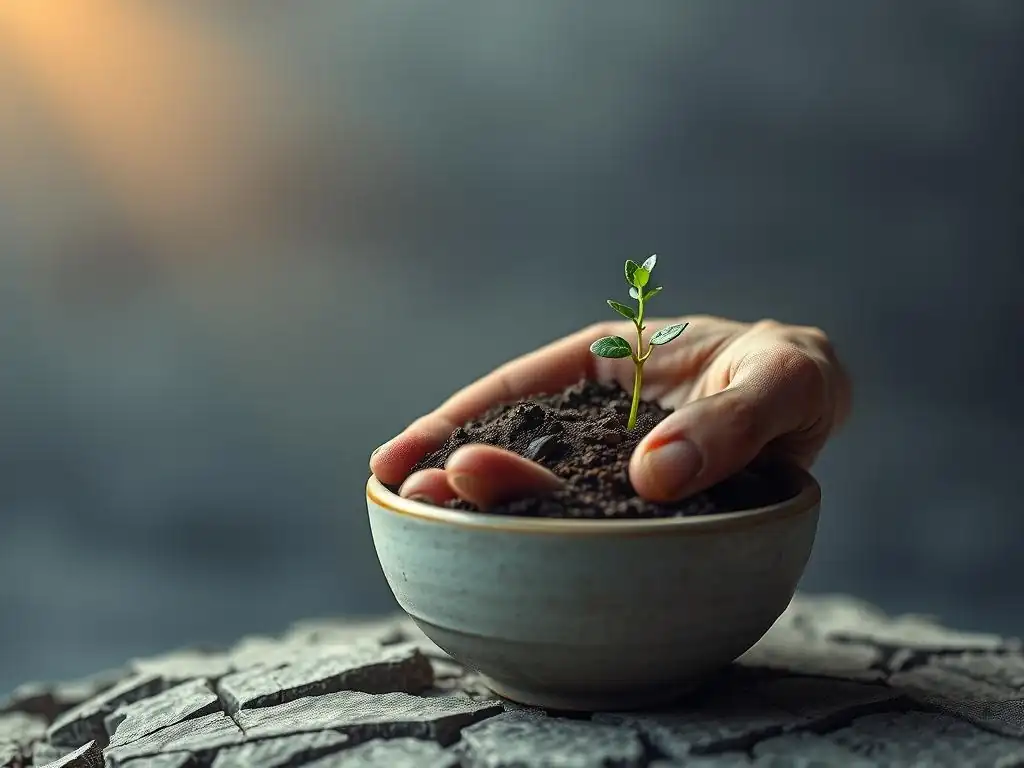
Identifying the symptoms of climate-related anxiety is the first step toward managing it. These symptoms can vary but often include persistent worry or fear about the future of the planet and humanity due to climate change. This worry might manifest as intrusive thoughts about environmental disasters or a constant feeling of dread. Physically, individuals might experience restlessness, difficulty sleeping, fatigue, or even somatic symptoms like headaches or digestive issues when thinking about or consuming climate news.
Emotionally, climate-related anxiety can lead to feelings of sadness, grief, anger, or guilt. Some people feel profound sadness or mourning for the loss of ecosystems or species, while others feel angry at perceived inaction by governments or corporations. Guilt about one's own environmental footprint is also common. These emotional responses, combined with the persistent worry, can significantly impact daily functioning, making it hard to concentrate, enjoy activities, or maintain a positive outlook.
Assessing Your Climate Change News Consumption Habits
A key aspect of recognizing climate change anxiety is assessing your news consumption habits, particularly concerning news apps. Ask yourself: How much time do I spend reading or watching climate news each day? Do I actively seek out alarming headlines? Do I feel compelled to constantly check for updates, even when I know it makes me feel worse? Do I find myself doomscrolling through climate-related content on social media or news feeds?
Reflecting on these questions can reveal patterns. For instance, someone might realize they spend an hour every evening scrolling through climate articles before bed, leading to sleep problems. Another might notice they feel a surge of panic every time a news app sends a push notification about an environmental event. Quantifying the time spent and identifying the emotional response tied to climate news consumption through apps is crucial for understanding how digital habits contribute to anxiety levels.
Are You Experiencing Climate Change Anxiety? : A Self-Assessment
Consider the following questions as a simple self-assessment to gauge if you might be experiencing Climate Change Anxiety:
- Do you feel excessive worry or fear about climate change and its impacts?
- Do you frequently think about climate change, even when you try not to?
- Does reading or hearing about climate change make you feel overwhelmed, helpless, or hopeless?
- Do you find yourself compulsively seeking out climate news, even though it distresses you?
- Does your concern about climate change interfere with your daily life, sleep, or relationships?
- Do you feel sad or grieve for the state of the environment?
- Do push notifications or headlines about climate change cause you immediate distress?
- Do you find yourself spending significant time doomscrolling through climate-related content on news apps or social media?
If you answered yes to several of these questions, particularly those related to persistent worry, distress, compulsive news checking, or significant impact on daily life, it suggests that you may be experiencing Climate Change Anxiety fueled, in part, by your news consumption habits. This self-awareness is the first step towards seeking strategies for management and support.
How to Stop Climate Change Anxiety: Practical Strategies
Breaking Free from the Catastrophic Climate News Cycle: A Step-by-Step Guide
Breaking free from the catastrophic climate news cycle requires intentional effort. Start by acknowledging that constant exposure to negative news is detrimental to your mental health. Step one is awareness: track your climate news consumption for a few days. Note how much time you spend and how you feel afterward. Step two involves setting clear boundaries. Decide on specific times or durations for checking climate news, rather than letting it be a constant background activity.
Step three is about creating friction. Make it harder to access news apps impulsively. Log out, turn off notifications, or even temporarily uninstall apps from your primary device, perhaps moving them to a less accessible folder. Step four is replacing the habit. When you feel the urge to check alarming news, choose an alternative activity that is calming or productive, such as reading a book, going for a walk, or engaging in a hobby. This deliberate shift in behavior helps retrain your brain away from the compulsive checking cycle.
Setting Limits on Climate Change News App Usage: Time Management Techniques
Setting strict limits on news app usage is a practical technique for managing Climate Change Anxiety. Decide on a specific, limited amount of time per day or week that you will dedicate to reading climate news. For example, you might allocate 15-20 minutes each morning or evening, or perhaps a longer session once or twice a week. Stick to this limit rigorously.
Utilize built-in phone features or third-party apps that track app usage and allow you to set daily time limits. When the limit is reached, the app will block access. This automated enforcement can be incredibly helpful in preventing doomscrolling climate content. Consider having "news-free" periods, such as evenings, weekends, or the first hour after waking up, to give your mind a break from potentially anxiety-inducing information.
Filtering Catastrophic Climate Content: Curating Your Newsfeed
Actively curating your newsfeed can help filter out the most catastrophic and anxiety-inducing climate content. Many news apps and platforms allow you to customize topics or sources. Prioritize following reputable news organizations known for balanced reporting rather than sensationalism. Unfollow or mute sources that consistently publish overly alarming or despair-inducing climate content without providing context or solutions.
Look for news outlets or sections that focus on climate solutions, innovations, and positive actions being taken, alongside reporting on the challenges. While staying informed about the problems is necessary, balancing this with information about progress and potential solutions can foster a sense of hope and agency, counteracting the feelings of helplessness often fueled by purely catastrophic narratives. Be critical of headlines and choose to read articles that offer depth and context rather than just alarming summaries.
Finding Reliable and Balanced Climate News Sources: Fact-Checking and Bias Awareness
Finding reliable and balanced sources is paramount when consuming climate news, especially to mitigate anxiety. Avoid relying solely on social media feeds or algorithm-driven news aggregators, which can prioritize engagement over accuracy or balance. Instead, seek out established scientific bodies, reputable environmental organizations, and major news outlets with dedicated science or environment desks that adhere to journalistic standards.
Develop a habit of fact-checking alarming claims, especially those encountered on social media. Use resources from organizations like the IPCC (Intergovernmental Panel on Climate Change) for scientific consensus or established fact-checking websites. Be aware of potential biases in reporting – some sources may downplay risks, while others may overstate them. Consuming news from a variety of trusted sources can provide a more balanced perspective and help you distinguish between legitimate concerns and potentially anxiety-amplifying exaggeration or misinformation.
Alternative Activities to Reduce Anxiety and Improve Mental Health
Mindfulness and Meditation for Anxiety Relief
Mindfulness and meditation are powerful tools for reducing anxiety, including that stemming from climate concerns. Practicing mindfulness involves focusing on the present moment without judgment. This can help interrupt the cycle of anxious thoughts about future climate scenarios or dwelling on past environmental news. Simple mindfulness exercises, like focusing on your breath for a few minutes, can ground you and create mental space away from worry.
Meditation, whether guided or unguided, can teach you to observe anxious thoughts about climate change without being consumed by them. Regular practice can lower overall stress levels and improve emotional regulation. Even short daily sessions of 5-10 minutes can make a significant difference in managing the pervasive worry associated with Climate Change Anxiety. Numerous apps and online resources offer guided meditations specifically for stress and anxiety.
Engaging in Pro-Environmental Activities to Combat Stress
Taking action, even on a local or personal level, can be an effective antidote to the helplessness and stress associated with Climate Change Anxiety. Engaging in pro-environmental activities provides a sense of agency and purpose. This could involve participating in local clean-up drives, volunteering for an environmental organization, planting trees, supporting sustainable businesses, or adopting more eco-friendly habits in your daily life, such as reducing waste or conserving energy.
These actions, however small they may seem on a global scale, provide a tangible way to contribute positively. They shift the focus from passive consumption of negative news to active participation in solutions. This can transform feelings of powerlessness into empowerment and provide a healthy outlet for climate-related concerns, turning anxiety into motivation for positive change.
Connecting with others who share your climate concerns is vital for managing Climate Change Anxiety. Feeling isolated in your worries can amplify them. Joining community groups focused on environmental action, participating in climate discussions, or simply talking with friends and family about your feelings can provide validation and support. Sharing your anxieties can normalize these feelings and reduce the burden.
Collective action, even on a small scale, can be particularly empowering. Working together on a community garden, advocating for local environmental policies, or participating in awareness campaigns fosters a sense of solidarity and shared purpose. Knowing you are part of a larger effort, however modest, can counteract feelings of isolation and helplessness, providing emotional resilience against the overwhelming nature of the climate crisis as portrayed by constant news updates.
Recommended Relaxation Techniques and Apps for Eco-Anxiety
Several relaxation techniques and digital resources can be helpful in managing eco-anxiety. Deep breathing exercises, progressive muscle relaxation, and guided imagery can calm the nervous system when feeling overwhelmed by climate news. Spending time in nature, often referred to as "nature therapy," has also been shown to reduce stress and improve mood, providing a direct counterpoint to anxiety fueled by digital consumption.
Apps designed for mindfulness, meditation, and sleep can also be beneficial. Apps like Headspace, Calm, or Insight Timer offer guided sessions that can help users manage anxious thoughts and promote relaxation. Some apps even feature specific content related to managing difficult emotions. Using these tools consistently can build resilience and provide coping mechanisms when faced with distressing climate information, helping to mitigate the effects of doomscrolling climate news.
Managing Digital Overload and Protecting Your Mental Health

Creating a Healthy Digital Diet
Just as a healthy food diet is crucial for physical health, a healthy digital diet is essential for mental well-being, especially when navigating anxiety-inducing topics like climate change. This involves being mindful of what digital content you consume, how much of it you consume, and when you consume it. It's about intentionality rather than passive scrolling.
Assess your daily digital habits: How much time is spent on news apps, social media, or other potentially triggering platforms? Identify patterns of usage that correlate with increased anxiety. Based on this assessment, set realistic goals for reducing consumption of problematic content, particularly negative climate news. This isn't about being uninformed, but about being strategically informed in a way that protects your mental health from digital overload and the anxiety it can amplify.
The Benefits of Digital Detox: Disconnecting to Reconnect with Nature
Regular digital detox periods offer significant benefits for mental health, providing a break from the constant stream of information that fuels anxieties like Climate Change Anxiety. This could involve dedicating specific hours, days, or even weekends to being completely offline. Use this time to engage in activities that are grounding and restorative.
One powerful way to utilize a digital detox is to reconnect with nature. Spending time outdoors, whether in a park, forest, or by the water, can reduce stress, improve mood, and foster a sense of connection to the natural world you are concerned about protecting. This direct positive experience of nature can counteract the abstract, often negative, information consumed through screens and provide a healthier perspective and source of motivation.
Building Resilience to Negative Climate News: Developing Coping Mechanisms
Building resilience to negative climate news involves developing robust coping mechanisms. This isn't about ignoring the problem but about processing information in a way that doesn't overwhelm your emotional capacity. Cognitive restructuring techniques, often used in CBT, can help challenge catastrophic thinking patterns related to climate change. Learn to identify overly negative or hopeless thoughts and replace them with more balanced or realistic perspectives.
Develop a repertoire of stress-reducing activities you can turn to immediately after encountering distressing climate news. This could be deep breathing, a short walk, listening to music, or talking to a supportive friend. Proactive self-care, including regular exercise, sufficient sleep, and a balanced diet, strengthens your overall mental resilience, making you less susceptible to being overwhelmed by anxiety-inducing information from news apps.
Cognitive Behavioral Therapy (CBT) Techniques for Anxiety
Cognitive Behavioral Therapy (CBT) offers effective long-term strategies for managing anxiety, including that related to climate change. CBT helps individuals identify and challenge negative thought patterns and behaviors that contribute to their anxiety. For Climate Change Anxiety, this might involve addressing catastrophic predictions, feelings of helplessness, or the compulsive need to seek out negative news (doomscrolling).
A therapist can help you develop healthier ways of processing information about climate change, setting realistic goals for action, and managing the emotional distress associated with it. Techniques such as exposure therapy (gradually exposing yourself to anxiety-provoking stimuli in a controlled environment) or behavioral activation (engaging in positive activities) can also be adapted to address specific aspects of eco-anxiety and reduce the impact of negative news consumption.
Seeking Professional Help for Anxiety Disorders
If Climate Change Anxiety significantly impacts your daily life, functioning, or overall well-being, seeking professional help is a crucial long-term strategy. Mental health professionals, such as therapists, counselors, or psychologists, are trained to diagnose and treat anxiety disorders. They can provide tailored support, coping strategies, and therapeutic interventions.
Don't hesitate to reach out if your climate-related worries feel overwhelming, if they interfere with your work or relationships, or if you experience physical symptoms of anxiety or depression. A professional can help you understand the root causes of your distress, develop effective coping mechanisms, and, if necessary, discuss medication options in conjunction with therapy.
Resources for Finding Mental Health Professionals Specializing in Eco-Anxiety
Finding a mental health professional who understands or specializes in eco-anxiety can be particularly beneficial. While it's not a formal specialization for all therapists, many are becoming increasingly aware of and trained in addressing climate-related distress. Resources for finding help include:
- Online therapist directories: Websites often allow filtering by specialization or areas of interest. Look for therapists mentioning anxiety, grief, trauma, or specific experience with environmental issues.
- Professional mental health associations: Organizations may have directories or resources for finding practitioners.
- Environmental psychology networks: Some academic or professional networks might list practitioners interested in this area.
- University psychology departments: These can sometimes provide referrals or have clinics with therapists researching or treating eco-anxiety.
When contacting a therapist, you can specifically ask about their familiarity with climate change anxiety and their approach to helping clients manage distress related to environmental issues. Finding the right fit is important for effective long-term support.
Conclusion: Taking Control of Your Climate Change News Consumption and Mental Well-being
Managing Climate Change Anxiety in the digital age requires conscious effort, particularly in how we engage with news apps. The constant stream of alarming information, amplified by algorithms and app design, can easily fuel a cycle of worry and helplessness. By understanding how news apps contribute to this anxiety and recognizing its signs, we can begin to take control.
Implementing practical strategies like setting limits on app usage, curating news feeds, and seeking balanced information are vital steps in breaking free from the catastrophic news cycle. Equally important are adopting healthy coping mechanisms, engaging in pro-environmental actions for a sense of agency, and connecting with supportive communities. For those struggling significantly, professional help offers essential long-term support and therapeutic techniques. Taking these steps empowers individuals to navigate the complexities of the climate crisis while protecting their mental health, transforming passive anxiety into proactive engagement and resilience.
Frequently Asked Questions
How does doomscrolling contribute to anxiety?
Doomscrolling exposes you to a constant stream of negative news, which can trigger the fight-or-flight response, leading to increased feelings of anxiety and fear. This overstimulation can overwhelm your coping mechanisms.
What are some signs that I might be doomscrolling?
Signs include spending excessive time on news apps, feeling compelled to check for updates despite feeling worse afterward, and experiencing increased anxiety or negativity after scrolling.
Can deleting news apps actually reduce my anxiety levels?
Yes, removing or limiting access to news apps can significantly reduce anxiety by reducing exposure to triggering content and promoting a healthier focus on personal well-being.
What are some alternative activities I can do instead of doomscrolling?
Consider engaging in activities like exercise, meditation, reading, or spending time in nature. These activities can help shift your focus and promote relaxation, counteracting the effects of doomscrolling.
How can I set healthy boundaries with news consumption?
Establish specific times for news consumption, use website blockers to limit access, and prioritize reliable and balanced news sources over sensationalized content to manage anxiety related to news intake.
Final Reflection: Breaking Free from the Scroll
The relentless cycle of negative news, amplified by our always-on devices, is no longer a futuristic dystopia; it's our present reality. The anxiety and despair fueled by doomscrolling are tangible, impacting our mental health and overall well-being in profound ways. We've explored the mechanics of this digital trap, from the addictive design of news apps to the cognitive biases that keep us hooked, and it's time to confront the urgency of this issue.
The insidious nature of doomscrolling lies not just in the consumption of bad news, but in the erosion of our sense of control and agency. We become passive recipients of negativity, our minds bombarded with a constant stream of fear and uncertainty. This constant exposure shapes our perception of the world, fostering a sense of helplessness and hopelessness. The only thing we have to fear is fear itself,
– Franklin D. Roosevelt. While not directly addressing doomscrolling, this quote highlights the importance of managing our anxieties and not letting fear dictate our lives. The pervasive nature of negative news, however, makes this far more challenging than it should be.
You now possess the knowledge to break free. Consider your relationship with news consumption. Are you mindfully choosing your sources? Are you setting boundaries around your screen time? Are you actively seeking out positive and uplifting content to counterbalance the negativity? Take control of your digital diet. Uninstalling apps, setting time limits, and consciously choosing alternative activities are all powerful steps towards reclaiming your mental peace. Start small, be patient with yourself, and remember that breaking free from the scroll is an act of self-care – a crucial step towards a healthier, happier you.
Unplug & Reclaim Your Peace: Simple Steps to a Calmer News Feed
Thanks for taking the time to explore the often-overlooked dangers of doomscrolling! We hope you gained valuable insights into how news apps can impact your well-being. Now, let's turn that awareness into action. Here's how you can start cultivating a healthier relationship with news:
- Prioritize your mental health: Curate your news sources, focusing on reputable outlets that prioritize factual reporting and minimize sensationalism. This is your primary step towards reducing stress and anxiety.
- Set time limits: Try using built-in app timers or even an old-fashioned alarm clock to limit your daily news consumption. This conscious effort can make a surprising difference.
- Share your findings: Discuss this with friends and family, encouraging them to critically assess their news consumption habits and identify their own doomscrolling triggers. A shared journey can lead to stronger support networks.
What small step will you take today to bring more peace into your digital life?