
Medication for Anxiety in Kids: What Parents Need to Know


Welcome to Mind Care Guide, where we understand the concerns that come with navigating your child's mental well-being. Are you feeling overwhelmed by the prospect of managing your child's anxiety? This is a safe space to explore resources and find support. In this article, we'll delve into a crucial topic: kids anxiety medication options, providing information to help you make informed decisions for your child's care. Read on to learn more and empower yourself with knowledge.
- Anxiety in Children: A Parent's Guide to Medication and Treatment
- Medication Options: A Comprehensive Overview
- SSRIs: Dosage, Side Effects, and Monitoring
- Alternatives to Medication
- Working with Your Child's Doctor
- Addressing Concerns and Misconceptions
- Supporting Your Child's Mental Health
- Medication for Anxiety: Key Takeaways.
-
Frequently Asked Questions
- What are the most common types of kids anxiety medication options?
- At what age is it generally considered safe to start considering kids anxiety medication options?
- Are there any significant side effects parents should be aware of when considering kids anxiety medication options?
- How effective are kids anxiety medication options compared to other treatments like therapy?
- Where can parents find reliable information and support when researching kids anxiety medication options?
- Final Reflection: Navigating the Complexities of Childhood Anxiety
- Unlock Your Child's Calm: Next Steps for Anxiety Support
Anxiety in Children: A Parent's Guide to Medication and Treatment
Understanding Anxiety in Children and Adolescents
Anxiety in children and adolescents is a common mental health challenge that can significantly impact their daily lives. Unlike the occasional worries typical of childhood, clinical anxiety involves persistent, excessive fear or worry that interferes with age-appropriate functioning. It can manifest in various forms, including separation anxiety, social anxiety, generalized anxiety disorder, panic disorder, and specific phobias. Understanding these distinctions is crucial for parents seeking help for their child, as each type may present unique symptoms and require tailored support.
Recognizing the signs early is paramount. While some children might express their fears verbally, others may show physical symptoms like stomach aches, headaches, or difficulty sleeping. Behavioral changes are also common, such as increased irritability, avoidance of social situations, difficulty concentrating in school, or repetitive behaviors aimed at reducing anxiety. Approximately 7% of children aged 3-17 years have diagnosed anxiety, according to data from the CDC, highlighting its prevalence and the need for effective intervention strategies, including exploring kids anxiety medication options when appropriate.
Recognizing the Signs of Anxiety
Identifying anxiety in children can be challenging because symptoms vary widely depending on age and the specific type of anxiety disorder. Younger children might cling excessively to parents, cry when separated, or have intense fears of specific objects or situations like monsters or the dark. They might also express worries about safety or bad things happening. Behavioral signs can include tantrums related to anxiety, avoidance of school or social activities, or extreme shyness.
In older children and adolescents, anxiety might present as excessive worry about school performance, future events, social situations, or physical health. They might experience panic attacks characterized by a sudden onset of intense fear, rapid heart rate, shortness of breath, and dizziness. Avoidance behaviors become more sophisticated, such as feigning illness to miss school or declining invitations to social gatherings. Physical symptoms like muscle tension, fatigue, or nausea can also be prominent indicators that a child is struggling with anxiety beyond typical childhood worries.
Impact of Anxiety on Well-being
The pervasive nature of anxiety can severely disrupt a child's overall well-being and development. Academically, anxiety can lead to difficulty focusing in class, test anxiety, avoidance of assignments, and ultimately, declining grades. Socially, it can hinder a child's ability to form and maintain friendships, participate in group activities, and develop essential social skills. A child struggling with social anxiety, for instance, might isolate themselves, missing out on valuable peer interactions.
Emotionally, chronic anxiety can contribute to low self-esteem, irritability, and even depression. The constant state of worry and fear is exhausting and can diminish a child's capacity for joy and engagement in activities they once enjoyed. Physical health can also be affected, with anxiety often linked to sleep disturbances, digestive issues, and a weakened immune system. Addressing these impacts early through appropriate interventions, which may include considering kids anxiety medication options alongside therapy, is vital for helping children regain their footing and thrive.
When is Medication Considered?
Medication is typically considered for childhood anxiety when symptoms are severe, persistent, and significantly impairing the child's functioning despite non-pharmacological interventions like therapy. It is rarely the first line of treatment for mild to moderate anxiety. Mental health professionals often recommend starting with evidence-based therapies, such as Cognitive Behavioral Therapy (CBT), as the initial approach.
However, for children with debilitating anxiety that prevents them from participating in therapy effectively, attending school, or engaging in daily activities, medication may be a necessary component of a comprehensive treatment plan. The decision to use medication is made on a case-by-case basis, following a thorough evaluation by a qualified mental health professional, like a child psychiatrist, who can assess the severity of symptoms, the child's medical history, and the potential benefits and risks of kids anxiety medication options.
Medication Options: A Comprehensive Overview
When therapy alone is not sufficient to manage severe anxiety symptoms in children, healthcare providers may discuss the possibility of adding medication. The goal of medication is not to "cure" anxiety but to reduce symptoms to a level that allows the child to engage more effectively in therapy, school, and social activities. The choice of medication depends on various factors, including the child's specific diagnosis, age, overall health, and potential side effects.
It's crucial for parents to understand that prescribing medication for anxiety in children requires careful consideration and monitoring by a specialist. The medications used are often the same types prescribed for adults, but dosages are adjusted based on the child's weight and age, and their effects on developing brains are continuously studied. Discussion with the prescribing doctor about all available kids anxiety medication options is essential before starting any treatment.
Types of Medications Prescribed
Several classes of medications are used to treat anxiety in children, though some are more commonly prescribed than others. The most frequently used medications are antidepressants, specifically those that affect serotonin levels in the brain. Other classes may be used in specific situations or for short-term symptom relief.
Understanding the different types helps parents have informed conversations with their child's doctor about the most suitable kids anxiety medication options. Each type works differently and has its own profile of potential benefits and side effects, which must be weighed carefully.
Selective Serotonin Reuptake Inhibitors (SSRIs)
SSRIs are the most widely prescribed class of medications for anxiety disorders in children and adolescents. They work by increasing the levels of serotonin, a neurotransmitter believed to play a key role in regulating mood and anxiety, in the brain. By making more serotonin available, SSRIs can help improve mood, reduce worry, and lessen physical symptoms associated with anxiety.
Several SSRIs have been studied and found effective in treating various anxiety disorders in pediatric populations. These medications are generally considered safe and well-tolerated, although they can take several weeks (typically 2-4) to show noticeable effects. They are a cornerstone of kids anxiety medication options when pharmacological intervention is deemed necessary.
Serotonin-Norepinephrine Reuptake Inhibitors (SNRIs)
SNRIs are another class of antidepressants that may be used to treat anxiety, particularly in cases where SSRIs are not effective or well-tolerated. Like SSRIs, SNRIs increase serotonin levels, but they also affect norepinephrine, another neurotransmitter involved in the stress response and mood regulation. The combined effect on both neurotransmitters can be beneficial for some children with anxiety.
While less commonly prescribed than SSRIs as a first-line treatment for pediatric anxiety, SNRIs like venlafaxine or duloxetine might be considered by specialists. Their use requires careful monitoring due to potential side effects and differences in how they are metabolized by the body compared to SSRIs. Parents exploring kids anxiety medication options should discuss whether an SNRI is appropriate for their child's specific needs.
Other Medications [e.g., antihistamines, beta-blockers, alpha-2 adrenergic agonists]
Beyond SSRIs and SNRIs, other types of medications may be used for anxiety in children, often to manage specific symptoms or for short-term relief. Antihistamines like hydroxyzine can have a calming effect and may be used for acute anxiety or to help with sleep disturbances related to anxiety, offering a non-addictive option for short-term use.
Beta-blockers, such as propranolol, are sometimes used to manage the physical symptoms of anxiety, like rapid heart rate, trembling, and sweating, particularly in performance anxiety situations. They work by blocking the effects of adrenaline. Alpha-2 adrenergic agonists, like clonidine or guanfacine, sometimes used for ADHD, may also help with anxiety symptoms, especially those associated with behavioral dysregulation or sleep problems. These options add to the range of kids anxiety medication options available, though their use for anxiety is often considered off-label or as adjunctive treatment.
SSRIs: Dosage, Side Effects, and Monitoring
SSRIs are the most common type of kids anxiety medication options prescribed. Understanding how they are initiated, potential side effects, and the importance of monitoring is crucial for parents. The specific SSRI chosen, the starting dose, and the titration schedule are determined by the prescribing physician based on the child's age, weight, severity of symptoms, and individual response.
It's important to remember that finding the right medication and dosage can take time and may involve adjustments. Close collaboration with the doctor and reporting any changes in the child's behavior or symptoms are key parts of the treatment process.
Common SSRIs Prescribed
Several SSRIs are commonly prescribed for pediatric anxiety. These include:
- Fluoxetine (Prozac)
- Sertraline (Zoloft)
- Fluvoxamine (Luvox)
- Paroxetine (Paxil) - Note: Less frequently used in children due to higher rates of side effects in some studies.
- Citalopram (Celexa)
- Escitalopram (Lexapro)
Fluoxetine and sertraline are often among the first choices due to their established safety profiles and effectiveness in studies involving children and adolescents with anxiety disorders. Escitalopram is also frequently used. The choice among these kids anxiety medication options often depends on the specific anxiety disorder being treated and the doctor's clinical judgment.
Starting Dosage and Titration
Medication for anxiety in children is typically started at a very low dose. This approach minimizes the risk of immediate side effects and allows the child's body to adjust to the medication gradually. For example, a child might start on a quarter or half of the lowest available tablet strength.
The dosage is then slowly increased over several weeks, a process called titration, until the optimal dose is reached. The optimal dose is one that effectively reduces anxiety symptoms with minimal side effects. This gradual increase allows the doctor to observe the child's response and make informed decisions about dosage adjustments. Parents should follow the doctor's instructions precisely regarding dosage and timing.
Potential Side Effects
While generally well-tolerated, SSRIs can cause side effects in some children. Common initial side effects, which often improve within the first few weeks, can include nausea, upset stomach, difficulty sleeping, or increased restlessness. Some children might experience a temporary increase in anxiety or irritability when starting the medication or when the dose is adjusted.
Less common but more serious side effects can include changes in mood or behavior, including increased suicidal thoughts or behaviors, particularly in the first few weeks of treatment. This is why close monitoring by parents and the doctor is absolutely essential. Other potential side effects might include weight changes, headaches, or changes in appetite. Parents should report any concerning side effects to the doctor immediately.
Monitoring and Dosage Adjustments
Regular monitoring is a critical part of treatment with SSRIs. Initially, the doctor may want to see the child frequently (e.g., every 1-2 weeks) to assess their response to the medication, monitor for side effects, and make dosage adjustments. Once a stable dose is reached and symptoms are improving, visits may become less frequent, but ongoing monitoring remains important.
Dosage adjustments are made based on how well the medication is working and whether side effects are present. If the initial dose is not effectively reducing anxiety after several weeks, the doctor may increase it. If side effects are problematic, the dose may be decreased, or a different SSRI or type of kids anxiety medication options might be considered. Parents should maintain open communication with the doctor and track their child's symptoms and any side effects experienced.

SNRIs represent another category of kids anxiety medication options that may be used, particularly when SSRIs are not effective or suitable. Like SSRIs, their use in children requires careful consideration, starting with low doses and close monitoring. Understanding the specifics of these medications is important for parents considering them for their child's anxiety.
While the principles of starting dosage, titration, and monitoring are similar to SSRIs, SNRIs have some distinct characteristics and potential side effects due to their effect on both serotonin and norepinephrine.
The most commonly used SNRI for anxiety that may be considered for adolescents (less data is available for younger children) is:
- Venlafaxine (Effexor)
Duloxetine (Cymbalta) may also be considered for some anxiety conditions in older adolescents, though its primary indications are often for depression or certain pain conditions. The decision to use an SNRI is typically made by a child psychiatrist or other specialist experienced in prescribing kids anxiety medication options.
Starting Dosage and Titration
Similar to SSRIs, SNRIs are initiated at a low dose to assess tolerance and minimize initial side effects. For example, treatment might begin with a low dose of venlafaxine extended-release.
The dose is then gradually increased over time based on the child's response and tolerance. This titration process allows the clinician to find the lowest effective dose while monitoring for any adverse reactions. The pace of titration depends on the individual child and the specific medication being used.
Potential Side Effects
SNRIs can have side effects similar to SSRIs, including nausea, headache, insomnia, and dry mouth. However, because they also affect norepinephrine, they can potentially cause increases in blood pressure and heart rate in some individuals. Other possible side effects include dizziness, sweating, and nervousness.
As with SSRIs, there is a potential risk of increased suicidal thoughts or behaviors, particularly at the start of treatment or after dose changes, necessitating close monitoring. Withdrawal symptoms can also be more pronounced with SNRIs if stopped abruptly, emphasizing the importance of tapering off the medication under medical supervision. Parents should be vigilant for any new or worsening symptoms and communicate them to the doctor when exploring kids anxiety medication options.
Monitoring and Dosage Adjustments
Monitoring for children on SNRIs involves regular check-ups to assess symptom improvement, screen for side effects, and monitor vital signs like blood pressure and heart rate. The frequency of visits will be determined by the doctor based on the child's needs and the phase of treatment.
Dosage adjustments are made based on the child's clinical response. If anxiety symptoms persist, the dose may be increased gradually. If significant or intolerable side effects occur, the dose may be reduced, or the medication may be switched to a different SNRI, SSRI, or another type of kids anxiety medication options. Open communication with the prescribing physician is vital throughout this process.
Alternatives to Medication
Medication is often just one part, or not a part at all, of a comprehensive treatment plan for childhood anxiety. Many children benefit significantly from therapeutic interventions and lifestyle adjustments, either instead of or alongside medication. Exploring these alternatives is a crucial step for parents seeking support for their child's anxiety.
These non-pharmacological approaches address the root causes of anxiety, teach coping skills, and empower children to manage their anxious feelings in healthy ways. They are often recommended as the first line of treatment for mild to moderate anxiety and are essential complements to medication for more severe cases.
Therapy and Counseling Options
Therapy is a cornerstone of anxiety treatment for children and adolescents. It provides a safe space for children to understand their fears, learn strategies to challenge anxious thoughts, and gradually confront situations they avoid. Several types of therapy have strong evidence supporting their effectiveness for pediatric anxiety.
Finding a therapist experienced in working with children and adolescents with anxiety is important. Therapy sessions can be individual, family-based, or sometimes group-based, depending on the child's needs and the type of anxiety.
Cognitive Behavioral Therapy (CBT)
CBT is the most widely recommended and effective therapy for anxiety in children and adolescents. It helps children identify and challenge negative or anxious thought patterns that contribute to their fears. Children learn to recognize how their thoughts, feelings, and behaviors are interconnected.
A key component of CBT for anxiety is gradual exposure therapy, where the child is supported in slowly confronting feared situations in a controlled and safe environment. CBT also teaches practical coping skills, such as relaxation techniques and problem-solving strategies. Studies show that a significant percentage of children with anxiety disorders experience substantial improvement with CBT, often reducing the need for or complementing kids anxiety medication options.
Exposure Therapy
Exposure therapy is a specific type of CBT that is highly effective for anxiety disorders, particularly phobias, social anxiety, and obsessive-compulsive disorder (OCD). It involves systematically and gradually exposing the child to the feared object, situation, or thought in a safe and controlled manner, allowing them to learn that their feared outcome does not occur or that they can tolerate the discomfort.
For a child with social anxiety, this might start with imagining a feared social situation, then perhaps talking to one unfamiliar person, and gradually working up to participating in group activities. The goal is to reduce the anxiety response through repeated exposure and the development of coping mechanisms. This technique is powerful and often used in conjunction with cognitive restructuring within a CBT framework, sometimes alongside kids anxiety medication options to make exposure more manageable.
Family Therapy
Anxiety in a child affects the entire family system, and family dynamics can sometimes inadvertently maintain or worsen anxious behaviors. Family therapy can be a valuable component of treatment, particularly for younger children or when family interactions play a significant role in the child's anxiety.
Family therapy helps parents understand their child's anxiety, learn how to respond in supportive ways (avoiding accommodation of anxiety), and develop strategies to promote bravery and coping within the home environment. It can also address parental anxiety or family stress that might be impacting the child. Including family in the treatment process can significantly improve outcomes, regardless of whether kids anxiety medication options are part of the plan.
Lifestyle Changes
Beyond formal therapy and potential medication, certain lifestyle adjustments can play a significant role in managing childhood anxiety. These changes focus on promoting overall physical and mental well-being, creating a stable environment, and teaching healthy coping mechanisms.
Encouraging these habits can empower children and provide them with tools they can use throughout their lives to manage stress and anxiety. Parents can model and support these changes within the family structure.
The Role of Diet and Exercise
A balanced diet and regular physical activity are important for overall health, including mental health. While not a cure for anxiety, ensuring a child eats nutritious meals and snacks can help regulate mood and energy levels. Limiting excessive sugar and caffeine intake, which can sometimes exacerbate anxiety symptoms, may also be beneficial.
Regular exercise is a powerful stress reliever. Physical activity releases endorphins, which have mood-boosting effects. Encouraging children to engage in activities they enjoy, whether it's playing sports, dancing, or simply playing outdoors, can help reduce anxiety symptoms. Aiming for the recommended 60 minutes or more of moderate-to-vigorous physical activity per day for children and adolescents is a good goal.
Importance of Sleep and Routine
Consistent, adequate sleep is fundamental for emotional regulation and cognitive function. Children with anxiety often struggle with sleep, either having difficulty falling asleep due to worries or experiencing nighttime awakenings. Lack of sleep, in turn, can worsen anxiety symptoms.
Establishing a predictable bedtime routine and ensuring the child gets the recommended amount of sleep for their age (e.g., 9-12 hours for 6-12 year olds, 8-10 hours for 13-18 year olds) is crucial. A consistent daily routine, including regular meal times and structured activities, can also provide a sense of security and predictability that helps reduce anxiety in children who thrive on structure.
Mindfulness and Relaxation Techniques
Teaching children simple mindfulness and relaxation techniques can provide them with practical tools to manage anxiety in the moment. Mindfulness involves paying attention to the present moment without judgment, which can help children become more aware of their anxious thoughts and feelings without being overwhelmed by them.
Techniques like deep breathing exercises, progressive muscle relaxation, guided imagery, or simple meditation can help children calm their nervous system when they feel anxious. Practicing these skills regularly, not just during moments of anxiety, can help children develop a greater capacity for self-regulation. Resources like child-friendly meditation apps or guided relaxation scripts can be helpful for parents introducing these concepts.
Working with Your Child's Doctor
Navigating the process of seeking help for a child's anxiety involves close collaboration with healthcare professionals. This partnership is essential whether you are exploring therapy options, considering kids anxiety medication options, or implementing lifestyle changes. Your child's pediatrician or a mental health specialist will be your primary guide.
Open and honest communication with the doctor is key to ensuring your child receives the most appropriate and effective care. Don't hesitate to ask questions, share your observations, and express your concerns.
Discussing Medication Options
If anxiety symptoms are severe and impacting your child's life significantly, your doctor or a referred specialist may discuss medication as a potential part of the treatment plan. This conversation should cover the rationale for considering medication, the specific kids anxiety medication options available, their potential benefits, and the associated risks and side effects.
Prepare for this discussion by noting down your child's specific symptoms, how long they've been present, how they impact daily life, and any previous interventions attempted. Ask about the doctor's experience prescribing these medications to children, how long treatment typically lasts, and what the expected outcomes are.
What to Expect During Evaluation
A comprehensive evaluation is necessary before prescribing medication for childhood anxiety. This typically involves one or more appointments with a child psychiatrist or other qualified mental health professional. The evaluation will include gathering detailed information about the child's symptoms, medical history, family history of mental health conditions, developmental history, and social and academic functioning.
The doctor may also speak with the child directly (in an age-appropriate manner), and sometimes with parents and other relevant individuals like teachers (with parental consent). This thorough assessment helps the clinician determine the most accurate diagnosis and whether medication is an appropriate treatment path among the various kids anxiety medication options available.
The Importance of Communication
Maintaining open lines of communication with your child's doctor is paramount throughout the treatment process, especially if medication is prescribed. Regular follow-up appointments are necessary to monitor the child's response to medication, assess for side effects, and make any necessary dosage adjustments.
Report any changes in your child's symptoms, mood, behavior, or sleep patterns promptly. Don't wait until the next scheduled appointment if you have concerns. Similarly, inform the doctor about any other medications or supplements your child is taking, as these can interact with anxiety medications. Effective communication ensures that the treatment plan remains optimized for your child's changing needs.
Addressing Concerns and Misconceptions
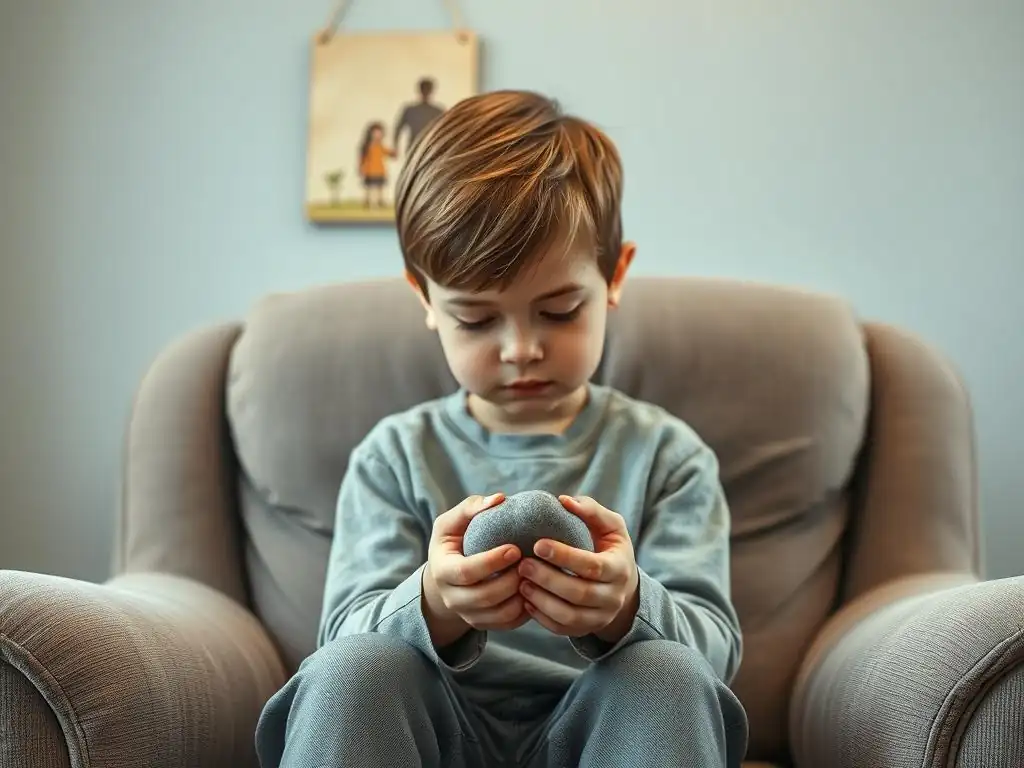
It's natural for parents to have questions and concerns about giving medication to their child for anxiety. There are many myths and misconceptions surrounding kids anxiety medication options. Addressing these concerns with accurate information and support is vital for parents to feel comfortable and confident in the treatment decisions they make for their child.
Educating yourself about the facts and having open discussions with your child's doctor are the best ways to navigate potential worries and make informed choices.
Common Myths About Medication
Several common myths exist regarding medication for childhood anxiety. One is that medication is a "quick fix" or a substitute for therapy – in reality, it's often most effective when used alongside therapy. Another myth is that these medications change a child's personality or make them feel like a "zombie"; while side effects can occur, the goal is to alleviate symptoms, not alter who the child is.
Some parents worry that medication is addictive, but the SSRIs and SNRIs commonly used for anxiety are not considered addictive in the way substances like opioids or benzodiazepines are. There's also a misconception that medication is overprescribed; in fact, many children with significant anxiety who could benefit from medication do not receive it. Understanding the reality behind these myths is crucial when considering kids anxiety medication options.
Understanding Risks and Benefits
Like all medical treatments, medication for anxiety in children carries both potential benefits and risks. The primary benefit is the reduction of severe anxiety symptoms, which can significantly improve a child's ability to function, learn, socialize, and enjoy life. For many children, medication provides the relief needed to fully engage in therapeutic work.
The risks include potential side effects, which range from mild and temporary (like nausea) to more serious but rare effects (like increased suicidal ideation). There are also long-term considerations about the impact of these medications on development, although current research generally supports their safety when used appropriately under medical supervision. Discussing the specific risks and benefits of the recommended kids anxiety medication options with your doctor is essential to make an informed decision.
Empowering Informed Decisions
Ultimately, the decision to use medication for a child's anxiety is a deeply personal one for parents, made in consultation with healthcare professionals. Being informed about the available kids anxiety medication options, understanding the rationale for treatment, knowing the potential benefits and risks, and exploring alternative and complementary strategies empowers parents to make the best choice for their child's unique situation.
Don't feel rushed into a decision. Ask questions, seek clarification, and ensure you feel comfortable with the proposed treatment plan. Remember that medication is one tool among many available to support a child's mental health, and a comprehensive approach is often the most effective.
Supporting Your Child's Mental Health
Whether your child is receiving therapy, medication, or both for anxiety, your role as a parent in providing support is invaluable. A supportive home environment, coupled with strategies to build resilience, can significantly contribute to your child's recovery and long-term well-being.
Your understanding, patience, and encouragement are powerful factors in helping your child manage anxiety and develop healthy coping skills.
Creating a Supportive Home Environment
A home environment that is predictable, calm, and validating can greatly help a child with anxiety. Establish clear expectations and routines, which provide a sense of security. Respond to your child's anxiety with empathy and understanding, while also gently encouraging them to face their fears rather than avoiding them.
Avoid dismissing their feelings or telling them to "just stop worrying." Instead, acknowledge their distress and express confidence in their ability to cope. Reduce family stress where possible and ensure your child feels safe discussing their worries with you. Celebrating small steps forward in managing anxiety reinforces positive coping behaviors.
Building Resilience
Resilience is the ability to bounce back from challenges and cope with stress. Helping your child build resilience equips them with the skills they need to navigate future difficulties, including managing anxiety throughout life. Encourage problem-solving skills by working through challenges together rather than solving everything for them.
Foster a growth mindset by praising effort rather than just outcomes. Encourage healthy risk-taking in supportive environments to help them learn that they can handle discomfort and failure. Help them identify their strengths and engage in activities they enjoy, which can boost self-esteem and provide a sense of competence. These skills are crucial whether or not kids anxiety medication options are being used.
Resources for Parents
Navigating a child's anxiety can be challenging for parents, and seeking support for yourself is important. Numerous resources are available to help parents understand childhood anxiety and learn effective strategies to support their child.
These resources include books, websites from reputable mental health organizations (like the Anxiety & Depression Association of America or the Child Mind Institute), parent support groups, and workshops. Your child's therapist or doctor can also recommend specific resources tailored to your child's condition and your family's needs. Utilizing these resources can provide valuable information and connect you with other parents facing similar challenges.
Medication for Anxiety: Key Takeaways.
- Anxiety in children is common and can significantly impact their lives, requiring professional evaluation.
- Therapy, particularly CBT, is typically the first-line treatment for childhood anxiety.
- Medication, such as SSRIs or sometimes SNRIs, may be considered for severe, impairing anxiety that doesn't respond sufficiently to therapy alone.
- Kids anxiety medication options are prescribed and monitored by specialists, often starting at low doses and gradually increased.
- Potential side effects exist, requiring close monitoring by parents and doctors.
- Non-medication strategies like lifestyle changes, sleep hygiene, and mindfulness are crucial components of a comprehensive treatment plan.
- Open communication with your child's doctor about all kids anxiety medication options, risks, and benefits is essential for informed decision-making.
- Parents play a vital role in creating a supportive environment and helping their child build resilience, regardless of whether medication is used.
- Seeking resources and support for yourself as a parent is also important.
Navigating anxiety in children requires patience, understanding, and a willingness to explore various treatment avenues. Whether the path involves therapy, lifestyle changes, or kids anxiety medication options, the goal remains the same: to help your child manage their anxiety, regain their well-being, and live a full and happy life. Partnering with healthcare professionals and utilizing available resources are key steps on this journey.
Frequently Asked Questions
What are the most common types of kids anxiety medication options?
The most common kids anxiety medication options fall into two main categories: SSRIs (Selective Serotonin Reuptake Inhibitors) and SNRIs (Serotonin-Norepinephrine Reuptake Inhibitors). These medications work by affecting neurotransmitters in the brain.
At what age is it generally considered safe to start considering kids anxiety medication options?
There's no specific age, but kids anxiety medication options are usually considered after therapy and other interventions have been tried. The decision is made on a case-by-case basis with a qualified professional.
Are there any significant side effects parents should be aware of when considering kids anxiety medication options?
Yes, potential side effects can include changes in appetite or sleep, increased anxiety initially, and, rarely, suicidal thoughts or behaviors. Close monitoring by a doctor is crucial.
How effective are kids anxiety medication options compared to other treatments like therapy?
Kids anxiety medication options are often most effective when used in conjunction with cognitive behavioral therapy (CBT) or other forms of therapy. Medication can help manage symptoms, while therapy addresses the underlying causes of anxiety.
Where can parents find reliable information and support when researching kids anxiety medication options?
Parents can find reliable information from their child's doctor or psychiatrist, reputable websites like the National Institute of Mental Health (NIMH), and support groups for parents of children with anxiety.
The landscape of childhood mental health is rapidly evolving, and understanding the available options for managing anxiety in children is more crucial than ever. The sheer number of children struggling with anxiety is staggering, and the need for informed, compassionate approaches to treatment is paramount. This isn't just about medication; it's about empowering parents to make the best decisions for their children's well-being.
The journey of navigating anxiety in children is deeply personal, often fraught with uncertainty and emotional weight. It's a journey I've witnessed firsthand, both professionally and personally, and the impact of effective intervention – whether through therapy, medication, or a combination – is profoundly transformative. The most important thing is to treat the child, not the diagnosis.
This quote underscores the need for holistic care, recognizing the unique needs and experiences of each child. The stigma surrounding mental health, especially in children, continues to be a significant barrier, but open conversations and a willingness to seek help are vital steps towards progress.
You, as a parent, are your child's greatest advocate. This article has provided you with information regarding medication options for childhood anxiety, but remember that this is just one piece of the puzzle. Take the time to research further, connect with mental health professionals, and trust your instincts. Don't hesitate to seek multiple opinions and build a support system that empowers you and your child to navigate this challenge. The path to healing is rarely linear, but with knowledge, compassion, and perseverance, you can help your child thrive.
Unlock Your Child's Calm: Next Steps for Anxiety Support
Thanks for taking the time to learn more about supporting your child's mental well-being. We hope this article provided valuable insights and actionable strategies. Now, let's move forward together!
- Schedule a consultation with your pediatrician or a child psychologist: This is the most crucial step to creating a personalized plan for your child. Don't hesitate to seek professional guidance—it's a sign of strength, not weakness.
- Explore relaxation techniques together: Try guided meditation apps or simple breathing exercises as a family. Building a calming routine can make a big difference.
- Share this article with other parents who might benefit. Let's build a supportive community to help children navigate anxiety.
What small step will you take today to nurture your child's emotional health?