
The Parent's Anxiety and the Child's SAD: Understanding the Link

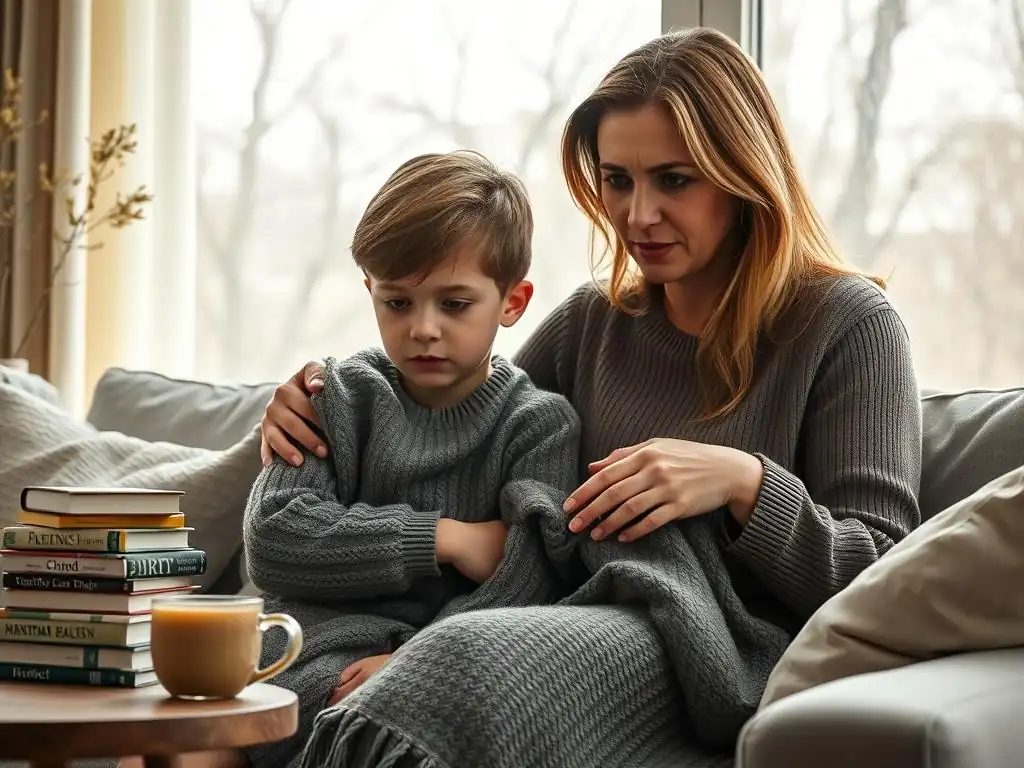
Welcome to Mind Care Guide, a space dedicated to nurturing your mental well-being.
Are you noticing a connection between your own anxiety and your child's mood, especially as the seasons change? This is more common than you might think. Dive into our article, " The Parent's Anxiety and the Child's SAD: Understanding the Link," to explore the complex relationship between parental anxiety and a child's seasonal sadness, and discover practical strategies to support both yourself and your little one through challenging times. Let's unravel this together and find pathways to brighter days.
- The Parent's Anxiety and the Child's SAD: Understanding the Link - Mind Care Guide
- How Parental Anxiety Can Influence a Child's Separation Anxiety
- Identifying Signs of Separation Anxiety in Children
- The Impact of Parental Anxiety on a Child's SAD Symptoms
- Breaking the Cycle: Strategies for Managing Parental Anxiety
- Supporting Children with Separation Anxiety: Practical Tips for Parents
- Treatment Options for Separation Anxiety Disorder in Children
- Long-Term Effects of Untreated Parental Anxiety and Child SAD
- Resources for Parents and Children Dealing with Anxiety
- Conclusion: Fostering a Secure and Healthy Parent-Child Relationship
-
Frequently Asked Questions
- How does parental anxiety impact a child's experience of seasonal sadness (SAD)?
- What are the common symptoms of seasonal sadness (SAD) in children?
- What strategies can parents use to manage their own anxiety while supporting a child experiencing SAD?
- What resources are available for parents and children dealing with parental anxiety and child's seasonal sadness?
- When should a parent seek professional help for their child's seasonal sadness?
- Final Reflection: Unraveling the Threads of Anxiety and Seasonal Sadness
- Unlock Your Child's Potential: Steps to Support Their Well-being
The Parent's Anxiety and the Child's SAD: Understanding the Link - Mind Care Guide
Defining Parental Anxiety: What Parents Need to Know
Parental anxiety refers to the excessive worry and fear experienced by parents regarding their children's safety, well-being, and future. This anxiety can manifest in various ways, from constant checking and reassurance-seeking about the child's health to intense worry about their academic performance or social interactions. While a certain degree of worry is normal and even protective in parenting, parental anxiety becomes problematic when it is disproportionate to the actual threat, persistent, and significantly impacts the parent's functioning or the parent-child relationship. It's not just general stress; it's often a pervasive sense of unease tied specifically to the child.
This heightened state of worry can stem from various sources, including personal history of anxiety disorders, past traumatic experiences, perfectionistic tendencies, or even societal pressures regarding parenting. For example, a parent who grew up in an unpredictable environment might develop intense parental anxiety, constantly fearing the worst for their child. Studies suggest that parents with diagnosed anxiety disorders are significantly more likely to have children who also develop anxiety.
While exact figures vary, some research indicates that children of anxious parents are up to seven times more likely to experience anxiety themselves compared to children of non-anxious parents. This statistic underscores the potential impact of parental anxiety on a child's mental health landscape.
Defining Separation Anxiety Disorder (SAD) in Children: Recognizing the Symptoms
Separation Anxiety Disorder (SAD) in children is an excessive and developmentally inappropriate fear or anxiety concerning separation from home or from those to whom the individual is attached. It goes beyond the typical clinginess or mild distress a young child might show when a parent leaves. Children with SAD experience intense emotional distress, often accompanied by physical symptoms, at the prospect or reality of separation. This anxiety is persistent, lasting for at least four weeks in children and adolescents, and causes significant distress or impairment in social, academic, or other important areas of functioning.
Diagnosing SAD involves recognizing a pattern of symptoms that are not typical for the child's age and developmental stage. For instance, while a toddler crying when dropped off at daycare is common, an older child consistently refusing to go to school, experiencing panic attacks before separation, or having significant physical complaints like stomachaches or headaches specifically tied to separation fear might indicate SAD. Prevalence estimates vary, but studies suggest that SAD affects approximately 1-4% of school-aged children. Without intervention, SAD can persist into adolescence and adulthood, potentially impacting educational attainment, social relationships, and overall quality of life.
How Parental Anxiety Can Influence a Child's Separation Anxiety
The Role of Parental Modeling in Child Anxiety
Parental modeling plays a significant role in shaping a child's understanding and expression of emotions, including anxiety. Children are keen observers and often learn how to respond to situations by watching their parents. When parents frequently exhibit anxious behaviors – such as excessive worry, avoidance of perceived threats, or constant reassurance seeking – children may internalize these responses as appropriate ways to handle uncertainty or perceived danger. This observational learning can be particularly impactful in situations involving separation.
For instance, a parent who displays intense distress or panic when leaving their child, or who constantly expresses fears about potential dangers the child might face while apart, inadvertently teaches the child that separation is inherently dangerous or something to be feared. A study published in the Journal of Child Psychology and Psychiatry highlighted that children of anxious parents are more likely to develop anxiety disorders, partly due to this modeling effect. The child observes the parent's anxiety response and learns to associate separation with negative emotions and perceived threats, fueling their own separation fears.
Genetic Predisposition and Environmental Factors
The link between parental anxiety and child anxiety is complex and involves both genetic and environmental factors. Research indicates a clear genetic component to anxiety disorders; children with a parent who has an anxiety disorder are genetically predisposed to developing anxiety themselves. This means that even independent of environmental influences, a biological vulnerability exists. However, genetics alone do not determine whether a child will develop SAD; environmental factors significantly interact with this predisposition.
Environmental influences include the home environment, parenting styles, and specific experiences. A child with a genetic predisposition to anxiety living in a highly anxious household, where parental anxiety is prominent and separation is handled with distress, is at a much higher risk of developing SAD than a child with the same genetic vulnerability in a calm, supportive environment. This interplay between inherited vulnerability and the child's lived experience underscores why addressing parental anxiety is crucial not just for the parent's well-being but also as a preventive measure for the child's anxiety.
Attachment Styles and Their Impact on Childhood SAD
Attachment style, developed in early childhood through interactions with primary caregivers, profoundly influences a child's sense of security and their ability to cope with separation. A secure attachment style, characterized by consistent, responsive parenting, fosters a child's confidence that their caregiver is available and responsive to their needs, allowing them to explore their environment and tolerate separation with less distress. Conversely, insecure attachment styles, such as anxious-preoccupied attachment, can contribute to increased separation anxiety.
Parents struggling with their own anxiety may sometimes exhibit inconsistent or overly intrusive behaviors, which can contribute to an insecure attachment style in their child. For example, a parent with high parental anxiety might be overly clingy, hesitant to allow the child age-appropriate independence, or display excessive distress during goodbyes, reinforcing the child's fear of separation. This can lead to a child developing an anxious attachment where they are overly dependent on the caregiver and experience intense distress when separated, seeing the caregiver as a source of safety but fearing their unavailability.
Identifying Signs of Separation Anxiety in Children
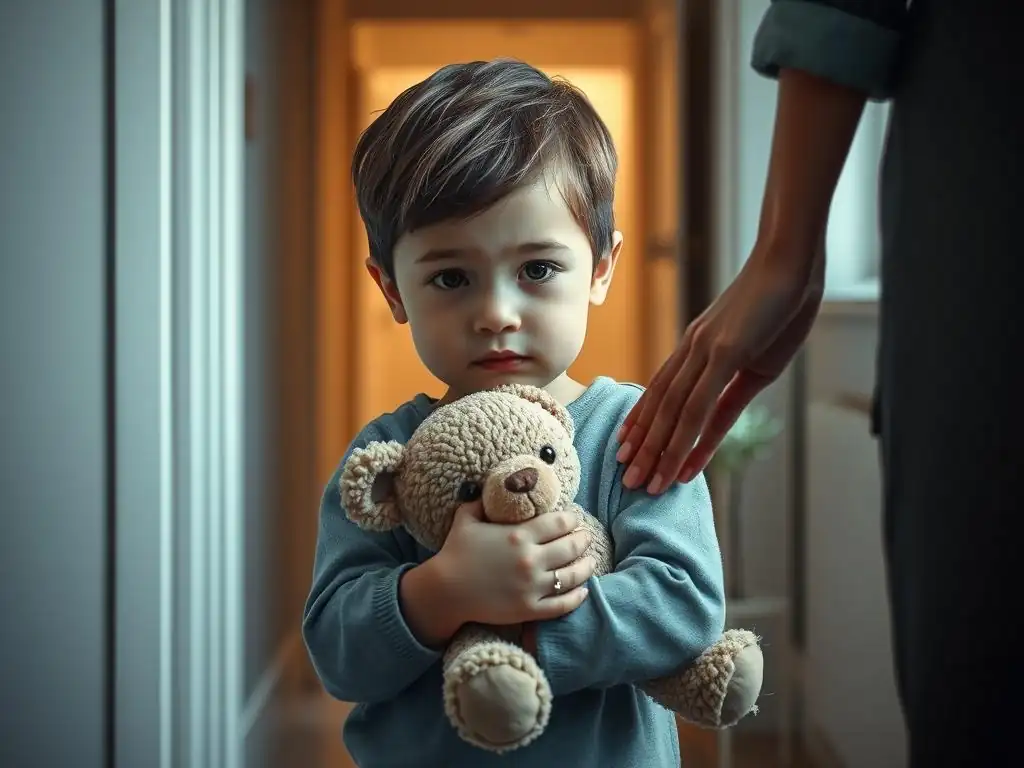
Common Symptoms of SAD in Young Children
Identifying Separation Anxiety Disorder in young children can sometimes be challenging as some level of separation distress is normal in toddlers and preschoolers. However, SAD symptoms are typically more intense, persistent, and impact the child's ability to function. Common signs in young children include excessive crying, tantrums, or panic attacks when a parent or caregiver attempts to leave. The distress is often disproportionate to the situation and may last for a significant duration.
Other key symptoms observed in younger children involve a refusal or strong reluctance to attend school or daycare, difficulty sleeping alone, or requiring the parent to be nearby at bedtime. They might express excessive worry about losing the parent or about possible harm befalling the parent or themselves during separation. Physical complaints such as stomachaches, headaches, or nausea are also common, particularly before or during separation, even when no medical cause is found. For example, a 5-year-old might complain of a severe stomachache every morning before kindergarten, which resolves shortly after the parent agrees they can stay home.
Recognizing SAD in Older Children and Adolescents
While often associated with younger children, SAD can also manifest in older children and adolescents, though the symptoms might present differently. In this age group, the refusal to go to school can be a prominent symptom, sometimes leading to significant truancy. They might also refuse sleepovers, camp, or solitary activities away from home. The worry about separation can become more abstract, focusing on potential disasters or harm to loved ones.
Adolescents with SAD might verbalize excessive worry about being alone at home or express fears about traveling independently. They may require constant contact with parents via phone or text when apart. Physical symptoms like palpitations, dizziness, or feeling faint can occur during separation anxiety episodes. For instance, a 14-year-old might experience panic symptoms when their parents leave for a short evening out, needing constant reassurance via text or calls throughout the duration. The persistence and functional impairment are key indicators differentiating SAD from normal adolescent independence struggles or general anxiety.
The Impact of Parental Anxiety on a Child's SAD Symptoms
Heightened Anxiety Levels in Children with Anxious Parents
Children of parents who experience significant parental anxiety often exhibit heightened anxiety levels themselves. This isn't just a correlation; the parent's anxiety can directly contribute to the child's emotional state. Anxious parents might unintentionally transmit their fears and worries to their children through verbal communication ("Be careful, the world is a dangerous place") or non-verbal cues (tense body language, worried facial expressions). This constant exposure to parental worry can make the child feel that the world is indeed unsafe and that separation is particularly perilous.
Moreover, a parent's own anxiety can make it difficult for them to tolerate their child's distress during separation. Anxious parents might quickly give in to a child's pleas to avoid separation because the parent finds the child's distress, which mirrors their own underlying fears, unbearable. This reinforces the child's anxious behavior, teaching them that intense distress is an effective way to avoid feared situations (separation). A study found that parental anxiety was significantly associated with greater severity of separation anxiety symptoms in children.
Difficulty Coping with Separation: The Cycle of Anxiety
Parental anxiety can create a cycle that makes it harder for a child to develop healthy coping mechanisms for separation. When a parent's anxiety leads to avoidance of separation situations (e.g., not sending the child to school, not allowing sleepovers, always being present), the child never gets the opportunity to practice coping with being apart and learn that they can handle it. This lack of exposure prevents the child from building confidence in their own ability to manage distress.
Furthermore, anxious parents might inadvertently undermine a child's attempts at independence due to their own fears. They might step in too quickly to solve problems, discourage risk-taking (even minor, age-appropriate risks), or constantly hover. This can lead to a child who lacks confidence in their own abilities and relies heavily on the parent for reassurance and safety, exacerbating their fear of being without the parent. The child learns that they are not capable of handling challenges alone, reinforcing the need for the parent's constant presence.
Parental Over-Involvement and Control: Impact on Child's Independence
Parental anxiety often manifests as over-involvement and excessive control in a child's life. Driven by a desire to protect the child from perceived harm or failure, anxious parents may micromanage the child's activities, make decisions for them that they could make themselves, and restrict opportunities for independent exploration. While stemming from a place of love and concern, this behavior can stifle a child's developing autonomy and competence.
This over-controlling behavior is particularly detrimental to a child struggling with separation anxiety. By limiting opportunities for the child to navigate situations independently, the parent reinforces the child's belief that they are incapable of handling challenges without parental guidance. This lack of opportunity to build self-efficacy makes separation even more daunting.
For instance, a parent with high parental anxiety might prevent their child from walking to a friend's house a block away, even if developmentally appropriate, due to excessive worry about safety. This prevents the child from experiencing successful, independent navigation and reinforces their reliance on the parent, contributing to their separation fears.
Breaking the Cycle: Strategies for Managing Parental Anxiety
Cognitive Behavioral Therapy (CBT) Techniques for Parents
Cognitive Behavioral Therapy (CBT) is a highly effective therapeutic approach for managing anxiety, including parental anxiety. CBT helps individuals identify and challenge negative or irrational thought patterns that fuel their anxiety. For parents, this might involve recognizing thoughts like "Something terrible will happen to my child if I'm not there" and learning to replace them with more balanced and realistic perspectives. It also equips parents with behavioral strategies to gradually confront feared situations.
A CBT program for parental anxiety might involve:
- Identifying common anxiety triggers related to the child.
- Examining the evidence for and against anxious thoughts.
- Developing coping statements to use when feeling anxious.
- Practicing exposure to situations that trigger anxiety (e.g., letting the child go on a short outing without constant checking).
- Learning problem-solving skills to address realistic concerns versus hypothetical worries.
Studies show that parental participation in CBT can not only reduce their own anxiety but also have a positive impact on their child's anxiety symptoms.
Mindfulness and Relaxation Techniques for Reducing Parental Stress
Incorporating mindfulness and relaxation techniques into daily routines can significantly help parents manage stress and reduce parental anxiety. Mindfulness involves paying attention to the present moment without judgment, which can help parents observe their anxious thoughts and feelings without getting overwhelmed by them. This practice can create mental space between an anxious thought ("My child is in danger") and an automatic anxious reaction (panicking, calling repeatedly).
Techniques such as deep breathing exercises, progressive muscle relaxation, and guided meditation can activate the body's relaxation response, counteracting the physiological effects of anxiety. Even short, regular practice (e.g., 5-10 minutes daily) can build resilience. For example, a parent feeling overwhelmed by worry about their child at school might take a few minutes to focus on their breath and ground themselves in the present moment, reducing the intensity of the anxious feeling. These practices provide parents with tangible tools to manage their own emotional state, creating a calmer presence that can positively influence their child.
Seeking Professional Help: When to Consult a Therapist for Parental Anxiety
Recognizing when parental anxiety warrants professional intervention is crucial. While occasional worries are normal, persistent, intense anxiety that interferes with daily life, impacts parenting practices negatively, or causes significant distress is a sign that professional help may be needed. Signs that it's time to consult a therapist include:
- Constant, intrusive worries about the child that are difficult to control.
- Anxiety that leads to significant avoidance behaviors (e.g., not allowing the child independence, avoiding social situations).
- Physical symptoms of anxiety (e.g., chronic fatigue, muscle tension, digestive issues) that are impacting health.
- Anxiety that is straining the parent-child relationship or other family relationships.
- Feeling overwhelmed or unable to cope with everyday parenting challenges due to anxiety.
A mental health professional, such as a psychologist or therapist, can provide a diagnosis, develop a personalized treatment plan, and offer effective strategies like CBT, medication, or other therapeutic approaches tailored to the parent's specific needs. Seeking help is a sign of strength and a proactive step towards fostering a healthier environment for both the parent and the child. Addressing parental anxiety directly is a key component in helping a child overcome their own separation fears.
Supporting Children with Separation Anxiety: Practical Tips for Parents
Creating a Safe and Supportive Environment at Home
Creating a safe and supportive environment at home is fundamental for helping a child manage separation anxiety. This involves ensuring the child feels emotionally secure, understood, and validated. Parents can foster this by being consistently available and responsive to the child's emotional needs, providing clear expectations and routines, and minimizing exposure to excessive conflict or stress within the household.
It's also important to communicate openly and empathetically about feelings. Let your child know that it's okay to feel nervous or scared about separation, but also express confidence in their ability to cope. Avoid dismissing their fears, but also avoid fueling them with excessive worry yourself. For instance, instead of saying "Don't be scared, there's nothing to worry about," try "I understand you feel scared about going to school, and we can work through this together. I know you are brave, and you will be okay." This validates the child's feelings while instilling a sense of hope and resilience.
Gradual Exposure to Separation: A Step-by-Step Approach
Gradual exposure, a core principle in treating anxiety, involves slowly and systematically introducing the child to situations that trigger their separation fear. The goal is to help the child learn that they can tolerate separation and that their feared outcomes do not occur.
This process must be gentle, paced according to the child's comfort level, and celebrated at each successful step. For example, if a child is terrified of staying at a grandparent's house, start with a very short visit (e.g., 15 minutes with the parent present but slightly distant), then progress to 30 minutes with the parent briefly stepping out of the room, then a short unsupervised visit, and eventually an overnight stay.
- Step 1: Practice short separations at home (e.g., child plays in one room while parent is in another).
- Step 2: Brief departures from home (e.g., parent goes to the mailbox or takes out trash while child stays inside with another trusted person).
- Step 3: Longer separations with trusted caregivers (e.g., short playdate at a friend's house, visit with a relative).
- Step 4: Gradual reintroduction to the feared setting (e.g., school drop-off starting with a very short day, parent staying nearby initially).
Each step should be practiced until the child shows minimal distress before moving to the next. Consistency and patience are key.
Communicating Effectively with Your Child About Their Fears
Open, honest, and empathetic communication is vital when helping a child with separation anxiety. Encourage your child to talk about their fears without judgment. Listen actively and validate their feelings by saying things like, "It sounds like you feel really scared when I leave for work." Avoid minimizing their fears or becoming frustrated with their anxiety.
Explain separations in simple, clear terms appropriate for their age. Let them know when you will leave, where you are going, who they will be with, and exactly when you will return. Providing concrete details helps reduce uncertainty. For instance, "I am leaving now to go to the grocery store.
Grandma will stay with you here. I will be back after you finish your snack and playtime, around 4 o'clock." Use visual aids like a clock or a timer for younger children to help them understand the duration. Reassure them that you will return, and consistently follow through on your promises.
Creating a Goodbye Ritual: Providing Comfort and Predictability
Establishing a consistent goodbye ritual can provide comfort and predictability for a child experiencing separation anxiety. Rituals create a sense of structure and signal to the child exactly what will happen before the parent leaves. This predictability can significantly reduce anxiety associated with the unknown. The ritual should be brief, positive, and consistent every time.
Examples of effective goodbye rituals include:
- A special handshake or hug.
- A specific phrase exchanged ("I love you, see you soon!" "Love you more, be brave! ").
- Waving from a specific spot as the parent leaves.
- Giving the child a small object to hold onto (like a smooth stone or a special drawing) that represents the parent's return.
The key is to keep the ritual short and then leave promptly and confidently. Lingering or showing your own distress can increase the child's anxiety. Once the ritual is complete, the parent should leave, trusting the child and the caregiver they are left with.
Treatment Options for Separation Anxiety Disorder in Children

Therapy for Children with SAD: Individual and Family Therapy
Therapy is the first-line treatment for Separation Anxiety Disorder in children. Cognitive Behavioral Therapy (CBT) is particularly effective. In individual CBT sessions, a therapist works directly with the child to help them understand their anxiety, identify anxious thoughts, develop coping strategies (like relaxation techniques or brave self-talk), and gradually face feared separation situations through exposure therapy. The therapist guides the child through these challenges in a safe and controlled environment.
Family therapy is also often recommended, as SAD impacts the entire family system. Family therapy can help parents understand the disorder, learn how to best support their child without enabling avoidance, improve communication about anxiety, and address any family dynamics that might be contributing to the child's difficulties. For instance, family therapy might help parents learn how to manage their own parental anxiety so they can respond more effectively to their child's needs during separations.
Medication for Severe Cases of SAD: When is it Necessary?
Medication is typically considered for severe cases of Separation Anxiety Disorder, or when SAD co-occurs with other conditions like depression or other anxiety disorders, and when therapy alone has not been sufficiently effective. Medications are not usually the first step but can be a helpful adjunct to therapy in reducing the intensity of anxiety symptoms, making it easier for the child to engage in therapeutic work like exposure.
Selective Serotonin Reuptake Inhibitors (SSRIs) are the class of medication most commonly prescribed for anxiety disorders in children, including SAD. These medications work by affecting serotonin levels in the brain, which can help regulate mood and anxiety. A pediatrician or child psychiatrist should carefully evaluate the child to determine if medication is appropriate, discuss potential benefits and side effects, and monitor the child closely throughout treatment. It's important to understand that medication helps manage symptoms but does not "cure" the underlying anxiety; therapy addresses the behavioral and cognitive aspects.
Combining Therapy and Medication: A Comprehensive Approach
For many children with moderate to severe Separation Anxiety Disorder, a combined approach of therapy (primarily CBT) and medication offers the most comprehensive and effective treatment strategy. Therapy provides the child with the skills and strategies to understand and cope with their anxiety, while medication can help reduce the overwhelming physical and emotional symptoms of anxiety, making it easier for the child to utilize those skills.
This integrated approach is often managed by a team, including a therapist and a prescribing physician (like a child psychiatrist). They work together to tailor the treatment plan to the child's specific needs and monitor progress. Research suggests that for more complex or severe cases, combining these modalities can lead to better outcomes than either treatment alone. For example, a child might initially struggle to participate in exposure therapy due to intense panic; medication could reduce the panic to a manageable level, allowing the child to successfully engage in the exposures and build confidence.
Long-Term Effects of Untreated Parental Anxiety and Child SAD
Potential Impact on Child Development and Well-being
Untreated parental anxiety and a child's untreated Separation Anxiety Disorder can have significant long-term impacts on the child's development and overall well-being. A child constantly exposed to parental anxiety may internalize a worldview characterized by fear and danger, potentially leading to a predisposition for anxiety disorders later in life. Untreated SAD in childhood can persist into adolescence and adulthood, manifesting as panic disorder, generalized anxiety disorder, or agoraphobia.
Beyond specific anxiety disorders, chronic, untreated SAD can affect educational attainment as school refusal leads to missed learning opportunities. It can also impair social development, making it difficult for children to form peer relationships, participate in extracurricular activities, or gain independence. The constant stress of living with untreated anxiety can also have physical health consequences over time. A study by the National Institute of Mental Health indicated that untreated anxiety disorders in childhood are associated with increased risk of substance abuse and depression in adulthood.
The Importance of Early Intervention and Support
Given the potential long-term consequences, early intervention and support for both parental anxiety and child SAD are critically important. Addressing parental anxiety not only improves the parent's quality of life but also creates a more stable and less anxious environment for the child, potentially preventing or reducing the severity of the child's anxiety. Similarly, early identification and treatment of SAD in children can prevent the disorder from becoming chronic and significantly reduce its impact on development.
Early intervention allows children to learn effective coping strategies at a younger age, building resilience that can serve them throughout life. It can help children stay in school, develop crucial social skills, and gain independence appropriate for their age. Providing support to parents equips them with the tools to manage their own anxiety and implement effective strategies to help their child. Data consistently shows that outcomes are better for children with anxiety disorders when treatment begins early. For example, studies on CBT for child anxiety report success rates of around 70-80% in reducing symptoms, especially when initiated early.
Resources for Parents and Children Dealing with Anxiety
Online Support Groups and Communities
Online support groups and communities can be valuable resources for parents dealing with parental anxiety and supporting children with SAD. These platforms offer a space to connect with others facing similar challenges, share experiences, gain practical tips, and receive emotional support. Knowing you are not alone in your struggles can be incredibly validating and empowering.
Many reputable mental health organizations and forums host moderated online groups specifically for parents of anxious children or for individuals managing anxiety themselves. While these groups are not a substitute for professional therapy, they can provide a sense of community and peer support. It's important to choose groups associated with trusted organizations to ensure the information shared is reliable and the environment is safe and supportive.
Books and Articles on Parental Anxiety and Child SAD
Numerous books and articles written by mental health professionals offer in-depth information, strategies, and guidance for understanding and managing parental anxiety and child SAD. These resources can provide parents with a deeper understanding of the conditions, practical tools to implement at home, and insights into therapeutic approaches.
Look for resources based on evidence-based practices like CBT. Some popular titles focus on parenting anxious children, while others address parental anxiety specifically. Reputable sources include books by psychologists specializing in child anxiety or family therapy. Reading articles from established mental health websites or academic journals can also provide valuable, up-to-date information. For example, articles detailing specific exposure techniques or communication strategies can equip parents with actionable steps.
National Organizations and Hotlines for Mental Health Support
Several national organizations provide extensive resources, information, and support for individuals and families dealing with mental health challenges, including anxiety disorders. These organizations often have websites with detailed information about SAD, parental anxiety, treatment options, and directories of mental health professionals.
Examples of such organizations in the United States include the Anxiety and Depression Association of America (ADAA) and the National Alliance on Mental Illness (NAMI). They offer educational materials, support group information, and resources for finding therapists. Many countries have equivalent national mental health bodies. For immediate support during a crisis, national mental health hotlines or crisis lines are available, providing confidential support and guidance. These resources serve as vital lifelines for those needing information or immediate help.
Conclusion: Fostering a Secure and Healthy Parent-Child Relationship
Understanding the intricate link between parental anxiety and a child's Separation Anxiety Disorder is the first crucial step towards fostering a secure and healthy parent-child relationship. Parental anxiety, whether modeled, genetically influenced, or impacting attachment, can significantly exacerbate a child's separation fears. Recognizing the signs of SAD in children, regardless of age, is essential for timely intervention. The impact of parental anxiety is real, contributing to heightened anxiety levels, difficulty coping with separation, and challenges with independence.
However, the cycle is not unbreakable. Parents can actively manage their own anxiety through evidence-based strategies like CBT, mindfulness, and seeking professional help. Simultaneously, supporting children with SAD through creating a safe home environment, implementing gradual exposure, effective communication, and consistent goodbye rituals can make a profound difference.
Treatment options like therapy and, in some cases, medication offer further pathways to recovery. Addressing both parental anxiety and child SAD early is vital to prevent long-term negative impacts on development and well-being. By prioritizing their own mental health and implementing supportive strategies, parents can help their children build resilience, gain independence, and move towards a future free from the debilitating grip of excessive separation anxiety, strengthening the parent-child bond in the process.
Frequently Asked Questions
How does parental anxiety impact a child's experience of seasonal sadness (SAD)?
Parental anxiety can significantly exacerbate a child's SAD. Anxious parents may overreact to their child's symptoms, inadvertently increasing the child's stress and negative feelings during seasonal changes. This can lead to a vicious cycle of anxiety and sadness.
What are the common symptoms of seasonal sadness (SAD) in children?
Common symptoms include increased irritability, fatigue, difficulty concentrating, and changes in appetite or sleep patterns. Children may also exhibit loss of interest in activities they usually enjoy and express feelings of hopelessness.
What strategies can parents use to manage their own anxiety while supporting a child experiencing SAD?
Practicing self-care is crucial. This includes getting enough sleep, eating a healthy diet, and engaging in relaxation techniques. Seeking professional support for your own anxiety can also significantly benefit your child.
What resources are available for parents and children dealing with parental anxiety and child's seasonal sadness?
Mind Care Guide offers a wealth of information, support, and resources. Look for articles on coping mechanisms, access online support groups, and find links to mental health professionals specializing in anxiety and childhood SAD.
When should a parent seek professional help for their child's seasonal sadness?
If symptoms are severe, persistent, or significantly impacting the child's daily life, professional help is recommended. Also, if the child expresses suicidal thoughts or feelings, immediate intervention is necessary.
Final Reflection: Unraveling the Threads of Anxiety and Seasonal Sadness
The pervasive anxiety experienced by parents today is inextricably linked to the emotional well-being of their children, particularly during periods of seasonal change. This connection, often subtle yet profoundly impactful, highlights the urgent need for a more holistic understanding of mental health within families. Ignoring this link risks perpetuating a cycle of suffering that affects generations.
The ripple effect of parental anxiety on a child's emotional landscape is undeniable, creating a fertile ground for conditions like Seasonal Affective Disorder (SAD) to take root. The constant pressure to be "perfect" parents, coupled with societal expectations and the ever-present anxieties of modern life, can inadvertently transmit feelings of unease and insecurity to children. This resonates deeply with my own experiences observing families grappling with these challenges. The most important thing a father can do for his children is to love their mother.
– Theodore Hesburgh. This quote, while seemingly simple, underscores the importance of parental well-being as the cornerstone of a healthy family environment, free from the shadow of pervasive anxiety.
Consider the impact of your own emotional state on those around you. Are you consciously creating a space of calm and security for your children, or are anxieties inadvertently shaping their experiences? Take a moment to reflect on your own emotional well-being and how it might be influencing your children. Seek support when needed, prioritize self-care, and remember that creating a nurturing environment is the most powerful gift you can offer your children, helping them navigate the challenges of life, including the seasonal blues.
Unlock Your Child's Potential: Steps to Support Their Well-being
Thank you for taking the time to learn more about the connection between parental anxiety and your child's social anxiety disorder (SAD). We hope this article provided valuable insights and empowered you with new understanding. Now, let's take action!
- Prioritize self-care: Schedule a relaxing activity just for you this week. This could be anything from a long bath to a walk in nature – anything that helps reduce your stress levels. Remember, your well-being directly impacts your child.
- Connect with a support group: Consider joining an online or in-person support group for parents of children with anxiety. Sharing experiences and learning from others can be incredibly powerful.
- Seek professional guidance: Schedule a consultation with a therapist or counselor specializing in child anxiety. This is the most significant step toward providing your child with the appropriate support and tools to manage their SAD.
What small step will you take today to nurture both your well-being and your child's?