
Mindfulness for Health Anxiety: Finding Calm Amidst Health Worries

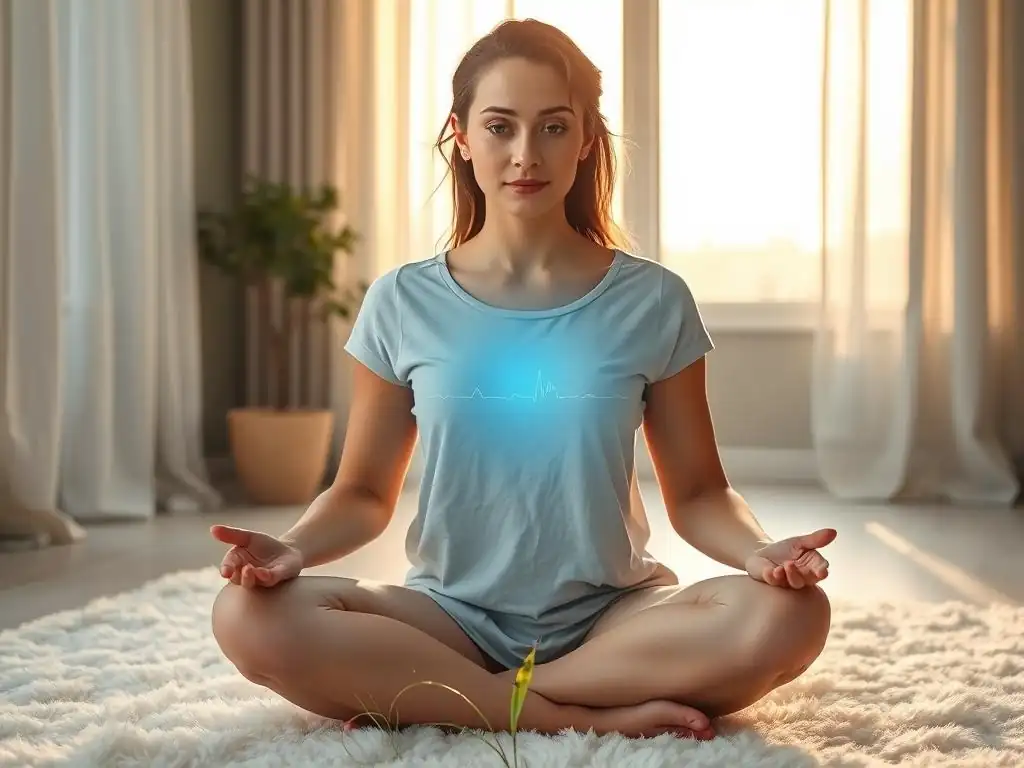
Welcome to Mind Care Guide, a safe space dedicated to nurturing your mental well-being.
Feeling overwhelmed by health anxieties? You're not alone. Discover how the gentle practice of mindfulness can be a powerful tool in calming those worries and finding a sense of peace. Explore our comprehensive guide to understand how mindfulness can reduce health anxiety and empower you to reclaim your inner calm. Let's embark on this journey together.
- Mindfulness for Health Anxiety: Finding Calm Amidst Health Worries - Mind Care Guide
- Mindfulness: A Powerful Tool for Managing Health Anxiety
- Practical Mindfulness Techniques to Reduce Health Anxiety
- Integrating Mindfulness into Your Daily Life to Combat Health Anxiety
- Overcoming Challenges in Mindfulness Practice for Health Anxiety
- Combining Mindfulness with Other Therapies for Enhanced Health Anxiety Relief
- Long-Term Benefits of Mindfulness for Managing Health Anxiety
- Additional Resources for Mindfulness and Health Anxiety
-
Frequently Asked Questions
- How does mindfulness help reduce health anxiety?
- What specific mindfulness exercises are most effective for managing health anxiety?
- How often should I practice mindfulness to see a reduction in health anxiety?
- Can mindfulness completely eliminate health anxiety?
- Is mindfulness a substitute for professional mental health treatment for health anxiety?
- Final Reflection: Cultivating Calm in a World of Worry
- Unlock Your Inner Calm: Take Control of Health Anxiety Now
Mindfulness for Health Anxiety: Finding Calm Amidst Health Worries - Mind Care Guide
What is Health Anxiety? Defining Illness Worry
Health anxiety, sometimes referred to as hypochondriasis or illness anxiety disorder, is characterized by excessive worry about having or developing a serious illness. This worry persists despite reassurance from medical professionals and often leads to distress and impairment in daily life. Individuals with health anxiety frequently misinterpret normal bodily sensations (like a headache or a racing heart) as signs of severe disease, leading to compulsive behaviors such as repeated self-examination, seeking reassurance from doctors or loved ones, or excessive health-related research online.
This condition is more prevalent than often assumed, affecting an estimated 5% to 7% of the general population at some point in their lives, though figures can vary depending on diagnostic criteria. The core fear isn't just being sick, but the perceived catastrophic consequences of illness. For someone struggling with this, a simple cough isn't just a cough; it could be a sign of something life-threatening. This constant state of alert and misinterpretation fuels a cycle of fear that is difficult to break without intervention.
The Vicious Cycle of Health Anxiety and Worry
Health anxiety often operates as a self-perpetuating cycle. It typically begins with noticing a bodily sensation or receiving some health-related information, which triggers anxious thoughts about potential illness. These thoughts then lead to increased physical symptoms of anxiety itself, such as increased heart rate, sweating, or dizziness, which the individual then interprets again as further proof of a serious illness, thus intensifying the original fear.
This cycle is maintained by behaviors like seeking reassurance (which provides temporary relief but reinforces the idea that the worry is valid) or avoiding health-related information or situations (which prevents challenging the fears). For instance, someone might feel a slight chest discomfort, worry it's a heart attack, check their pulse repeatedly, feel more anxious because they are checking, and then interpret the faster pulse as a heart problem, feeding the initial worry. Breaking this cycle requires addressing both the anxious thoughts and the reinforcing behaviors.
How Health Anxiety Affects Your Mental and Physical Well-being
The constant state of worry associated with health anxiety takes a significant toll on both mental and physical well-being. Mentally, it can lead to increased stress, difficulty concentrating, sleep disturbances, and can co-occur with other mental health conditions like generalized anxiety disorder or depression. The pervasive fear consumes mental energy, making it hard to focus on work, relationships, or enjoyable activities. The quality of life is often severely diminished due to the relentless nature of the worry.
Physically, the chronic stress response triggered by health anxiety can manifest in various ways. While the initial fears about specific illnesses may be unfounded, the sustained anxiety can cause real physical symptoms, such as muscle tension, fatigue, headaches, digestive issues, and even a weakened immune response over time. For example, persistently elevated cortisol levels due to chronic stress can contribute to inflammation and other physical health problems. This demonstrates how the mental state profoundly impacts the physical body, creating a feedback loop where physical symptoms are both a consequence and a trigger for further anxiety.
Mindfulness: A Powerful Tool for Managing Health Anxiety
What is Mindfulness and How Can It Help?
Mindfulness is the practice of intentionally bringing one's attention to the present moment without judgment. It involves noticing thoughts, feelings, bodily sensations, and the surrounding environment as they arise, simply observing them rather than getting caught up in them or trying to change them. It's about cultivating a state of awareness and acceptance of what is happening right now.
For health anxiety, mindfulness offers a powerful counterpoint to the tendency to dwell on future catastrophic health scenarios or ruminate on past perceived symptoms. By focusing on the present, mindfulness helps individuals step out of the cycle of worry and rumination. It teaches you to observe your anxious thoughts and physical sensations related to health without automatically interpreting them as dangerous signs. This non-judgmental observation can significantly help mindfulness reduce health anxiety by creating distance from the fear.
The Science Behind Mindfulness and Anxiety Reduction
Research into the neurological effects of mindfulness has shown promising results in its ability to reduce anxiety. Studies using fMRI scans, for example, have indicated that regular mindfulness practice can lead to structural and functional changes in the brain areas associated with anxiety and stress response. Specifically, it's been linked to decreased activity in the amygdala, the brain's "fear center," and increased activity in the prefrontal cortex, which is involved in higher-level cognitive functions like decision-making, emotional regulation, and attention control.
Furthermore, mindfulness has been shown to impact the body's physiological stress response. Regular practice can lead to lower levels of stress hormones like cortisol and adrenaline. A study published in Health Psychology found that mindfulness meditation training led to significant reductions in self-reported anxiety and improvements in immune markers in participants. These findings suggest that mindfulness not only helps you feel calmer but also impacts the underlying biological mechanisms involved in stress and anxiety, providing a scientific basis for why mindfulness reduce health anxiety symptoms.
Integrating mindfulness into your routine offers several specific benefits for individuals struggling with health anxiety. Firstly, it helps interrupt the automatic link between a bodily sensation and a catastrophic interpretation. By simply noticing a sensation (like a flutter in the chest) without immediately labeling it as a sign of heart disease, you weaken the anxiety response. This allows you to approach physical experiences with more curiosity and less fear.
Secondly, mindfulness cultivates acceptance of uncertainty, which is a core challenge in health anxiety. Instead of needing absolute certainty that you are healthy, mindfulness helps you become more comfortable with the inherent uncertainty of life and health. Finally, regular mindfulness practice builds resilience, equipping you with better coping skills to navigate moments of intense health worry. It teaches you to ride the wave of anxiety rather than being swept away by it, effectively helping mindfulness reduce health anxiety over time.
Practical Mindfulness Techniques to Reduce Health Anxiety

Body Scan Meditation for Increased Awareness
The body scan is a foundational mindfulness technique that involves systematically bringing attention to different parts of the body, noticing sensations without judgment. This practice is particularly helpful for health anxiety because it helps you become more familiar with your physical self in a neutral, non-reactive way. Instead of scanning for symptoms of illness, you are simply observing whatever is present – warmth, coolness, tingling, pressure, or absence of sensation.
To practice a body scan, lie down or sit comfortably. Close your eyes if you feel safe doing so. Begin by bringing your attention to your breath for a few moments. Then, gently direct your attention to your toes.
Simply notice any sensations there. After a minute or two, move your attention to your feet, then your ankles, and so on, gradually moving up through your body. If your mind wanders to health worries, gently acknowledge the thought and guide your attention back to the body part you are focusing on. This practice trains your mind to observe physical sensations without immediately jumping to fearful conclusions, aiding mindfulness reduce health anxiety by changing your relationship with your body.
Mindful Breathing Exercises for Calming Anxious Thoughts
Mindful breathing is one of the most accessible and immediate ways to practice mindfulness, especially when feeling overwhelmed by anxious thoughts about health. It involves focusing your full attention on the sensation of breathing – the rise and fall of your chest or abdomen, the air entering and leaving your nostrils. This simple act anchors you to the present moment and can interrupt the cascade of worrying thoughts.
A basic mindful breathing exercise involves sitting comfortably and closing your eyes. Bring your awareness to your breath. Don't try to change it, just observe it as it is. Notice the inhale, the exhale.
Feel the sensations. When your mind inevitably wanders to health fears or other distractions, gently notice that it has wandered and guide your attention back to your breath. You can count your breaths (inhale 1, exhale 2, up to 10, then start again) to help maintain focus. Practicing mindful breathing for just a few minutes several times a day can provide moments of calm and help mindfulness reduce health anxiety's intensity.
Guided Imagery for Relaxation and Stress Reduction
Guided imagery is a relaxation technique that involves creating calming mental images to promote a state of relaxation and reduce stress. While not strictly a traditional mindfulness technique (as mindfulness emphasizes present moment awareness rather than creating a future or imagined state), it can be used mindfully by fully immersing yourself in the sensory details of the imagined scene without judgment. For health anxiety, it offers a temporary escape from worry and helps activate the body's relaxation response.
To practice guided imagery, find a quiet place to sit or lie down. You can use a script or a recording that guides you through imagining a peaceful scene, such as a serene beach, a tranquil forest, or a cozy cabin. Focus on engaging all your senses in the scene: what do you see, hear, smell, feel, and perhaps even taste?
Allow yourself to become fully absorbed in the peaceful environment. If anxious thoughts intrude, gently acknowledge them and bring your focus back to the imagery. Regular use of guided imagery can help build your capacity for relaxation, making it easier to access calm states when health worries arise, complementing efforts to let mindfulness reduce health anxiety.
Mindful Movement: Yoga and Tai Chi for Health Anxiety
Mindful movement practices like yoga and Tai Chi combine gentle physical activity with mindfulness principles. They involve paying close attention to bodily sensations, breath, and movement as you perform a sequence of postures or forms. These practices are beneficial for health anxiety as they help reconnect you with your body in a positive, non-threatening way, counteracting the tendency to see the body as a source of potential illness.
Yoga, for example, involves moving through poses while coordinating movement with breath, focusing on the sensations in the body. Tai Chi is a gentle martial art that involves slow, flowing movements and deep breathing. Both practices encourage present-moment awareness and can reduce muscle tension often associated with anxiety. Engaging in mindful movement helps you cultivate a sense of embodiment and acceptance, teaching you to listen to your body's signals with kindness rather than fear. Regular participation can significantly help mindfulness reduce health anxiety symptoms by promoting physical and mental relaxation and improving body awareness.
Integrating Mindfulness into Your Daily Life to Combat Health Anxiety
Setting Realistic Goals for Mindfulness Practice
Successfully integrating mindfulness to reduce health anxiety requires setting achievable goals. It's unrealistic to expect to meditate for an hour every day from the start. Begin with small, manageable steps. Aim for 5-10 minutes of formal practice (like mindful breathing or a short body scan) daily. Consistency is more important than duration.
Consider tracking your practice in a journal or using a mindfulness app to monitor progress and maintain motivation. As you become more comfortable, you can gradually increase the duration or try different techniques. Remember that mindfulness isn't about clearing your mind, but about noticing what's happening without judgment. Some days will feel easier than others, and that's perfectly normal. Celebrate small victories, like noticing a worrying thought without immediately reacting to it.
Creating a Mindful Morning Routine to Alleviate Anxiety
Starting your day mindfully can set a positive tone and help manage health anxiety from the outset. Instead of immediately checking your phone or rushing into tasks, dedicate the first 10-15 minutes to a mindful activity. This could involve a short seated meditation, mindful stretching, or simply mindfully drinking your first cup of tea or coffee, paying attention to the warmth, smell, and taste.
This intentional pause allows you to check in with yourself – your physical sensations, emotions, and thoughts – before the day's stressors begin. It provides an opportunity to ground yourself in the present moment. Establishing this routine helps build resilience and provides a buffer against the health worries that might otherwise dominate your morning thoughts. A mindful morning can significantly help mindfulness reduce health anxiety throughout the day.
One of the most practical applications of mindfulness for health anxiety is using it in the moment when a worrying thought arises or a physical sensation triggers fear. Instead of getting swept away by the anxiety, you can pause and apply a brief mindfulness technique.
For example, if you notice a physical symptom that triggers a cascade of fearful thoughts, stop and take a few mindful breaths. Focus entirely on the sensation of the breath entering and leaving your body. Then, gently bring your attention to the physical sensation itself, observing it with curiosity rather than fear. Notice its qualities – is it sharp, dull, throbbing?
Where exactly is it? How does it change? This practice of mindful observation helps you relate to the sensation as just a sensation, rather than an immediate sign of catastrophe. This is a key way that mindfulness reduce health anxiety in real-time situations.
Mindfulness Apps and Resources for Health Anxiety Support
Numerous digital resources can support your mindfulness practice and help you apply mindfulness to reduce health anxiety. Many apps offer guided meditations specifically designed for anxiety, stress, or even managing physical discomfort. Popular options include Headspace, Calm, Insight Timer, and Ten Percent Happier. These apps often provide structured programs that guide you through different techniques and help you build a consistent practice.
Additionally, many websites and online platforms offer free guided meditations, talks, and courses on mindfulness. Look for resources that discuss applying mindfulness to specific challenges like health anxiety. While these resources are helpful tools, remember they are supplements to consistent personal practice and, if needed, professional support.
Overcoming Challenges in Mindfulness Practice for Health Anxiety
Dealing with Distractions During Meditation
It's common for the mind to wander during mindfulness meditation, especially when you are experiencing health anxiety. Thoughts about symptoms, potential illnesses, or future medical appointments can easily pull your attention away from the present moment. This is not a sign of failure; it's simply what minds do.
The mindful approach to distraction is non-judgmental awareness. When you notice your mind has wandered to a health worry, gently acknowledge the thought ("Ah, there's a thought about my headache") without criticizing yourself. Then, with kindness, gently guide your attention back to your chosen anchor, whether it's the breath, bodily sensations, or sounds.
The practice isn't about not having distracting thoughts, but about becoming aware of them and choosing where to place your attention. This repeated act of returning to the present is the core exercise that strengthens your ability to manage intrusive thoughts and helps mindfulness reduce health anxiety's grip.
Staying Consistent with Your Mindfulness Practice
Maintaining consistency with mindfulness practice can be challenging amidst the demands of daily life and the fluctuating intensity of health anxiety. There will be days when you feel too anxious, too tired, or too busy to practice. It's important not to let missed sessions derail your efforts entirely.
Instead of striving for perfection, aim for progress. If you miss a day, don't dwell on it; just commit to practicing tomorrow. Try linking your practice to an existing habit, like before brushing your teeth or after your morning coffee. Experiment with different times of day to see what works best. Remember why you are practicing – to find calm amidst health worries and improve your well-being. Reminding yourself of the benefits of how mindfulness reduce health anxiety can be a powerful motivator to stay consistent.
Addressing Negative Thoughts and Emotions that Arise
Mindfulness practice can sometimes bring difficult thoughts, emotions, or physical sensations to the surface, including heightened awareness of health worries or anxiety itself. This can feel uncomfortable or even scary, leading some people to avoid the practice.
It's important to approach these experiences with the same non-judgmental awareness you apply to other sensations. Acknowledge the difficult thought or emotion ("I notice fear," "I notice a thought about my heart") without getting drawn into its story. Allow yourself to feel the emotion or experience the thought without trying to push it away or analyze it excessively.
Remind yourself that thoughts and feelings are temporary and will pass. If overwhelming distress arises, it's okay to gently open your eyes and take a break. Learning to tolerate discomfort in this way is a crucial step in allowing mindfulness reduce health anxiety's power over you.
Combining Mindfulness with Other Therapies for Enhanced Health Anxiety Relief

Cognitive Behavioral Therapy (CBT) and Mindfulness
Cognitive Behavioral Therapy (CBT) is a highly effective treatment for health anxiety, focusing on identifying and challenging negative thought patterns and maladaptive behaviors (like reassurance seeking or body checking). Mindfulness complements CBT beautifully by providing tools to become more aware of these thoughts and behaviors as they happen, without immediately reacting to them.
CBT teaches you how to think differently, while mindfulness teaches you how to relate to your thoughts differently. For example, CBT might help you identify that the thought "This headache means I have a brain tumor" is an unhelpful distortion. Mindfulness allows you to notice that thought arise and choose not to engage with it, instead returning your attention to the present moment. Combining CBT's structured approach to thought challenging with mindfulness's focus on present-moment awareness and acceptance can significantly enhance the ability of mindfulness reduce health anxiety.
Acceptance and Commitment Therapy (ACT) and Mindfulness
Acceptance and Commitment Therapy (ACT) is another therapeutic approach that integrates mindfulness principles. ACT emphasizes accepting difficult thoughts and feelings rather than fighting them, clarifying your values, and committing to actions aligned with those values. This aligns well with mindfulness's core tenet of non-judgmental acceptance.
For health anxiety, ACT uses mindfulness to help individuals notice and accept their anxious thoughts and physical sensations ("I am having the thought that I am sick," "I am noticing tightness in my chest") without letting these experiences dictate their behavior. Instead of trying to eliminate the anxiety, ACT, supported by mindfulness, helps you learn to live a rich and meaningful life alongside the anxiety. This approach can be particularly helpful for chronic health anxiety, empowering individuals to pursue their life goals even when health worries are present, demonstrating how mindfulness reduce health anxiety's impact on life quality.
When to Seek Professional Help for Health Anxiety
While mindfulness can be a powerful tool for managing health anxiety, it's important to recognize when professional support is needed. If your health anxiety is severe, significantly impacting your daily life, relationships, or work, or if you are experiencing overwhelming distress, seeking help from a mental health professional is crucial.
Therapists specializing in anxiety disorders, particularly those trained in CBT, ACT, or mindfulness-based therapies like MBSR (Mindfulness-Based Stress Reduction) or MBCT (Mindfulness-Based Cognitive Therapy), can provide tailored strategies and support. A doctor can also rule out any underlying medical conditions and discuss treatment options. Mindfulness is an excellent complementary practice, but it is not a substitute for professional diagnosis and treatment when health anxiety is causing significant impairment.
Long-Term Benefits of Mindfulness for Managing Health Anxiety
Developing Resilience and Self-Compassion
Consistent mindfulness practice, particularly when applied to the challenges of health anxiety, builds resilience – the capacity to bounce back from adversity. By repeatedly facing uncomfortable thoughts and sensations in a mindful way, you learn that you can tolerate distress without being overwhelmed. This builds confidence in your ability to handle anxiety when it arises.
Furthermore, mindfulness cultivates self-compassion. Health anxiety is often accompanied by self-criticism ("Why can't I just stop worrying?"). Mindfulness encourages a kinder, more understanding attitude towards yourself and your struggles. Recognizing that health anxiety is a difficult condition that many people face allows you to approach your own experience with empathy, which is essential for healing and long-term well-being, further enhancing how mindfulness reduce health anxiety's emotional toll.
Reducing the Frequency and Intensity of Health Anxiety Symptoms
Over time, regular mindfulness practice can lead to a noticeable reduction in both the frequency and intensity of health anxiety symptoms. By training your mind to observe thoughts and sensations without reactivity, you weaken the automatic fear response. This means that while worrying thoughts might still arise occasionally, they are less likely to trigger a full-blown anxiety spiral.
The physical symptoms associated with anxiety, such as muscle tension or rapid heart rate, may also decrease as your overall stress level is reduced through mindfulness. You learn to differentiate between normal bodily sensations and signs of anxiety, becoming less likely to misinterpret benign physical cues. While not a cure, consistent practice helps mindfulness reduce health anxiety to a more manageable level, allowing you to experience periods of calm more frequently.
Living a More Fulfilling Life Free from Excessive Worry
Ultimately, the goal of managing health anxiety isn't just to reduce symptoms, but to reclaim your life from the grip of excessive worry. By consistently using mindfulness to reduce health anxiety's impact, you free up mental and emotional energy that was previously consumed by fear.
This allows you to re-engage with activities, relationships, and goals that health anxiety may have caused you to avoid. You can learn to tolerate uncertainty, trust your body more, and live more fully in the present moment. Mindfulness empowers you to navigate the natural ups and downs of health with greater acceptance and less fear, paving the way for a more vibrant, engaged, and fulfilling life.
Additional Resources for Mindfulness and Health Anxiety
Frequently Asked Questions
How does mindfulness help reduce health anxiety?
Mindfulness techniques help you focus on the present moment rather than dwelling on future, potentially negative health outcomes. This reduces the cycle of worry and rumination that fuels health anxiety, fostering a sense of calm.
What specific mindfulness exercises are most effective for managing health anxiety?
Practices like body scan meditations and mindful breathing exercises are highly effective. These practices help you become more aware of your physical sensations without automatically interpreting them as signs of illness.
How often should I practice mindfulness to see a reduction in health anxiety?
Consistency is key. Aim for at least 10-15 minutes of daily practice. Over time, this consistent effort helps you develop a greater sense of awareness and control over your anxious thoughts.
Can mindfulness completely eliminate health anxiety?
While mindfulness can significantly reduce health anxiety, it's important to have realistic expectations. It's a tool for managing symptoms and building resilience, not necessarily a cure.
Is mindfulness a substitute for professional mental health treatment for health anxiety?
No, mindfulness should ideally be used in conjunction with professional treatment. If your health anxiety is severe or debilitating, seeking therapy from a qualified mental health professional is essential.
Final Reflection: Cultivating Calm in a World of Worry
The pervasive nature of health anxiety in our modern world demands proactive strategies for coping, and mindfulness offers a powerful antidote. The constant barrage of information, coupled with the inherent uncertainties of life, can fuel a cycle of worry that significantly impacts mental and physical well-being. This article has explored how mindfulness practices, from simple breathing exercises to mindful movement, can interrupt this cycle and foster a sense of calm amidst health anxieties.
The journey towards managing health anxiety is deeply personal, and the impact of mindfulness extends far beyond symptom reduction. It's about cultivating a more compassionate relationship with oneself and one's body, recognizing the validity of anxieties while learning to navigate them with greater self-awareness. As Jon Kabat-Zinn eloquently stated, Mindfulness means paying attention in a particular way: on purpose, in the present moment, and non-judgmentally.
This simple yet profound definition encapsulates the core of how mindfulness can transform our experience of health anxiety, shifting our focus from fear to acceptance and self-compassion.
You now have the tools to begin your own journey towards a calmer, more centered relationship with your health. Start small, perhaps with just five minutes of mindful breathing each day. Notice the sensations in your body, the rhythm of your breath, and the thoughts that arise without judgment. With consistent practice, you'll discover the transformative power of mindfulness in reducing health anxiety and cultivating a greater sense of peace and well-being. Embrace this journey, and remember that self-compassion is your greatest ally.
Unlock Your Inner Calm: Take Control of Health Anxiety Now
Thanks for taking the time to explore mindful strategies for managing health anxiety. We hope you found valuable tools to navigate your worries and find a sense of peace. Ready to take the next step?
- Prioritize a mindful practice: Start a 5-minute daily meditation session – even small steps can make a big difference in reducing anxiety. Download a guided meditation app if you need a helpful guide.
- Share your experience: Connect with our community on social media and share your mindful journey and tips for managing health anxiety. Let's build a supportive space together!
- Experiment with different techniques: Try incorporating mindful movement like yoga or a nature walk into your routine. Discover what resonates best with you.
What mindful technique will you try first to ease your health anxiety today?