
Finding Peace in Chaos: Coping Strategies for Stressful Adult Lives


Welcome to Mind Care Guide, a sanctuary for your mental well-being. Feeling overwhelmed by the relentless demands of adult life? You're not alone. We understand the pressures you face, and we're here to offer guidance. This month, we delve into essential stressful adult life coping strategies to help you reclaim your peace. Curious how to navigate the chaos and find moments of calm? Let's begin...
Finding Peace in Chaos: Coping Strategies for Stressful Adult Lives
- Understanding Stress in Adult Life: Identifying the Root Causes
- Effective Coping Strategies for Stressful Adult Life
- Practical Techniques for Managing Anxiety in Adults
- Creating a Sustainable Self-Care Routine for Stressful Adult Life
- Long-Term Strategies for a Less Stressful Life
-
Frequently Asked Questions
- What are some basic coping strategies I can use to manage stress in my adult life?
- How can I identify the root causes of my stress to better cope with it?
- What are some practical techniques for managing stress in the workplace?
- Is it ever appropriate to seek professional help for stress management, and how do I know when to do so?
- What are some long-term strategies for building resilience to stress and promoting mental well-being?
- Final Reflection: Finding Your Oasis in the Storm
- Unveil Your Inner Calm: Practical Steps to Less Stress
Understanding Stress in Adult Life: Identifying the Root Causes
Common Sources of Stress in Adulthood
Adult life often presents a complex tapestry of responsibilities and challenges that can serve as significant stress triggers. Career pressures, including demanding workloads, job insecurity, and workplace conflicts, are frequently cited culprits. According to various surveys, a substantial portion of adults report that their job is a major source of stress, impacting their overall well-being and contributing to the need for effective stressful adult life coping strategies. Financial obligations, such as managing debt, housing costs, and saving for the future, add another layer of complexity, often leading to persistent worry and anxiety about stability.
Furthermore, personal and family responsibilities contribute significantly to the stress load. Balancing the demands of parenting, caring for aging relatives, maintaining relationships, and managing household duties can create a constant feeling of being overwhelmed. Major life transitions, like moving, marriage, divorce, or illness, also disrupt routines and require significant adaptation, triggering acute stress responses. These diverse pressures highlight why developing robust coping strategies for stressful adult life is not just beneficial but essential for maintaining mental and physical health.
Recognizing the Symptoms of Chronic Stress
Chronic stress manifests in a variety of ways, affecting the body, mind, and behavior. Physically, individuals might experience persistent fatigue, headaches, muscle tension, digestive issues, or a weakened immune system leading to frequent illness. These physical symptoms are the body's prolonged alarm response to perceived threats, signaling that the stress is becoming detrimental and requires attention and management through effective coping mechanisms.
Mentally and emotionally, chronic stress can lead to feelings of irritability, anxiety, depression, difficulty concentrating, memory problems, and a sense of being constantly overwhelmed. Behavioral symptoms include changes in sleep patterns (insomnia or oversleeping), changes in appetite (overeating or undereating), social withdrawal, procrastination, and increased use of substances like alcohol or nicotine as a way to cope. Recognizing these signs early is a critical step in implementing stressful adult life coping strategies before stress escalates into more severe health issues.
The Impact of Stress on Mental and Physical Health
The prolonged activation of the body's stress response system due to chronic stress has profound and negative impacts on both mental and physical health. Mentally, it significantly increases the risk of developing anxiety disorders, depression, and other mood disorders. The constant state of alert depletes emotional reserves, making it harder to regulate emotions and maintain a positive outlook, underscoring the necessity of effective coping strategies for stressful adult life.
Physically, chronic stress is a major contributor to a range of serious health problems. It can elevate blood pressure, increasing the risk of heart disease and stroke. It disrupts the digestive system, potentially leading to conditions like irritable bowel syndrome (IBS). It suppresses the immune system, making individuals more susceptible to infections. Furthermore, chronic stress can exacerbate existing conditions like diabetes and asthma. Implementing effective stressful adult life coping strategies is therefore not just about feeling better mentally, but also about protecting long-term physical health.
Effective Coping Strategies for Stressful Adult Life
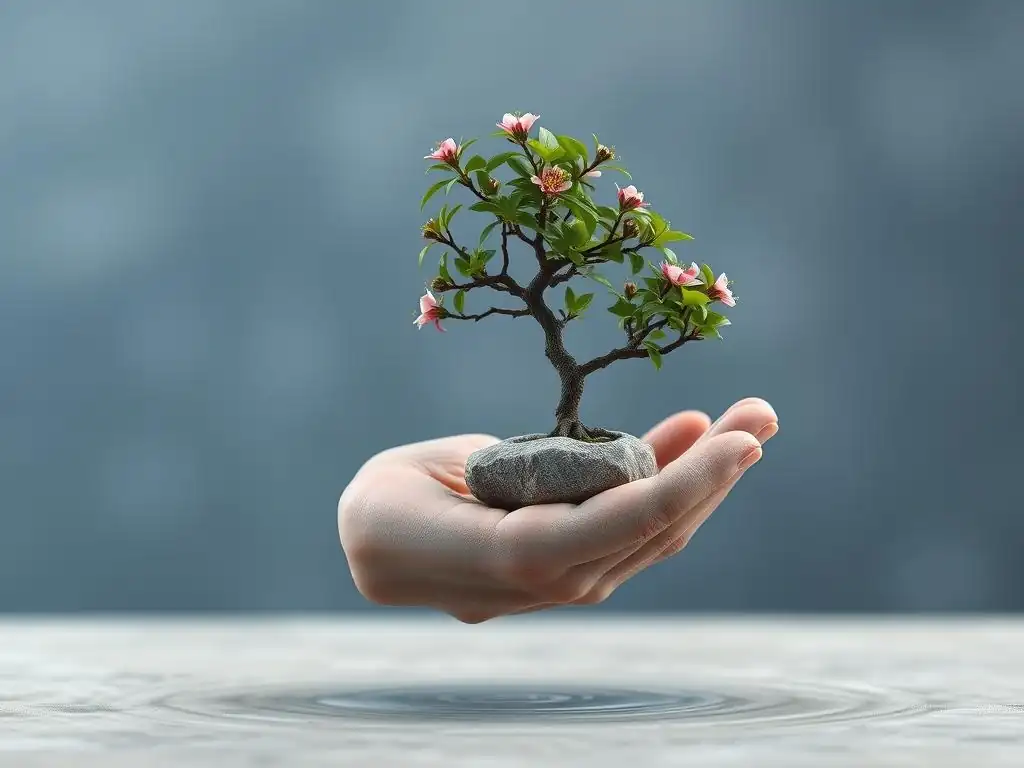
Mindfulness and Meditation Techniques for Stress Reduction
Mindfulness and meditation are powerful tools in the arsenal of stressful adult life coping strategies, focusing on bringing awareness to the present moment without judgment. Mindfulness involves paying attention to your thoughts, feelings, bodily sensations, and the environment with a non-reactive attitude. This practice helps to interrupt the cycle of worry about the past or future, grounding you in the here and now, which can significantly reduce feelings of overwhelm and anxiety associated with stressful adult life.
Regular mindfulness practice has been shown in studies to reduce stress hormones like cortisol. Even brief periods, such as 5-10 minutes daily, can cultivate a sense of calm and perspective. Meditation, often involving focused attention on breathing or a mantra, takes this a step further, training the mind to remain centered and less reactive to stressors. Incorporating these techniques is a fundamental aspect of developing effective coping strategies for stressful adult life.
Practicing Mindfulness in Daily Life
Integrating mindfulness into a busy adult life doesn't require hours of dedicated time; it's about bringing conscious awareness to everyday activities. This can involve mindful eating – paying attention to the taste, texture, and smell of your food – or mindful walking, where you focus on the sensation of your feet on the ground and the rhythm of your breath. Even simple tasks like washing dishes or brushing your teeth can become opportunities for mindfulness by fully engaging your senses in the activity.
Another practical way to practice mindfulness is through brief breathing exercises. Taking just a minute or two to focus purely on your inhale and exhale, noticing the rise and fall of your chest or abdomen, can quickly interrupt anxious thought loops and bring you back to the present. Making these small moments of awareness a regular part of your routine significantly enhances your capacity for stressful adult life coping strategies.
Guided Meditation for Anxiety Relief
For those new to meditation or struggling with persistent anxiety, guided meditation can be particularly helpful. Guided meditations involve listening to an instructor who leads you through the process, often incorporating visualizations, body scans, or affirmations. This external guidance can make it easier to stay focused and prevent the mind from wandering, which is a common challenge when starting out.
Many free or low-cost resources offer guided meditations specifically designed for stress reduction and anxiety relief. These range in length from a few minutes to half an hour or more, allowing you to choose a session that fits your schedule. Regular practice of guided meditation can train your brain to respond more calmly to stressors, making it an invaluable component of your stressful adult life coping strategies.
Time Management and Organization Skills for Stressful Situations
Poor time management and disorganization are significant contributors to stress in adult life, leading to feelings of being constantly behind or overwhelmed. Developing effective time management and organization skills is a crucial set of stressful adult life coping strategies. These skills help you regain a sense of control over your schedule and responsibilities, reducing the chaotic feeling that often accompanies a busy life.
Learning to prioritize tasks, set realistic goals, and break down large projects makes workloads seem less daunting. Using tools like calendars, planners, to-do lists (digital or physical), or time-blocking techniques can provide structure and clarity, helping you allocate your time and energy more effectively. Mastering these skills directly reduces the pressure and anxiety associated with juggling multiple commitments, making it easier to navigate stressful adult life.
Prioritizing Tasks and Setting Realistic Goals
Effective prioritization is about identifying what truly matters and focusing your energy there. A common method is the Eisenhower Matrix, which helps categorize tasks based on urgency and importance: do first (urgent and important), schedule (important but not urgent), delegate (urgent but not important), and delete (neither urgent nor important). Applying such frameworks helps ensure that high-impact tasks are addressed, preventing them from becoming urgent crises later.
Setting realistic goals is equally important. Unattainable goals lead to frustration and feelings of failure, increasing stress. Break down large aspirations into smaller, achievable steps. For example, instead of a vague goal like "get healthy," set a specific, measurable goal like "walk for 30 minutes three times this week." Realistic goal-setting builds momentum and confidence, reinforcing your ability to handle the demands of stressful adult life.
Breaking Down Large Tasks into Manageable Steps
Large, complex tasks can feel overwhelming, often leading to procrastination and increased stress. A powerful coping strategy is to break these daunting tasks into smaller, more manageable steps. This makes the task less intimidating and provides clear, actionable items to focus on. For instance, writing a large report can be broken down into steps like "outline sections," "research topic 1," "write draft of section 1," "edit section 1," and so on.
Creating a list of these smaller steps allows you to tackle the project incrementally. Checking off completed steps provides a sense of progress and accomplishment, which is highly motivating and reduces the feeling of being stuck or overwhelmed. This technique not only makes large tasks more approachable but also builds confidence in your ability to manage complex projects, strengthening your overall stressful adult life coping strategies.
The Power of Exercise and Physical Activity for Stress Management
Physical activity is a highly effective and scientifically supported method for managing stress and improving mental well-being. When you exercise, your body releases endorphins, natural mood boosters that have pain-relieving and stress-reducing effects. Regular physical activity also helps regulate stress hormones like cortisol and adrenaline, preventing them from staying elevated for prolonged periods.
Beyond the chemical benefits, exercise provides a healthy outlet for pent-up energy and frustration. It can serve as a distraction from worries and provides an opportunity for mindful movement, connecting with your body and the present moment. Incorporating regular exercise is a vital component of comprehensive stressful adult life coping strategies, offering both immediate relief and long-term resilience.
Types of Exercise That Reduce Stress
Many types of physical activity are beneficial for stress reduction, and the best choice often depends on individual preference. Aerobic exercises like brisk walking, running, swimming, or dancing are excellent for releasing endorphins and reducing tension. Just 30 minutes of moderate-intensity cardio can significantly impact your mood and stress levels.
Mind-body practices such as yoga and Tai Chi are particularly effective as stressful adult life coping strategies. They combine physical movement with deep breathing and meditation, promoting relaxation and mindfulness. Strength training also helps reduce stress by building physical resilience and providing a sense of empowerment. The key is to find an activity you enjoy and can realistically incorporate into your routine.
Incorporating Exercise into a Busy Schedule
Finding time for exercise in a stressful adult life can feel like another chore, but even small amounts can make a difference. Instead of aiming for hour-long gym sessions daily, try incorporating shorter bursts of activity. A 10-minute brisk walk during a lunch break, taking the stairs instead of the elevator, or doing a quick stretching routine in the morning can all contribute to stress reduction.
Scheduling exercise like any other important appointment can increase adherence. Wake up 30 minutes earlier for a morning workout, or plan an evening walk with a family member. Consider combining exercise with other activities, like listening to a podcast or catching up with a friend while walking. Making exercise a non-negotiable part of your week, even in small increments, significantly enhances your stressful adult life coping strategies.
Humans are social beings, and strong social connections are fundamental to resilience and effective stressful adult life coping strategies. Having a network of supportive friends, family, or colleagues provides emotional buffering against stress. Sharing your feelings and experiences with others can reduce feelings of isolation and provide perspective and validation.
Support systems offer practical help, like assistance with tasks, and emotional support, like a listening ear or encouragement. Knowing you're not alone in facing challenges makes the burden of stressful adult life feel lighter. Actively nurturing these relationships is a powerful investment in your mental and emotional health.
Connecting with Friends and Family
Making time for friends and family can be challenging amidst the demands of a stressful adult life, but it's crucial for well-being. Schedule regular check-ins, whether it's a weekly phone call, a monthly dinner, or just sending a quick text message. Prioritize quality time over quantity; even brief, meaningful interactions can strengthen bonds.
Don't be afraid to open up about what you're going through. While it can be difficult to be vulnerable, sharing your struggles allows others to offer support and understanding. Remember that reciprocity is key – be there for your loved ones when they need support as well. These connections form the backbone of effective stressful adult life coping strategies.
Joining Support Groups for Stress Management
Sometimes, the specific challenges of a stressful adult life, whether related to parenting, caregiving, a particular health condition, or job stress, can be best understood by others facing similar situations. Joining a support group, either in person or online, provides a space to connect with individuals who truly understand your experiences.
Support groups offer a unique blend of empathy, shared knowledge, and practical advice from people who have navigated similar stressors. Hearing others' stories and coping mechanisms can provide new perspectives and a sense of community. This form of social connection is a potent addition to your stressful adult life coping strategies, offering targeted support for specific challenges.
Practical Techniques for Managing Anxiety in Adults
Cognitive Behavioral Therapy (CBT) Techniques for Stressful Thoughts
Cognitive Behavioral Therapy (CBT) is a widely used and evidence-based approach that focuses on identifying and changing negative thought patterns and behaviors that contribute to stress and anxiety. The core principle is that our thoughts, feelings, and behaviors are interconnected, and changing one can influence the others. Applying CBT techniques is a powerful way to address the mental component of stressful adult life coping strategies.
CBT helps individuals recognize distorted thinking, such as catastrophizing ("This small mistake means I'm going to lose my job") or black-and-white thinking ("If I'm not perfect, I'm a total failure"). By learning to identify these patterns, you can challenge their validity and replace them with more balanced and realistic thoughts. This process empowers you to react to stressors in a more constructive way, significantly reducing anxiety in stressful adult life.
Identifying and Challenging Negative Thought Patterns
The first step in using CBT techniques is to become aware of your automatic negative thoughts, especially in stressful situations. Keep a thought journal for a few days, noting down when you feel stressed or anxious, what situation triggered it, and what thoughts went through your mind at that moment. Look for recurring themes or specific types of distorted thinking.
Once you've identified a negative thought, challenge its validity. Ask yourself: "Is this thought based on fact or feeling? ", "What evidence do I have for this thought? ", "What evidence do I have against it? ", "What would I tell a friend who had this thought?". This critical examination helps you see that negative thoughts are often not accurate reflections of reality and can be questioned as part of your stressful adult life coping strategies.
Reframing Negative Thoughts into Positive Ones
After challenging a negative thought, the next step is to reframe it into a more balanced or positive one. This isn't about ignoring problems or forcing yourself to be unrealistically optimistic, but about adopting a more realistic and constructive perspective. For example, if your negative thought is "I'm failing at this project," a reframe could be "This project is challenging, but I've successfully completed difficult tasks before, and I can learn as I go."
Another way to reframe is to focus on solutions or lessons learned rather than dwelling on the problem. Instead of "I messed up," try "Okay, that didn't go as planned. What can I learn from this to do better next time?". Practicing reframing consistently helps rewire your brain to respond to stressors with greater resilience and optimism, enhancing your ability to implement effective stressful adult life coping strategies.
Relaxation Techniques for Calming the Mind and Body
Beyond formal meditation, various relaxation techniques can quickly activate the body's relaxation response, counteracting the physical effects of stress and anxiety. These techniques are practical tools to use in the moment when you feel overwhelmed by the demands of stressful adult life. They help lower heart rate, reduce muscle tension, and calm the nervous system.
Simple practices like deep breathing exercises, progressive muscle relaxation, or even listening to calming music can provide immediate relief. Regularly incorporating these techniques into your day, even for a few minutes, can build your capacity to manage stress and prevent it from escalating. These are accessible and effective components of stressful adult life coping strategies.
Deep Breathing Exercises for Anxiety Relief
Deep breathing is one of the simplest yet most powerful relaxation techniques. When stressed or anxious, our breathing tends to become shallow and rapid. Deep breathing, specifically diaphragmatic or belly breathing, reverses this pattern, sending a signal to your brain to calm down.
To practice deep breathing, find a comfortable seated or lying position. Place one hand on your chest and the other on your abdomen. Inhale slowly and deeply through your nose, feeling your abdomen rise more than your chest. Exhale slowly through your mouth, gently pushing the air out and feeling your abdomen fall. Repeat this for several minutes, focusing only on the sensation of your breath. This technique can be used anywhere, anytime you feel the onset of anxiety in stressful adult life.
Progressive Muscle Relaxation for Stress Reduction
Progressive Muscle Relaxation (PMR) is a technique that involves tensing and then slowly releasing different muscle groups in the body. This process helps you become more aware of physical tension and teaches you how to release it, promoting overall relaxation. It's particularly effective for reducing physical symptoms of stress like muscle aches and stiffness.
To practice PMR, find a quiet place and a comfortable position. Start with one muscle group, say your feet. Tense the muscles tightly for about 5-10 seconds, then completely release the tension, noticing the difference between tension and relaxation. Move systematically through your body – calves, thighs, abdomen, chest, back, arms, hands, neck, face – tensing and releasing each group. This practice not only reduces current tension but also increases your body awareness, helping you identify stress-related tension earlier as part of your stressful adult life coping strategies.
Creating a Sustainable Self-Care Routine for Stressful Adult Life

Self-care is not a luxury but a necessity, especially when navigating a stressful adult life. It involves actively taking steps to maintain your physical, mental, and emotional health. A sustainable self-care routine should be tailored to your individual needs and preferences, incorporating practices that recharge and rejuvenate you rather than feeling like another obligation.
Creating a routine involves prioritizing your well-being alongside other responsibilities. This might mean scheduling time for activities you enjoy, ensuring adequate rest, nourishing your body, and setting healthy boundaries. Consistent self-care builds resilience and helps prevent burnout, making it a foundational element of effective stressful adult life coping strategies.
Prioritizing Sleep and Healthy Eating Habits
Adequate sleep and nutritious food are cornerstones of physical and mental health, directly impacting your ability to cope with stress. In a stressful adult life, these essentials are often the first things to be neglected, creating a vicious cycle where poor health exacerbates stress. Prioritizing sleep and healthy eating is a fundamental act of self-care.
Aiming for consistent sleep patterns and consuming a balanced diet rich in whole foods provides the body and brain with the necessary resources to function optimally and manage stress more effectively. These habits build a strong foundation for resilience against the pressures of stressful adult life.
The Importance of Adequate Sleep for Stress Management
Sleep is a vital restorative process for both the body and mind. During sleep, the brain processes information, consolidates memories, and regulates mood and stress hormones. Chronic sleep deprivation disrupts these processes, leading to increased irritability, difficulty concentrating, impaired decision-making, and heightened stress reactivity. Most adults require 7-9 hours of quality sleep per night.
Making sleep a priority means establishing a regular sleep schedule, creating a relaxing bedtime routine, and ensuring your sleep environment is conducive to rest (dark, quiet, cool). Avoiding caffeine and alcohol before bed, and limiting screen time in the hour leading up to sleep, can also significantly improve sleep quality. Sufficient sleep is a non-negotiable component of effective stressful adult life coping strategies.
Nourishing Your Body with Stress-Reducing Foods
What you eat significantly impacts your mood and energy levels, affecting your ability to manage stress. A diet high in processed foods, sugar, and unhealthy fats can lead to energy crashes and mood swings, making it harder to cope with the demands of stressful adult life. Conversely, a balanced diet supports stable energy and emotional regulation.
Focus on incorporating whole, unprocessed foods like fruits, vegetables, lean proteins, and whole grains. Foods rich in omega-3 fatty acids (like fatty fish, flaxseeds, and walnuts) have been linked to reduced anxiety and depression. B vitamins and magnesium, found in leafy greens, nuts, and seeds, also play a role in stress management. Staying hydrated by drinking plenty of water throughout the day is also crucial. Nourishing your body properly is a key part of stressful adult life coping strategies.
Setting Boundaries and Saying "No" to Reduce Overcommitment
Overcommitment is a common source of stress in adult life, stemming from difficulty saying "no" to requests from others or taking on too many responsibilities. Learning to set healthy boundaries is an essential skill for managing your energy and preventing burnout, directly contributing to effective stressful adult life coping strategies.
Boundaries are limits you set to protect your time, energy, and emotional space. They communicate to others what you are and are not available for and help you prioritize your own needs. Saying "no" doesn't make you selfish; it makes you realistic about your capacity and allows you to focus on your existing commitments and self-care.
Identifying Your Limits and Communicating Them Effectively
Before you can set boundaries, you need to understand your own limits. Pay attention to what makes you feel overwhelmed, resentful, or drained. Recognize how much time and energy you realistically have available after accounting for your core responsibilities and necessary self-care. Identifying these limits is the first step in applying stressful adult life coping strategies related to managing external demands.
Communicating your boundaries clearly and assertively is crucial. This can be done politely but firmly. For example, instead of a vague "maybe," say "I appreciate you asking, but I don't have the capacity to take on that extra project right now." Or, "I need to keep this evening free for rest, so I won't be able to make it to that event." Practice communicating your limits calmly and consistently.
Practicing Assertiveness in Social and Professional Settings
Assertiveness is the ability to express your needs, feelings, and opinions in a way that is respectful of yourself and others. It's different from aggression (demanding or hostile) or passivity (avoiding expressing your needs). In social and professional settings, assertiveness is key to setting boundaries and managing expectations, which are vital stressful adult life coping strategies.
Practicing assertiveness involves using "I" statements ("I feel overwhelmed when...") rather than blaming ("You always give me too much work"). It means being direct and honest about your capacity and priorities. Learning to be assertive empowers you to protect your time and energy, reducing the likelihood of overcommitment and the stress it brings to stressful adult life.
Long-Term Strategies for a Less Stressful Life
While immediate coping mechanisms are crucial for managing acute stress, developing long-term strategies is key to building resilience and creating a life that is inherently less stressful. This involves cultivating specific mindsets and habits that promote adaptability and well-being over time. These long-term approaches are the foundation for sustainable stressful adult life coping strategies.
Building resilience means bouncing back more effectively from adversity, and adaptability is the ability to adjust to new conditions. These qualities are not innate but can be developed through conscious effort and practice. Investing in these long-term strategies pays dividends in managing the inevitable challenges of stressful adult life.
Developing Resilience and Adaptability
Resilience is the process of adapting well in the face of adversity, trauma, tragedy, threats, or significant sources of stress. Adaptability is about being flexible and able to adjust to changing circumstances. Together, these qualities help you navigate the ups and downs of stressful adult life without being derailed. They enable you to view challenges not as insurmountable obstacles, but as opportunities for growth and learning.
Cultivating resilience and adaptability involves developing a positive self-view, maintaining perspective, and nurturing positive relationships. It also requires a willingness to learn from experiences, both positive and negative, and to adjust your approach when necessary. These are active processes that strengthen your capacity for stressful adult life coping strategies.
Cultivating a Growth Mindset
A growth mindset, in contrast to a fixed mindset, is the belief that your abilities and intelligence can be developed through dedication and hard work. When applied to stress, a growth mindset views challenges and setbacks as opportunities to learn and grow, rather than as proof of inadequacy. This perspective is a powerful tool for building resilience against the pressures of stressful adult life.
Someone with a growth mindset facing a difficult work project might think, "This is tough, but I can learn the necessary skills and figure it out." This attitude fosters perseverance and a willingness to tackle difficult tasks, reducing the fear of failure that often accompanies a fixed mindset. Cultivating this perspective is a fundamental long-term stressful adult life coping strategy.
Learning from Challenges and Setbacks
Every challenge and setback, while potentially stressful in the moment, offers a valuable opportunity for learning and growth. Instead of dwelling on what went wrong or viewing setbacks as personal failures, approach them with curiosity: What happened? Why did it happen? What could I do differently next time? This reflective process is essential for developing adaptability and resilience.
Analyze difficult situations objectively, identifying lessons learned about your own capabilities, external factors, or necessary skills. Apply these lessons to future situations. This approach transforms stressful experiences into building blocks for personal development, strengthening your ability to implement effective stressful adult life coping strategies in the future.
Seeking Professional Help When Needed: Therapy and Counseling Options
Despite implementing various coping strategies, there are times when the stress and anxiety of adult life become overwhelming and difficult to manage on your own. Recognizing when to seek professional support is not a sign of weakness, but an act of courage and self-awareness. Therapy and counseling offer specialized expertise and tools to help you navigate complex stressors and mental health challenges.
Mental health professionals, such as therapists, counselors, psychologists, or psychiatrists, can provide personalized strategies, diagnose underlying conditions like anxiety disorders, and offer support in processing difficult experiences. Seeking this help is a crucial, and often necessary, component of comprehensive stressful adult life coping strategies.
Recognizing When to Seek Professional Support
Several indicators suggest it might be time to seek professional help for managing stress and anxiety in adult life. These include:
- Stress or anxiety that feels uncontrollable or overwhelming.
- Symptoms that interfere significantly with daily life, work, relationships, or sleep.
- Using unhealthy coping mechanisms like excessive alcohol, drugs, or withdrawal.
- Experiencing persistent feelings of hopelessness or despair.
- Physical symptoms of stress that persist despite self-care efforts.
- Difficulty managing emotions or feeling constantly on edge.
If you identify with several of these points, reaching out to a mental health professional is a proactive step towards regaining control and improving your well-being through expert stressful adult life coping strategies.
Exploring Different Therapy Options for Stress and Anxiety
There are various therapeutic approaches that can be effective for managing stress and anxiety in adult life. Cognitive Behavioral Therapy (CBT), as mentioned earlier, is highly effective for changing negative thought patterns and behaviors. Acceptance and Commitment Therapy (ACT) helps individuals accept difficult thoughts and feelings while committing to actions aligned with their values.
Other options include psychodynamic therapy, which explores how past experiences influence present stress, or solution-focused brief therapy, which focuses on identifying solutions rather than dwelling on problems. Finding the right therapist and therapeutic approach often involves exploring a few options to see what feels like the best fit for your individual needs and preferences in developing personalized stressful adult life coping strategies.
Frequently Asked Questions
What are some basic coping strategies I can use to manage stress in my adult life?
Simple strategies include practicing mindfulness, engaging in regular exercise, and ensuring you get adequate sleep. These are foundational for managing daily stress.
How can I identify the root causes of my stress to better cope with it?
Stress journals and self-reflection can help pinpoint triggers. Recognizing patterns and sources of stress allows for targeted coping mechanisms. Consider seeking professional guidance for deeper analysis.
What are some practical techniques for managing stress in the workplace?
Time management, setting boundaries, and practicing assertive communication are crucial. Taking short breaks and prioritizing tasks can also alleviate workplace stress.
Is it ever appropriate to seek professional help for stress management, and how do I know when to do so?
If stress significantly impacts your daily life, relationships, or overall well-being, seek professional help. Persistent anxiety, depression, or difficulty coping are red flags.
What are some long-term strategies for building resilience to stress and promoting mental well-being?
Developing a strong support system, practicing self-compassion, and cultivating healthy habits are essential. Engaging in hobbies and pursuing personal growth also contribute to resilience.
Final Reflection: Finding Your Oasis in the Storm
The relentless pace of modern adult life leaves many feeling overwhelmed, a pervasive sense of chaos threatening to drown out inner peace. This article explored various coping strategies, from mindfulness practices to setting healthy boundaries, highlighting the crucial need for proactive self-care in navigating the complexities of adulthood. But understanding these strategies is only half the battle; implementing them consistently requires conscious effort and unwavering commitment.
The impact of chronic stress on our mental and physical well-being is undeniable, subtly shaping our relationships, our work performance, and even our sense of self. It's a pervasive societal issue, affecting individuals across demographics and backgrounds. Stress is the tax we pay for living,
as Arnold Bennett once wrote, but we don't have to pay it at an exorbitant rate. By actively choosing to prioritize our mental and emotional health, we can significantly reduce the burden and cultivate a more resilient and fulfilling life. This journey of self-discovery and self-compassion is ongoing, a constant negotiation between the demands of life and the need for inner peace.
You are the architect of your own well-being. This article offered tools; now it's your turn to build. Choose one strategy that resonated with you most and commit to incorporating it into your daily routine. Start small, be patient with yourself, and celebrate every step forward. Remember, finding peace in the chaos isn't about eliminating stress entirely—it's about learning to navigate it with grace, resilience, and a deep understanding of your own needs. Your journey to a calmer, more fulfilling life begins now.
Unveil Your Inner Calm: Practical Steps to Less Stress
Thanks for taking the time to explore ways to manage stress and find your inner peace. We hope you gained valuable insights into building resilience and coping with life's challenges. Now, let's put that knowledge into action!
- Prioritize one stress-reducing technique from the article this week. Start small; even 5 minutes of mindful breathing can make a difference. This is your first step towards a calmer you.
- Share this article with someone who might benefit. Spreading awareness and support is a powerful way to build a stronger, more resilient community.
- Explore a new relaxation method: Try a guided meditation, listen to calming music, or spend time in nature – experiment and find what truly works for you.
Ready to embrace a more peaceful and fulfilling life? What's one small change you'll implement today to reduce your stress levels?