
Breathing Through Pressure: Simple Techniques for Athletes


Welcome to Mind Care Guide, your haven for navigating the complexities of mental well-being. Are you feeling the weight of expectation? As athletes, the pressure to perform can be immense, often leading to overwhelming anxiety. In "Breathing Through Pressure," we delve into simple yet powerful techniques for managing performance anxiety, specifically tailored for athletes. Discover how to reclaim your focus and thrive, even under the most intense scrutiny. Ready to breathe easier and unlock your full potential?
Breathing Techniques for Enhanced Athletic Performance and Mental Well-being
- Understanding Performance Anxiety in Athletes
- Practical Breathing Techniques for Athletes
- Integrating Breathing Exercises into Training
- Advanced Breathing for Peak Performance
- Long-Term Benefits for Athletes' Mental Well-being
- Seeking Professional Support
-
Frequently Asked Questions
- How does breathing help athletes manage pressure during performance?
- What are some simple breathing exercises athletes can use immediately before or during competition?
- Why is mindful breathing important for performance athletes?
- How often should athletes practice breathing exercises to see a benefit in managing performance pressure?
- Besides breathing techniques, what other mental well-being strategies are recommended for athletes dealing with performance pressure?
- Final Reflection: Finding Your Breath, Finding Your Best
- Unleash Your Peak Performance: Breathe Your Way to Victory!
Understanding Performance Anxiety in Athletes
The Impact of Anxiety on Athletic Performance
Performance anxiety, often referred to as "choking," is a significant challenge for athletes at all levels. It can manifest as a sudden inability to execute skills that are typically automatic, leading to errors, decreased speed, reduced strength, and impaired decision-making. This is not just a psychological phenomenon; it has physiological roots. When an athlete experiences intense pressure, the body activates the sympathetic nervous system, triggering the "fight or flight" response.
This can cause increased heart rate, shallow breathing, muscle tension, and even tunnel vision, all of which detract from optimal physical and mental performance. For instance, a study involving collegiate basketball players found that self-reported anxiety levels correlated negatively with free-throw accuracy under pressure situations in the final minutes of close games. Managing pressure performance athletes effectively is crucial because this anxiety can turn years of training into frustrating underperformance when it matters most.
The negative impact extends beyond a single performance. Consistent struggles with performance anxiety can erode an athlete's confidence, leading to a cycle of fear and avoidance. This can be particularly detrimental in sports requiring fine motor skills or precise timing, like gymnastics, golf, or archery.
Data from sports psychology surveys often indicates that a substantial percentage of athletes across various disciplines report experiencing performance anxiety, with estimates sometimes ranging from 25% to over 50% depending on the sport and level of competition. This highlights the widespread need for effective strategies for managing pressure performance athletes, such as integrating mental conditioning techniques alongside physical training. Without addressing the mental component, even the most physically prepared athlete may find their potential limited by the weight of expectation and fear of failure.
Recognizing the Signs of Anxiety Under Pressure
Identifying the signs of performance anxiety is the first step towards managing it. These signs can be physical, cognitive, or behavioral. Physically, athletes might notice a racing heart, sweaty palms, trembling limbs, nausea, increased muscle tension (especially in shoulders and neck), or a sudden need to use the restroom.
These are involuntary physiological responses to stress hormones like adrenaline and cortisol. Cognitively, symptoms include negative self-talk ("I'm going to mess up"), difficulty concentrating, intrusive worries about outcomes or judgment, memory lapses regarding game plans, or feeling overwhelmed. For example, a runner might find their mind racing with thoughts of competitors instead of focusing on their pace and form.
Behavioral signs often become apparent during training or competition itself. An athlete might become unusually withdrawn or irritable, exhibit uncharacteristic errors, rush their movements, avoid eye contact, or show visible signs of frustration or panic. Some athletes might even develop pre-performance rituals that become excessive or disruptive. Recognizing these indicators early, both in oneself and teammates, is vital for managing pressure performance athletes proactively. It's important to remember that these signs are not weaknesses but rather signals that the athlete's stress response system is activated and needs support through techniques like strategic breathing and mental refocusing.
The Mind-Body Connection: Breathing's Role in Stress Management
The intricate connection between the mind and body is profoundly evident in how breathing influences stress and anxiety. Breathing is unique among autonomic functions because it can be consciously controlled. This provides a powerful access point for regulating the nervous system. When we are stressed or anxious, our breathing tends to become rapid and shallow, primarily using the upper chest.
This reinforces the body's "fight or flight" state. Conversely, slow, deep, diaphragmatic breathing activates the parasympathetic nervous system, often called the "rest and digest" system. This counteracts the stress response, lowering heart rate, reducing blood pressure, and promoting a sense of calm.
For athletes, mastering conscious breath control offers a direct pathway to better managing pressure performance athletes. By intentionally slowing and deepening their breath, athletes can interrupt the anxiety spiral. This physiological shift sends signals to the brain that the perceived threat is diminishing, allowing the prefrontal cortex (associated with rational thought and decision-making) to regain control from the amygdala (the brain's fear center).
This enables clearer thinking, improved focus, and reduced muscle tension, all critical for executing complex movements and strategies under pressure. Learning to control the breath transforms it from a passive physiological function into an active tool for self-regulation, directly impacting both mental state and physical readiness.
Practical Breathing Techniques for Athletes
Diaphragmatic Breathing for Relaxation
Diaphragmatic breathing, also known as belly breathing, involves engaging the diaphragm, a large muscle located below the lungs, to pull air deep into the lungs. Unlike shallow chest breathing, which primarily uses smaller muscles in the chest and shoulders, diaphragmatic breathing maximizes oxygen exchange and promotes relaxation by stimulating the vagus nerve, a key component of the parasympathetic nervous system. This technique is foundational for athletes seeking relaxation before competition or during periods of high stress.
Performing Diaphragmatic Breathing
To perform diaphragmatic breathing:
- Find a comfortable position, either sitting or lying down.
- Place one hand on your chest and the other just below your rib cage, on your abdomen.
- Inhale slowly and deeply through your nose, feeling your abdomen rise significantly while your chest remains relatively still. Imagine filling your belly with air like a balloon.
- Exhale slowly through pursed lips, letting your abdomen fall. Gently contract your abdominal muscles to push out the last bit of air. The exhale should ideally be longer than the inhale.
- Repeat this process for several minutes, focusing on the sensation of your belly rising and falling. Aim for a rhythm that feels slow and controlled, perhaps inhaling for a count of four and exhaling for a count of six. Practicing this regularly, even for just 5-10 minutes daily, can build proficiency.
Benefits for Anxiety Reduction
Diaphragmatic breathing is remarkably effective for reducing anxiety in athletes. By slowing the heart rate and lowering blood pressure, it directly counteracts the physical symptoms of stress. This physiological calming effect sends a powerful signal to the brain, reducing the perception of threat and quieting anxious thoughts.
Studies have shown that regular practice can decrease levels of stress hormones like cortisol. For an athlete facing a high-stakes game, a few minutes of deep diaphragmatic breathing can help shift their state from panicked arousal to calm focus, enabling them to access their skills more effectively and improving their ability in managing pressure performance athletes. It provides a simple, portable tool to regain composure anytime, anywhere.
Box Breathing for Focus and Control
Box breathing, also known as square breathing, is a simple yet powerful technique used to calm the nervous system and improve focus. It involves breathing in a pattern with four equal parts, mimicking the sides of a box. This method helps regulate breath rhythm, which in turn helps regulate mental state, making it excellent for athletes needing to center themselves and maintain control under pressure. It's particularly useful for sharp transitions or moments requiring intense concentration.
Step-by-Step Guide to Box Breathing
The technique follows a simple four-step pattern:
- Exhale Completely: Empty your lungs of air.
- Inhale: Inhale slowly and deeply through your nose for a count of four. Fill your belly with air.
- Hold: Hold your breath at the top of the inhale for a count of four. Avoid tensing your body.
- Exhale: Exhale slowly and completely through your mouth for a count of four. Gently empty your lungs.
- Hold: Hold your breath at the bottom of the exhale for a count of four.
- Repeat the cycle: Inhale (4), Hold (4), Exhale (4), Hold (4).
Continue this pattern for several rounds, focusing on the count and the sensation of the breath. The count can be adjusted (e.g., 3 or 5) depending on comfort and capacity, but the key is that all four sides of the "box" are equal in duration.
Enhancing Concentration Under Pressure
Box breathing is highly effective for enhancing concentration, a critical aspect of managing pressure performance athletes. The structured, rhythmic nature of the breath pattern gives the mind a simple, repetitive task to focus on, diverting attention away from distracting worries or external pressures. The brief holds at the top and bottom of the breath can increase carbon dioxide levels slightly, which can have a calming effect and improve blood flow to the brain, further aiding focus.
For an athlete needing to execute a complex play, make a crucial shot, or maintain concentration during a long event, a quick session of box breathing can help clear mental clutter and bring their attention back to the task at hand. It provides a mental anchor in chaotic moments.
Alternate Nostril Breathing for Balance
Alternate nostril breathing, or Nadi Shodhana in Sanskrit, is a yogic breathing technique aimed at balancing the flow of energy (prana) through the body and calming the mind. It involves breathing through one nostril at a time, alternating between them. This practice is believed to balance the left and right hemispheres of the brain, promoting a sense of equilibrium and reducing stress. It can be particularly beneficial for athletes feeling overwhelmed or needing to find a sense of calm focus before performance.
Practicing Alternate Nostril Breathing
To practice alternate nostril breathing:
- Sit comfortably with a straight spine.
- Close your eyes or soften your gaze.
- Bring your right hand towards your face. Fold your index and middle fingers down towards your palm (or rest them gently on your forehead).
- Use your right thumb to gently close your right nostril.
- Inhale slowly and deeply through your left nostril.
- Close your left nostril with your right ring finger (and pinky, if needed). Release your thumb from the right nostril.
- Exhale slowly and completely through your right nostril.
- Inhale slowly and deeply through your right nostril.
- Close your right nostril with your thumb. Release your ring finger from the left nostril.
- Exhale slowly and completely through your left nostril.
This completes one round. Continue this pattern, alternating the nostril you exhale and inhale through.
Benefits Before and During Competition
Alternate nostril breathing offers unique benefits for athletes, particularly before and during competition. By calming the nervous system and promoting mental clarity, it helps reduce pre-competition jitters and sharpen focus. The balancing effect can be particularly useful when an athlete feels mentally scattered or overly stimulated.
While perhaps less practical for during moments of intense action in some sports, a few rounds performed during breaks, halftime, or before starting a crucial phase of competition can significantly impact an athlete's ability in managing pressure performance athletes. It helps regulate the breath, quiet the internal dialogue, and foster a state of calm readiness, preparing the athlete to respond effectively to challenges.
Progressive Muscle Relaxation (PMR) with Breathing
Progressive Muscle Relaxation (PMR) is a technique that involves tensing and then releasing different muscle groups in the body. When combined with deep breathing, it becomes a powerful tool for reducing physical tension and mental stress. For athletes, who often carry significant tension in their muscles, PMR combined with breathing can be particularly effective in releasing physical tightness that can hinder performance and contribute to anxiety.
Combining Deep Breathing with PMR
The synergy between PMR and deep breathing is profound. As you tense a muscle group, you take a deep inhale. As you release the tension, you exhale slowly, letting the breath carry away the physical tightness and mental stress. This coordinated effort amplifies the relaxation response. For example, as you tense your fists, you might inhale deeply. As you release the tension and let your hands relax completely, you exhale slowly, perhaps saying the word "relax" internally. This links the physical release directly to the calming power of the breath.
Practical Guide for Athletes
Athletes can integrate PMR with breathing into their routine in several ways:
- Full Body Scan: Start by tensing and releasing muscles in your feet, then calves, thighs, glutes, abdomen, chest, back, shoulders, arms, hands, neck, and face. With each tension phase, inhale deeply; with each release, exhale slowly and completely. Spend 5-10 seconds tensing and 10-20 seconds releasing each group.
- Targeted Relaxation: If you notice tension building in specific areas (e.g., tight shoulders before a swimming race), you can focus the PMR and breathing on just those areas.
- Preparation: Practice PMR with breathing before training sessions or competitions to enter a relaxed yet focused state.
- Recovery: Use it post-training or post-competition to help muscles recover and release accumulated tension.
[ ] Feet & ankles - Inhale (tense), Exhale (release)
[ ] Calves - Inhale (tense), Exhale (release)
[ ] Thighs - Inhale (tense), Exhale (release)
[ ] Glutes - Inhale (tense), Exhale (release)
[ ] Abdomen - Inhale (tense), Exhale (release)
[ ] Chest - Inhale (tense), Exhale (release)
[ ] Back - Inhale (tense), Exhale (release)
[ ] Shoulders - Inhale (tense), Exhale (release)
[ ] Arms - Inhale (tense), Exhale (release)
[ ] Hands - Inhale (tense), Exhale (release)
[ ] Neck - Inhale (tense), Exhale (release)
[ ] Face - Inhale (tense), Exhale (release)
This systematic approach, combined with conscious breathing, provides a tangible way for athletes to reduce physical manifestations of anxiety, making it easier to perform optimally and improving their overall capacity for managing pressure performance athletes.
Integrating Breathing Exercises into Training
Creating a Pre-Performance Breathing Routine
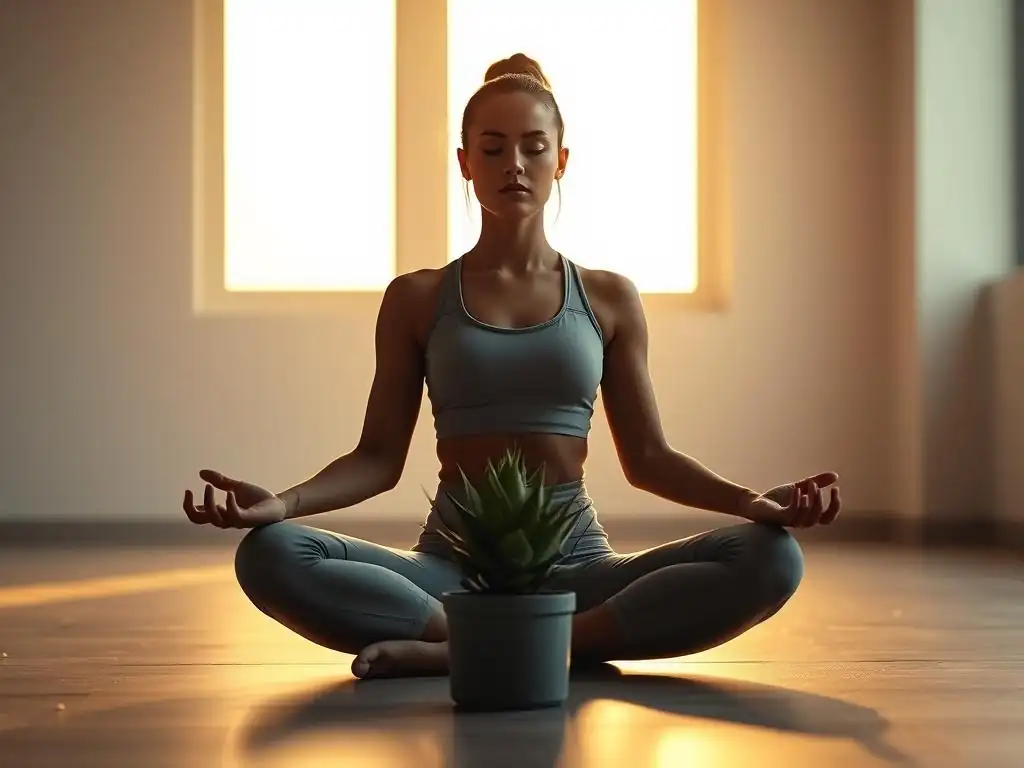
Developing a consistent pre-performance routine is a cornerstone of sports psychology, and integrating breathing techniques is a powerful enhancement. A dedicated breathing routine signals to the body and mind that it's time to transition from general activity or anxiety to focused readiness. This routine shouldn't be left to chance; it should be practiced regularly during training so it becomes automatic and effective under pressure.
For example, an athlete might spend 5-10 minutes before warming up doing diaphragmatic or box breathing, aiming to lower their heart rate and clear their mind. This routine helps anchor them in the present moment, reducing distractions from external pressures or internal worries about the outcome.
The specific timing and technique can vary depending on the sport and individual preference. A golfer might use a few deep breaths over the ball before a critical putt, while a basketball player might use box breathing during timeouts. The key is consistency in practice. Athletes should experiment during low-pressure training scenarios to find what works best. This pre-performance routine becomes a reliable tool for managing pressure performance athletes, providing a sense of control and calm amidst the pre-competition buzz. It's not about eliminating nerves entirely, but about channeling that energy effectively through controlled physiological and mental states.
Managing Mid-Competition Pressure with Breathing
Pressure during competition can spike unexpectedly – a missed shot, a referee's call, a sudden shift in momentum. Athletes need tools to regain composure quickly in these moments. Breathing techniques are ideal because they can often be performed subtly and immediately impact the nervous system. For instance, a tennis player can use deep inhales and exhales between points, or a swimmer can focus on rhythmic breathing during a race. Even a few seconds of conscious breath control can prevent a downward spiral of frustration or panic.
Using techniques like box breathing during short breaks (e.g., between innings in baseball, during a substitution in soccer, or while waiting for a free throw in basketball) can help reset focus and calm the heart rate. The key is to practice these techniques not just in quiet settings, but also during simulated high-pressure training scenarios.
This conditions the athlete to access the calming effect of breathing even when adrenaline is surging. Mastering the ability to use breath as an on-demand tool for managing pressure performance athletes mid-competition is a significant competitive advantage, allowing athletes to maintain execution and decision-making quality when it matters most.
Post-Performance Breathing for Recovery
Breathing techniques are not only for managing pressure during performance but also for aiding recovery after intense effort. Competition, especially under pressure, is physically and mentally taxing. Shallow, rapid breathing can persist even after the event ends, keeping the nervous system in a heightened state. Engaging in slow, deep breathing post-performance helps transition the body back to a state of rest and repair.
Practicing diaphragmatic breathing or a calming sequence like alternate nostril breathing after cooling down can help lower cortisol levels, reduce muscle tension, and promote mental decompression. This aids physical recovery by improving oxygen flow and helps the athlete process the performance calmly, rather than dwelling on mistakes or successes in an over-stimulated state. A post-performance breathing routine, perhaps combined with light stretching or foam rolling, can become a vital part of an athlete's overall recovery strategy, contributing to faster physical recuperation and better mental health, both essential components of long-term success in managing pressure performance athletes.
Advanced Breathing for Peak Performance
Breath Control for Focus and Resilience
Beyond basic calming techniques, advanced breath control can be used to fine-tune an athlete's state for peak performance, enhancing focus and building resilience. Techniques that involve longer breath holds, specific breath ratios, or more complex patterns can influence CO2 tolerance and oxygen utilization, potentially impacting endurance and mental fortitude. Some advanced practices aim to increase alertness and energy while others deepen relaxation and mental quietude. For example, some athletes explore techniques like the Wim Hof Method (which involves hyperventilation followed by breath holds) to potentially improve oxygen delivery and stress response, though such methods come with considerations.
Risks and Benefits [Professional Consultation Recommended]
Exploring advanced breathwork techniques can offer significant benefits, such as improved CO2 tolerance leading to better endurance, enhanced focus through deliberate control, and increased resilience to physical and mental stressors. Some methods are reported to influence the immune system and inflammatory responses. However, these techniques are often more intense than basic calming breaths and carry potential risks. Hyperventilation can lead to lightheadedness or fainting.
Improper execution of breath holds can be dangerous, especially for individuals with underlying health conditions like cardiovascular issues or epilepsy. Therefore, while the potential benefits for peak performance and managing pressure performance athletes are intriguing, it is strongly recommended that athletes consult with a qualified breathing coach or sports psychologist experienced in these methods before attempting advanced techniques. Professional guidance ensures safe and effective practice tailored to the individual's health and athletic goals.
Visualization and Breathing for Success
Visualization, or guided imagery, is a powerful mental training technique where athletes mentally rehearse successful performances. Combining visualization with breathing techniques enhances its effectiveness by integrating the mental rehearsal with a calm, focused physiological state. Instead of visualizing while anxious or distracted, pairing imagery with controlled breathing allows the athlete to create a more realistic and impactful mental experience of peak performance.
Guided Imagery for Performance Enhancement
To combine visualization and breathing:
- Find a quiet space and sit or lie comfortably.
- Begin with a few minutes of diaphragmatic or box breathing to calm the nervous system and quiet the mind.
- As you continue your rhythmic breathing, begin to vividly imagine yourself performing successfully in your sport. Engage all your senses:
- See the environment (the field, the court, the track).
- Hear the sounds (crowd, teammates, your own movements).
- Feel the sensations in your body (muscles working, the texture of equipment).
- Experience the emotions associated with executing perfectly and achieving your goals (confidence, flow, joy).
- Coordinate specific actions in your visualization with your breath. For example, inhale as you prepare for a movement and exhale as you execute it powerfully and smoothly.
- Maintain controlled breathing throughout the visualization, using it as an anchor whenever your mind wanders.
This combined practice strengthens the mental blueprint for success, making it more accessible under pressure. By repeatedly pairing the feeling of calm control gained through breathing with the imagery of peak performance, athletes can condition themselves to access that state more readily when faced with real-world competitive stress, significantly improving their ability in managing pressure performance athletes.
Long-Term Benefits for Athletes' Mental Well-being
Reducing Chronic Stress and Improving Mental Health
The demands of athletic training and competition can lead to chronic stress, which impacts not just physical health but also mental well-being. Regular practice of breathing techniques provides athletes with a sustainable method for reducing baseline stress levels. By consistently activating the parasympathetic nervous system, these practices help to lower heart rate variability (a marker of stress) and reduce the chronic presence of stress hormones like cortisol. This isn't just about managing acute pre-performance nerves; it's about fostering a calmer internal environment day-to-day.
Over time, this reduction in chronic stress contributes significantly to improved mental health. Athletes who regularly incorporate breathing exercises report lower levels of anxiety and depression. For example, studies on mindfulness practices, which often incorporate breathing, have shown measurable reductions in psychological distress among athletic populations. By providing a reliable self-regulation tool, breathing techniques empower athletes to better navigate the emotional ups and downs inherent in competitive sports, creating a foundation for better mental resilience and overall well-being beyond just managing pressure performance athletes.
Developing Emotional Resilience
Emotional resilience – the ability to bounce back from setbacks, adapt to adversity, and maintain composure under pressure – is critical for sustained athletic success. Breathing techniques play a key role in developing this resilience. By providing a tool to regulate the nervous system and quiet the reactive mind, athletes learn to respond to challenging situations with greater intention and less emotional reactivity. Instead of being overwhelmed by frustration after a mistake or panic during a tough moment, they can use their breath to create space between the stimulus and their response.
This learned ability to pause and regulate allows athletes to approach challenges with a clearer perspective. They can process disappointment constructively, stay focused when things aren't going as planned, and maintain belief in their abilities even after a loss. This isn't about suppressing emotions, but about managing them effectively. The repeated practice of using breath to navigate internal states builds a stronger capacity to handle external pressures, making athletes more robust emotionally and better equipped for the long-term journey of managing pressure performance athletes.
Preventing Burnout and Maintaining a Healthy Mindset
Burnout is a serious risk for athletes, characterized by physical and emotional exhaustion, reduced sense of accomplishment, and devaluation of their sport. Chronic stress and performance pressure are major contributors to burnout. Breathing techniques offer a vital preventative measure by providing a consistent means of stress release and mental rejuvenation. By incorporating regular breathing practices, athletes can create moments of calm and recovery within their demanding schedules, preventing the accumulation of stress that leads to exhaustion.
Furthermore, breathing exercises, particularly when combined with mindfulness, encourage athletes to stay present and appreciate the process of training and competition, rather than being solely focused on outcomes. This shift in perspective can help maintain intrinsic motivation and a healthier relationship with their sport. By prioritizing mental recovery alongside physical training through techniques like post-performance breathing, athletes can maintain a more balanced and positive mindset, reducing the risk of burnout and ensuring a healthier, more sustainable approach to managing pressure performance athletes throughout their careers.
Seeking Professional Support
When to Consult a Sports Psychologist
While breathing techniques are powerful self-help tools, they are part of a broader strategy for managing pressure performance athletes. There are times when the level of anxiety or stress warrants professional intervention. Athletes should consider consulting a sports psychologist or mental performance consultant if:
- Anxiety symptoms are severe or persistent, significantly impacting performance and daily life.
- They experience panic attacks related to their sport.
- They are avoiding training or competition due to fear of performance.
- Negative self-talk or intrusive thoughts are overwhelming and difficult to control.
- They are struggling with burnout or a significant loss of motivation.
- Breathing techniques and other self-help strategies are not providing sufficient relief.
A sports psychologist can provide personalized strategies, address underlying issues contributing to anxiety, and help athletes develop a comprehensive mental skills plan that includes but goes beyond breathing, such as cognitive restructuring, goal setting, and imagery. Seeking help is a sign of strength and commitment to maximizing both performance and well-being.
Resources and Support Systems [Resources Mentioned]
Accessing support systems is crucial for athletes dealing with pressure and anxiety. Many national sports organizations and universities offer mental health services specifically tailored for athletes. These resources often include access to sports psychologists, counselors, and mental performance coaches.
Additionally, general mental health helplines and crisis lines are available for immediate support during times of distress. Athletes can also find support through athlete welfare programs, team staff (coaches, trainers who are aware of mental health resources), and peer support networks. While specific links cannot be provided here, searching online for "sports psychology resources [your country/region]" or "athlete mental health support [your sport]" can yield valuable connections to organizations dedicated to helping athletes thrive mentally as well as physically, providing essential support for managing pressure performance athletes effectively and sustainably.
Frequently Asked Questions
How does breathing help athletes manage pressure during performance?
Breathing techniques help regulate the nervous system, reducing feelings of anxiety and stress. This allows athletes to maintain focus and control under pressure.
What are some simple breathing exercises athletes can use immediately before or during competition?
One simple technique is diaphragmatic breathing, focusing on expanding the abdomen during inhalation. Another is the 4-7-8 technique, inhaling for 4, holding for 7, and exhaling for 8 seconds to promote relaxation.
Why is mindful breathing important for performance athletes?
Mindful breathing cultivates present moment awareness, helping athletes avoid getting caught up in negative thoughts or future worries. This allows for better focus and execution.
How often should athletes practice breathing exercises to see a benefit in managing performance pressure?
Regular practice, even for just 5-10 minutes daily, can significantly improve an athlete's ability to manage pressure. Consistency is key for building resilience.
Besides breathing techniques, what other mental well-being strategies are recommended for athletes dealing with performance pressure?
Other strategies include positive self-talk, visualization techniques, and seeking support from a sports psychologist or mental health professional.
Final Reflection: Finding Your Breath, Finding Your Best
The ability to manage pressure is no longer a desirable trait for athletes; it's a necessity. In today's hyper-competitive sporting world, the athlete who can consistently perform under immense pressure will not only succeed but thrive. This article explored simple yet powerful breathing techniques, demonstrating how conscious control of breath can be a game-changer in managing performance anxiety and unlocking peak potential.
The impact of pressure on athletic performance is profound, extending far beyond the field or court. It shapes training regimes, influences team dynamics, and even impacts an athlete's long-term mental health. The techniques discussed – from diaphragmatic breathing to box breathing – offer practical tools to navigate these challenges. As the legendary boxer Muhammad Ali once said, The fight is won or lost far away from witnesses - behind the lines, in the gym, and out there on the road, long before I dance under those lights.
This quote highlights the crucial role of preparation, including mental preparation, in achieving success. The ability to control one's breath is a key component of that preparation.
Now, consider your own athletic journey. What pressures do you face? How do you currently manage them? This article provided a starting point; now it's time to experiment, to find the breathing techniques that resonate most with you, and to integrate them into your training and competition routines. Embrace the power of your breath – it's a tool you carry with you always, ready to help you navigate the challenges and unlock the extraordinary potential within. Start practicing today, and discover the transformative effect of breathing through pressure.
Unleash Your Peak Performance: Breathe Your Way to Victory!
Thanks for taking the time to explore breathing techniques for athletes! We hope you discovered some valuable strategies to manage pressure and enhance your performance. Now, it's time to put these techniques into practice.
- Prioritize your breath: Dedicate 5 minutes each day to mindful breathing exercises. Notice the difference in your focus and energy levels.
- Share your experience: Discuss your progress with a training partner or coach; their feedback might uncover even more benefits.
- Explore further: Experiment with different breathing styles mentioned in the article to find what best suits your individual needs and training style.
Ready to transform your athletic journey? What's the first breathing technique you'll incorporate into your routine?