
Social Isolation: A Major Contributor to Anxiety in the Elderly

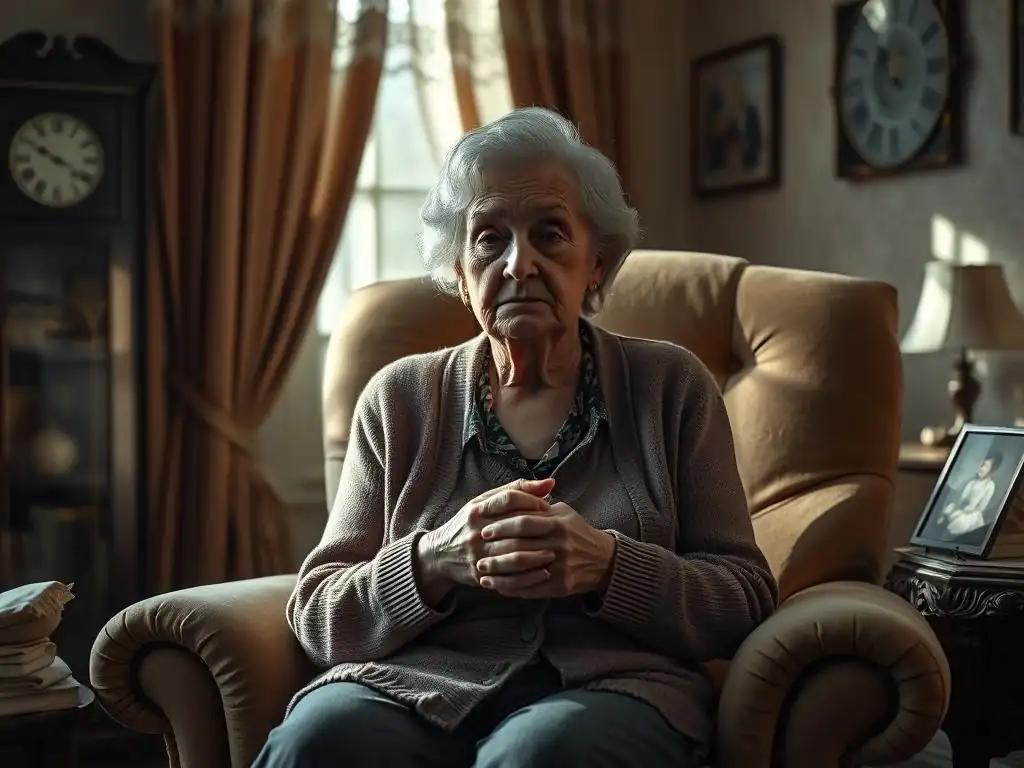
Welcome to Mind Care Guide, a safe space to explore the intricate landscape of your mental well-being.
Feeling disconnected? You're not alone. Many elderly individuals experience the profound impact of social isolation, and its often-overlooked connection to anxiety. Discover how social isolation anxiety affects our seniors, and more importantly, learn practical strategies to foster connection and reclaim peace of mind. Uncover the resources and support you need to navigate this challenging time.
Social Isolation and Anxiety in Older Adults: A Comprehensive Guide
- Understanding the Connection
- Unique Challenges Contributing to Isolation
- Identifying Anxiety Symptoms
- Impact on Specific Anxiety Disorders
- Risk Factors for Anxiety Due to Social Isolation
- Strategies for Reducing Social Isolation and Anxiety
- Support Systems and Resources
- Practical Tips for Reducing Isolation and Anxiety
- The Role of Caregivers
- Long-Term Management
-
Frequently Asked Questions
- What is the link between social isolation and anxiety in elderly seniors?
- How does "Social Isolation: A Major Contributor to Anxiety in the Elderly" help me understand this issue?
- What are some of the mental health challenges that can be worsened by social isolation in the elderly?
- What are some practical steps I can take to help an elderly senior experiencing social isolation anxiety?
- Where can I find more resources and support for elderly seniors struggling with social isolation anxiety?
- Final Reflection: The Unseen Epidemic of Loneliness
- Unlock a Brighter Future: Connect with Senior Loved Ones Today
Understanding the Connection
Social isolation and anxiety represent significant challenges for older adults, often intertwining to create a cycle of declining well-being. Understanding how these two factors influence each other is the first step in addressing the issue effectively. For many elderly individuals, the later years of life bring changes that can inadvertently lead to reduced social contact, which in turn can exacerbate or trigger feelings of anxiety. This section explores the fundamental link between social isolation and anxiety specifically within the elderly population, setting the stage for a deeper dive into its causes, symptoms, and potential solutions.
Social isolation refers to a lack of social contacts and an absence of relationships. It is an objective measure, focusing on the quantity and frequency of social interactions. Unlike loneliness, which is a subjective feeling, isolation is about being physically or functionally disconnected from social networks. For elderly seniors, this can manifest as having very few visitors, rarely participating in group activities, or having limited communication with family and friends.
The impact of chronic social isolation on the physical and mental health of older adults is profound and well-documented. Research, such as that cited by the National Academies of Sciences, Engineering, and Medicine, suggests that social isolation is associated with a significantly increased risk of premature death—comparable to risks associated with smoking. Furthermore, it is linked to higher rates of depression, cognitive decline, and a greater likelihood of developing conditions like heart disease and stroke. Addressing social isolation anxiety in elderly seniors is therefore not just about improving mood, but about safeguarding overall health and longevity.
While often used interchangeably, social isolation and loneliness are distinct concepts with different implications, though they frequently overlap in the lives of older adults. Social isolation is the objective state of having few social connections, whereas loneliness is the subjective distressing feeling of being alone or separated from others, regardless of the number of social contacts one has. An older adult can be socially isolated but not feel lonely, while another might have many connections but still experience profound loneliness.
Understanding this distinction is crucial when addressing social isolation anxiety in elderly seniors. An intervention focused solely on increasing social contacts might help reduce isolation but may not alleviate loneliness if the quality or depth of the relationships is lacking. Conversely, an older adult who feels lonely despite having some social ties might benefit more from interventions focused on improving the quality of their connections and addressing underlying feelings. Both isolation and loneliness can contribute significantly to anxiety, but the specific approach to mitigation may differ depending on which is the primary issue.
Studies consistently indicate a higher prevalence of anxiety disorders among older adults who experience social isolation compared to their more socially connected peers. While precise figures vary between studies, some research suggests that the rate of anxiety symptoms can be two to three times higher in isolated elderly populations. For instance, data from community-based surveys often reveal that while approximately 10-15% of the general elderly population may experience significant anxiety symptoms, this figure can climb to 20-30% or even higher among those reporting severe social isolation or loneliness.
This elevated prevalence underscores the potent link between a lack of social connection and the development or exacerbation of anxiety in older adults. The absence of regular social interaction can remove vital emotional support systems, reduce opportunities for stress buffering, and increase feelings of vulnerability and insecurity. This environment is fertile ground for the development of various anxiety disorders, including generalized anxiety disorder, social anxiety disorder, and even panic disorder, making social isolation anxiety in elderly seniors a critical public health concern requiring targeted interventions.
Unique Challenges Contributing to Isolation
The path to social isolation for elderly individuals is often paved with unique challenges that accumulate with age. These are not merely personal preferences for solitude but rather barriers that make maintaining social connections increasingly difficult. Recognizing these specific obstacles is vital for developing effective strategies to combat social isolation anxiety in elderly seniors and promote their well-being.
Physical Limitations and Mobility Issues
Physical decline is a natural part of aging, but for many older adults, this decline leads to significant limitations in mobility and function. Conditions such as arthritis, osteoporosis, chronic pain, and reduced stamina can make simple tasks like walking, climbing stairs, or using public transportation challenging or even impossible. A 2019 report indicated that roughly 30% of adults aged 65 and older reported difficulty walking a quarter-mile, and nearly 20% had trouble climbing 10 stairs without resting. These physical barriers directly impact the ability to leave home, visit friends, attend social gatherings, or participate in community activities.
Furthermore, sensory impairments, particularly vision and hearing loss, can profoundly affect an older adult's ability to interact socially. Difficulty seeing faces or hearing conversations can lead to frustration, embarrassment, and withdrawal from social situations. An elderly senior struggling with hearing loss might avoid noisy group settings, while vision problems could prevent them from driving or navigating unfamiliar places to meet others. These accumulated physical and sensory challenges significantly contribute to reduced social contact, increasing the risk of social isolation anxiety in elderly seniors.
As individuals age, they are more likely to experience the loss of spouses, partners, siblings, friends, and contemporaries. This bereavement process is not only emotionally devastating but also results in a significant shrinking of an older adult's social network. The death of a spouse, for example, often means the loss of the primary companion and confidant, as well as shared social circles. Data from the U.S. Census Bureau indicates that among adults aged 65 and older, over 30% of women and nearly 10% of men are widowed, highlighting the widespread nature of this challenge.
Beyond the loss of close individuals, aging can also bring about the loss of social connections tied to former roles, such as retirement from work or moving away from a long-time neighborhood. These transitions disrupt routines and sever ties that previously provided regular social interaction. The cumulative effect of these losses can leave an elderly senior feeling increasingly isolated, struggling to rebuild a social life, and potentially developing social isolation anxiety as they face the prospect of navigating their later years with a diminished support system.
Financial constraints can act as a significant, often overlooked, barrier to social engagement for many older adults. Living on a fixed income, often derived from Social Security or limited pensions, can make discretionary spending difficult. The cost of transportation—whether for gas, public transit fares, or taxis—can be prohibitive for frequent outings. Participating in social activities, joining clubs, or even meeting friends for coffee can incur costs that many elderly seniors simply cannot afford.
For example, membership fees for community centers or clubs, tickets for events, or the expense of dining out, even occasionally, can strain a tight budget. Furthermore, the cost of technology like smartphones, internet access, or computers, which could potentially help bridge geographical distances with loved ones, may be out of reach. These financial limitations restrict opportunities for social interaction, contributing directly to social isolation and increasing the vulnerability of elderly individuals to social isolation anxiety.
Identifying Anxiety Symptoms
Recognizing anxiety in older adults can be challenging, as symptoms may present differently than in younger populations or be mistaken for other age-related conditions like dementia or physical ailments. However, being attuned to the signs is crucial for addressing social isolation anxiety in elderly seniors promptly and effectively. Symptoms can manifest across behavioral, physical, and cognitive domains.
Behavioral Changes and Withdrawal
One of the most noticeable signs of anxiety in older adults, particularly when linked to social isolation, is a change in behavior that involves withdrawal from social activities. An elderly senior who previously enjoyed group outings, family visits, or hobbies might suddenly lose interest or make excuses to avoid them. They may spend significantly more time alone, perhaps staying in bed longer or watching television excessively. This withdrawal is often driven by fear or worry related to social interaction or leaving their home.
Other behavioral indicators might include increased irritability, restlessness, or an inability to relax. Anxious older adults might become more clingy towards trusted caregivers or family members, exhibiting separation anxiety. Conversely, some might become overly independent or resistant to help, driven by a fear of being a burden or losing control. These shifts in behavior, especially when they signify a retreat from social engagement, are strong indicators of potential social isolation anxiety in elderly seniors.
Physical Manifestations of Anxiety
Anxiety in older adults often presents with physical symptoms, which can sometimes be misattributed to medical conditions. These can include chronic fatigue, muscle tension, headaches, stomach issues (like nausea or indigestion), and difficulty sleeping. An older adult experiencing anxiety might complain of feeling constantly tired or having unexplained aches and pains. The physiological stress response associated with anxiety can exacerbate existing health problems or introduce new ones.
More acute physical symptoms can also occur, such as shortness of breath, heart palpitations, dizziness, or trembling. While these symptoms warrant medical evaluation to rule out physical causes, they are also classic signs of anxiety or panic. For an elderly senior experiencing social isolation anxiety, these physical symptoms might be triggered by thoughts of upcoming social events, visits, or even just the prospect of leaving the house, further reinforcing their desire to withdraw.
Cognitive Impairment and Anxiety
Anxiety can significantly impact cognitive function in older adults, sometimes mimicking symptoms of dementia or mild cognitive impairment. This can include difficulty concentrating, memory problems, excessive worry or rumination, and feeling overwhelmed or easily confused. The constant state of worry associated with anxiety can consume mental resources, making it harder for an elderly senior to focus, remember information, or make decisions.
Furthermore, anxiety can lead to increased vigilance for potential threats, causing the individual to become hyper-aware of their surroundings or internal physical sensations. This hypervigilance can be exhausting and contribute to feelings of being on edge. The interplay between cognitive changes and anxiety is complex, and social isolation can exacerbate both. An isolated elderly senior with anxiety might experience a faster decline in cognitive function due to lack of mental stimulation and chronic stress, highlighting the critical need to address social isolation anxiety in elderly seniors comprehensively.
Impact on Specific Anxiety Disorders
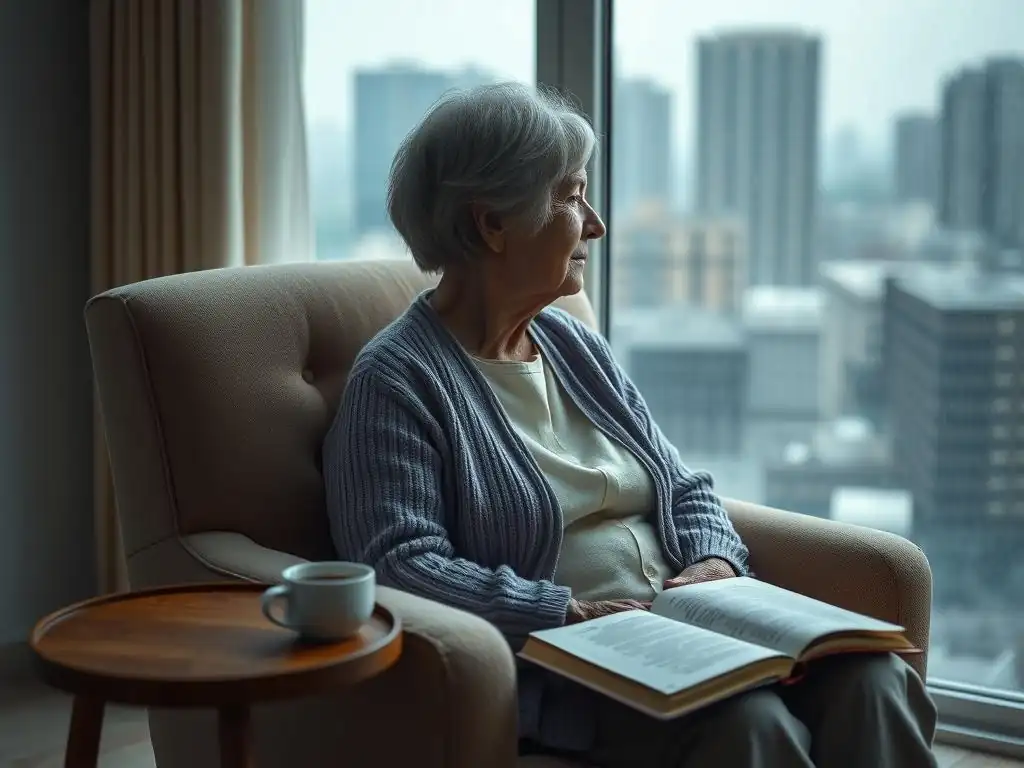
Social isolation does not just cause general unease; it can specifically contribute to the development or worsening of various recognized anxiety disorders in older adults. Understanding which disorders are particularly affected helps in tailoring appropriate interventions. The absence of social connection can feed into the core fears and symptoms characteristic of several anxiety conditions.
Generalized Anxiety Disorder (GAD)
Generalized Anxiety Disorder (GAD) is characterized by excessive, uncontrollable worry about a range of topics, such as health, finances, family, or future events. For an elderly senior experiencing social isolation, the lack of social support means they often face these worries alone, without the perspective, comfort, or practical assistance that social connections can provide. This can amplify feelings of helplessness and make worries feel more insurmountable.
Furthermore, the very state of isolation can become a source of significant worry itself – concern about being alone, what would happen in an emergency, or the fear of continued decline without support. This chronic, pervasive worry is a hallmark of GAD, and social isolation provides fertile ground for it to flourish, exacerbating social isolation anxiety in elderly seniors and significantly impacting their quality of life.
Social Anxiety Disorder (SAD), or social phobia, involves intense fear of social situations where one might be scrutinized, judged, or humiliated. While seemingly counterintuitive that isolation would worsen a social anxiety, for elderly seniors, isolation can paradoxically make returning to social situations even more terrifying. Prolonged absence from social interaction can erode social skills, decrease confidence, and increase the perceived risk of awkwardness or rejection upon re-engagement.
An older adult who has been isolated for a long period might develop intense fear and avoidance of even simple social interactions like talking on the phone, having a visitor, or going to a small gathering. The thought of these interactions can trigger significant anxiety, leading to further avoidance and deepening the cycle of isolation. This specific form of social isolation anxiety in elderly seniors creates a formidable barrier to reconnecting with others.
Panic Disorder
Panic disorder is characterized by recurrent, unexpected panic attacks, which are sudden episodes of intense fear accompanied by severe physical symptoms like chest pain, palpitations, shortness of breath, dizziness, and a feeling of losing control or impending doom. While the exact link is complex, social isolation can potentially increase the risk or severity of panic attacks in vulnerable older adults.
The lack of a reliable support system can heighten feelings of vulnerability and insecurity, which are known triggers for panic. An elderly senior who experiences a panic attack while alone may develop a fear of having future attacks, particularly when no one is around to help. This can lead to agoraphobia – the fear of situations where escape might be difficult or help unavailable if a panic attack occurs. This fear often results in avoiding public places or even leaving the home, further entrenching social isolation and intensifying social isolation anxiety in elderly seniors.
Certain factors increase an older adult's vulnerability to experiencing anxiety as a result of social isolation. These are often pre-existing conditions or circumstances that compound the effects of reduced social contact, making it more likely for social isolation anxiety to develop in elderly seniors. Identifying these risk factors is crucial for preventative strategies and targeted support.
Pre-existing Mental Health Conditions
Older adults with a history of mental health conditions, such as depression, anxiety disorders earlier in life, or even personality traits like shyness or introversion, are at a higher risk of developing or worsening anxiety when faced with social isolation. A previous struggle with depression might make an elderly senior more susceptible to the negative emotional impact of being alone, while pre-existing anxiety can be easily triggered and amplified by the stress and lack of support associated with isolation.
For instance, someone who has managed mild anxiety throughout their life might find their symptoms escalate significantly after the death of a spouse or a move to a new location, which reduces their familiar social network. The absence of established coping mechanisms that relied on social interaction can leave them more exposed to the negative effects of isolation. Addressing social isolation anxiety in elderly seniors often requires considering their mental health history and providing tailored support.
Chronic Illnesses and Disabilities
Living with chronic illnesses or disabilities is a significant risk factor for social isolation and subsequent anxiety in older adults. Conditions like heart disease, diabetes, respiratory illnesses, arthritis, or neurological disorders can limit mobility, cause pain, require frequent medical appointments, and reduce energy levels. These physical challenges make it harder to leave home, participate in activities, or even host visitors, leading to reduced social contact.
Furthermore, the emotional burden of managing a chronic condition can be significant, often leading to feelings of frustration, sadness, and worry about health. Without a strong social support system to lean on, these emotional challenges can escalate into anxiety. A study published in the Journal of the American Geriatrics Society highlighted that older adults with multiple chronic conditions are significantly more likely to report feeling isolated. This underscores how physical health directly impacts social connection and contributes to social isolation anxiety in elderly seniors.
Sensory Impairments
Impairments in vision and hearing are common among older adults and pose substantial barriers to social interaction, significantly increasing the risk of social isolation and anxiety. Approximately one in three people between 65 and 74 years old have hearing loss, and nearly half of those older than 75 have difficulty hearing. Vision impairment also affects millions of older adults, making it hard to recognize faces, read social cues, or navigate environments safely.
These sensory losses make communication difficult and frustrating. An elderly senior who cannot hear conversations well might avoid group settings because they feel left out or constantly have to ask people to repeat themselves. Similarly, vision problems can prevent them from attending events that require navigation or reading materials. The resulting withdrawal from social situations directly leads to isolation, which in turn can fuel anxiety about future interactions and the fear of missing out or being a burden, thus intensifying social isolation anxiety in elderly seniors.
Addressing social isolation anxiety in elderly seniors requires a multi-faceted approach that tackles both the lack of social connection and the resulting anxious feelings. Effective strategies often involve actively promoting engagement, leveraging technology, and utilizing professional therapeutic interventions.
Actively promoting opportunities for social engagement is a cornerstone of reducing isolation and anxiety in older adults. This involves encouraging participation in activities outside the home, such as senior centers, community clubs, volunteer programs, or religious services. These settings provide structured opportunities for interaction and connection. For instance, a local senior center might offer daily lunches, exercise classes, card games, or arts and crafts, creating regular social touchpoints.
Beyond organized activities, encouraging informal social interactions is also vital. This could mean facilitating regular visits from family and friends, helping an elderly senior connect with neighbors, or supporting participation in intergenerational programs. The key is to create consistent, positive opportunities for connection that counteract the effects of isolation. Research indicates that older adults who participate in social activities even once a week report lower levels of loneliness and higher life satisfaction. Promoting social engagement is a direct way to combat social isolation anxiety in elderly seniors.
Utilizing Technology for Connection
Technology offers powerful tools for bridging distances and maintaining connections, presenting a valuable strategy for reducing social isolation among older adults. Simple technologies like telephones remain crucial for regular check-ins and conversations. More advanced options, such as smartphones, tablets, and computers, enable video calls (e.g., via FaceTime, Zoom, or Skype), allowing elderly seniors to see the faces of loved ones who live far away.
Social media platforms and email can also help older adults stay connected with family, friends, and interest groups. Learning to use these tools can require support, but the benefits in terms of reducing feelings of isolation can be immense. Initiatives that provide technology training specifically for seniors, like those offered by some libraries or non-profits, are vital. While not a replacement for face-to-face interaction, technology can significantly supplement social connections and alleviate some aspects of social isolation anxiety in elderly seniors, especially for those with mobility issues.
Therapeutic Interventions
Therapeutic interventions play a critical role in addressing the anxiety component of social isolation anxiety in elderly seniors. Cognitive Behavioral Therapy (CBT) is often highly effective, helping older adults identify and challenge negative thought patterns related to social situations or being alone. A therapist can help them develop coping strategies for anxiety symptoms and gradually re-engage in social activities through exposure techniques.
Group therapy can also be beneficial, providing a supportive environment where older adults can connect with peers facing similar challenges. This not only offers therapeutic support but also directly combats isolation by providing a social group. Additionally, mindfulness techniques, relaxation exercises, and in some cases, medication prescribed by a psychiatrist, can help manage anxiety symptoms. Tailoring the therapeutic approach to the individual's specific needs and the root causes of their anxiety is key to successful intervention.
Support Systems and Resources
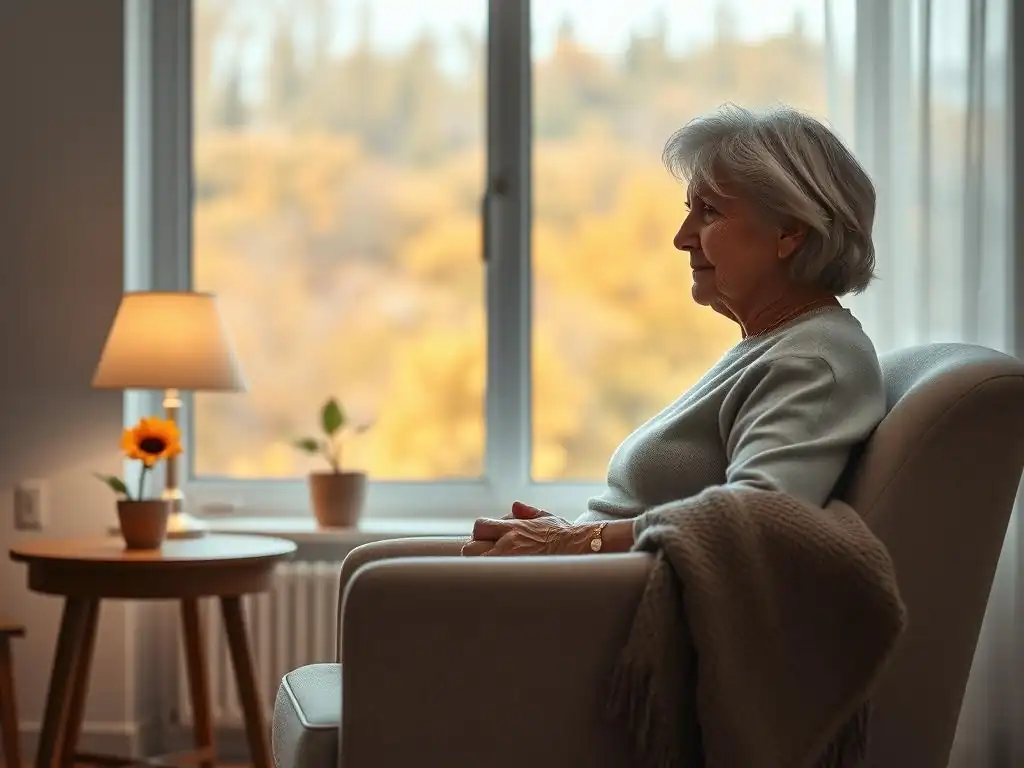
Building and leveraging strong support systems is fundamental to mitigating social isolation and alleviating social isolation anxiety in elderly seniors. These systems can come from various sources, each offering unique forms of assistance and connection. Knowing where to turn for help is the first step towards finding relief.
Family and Friends
Family members and friends are often the most immediate and crucial support system for older adults. Regular visits, phone calls, and active inclusion in family events can make a significant difference in combating feelings of isolation. Even short, frequent interactions can provide emotional support and practical assistance. For instance, a weekly phone call or a monthly visit for lunch can break the monotony of isolation and remind an elderly senior they are cared for.
Encouraging family members to understand the signs of social isolation and anxiety is also important. They can be instrumental in identifying early warning signs and facilitating connections. Friends, particularly long-standing ones or those made through shared interests, also provide invaluable companionship and shared history. Maintaining these relationships, even with effort, is vital for preventing and addressing social isolation anxiety in elderly seniors.
Community Organizations and Senior Centers
Community organizations and senior centers offer structured opportunities for social engagement and access to resources. These centers often provide a range of activities designed for older adults, including exercise classes, educational workshops, games, arts and crafts, and communal meals. They serve as vital hubs where elderly individuals can connect with peers, form new friendships, and participate in meaningful activities.
Many community organizations also offer transportation services, reducing a major barrier to participation for those with mobility issues. Some provide volunteer opportunities, allowing older adults to contribute their skills and feel a sense of purpose, which is protective against both isolation and anxiety. Leveraging these local resources is a practical way to increase social contact and reduce social isolation anxiety in elderly seniors.
Mental Health Professionals
Mental health professionals, including therapists, counselors, psychologists, and psychiatrists, are essential resources for older adults struggling with anxiety related to social isolation. They can provide assessment, diagnosis, and evidence-based treatments like CBT or interpersonal therapy tailored to the unique needs of older adults. They can also help individuals develop coping strategies for anxiety symptoms and address underlying issues contributing to isolation.
Seeking professional help is a sign of strength and a crucial step towards improving well-being. Mental health services specifically for seniors are increasingly available, sometimes offered through geriatric clinics or community mental health centers. Connecting with a professional can provide an elderly senior with the tools and support needed to break the cycle of social isolation anxiety.
Practical Tips for Reducing Isolation and Anxiety
Beyond formal support systems, there are practical, everyday steps that older adults and their caregivers can take to actively reduce social isolation and manage anxiety. These tips focus on creating opportunities for connection and fostering a supportive environment. Implementing even a few of these strategies can make a noticeable difference in combating social isolation anxiety in elderly seniors.
Encouraging Participation in Group Activities
One effective tip is to actively encourage and facilitate participation in group activities that align with the older adult's interests. This could be joining a book club, a gardening group, a choir, or a gentle exercise class. The shared interest provides an easy starting point for conversation and connection. For an elderly senior hesitant to go alone, offering to attend the first few sessions with them can provide needed support.
Even small group activities, like a weekly card game with neighbors or a regular coffee meet-up, can be highly beneficial. The consistency of scheduled group interactions provides structure and anticipation, helping to break the monotony of isolation. Studies show that engaging in just one or two group activities per week can significantly improve mood and reduce feelings of loneliness, directly impacting social isolation anxiety in elderly seniors.
Creating a Supportive Home Environment
While encouraging outside activities is important, creating a home environment that supports social connection is also key. This might involve making the home welcoming for visitors, ensuring comfortable seating, and having accessible amenities. For older adults with mobility issues, arranging furniture to allow for easy movement and conversation can facilitate visits.
Technology setup, as mentioned earlier, is also part of this. Ensuring the elderly senior has easy access to a phone or tablet and knows how to use it for communication empowers them to connect from home. A supportive home environment also means acknowledging and validating their feelings about isolation and anxiety without judgment, fostering open communication about their needs and fears related to social isolation anxiety.
Seeking Professional Help
For both the older adult experiencing social isolation and anxiety, and potentially their caregivers, seeking professional help is a crucial practical step when symptoms are significant or persistent. This doesn't always mean intensive therapy; it could start with a conversation with a primary care physician who can screen for anxiety and depression and make referrals.
Connecting with a mental health professional specializing in geriatrics ensures that the treatment approach is appropriate for older adults, considering potential interactions with medications or co-occurring health conditions. Professional support provides strategies for managing anxiety, addressing the root causes of isolation, and developing a plan for increasing social engagement. Recognizing when professional intervention is needed is vital for effectively managing social isolation anxiety in elderly seniors.
The Role of Caregivers
Caregivers, whether family members or paid professionals, play an indispensable role in the lives of older adults, particularly in preventing and addressing social isolation and anxiety. Their awareness, actions, and willingness to seek support can significantly impact the well-being of the elderly individuals they care for. Understanding this role is key to combating social isolation anxiety in elderly seniors.
Recognizing Signs of Isolation and Anxiety
Caregivers are often in the best position to observe changes in an older adult's behavior, mood, and social habits that could indicate increasing isolation or anxiety. Noticing a decrease in phone calls, refusal to attend previously enjoyed outings, increased irritability, changes in sleep or appetite, or expressions of excessive worry are critical indicators. A caregiver's daily presence allows them to spot subtle shifts that others might miss.
It is important for caregivers to be educated about the specific signs of anxiety in older adults, which can differ from younger individuals. They should also understand the profound link between reduced social interaction and mental health challenges. By being vigilant and informed, caregivers can identify potential social isolation anxiety in elderly seniors early, allowing for timely intervention.
Caregivers can actively implement strategies to promote social interaction and overall well-being for the older adults they support. This includes facilitating visits from family and friends, arranging transportation to social activities, helping them connect virtually through technology, and encouraging participation in hobbies or clubs. Caregivers can also incorporate social elements into daily routines, such as sharing meals together, going for walks in the community, or engaging in conversation.
Furthermore, caregivers can support emotional well-being by creating a calm and predictable environment, practicing active listening, and validating the older adult's feelings. Encouraging healthy habits like regular exercise, balanced nutrition, and sufficient sleep also contributes to better mental health and resilience against social isolation anxiety in elderly seniors.
Seeking Professional Support for Caregivers
Caring for an older adult, especially one struggling with social isolation and anxiety, can be emotionally and physically demanding. Caregivers are at risk of burnout, stress, and even their own mental health challenges. Therefore, it is crucial for caregivers to seek support for themselves. This might involve joining caregiver support groups, utilizing respite care services, or seeking counseling.
Professional support can provide caregivers with coping strategies, emotional outlets, and practical advice for managing challenging situations. Taking care of their own well-being allows caregivers to be more effective and resilient in supporting the older adult, ultimately benefiting the elderly senior's efforts to overcome social isolation anxiety. Caregiver well-being is an integral part of the overall support system.
Long-Term Management
Effectively managing social isolation anxiety in elderly seniors is not a one-time fix but an ongoing process that requires sustained effort and proactive strategies. Long-term management focuses on maintaining connections, prioritizing mental health, and fostering a sense of purpose throughout the later years of life. These elements are crucial for sustained well-being.
Consistency is key in preventing the recurrence of social isolation and related anxiety. Long-term management involves actively maintaining the social connections that have been re-established or strengthened. This means continuing regular visits, phone calls, and participation in social activities. It's also about being open to forming new connections as circumstances change.
Encouraging involvement in activities that provide a sense of community and belonging, such as volunteer work, joining a regular club, or participating in intergenerational programs, helps embed social interaction into the older adult's routine. The goal is to create a robust and resilient social network that acts as a buffer against future isolation and supports ongoing mental well-being, thereby mitigating social isolation anxiety in elderly seniors over time.
Regular Mental Health Check-ups
Just as regular physical check-ups are important for older adults, routine mental health check-ups should also be prioritized. These check-ups can help identify early signs of anxiety, depression, or cognitive changes. A primary care physician can conduct initial screenings, or referrals can be made to mental health specialists.
Regular conversations with healthcare providers about mood, stress levels, sleep patterns, and social engagement can help proactively address potential issues before they escalate. For an elderly senior with a history of social isolation anxiety, ongoing monitoring and access to support are vital components of long-term management, ensuring that they have resources available if anxiety symptoms return or isolation increases.
Promoting Purpose and Meaning
Finding and maintaining a sense of purpose and meaning in life is a powerful antidote to both isolation and anxiety in older adults. This can come from various sources, such as hobbies, creative pursuits, volunteering, mentoring others, spending time in nature, or engaging in spiritual practices. Having a reason to get up in the morning and something to look forward to provides motivation and a sense of value.
Encouraging an elderly senior to explore new interests or revisit old passions can combat feelings of stagnation and irrelevance that can contribute to isolation and anxiety. Activities that involve interacting with others, such as volunteering or joining a club related to a hobby, can simultaneously provide purpose and social connection. Fostering a sense of meaning is a fundamental strategy for enhancing resilience and promoting long-term well-being in the face of social isolation anxiety in elderly seniors.
Frequently Asked Questions
Social isolation in elderly seniors can significantly increase feelings of anxiety. Lack of social interaction often leads to feelings of loneliness and a decreased sense of belonging, triggering anxiety.
This guide from Mind Care Guide offers information about the detrimental effects of social isolation. It provides resources and strategies to combat feelings of isolation and reduce anxiety levels in elderly seniors.
Besides anxiety, social isolation can exacerbate other challenges like depression, cognitive decline, and a general decline in overall mental well-being. It's crucial to address isolation to protect their mental health.
Encourage participation in social activities, connect them with support groups, and explore options like senior centers. Providing opportunities for meaningful connection is key.
Mind Care Guide offers a wealth of information, support groups, and links to professional mental health services. Look for organizations that specialize in elderly care and mental well-being.
Final Reflection: The Unseen Epidemic of Loneliness
The pervasive issue of social isolation among the elderly isn't merely a statistic; it's a silent crisis fueling a significant portion of anxiety and related health problems in our aging population. This article has explored the multifaceted nature of this challenge, highlighting the devastating impact of loneliness on mental well-being, physical health, and overall quality of life for seniors. Understanding the root causes, from societal shifts to individual circumstances, is the crucial first step towards effective intervention and support.
The weight of loneliness is often underestimated, its insidious grip tightening slowly but surely. It's a pervasive societal issue that transcends age, but its effects are particularly acute among our elderly population, who are often marginalized and overlooked. Loneliness adds years to your life and takes life from your years.
This quote, while not directly addressing elderly isolation, perfectly encapsulates the profound impact of social disconnection on overall well-being. We must actively challenge the societal norms that contribute to this isolation, fostering a culture of inclusivity and support for our aging community members. This requires a collective effort, from families and communities to healthcare professionals and policymakers.
Now, consider your own relationships with the elderly in your life. Are you actively engaging with them, ensuring they feel seen, heard, and valued? Take a moment to reflect on the simple acts of kindness that can make a profound difference.
A phone call, a visit, a shared meal – these seemingly small gestures can be lifelines against the isolating tide. Let this article serve as a call to action, urging you to reach out, connect, and help combat the unseen epidemic of loneliness among our seniors. Their well-being is our collective responsibility, and by working together, we can create a more compassionate and connected society for all.
Unlock a Brighter Future: Connect with Senior Loved Ones Today
Thanks for taking the time to learn about the impact of social isolation on elderly anxiety. We hope this article provided valuable insights into this important issue. Now, let's take action to make a difference!
- Prioritize a meaningful connection: Schedule a call, video chat, or in-person visit with an elderly loved one this week. Even a short conversation can have a significant impact.
- Share this knowledge: Forward this article to friends, family, or community groups who might benefit from understanding the challenges of senior isolation. Let's spread awareness together.
- Explore local senior resources: Research local senior centers, community programs, or volunteer opportunities. Discover how you can contribute to a more supportive network for the elderly in your area.
What small act of connection will you make today to brighten the life of a senior loved one?