
Combining Natural Remedies: Safe and Effective Stacks for Anxiety Based on Evidence

Welcome to Mind Care Guide, your haven for navigating the complexities of mental well-being. Feeling overwhelmed by anxiety? You're not alone. Discover how to unlock a more balanced you by exploring safe and effective strategies. Intrigued by the potential of combining natural approaches? Our in-depth guide on Natural remedies anxiety stacks dives into evidence-based combinations that could offer you a path towards calmer days. Keep reading to learn how these stacks work and if they are right for you.
Combining Natural Remedies: Safe and Effective Stacks for Anxiety Based on Evidence
- Introduction to Natural Anxiety Relief Stacks
- Understanding Key Natural Remedies for Anxiety
-
Evidence-Based Natural Remedy Stacks for Anxiety
- The Magnesium & L-Theanine Stack: A Powerful Combination for Calming the Mind
- Ashwagandha and Lemon Balm Stack: Reducing Stress and Promoting Relaxation
- Magnesium and Chamomile Stack: Improving Sleep Quality and Reducing Anxiety
- L-Theanine and Lemon Balm Stack: Promoting Focus and Reducing Jitteriness
- Safety and Potential Side Effects of Natural Remedy Stacks
- Optimizing Your Natural Anxiety Relief Strategy
- Conclusion: Embracing Natural Remedy Stacks for Enhanced Anxiety Relief
-
Frequently Asked Questions
- ### What are "anxiety stacks" in the context of natural remedies, and are they generally safe?
- ### What kind of evidence supports the use of natural remedies for anxiety, particularly when combined?
- ### Can I replace my prescribed anxiety medication with natural remedy stacks?
- ### What are some examples of natural remedies commonly included in "anxiety stacks"?
- ### Where can I find reliable information and support for exploring natural remedies for anxiety?
- Final Reflection: Unlocking the Power of Natural Anxiety Relief
- Unlock Your Calm: Start Your Anxiety Relief Journey Today!
Introduction to Natural Anxiety Relief Stacks
Understanding Anxiety and the Role of Natural Remedies
Anxiety is a complex and often debilitating condition characterized by excessive worry, fear, and nervousness. It can manifest in various forms, from generalized anxiety disorder (GAD) to panic attacks, and significantly impact daily life. While conventional treatments like therapy and medication are widely used and effective, many individuals seek complementary approaches to manage their symptoms. This is where natural remedies come into play, offering a gentler alternative or adjunct therapy for some people dealing with anxiety. These remedies often include herbal supplements, vitamins, minerals, and specific compounds known for their calming properties.
The appeal of natural remedies lies in their perceived lower risk of side effects compared to some pharmaceutical options and their alignment with a holistic approach to wellness. Research into botanicals like Ashwagandha, Lemon Balm, and Chamomile, as well as compounds like Magnesium and L-Theanine, has shown promising results in reducing anxiety symptoms in various studies.
For instance, studies on L-Theanine, an amino acid found in green tea, have demonstrated its ability to promote relaxation without drowsiness, often within an hour of consumption, by increasing alpha brain waves. Similarly, clinical trials on Ashwagandha (Withania somnifera) have indicated significant reductions in stress and anxiety scores over periods of 6-8 weeks compared to placebo groups.
Why Combine Natural Remedies for Anxiety? Exploring Synergistic Effects
Combining natural remedies, often referred to as creating "stacks," is a strategy aimed at leveraging potential synergistic effects. The idea behind natural remedies anxiety stacks is that certain compounds, when taken together, might offer enhanced benefits or target different pathways involved in anxiety more effectively than a single remedy alone. For example, one remedy might help calm the nervous system, while another addresses the body's stress response or improves sleep, all contributing to overall anxiety reduction. This approach allows for a more comprehensive attack on the various facets of anxiety symptoms.
The concept of synergy in natural remedies anxiety stacks is supported by the understanding that anxiety is multi-factorial. It can involve neurotransmitter imbalances, HPA axis dysregulation (the body's stress response system), nutritional deficiencies, and inflammation. By combining remedies, practitioners and individuals hope to address several of these underlying factors simultaneously.
For instance, while Magnesium might help regulate neurotransmitters and muscle tension, an adaptogen like Ashwagandha could help modulate the stress hormone cortisol. Combining these could theoretically offer a more robust defense against anxiety than either substance used in isolation. However, it is crucial that any exploration of natural remedies anxiety stacks is grounded in evidence and guided by safety principles.
Important Considerations Before Stacking Natural Remedies for Anxiety: Safety First
Before embarking on a regimen of natural remedies anxiety stacks, prioritizing safety is paramount. Natural does not automatically mean safe, and combining multiple active substances increases the potential for interactions and side effects. It is essential to understand the typical dosage ranges for each individual ingredient and how combining them might affect absorption, metabolism, or efficacy. For instance, taking several remedies that cause drowsiness together could lead to excessive sedation. Therefore, thorough research into each component and its interactions is a necessary first step.
Furthermore, individual health status plays a critical role in determining the safety of natural remedies anxiety stacks. Pre-existing medical conditions, such as kidney disease, liver issues, or autoimmune disorders, can affect how the body processes certain supplements. Similarly, individuals taking prescription medications for anxiety or other conditions must be extremely cautious, as natural remedies can interact with pharmaceuticals.
For example, some herbs can affect blood clotting or alter the metabolism of medications in the liver. Consulting with a qualified healthcare professional, ideally one knowledgeable in both conventional and complementary medicine, is a non-negotiable step before starting any new supplement regimen, especially when creating natural remedies anxiety stacks.
Understanding Key Natural Remedies for Anxiety
Magnesium for Anxiety: Dosage, Benefits, and Forms
Magnesium is a vital mineral involved in hundreds of biochemical reactions in the body, including many related to brain function and stress response. Research suggests that magnesium deficiency is relatively common and may be linked to increased anxiety and stress levels. Magnesium plays a role in regulating neurotransmitters, such as GABA (gamma-aminobutyric acid), which is an inhibitory neurotransmitter that helps calm the nervous system. It also influences the body's stress response system, potentially reducing cortisol levels. Studies have shown that magnesium supplementation can lead to significant reductions in subjective stress and anxiety scores in various populations.
When considering magnesium for anxiety relief within natural remedies anxiety stacks, the form of magnesium matters. Common forms include magnesium oxide, citrate, glycinate, and L-threonate. Magnesium oxide is poorly absorbed. Magnesium citrate is better absorbed and can have a laxative effect in higher doses.
Magnesium glycinate is often recommended for anxiety due to its high bioavailability and lower risk of digestive upset; the glycine molecule itself also has calming properties. Magnesium L-threonate is specifically marketed for its ability to cross the blood-brain barrier, potentially offering more direct effects on brain magnesium levels, although research is still emerging. Typical dosages for anxiety range from 200 mg to 400 mg per day of elemental magnesium, though this can vary based on the specific form and individual needs.
L-Theanine: Calming Effects and Anxiety Reduction
L-Theanine is a unique amino acid primarily found in green and black tea leaves, known for its ability to promote relaxation without causing drowsiness. Its effects are often described as a state of "calm focus." L-Theanine works by increasing levels of calming neurotransmitters like GABA and serotonin, while also increasing alpha brain wave activity, which is associated with a relaxed but alert mental state.
It can also help reduce levels of excitatory neurotransmitters like glutamate and potentially temper the release of stress hormones like cortisol. The effects of L-Theanine can often be felt relatively quickly, sometimes within 30 to 60 minutes of ingestion.
Studies investigating L-Theanine's impact on anxiety have yielded promising results. For example, research has shown that doses ranging from 100 mg to 400 mg can help reduce stress and anxiety in individuals exposed to stressful situations. Some studies have also explored its potential benefits for sleep quality, likely due to its relaxing effects. L-Theanine is often considered a safe and well-tolerated supplement with few reported side effects. Its fast-acting nature makes it a popular choice for acute anxiety relief, as well as for inclusion in daily natural remedies anxiety stacks aimed at promoting overall calmness and improved stress resilience.
Ashwagandha: An Adaptogen for Stress and Anxiety Management
Ashwagandha (Withania somnifera) is an ancient medicinal herb classified as an adaptogen. Adaptogens are substances believed to help the body resist the effects of stress. Ashwagandha has been used for centuries in Ayurvedic medicine to promote physical and mental health, increase energy, and reduce anxiety. Its primary mechanism of action related to stress and anxiety involves modulating the hypothalamic-pituitary-adrenal (HPA) axis, which is the body's central stress response system. By influencing this axis, Ashwagandha can help regulate the release of stress hormones, particularly cortisol.
Numerous clinical trials have investigated Ashwagandha's efficacy for stress and anxiety. A meta-analysis of studies concluded that Ashwagandha supplementation significantly reduced stress and anxiety levels compared to placebo. Participants in these studies often reported improvements in stress scales, cortisol levels, and overall well-being.
Standardized extracts, such as KSM-66 or Sensoril, are commonly used in studies and supplements, ensuring a consistent concentration of active compounds (withanolides). Typical effective dosages of these extracts range from 300 mg to 600 mg per day, often taken for several weeks to months to experience the full adaptogenic benefits. Ashwagandha is a cornerstone ingredient in many natural remedies anxiety stacks due to its established role in stress management.
Lemon Balm: Gentle Relief for Anxiety Symptoms
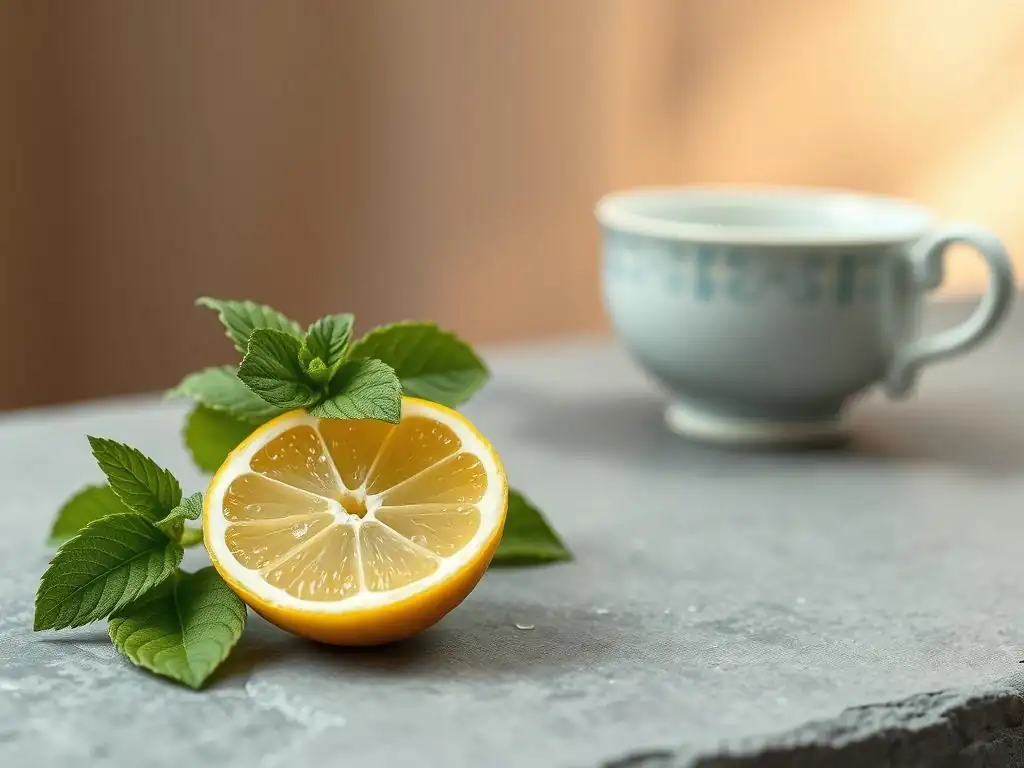
Lemon Balm (Melissa officinalis) is a perennial herb from the mint family, traditionally used for its calming and mood-enhancing properties. It is often consumed as a tea or taken as an extract. Lemon Balm's effects on anxiety are thought to be related to its ability to interact with GABA receptors in the brain. Specifically, compounds in Lemon Balm, such as rosmarinic acid, are believed to inhibit the enzyme GABA transaminase, which breaks down GABA. By preserving GABA, Lemon Balm may help increase the levels of this calming neurotransmitter, thereby promoting relaxation and reducing excitability.
Research on Lemon Balm for anxiety has shown modest but positive results. Studies using Lemon Balm extract have indicated improvements in mood and reduced anxiety symptoms, particularly in response to stressful tasks. For instance, one study found that participants who took Lemon Balm reported increased feelings of calmness and reduced alertness compared to placebo.
Another study noted improvements in mood and cognitive performance. While perhaps not as potent for severe anxiety as some other remedies, Lemon Balm is generally considered very safe and well-tolerated, making it a gentle option suitable for daily use or inclusion in natural remedies anxiety stacks, particularly for mild to moderate anxiety or stress. Effective doses often range from 300 mg to 600 mg of extract per day.
Chamomile: Promotes Relaxation and Reduces Anxiety
Chamomile is one of the most widely used herbal remedies for relaxation and sleep, often consumed as a tea. It contains compounds, notably apigenin, that may bind to benzodiazepine receptors in the brain, similar to how some anti-anxiety medications work, albeit much more weakly. This interaction with GABAergic systems is thought to contribute to Chamomile's calming effects. Beyond its direct effects on the nervous system, Chamomile also possesses anti-inflammatory and antioxidant properties, which may indirectly support mental well-being.
Clinical studies have explored Chamomile's potential benefits for anxiety. Research on individuals with generalized anxiety disorder (GAD) has suggested that Chamomile extract may provide a statistically significant reduction in anxiety symptoms compared to placebo over an 8-week period. While the effects may be mild to moderate, these findings support its traditional use.
Chamomile is generally regarded as safe, though individuals with allergies to ragweed or related plants should exercise caution. It is a popular and gentle component in natural remedies anxiety stacks, particularly valued for its ability to promote relaxation and improve sleep quality, which are often disrupted by anxiety. Doses in studies have varied widely, from daily tea consumption to 500 mg to 1500 mg of extract per day.
Evidence-Based Natural Remedy Stacks for Anxiety
The Magnesium & L-Theanine Stack: A Powerful Combination for Calming the Mind
The combination of Magnesium and L-Theanine is one of the most popular and well-regarded natural remedies anxiety stacks for promoting calmness and reducing feelings of stress. Magnesium, particularly in highly absorbable forms like glycinate, helps regulate the nervous system and supports GABA function, while L-Theanine directly increases GABA and promotes alpha brain waves. Together, they offer a dual approach: magnesium addresses potential underlying deficiencies and supports overall neurological function, while L-Theanine provides a more immediate calming effect. Many users report feeling a sense of relaxed alertness without sedation when using this stack.
Anecdotal evidence and the known mechanisms of action strongly support the use of Magnesium and L-Theanine together in natural remedies anxiety stacks. While specific clinical trials evaluating this precise combination for anxiety are limited, studies on each component individually demonstrate their efficacy. For example, research shows L-Theanine can reduce physiological stress responses like heart rate increases, while magnesium supplementation has been linked to improved stress resilience. This stack is often favored because both components are generally well-tolerated and have distinct, yet complementary, mechanisms for promoting relaxation and reducing anxiety symptoms, making it a logical and potentially powerful pairing.
Benefits of Combining Magnesium and L-Theanine
Combining Magnesium and L-Theanine offers several potential benefits for individuals seeking natural anxiety relief. Firstly, the stack can provide both foundational support for nervous system health (from Magnesium) and acute calming effects (from L-Theanine). Magnesium helps ensure that the body has the necessary mineral resources for optimal neurotransmitter function, while L-Theanine directly influences brainwave activity and neurotransmitter levels to induce relaxation relatively quickly. This makes the stack versatile, potentially helping with both chronic stress management and situational anxiety.
Secondly, this natural remedies anxiety stack may help improve sleep quality. Magnesium is known to aid relaxation and can help with sleep onset and maintenance, while L-Theanine's calming effects can quiet a racing mind, a common barrier to sleep for anxious individuals. Furthermore, compared to some single remedies, the combination may offer a more balanced effect – promoting relaxation without excessive sedation, especially when L-Theanine is used in typical doses. Users often find this stack useful for managing daily stress and improving overall mood stability.
Dosage and Timing Guidelines for Magnesium & L-Theanine
Typical dosages for a Magnesium and L-Theanine stack involve using the standard effective doses for each component. For Magnesium (preferably Glycinate or L-Threonate), a common dose is 200 mg to 400 mg per day of elemental magnesium. This can be taken with food to improve absorption and reduce potential digestive upset. For L-Theanine, doses typically range from 100 mg to 200 mg per day. Some individuals may use higher doses (up to 400 mg) for acute anxiety, but starting lower is often recommended.
Timing can be flexible depending on individual needs. For general daily anxiety support, both can be taken in the morning. If anxiety is worse in the evening or affects sleep, taking Magnesium Glycinate and L-Theanine an hour or two before bed can be beneficial. For situational anxiety, L-Theanine can be taken as needed, while Magnesium is best taken consistently daily. When combining, it's often easiest to take them together at chosen times. Always start with lower doses of each and gradually increase to assess tolerance and effectiveness within this natural remedies anxiety stack.
Ashwagandha and Lemon Balm Stack: Reducing Stress and Promoting Relaxation
The Ashwagandha and Lemon Balm stack combines an adaptogen with a traditional calming herb, targeting both the chronic stress response and acute nervous tension. Ashwagandha helps the body adapt to stress over time by modulating the HPA axis and cortisol levels, offering long-term resilience. Lemon Balm, on the other hand, provides more immediate calming effects by influencing the GABA system. This pairing offers a complementary approach, addressing the root causes of stress while also providing symptomatic relief from anxiety and nervousness.
This natural remedies anxiety stack is particularly well-suited for individuals experiencing both chronic stress and accompanying symptoms of restlessness or agitation. While Ashwagandha builds resilience over weeks, Lemon Balm can help soothe the nervous system on a more immediate basis. Research on Ashwagandha shows significant reductions in stress markers over 6-8 weeks, while studies on Lemon Balm demonstrate improvements in calmness and mood within hours. Combining these two allows for both proactive stress management and responsive relief, making it a comprehensive option among natural remedies anxiety stacks.
How Ashwagandha and Lemon Balm Work Together
Ashwagandha and Lemon Balm work together in this natural remedies anxiety stack through distinct yet complementary pathways. Ashwagandha, as an adaptogen, primarily functions by supporting the adrenal glands and helping to balance the stress hormone cortisol. This action contributes to improved stress resilience and a reduction in the physiological burden of chronic stress over time. Its effects are generally cumulative, becoming more noticeable after consistent use for several weeks.
Lemon Balm complements Ashwagandha by directly influencing neurotransmitter activity, specifically by potentially preserving GABA levels in the brain. This leads to a more immediate calming effect, reducing feelings of nervousness, agitation, and excitability. While Ashwagandha is working on the body's long-term stress response system, Lemon Balm provides relief from the acute manifestations of anxiety. This combination offers a broad spectrum of support, addressing both the underlying stress mechanisms and the subjective experience of anxiety, making it a synergistic pairing in natural remedies anxiety stacks.
Recommended Dosage and Usage of Ashwagandha and Lemon Balm
For the Ashwagandha and Lemon Balm stack, it's best to use standardized extracts for consistent potency. For Ashwagandha, a common dose of a standardized extract (like KSM-66 or Sensoril) is 300 mg to 600 mg per day, often split into two doses. It's typically recommended to take Ashwagandha daily for at least 4-8 weeks to observe its full adaptogenic effects. For Lemon Balm extract, effective doses range from 300 mg to 600 mg per day.
Timing can be adjusted based on individual needs. Ashwagandha can be taken in the morning and/or evening. Lemon Balm can be taken as needed for acute anxiety or taken daily, perhaps split between morning and evening, or primarily in the evening if anxiety affects sleep. Taking both components of this natural remedies anxiety stack together is generally acceptable. As always, start with lower doses and monitor your response before increasing, and consult a healthcare provider, especially if taking other medications.
Magnesium and Chamomile Stack: Improving Sleep Quality and Reducing Anxiety
The Magnesium and Chamomile stack is particularly useful for individuals whose anxiety is significantly linked to sleep disturbances. Both Magnesium and Chamomile have properties that promote relaxation and can improve sleep quality, which in turn can help reduce anxiety levels. Magnesium contributes to muscle relaxation and nervous system regulation, while Chamomile's compounds may interact with calming pathways in the brain. When anxiety keeps you awake or causes restless sleep, this natural remedies anxiety stack targets both the anxiety and its disruptive effect on sleep.
The synergy in this natural remedies anxiety stack comes from their combined ability to soothe the body and mind before sleep. Magnesium helps relax physical tension and supports the production of sleep-regulating neurotransmitters. Chamomile adds to this by promoting a sense of calm and potentially reducing the racing thoughts that can prevent sleep onset.
While Chamomile's effects on anxiety might be milder than some other herbs, its well-established role in promoting sleep makes it a valuable partner for Magnesium in addressing the anxiety-insomnia cycle. Research supports magnesium's role in sleep and Chamomile's traditional use and some clinical evidence for both sleep and anxiety.
Synergistic Effects of Magnesium and Chamomile for Anxiety and Sleep
The synergistic effects of Magnesium and Chamomile in this natural remedies anxiety stack primarily revolve around enhancing relaxation and improving sleep, thereby indirectly reducing anxiety. Magnesium aids sleep by regulating neurotransmitters involved in sleep cycles and reducing muscle tension. It also plays a role in melatonin production. Chamomile contributes its calming properties through potential interactions with GABA receptors and its general sedative effects, widely recognized in traditional use.
By combining these two, the stack provides comprehensive support for winding down before bed. Magnesium addresses potential physiological barriers to relaxation and sleep, while Chamomile helps quiet the mental chatter and promotes a state conducive to sleep. Improved sleep quality is crucial for managing anxiety, as sleep deprivation can exacerbate anxiety symptoms. Therefore, this natural remedies anxiety stack offers a targeted approach for individuals whose anxiety is intertwined with poor sleep.
Optimal Dosage and Timing for Magnesium and Chamomile
For the Magnesium and Chamomile stack, the timing is typically focused on the evening to maximize benefits for sleep and nighttime anxiety. A common dosage for Magnesium (like Glycinate) for sleep support is 200 mg to 400 mg taken about 1-2 hours before bedtime. For Chamomile, options include drinking 1-2 cups of strong Chamomile tea in the evening or taking a standardized extract. Extract doses used in studies for anxiety have ranged from 500 mg to 1500 mg per day, but lower doses (e.g., 300-500 mg) may be sufficient when combined with Magnesium, especially when focusing on sleep.
Taking both the Magnesium supplement and Chamomile (tea or extract) together about an hour before bed is a common strategy for this natural remedies anxiety stack. This allows time for the compounds to be absorbed and begin exerting their calming effects as you prepare for sleep. Consistency is key for Magnesium's overall effects, but the timing of the dose can be adjusted to align with sleep needs. Always adhere to product label instructions and consult with a healthcare professional before starting this or any new supplement stack.
L-Theanine and Lemon Balm Stack: Promoting Focus and Reducing Jitteriness
The L-Theanine and Lemon Balm stack is designed to promote a state of calm focus while reducing the jitteriness often associated with anxiety or stimulants. L-Theanine is known for inducing alpha brain waves, which are linked to focused relaxation and improved attention. Lemon Balm, with its gentle GABAergic effects, helps to soothe nervousness and agitation. This combination is particularly useful for individuals who experience anxiety that interferes with concentration or those who need to manage stress while remaining alert and productive.
This natural remedies anxiety stack offers a dual benefit: enhancing cognitive function (focus, attention) and reducing symptoms of anxiety (nervousness, restlessness). Research on L-Theanine, often studied in combination with caffeine, shows its ability to improve focus and reduce the negative side effects of stimulants like jitters. Studies on Lemon Balm indicate improvements in mood and cognitive performance under stress. While direct studies on the L-Theanine and Lemon Balm combination for anxiety and focus are limited, their known mechanisms suggest a complementary action, making this a logical pairing in natural remedies anxiety stacks aimed at managing anxiety while maintaining clarity.
Benefits of Combining L-Theanine and Lemon Balm for Anxiety and Concentration
Combining L-Theanine and Lemon Balm in a natural remedies anxiety stack offers several advantages. Firstly, it can help achieve a state of relaxed alertness, reducing anxiety symptoms like nervousness and racing thoughts without causing significant drowsiness. This is beneficial for daytime use when maintaining focus and productivity is important. L-Theanine supports concentration and attention, while Lemon Balm helps to soothe the underlying anxiety that can disrupt cognitive function.
Secondly, this stack may be useful for managing stress during cognitively demanding tasks. The anxiolytic effects of both components can help reduce performance anxiety and improve the ability to concentrate under pressure. For instance, someone preparing for an exam or presentation might find this combination helpful. It leverages L-Theanine's ability to promote focused calm and Lemon Balm's gentle sedative and mood-enhancing properties to create a balanced state conducive to both relaxation and effective functioning.
Dosage Recommendations for L-Theanine and Lemon Balm
Recommended dosages for the L-Theanine and Lemon Balm stack align with the typical effective doses for each ingredient. For L-Theanine, doses ranging from 100 mg to 200 mg are commonly used for promoting focus and reducing anxiety, and these can be taken as needed or daily. For Lemon Balm extract, doses from 300 mg to 600 mg per day are typical for anxiety and mood support.
This natural remedies anxiety stack can be taken together. For acute situations requiring calm focus, such as before a meeting or during a stressful task, taking 100-200 mg of L-Theanine with 300-500 mg of Lemon Balm extract approximately 30-60 minutes beforehand might be beneficial. For daily support, a lower dose of each might be taken consistently. As with all supplements, starting with the lower end of the dosage range for both components and observing your response is recommended.
Safety and Potential Side Effects of Natural Remedy Stacks
Potential Interactions Between Natural Remedies
While natural remedies are often perceived as safe, combining them in natural remedies anxiety stacks increases the potential for interactions. Some herbs and supplements can affect liver enzymes that metabolize drugs, potentially altering the levels of other supplements or medications in the body. For instance, St. John's Wort, though not typically used for anxiety stacks with the remedies discussed here, is a well-known example of a natural product that significantly interacts with many prescription drugs and other supplements. Even within the discussed remedies, care is needed.
Specific interactions among the discussed remedies are generally considered low, but not zero. For example, taking multiple supplements that cause sedation (though less common with the primary ones discussed like L-Theanine or Lemon Balm in moderate doses) could theoretically amplify this effect. High doses of Magnesium can interfere with the absorption of certain medications. While the natural remedies anxiety stacks discussed are generally considered low-risk for severe interactions among themselves at typical doses, the risk increases significantly when combined with prescription medications or other health conditions. This underscores the critical need for professional guidance.
Precautions and Contraindications: When to Avoid Specific Stacks
Certain natural remedies anxiety stacks or their individual components may be contraindicated for specific individuals or conditions. For example, individuals with very low blood pressure should be cautious with remedies that can lower blood pressure, although this is not a primary concern with the stacks discussed. People with specific allergies, such as allergies to plants in the daisy family (like ragweed), should avoid Chamomile. Individuals with restless legs syndrome might need to be cautious with L-Theanine as anecdotal reports suggest it can sometimes exacerbate symptoms in this population.
Furthermore, pregnant or breastfeeding women, individuals with autoimmune diseases, severe kidney or liver conditions, or those undergoing surgery should exercise extreme caution and absolutely consult a healthcare professional before using any natural remedies anxiety stacks. Some herbs, like Ashwagandha, might not be suitable for individuals with hyperthyroidism due to potential effects on thyroid hormone levels. Understanding individual health status and potential contraindications is a vital step in safely exploring natural remedies anxiety stacks.
Consulting with a Healthcare Professional: Why It's Crucial
Consulting with a qualified healthcare professional is arguably the most important step before starting any regimen of natural remedies anxiety stacks. This professional can help assess your specific anxiety symptoms, overall health status, current medications, and potential underlying causes. They can provide personalized advice on which natural remedies might be appropriate for you, recommend safe dosages, and help you understand potential interactions with any prescription drugs or over-the-counter medications you are currently taking.
A healthcare provider knowledgeable in both conventional and complementary medicine can also help you integrate natural remedies anxiety stacks into a broader treatment plan that may include therapy, lifestyle changes, or conventional medication if necessary. They can monitor your progress, help you identify any side effects, and make adjustments to your stack as needed. Attempting to self-treat anxiety with complex stacks of natural remedies without professional guidance can be risky and may delay effective treatment.
Optimizing Your Natural Anxiety Relief Strategy
Lifestyle Factors to Enhance the Effects of Natural Remedies: Diet, Exercise, Sleep
Integrating natural remedies anxiety stacks into a healthy lifestyle significantly enhances their potential effectiveness. Diet plays a crucial role; consuming a balanced diet rich in whole foods, fruits, vegetables, lean proteins, and healthy fats provides essential nutrients that support brain health and stress resilience. Limiting processed foods, excessive sugar, caffeine, and alcohol can also help manage anxiety symptoms, as these can sometimes trigger or worsen feelings of nervousness and agitation. Ensuring adequate hydration is also important for overall well-being and cognitive function.
Regular physical activity is another powerful tool against anxiety. Exercise releases endorphins, which have mood-boosting effects, and can help reduce stress hormones like cortisol. Aiming for consistent moderate exercise, even just 30 minutes most days of the week, can significantly improve mood and reduce anxiety levels. Furthermore, prioritizing sufficient, quality sleep (7-9 hours per night for most adults) is fundamental. As discussed, anxiety can disrupt sleep, and lack of sleep can worsen anxiety. Lifestyle practices like maintaining a consistent sleep schedule and creating a relaxing bedtime routine complement the effects of natural remedies anxiety stacks aimed at improving sleep.
Monitoring Your Progress and Adjusting Your Stack as Needed
Once you begin using natural remedies anxiety stacks, it's important to actively monitor your progress. Keep a journal to track your anxiety levels, specific symptoms (e.g., worry, restlessness, physical tension, sleep quality), the dosages and timing of the supplements you are taking, and any side effects you notice. Note how you feel at different times of the day and in response to different situations. This detailed tracking provides valuable data on whether the stack is helping and how your body is responding.
Based on your monitoring, you may need to adjust your stack. This could involve increasing or decreasing the dosage of a specific component (within safe limits), changing the timing of when you take the supplements, or even swapping out one remedy for another if it doesn't seem effective or causes unwanted side effects. For example, if a stack is helping with daytime anxiety but not sleep, you might adjust the timing or add a component known for sleep support.
These adjustments should ideally be made in consultation with a healthcare professional, especially when changing dosages significantly or adding new remedies. The goal is to find the specific natural remedies anxiety stacks and lifestyle combination that works best for your individual needs and symptoms.
Individualizing Your Approach: The Importance of Experimentation and Finding What Works Best
Anxiety is a highly personal experience, and what works for one person may not work for another. Therefore, individualizing your approach to natural remedies anxiety stacks is crucial. There is no one-size-fits-all solution. The stacks discussed are based on evidence and common usage, but they serve as starting points for exploration, not rigid prescriptions. Factors like your specific anxiety symptoms, underlying health conditions, genetics, lifestyle, and even your body's unique metabolism can influence how you respond to different remedies.
Finding the most effective natural remedies anxiety stacks for you involves a process of informed experimentation and patience. Work closely with a healthcare provider to select a starting stack, give it adequate time to work (some remedies like Ashwagandha take weeks), monitor your results closely, and be prepared to make adjustments. It might take trying different combinations or dosages to discover what provides you with the most significant relief. This personalized approach ensures that your natural remedies anxiety stacks are tailored to your unique needs and contribute effectively to your overall mental well-being strategy.
Conclusion: Embracing Natural Remedy Stacks for Enhanced Anxiety Relief
The Future of Natural Anxiety Treatments
The field of natural anxiety treatments, including the use of natural remedies anxiety stacks, is continuously evolving. As research progresses, we gain a deeper understanding of how various botanicals, vitamins, and minerals interact with the body's stress response systems and neurological pathways. Future studies are likely to focus more on specific combinations of remedies to confirm synergistic effects and establish evidence-based guidelines for stacking. There's also growing interest in personalized nutrition and supplement strategies based on individual genetic profiles and gut microbiome composition, which could further refine the use of natural remedies for anxiety.
Furthermore, the integration of technology, such as wearable sensors to track physiological stress markers and mental health apps for symptom monitoring, will likely play a role in optimizing the use of natural remedies anxiety stacks. This data-driven approach could help individuals and practitioners make more informed decisions about which stacks are most effective and how to adjust them over time. The future points towards a more sophisticated, personalized, and evidence-informed approach to using natural remedies as a valuable component of comprehensive anxiety management.
Resources for Further Research on Natural Remedies for Anxiety
For those interested in delving deeper into the science behind natural remedies anxiety stacks and individual ingredients, numerous resources are available. Academic databases like PubMed and Google Scholar house studies on specific herbs, vitamins, and minerals and their effects on anxiety and stress. Reputable organizations focused on integrative medicine or herbal medicine often publish summaries of research and provide guidance.
When seeking information, look for studies conducted on humans, preferably randomized, double-blind, placebo-controlled trials, as these provide the strongest evidence. Be cautious of anecdotal claims or information from sources promoting specific products. Consulting with professionals who stay updated on the latest research in natural and complementary medicine is also invaluable. Empowering yourself with knowledge is key to making informed decisions about safely and effectively incorporating natural remedies anxiety stacks into your mental wellness journey.
Frequently Asked Questions
### What are "anxiety stacks" in the context of natural remedies, and are they generally safe?
Anxiety stacks refer to the practice of combining multiple natural remedies to achieve a synergistic effect in reducing anxiety symptoms. While many individual natural remedies are generally safe, the safety of specific stacks depends on the ingredients and individual sensitivities. Always consult a healthcare professional.
### What kind of evidence supports the use of natural remedies for anxiety, particularly when combined?
The evidence base varies. Some individual natural remedies, like L-theanine or Ashwagandha, have clinical studies supporting their use. However, there's less research specifically on the efficacy and safety of combination "stacks", necessitating careful consideration and professional guidance.
### Can I replace my prescribed anxiety medication with natural remedy stacks?
No, never replace prescribed medication without consulting your doctor. Natural remedy stacks should be considered as complementary approaches, not replacements. Abruptly stopping medication can be dangerous.
### What are some examples of natural remedies commonly included in "anxiety stacks"?
Common ingredients include L-theanine, Magnesium, Ashwagandha, Chamomile, and Lemon Balm. The selection of remedies should be tailored to individual needs and potential interactions.
### Where can I find reliable information and support for exploring natural remedies for anxiety?
Consult with a qualified healthcare professional or a licensed therapist. Websites like Mind Care Guide can offer general information and resources, but personalized advice is crucial for safe and effective implementation.
Final Reflection: Unlocking the Power of Natural Anxiety Relief
The search for effective and safe anxiety management is more critical than ever, and the exploration of natural remedies offers a powerful path forward. The increasing prevalence of anxiety disorders, coupled with concerns about the side effects of pharmaceutical interventions, highlights the urgent need for alternative approaches. This article has explored the potential of carefully curated natural remedy stacks, emphasizing the importance of evidence-based practices and individual needs.
The journey into understanding the complex interplay of herbs, supplements, and lifestyle choices in managing anxiety has been profoundly enlightening. It's clear that a holistic approach, considering the individual's unique physiology and lifestyle, is paramount. This isn't simply about finding a quick fix; it's about fostering a deeper understanding of one's own body and developing sustainable strategies for well-being. The body is a temple, and we must treat it as such.
This timeless wisdom underscores the importance of nurturing our physical and mental health through mindful choices.
Now, consider your own journey towards anxiety management. What resonates most from the information presented? Are there specific remedies or lifestyle adjustments you feel drawn to explore further? Remember, the path to well-being is personal and requires consistent effort. Take the time to research, consult with healthcare professionals, and listen to your body. Embrace the power of natural remedies, not as a replacement for professional help when needed, but as a valuable tool in your personal toolkit for a calmer, more fulfilling life.
Unlock Your Calm: Start Your Anxiety Relief Journey Today!
Thanks for taking the time to explore natural anxiety relief strategies with us! We hope you found valuable insights into creating safe and effective remedy stacks. Now it's time to put that knowledge into action.
- Prioritize one new remedy from the article: Choose a single natural remedy that resonated most with you and incorporate it into your daily routine. Start small and track your progress.
- Share your experience: Discuss your experience (or any questions) with other readers in the comments below. Your insights could help others on their journey!
- Experiment thoughtfully: Carefully research any additional remedies you’re considering adding, focusing on interactions and potential side effects before combining them.
Ready to experience a calmer, more balanced you? What's the first step you'll take to reduce your anxiety naturally?