
Are Supplements Enough? Why Whole Foods Win for Anxiety.


Welcome to Mind Care Guide, your sanctuary for navigating the complexities of mental well-being. Feeling overwhelmed by anxiety and wondering if a quick fix exists? You're not alone. Dive into our latest article, "Are Supplements Enough? Why Whole Foods Win for Anxiety," and discover why nourishing your body with whole foods might be the missing piece in your journey to a calmer, more resilient you. Curious to learn the science-backed secrets to naturally soothing anxiety? Let's explore together...
Are Supplements Enough? Why Whole Foods Win for Anxiety
- Understanding Anxiety and the Role of Nutrition
- Supplements for Anxiety: A Closer Look
- Whole Foods: A Foundation for Anxiety Reduction
- Supplements vs. Whole Foods for Anxiety: A Direct Comparison
- Creating a Holistic Anxiety Management Plan: Integrating Food and Lifestyle
- Conclusion: Prioritizing Whole Foods for Long-Term Anxiety Relief
-
Frequently Asked Questions
- What is the main argument of the article regarding anxiety management?
- Why are whole foods considered better than supplements for anxiety?
- Does the article suggest that supplements are completely useless for anxiety?
- What kind of whole foods are recommended for reducing anxiety symptoms?
- How can I transition from relying on supplements to incorporating more whole foods into my diet for anxiety?
- Final Reflection: The Holistic Path to Anxiety Relief
- Unlock Your Calm: Nourish Your Mind Naturally
Understanding Anxiety and the Role of Nutrition
The Growing Prevalence of Anxiety Disorders
Anxiety disorders represent a significant mental health challenge globally, impacting millions of individuals each year. These conditions are characterized by excessive worry, fear, or nervousness that can interfere with daily activities. Data suggests that in the United States alone, approximately 19% of adults experience an anxiety disorder annually, with around 31% of adults experiencing an anxiety disorder at some point in their lives. This widespread prevalence highlights the critical need for effective management strategies, including exploring the potential influence of lifestyle factors like diet.
The impact of anxiety extends beyond emotional distress, often manifesting physically through symptoms like increased heart rate, shortness of breath, muscle tension, and difficulty sleeping. While therapy and medication are common treatment paths, there is growing recognition of how interconnected our physical health, particularly our nutritional intake, is with our mental state. Understanding the scale of anxiety's impact underscores the importance of exploring all avenues for support and relief, including examining the role of supplements vs whole foods anxiety management approaches.
How Diet Impacts Mental Health and Anxiety Levels
The food we consume provides the building blocks not just for our physical body but also for our brain, influencing neurotransmitter function, inflammation levels, and overall brain health. A diet rich in processed foods, high in sugar and unhealthy fats, has been linked to increased inflammation and oxidative stress, which can negatively impact mood and exacerbate anxiety symptoms. Conversely, a diet packed with nutrients from whole foods can support brain function and help regulate stress responses.
Research increasingly points to the bidirectional relationship between the gut and the brain, often referred to as the gut-brain axis. The trillions of microorganisms residing in our gut play a crucial role in producing neurotransmitters like serotonin, which is vital for mood regulation. Dietary choices directly influence the composition and health of this gut microbiome. Therefore, prioritizing nutrient-dense foods is not merely about physical health; it's a fundamental strategy for supporting mental well-being and potentially reducing the severity of anxiety.
Introduction to Supplements and Whole Foods for Anxiety Management
When exploring strategies for managing anxiety, individuals often encounter two primary nutritional approaches: incorporating specific dietary supplements or focusing on consuming nutrient-rich whole foods. Supplements offer concentrated doses of particular vitamins, minerals, or other compounds believed to support brain health or reduce anxiety symptoms. The appeal of supplements lies in their convenience and targeted delivery of potentially beneficial substances.
Whole foods, on the other hand, represent foods that have been minimally processed and are close to their natural state. This approach emphasizes obtaining nutrients from a diverse range of fruits, vegetables, lean proteins, healthy fats, and complex carbohydrates. The philosophy behind using whole foods for anxiety management is based on the idea that nutrients work synergistically within the complex matrix of food, offering a more complete and balanced nutritional profile than isolated compounds found in supplements. Deciding between supplements vs whole foods for anxiety relief requires understanding the benefits and limitations of each approach.
Supplements for Anxiety: A Closer Look
Popular Supplements Marketed for Anxiety Relief
Many supplements are marketed with claims of reducing anxiety, targeting various aspects of brain function or nutrient deficiencies. Some of the most commonly discussed include magnesium, Vitamin D, omega-3 fatty acids, and botanical extracts or amino acids like L-theanine, GABA, and 5-HTP. These supplements gain popularity through research suggesting a link between deficiencies or imbalances and mood disorders, or through traditional use and anecdotal evidence.
However, it's crucial to approach these supplements with realistic expectations. While some studies show promise for specific compounds in certain populations, the overall evidence supporting their effectiveness for generalized anxiety disorder as a standalone treatment is often limited or mixed. Understanding the nuances of each popular supplement is key to evaluating their potential role in an anxiety management plan, particularly when considering supplements vs whole foods anxiety strategies.
Magnesium for Anxiety: Benefits and Limitations
Magnesium is an essential mineral involved in over 300 biochemical reactions in the body, including those related to nerve and muscle function, and stress response regulation. Some studies suggest that magnesium deficiency may be linked to increased anxiety and stress. Supplementing with magnesium, particularly forms like magnesium glycinate or citrate, is often recommended due to their better absorption and lower likelihood of causing digestive upset compared to other forms like magnesium oxide.
While some individuals report feeling calmer after taking magnesium supplements, the scientific evidence specifically supporting magnesium supplementation as a primary treatment for clinical anxiety disorders is not conclusive. Much of the research involves individuals with mild anxiety or stress, or observational studies linking low magnesium intake to higher anxiety scores. Furthermore, getting sufficient magnesium through diet from foods like leafy greens, nuts, and seeds is often achievable for those without significant malabsorption issues. The effectiveness can vary greatly depending on the individual's baseline magnesium status and the specific type of anxiety experienced.
Vitamin D and Anxiety: Addressing Deficiencies
Vitamin D, often called the "sunshine vitamin," plays a role in brain development and function, including the synthesis of neurotransmitters. Low levels of Vitamin D have been associated with various mood disorders, including depression and anxiety. Studies have observed a correlation between Vitamin D deficiency and increased anxiety symptoms in certain populations. Addressing a diagnosed Vitamin D deficiency through supplementation is a common medical recommendation.
However, simply taking high doses of Vitamin D without a diagnosed deficiency may not significantly impact anxiety levels. The link is often correlational, and while correcting a deficiency is important for overall health and may indirectly support mood, Vitamin D supplementation is not a direct anti-anxiety treatment for everyone. For example, a study might find that individuals with lower Vitamin D levels report more anxiety, but this doesn't automatically mean supplementing will resolve their anxiety if other factors are primary drivers.
Omega-3 Fatty Acids: Brain Health and Mood Regulation
Omega-3 fatty acids, particularly EPA (eicosapentaenoic acid) and DHA (docosahexaenoic acid), are crucial for brain health and function. They are major components of brain cell membranes and have anti-inflammatory properties. Research suggests that omega-3 supplementation may have a positive effect on mood disorders, including depression and potentially anxiety. Studies involving individuals with clinical depression often show a modest benefit from high-dose omega-3 supplementation.
For anxiety specifically, the evidence is less robust than for depression, but some studies indicate a potential benefit, particularly with higher doses of EPA. For instance, a meta-analysis might find a small to moderate effect size for anxiety reduction with omega-3s. However, the optimal dosage and ratio of EPA to DHA for anxiety are still areas of active research. Obtaining omega-3s through dietary sources like fatty fish (salmon, mackerel) is also highly recommended and provides additional nutrients.
L-Theanine, GABA, and 5-HTP: Exploring Alternative Supplements
Several other compounds are popular in the supplement market for anxiety. L-Theanine, an amino acid found primarily in green tea, is often cited for its calming effects without causing drowsiness. It's thought to increase alpha brain waves, associated with a relaxed but alert state. Some studies suggest L-theanine can reduce stress and anxiety in individuals exposed to stressful conditions. A typical dose used in studies might range from 100-200mg.
GABA (gamma-aminobutyric acid) is the primary inhibitory neurotransmitter in the brain, helping to calm nerve activity. While GABA supplements are available, there is debate about whether orally consumed GABA can effectively cross the blood-brain barrier to exert its effects. 5-HTP (5-hydroxytryptophan) is a precursor to serotonin.
The theory is that increasing 5-HTP levels could boost serotonin production, potentially improving mood and reducing anxiety. However, research on 5-HTP for anxiety is limited, and there are concerns about potential side effects and interactions, especially with antidepressant medications. The evidence for these supplements is often preliminary or based on smaller studies, making their reliable use for clinical anxiety challenging without professional guidance.
The Limitations of Relying Solely on Supplements
While supplements can offer targeted nutrient support, relying solely on them for anxiety management presents several significant limitations. Unlike whole foods, which contain a complex matrix of interacting nutrients and beneficial compounds, supplements provide isolated or concentrated substances. This isolation can overlook the synergistic ways nutrients work together in the body, potentially reducing effectiveness compared to obtaining those nutrients from food. Furthermore, the body's ability to absorb and utilize nutrients from supplements can differ significantly from how it processes nutrients from whole foods.
Another critical concern is the potential for supplements to interact with prescription medications. Many individuals managing anxiety may also be taking antidepressants, anti-anxiety medications, or other pharmaceuticals for co-occurring conditions. Certain supplements, like St. John's Wort or even 5-HTP, can have dangerous interactions with psychiatric medications, altering their effectiveness or increasing the risk of side effects. Even seemingly innocuous supplements can interfere with other medications, highlighting the need for careful consideration and professional consultation.
Bioavailability and Absorption Issues with Supplements
The term bioavailability refers to the proportion of a nutrient that is absorbed from the diet and used for normal body functions. The bioavailability of nutrients from supplements can vary widely depending on the form of the nutrient, the supplement formulation (e.g., capsule, tablet, liquid), and individual factors like digestive health. For instance, some forms of magnesium in supplements are poorly absorbed by the body.
In contrast, nutrients in whole foods are often packaged with other compounds – like fiber, healthy fats, and other vitamins and minerals – that can enhance their absorption and utilization. For example, iron absorption is improved when consumed with Vitamin C, both of which can be found together in certain plant foods like spinach (though plant-based iron is less bioavailable than animal iron, the Vitamin C helps).
Relying on supplements alone risks providing nutrients in a form or context that the body cannot efficiently use, making the argument for supplements vs whole foods anxiety approaches lean heavily towards the latter for foundational support.
Potential Interactions with Medications
As mentioned, the risk of supplement-medication interactions is a serious limitation of relying on supplements. For example, some herbal supplements like Valerian root, often taken for sleep and anxiety, can potentially increase the sedative effects of benzodiazepines or certain antidepressants. Omega-3 supplements, especially at high doses, can have blood-thinning effects and may interact with anticoagulant medications like warfarin.
It is imperative that individuals taking any prescription medications, particularly those for mental health conditions or chronic illnesses, consult with their doctor or pharmacist before adding any supplement to their regimen. Healthcare professionals can assess the potential risks based on the specific medications and the individual's health status. Ignoring this step can lead to reduced medication effectiveness, increased side effects, or even dangerous health consequences, which is a significant drawback when considering supplements vs whole foods for anxiety management.
Lack of Regulation and Quality Control in the Supplement Industry
Unlike pharmaceuticals, dietary supplements in many countries, including the United States, are not strictly regulated by agencies like the FDA for efficacy or quality before they hit the market. Manufacturers are responsible for ensuring the safety and accuracy of their product labels, but there is no mandatory third-party testing or approval process. This lack of stringent oversight means that supplement quality can vary significantly between brands.
Studies have found instances where supplements contain different amounts of the advertised ingredient than listed on the label, are contaminated with heavy metals or other harmful substances, or contain undisclosed ingredients, including prescription drugs. For example, analyses of certain herbal supplements have revealed contamination or substitution with other plant species. This inconsistency and potential for contamination pose risks and make it difficult for consumers to be confident in the purity, potency, and safety of the supplements they choose, presenting a strong case against relying solely on this approach for anxiety.
Whole Foods: A Foundation for Anxiety Reduction
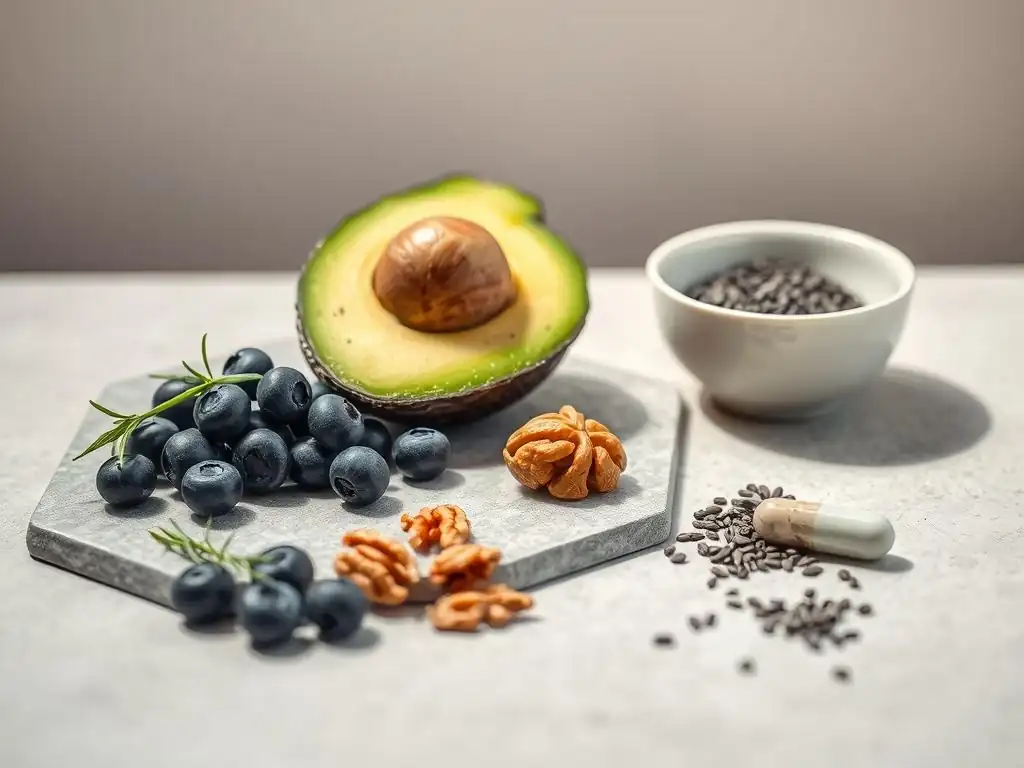
The Power of a Nutrient-Dense Diet for Mental Well-being
Shifting the focus from isolated nutrients to nutrient-dense whole foods offers a powerful and sustainable strategy for supporting mental well-being and reducing anxiety. Whole foods provide a complex array of vitamins, minerals, fiber, antioxidants, and phytonutrients that work together synergistically to nourish the brain and body. This holistic approach addresses multiple biological pathways involved in stress response and mood regulation, offering a more comprehensive solution than targeting single nutrients.
A diet centered around whole foods helps stabilize blood sugar levels, reducing the energy crashes and mood swings that can exacerbate anxiety. It also provides the necessary substrates for neurotransmitter synthesis and supports the health of the gut microbiome, which, as we've discussed, is intimately linked to brain function and emotional health. Prioritizing whole foods builds a strong nutritional foundation that can help the body better cope with stress and build resilience against anxiety.
Key Nutrients in Whole Foods that Combat Anxiety
Whole foods are rich in numerous nutrients known to play a role in mental health. B vitamins (like B6, B12, and folate) found abundantly in leafy greens, legumes, and whole grains, are essential for neurotransmitter production and nerve function. Magnesium, present in nuts, seeds, spinach, and dark chocolate, helps regulate the stress response system. Zinc, found in seeds, nuts, and legumes, is involved in neurotransmitter function and has been linked to mood regulation.
Omega-3 fatty acids, particularly EPA and DHA from fatty fish, are crucial for brain cell structure and reducing inflammation. Antioxidants like Vitamins C and E, and various phytonutrients found in colorful fruits and vegetables, protect brain cells from oxidative stress. These nutrients don't work in isolation; they interact and support each other within the body, a benefit that is often lost when relying solely on supplements. For example, Vitamin C aids in the absorption of iron, while certain B vitamins work together in metabolic pathways.
The Gut-Brain Connection: How Whole Foods Support a Healthy Gut Microbiome
The health of our gut microbiome has a profound impact on our mental state through the gut-brain axis. Trillions of bacteria in our intestines produce various compounds, including short-chain fatty acids (SCFAs) like butyrate, which nourish gut cells and can influence brain function and reduce inflammation. They also produce or modulate neurotransmitters like serotonin and GABA.
A diet rich in diverse plant fibers from fruits, vegetables, legumes, and whole grains acts as prebiotics, feeding beneficial gut bacteria and promoting a diverse and healthy microbiome. Fermented foods like yogurt (with live cultures), kefir, sauerkraut, and kimchi introduce probiotics (beneficial bacteria) directly into the gut. By nourishing a healthy gut through whole foods, we can improve nutrient absorption, reduce systemic inflammation, and positively influence the production of mood-regulating compounds, offering a fundamental advantage of whole foods vs supplements for anxiety relief.
Anti-Inflammatory Foods and Their Impact on Anxiety Symptoms
Chronic low-grade inflammation in the body and brain has been increasingly implicated in the development and exacerbation of mood disorders, including anxiety. Pro-inflammatory diets, typically high in refined sugars, unhealthy fats (trans fats, excess omega-6s), and processed foods, can contribute to this inflammation.
Conversely, a diet rich in anti-inflammatory whole foods can help counteract this process. Foods high in antioxidants (berries, leafy greens, nuts), omega-3 fatty acids (fatty fish, flaxseeds, walnuts), and certain spices (turmeric, ginger) can help reduce systemic inflammation. For example, curcumin in turmeric is a potent anti-inflammatory compound. By reducing inflammation through diet, individuals may experience a reduction in anxiety symptoms, as inflammation can affect neurotransmitter pathways and stress hormone regulation. This highlights the comprehensive benefits of a whole-foods approach when considering supplements vs whole foods anxiety management.
Best Whole Foods to Incorporate Into Your Diet for Anxiety Relief
Building a diet focused on whole foods for anxiety involves prioritizing specific categories known for their beneficial nutrient profiles. While variety is key, certain foods stand out for their concentration of anxiety-fighting nutrients. Incorporating these regularly can make a significant difference in supporting mental well-being.
- Leafy Green Vegetables (Spinach, Kale, Swiss Chard): Rich in magnesium, folate, and B vitamins.
- Berries (Blueberries, Strawberries, Raspberries): High in antioxidants and Vitamin C.
- Fatty Fish (Salmon, Mackerel, Sardines): Excellent source of EPA and DHA omega-3 fatty acids.
- Nuts and Seeds (Walnuts, Almonds, Chia Seeds, Pumpkin Seeds): Provide magnesium, zinc, selenium, and omega-3s (ALA).
- Fermented Foods (Yogurt with live cultures, Kefir, Sauerkraut): Support gut health and provide probiotics.
- Whole Grains (Oats, Quinoa, Brown Rice): Provide complex carbohydrates for stable energy and B vitamins.
- Legumes (Lentils, Beans, Chickpeas): Good source of B vitamins, magnesium, and fiber.
Leafy Green Vegetables: Rich in Magnesium and Folate
Leafy green vegetables like spinach, kale, and Swiss chard are nutritional powerhouses, particularly when it comes to nutrients relevant to anxiety. They are excellent sources of magnesium; a cup of cooked spinach, for instance, contains roughly 157mg of magnesium, which is about 39% of the daily recommended intake for an adult woman. Magnesium plays a crucial role in regulating the body's stress response system.
Furthermore, these greens are packed with folate (Vitamin B9), a B vitamin essential for the synthesis of neurotransmitters like serotonin, dopamine, and norepinephrine, all of which are involved in mood regulation. Low levels of folate have been associated with an increased risk of depression and anxiety. Incorporating a daily serving of leafy greens, whether in salads, smoothies, or cooked dishes, provides a significant dietary boost of these vital nutrients, offering a clear advantage of whole foods vs supplements for anxiety by delivering multiple beneficial compounds together.
Berries: Antioxidant Powerhouses for Brain Health
Berries like blueberries, strawberries, raspberries, and blackberries are not only delicious but also incredibly beneficial for brain health due to their high antioxidant content. Antioxidants, such as anthocyanins which give berries their vibrant colors, help protect brain cells from damage caused by oxidative stress, a process linked to inflammation and potentially anxiety.
Studies have shown that diets high in antioxidants can improve cognitive function and mood. For example, research has indicated that consuming berries may help reduce symptoms of stress. A single cup of strawberries provides well over 100% of the daily recommended intake for Vitamin C, another powerful antioxidant that also plays a role in the synthesis of neurotransmitters. Their natural sweetness also makes them a healthier alternative to processed sugary snacks that can negatively impact mood and energy levels.
Fatty Fish: Excellent Source of Omega-3 Fatty Acids
Fatty fish such as salmon, mackerel, sardines, and anchovies are among the best dietary sources of the long-chain omega-3 fatty acids EPA and DHA. These fats are critical components of brain cell membranes and are involved in regulating inflammation and neurotransmitter function. Numerous studies have explored the link between omega-3 intake and mental health.
Consuming fatty fish regularly has been associated with a lower risk of depression and may also help reduce anxiety symptoms. For instance, incorporating fatty fish into the diet two to three times per week can significantly increase omega-3 levels. A 3-ounce serving of salmon can contain over 1,000mg of combined EPA and DHA. While omega-3 supplements are popular, obtaining these fats from fish also provides other valuable nutrients like Vitamin D, selenium, and protein, further supporting overall health and brain function in a way supplements cannot replicate.
Nuts and Seeds: Providing Essential Minerals and Healthy Fats
Nuts and seeds are small but mighty sources of nutrients beneficial for anxiety. They are particularly rich in magnesium, zinc, and selenium – minerals that play roles in stress response and mood. For example, pumpkin seeds are an excellent source of zinc, providing about 2.2mg per ounce (roughly 20% of the daily recommended intake for women). Almonds and cashews are good sources of magnesium.
Certain nuts and seeds, like walnuts, chia seeds, and flaxseeds, are also good sources of alpha-linolenic acid (ALA), a plant-based omega-3 fatty acid that the body can partially convert into EPA and DHA. While the conversion rate is relatively low compared to getting EPA/DHA directly from fish, including these in the diet contributes to overall omega-3 intake and provides healthy monounsaturated and polyunsaturated fats, fiber, and protein, all of which support stable energy and overall well-being.
Fermented Foods: Promoting Gut Health and Reducing Anxiety
Fermented foods are made through a process involving beneficial bacteria or yeasts, and they are a fantastic way to support a healthy gut microbiome. Examples include yogurt with live and active cultures, kefir, sauerkraut, kimchi, and kombucha. These foods introduce probiotics – beneficial microorganisms – into the digestive system.
A growing body of research is exploring the "psychobiotic" effects of probiotics, suggesting that they may influence mood and anxiety by modulating the gut-brain axis. For instance, some studies have shown that regular consumption of fermented foods or probiotics can improve mood and reduce stress markers. By enhancing the diversity and health of gut bacteria, fermented foods contribute to better nutrient absorption, reduced inflammation, and potentially improved neurotransmitter balance, offering a powerful dietary tool in the fight against anxiety, underscoring the multifaceted benefits of whole foods vs supplements for anxiety.
Supplements vs. Whole Foods for Anxiety: A Direct Comparison
When directly comparing supplements vs whole foods for anxiety management, several key differences emerge. While supplements offer convenience and targeted delivery of specific nutrients, whole foods provide a complete package of synergistic compounds, fiber, and beneficial microorganisms that work together to support overall health and mental well-being. The debate isn't necessarily about never using supplements, but about understanding their role relative to a foundational diet.
Supplements can be useful for addressing diagnosed deficiencies or providing targeted support when dietary intake is insufficient. However, they lack the complexity and balance found in food. Whole foods offer sustainable, long-term benefits that go beyond just nutrient delivery; they promote healthy eating habits, support a diverse gut microbiome, and provide a broader spectrum of protective compounds that are difficult or impossible to replicate in pill form.
Nutrient Synergy: Why Whole Foods Offer a More Complete Solution
One of the most compelling arguments for prioritizing whole foods over supplements for anxiety is the principle of nutrient synergy. In nature, nutrients in food exist within a complex matrix alongside other vitamins, minerals, fiber, antioxidants, and various phytonutrients. These components interact in ways that can enhance absorption, improve utilization, and provide broader health benefits than isolated compounds.
For example, Vitamin E, found in nuts and seeds, is a fat-soluble antioxidant that works synergistically with other antioxidants like Vitamin C (found in berries and leafy greens) to protect cells from damage. Fiber in whole grains and vegetables not only supports gut health but also helps regulate blood sugar, which impacts mood.
When you take a magnesium supplement, you get magnesium, but when you eat a handful of almonds, you get magnesium along with Vitamin E, fiber, healthy fats, and other beneficial compounds that contribute to overall well-being and stress resilience. This integrated delivery system is a major advantage of whole foods vs supplements for anxiety relief.
Long-Term Sustainability: Building Healthy Eating Habits vs. Relying on Pills
Managing anxiety is often a long-term journey, and sustainable strategies are crucial. Building healthy eating habits centered around whole foods is a lifestyle change that can provide consistent nutritional support over time. Learning to plan meals, cook with fresh ingredients, and make mindful food choices creates a foundation for lasting health improvements, including better mental health.
Relying primarily on supplements, while seemingly easier in the short term, doesn't address the underlying dietary patterns that might be contributing to nutrient deficiencies or imbalances in the first place. It can feel like a quick fix rather than a sustainable solution. Furthermore, the cost of purchasing multiple supplements can add up over time, whereas incorporating nutrient-dense whole foods can be a more cost-effective approach to obtaining a wide range of essential nutrients. Focusing on whole foods encourages a positive relationship with food and empowers individuals to take active control of their health through daily choices.
Cost-Effectiveness: Comparing the Price of Supplements and Whole Food Diets
When comparing supplements vs whole foods for anxiety relief from a financial perspective, whole foods often prove to be more cost-effective in the long run, especially when considering the breadth of nutrients they provide. Purchasing multiple high-quality supplements – such as magnesium, Vitamin D, omega-3s, and a B-complex – can easily amount to a significant monthly expense, potentially $50-$100 or even more, depending on brands and dosages.
While organic produce or certain specialty items can be pricey, a balanced diet rich in staples like beans, lentils, oats, seasonal vegetables, and frozen fruits can provide a wide spectrum of nutrients for a lower overall cost than a comprehensive supplement regimen. For example, a pound of dried lentils costs significantly less than a month's supply of a multivitamin and mineral supplement, yet provides protein, fiber, iron, folate, and magnesium. Investing in whole foods nourishes the body comprehensively, often yielding better value for money compared to purchasing isolated nutrients in supplement form.
The Importance of a Holistic Approach: Addressing the Root Causes of Anxiety
Ultimately, effectively managing anxiety requires a holistic approach that addresses the various interconnected factors contributing to the condition. While diet plays a significant role, anxiety can also be influenced by genetics, environmental stressors, sleep patterns, physical activity levels, and psychological factors. Neither supplements nor whole foods alone are a magic bullet for anxiety relief.
A holistic strategy recognizes that nutrition is a foundational pillar, but it must be integrated with other healthy lifestyle choices. This might include regular exercise, stress reduction techniques like mindfulness or meditation, ensuring adequate and restorative sleep, and seeking professional support through therapy or counseling. Focusing solely on supplements misses the opportunity to address the root causes of anxiety related to lifestyle and environment, underscoring the value of a comprehensive approach that prioritizes building health from the ground up with whole foods as a cornerstone.
Creating a Holistic Anxiety Management Plan: Integrating Food and Lifestyle

Building a plan to manage anxiety effectively involves strategically integrating dietary choices with other lifestyle factors. While whole foods form the essential foundation, there may be instances where targeted supplementation can play a supportive role. The goal is to create a personalized approach that nourishes the body, supports brain health, and builds resilience against stress and anxiety.
This involves not just knowing which foods to eat but also understanding how to incorporate them consistently, recognizing when additional support might be necessary, and integrating other proven anxiety-reducing strategies. A well-rounded plan acknowledges the interplay between diet, physical activity, sleep, and mental coping mechanisms.
Combining Whole Foods and Supplements Strategically
For some individuals, a strategic combination of a whole-foods-based diet and targeted supplementation may be the most effective approach to managing anxiety. This isn't about replacing food with pills but using supplements to fill specific gaps or provide temporary support under certain circumstances. This integrated approach recognizes the strengths of both methods.
For example, while dietary sources of Vitamin D are limited, a supplement might be necessary for individuals with low sun exposure or diagnosed deficiency, especially in winter months. Similarly, someone following a strict vegan diet might need a reliable source of Vitamin B12, which is not readily available in plant foods, or may consider an algal-based omega-3 supplement. The key is that supplements are used in addition to, not instead of, a nutrient-dense diet, and ideally based on individual needs and professional guidance.
Identifying Potential Nutrient Deficiencies Through Testing
Before considering supplementation, particularly for minerals or fat-soluble vitamins, it can be beneficial to identify potential nutrient deficiencies through blood testing. A healthcare provider can order tests to check levels of Vitamin D, Vitamin B12, magnesium (though serum magnesium isn't always the best indicator of tissue levels), or omega-3 index.
Identifying a confirmed deficiency provides a clear rationale for targeted supplementation and helps determine the appropriate dosage. For example, if a blood test reveals a Vitamin D level significantly below the optimal range (e.g., below 20 ng/mL), supplementation is medically indicated and may contribute to improving mood and overall health. Without testing, supplementation can be speculative and may not be necessary or effective, reinforcing the idea that supplements are best used to correct identified issues rather than as a general substitute for a healthy diet.
Consulting with a Healthcare Professional or Registered Dietitian
Given the complexity of anxiety and the potential interactions between supplements, medications, and individual health conditions, consulting with a healthcare professional or a registered dietitian (RD) is highly recommended when developing a nutritional strategy for anxiety. A doctor can rule out underlying medical conditions contributing to anxiety and advise on potential medication interactions.
A registered dietitian specializing in mental health or integrative nutrition can provide personalized dietary recommendations, help identify potential nutrient gaps in your current diet, and advise on whether specific supplements might be beneficial based on your individual needs, dietary habits, and any test results. They can help create a realistic and sustainable whole-foods-based meal plan and guide you on the appropriate use and sourcing of supplements if needed.
Supplementing During Times of High Stress or Dietary Restriction
There might be specific periods when targeted supplementation could offer additional support alongside a healthy diet. Times of acute, high stress might temporarily deplete certain nutrients, or increased demands on the body's stress response system could benefit from extra support. For instance, some individuals find magnesium or L-theanine helpful during particularly stressful periods, though this should be discussed with a professional.
Similarly, individuals following restrictive diets (due to allergies, preferences, or medical reasons) might struggle to obtain sufficient amounts of certain nutrients from food alone. In these cases, a well-chosen supplement can prevent deficiencies. For example, someone with celiac disease following a strict gluten-free diet might need to pay extra attention to B vitamin intake or consider a supplement if their diet isn't adequately fortified or diverse. However, even in these scenarios, the primary focus should remain on maximizing nutrient intake from the widest variety of whole foods possible within the dietary restrictions.
Beyond Diet: Additional Lifestyle Factors for Anxiety Reduction
While nutrition is a powerful tool, it is only one component of a comprehensive anxiety management plan. Integrating other healthy lifestyle factors is crucial for building resilience and reducing anxiety symptoms effectively. These factors work synergistically with dietary changes to support overall mental and physical health.
Prioritizing regular physical activity, practicing stress management techniques, and ensuring sufficient, quality sleep are all evidence-based strategies that can significantly impact anxiety levels. Addressing all these areas creates a robust framework for managing anxiety, going beyond just supplements vs whole foods for anxiety and embracing a truly holistic approach.
The Role of Exercise in Managing Anxiety
Regular physical exercise is a well-established and highly effective strategy for reducing anxiety. Physical activity releases endorphins, natural mood elevators, and can help reduce levels of stress hormones like cortisol. Engaging in exercise also provides a healthy distraction from worries and can improve sleep quality, which in turn benefits mood and anxiety.
Aiming for at least 150 minutes of moderate-intensity aerobic exercise or 75 minutes of vigorous-intensity exercise per week, combined with muscle-strengthening activities twice a week, is generally recommended. Even shorter bursts of activity can be beneficial. Finding an activity you enjoy, whether it's brisk walking, running, swimming, dancing, or yoga, makes it more sustainable. Exercise provides a tangible way to work through stress and improve overall mental resilience.
Stress Management Techniques: Mindfulness and Meditation
Chronic stress is a major contributor to anxiety. Incorporating regular stress management techniques into your routine can help regulate the nervous system and reduce the frequency and intensity of anxious feelings. Practices such as mindfulness meditation, deep breathing exercises, progressive muscle relaxation, and yoga are well-documented for their anxiety-reducing effects.
Mindfulness, for example, involves paying attention to the present moment without judgment, which can help interrupt cycles of anxious rumination. Even just a few minutes of focused deep breathing can activate the body's relaxation response. Finding a stress management technique that resonates with you and practicing it consistently can significantly enhance your ability to cope with daily stressors and reduce overall anxiety levels, complementing the benefits gained from focusing on supplements vs whole foods anxiety strategies.
The Importance of Sleep Hygiene for Mental Well-being
Adequate and restorative sleep is fundamental for both physical and mental health. Chronic sleep deprivation or poor sleep quality can exacerbate anxiety symptoms, increase irritability, and impair cognitive function. During sleep, the brain consolidates memories and processes emotions, which is crucial for emotional regulation.
Establishing good sleep hygiene habits can significantly improve sleep quality. This includes maintaining a consistent sleep schedule, creating a relaxing bedtime routine, ensuring your bedroom is dark, quiet, and cool, avoiding caffeine and alcohol before bed, and limiting screen time close to sleep. Aiming for 7-9 hours of quality sleep per night can have a profound positive impact on anxiety levels and overall well-being, working in concert with dietary strategies to support mental health.
Conclusion: Prioritizing Whole Foods for Long-Term Anxiety Relief
In the journey towards managing anxiety, nutrition emerges as a powerful ally. While the allure of quick fixes through supplements can be tempting, the evidence strongly supports prioritizing a diet rich in whole, unprocessed foods as the most effective and sustainable approach for long-term anxiety relief. Whole foods provide a complex array of nutrients, fiber, and beneficial compounds that work synergistically to nourish the brain, support a healthy gut, reduce inflammation, and stabilize mood in ways that isolated supplements often cannot replicate.
Focusing on whole foods builds a strong nutritional foundation, addresses potential deficiencies indirectly through a varied intake, and promotes healthy eating habits that benefit overall physical and mental health. This approach acknowledges the interconnectedness of the body's systems and provides comprehensive support for the complex challenge of anxiety.
Emphasizing the Benefits of a Food-First Approach
Adopting a food-first approach means viewing nutrient-dense whole foods as the primary source of vitamins, minerals, and other beneficial compounds needed for mental well-being. This strategy leverages the inherent synergy of nutrients found in food and supports the health of the gut microbiome, which is intimately linked to brain function and mood. For example, obtaining magnesium from spinach comes packaged with folate, Vitamin K, and fiber, offering broader benefits than a magnesium supplement alone.
A food-first approach is also more sustainable and less prone to the risks associated with unregulated supplements, such as inconsistent quality or potential interactions. It encourages a positive relationship with food and empowers individuals to make conscious choices that nourish their bodies and minds daily. While supplements can have a role in addressing diagnosed deficiencies or providing targeted support, they are best viewed as complementary tools rather than primary solutions when considering supplements vs whole foods for anxiety.
Encouraging Sustainable Dietary Changes for Improved Mental Health
Lasting improvement in anxiety symptoms through diet comes from making sustainable changes rather than temporary fixes. This involves gradually incorporating more whole foods into your meals, experimenting with new recipes, and finding ways to make healthy eating enjoyable and convenient. Small, consistent changes, such as adding a handful of berries to your breakfast or swapping processed snacks for nuts and seeds, can build up over time.
Focusing on progress over perfection is key. There will be days when maintaining a perfect diet is challenging, and that's okay. The goal is to establish a pattern of eating that consistently supports your mental and physical health most of the time. Sustainable dietary changes create a foundation of nutritional resilience that can help buffer the effects of stress and contribute to long-term anxiety reduction.
Seeking Professional Guidance for Personalized Anxiety Management
Navigating the complexities of anxiety and nutrition is best done with professional support. A healthcare provider or a registered dietitian can offer personalized guidance based on your specific health needs, dietary habits, and any existing medical conditions or medications. They can help assess your nutritional status, recommend appropriate dietary changes, and advise on the judicious use of supplements if necessary.
Combining expert nutritional advice with other evidence-based anxiety management strategies, such as therapy, exercise, and stress reduction techniques, creates the most comprehensive and effective plan for finding relief. While understanding the debate around supplements vs whole foods for anxiety is important, implementing a personalized, holistic strategy that prioritizes nourishing the body with whole foods and integrating healthy lifestyle habits is the most promising path towards achieving long-term mental well-being.
Frequently Asked Questions
What is the main argument of the article regarding anxiety management?
The article argues that while supplements may offer some benefit, whole foods are generally a superior approach for managing anxiety due to their nutrient density and synergistic effects.
Why are whole foods considered better than supplements for anxiety?
Whole foods provide a broader spectrum of nutrients that work together to support brain health. Supplements often isolate single nutrients, which may not be as effective in addressing the complexities of anxiety.
Does the article suggest that supplements are completely useless for anxiety?
No, the article doesn't completely dismiss supplements. It acknowledges they may have a role, but emphasizes that they should be seen as complementary to a diet rich in whole foods, not a replacement.
What kind of whole foods are recommended for reducing anxiety symptoms?
The article likely recommends foods rich in omega-3 fatty acids, magnesium, and B vitamins, such as leafy greens, fruits, vegetables, nuts, and fatty fish.
How can I transition from relying on supplements to incorporating more whole foods into my diet for anxiety?
Start by making small, gradual changes like adding a serving of vegetables to each meal or swapping processed snacks for fruits and nuts. Focus on sustainable dietary habits rather than quick fixes.
Final Reflection: The Holistic Path to Anxiety Relief
The pursuit of anxiety relief often leads down a path of quick fixes, but true, lasting calm comes not from a pill bottle, but from a plate of vibrant, whole foods. This article explored the limitations of supplements in addressing anxiety and highlighted the profound impact of nutrient-rich whole foods on mental well-being. While supplements can play a supporting role, they cannot replace the complex interplay of vitamins, minerals, and phytonutrients found naturally in whole foods.
The ongoing societal obsession with quick fixes, particularly in the realm of mental health, is deeply concerning. We are bombarded with promises of instant solutions, often overlooking the fundamental truth that our bodies are intricately connected to what we consume. This disconnect has led to a culture of dependence on supplements, often neglecting the power of a balanced diet. The food you eat can be either the safest and most powerful form of medicine or the slowest form of poison.
- Ann Wigmore. This quote underscores the critical role of nutrition in our overall health, including mental wellness. The influence of this perspective is slowly shifting, with more people recognizing the importance of a holistic approach.
Now, consider your own relationship with food and anxiety. Are you prioritizing whole, unprocessed foods? Are you listening to your body's cues and nourishing it with the nutrients it needs to thrive? This isn't about perfection; it's about making conscious choices to support your mental and physical well-being.
Take a moment to reflect on your diet and identify areas where you can incorporate more whole foods. Start small, perhaps by adding a serving of leafy greens to your lunch or swapping processed snacks for fruits and vegetables. The journey to a calmer, more resilient you begins with one mindful bite at a time.
Unlock Your Calm: Nourish Your Mind Naturally
Thanks for taking the time to explore the powerful connection between whole foods and anxiety relief! You've learned how nourishing your body with nature's best can make a real difference in your well-being. Now, let's put that knowledge into action.
- Prioritize one new whole food this week: Start small! Add a handful of berries to your breakfast, swap your afternoon snack for some nuts and seeds, or try a new leafy green in your dinner. Small changes lead to big results.
- Share your experience: Let's build a community of support! Share your favorite anxiety-fighting whole foods in the comments below – inspiring others with your journey.
- Explore mindful eating practices: Pay attention to the textures, smells, and tastes of your food. This simple act can deepen your connection to your meals and enhance your enjoyment.
What small step will you take today to nourish your mind and body towards lasting calm?