
The AnxietyFighting Kitchen: Essential Foods & Nutrients.

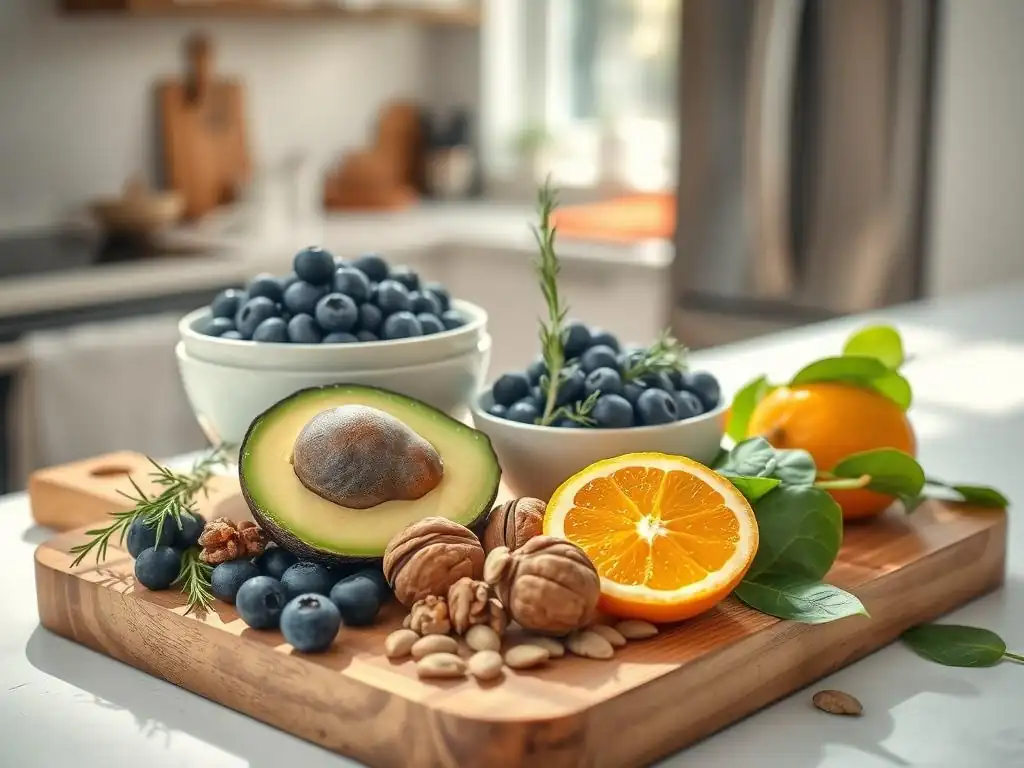
Welcome to Mind Care Guide, your sanctuary for navigating the complexities of mental well-being. Feeling overwhelmed by anxiety? You're not alone. Discover how simple changes in your diet can make a world of difference. Our article, "The AnxietyFighting Kitchen," delves into essential foods that reduce anxiety symptoms, offering a practical and empowering path towards a calmer, more balanced you. Intrigued? Let's explore the power of mindful eating together...
The Anxiety-Fighting Kitchen: Essential Foods & Nutrients for Calm
- Introduction: Diet and Anxiety - Unlocking Natural Relief
- Key Nutrients That Combat Anxiety Symptoms
- Top Foods to Reduce Anxiety Symptoms Naturally
- Foods to Avoid: Triggering Anxiety and Worsening Symptoms
- Creating Your Anxiety-Fighting Meal Plan: A Practical Guide
- Beyond Food: Lifestyle Factors for Anxiety Relief
- Conclusion: Embracing a Nutrient-Rich Diet for a Calmer Mind
-
Frequently Asked Questions
- What are the best foods to eat to reduce anxiety symptoms?
- How do foods reduce anxiety symptoms?
- Are there any specific nutrients I should focus on when managing anxiety through diet?
- Can simply changing my diet completely eliminate my anxiety?
- How quickly can I expect to see results after incorporating anxiety-reducing foods into my diet?
- Final Reflection: Nourishing the Mind, One Bite at a Time
- Nourish Your Calm: Take Charge of Your Anxiety Today!
Introduction: Diet and Anxiety - Unlocking Natural Relief
The Powerful Connection Between Food and Anxiety Management
Our mental state is intricately linked to our physical health, and the food we consume plays a significant role in this complex relationship. While diet isn't a standalone cure for anxiety, research increasingly shows that specific foods and nutritional patterns can profoundly impact mood, stress levels, and the severity of anxiety symptoms. The gut-brain axis, a bidirectional communication pathway between the digestive system and the central nervous system, is a key player; the health of our gut microbiome, heavily influenced by diet, directly affects neurotransmitter production and inflammatory responses that can influence anxiety.
Moreover, deficiencies in certain essential nutrients can exacerbate anxiety symptoms. Fluctuations in blood sugar caused by processed foods and simple sugars can also trigger stress responses in the body, leading to feelings of nervousness or panic. By focusing on nutrient-dense foods that stabilize blood sugar, reduce inflammation, and support healthy brain function, individuals can build a dietary foundation that helps mitigate anxiety and promotes a sense of calm. Understanding which foods reduce anxiety symptoms is a vital step in a holistic approach to mental well-being.
Mind Care Guide's Approach to Nutritional Anxiety Relief
At Mind Care Guide, we believe in empowering individuals with practical, evidence-based strategies to support their mental health journey. Our approach to nutritional anxiety relief centers on identifying key nutrients and whole foods that have demonstrated potential in calming the nervous system and stabilizing mood. We aim to provide clear, actionable information on how dietary choices can complement other anxiety management techniques, such as therapy or mindfulness.
This guide will delve into the science behind how specific nutrients work in the body to influence anxiety, highlight the best food sources for these nutrients, and offer practical tips for incorporating anxiety-fighting foods into your daily life. We emphasize creating sustainable, enjoyable dietary habits rather than restrictive diets, focusing on nourishing your body and mind. By exploring foods reduce anxiety symptoms, we hope to offer a tangible way for readers to take proactive steps towards greater peace and resilience.
Key Nutrients That Combat Anxiety Symptoms
Magnesium: The Relaxation Mineral and its Role in Calming Nerves
Magnesium is an essential mineral involved in over 300 biochemical reactions in the body, many of which are critical for neurological function and stress response. It plays a key role in regulating neurotransmitters, including GABA (gamma-aminobutyric acid), which is the brain's primary inhibitory neurotransmitter responsible for calming nerve activity. Adequate magnesium levels can help activate GABA receptors, promoting relaxation and reducing feelings of anxiety and panic.
Furthermore, magnesium is vital for regulating the body's stress response system, particularly the hypothalamic-pituitary-adrenal (HPA) axis. Chronic stress can deplete magnesium levels, creating a vicious cycle where low magnesium increases vulnerability to stress and anxiety. Ensuring sufficient intake of this mineral through diet can help buffer the effects of stress, support healthy sleep patterns, and contribute significantly to reducing overall anxiety levels.
Best Food Sources of Magnesium for Anxiety Reduction
- Dark leafy greens (spinach, kale, Swiss chard)
- Nuts (almonds, cashews, Brazil nuts)
- Seeds (pumpkin seeds, chia seeds, flax seeds)
- Legumes (black beans, edamame, lentils)
- Whole grains (brown rice, quinoa, oats)
- Dark chocolate (with high cocoa content)
- Avocado
Vitamin B Complex: Fueling Your Brain for Mental Wellbeing
The B vitamins are a group of water-soluble vitamins crucial for converting food into energy, supporting nerve function, and producing neurotransmitters. Deficiencies in several B vitamins, including B1 (thiamine), B3 (niacin), B6 (pyridoxine), B9 (folate), and B12 (cobalamin), have been linked to increased risk of anxiety, depression, and fatigue. These vitamins work synergistically to maintain a healthy nervous system and support optimal brain function.
Specifically, Vitamin B6 is essential for the synthesis of neurotransmitters like serotonin, dopamine, and GABA, all of which play a significant role in mood regulation and anxiety. Folate and B12 are necessary for methylation, a process involved in the synthesis of neurotransmitters and the regulation of homocysteine levels; elevated homocysteine has been associated with increased anxiety and other mental health issues. Ensuring adequate intake of the entire B complex through foods reduce anxiety symptoms by providing the necessary building blocks for a stable mood and healthy stress response.
How B Vitamins Help Reduce Anxiety Symptoms
B vitamins act as coenzymes in numerous metabolic pathways vital for brain health. For instance, they are directly involved in energy production within brain cells, ensuring they have the fuel needed to function optimally. They also play a critical role in the synthesis and metabolism of neurotransmitters that regulate mood, sleep, and stress response.
By supporting healthy nerve function and neurotransmitter balance, B vitamins can help dampen the physiological responses associated with anxiety, such as restlessness, irritability, and difficulty concentrating. A diet rich in B vitamins provides the brain with the necessary support to cope with stress more effectively and maintain a more stable emotional state, contributing to the overall goal of finding foods reduce anxiety symptoms.
Incorporating B-Vitamin Rich Foods into Your Diet
- Whole grains (oats, brown rice, whole wheat)
- Leafy greens (spinach, broccoli)
- Legumes (lentils, chickpeas)
- Eggs
- Dairy products (milk, yogurt - particularly B12)
- Meat and poultry (especially liver - rich in many B vitamins)
- Fish (salmon, tuna)
- Nutritional yeast
Omega-3 Fatty Acids: Boosting Mood and Reducing Inflammation
Omega-3 fatty acids, particularly EPA (eicosapentaenoic acid) and DHA (docosahexaenoic acid), are polyunsaturated fats that are fundamental building blocks of brain cell membranes. They play a crucial role in cell signaling and communication within the brain. Beyond their structural role, omega-3s have powerful anti-inflammatory properties, which are increasingly recognized as important in the context of mental health.
Research suggests that adequate intake of omega-3s is associated with lower rates of anxiety and depression. EPA, in particular, has been studied for its potential mood-boosting effects. These healthy fats influence neurotransmitter pathways and may help regulate the stress hormone cortisol. Including foods rich in omega-3s is a key strategy when considering foods reduce anxiety symptoms.
Anxiety and Inflammation: The Connection
Chronic low-grade inflammation in the body has been linked to various mental health conditions, including anxiety and depression. Inflammatory processes can affect brain function by disrupting neurotransmitter pathways, damaging brain cells, and altering the gut-brain axis. Studies have shown that individuals with anxiety disorders often exhibit higher levels of inflammatory markers in their blood.
Omega-3 fatty acids, especially EPA, can help counteract this inflammation. They do this by reducing the production of inflammatory molecules and promoting the synthesis of anti-inflammatory compounds. By helping to calm systemic inflammation, omega-3s may contribute to a more stable brain environment, potentially easing anxiety symptoms and supporting overall mental resilience.
Top Food Sources of Omega-3s for Anxiety Relief
- Fatty fish (salmon, mackerel, sardines, herring, anchovies)
- Chia seeds
- Flax seeds
- Walnuts
- Soybeans and tofu
- Hemp seeds
Zinc: Supporting Neurotransmitter Function and Mood Stability
Zinc is a trace mineral essential for numerous enzymatic processes in the body, including those involved in nerve signaling and brain function. It plays a critical role in the synthesis, storage, and release of neurotransmitters like glutamate and GABA, which are important for regulating excitability and calmness in the brain. Zinc is also found in high concentrations in areas of the brain involved in processing emotions, such as the hippocampus and amygdala.
Furthermore, zinc is necessary for the proper function of the immune system and has antioxidant properties, helping to protect brain cells from damage. Studies have linked zinc deficiency to increased anxiety-like behaviors in animal models and observational studies in humans have found lower zinc levels in individuals with anxiety disorders. Ensuring adequate zinc intake is therefore an important consideration for supporting mental well-being and exploring foods reduce anxiety symptoms.
Why Zinc Deficiency Can Worsen Anxiety
A deficiency in zinc can disrupt the delicate balance of neurotransmitters in the brain. For example, it can impair the function of GABA receptors, making the brain more prone to overstimulation and feelings of anxiety. Zinc is also involved in the metabolism of tryptophan, an amino acid precursor to serotonin, a neurotransmitter crucial for mood regulation.
Low zinc levels can also affect the body's stress response and potentially increase inflammation, both of which can exacerbate anxiety symptoms. Because zinc is not stored in large amounts in the body, a consistent dietary intake is necessary to maintain adequate levels and support healthy brain function, making zinc-rich foods important additions to an anxiety-fighting diet.
Zinc-Rich Foods to Add to Your Anxiety-Fighting Kitchen
- Oysters (exceptionally high in zinc)
- Meat (beef, lamb, pork)
- Poultry (chicken, turkey)
- Legumes (lentils, chickpeas, beans)
- Seeds (pumpkin seeds, sesame seeds)
- Nuts (cashews, almonds)
- Dairy products (cheese, milk)
- Eggs
- Whole grains
Vitamin D: Sunlight, Food, and Mental Health
Often referred to as the "sunshine vitamin," Vitamin D is unique because our skin can produce it when exposed to sunlight. However, dietary sources and supplements are often necessary, especially in regions with limited sun exposure. Vitamin D receptors are found in many areas of the brain, including those associated with mood regulation, such as the hypothalamus.
Research indicates a strong correlation between Vitamin D deficiency and increased risk of mood disorders, including anxiety and depression. While the exact mechanisms are still being studied, Vitamin D is thought to influence neurotransmitter activity, reduce inflammation, and protect brain cells. Maintaining adequate Vitamin D levels is increasingly recognized as a contributing factor to overall mental well-being.
Vitamin D Deficiency and Anxiety: What the Research Says
Multiple studies have observed a link between low serum levels of Vitamin D and higher prevalence or severity of anxiety symptoms. For example, a study involving adults found that those with lower Vitamin D levels were significantly more likely to experience anxiety. While correlation doesn't prove causation, the presence of Vitamin D receptors in brain regions involved in anxiety suggests a functional role.
Vitamin D may influence mood by affecting serotonin production and release. It might also modulate the stress response and have neuroprotective effects. Addressing a Vitamin D deficiency through sun exposure (while being sun safe), diet, or supplementation, under medical guidance, could be a supportive strategy for individuals seeking ways to manage anxiety symptoms.
Delicious Sources of Vitamin D to Boost Your Mood
- Fatty fish (salmon, mackerel, sardines)
- Fortified foods (milk, orange juice, cereals, plant-based milk alternatives)
- Egg yolks
- Mushrooms (especially those exposed to UV light)
- Beef liver
- Cod liver oil (often used as a supplement)
Top Foods to Reduce Anxiety Symptoms Naturally
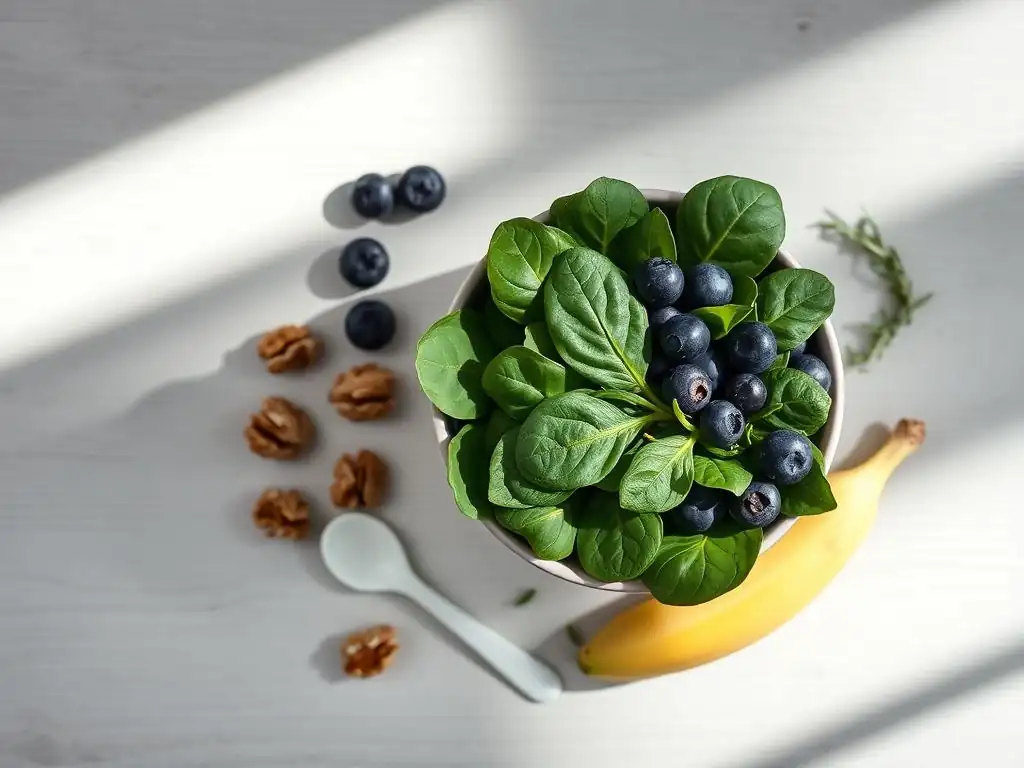
Leafy Greens: Packed with Anxiety-Busting Nutrients
Dark leafy greens like spinach, kale, and Swiss chard are nutritional powerhouses, offering a wide array of vitamins, minerals, and antioxidants beneficial for mental health. They are particularly rich in magnesium, which, as discussed, is vital for relaxation and nerve function. They also provide B vitamins, including folate, crucial for neurotransmitter synthesis and mood regulation.
Furthermore, leafy greens are excellent sources of antioxidants and fiber. Antioxidants help combat oxidative stress, which can negatively impact brain health, while fiber supports a healthy gut microbiome – a key component of the gut-brain axis. Regularly incorporating these greens into your diet provides a concentrated dose of nutrients that work synergistically to support a calmer mind and are prime examples of foods reduce anxiety symptoms.
Recipes Featuring Leafy Greens for Anxiety Relief
- Spinach and berry smoothie (combining magnesium, folate, and antioxidants)
- Kale salad with nuts and seeds (boosting magnesium, zinc, and healthy fats)
- Sautéed Swiss chard with garlic (simple side dish packed with nutrients)
- Adding spinach to soups, stews, or omelets
Berries: Antioxidant Powerhouses for Brain Health
Berries such as blueberries, strawberries, raspberries, and blackberries are celebrated for their high antioxidant content, particularly flavonoids. These compounds help protect brain cells from damage caused by free radicals, which can contribute to inflammation and cognitive decline. The vibrant colors of berries are often indicators of their rich antioxidant profiles.
Beyond antioxidants, berries also contain Vitamin C, another potent antioxidant that may play a role in stress reduction. Their natural sweetness makes them a healthier alternative to sugary snacks that can cause blood sugar spikes and subsequent crashes, which can worsen anxiety. Including a variety of berries in your diet is a delicious way to support brain health and contribute to finding foods reduce anxiety symptoms.
How Antioxidants Combat Anxiety
Antioxidants work by neutralizing unstable molecules called free radicals, which can cause cellular damage through a process called oxidative stress. The brain is particularly vulnerable to oxidative stress. Chronic oxidative stress can contribute to inflammation and disrupt the function of neurons and neurotransmitters, potentially exacerbating anxiety symptoms.
By scavenging free radicals, antioxidants help protect brain cells from this damage, supporting overall brain health and function. This protective effect can contribute to a more stable neurological environment, potentially reducing the physiological underpinnings of anxiety. Foods rich in antioxidants, like berries, are valuable allies in an anxiety-fighting diet.
Delicious Ways to Enjoy Berries for Anxiety Management
- Adding a handful to your morning oatmeal or yogurt
- Blending into smoothies
- Eating fresh as a snack
- Adding to salads
- Using in homemade healthy desserts
Nuts and Seeds: Healthy Fats and Minerals for Calm
Nuts and seeds are nutritional powerhouses, offering a blend of healthy fats, protein, fiber, vitamins, and minerals that are beneficial for mental health. Many varieties are excellent sources of magnesium, zinc, and selenium, minerals that play roles in mood regulation and stress response. Their healthy fats, including omega-3s in some varieties like walnuts and chia seeds, support brain structure and function.
The combination of healthy fats, protein, and fiber in nuts and seeds also helps stabilize blood sugar levels, preventing the dips and spikes that can trigger feelings of anxiety or irritability. Snacking on a handful of nuts or adding seeds to meals provides sustained energy and delivers key nutrients that support a calm and balanced mood, making them essential foods reduce anxiety symptoms.
Almonds and Pumpkin Seeds: Beneficial for Anxiety
Almonds are particularly noteworthy for their magnesium content, a mineral often deficient in individuals experiencing anxiety. A small serving can contribute significantly to your daily magnesium needs. They also provide Vitamin E, an antioxidant, and healthy fats.
Pumpkin seeds are outstanding sources of zinc, a mineral crucial for neurotransmitter health and mood stability. They also contain magnesium and tryptophan, an amino acid that the body converts into serotonin, a neurotransmitter associated with feelings of well-being. Incorporating both almonds and pumpkin seeds is a simple way to boost intake of key anxiety-fighting nutrients.
Snack Ideas with Nuts and Seeds for Anxiety Relief
- A handful of raw almonds or cashews
- Adding pumpkin seeds or chia seeds to yogurt or smoothies
- Making homemade trail mix with various nuts, seeds, and dried berries
- Spreading nut butter (almond or cashew) on whole-grain toast or apple slices
- Adding seeds to salads or sprinkle over cooked vegetables
Fermented Foods: Gut Health and Mental Wellbeing
Fermented foods like yogurt (with live and active cultures), kefir, sauerkraut, kimchi, and kombucha are rich in probiotics, beneficial bacteria that support a healthy gut microbiome. The gut and brain are in constant communication via the gut-brain axis, influencing everything from digestion to mood. A diverse and healthy gut microbiome is increasingly linked to reduced anxiety and improved mental health.
Probiotics in fermented foods can help improve gut barrier function, reduce inflammation, and even influence the production of neurotransmitters like serotonin, much of which is produced in the gut. By supporting a balanced gut environment, fermented foods can positively impact brain chemistry and function, offering a unique pathway for foods reduce anxiety symptoms.
The Gut-Brain Axis and Anxiety
The gut-brain axis is a complex network involving the central nervous system, the enteric nervous system (the nervous system of the gut), hormonal pathways, and the immune system. The trillions of microorganisms living in the gut, collectively known as the gut microbiome, play a critical role in this communication. They produce various compounds, including short-chain fatty acids (SCFAs) and neurotransmitters, that can influence brain function and behavior.
An imbalance in the gut microbiome (dysbiosis) or inflammation in the gut can send signals to the brain that increase stress and anxiety. Conversely, a healthy and diverse microbiome can send calming signals. Supporting gut health through the consumption of probiotic-rich fermented foods and prebiotic-rich fiber is a promising strategy for managing anxiety symptoms.
Incorporating Fermented Foods into Your Diet for Anxiety Reduction
- Eating plain yogurt with live cultures
- Drinking kefir or kombucha (check sugar content)
- Adding sauerkraut or kimchi as a side dish (ensure they are unpasteurized to retain live probiotics)
- Using miso in soups or dressings
- Trying tempeh as a protein source
Fatty Fish: Brain-Boosting Omega-3s for Anxiety Control
Fatty fish such as salmon, mackerel, sardines, herring, and anchovies are among the best dietary sources of the long-chain omega-3 fatty acids EPA and DHA. These fats are crucial for maintaining the structure and function of brain cell membranes and have potent anti-inflammatory effects. Regular consumption of fatty fish is strongly associated with better mood regulation and lower risk of anxiety and depression.
EPA and DHA directly influence neurotransmitter pathways and help modulate the stress response. Their anti-inflammatory properties are also key, as chronic inflammation has been linked to mood disorders. Including fatty fish in your diet several times a week is a highly effective way to boost your intake of these critical brain-supporting fats and leverage foods reduce anxiety symptoms.
Salmon and Mackerel: Fatty Fish Recommendations for Anxiety
Salmon is widely available and a versatile fish rich in both EPA and DHA. Wild-caught salmon generally contains higher levels of omega-3s than farmed salmon, but both are beneficial. It's also a good source of Vitamin D and B vitamins.
Mackerel is another excellent, often more affordable, source of omega-3s. It's a smaller, oily fish that is also rich in Vitamin B12 and selenium. Including both salmon and mackerel in your diet offers a robust supply of the omega-3s needed to support brain health and potentially reduce anxiety symptoms.
Recipes Featuring Fatty Fish for Anxiety Management
- Baked salmon with roasted vegetables
- Grilled mackerel fillets with lemon and herbs
- Sardines on whole-grain toast
- Salmon salad sandwiches (using avocado instead of mayo for extra healthy fats)
- Adding smoked salmon to scrambled eggs or salads
Foods to Avoid: Triggering Anxiety and Worsening Symptoms
While focusing on beneficial foods is key, it's equally important to be mindful of foods and substances that can potentially trigger or worsen anxiety symptoms. Certain dietary culprits can destabilize blood sugar, increase inflammation, disrupt sleep, or overstimulate the nervous system, all of which can feed into feelings of unease and panic.
Identifying and limiting these foods is a crucial step in creating a diet that supports mental calm. Paying attention to how your body reacts after consuming certain items can help you pinpoint personal triggers. Avoiding these problematic foods complements the benefits gained from incorporating anxiety-fighting nutrients and foods reduce anxiety symptoms.
Highly processed foods, often laden with unhealthy fats (like trans fats and excessive omega-6s), refined sugars, excessive salt, and artificial additives, offer little nutritional value and can negatively impact mental health. These foods often contribute to inflammation throughout the body, including the brain.
Their poor nutrient profile means they displace more nutrient-dense foods from the diet, potentially leading to deficiencies in vitamins and minerals essential for mood regulation. The lack of fiber can also negatively affect gut health, disrupting the gut-brain axis. Relying heavily on processed foods undermines efforts to use foods reduce anxiety symptoms.
Added Sugars: Fueling Anxiety and Mood Swings
Foods and drinks high in added sugars cause rapid spikes and subsequent crashes in blood sugar levels. These fluctuations trigger the release of stress hormones like adrenaline and cortisol, which can lead to feelings of nervousness, shakiness, and irritability – symptoms often indistinguishable from anxiety.
Chronic high sugar intake can also contribute to inflammation and negatively impact gut health. While a little natural sugar from fruit is generally fine, excessive consumption of added sugars found in sodas, candies, pastries, and many packaged snacks can destabilize mood and exacerbate anxiety symptoms. Choosing whole, unprocessed foods helps maintain more stable blood sugar.
Excessive Caffeine: Overstimulation and Anxiety
Caffeine is a stimulant that affects the central nervous system. While moderate amounts can improve focus and alertness, excessive intake can trigger or worsen anxiety symptoms in many individuals. Caffeine blocks adenosine, a neurotransmitter that promotes relaxation and sleep, leading to increased wakefulness and sometimes jitters or nervousness.
High doses of caffeine can also increase heart rate and blood pressure, mimicking the physiological sensations of anxiety or panic attacks. People sensitive to caffeine may find that even small amounts trigger symptoms. Reducing or eliminating caffeine intake is often recommended for individuals struggling with anxiety.
Alcohol: A Temporary Fix with Long-Term Consequences
Many people turn to alcohol to self-medicate anxiety due to its initial calming effect. However, alcohol is a central nervous system depressant that ultimately disrupts neurotransmitter balance. While it might temporarily numb feelings of anxiety, its effects on sleep quality and mood regulation the following day can significantly worsen symptoms.
Alcohol consumption can also interfere with nutrient absorption, particularly B vitamins, which are crucial for mental health. Chronic alcohol use can lead to increased anxiety over time, rebound anxiety as its effects wear off, and dependence. For those managing anxiety, limiting or avoiding alcohol is generally advisable.
Creating Your Anxiety-Fighting Meal Plan: A Practical Guide

Building a diet focused on foods reduce anxiety symptoms doesn't require drastic or complicated changes. It's about making conscious choices to prioritize nutrient-dense whole foods while minimizing processed items, excessive sugar, and stimulants. The key is consistency and finding sustainable habits that fit your lifestyle.
Starting with small, manageable changes can lead to lasting success. Focus on incorporating one or two new anxiety-fighting foods each week and gradually build up your pantry. Remember that dietary changes are a supportive tool as part of a broader anxiety management strategy.
Sample Meal Plan for Anxiety Reduction
This is a sample and should be adjusted based on individual needs and preferences, focusing on incorporating the discussed foods:
- Breakfast: Oatmeal topped with chia seeds, walnuts, and berries, or scrambled eggs with spinach and a side of avocado.
- Lunch: Large salad with leafy greens, grilled salmon or chickpeas, pumpkin seeds, and a light olive oil dressing, or lentil soup with whole-grain bread.
- Snack: A handful of almonds, plain yogurt with berries, or veggie sticks with hummus.
- Dinner: Baked chicken or tofu with a side of quinoa and steamed broccoli, or a bean and vegetable stir-fry.
- Evening: A small piece of dark chocolate or a cup of herbal tea (like chamomile).
Tips for Mindful Eating and Anxiety Management
Mindful eating involves paying attention to your food, how you eat it, and the signals your body sends. This practice can be particularly helpful for anxiety management as it encourages being present and can reduce stress around food choices.
- Eat slowly: Chew your food thoroughly and take your time.
- Pay attention to hunger and fullness cues: Avoid eating when stressed or distracted; eat when genuinely hungry.
- Notice tastes, textures, and smells: Engage your senses fully in the eating experience.
- Eat without distractions: Turn off screens and focus on your meal.
- Practice gratitude: Take a moment to appreciate the food you are about to eat.
Recipes and Meal Ideas
- Magnesium Boost Smoothie: Blend spinach, banana, almond milk, chia seeds, and a spoonful of almond butter.
- Omega-3 Rich Salmon Salad: Mix canned salmon (with bones if possible for calcium), mashed avocado, chopped celery, and a squeeze of lemon juice. Serve on lettuce cups or whole-grain crackers.
- Anxiety-Fighting Trail Mix: Combine raw almonds, pumpkin seeds, walnuts, and dried blueberries or cherries (check for no added sugar).
- Zinc & Protein Power Bowl: Start with a base of quinoa or brown rice, add lentils or black beans, roasted zinc-rich vegetables like broccoli or asparagus, and top with a sprinkle of pumpkin seeds.
- Gut-Friendly Yogurt Parfait: Layer plain yogurt with live cultures with berries, a sprinkle of chia seeds, and a few chopped walnuts.
Beyond Food: Lifestyle Factors for Anxiety Relief
While diet is a powerful tool, it's most effective when integrated into a broader strategy for managing anxiety. Lifestyle factors such as sleep, exercise, and stress management techniques significantly influence mental well-being and work synergistically with nutritional approaches. Addressing these areas creates a comprehensive framework for reducing anxiety symptoms and fostering resilience.
Focusing on these complementary practices alongside dietary changes provides a holistic approach to mental health. Just as certain foods reduce anxiety symptoms, certain lifestyle habits can calm the nervous system and improve your ability to cope with stress.
The Importance of Sleep for Anxiety Management
Adequate and quality sleep is fundamental for both physical and mental health. Sleep deprivation can disrupt neurotransmitter balance, increase stress hormones, and heighten the brain's reactivity to negative stimuli, all of which can worsen anxiety. During sleep, the brain processes emotions and consolidates memories, helping to regulate mood.
Establishing a consistent sleep schedule, creating a relaxing bedtime routine, and ensuring your sleep environment is dark, quiet, and cool can significantly improve sleep quality. Prioritizing 7-9 hours of sleep per night supports the brain's ability to regulate mood and stress, making it more resilient against anxiety.
Exercise and its Impact on Anxiety
Regular physical activity is a powerful natural anxiety reliever. Exercise helps reduce stress hormones like cortisol and adrenaline while stimulating the production of endorphins, natural mood boosters. It also helps regulate sleep patterns and can provide a healthy distraction from anxious thoughts.
Even moderate exercise, such as a brisk walk, can have immediate calming effects. Aiming for at least 30 minutes of moderate-intensity exercise most days of the week can provide significant benefits for anxiety management. Finding an activity you enjoy makes it easier to stick with it consistently.
Stress Management Techniques for Anxiety Relief
Chronic stress is a major contributor to anxiety. Developing effective stress management techniques is crucial for mitigating its impact. These techniques help activate the body's relaxation response, counteracting the physiological effects of stress and anxiety.
Practices such as deep breathing exercises, meditation, yoga, progressive muscle relaxation, and mindfulness can help calm the nervous system. Finding healthy ways to cope with stress, rather than relying on unhealthy habits like excessive eating, smoking, or alcohol, is key to long-term anxiety reduction. Incorporating these techniques daily can build resilience and improve your ability to manage anxious feelings.
Conclusion: Embracing a Nutrient-Rich Diet for a Calmer Mind
Embarking on a journey to use foods reduce anxiety symptoms is a proactive and empowering step towards greater mental well-being. By focusing on nutrient-dense whole foods rich in magnesium, B vitamins, omega-3s, zinc, and Vitamin D, while limiting processed foods, excessive sugar, caffeine, and alcohol, you can significantly support your brain health and nervous system.
This dietary approach is not a quick fix but a sustainable lifestyle change that nourishes your body and mind from the inside out. Combined with sufficient sleep, regular exercise, and effective stress management techniques, a nutrient-rich diet forms a powerful foundation for reducing anxiety symptoms and cultivating a calmer, more resilient mind.
Long-Term Strategies for Dietary Anxiety Management
Consistency is key when using diet to manage anxiety. Focus on building sustainable habits rather than temporary diets. Plan your meals, keep your kitchen stocked with anxiety-fighting foods, and find enjoyable ways to prepare them. Educate yourself about the nutritional content of foods and how they impact your mood and energy levels.
Listen to your body and notice how different foods make you feel. Be patient with yourself; dietary changes take time to show results. Consulting with a registered dietitian or nutritionist specializing in mental health can provide personalized guidance tailored to your specific needs and help you optimize your intake of foods reduce anxiety symptoms.
Mind Care Guide Resources for Anxiety Support
Mind Care Guide offers a wealth of resources to support your mental well-being journey. Explore our articles on various anxiety management techniques, therapeutic approaches, and lifestyle strategies. We provide information designed to empower you with knowledge and practical tools.
Remember that you are not alone. If you are struggling with severe or persistent anxiety, seeking professional help is essential. Dietary changes are a valuable complement, but they should not replace necessary medical or therapeutic interventions. Utilize the resources available on Mind Care Guide and reach out to healthcare professionals for comprehensive support.
Frequently Asked Questions
What are the best foods to eat to reduce anxiety symptoms?
Certain foods rich in vitamins and minerals can help. Examples include foods rich in omega-3 fatty acids, like salmon, and foods containing magnesium, such as leafy greens.
How do foods reduce anxiety symptoms?
Foods impact anxiety by influencing neurotransmitter production in the brain. Nutrients like tryptophan and serotonin are vital for mood regulation, and a healthy diet promotes their balance.
Are there any specific nutrients I should focus on when managing anxiety through diet?
Yes, focus on nutrients like magnesium, zinc, and B vitamins. These play important roles in nerve function and stress response.
Can simply changing my diet completely eliminate my anxiety?
While diet can significantly help, it's rarely a standalone solution for anxiety. It works best as part of a comprehensive approach that may include therapy and medication.
How quickly can I expect to see results after incorporating anxiety-reducing foods into my diet?
The timeline varies, but consistent dietary changes can often lead to noticeable improvements in mood and anxiety levels within a few weeks. Keep in mind that everyone responds differently.
Final Reflection: Nourishing the Mind, One Bite at a Time
The connection between what we eat and how we feel is undeniable, and in today's fast-paced, anxiety-ridden world, understanding this connection is more crucial than ever. The foods we consume directly impact our brain chemistry, influencing our mood, energy levels, and ability to cope with stress. Ignoring this fundamental truth is a disservice to our overall well-being.
This exploration into the anxiety-fighting kitchen has highlighted the profound impact of nutritional choices on mental health. It's not just about eliminating trigger foods; it's about actively building a diet rich in nutrients that support a calm and resilient mind. You are what you eat,
the old adage rings true, especially when considering the intricate relationship between our gut and brain. This isn't just a trend; it's a fundamental aspect of holistic health that deserves our attention and proactive engagement.
Now, consider your own plate. What stories are your food choices telling? Are you nourishing your mind and body with the essential nutrients it needs to thrive, or are you inadvertently fueling anxiety? Take this opportunity to reflect on your dietary habits and make conscious choices to prioritize your mental well-being. Start small, incorporate one new anxiety-reducing food into your diet each week, and observe the subtle yet significant shifts in your mood and energy levels. Your journey to a calmer, more resilient you begins with a single, mindful bite.
Nourish Your Calm: Take Charge of Your Anxiety Today!
Thanks for taking the time to explore the power of food in managing anxiety with Mind Care Guide. You’ve now discovered how nutrition can play a vital role in your well-being! Let's put this knowledge into action.
- Start your personalized anxiety-fighting meal plan today: Begin by identifying 3-5 foods from the article that you can easily incorporate into your diet this week. Even small changes can make a big difference!
- Share your journey: Tell us (and others!) about your experience by leaving a comment below. What recipes or food choices are you most excited to try?
- Explore our other resources: Dive deeper into anxiety management techniques and holistic wellness solutions on the Mind Care Guide website.
What's one small change you can make to your diet today to support your mental health?