
Beyond Kale: Surprising Foods Proven to Reduce Anxiety.

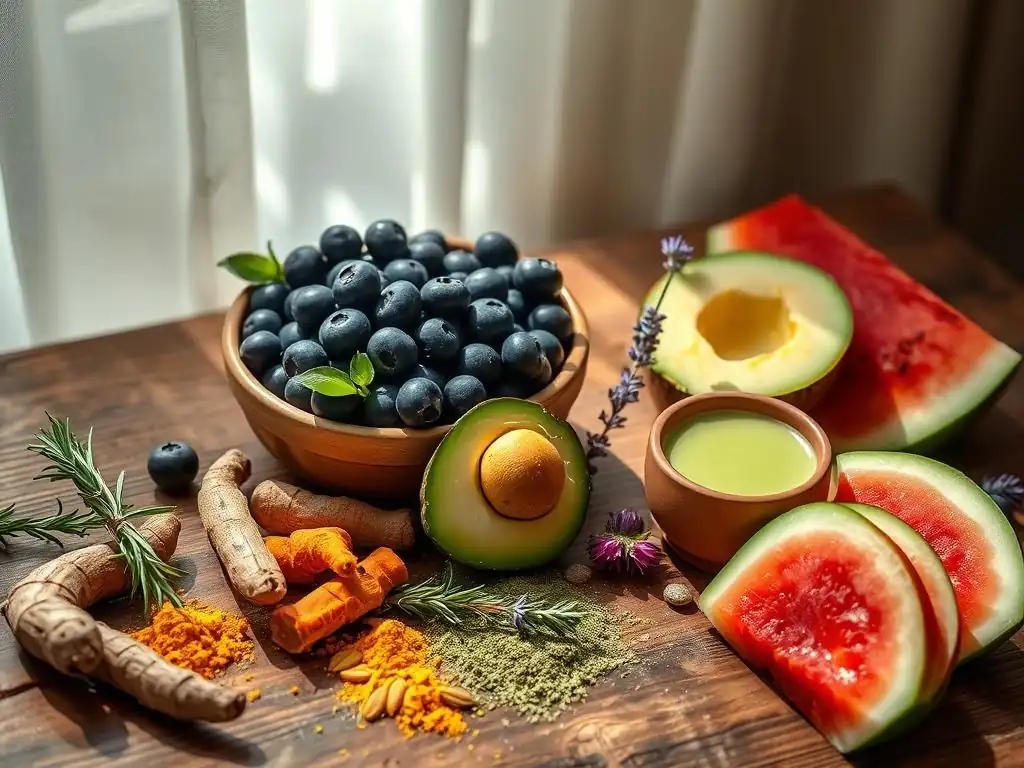
Welcome to Mind Care Guide, a space dedicated to nurturing your mental well-being. Feeling overwhelmed by anxiety? You're not alone. But what if relief could be found not just in therapy, but also on your plate? In this article, we delve into the fascinating world of foods that reduce anxiety naturally, uncovering surprising, evidence-based options that go far beyond the usual suspects. Curious to discover how your diet can become a powerful ally in your journey towards calm? Let's explore...
Beyond Kale: Surprising Foods Proven to Reduce Anxiety
- Introduction: Exploring Natural Anxiety Relief Through Diet
- Unveiling Unexpected Foods for Anxiety Reduction
- The Science Behind Anxiety-Reducing Foods
-
Top Foods to Naturally Reduce Anxiety: A Detailed Guide
- 1. Fermented Foods: Probiotics and Their Impact on Anxiety Levels
- 2. Fatty Fish: Omega-3s for Enhanced Brain Function and Anxiety Relief
- 3. Dark Chocolate: Indulge in Mood-Boosting Antioxidants
- 4. Nuts and Seeds: Magnesium Powerhouses for Stress Reduction
- 5. Chamomile Tea: A Calming Beverage for Anxiety Relief
- 6. Eggs: The Power of Choline and its Role in Anxiety Management
- 7. Turmeric: Harnessing the Anti-Inflammatory Properties for Anxiety
- Incorporating Anxiety-Reducing Foods into Your Diet
- Lifestyle Changes to Complement Dietary Adjustments for Anxiety
- The Importance of Consulting a Professional
- Conclusion: Empowering Yourself with Food for a Calmer Mind
-
Frequently Asked Questions
- What specific types of foods reduce anxiety naturally, beyond the typical "healthy" options?
- How quickly can I expect to see results from incorporating these anxiety-reducing foods into my diet?
- Are there any potential side effects or interactions to be aware of when using food for anxiety relief?
- Can dietary changes completely replace traditional anxiety treatments like therapy or medication?
- What are some easy ways to incorporate these anxiety-busting foods into my daily meals?
- Final Reflection: Cultivating Calm Through the Power of Food
- Unleash Your Inner Calm: Simple Steps to Anxiety Relief
Introduction: Exploring Natural Anxiety Relief Through Diet
The Growing Need for Natural Anxiety Remedies
In today's fast-paced world, anxiety has become a prevalent concern for many individuals. Statistics from organizations like the World Health Organization (WHO) highlight the significant global burden of anxiety disorders, affecting hundreds of millions of people worldwide. While traditional therapeutic approaches and medications are vital tools in managing anxiety, there's a growing interest in complementary strategies, particularly those focusing on natural interventions.
People are increasingly seeking ways to support their mental well-being through everyday choices, looking for effective and accessible methods to ease feelings of worry, nervousness, and tension without solely relying on pharmacological options. This surge in interest underscores the importance of exploring diverse avenues for relief, including the impact of what we eat on our mood and stress levels.
The demand for natural remedies stems from a desire for holistic well-being and a proactive approach to mental health. Many individuals are exploring how lifestyle factors, including diet, can play a significant role in managing anxiety symptoms. This includes investigating specific foods reduce anxiety naturally, offering a sense of empowerment and control over their mental state.
The focus is shifting towards understanding the intricate connection between the body and mind, recognizing that nutritional choices can have a profound effect on brain function and emotional regulation. This growing awareness is driving the exploration of dietary strategies as a foundational element in a comprehensive anxiety management plan.
Why Diet Plays a Crucial Role in Mental Wellbeing
The connection between diet and mental health is increasingly supported by scientific research. Our brains, like any other organ, require specific nutrients to function optimally. Deficiencies or imbalances in certain vitamins, minerals, and fatty acids can impact neurotransmitter production, inflammation levels, and overall brain structure and function, all of which are implicated in anxiety. For instance, studies have shown that diets high in processed foods, sugar, and unhealthy fats are often associated with a higher risk of mood disorders, including anxiety and depression, potentially due to their pro-inflammatory effects and disruption of gut health.
Conversely, a diet rich in whole, nutrient-dense foods can provide the necessary building blocks for a healthy brain and nervous system. Essential nutrients found in fruits, vegetables, lean proteins, and healthy fats contribute to the synthesis of neurotransmitters like serotonin and dopamine, which play key roles in mood regulation. Furthermore, the gut-brain axis, a complex communication system between the digestive system and the brain, is heavily influenced by diet.
A healthy gut microbiome, supported by fiber-rich foods and probiotics, has been linked to reduced anxiety levels. Understanding these intricate relationships helps illuminate why specific foods reduce anxiety naturally and how making informed dietary choices can be a powerful tool in supporting mental resilience.
Unveiling Unexpected Foods for Anxiety Reduction
More Than Just Kale: Expanding Your Anti-Anxiety Food List
While nutrient-dense leafy greens like kale are certainly beneficial for overall health, including mental well-being, the list of foods that can help reduce anxiety extends far beyond the usual suspects often highlighted in wellness circles. Many common and perhaps unexpected foods possess potent anxiety-reducing properties due to their unique nutritional profiles. For example, consider the humble egg, often overlooked in discussions about mental health superfoods.
Eggs are a fantastic source of choline, a nutrient crucial for the production of acetylcholine, a neurotransmitter involved in mood regulation and cognitive function. They also contain essential amino acids and B vitamins, which play a role in energy production and nervous system health.
Expanding our perspective to include a wider variety of foods allows for a more diverse and sustainable anti-anxiety diet. Think about the potential benefits of incorporating items like fermented foods, which are rich in probiotics that support a healthy gut microbiome – a key player in the gut-brain axis.
Or consider the surprising impact of certain spices like turmeric, known for its powerful anti-inflammatory properties. By looking beyond the most frequently cited "healthy" foods, we can discover a broader range of delicious and effective options that can help reduce anxiety naturally, making healthy eating a more exciting and accessible journey.
Foods That Calm: A Nutritional Approach to Anxiety Management
Managing anxiety through diet involves understanding which specific nutrients and compounds found in foods have a calming effect on the nervous system. It's not just about avoiding unhealthy foods, but actively incorporating those that provide targeted support for brain health and stress response. For instance, foods rich in magnesium are often cited for their calming effects. Magnesium is a mineral involved in hundreds of biochemical reactions in the body, including those related to stress response and neurotransmitter function. Low levels of magnesium have been linked to increased anxiety and irritability.
Another key area is the role of omega-3 fatty acids, particularly EPA and DHA, found abundantly in fatty fish. These healthy fats are essential components of brain cell membranes and have been shown to reduce inflammation and improve mood. Studies suggest that higher intake of omega-3s is associated with lower rates of anxiety and depression. By focusing on incorporating foods rich in these and other beneficial nutrients like B vitamins, zinc, and antioxidants, individuals can adopt a nutritional strategy that actively works to support a calmer state of mind and help foods reduce anxiety naturally.
The Science Behind Anxiety-Reducing Foods
Understanding the Gut-Brain Connection and Anxiety
The gut-brain connection is a bidirectional communication pathway linking the central nervous system (brain) and the enteric nervous system (gut). This intricate network involves neural, hormonal, and immunological signaling, and is heavily influenced by the gut microbiome – the trillions of microorganisms residing in our digestive tract. Research has shown that the composition and diversity of the gut microbiome can significantly impact mood and behavior, including anxiety levels. For example, a study published in Translational Psychiatry in 2020 reviewed existing evidence and found a consistent association between gut dysbiosis (an imbalance in gut bacteria) and anxiety disorders.
Specific gut bacteria can produce neurotransmitters like serotonin and gamma-aminobutyric acid (GABA), which are crucial for regulating mood and reducing anxiety. Approximately 90% of the body's serotonin is produced in the gut. The gut microbiome also influences inflammation, which is increasingly recognized as a factor in the development of anxiety and depression. By consuming foods that promote a healthy gut microbiome, such as those rich in fiber and probiotics, we can positively influence this gut-brain axis, potentially leading to a reduction in anxiety symptoms. This highlights a key mechanism by which certain foods reduce anxiety naturally.
Key Nutrients That Combat Anxiety: Vitamins, Minerals, and More
Several key nutrients have been identified for their potential role in combating anxiety. Magnesium, as mentioned earlier, is vital; it helps regulate the body's stress response system (the HPA axis) and can have a relaxing effect on muscles and the nervous system. A review in the Journal of the American Osteopathic Association noted that magnesium deficiency is common and may contribute to anxiety and depression.
B vitamins, particularly B6, B9 (folate), and B12, are essential for neurotransmitter synthesis and nerve function. Deficiencies in these vitamins have been linked to mood disturbances. For instance, B12 deficiency can lead to neurological symptoms including anxiety and depression.
Omega-3 fatty acids (EPA and DHA) are crucial for brain structure and function, reducing inflammation and supporting neurotransmitter balance. A meta-analysis of studies published in JAMA Network Open in 2018 found that omega-3 supplementation was associated with a significant reduction in anxiety symptoms compared to placebo, particularly in individuals with more severe anxiety. Zinc is another important mineral involved in neurotransmitter function and stress response; deficiency has been linked to increased anxiety.
Antioxidants like Vitamin C and Vitamin E, found in abundance in fruits and vegetables, help protect brain cells from damage caused by oxidative stress, which can contribute to mood disorders. Incorporating foods rich in these nutrients is a fundamental strategy for those looking for foods reduce anxiety naturally.
Top Foods to Naturally Reduce Anxiety: A Detailed Guide
1. Fermented Foods: Probiotics and Their Impact on Anxiety Levels
Fermented foods are created through a process where microorganisms, like bacteria and yeast, break down carbohydrates. This process not only preserves the food but also often results in the production of beneficial probiotics. These live microorganisms, when consumed in adequate amounts, can colonize the gut and contribute to a healthier gut microbiome. As discussed, the gut-brain axis plays a significant role in mental health, and a balanced gut flora can positively influence mood and reduce anxiety. Probiotics can impact the production of neurotransmitters in the gut, modulate inflammation, and even influence stress hormone levels.
Studies have explored the link between probiotic consumption and anxiety. A systematic review and meta-analysis published in General Psychiatry in 2019 analyzed 21 studies and found that regulating intestinal microbiota using probiotics or non-digestible oligosaccharides (prebiotics) could effectively alleviate anxiety symptoms. While more research is needed to fully understand the specific strains and dosages most effective for anxiety, the evidence suggests that incorporating probiotic-rich foods can be a valuable part of a diet aimed at managing anxiety naturally.
Yogurt, Kefir, and Kimchi: Cultivating a Calmer Mind
Yogurt is a widely available fermented dairy product containing various strains of probiotics. Look for yogurts that specify "live and active cultures" on the label to ensure you are getting the beneficial bacteria. A standard serving of Greek yogurt (around 100-150 grams) can contain millions or even billions of colony-forming units (CFUs) of probiotics, depending on the brand and type.
Kefir is a fermented milk drink, similar to yogurt but typically with a wider variety of beneficial bacteria and yeasts. It has a tangy flavor and a slightly effervescent texture. Research, such as a study published in the Journal of Medicinal Food in 2017, has investigated the potential anti-anxiety effects of kefir consumption in animal models, showing promise in reducing stress-related behaviors.
Kimchi is a traditional Korean dish made from fermented vegetables, most commonly cabbage. It is a potent source of probiotics, fiber, and various vitamins. The fermentation process creates lactic acid bacteria, known for their potential health benefits. While the exact probiotic content varies greatly depending on the preparation, a typical serving of kimchi (around 50-100 grams) provides a significant dose of beneficial bacteria along with other nutrients. Incorporating these foods can be a delicious way to help foods reduce anxiety naturally.
2. Fatty Fish: Omega-3s for Enhanced Brain Function and Anxiety Relief
Fatty fish are renowned for being excellent sources of omega-3 fatty acids, particularly eicosapentaenoic acid (EPA) and docosahexaenoic acid (DHA). These polyunsaturated fats are critical components of cell membranes throughout the body, with a particularly high concentration in the brain. EPA and DHA play vital roles in brain structure, function, and communication between neurons. They are also known for their powerful anti-inflammatory properties, which can be beneficial given the link between inflammation and mood disorders.
Numerous studies have explored the relationship between omega-3 intake and mental health. A meta-analysis published in JAMA Network Open in 2018, which combined data from 19 clinical trials involving over 2,200 participants, found that omega-3 supplementation was associated with a significant reduction in anxiety symptoms. The effect was particularly noticeable in individuals diagnosed with a clinical anxiety disorder. This research provides strong evidence that incorporating fatty fish into the diet can be an effective strategy for managing anxiety.
Salmon, Mackerel, and Sardines: Sources of Essential Fatty Acids
Salmon is one of the most popular sources of omega-3s. A 3-ounce serving of cooked wild salmon can contain approximately 1.5 to 2 grams of combined EPA and DHA. Farmed salmon can also be a good source, though the omega-3 content can vary.
Mackerel is another oily fish packed with omega-3s. A 3-ounce serving of cooked Atlantic mackerel provides about 2.5 grams of combined EPA and DHA, making it one of the richest sources.
Sardines, small and often canned, are not only convenient but also incredibly nutrient-dense. A 3-ounce serving of canned sardines in oil (drained) can offer around 1.5 to 2 grams of combined EPA and DHA, along with calcium and Vitamin D. Regularly consuming these types of fatty fish provides the brain with the essential fats it needs for optimal function and can help foods reduce anxiety naturally.
3. Dark Chocolate: Indulge in Mood-Boosting Antioxidants
Yes, you read that right – dark chocolate can potentially play a role in reducing anxiety, though moderation is key. The beneficial effects are primarily attributed to its high concentration of flavonoids, a type of antioxidant. Flavonoids found in cocoa have been shown to improve blood flow to the brain, which can enhance cognitive function and mood. They also possess antioxidant and anti-inflammatory properties, which may help mitigate the effects of stress on the body and brain.
Beyond flavonoids, dark chocolate contains compounds like tryptophan, an amino acid that is a precursor to serotonin, a neurotransmitter associated with mood regulation. It also contains phenylethylamine (PEA), a compound that can promote feelings of alertness and contentment. While more research is needed to definitively establish the direct anxiety-reducing effects of dark chocolate in large populations, studies have shown a correlation. For example, a study published in the Journal of Health Psychology in 2019 found that consuming 40g of dark chocolate daily over two weeks was associated with reduced stress levels in students.
The Benefits of Flavonoids in Dark Chocolate for Anxiety
Flavonoids, particularly flavanols like epicatechin, are the key bioactive compounds in dark chocolate linked to potential mental health benefits. These antioxidants help protect brain cells from oxidative damage caused by free radicals, which is implicated in various neurological and psychiatric conditions, including anxiety. Flavonoids also appear to influence neurotransmitter systems. Research suggests they can interact with GABA receptors, which have a calming effect, and potentially modulate the release of feel-good neurotransmitters like endorphins.
Furthermore, flavonoids can improve vascular function, leading to better blood flow to the brain. Enhanced cerebral blood flow can support overall brain health and function, potentially contributing to improved mood and reduced anxiety. To reap these benefits, it's important to choose dark chocolate with a high cocoa content (typically 70% or higher), as it contains more flavonoids and less sugar compared to milk chocolate. Enjoying a small amount of high-quality dark chocolate as part of a balanced diet can be a pleasant way to explore how specific foods reduce anxiety naturally.
4. Nuts and Seeds: Magnesium Powerhouses for Stress Reduction
Nuts and seeds are nutritional powerhouses, offering a concentrated source of vitamins, minerals, healthy fats, and fiber. Among their impressive nutrient profiles, they stand out as excellent sources of magnesium, a mineral critically involved in stress response and nervous system regulation. Magnesium helps to activate the parasympathetic nervous system, the system that promotes relaxation and calm. It also plays a role in regulating neurotransmitters and hormones that influence mood, including cortisol, the primary stress hormone.
Research suggests that magnesium deficiency can exacerbate anxiety and stress. A review published in Nutrients in 2017 highlighted the role of magnesium in the pathophysiology of anxiety disorders and suggested that increasing dietary intake or supplementation could be beneficial. While the recommended daily allowance (RDA) for magnesium varies by age and gender (e.g., around 310-320 mg for adult women and 400-420 mg for adult men), many people do not meet this requirement through their diet alone. Incorporating magnesium-rich nuts and seeds is a simple and effective way to boost intake and potentially help foods reduce anxiety naturally.
Almonds, Walnuts, and Pumpkin Seeds: Natural Sources of Magnesium
Almonds are a popular choice, providing a good amount of magnesium along with Vitamin E and healthy fats. A 1-ounce serving (about 23 almonds) contains approximately 76 mg of magnesium, which is about 19% of the recommended daily intake for an adult man.
Walnuts are known for their omega-3 content (specifically ALA), but they also contribute magnesium. A 1-ounce serving (about 14 halves) provides around 45 mg of magnesium.
Pumpkin seeds are particularly rich in magnesium. A 1-ounce serving of dry, roasted pumpkin seeds contains an impressive 156 mg of magnesium, representing nearly 40% of the RDA for an adult man. They are also good sources of zinc and other beneficial nutrients. Snacking on a handful of these nuts and seeds can provide a significant boost in magnesium intake, contributing to a calmer state of mind and helping foods reduce anxiety naturally.
5. Chamomile Tea: A Calming Beverage for Anxiety Relief
Chamomile tea is a widely recognized herbal remedy for relaxation and sleep, and its use for calming the nerves is supported by some scientific evidence. The plant contains compounds, particularly apigenin, a flavonoid, which are thought to contribute to its sedative and anti-anxiety effects. Apigenin can bind to certain receptors in the brain, similar to how some anti-anxiety medications work, promoting relaxation and reducing feelings of nervousness.
Studies have investigated the efficacy of chamomile for anxiety. A study published in the Journal of Clinical Psychopharmacology in 2009 found that a standardized chamomile extract produced a statistically significant reduction in moderate-to-severe generalized anxiety disorder (GAD) symptoms compared to placebo over an 8-week period. While this study used a concentrated extract, regularly drinking chamomile tea may offer milder benefits. The act of sipping a warm beverage can also be inherently calming, adding a behavioral component to its potential effects on anxiety.
The Science-Backed Benefits of Chamomile for Relaxation
The primary mechanism by which chamomile is believed to exert its calming effects is through its interaction with GABA receptors in the brain. GABA (gamma-aminobutyric acid) is an inhibitory neurotransmitter that helps to quiet down nervous system activity, promoting relaxation and reducing anxiety. Apigenin in chamomile is thought to enhance GABAergic activity, leading to a calming effect.
Furthermore, chamomile has anti-inflammatory properties, which could also play a role in its ability to reduce anxiety, given the link between inflammation and mood disorders. While more large-scale, placebo-controlled studies on chamomile tea specifically are needed to fully elucidate its effects, the existing evidence supports its traditional use as a gentle aid for mild to moderate anxiety and sleep disturbances. Enjoying a cup of chamomile tea can be a comforting and potentially effective way to help foods reduce anxiety naturally.
6. Eggs: The Power of Choline and its Role in Anxiety Management
Eggs are often celebrated for their high-quality protein, but they are also a valuable source of several nutrients that support brain health and can potentially help manage anxiety. One particularly important nutrient found in eggs is choline. Choline is a precursor to acetylcholine, a neurotransmitter involved in mood regulation, memory, and muscle control. Adequate choline intake is essential for proper brain function, and some research suggests a link between choline levels and anxiety.
Beyond choline, eggs provide a good source of B vitamins, including B12, riboflavin (B2), and folate (B9). As mentioned earlier, B vitamins are crucial for energy metabolism and the synthesis of neurotransmitters that influence mood. Eggs also contain Vitamin D (especially if they are from pastured hens or fortified), which has been linked to mood regulation, and tryptophan, the amino acid precursor to serotonin. This combination of nutrients makes eggs a surprisingly beneficial food for supporting mental well-being.
How Eggs Contribute to Neurotransmitter Function and Mood Stability
The choline in eggs is directly involved in the synthesis of acetylcholine. This neurotransmitter plays a role in the parasympathetic nervous system, which helps the body "rest and digest" and counteracts the "fight or flight" response associated with anxiety. By supporting healthy acetylcholine levels, choline may help promote a calmer state. A large egg contains approximately 147 mg of choline, contributing significantly to the recommended daily intake (around 425 mg for adult women and 550 mg for adult men).
Furthermore, the B vitamins in eggs, particularly B12, are essential for the conversion of tryptophan into serotonin. Serotonin is often referred to as the "feel-good" neurotransmitter and plays a key role in regulating mood, appetite, and sleep. By providing these essential building blocks and cofactors, eggs contribute to the healthy production and function of neurotransmitters vital for mood stability. Including eggs in your diet can be a simple yet effective way to incorporate foods reduce anxiety naturally into your meals.
7. Turmeric: Harnessing the Anti-Inflammatory Properties for Anxiety
Turmeric is a vibrant yellow spice widely used in Indian cuisine and traditional medicine. Its primary active compound is curcumin, a potent antioxidant and anti-inflammatory agent. Chronic low-grade inflammation in the body and brain is increasingly being recognized as a contributing factor to various mental health conditions, including anxiety and depression. By reducing inflammation, curcumin may help to alleviate symptoms associated with these conditions.
Research on curcumin's effects on anxiety is growing. A systematic review and meta-analysis published in the Journal of Affective Disorders in 2017 analyzed six studies and found that curcumin supplementation was associated with a significant reduction in depression and anxiety symptoms. While many studies have used concentrated curcumin extracts, incorporating turmeric into your diet through cooking may offer some benefits, especially when combined with black pepper, which contains piperine, a compound that significantly enhances curcumin absorption.
Curcumin and Its Potential in Reducing Anxiety Symptoms
Curcumin's potential anti-anxiety effects are multifaceted. Its powerful anti-inflammatory action is a key mechanism. By reducing neuroinflammation, curcumin may help protect brain cells and support healthy brain function. Inflammation can disrupt neurotransmitter balance and damage neural pathways involved in mood regulation, so reducing it can be beneficial.
In addition to its anti-inflammatory effects, curcumin may also influence neurotransmitter levels. Some studies suggest it can increase levels of brain-derived neurotrophic factor (BDNF), a protein that plays a crucial role in the growth, survival, and function of neurons. Low levels of BDNF have been linked to anxiety and depression. Curcumin may also modulate serotonin and dopamine levels. While the bioavailability of curcumin from dietary turmeric is relatively low, consuming it regularly as part of a diet rich in other anti-inflammatory foods can contribute to overall well-being and potentially help foods reduce anxiety naturally.
Incorporating Anxiety-Reducing Foods into Your Diet
Simple Ways to Add These Foods to Your Daily Meals
Integrating anxiety-reducing foods into your daily routine doesn't have to be complicated. Start small by focusing on adding one or two new foods each week. For example, you can add a handful of almonds or pumpkin seeds to your morning oatmeal or yogurt. Sprinkle turmeric into your scrambled eggs or stir-fries. Add fatty fish like salmon to your dinner menu once or twice a week. If you're not a fan of fish, consider a high-quality omega-3 supplement, but always consult with a healthcare provider first.
Making simple swaps can also be effective. Replace sugary snacks with a small square of dark chocolate (70% or higher cocoa content). Instead of a sugary drink, try a cup of chamomile tea in the evening. Add kimchi or a dollop of plain, probiotic-rich yogurt to your meals. These small, consistent changes can add up over time, providing your body and brain with the nutrients needed to support a calmer state and demonstrate how specific foods reduce anxiety naturally.
Sample Meal Plan for Anxiety Relief
Here is a sample day focusing on incorporating anxiety-reducing foods:
- Breakfast: Greek yogurt with berries, a sprinkle of pumpkin seeds, and a drizzle of honey. (Probiotics, Magnesium, Antioxidants)
- Lunch: Salad with mixed greens, grilled salmon (or canned sardines), cherry tomatoes, cucumber, and a dressing made with olive oil and lemon juice. (Omega-3s, Antioxidants)
- Snack: A handful of almonds and a small piece of dark chocolate (70%+ cocoa). (Magnesium, Flavonoids)
- Dinner: Chicken or lentil curry seasoned generously with turmeric and black pepper, served with brown rice and a side of steamed broccoli. (Curcumin, B vitamins, Fiber)
- Evening Beverage: A cup of chamomile tea. (Apigenin)
This sample plan illustrates how to combine different foods reduce anxiety naturally throughout the day. Remember that consistency is key, and finding enjoyable ways to incorporate these foods will make the dietary changes more sustainable.
Lifestyle Changes to Complement Dietary Adjustments for Anxiety
Exercise, Sleep, and Mindfulness: A Holistic Approach
While dietary changes can significantly impact anxiety levels, they are most effective when part of a broader holistic approach to well-being. Regular physical activity is a powerful anxiety reducer. Exercise releases endorphins, natural mood boosters, and can help reduce stress hormones like cortisol. Aim for at least 150 minutes of moderate-intensity aerobic activity per week, or 75 minutes of vigorous-intensity activity. Activities like brisk walking, jogging, swimming, or cycling can be very beneficial.
Adequate, quality sleep is also crucial for managing anxiety. Sleep deprivation can exacerbate anxiety symptoms and make it harder to cope with stress. Aim for 7-9 hours of uninterrupted sleep per night. Establishing a regular sleep schedule, creating a relaxing bedtime routine, and ensuring your bedroom is dark, quiet, and cool can improve sleep quality. Mindfulness practices, such as meditation, deep breathing exercises, and yoga, can train the mind to stay present and reduce worry about the future, a common feature of anxiety. Even a few minutes of mindfulness daily can make a difference.
Reducing Stressors and Creating a Supportive Environment
Identifying and actively working to reduce sources of stress in your life is another vital component of managing anxiety. This might involve setting boundaries in relationships, managing your workload more effectively, learning to say no to commitments that overwhelm you, or reducing exposure to negative news or social media if they trigger anxiety. Creating a supportive environment involves surrounding yourself with positive people, engaging in activities you enjoy, and making time for relaxation and self-care.
Building a strong support system of friends, family, or support groups can provide emotional resilience. Engaging in hobbies, spending time in nature, or practicing gratitude can also contribute to a more positive outlook and reduce feelings of being overwhelmed. Combining these lifestyle strategies with incorporating foods reduce anxiety naturally creates a comprehensive plan to support mental well-being and build resilience against anxiety.
The Importance of Consulting a Professional
When to Seek Help from a Dietitian or Mental Health Expert
While dietary changes and lifestyle adjustments can be incredibly beneficial for managing mild to moderate anxiety, it's crucial to recognize when professional help is needed. If your anxiety is severe, persistent, interfering with your daily life, or accompanied by symptoms like panic attacks, excessive worry that you can't control, or avoidance of situations due to fear, it's important to consult a mental health professional, such as a therapist, counselor, or psychiatrist. They can provide diagnosis, therapy (like Cognitive Behavioral Therapy or CBT), and discuss medication options if necessary.
A registered dietitian or a nutritionist specializing in mental health can also be a valuable resource. They can help you assess your current diet, identify potential nutrient deficiencies, and create a personalized meal plan that incorporates foods reduce anxiety naturally while ensuring you meet all your nutritional needs. They can also help you navigate dietary changes if you have other health conditions or restrictions. Working with professionals ensures that you receive appropriate care tailored to your specific needs and circumstances, complementing your efforts to manage anxiety through diet and lifestyle.
Conclusion: Empowering Yourself with Food for a Calmer Mind
Taking Control of Your Anxiety Through Nutrition
Understanding the powerful connection between what you eat and how you feel empowers you to take an active role in managing your anxiety. By consciously choosing to incorporate foods reduce anxiety naturally into your diet, you are providing your brain and body with the essential nutrients needed to support emotional regulation and stress resilience. This includes embracing foods rich in probiotics, omega-3 fatty acids, magnesium, B vitamins, and antioxidants, moving beyond the conventional "healthy" food list to discover the surprising benefits of items like fermented foods, fatty fish, dark chocolate, nuts, seeds, chamomile tea, eggs, and turmeric.
Making informed dietary choices is not a guaranteed cure for anxiety, but it is a significant and often underestimated piece of the puzzle. It's about nourishing your nervous system and supporting the complex biological processes that influence your mood and stress response. This approach offers a sense of control and agency, allowing you to actively participate in your journey towards greater mental well-being by leveraging the power of nutrition.
The Journey to Wellbeing: A Balanced Diet and Mental Health
The path to reduced anxiety and enhanced mental well-being is often multifaceted, involving a combination of strategies. A balanced, nutrient-dense diet is a fundamental pillar, providing the foundation upon which other healthy habits can thrive. When combined with regular exercise, sufficient sleep, stress management techniques, and professional support when needed, focusing on foods reduce anxiety naturally becomes part of a powerful holistic approach.
Embracing these dietary changes is a journey, not a destination. It involves learning, experimenting, and finding what works best for your individual needs and preferences. By prioritizing nutrition and integrating these surprising anxiety-reducing foods into your life, you are making a profound investment in your mental health, paving the way for a calmer mind and a more resilient spirit. Remember, every small step towards a more nourishing diet is a step towards greater well-being.
Frequently Asked Questions
What specific types of foods reduce anxiety naturally, beyond the typical "healthy" options?
The article explores foods beyond the usual suspects, highlighting options like fermented foods (probiotics), dark chocolate (flavonoids), and complex carbohydrates (stable blood sugar).
How quickly can I expect to see results from incorporating these anxiety-reducing foods into my diet?
Results vary, but consistent consumption alongside a healthy lifestyle can lead to noticeable improvements in anxiety levels within a few weeks. Consistency is key for long-term benefits.
Are there any potential side effects or interactions to be aware of when using food for anxiety relief?
While generally safe, some foods like dark chocolate can trigger migraines in sensitive individuals. Always consider allergies and sensitivities and consult a doctor if unsure.
Can dietary changes completely replace traditional anxiety treatments like therapy or medication?
No, dietary changes are best used as a complementary approach to traditional treatments. They are not a substitute for professional mental health care.
What are some easy ways to incorporate these anxiety-busting foods into my daily meals?
Add fermented foods like yogurt or kimchi to your meals, snack on a small piece of dark chocolate, and choose whole grains over refined carbohydrates for sustained energy and calm.
Final Reflection: Cultivating Calm Through the Power of Food
The pursuit of natural anxiety relief is more relevant than ever in our fast-paced, high-stress world. The simple act of choosing the right foods can be a powerful tool in managing our mental wellbeing, offering a tangible path towards a calmer, more centered existence. This isn't about quick fixes or miracle cures, but about building a sustainable relationship with food that supports our overall mental health.
This exploration into the surprising foods that combat anxiety has underscored for me the profound connection between our diet and our emotional state. It's easy to overlook the subtle yet significant impact of nutrition on our mental landscape. You are what you eat,
the old adage rings true, especially when considering the intricate interplay between gut health and brain function. Understanding this connection empowers us to make conscious choices that nurture both our physical and mental wellbeing, moving beyond the limitations of a solely pharmaceutical approach to anxiety management.
Now, consider your own plate. What stories do your food choices tell? Are you nourishing your mind and body with the foods that support your emotional equilibrium, or are you inadvertently contributing to the very anxieties you're trying to overcome? I invite you to take a mindful look at your diet, experiment with some of the foods highlighted in this article, and discover the transformative power of food as a natural ally in your journey towards a calmer, more resilient you.
Unleash Your Inner Calm: Simple Steps to Anxiety Relief
Thanks for taking the time to explore surprising ways to manage anxiety! We hope you discovered some new, delicious approaches to feeling calmer and more centered. Ready to take the next step?
- Prioritize one new "anxiety-busting" food from the article this week. Try incorporating it into your daily routine and notice how you feel.
- Share this article with a friend or family member who might also benefit from these simple yet powerful strategies. Let's spread the word about natural anxiety relief!
- Try a mindful eating exercise with your chosen food. Pay close attention to the taste, texture, and smell – noticing any shifts in your feelings as you eat.
What small change will you make today to support your mental wellbeing?