
Sweeteners & Anxiety: Navigating the Sugar Alternative Minefield.


Welcome to Mind Care Guide, a sanctuary for your mental well-being.
Are you caught in a cycle of anxiety, wondering if your sweet cravings are making things worse? You're not alone. Explore our guide, " Sweeteners & Anxiety: Navigating the Sugar Alternative Minefield," to uncover the surprising connection between what you eat and how you feel. Discover practical strategies and insightful resources to help you manage anxiety by making informed choices about sugar alternatives and reclaim your inner peace. Ready to break free from the anxiety-sweetener trap? Let's begin!
Sweeteners & Anxiety: Navigating the Sugar Alternative Landscape
- Anxiety and Diet: The Sweetener Connection
- Sugar Alternatives and Anxiety: A Complex Relationship
- The Impact of Specific Sugar Alternatives on Anxiety Levels
- Gut Health, Sweeteners, and Anxiety: The Microbiome Factor
- Sugar Alternatives and Blood Sugar: Indirect Effects on Anxiety
- Identifying Your Sensitivity to Sugar Alternatives
- Strategies for Reducing Sugar and Sweetener Intake for Anxiety Relief
- Making Informed Choices: Sweeteners and Your Mental Well-being
- Conclusion: Finding Your Sweet Spot for Anxiety and Dietary Choices
-
Frequently Asked Questions
- How do sugar alternatives potentially impact anxiety levels?
- Which sugar alternatives are generally considered safer for anxiety management?
- Can artificial sweeteners like aspartame worsen anxiety symptoms?
- What role does the gut microbiome play in the relationship between sugar alternatives and anxiety?
- What dietary changes, besides using sugar alternatives, can help manage anxiety alongside monitoring sugar intake?
- Final Reflection: Unpacking the Sweet Truth About Anxiety and Sugar Alternatives
- Unlock Your Anxiety-Free Sweet Treat Strategy
Anxiety and Diet: The Sweetener Connection
Understanding the Link Between Diet and Anxiety
The connection between what we eat and how we feel mentally is becoming increasingly clear. Our diet provides the building blocks for neurotransmitters, influences inflammation, and significantly impacts gut health – all factors known to play a role in anxiety. For instance, a diet high in processed foods, refined sugars, and unhealthy fats has been associated with a higher risk of depression and anxiety in epidemiological studies. Conversely, diets rich in whole foods, fruits, vegetables, lean proteins, and healthy fats are often linked to better mental well-being.
This link isn't just observational; it's rooted in complex biological pathways. Nutrient deficiencies, chronic low-grade inflammation from poor food choices, and imbalances in blood sugar can all contribute to or exacerbate anxiety symptoms. Therefore, understanding how specific dietary components, like sweeteners and sugar alternatives, fit into this picture is crucial for effective anxiety management. Exploring strategies around sugar alternatives anxiety management can be a valuable step in a holistic approach to mental health.
The Role of Sugar in Anxiety Symptoms
Refined sugar is well-known for causing rapid spikes and crashes in blood sugar levels. These fluctuations can mimic or worsen anxiety symptoms such as shakiness, nervousness, irritability, and difficulty concentrating. When blood sugar drops after a sugar high, the body releases hormones like adrenaline and cortisol, which are part of the stress response system and can intensify feelings of anxiety.
Furthermore, high sugar intake has been linked to increased inflammation in the body and disruptions in the gut microbiome, both of which are increasingly implicated in the development and severity of anxiety disorders. A diet heavy in sugar can also contribute to nutritional deficiencies by displacing more nutrient-dense foods, further undermining the body's ability to regulate mood and stress effectively. Therefore, reducing reliance on sugar is often a key recommendation for individuals seeking to improve their mental well-being and manage anxiety.
Sugar Alternatives and Anxiety: A Complex Relationship
What are Sugar Alternatives? Exploring Different Types of Sweeteners
Sugar alternatives, often called non-nutritive sweeteners or high-intensity sweeteners, are substances used instead of sucrose (table sugar) to sweeten foods and beverages. They typically provide fewer calories and carbohydrates than sugar, making them popular for weight management, diabetes control, and reducing sugar intake. However, their impact on overall health, including mental health and anxiety, is a subject of ongoing research and debate.
These sweeteners come in various forms, derived from natural sources or synthesized chemically. Their sweetness intensity relative to sugar varies significantly, with some being hundreds or even thousands of times sweeter. Understanding the different categories and their potential effects is essential for navigating the landscape of sugar alternatives anxiety management.
Common Sugar Substitutes: A Quick Overview
Sugar substitutes fall into several main categories, each with distinct chemical structures and metabolic effects. Awareness of these differences is key when considering their potential role in anxiety.
Artificial Sweeteners (Aspartame, Sucralose, Saccharin)
Artificial sweeteners are synthetic compounds created in a lab. They are often much sweeter than sugar and contain virtually no calories. Aspartame, for example, is about 200 times sweeter than sugar, while sucralose is about 600 times sweeter. Saccharin was one of the earliest artificial sweeteners developed. Concerns have been raised over the years regarding their long-term health effects, including potential impacts on neurological function and gut bacteria, which could indirectly influence anxiety.
Research on artificial sweeteners and anxiety is mixed, with some studies suggesting possible links to mood changes in sensitive individuals, while others find no significant effect. This complexity highlights the need for individual assessment and careful consideration when using these sugar alternatives for anxiety management.
Natural Sweeteners (Stevia, Monk Fruit, Erythritol)
Natural sweeteners are derived from plants. Stevia comes from the leaves of the Stevia rebaudiana plant, and its sweet compounds (steviol glycosides) are 200-400 times sweeter than sugar. Monk fruit extract is derived from the Siraitia grosvenorii fruit and is 150-200 times sweeter than sugar. Erythritol is a sugar alcohol produced by fermenting glucose, found naturally in some fruits, and is about 70% as sweet as sugar.
These are often perceived as healthier alternatives, but they can still have effects on the body. While generally considered safe and often having minimal impact on blood sugar, their effects on the gut microbiome or individual sensitivities could potentially play a role in anxiety symptoms for some people. Their use in sugar alternatives anxiety management is often preferred over artificial options, but vigilance is still required.
Sugar Alcohols (Xylitol, Sorbitol, Maltitol)
Sugar alcohols are carbohydrates that are chemically similar to both sugars and alcohols, though they do not contain ethanol. They are found naturally in some fruits and vegetables and are also produced commercially. They are less sweet than sugar and contain fewer calories, but not zero calories like most artificial sweeteners. Common examples include xylitol, sorbitol, and maltitol.
A notable characteristic of sugar alcohols is that they are not completely absorbed in the small intestine. This means they travel to the large intestine, where they can be fermented by gut bacteria. While this can have prebiotic effects, it can also lead to digestive distress, such as gas, bloating, and diarrhea, particularly when consumed in large amounts. Given the strong link between gut health and the brain, these digestive effects could potentially influence mood and anxiety in sensitive individuals.
The Impact of Specific Sugar Alternatives on Anxiety Levels
Aspartame and Anxiety: Is There a Connection?
Aspartame has been one of the most controversial sugar alternatives regarding its neurological effects. Some early studies and anecdotal reports suggested a link between aspartame consumption and symptoms like headaches, dizziness, and mood changes, including anxiety and depression. One study in the 1980s, for example, reported adverse reactions in individuals with mood disorders after consuming aspartame.
However, large-scale reviews and regulatory bodies, such as the European Food Safety Authority (EFSA) and the U.S. Food and Drug Administration (FDA), have concluded that aspartame is safe at typical consumption levels. The conflicting findings might be due to individual sensitivities or study design limitations. For individuals managing anxiety, paying attention to personal responses to aspartame is prudent, as some people may be more susceptible to potential adverse effects.
Sucralose and Mental Health: What the Research Says
Sucralose (marketed as Splenda) is another widely used artificial sweetener. Research into its effects on mental health is less extensive than for aspartame, but some studies have explored its impact on the brain and gut. Some animal studies have suggested that high doses of sucralose might affect brain function and neurotransmitter levels, though the relevance to human consumption at typical levels is unclear.
More recent research has focused on sucralose's effects on the gut microbiome, showing potential alterations in bacterial composition. Since the gut microbiome plays a significant role in the gut-brain axis and influences mental health, changes induced by sucralose could theoretically impact anxiety. While direct evidence linking sucralose consumption to increased anxiety in humans is limited, the emerging understanding of the gut-brain connection warrants further investigation into its potential indirect effects.
Stevia and Anxiety: A Natural Solution or a Potential Trigger?
Stevia is often promoted as a "natural" and healthier sugar alternative. It has been used for centuries in South America and generally has a minimal impact on blood sugar levels, which is beneficial for preventing blood sugar-related anxiety fluctuations. Studies on stevia have largely focused on its safety and effects on blood sugar and weight.
Direct research specifically examining stevia's impact on anxiety is scarce. Some proponents suggest its minimal metabolic impact makes it a better choice for mental well-being compared to sugar or artificial sweeteners. However, individual responses can vary. Some people report digestive issues with high amounts of stevia, potentially due to the sugar alcohols often used as bulking agents in stevia blends. As with any sweetener, personal tolerance and monitoring are important when incorporating stevia into a diet focused on sugar alternatives anxiety management.
Monk Fruit: Does This Natural Sweetener Affect Anxiety?
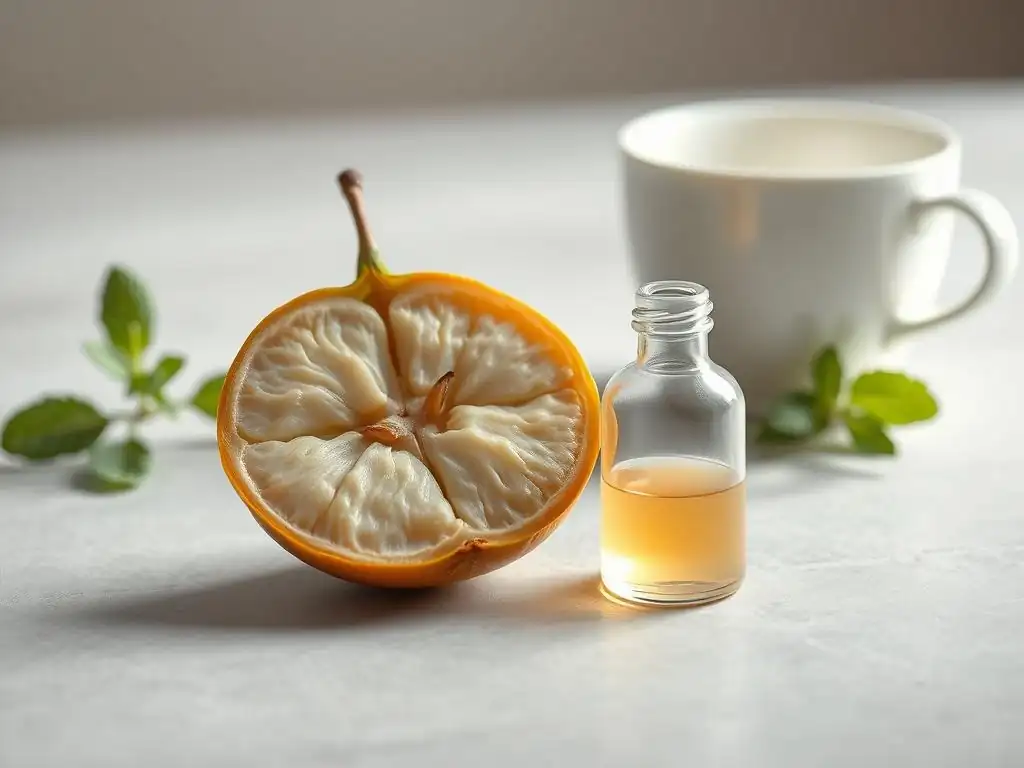
Monk fruit sweetener, like stevia, is derived from a plant and is calorie-free and does not typically affect blood sugar levels. It contains compounds called mogrosides, which are responsible for its sweetness. It is relatively new to the Western market compared to stevia, and research on its health effects, particularly concerning mental health, is limited.
Current evidence primarily supports its safety and lack of significant metabolic impact. There is no substantial research suggesting a direct link between monk fruit consumption and increased anxiety. As a natural sweetener with minimal glycemic load, it is often considered a favorable option for those seeking to reduce sugar intake for health reasons. However, as with any food substance, individual sensitivity cannot be ruled out, and listening to your body's response is key.
Sugar Alcohols and Anxiety: Considering Gut Health
Sugar alcohols like xylitol, sorbitol, and maltitol are known for their potential to cause digestive upset. Because they are poorly absorbed, they can draw water into the intestine and are fermented by gut bacteria, leading to gas, bloating, and diarrhea. While not a direct cause of anxiety, chronic or severe digestive distress can be a significant stressor and may exacerbate anxiety symptoms in susceptible individuals.
The link between gut discomfort and mood is well-established through the gut-brain axis. An unhappy gut can send distress signals to the brain, potentially influencing mood and anxiety levels. Therefore, while sugar alcohols might not directly cause anxiety in the way blood sugar spikes might, their impact on gut health is a crucial factor to consider for individuals focusing on sugar alternatives anxiety management. Consuming them in moderation is often recommended.
Gut Health, Sweeteners, and Anxiety: The Microbiome Factor
How Sugar Alternatives Can Affect Gut Bacteria
The billions of bacteria residing in our gut, collectively known as the microbiome, play a vital role in numerous bodily functions, including digestion, immune regulation, and even brain health. Emerging research suggests that some sugar alternatives can influence the composition and activity of these gut bacteria. For instance, studies have shown that certain artificial sweeteners like sucralose and saccharin can alter the balance of gut microbes, potentially reducing beneficial bacteria and increasing others.
Sugar alcohols, as mentioned, are fermented by gut bacteria, which can increase certain bacterial populations and produce gases. While some fermentation is normal and healthy, excessive fermentation or shifts towards less beneficial bacteria could have downstream effects. The specific impact varies depending on the type of sweetener and the individual's unique microbiome composition.
The Gut-Brain Axis: A Key Player in Anxiety
The gut and the brain are in constant communication through a complex network called the gut-brain axis. This bidirectional pathway involves nerves (like the vagus nerve), hormones, neurotransmitters (many of which are produced in the gut), and immune signals. The gut microbiome is an integral part of this axis, influencing brain function and behavior.
For example, gut bacteria produce short-chain fatty acids (SCFAs) that can affect brain health, and they also influence the production of neurotransmitters like serotonin, a key mood regulator. Stress and anxiety can also impact gut function, creating a feedback loop. Understanding this axis is crucial because changes in the gut microbiome induced by dietary factors, including sugar alternatives, could theoretically influence mood and anxiety symptoms.
Gut Dysbiosis and Anxiety: Potential Links to Sweetener Consumption
Gut dysbiosis refers to an imbalance in the gut microbiome, characterized by a shift in the types and proportions of bacteria. This imbalance has been linked to various health issues, including inflammatory bowel disease, obesity, and metabolic syndrome. Increasingly, research is suggesting a connection between gut dysbiosis and mental health conditions like anxiety and depression.
While direct causation is still being explored, it's hypothesized that dysbiosis can increase gut permeability (leaky gut), leading to inflammation, and disrupt the production of beneficial compounds and neurotransmitters that influence brain function. Given that some sugar alternatives have been shown to alter gut bacteria in studies (though often at doses higher than typical human intake), there is a potential, albeit complex and not fully understood, link between sweetener consumption, gut dysbiosis, and exacerbated anxiety symptoms in susceptible individuals. Navigating sugar alternatives anxiety management involves considering their potential impact on this vital gut-brain connection.
Sugar Alternatives and Blood Sugar: Indirect Effects on Anxiety
The Importance of Stable Blood Sugar Levels for Anxiety Management
Maintaining stable blood sugar levels is fundamental for managing anxiety. When blood sugar fluctuates wildly, particularly dropping too low (hypoglycemia), the body releases stress hormones like cortisol and adrenaline. These hormones are designed to raise blood sugar quickly but also trigger physiological responses associated with anxiety, such as rapid heartbeat, sweating, trembling, and nervousness.
Conversely, chronic high blood sugar levels can contribute to inflammation and oxidative stress, potentially affecting brain function over time. Avoiding the "sugar roller coaster" by consuming foods that promote steady glucose levels is a key dietary strategy for minimizing anxiety symptoms. This is where sugar alternatives are often considered, as many do not cause the same rapid blood sugar spikes as table sugar.
How Sugar Alternatives Can Impact Blood Sugar Regulation
Many sugar alternatives, particularly artificial sweeteners and some natural options like stevia and monk fruit, are non-caloric and do not contain carbohydrates that are readily absorbed. As a result, they typically do not cause a significant rise in blood glucose levels immediately after consumption, unlike sucrose. This can be beneficial for individuals trying to avoid blood sugar spikes and crashes.
However, the long-term impact of some sugar alternatives on glucose metabolism is still being researched. Some studies suggest that regular consumption of certain artificial sweeteners might, over time, influence insulin sensitivity or alter gut bacteria in ways that indirectly affect glucose tolerance. While the direct impact on blood sugar is minimal, potential indirect effects warrant consideration when evaluating sugar alternatives anxiety management strategies.
Sweeteners and Blood Sugar Fluctuations: Considering Glycemic Index and Load
The Glycemic Index (GI) measures how quickly a food raises blood sugar levels. Pure glucose has a GI of 100. Sucrose has a GI around 65. Most non-nutritive sugar alternatives have a GI of 0, meaning they do not directly raise blood sugar. Sugar alcohols have a lower GI than sugar (e.g., Erythritol has a GI of 0, Xylitol around 13, Sorbitol around 9) but can still have some effect, particularly in larger quantities.
Glycemic Load (GL) considers both the GI and the amount of carbohydrate consumed. Since most sugar alternatives have minimal or zero carbohydrates, their GL is also very low or zero. This is a primary reason they are used by people managing diabetes or trying to avoid blood sugar spikes. For individuals with anxiety sensitive to blood sugar swings, choosing sweeteners with a very low or zero GI/GL is generally preferable to sugar. However, it is important to remember that the overall food or drink containing the sweetener also contributes to the total GL.
Identifying Your Sensitivity to Sugar Alternatives

Keeping a Food Journal: Tracking Sweetener Intake and Anxiety Symptoms
Given the individual variability in response to sugar alternatives, keeping a detailed food journal can be an invaluable tool. For a period of typically two to four weeks, meticulously record everything you eat and drink, paying close attention to products containing sugar alternatives. Simultaneously, track your anxiety levels and any specific symptoms you experience (e.g., restlessness, irritability, digestive issues, changes in mood).
- Record meal/snack times.
- List all ingredients, noting specific sweeteners used.
- Note quantities consumed.
- Rate anxiety levels (e.g., on a scale of 1-10).
- Describe specific anxiety symptoms or mood changes.
- Note any physical symptoms (e.g., bloating, headaches).
Reviewing this journal can help identify potential patterns or correlations between consuming specific sweeteners and an increase in anxiety symptoms. This systematic approach provides concrete data for personal analysis and discussion with healthcare professionals.
Elimination Diet: A Strategy to Pinpoint Problematic Sweeteners
If your food journal suggests a potential link between sugar alternatives and anxiety, an elimination diet can help confirm or rule out sensitivities. Under the guidance of a healthcare professional or registered dietitian, you would temporarily eliminate all sources of sugar alternatives from your diet for a set period, usually 2-3 weeks.
After the elimination phase, you would reintroduce sweeteners one by one, allowing a few days between each reintroduction to observe any reactions. If anxiety symptoms worsen or specific physical symptoms reappear after reintroducing a particular sweetener, it suggests you may have a sensitivity to it. This process helps pinpoint specific problematic sweeteners rather than broadly avoiding all of them, aiding in personalized sugar alternatives anxiety management.
Seeking Professional Guidance: Working with Healthcare Professionals
Navigating the complex relationship between diet, sweeteners, and anxiety is best done with professional support. A healthcare provider, registered dietitian, or nutritionist specializing in mental health or functional medicine can provide personalized guidance.
They can help you:
- Interpret findings from your food journal or elimination diet.
- Develop a safe and effective plan for reducing sugar and sweetener intake.
- Assess for underlying conditions (like gut issues or blood sugar dysregulation) that might be influenced by sweeteners and contribute to anxiety.
- Ensure your diet remains nutritionally adequate while making changes.
- Integrate dietary strategies with other approaches to anxiety management (therapy, medication, lifestyle changes).
Professional support ensures that dietary changes are implemented safely and effectively as part of a comprehensive plan for managing anxiety.
Strategies for Reducing Sugar and Sweetener Intake for Anxiety Relief
Gradual Reduction: A Sustainable Approach
Making drastic dietary changes overnight can be overwhelming and difficult to sustain. A more effective approach for reducing sugar and sweetener intake is gradual reduction. Start by identifying the most significant sources of added sugars and sugar alternatives in your diet, such as sugary drinks, processed snacks, or frequent use of sweeteners in coffee/tea.
Try reducing the amount you use incrementally. For example, if you use two packets of sweetener in your coffee, try using one and a half for a week, then one the following week. Similarly, swap one sugary drink per day for water or unsweetened tea. This allows your taste buds to adjust and makes the transition less challenging, increasing the likelihood of long-term success in your sugar alternatives anxiety management efforts.
Choosing Whole, Unprocessed Foods
Focusing on whole, unprocessed foods is one of the most effective ways to reduce both added sugars and sugar alternatives. Fruits, vegetables, lean proteins, whole grains, nuts, and seeds are naturally low in added sugars and typically contain no artificial sweeteners. These foods also provide essential nutrients, fiber, and complex carbohydrates that support stable blood sugar and overall health.
Building meals around these foundational foods naturally crowds out space for processed items that are often loaded with hidden sugars and sweeteners. This dietary shift not only helps manage blood sugar but also supports a healthier gut microbiome, both of which are beneficial for reducing anxiety.
Finding Healthy Alternatives to Sweet Treats
Giving up sugary treats or drinks doesn't mean giving up flavor or enjoyment. There are many healthy, naturally sweet alternatives that can satisfy cravings without the negative impacts of added sugar or potentially problematic sugar alternatives.
Consider options like:
- Fresh fruit (berries, apples, bananas)
- Plain yogurt with fruit and a sprinkle of cinnamon
- A small handful of dates or raisins
- Dark chocolate (70% cocoa or higher, in moderation)
- Homemade unsweetened applesauce
- Infused water with fruit slices
Experiment to find satisfying alternatives that fit your taste preferences and dietary needs, making the transition away from relying on added sweetness easier and more enjoyable.
Low-Sugar/Sugar-Free Recipe Ideas: Practical Applications
Incorporating low-sugar or sugar-free recipes into your routine is a practical way to control sweetener intake. Many recipes for baked goods, desserts, sauces, and beverages can be modified to reduce or eliminate added sugars and artificial sweeteners.
Look for recipes that utilize:
- Natural sweetness from fruits (e.g., using mashed bananas or applesauce in baking)
- Spices like cinnamon, nutmeg, or vanilla extract to enhance flavor without sweetness
- Minimal amounts of preferred, well-tolerated natural sweeteners if needed
- Unsweetened versions of ingredients (e.g., unsweetened plant milk, plain yogurt)
Experimenting with cooking and baking allows you to have greater control over the ingredients you consume, supporting your goals for sugar alternatives anxiety management through mindful eating.
Making Informed Choices: Sweeteners and Your Mental Well-being
Sugar and sugar alternatives are often found in unexpected places in processed foods, including seemingly savory items like sauces, dressings, and bread. Becoming adept at reading food labels is crucial for making informed choices. Look beyond the front-of-package claims like "sugar-free" or "diet," as these products still contain sweeteners that might impact you.
Scan the ingredient list for common names of sugars (sucrose, glucose, fructose, corn syrup, maltodextrin) and sugar alternatives (aspartame, sucralose, saccharin, acesulfame potassium, steviol glycosides, monk fruit extract, erythritol, xylitol, sorbitol, maltitol). Pay attention to the order of ingredients, as they are listed by weight. Also, check the "Nutrition Facts" panel for "Added Sugars." This vigilance helps you consciously manage your intake of various sugar alternatives anxiety management efforts.
Prioritizing a Balanced Diet for Anxiety Management
While focusing on sweeteners is important, it's just one piece of the puzzle. The most effective dietary strategy for anxiety management involves adopting a balanced, nutrient-dense eating pattern overall. This means prioritizing whole, unprocessed foods from all food groups.
A diet rich in:
- Omega-3 fatty acids (fatty fish, flaxseeds, walnuts)
- B vitamins (whole grains, leafy greens, lean meats)
- Magnesium (nuts, seeds, dark leafy greens)
- Zinc (nuts, seeds, legumes, meat)
- Probiotics and prebiotics (yogurt, kefir, fermented foods, fiber-rich vegetables)
These nutrients play critical roles in brain health, neurotransmitter function, and inflammation control. A balanced diet provides the foundation for mental well-being, making it easier to manage specific dietary components like sweeteners.
Comprehensive Support: Consulting Healthcare Professionals
As highlighted earlier, personalized guidance from healthcare professionals is invaluable. Managing anxiety often requires a multifaceted approach that may include therapy, medication, stress reduction techniques, exercise, and dietary adjustments.
Discussing your diet, including your use of sugar and sugar alternatives, with your doctor, a psychiatrist, or a registered dietitian ensures that dietary changes are integrated safely and effectively into your overall treatment plan. They can help you understand the potential interactions, monitor your progress, and adjust strategies as needed, providing comprehensive support for navigating sugar alternatives anxiety management within the broader context of your mental health journey.
Conclusion: Finding Your Sweet Spot for Anxiety and Dietary Choices
The relationship between sweeteners, sugar alternatives, and anxiety is nuanced and personal. While reducing added sugar is generally beneficial for both physical and mental health, the impact of sugar alternatives can vary greatly from person to person. Some may find them helpful in managing blood sugar and reducing sugar cravings, while others might experience sensitivities that could potentially exacerbate anxiety or digestive issues.
By understanding the different types of sweeteners, paying attention to your body's responses through tools like food journaling, and seeking professional guidance, you can make informed choices that support your mental well-being. Prioritizing a balanced diet rich in whole foods remains the cornerstone of dietary anxiety management. The goal is not necessarily to eliminate all sweetness but to find a sustainable approach that reduces reliance on added sugars and problematic alternatives, helping you navigate the landscape of sugar alternatives anxiety management and discover what works best for your unique needs.
Frequently Asked Questions
How do sugar alternatives potentially impact anxiety levels?
Sugar alternatives can affect anxiety through various mechanisms. Some may disrupt gut health, impacting the gut-brain axis, while others might influence neurotransmitter activity that regulates mood.
Which sugar alternatives are generally considered safer for anxiety management?
Alternatives like stevia and monk fruit are often considered safer due to their minimal impact on blood sugar and less evidence linking them to anxiety. However, individual responses can vary.
Can artificial sweeteners like aspartame worsen anxiety symptoms?
Some studies suggest a potential link between artificial sweeteners like aspartame and worsened anxiety symptoms in certain individuals, possibly due to their effects on brain chemistry. More research is needed.
What role does the gut microbiome play in the relationship between sugar alternatives and anxiety?
The gut microbiome is crucial, as it influences neurotransmitter production and inflammation. Sugar alternatives can alter the gut flora, potentially triggering or exacerbating anxiety symptoms in susceptible individuals.
What dietary changes, besides using sugar alternatives, can help manage anxiety alongside monitoring sugar intake?
Focusing on a balanced diet rich in whole foods, including fruits, vegetables, and lean protein, while also practicing mindful eating and limiting processed foods can significantly contribute to anxiety management.
Final Reflection: Unpacking the Sweet Truth About Anxiety and Sugar Alternatives
The seemingly simple act of choosing a sweetener has become a minefield of conflicting information, directly impacting our mental wellbeing and anxiety levels. The pervasive nature of processed foods and the marketing surrounding sugar alternatives makes navigating this landscape incredibly challenging, yet crucial for our health. Understanding the complex relationship between sugar, artificial sweeteners, and anxiety is no longer a niche concern; it's a vital piece of the puzzle in managing our overall mental health.
The subtle ways in which our food choices influence our mood and anxiety levels are often overlooked. We're constantly bombarded with messages about quick fixes and "healthy" options, but the reality is far more nuanced. The impact of artificial sweeteners on gut health, for instance, is increasingly linked to mental health outcomes. This underscores the importance of mindful consumption and a deeper understanding of what we're putting into our bodies. The gut is the second brain,
a phrase often repeated, highlights the undeniable connection between our digestive system and our mental state. This connection is further complicated by the often-unclear labeling and marketing surrounding sugar alternatives.
You now possess a clearer understanding of the intricate relationship between sweeteners and anxiety. Consider your own consumption habits. Are you making informed choices, or are you relying on misleading marketing? Take this opportunity to explore healthier alternatives, prioritize whole foods, and listen to your body's signals. By making conscious choices about your diet, you are taking a proactive step towards better mental and physical health. This journey towards mindful eating is not about perfection, but about progress – a journey towards a healthier, happier you.
Unlock Your Anxiety-Free Sweet Treat Strategy
Thanks for taking the time to explore the complex world of sweeteners and anxiety with us! We hope you gained valuable insights into making healthier choices. Now, let's put that knowledge into action:
- Identify your top anxiety triggers related to sugar. Start a journal tracking your cravings, consumption, and subsequent emotional responses. This is your crucial first step to personalized management.
- Experiment with one new sugar alternative this week. Choose a healthier option based on what you learned and see how it affects your mood and energy levels.
- Share your experiences and discoveries with our community! Leave a comment below – what alternative are you most excited to try?
Ready to ditch the sugar rollercoaster and find your sweet spot for anxiety-free living?