
Your Personalized AntiAnxiety Diet: Finding What Works for You.


Welcome to Mind Care Guide, a safe space to explore your mental well-being.
Are you struggling with anxiety and searching for a natural way to find relief? You're not alone. We understand the overwhelming feeling, and that's why we've created this guide. Let's dive into the potential of an anxiety diet and discover the surprising benefits and practical tips that could transform your relationship with food and your mental health. Curious to learn more? Let's get started.
Managing Anxiety Through Diet: A Personalized Approach
- Understanding Anxiety and Diet's Influence
- Creating Your Personalized Anxiety Management Plan
- Strategies for Dietary Success
- Sample Meal Ideas
- Lifestyle Factors and Anxiety
- Monitoring Progress and Adapting
- Conclusion: Long-Term Benefits of Dietary Changes
-
Frequently Asked Questions
- What exactly is an "anxiety diet" and how does it work?
- Can an anxiety diet completely cure my anxiety disorder?
- What are some key food groups to focus on when building an anxiety diet?
- Are there any specific foods I should avoid to reduce anxiety?
- How long does it typically take to see noticeable benefits from following an anxiety diet?
- Final Reflection: Nourishing Your Mind, One Bite at a Time
- Unlock Your Calm: Craft Your Personalized Anxiety-Fighting Diet
Understanding Anxiety and Diet's Influence
The Gut-Brain Axis: How Diet Impacts Mental Well-being
The intricate connection between your gut and your brain, known as the gut-brain axis, plays a significant role in regulating mood and influencing anxiety levels. This bidirectional communication highway involves nerves, hormones, and the immune system, acting as a constant feedback loop. Your gut is home to trillions of microorganisms, collectively known as the gut microbiome, which significantly impacts this axis. These microbes produce various neurochemicals, including a large portion of the body's serotonin, a neurotransmitter crucial for mood regulation.
The composition and health of your gut microbiome are profoundly affected by your diet. A diet rich in fiber, probiotics, and prebiotics supports a diverse and balanced microbial community, which in turn can positively influence brain function and reduce inflammation linked to anxiety. Conversely, a diet high in processed foods, sugar, and unhealthy fats can disrupt the microbial balance, potentially leading to dysbiosis. This imbalance can send distress signals along the gut-brain axis, potentially exacerbating anxiety symptoms and impacting overall mental well-being. Understanding this axis highlights the foundational anxiety diet benefits and tips related to gut health.
The Impact of Food on Mood and Anxiety
The foods you consume directly influence your brain chemistry and physiological responses, impacting your mood and anxiety levels. Rapid spikes and drops in blood sugar, often caused by refined carbohydrates and sugary snacks, can lead to feelings of irritability, nervousness, and fatigue, mimicking or worsening anxiety symptoms. Furthermore, certain food components can trigger inflammatory responses in the body, and chronic inflammation is increasingly linked to mood disorders, including anxiety.
Conversely, a diet focused on whole, nutrient-dense foods provides the steady supply of energy and essential building blocks your brain needs to function optimally. Complex carbohydrates offer sustained energy release, preventing blood sugar crashes. Healthy fats are crucial for brain structure and function. Vitamins and minerals act as cofactors in neurotransmitter production and nerve signaling. Adopting dietary strategies that prioritize these foods is a key aspect of unlocking the anxiety diet benefits and tips for improved mental health.
Common Nutrient Deficiencies and Anxiety Symptoms
Research suggests that deficiencies in certain key nutrients are often observed in individuals experiencing anxiety. For instance, low levels of magnesium, a mineral vital for nerve function and relaxation, have been associated with increased feelings of anxiety and irritability. Studies indicate that a significant portion of the population may not meet the recommended daily intake of magnesium, potentially contributing to nervous system dysregulation.
Similarly, deficiencies in B vitamins, particularly B12 and folate, are linked to neurological and psychiatric symptoms, including anxiety and depression. These vitamins are essential for energy metabolism and the synthesis of neurotransmitters. Low levels of zinc, a mineral involved in neurotransmitter regulation and antioxidant defense, have also been correlated with anxiety. Ensuring adequate intake of these and other essential nutrients through a balanced diet is a crucial part of leveraging anxiety diet benefits and tips.
Creating Your Personalized Anxiety Management Plan
Understanding how specific foods affect your individual anxiety levels is a critical step in creating a personalized anti-anxiety diet. What might be calming for one person could be a trigger for another. Keeping a detailed food journal can help you identify patterns between what you eat and how you feel. For a period, perhaps a week or two, record everything you consume – meals, snacks, drinks – and note any anxiety symptoms you experience, including their severity and timing relative to your meals.
This systematic tracking allows you to observe potential correlations. Do you feel more anxious after consuming caffeine in the morning? Does a sugary afternoon snack lead to a spike in nervousness later? By meticulously documenting your intake and symptoms, you can begin to pinpoint potential triggers or foods that seem to worsen your anxiety. This data forms the foundation of your personalized anxiety diet benefits and tips strategy, allowing you to make informed choices about what to include and what to limit.
Essential Nutrients for Anxiety Relief
Several nutrients are particularly important for supporting mental well-being and potentially alleviating anxiety symptoms. Focusing on incorporating foods rich in these nutrients is a core component of an effective anti-anxiety diet plan. Understanding the role of each nutrient helps maximize the anxiety diet benefits and tips you implement.
Magnesium: Promoting Relaxation and Calmness
Magnesium is often referred to as nature's tranquilizer due to its role in regulating neurotransmitters that signal relaxation and calm. It is involved in over 300 enzymatic reactions in the body, including those that govern nerve and muscle function. Magnesium helps activate the parasympathetic nervous system, the system responsible for helping you feel calm and relaxed.
When magnesium levels are low, the body may have a heightened stress response. Studies have explored the link between magnesium deficiency and increased anxiety and stress susceptibility. Incorporating magnesium-rich foods like dark leafy greens, nuts, seeds, and whole grains is a simple yet powerful step towards supporting your nervous system and potentially reducing anxiety.
Omega-3 Fatty Acids: Supporting Brain Function
Omega-3 fatty acids, particularly EPA and DHA, are essential fats that play a vital role in brain health and function. They are crucial components of brain cell membranes and have anti-inflammatory properties that can benefit mental well-being. Research suggests that adequate intake of omega-3s may be associated with lower rates of anxiety and depression.
These healthy fats help regulate neurotransmitters and support the health of brain cells involved in mood regulation. While the exact mechanisms are still being studied, the anti-inflammatory effects of omega-3s are believed to be a key factor in their potential mental health anxiety diet benefits and tips. Excellent sources include fatty fish, flaxseeds, chia seeds, and walnuts.
B Vitamins: Nervous System Health
B vitamins are a group of water-soluble vitamins crucial for energy production and the proper functioning of the nervous system. Vitamins like B6, B12, and folate are involved in the synthesis of neurotransmitters such as serotonin, dopamine, and GABA, all of which play a role in mood regulation and anxiety levels. Deficiencies in B vitamins can disrupt these processes.
For instance, folate and B12 are essential for methylation, a process involved in neurotransmitter production. Low levels can impair this process, potentially affecting mood. Ensuring adequate intake of B vitamins through foods like whole grains, leafy greens, legumes, and lean proteins supports overall brain health and can contribute to reduced anxiety.
Zinc: Contributing to Emotional Stability
Zinc is an essential trace mineral involved in numerous bodily functions, including immune function, cell growth, and neurotransmitter regulation. It plays a role in the synthesis and metabolism of several neurotransmitters implicated in mood and anxiety, such as GABA and glutamate. Zinc also acts as an antioxidant, protecting brain cells from damage.
Some studies have indicated that lower zinc levels may be associated with increased anxiety symptoms. Zinc is particularly concentrated in areas of the brain involved in emotional regulation. Incorporating zinc-rich foods like oysters, beef, pumpkin seeds, and legumes into your diet can help support these critical functions and contribute to greater emotional stability.
Foods to Incorporate for Anxiety Reduction
Focusing on a diet rich in whole, unprocessed foods provides the body with the nutrients needed to support mental well-being. These foods offer a range of vitamins, minerals, antioxidants, and fiber that can positively influence mood and reduce anxiety symptoms. Embracing these foods is a key part of leveraging anxiety diet benefits and tips.
Leafy Greens: Nutrient-Rich Choices
Dark leafy greens like spinach, kale, and Swiss chard are nutritional powerhouses packed with vitamins, minerals, and antioxidants beneficial for mental health. They are excellent sources of magnesium, B vitamins (like folate), and various antioxidants that combat inflammation. Their high fiber content also supports a healthy gut microbiome.
Regular consumption of leafy greens can contribute to better nutrient status, potentially addressing deficiencies linked to anxiety. For example, the folate found in greens is vital for neurotransmitter synthesis. Including a serving of leafy greens in your daily meals is a simple yet impactful dietary strategy for anxiety relief.
Fatty Fish: Omega-3 Sources
Fatty fish such as salmon, mackerel, sardines, and trout are among the best dietary sources of EPA and DHA omega-3 fatty acids. As mentioned earlier, these fats are crucial for brain health and have shown potential in reducing inflammation and supporting mood regulation. Aiming for two servings of fatty fish per week is often recommended.
The anti-inflammatory properties of omega-3s can help counteract the chronic low-grade inflammation sometimes associated with anxiety. Including fatty fish in your diet is a direct way to fuel your brain with essential fats that support neurological function and contribute to the anxiety diet benefits and tips you seek.
Berries: Antioxidant Benefits
Berries like blueberries, strawberries, raspberries, and blackberries are rich in antioxidants, particularly flavonoids, which have protective effects on brain cells. Antioxidants help combat oxidative stress, a process linked to inflammation and cellular damage that can impact brain function and mood.
Studies suggest that diets high in antioxidants may be associated with a reduced risk of mood disorders. The vibrant colors of berries indicate their high antioxidant content. Including a variety of berries in your diet provides a delicious way to support brain health and potentially mitigate anxiety.
Nuts and Seeds: Healthy Fats and Minerals
Nuts and seeds are excellent sources of healthy fats, protein, fiber, and several minerals important for mental health, including magnesium, zinc, and selenium. Almonds, walnuts, chia seeds, flaxseeds, and pumpkin seeds are particularly noteworthy. Walnuts are a good source of alpha-linolenic acid (ALA), a plant-based omega-3.
Pumpkin seeds are especially high in zinc and magnesium. These nutrient profiles make nuts and seeds valuable additions to an anti-anxiety diet, providing sustained energy and crucial micronutrients. A small handful of nuts or seeds can be a great snack to support your nutritional goals.
Fermented Foods: Supporting Gut Health
Fermented foods like yogurt (with live active cultures), kefir, sauerkraut, kimchi, and kombucha contain probiotics, beneficial bacteria that can enhance the health and diversity of your gut microbiome. A healthy gut microbiome is strongly linked to improved mood and reduced anxiety via the gut-brain axis.
Consuming fermented foods regularly can help replenish beneficial bacteria, improving gut function and potentially influencing neurotransmitter production in the gut. While more research is needed, the positive impact of a healthy gut on mental well-being is a significant area of anxiety diet benefits and tips.
Foods to Minimize or Avoid to Manage Anxiety
Just as some foods can support mental well-being, others can potentially exacerbate anxiety symptoms. Reducing or eliminating these foods can be a crucial step in managing anxiety through diet. This isn't about strict deprivation but about understanding their potential impact and making conscious choices.
Processed Foods: Potential Anxiety Triggers
Highly processed foods, often high in unhealthy fats, added sugars, and artificial additives, are generally low in essential nutrients and fiber. They can cause rapid fluctuations in blood sugar, contribute to inflammation, and negatively impact the gut microbiome – all factors that can worsen anxiety.
Examples include packaged snacks, sugary cereals, fast food, and processed meats. These foods provide empty calories and lack the beneficial compounds found in whole foods. Limiting processed foods is a fundamental part of implementing anxiety diet benefits and tips for stable mood.
Sugary Foods and Drinks: Blood Sugar and Mood
Foods and beverages high in added sugars cause rapid spikes in blood glucose, followed by crashes. These blood sugar fluctuations can lead to irritability, nervousness, and fatigue, symptoms that can heighten anxiety. The temporary "sugar high" is often followed by a "crash" that leaves you feeling worse.
Regularly consuming sugary items can also contribute to chronic inflammation and negatively affect gut health. Opting for natural sweetness from fruits or minimizing added sugars in your diet can help maintain stable energy levels and a more balanced mood.
Caffeine: Its Stimulating Effects
Caffeine is a stimulant found in coffee, tea, soda, and chocolate. While it can provide a temporary boost in alertness, it can also trigger the body's stress response, increasing heart rate and nervousness, which can mimic or intensify anxiety symptoms in sensitive individuals.
The effect of caffeine varies greatly from person to person. If you find that caffeine makes you feel jittery or more anxious, consider reducing your intake or switching to decaffeinated options. Monitoring your reaction to caffeine is a key aspect of personalizing your anti-anxiety diet.
Alcohol: Short-Term Relief vs. Long-Term Effects
While alcohol may initially seem to reduce anxiety due to its sedative effects, it ultimately disrupts sleep, dehydrates the body, and can worsen anxiety in the long run. Alcohol interferes with neurotransmitter balance and can lead to rebound anxiety as its effects wear off.
Regular or excessive alcohol consumption can also negatively impact gut health and nutrient absorption. If you struggle with anxiety, minimizing or avoiding alcohol is often recommended as part of a comprehensive strategy, despite any perceived short-term anxiety diet benefits and tips it might seem to offer.
Highly Processed Vegetable Oils: Inflammation and Mood
Some highly processed vegetable oils, like soybean, corn, and sunflower oils, are high in omega-6 fatty acids. While omega-6s are essential, a diet with a high ratio of omega-6 to omega-3 fatty acids can promote inflammation in the body. Chronic inflammation is increasingly linked to mood disorders, including anxiety.
Choosing healthier fat sources like olive oil, avocados, nuts, and seeds, which have a better omega-6 to omega-3 balance or contain monounsaturated fats, can help manage inflammation. Being mindful of the types of fats you consume contributes to the overall anxiety diet benefits and tips you can achieve.
Strategies for Dietary Success
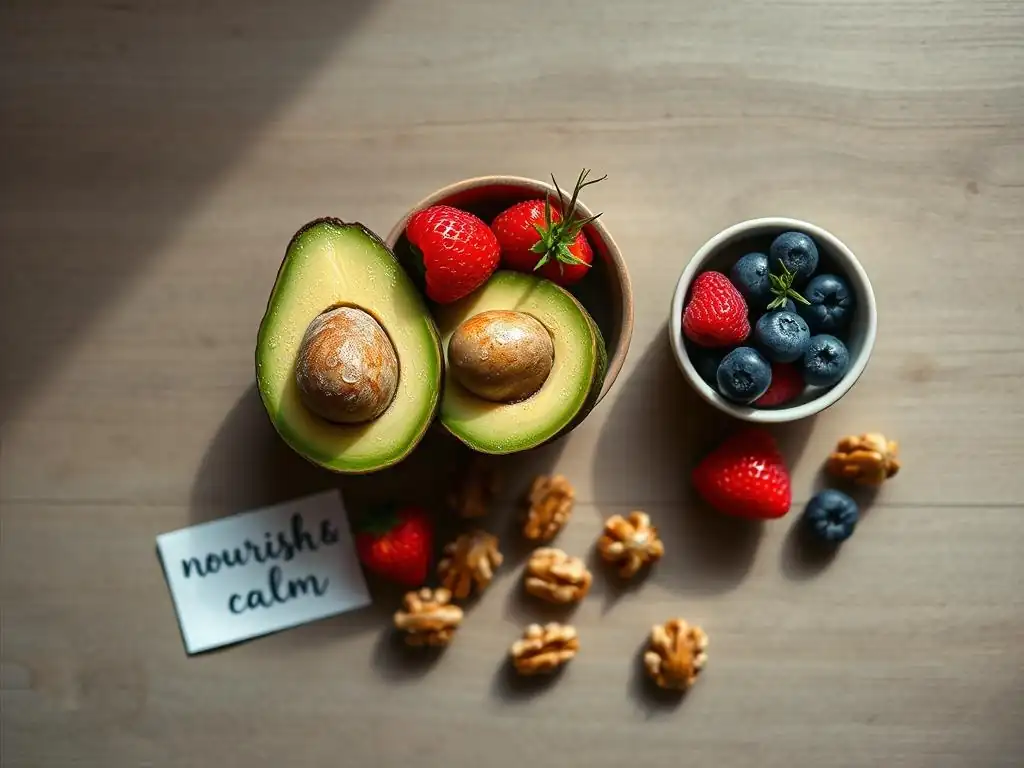
Implementing dietary changes for anxiety management requires more than just knowing what to eat; it involves developing sustainable habits and strategies. These practical tips can help make your personalized anti-anxiety diet plan more effective and manageable.
Mindful Eating: Reducing Stress During Meals
Mindful eating involves paying attention to your food, the act of eating, and your body's hunger and fullness cues without judgment. Eating mindfully can reduce stress around meals, improve digestion, and help you become more aware of how different foods make you feel.
Taking time to savor your food, chewing slowly, and being present during meals can shift your nervous system towards a more relaxed state. This practice supports the gut-brain connection and can make the process of dietary change less overwhelming, enhancing the overall anxiety diet benefits and tips.
Meal Planning: Preparation for Anxiety Management
Planning your meals in advance can significantly reduce stress related to food choices, especially when feeling anxious. Knowing what you will eat eliminates last-minute decisions that might lead to unhealthy choices and ensures you have nutrient-dense options readily available.
Meal planning can involve preparing ingredients ahead of time or batch cooking meals. This proactive approach supports consistency in your anti-anxiety diet and provides a sense of control, which can be beneficial when managing anxiety.
Regular Meal Times: Maintaining Stable Blood Sugar
Eating meals at regular intervals throughout the day helps maintain stable blood sugar levels. Skipping meals or having erratic eating patterns can lead to blood sugar dips, which, as discussed, can trigger anxiety-like symptoms such as shakiness and irritability.
Consistent meal times provide a steady supply of energy to your brain and body, preventing the energy crashes that can exacerbate anxiety. Aim for balanced meals and snacks every few hours to support stable mood and energy.
Hydration: Supporting Mental Well-being
Staying adequately hydrated is crucial for overall health, including mental well-being. Dehydration can lead to fatigue, headaches, and difficulty concentrating, which can worsen anxiety symptoms. Even mild dehydration can impact mood and cognitive function.
Make sure to drink plenty of water throughout the day. Herbal teas can also contribute to hydration and offer calming properties. Proper hydration supports all bodily functions, including those related to brain health and stress response.
Combining Diet with Other Management Techniques
While diet is a powerful tool, it is most effective when integrated into a broader anxiety management plan. Dietary changes work synergistically with other techniques such as regular exercise, sufficient sleep, stress reduction practices (like meditation or deep breathing), and therapy.
Viewing diet as one component of a holistic approach maximizes its potential anxiety diet benefits and tips. Lifestyle factors are interconnected, and addressing multiple areas simultaneously often leads to the best outcomes for managing anxiety.
Sample Meal Ideas
Here are some simple examples of meals and snacks that incorporate nutrient-dense foods beneficial for an anti-anxiety diet. These are just ideas; feel free to adapt them to your preferences and dietary needs.
Breakfast Options
- Oatmeal topped with berries, walnuts, and a sprinkle of chia seeds.
- Scrambled eggs with spinach and mushrooms.
- Greek yogurt with flaxseeds, almonds, and a small amount of honey.
- Smoothie with spinach, banana, almond milk, and a scoop of protein powder.
Lunch Options
- Large salad with leafy greens, grilled salmon or chicken, avocado, and a light olive oil dressing.
- Lentil soup with a side of whole-grain bread.
- Turkey and avocado wrap on a whole-wheat tortilla with plenty of vegetables.
- Quinoa bowl with black beans, roasted vegetables, and a tahini dressing.
Dinner Options
- Baked salmon with roasted broccoli and sweet potato.
- Chicken or tofu stir-fry with plenty of colorful vegetables and brown rice.
- Beef and vegetable stew with lean cuts of meat and root vegetables.
- Chickpea curry with spinach served with quinoa.
Snack Options
- A handful of almonds or walnuts.
- Apple slices with almond butter.
- Carrot sticks or cucumber slices with hummus.
- Greek yogurt with a few berries.
- Hard-boiled egg.
Lifestyle Factors and Anxiety

Diet is a critical piece of the puzzle for managing anxiety, but it's important to recognize its place within the larger context of your lifestyle. Other habits significantly impact your mental well-being and can either support or undermine the anxiety diet benefits and tips you implement.
Sleep Quality: Prioritizing Rest
Insufficient or poor-quality sleep can significantly worsen anxiety symptoms. Sleep deprivation disrupts hormone balance, increases stress hormones like cortisol, and negatively impacts mood regulation. Aiming for 7-9 hours of quality sleep per night is crucial.
Establishing a consistent sleep schedule, creating a relaxing bedtime routine, and ensuring your sleep environment is dark and quiet can improve sleep quality. Prioritizing rest supports your body's ability to recover and regulate mood effectively.
Physical Activity: Natural Anxiety Relief
Regular physical activity is a powerful natural anxiety reliever. Exercise releases endorphins, which have mood-boosting effects, and helps reduce stress hormones. It can also improve sleep quality and provide a healthy distraction from anxious thoughts.
Finding an activity you enjoy, whether it's walking, running, yoga, or dancing, and incorporating it into your routine can make a significant difference. Even moderate activity, like a brisk 30-minute walk most days of the week, offers substantial mental health anxiety diet benefits and tips.
Stress Reduction Practices
Chronic stress is a major contributor to anxiety. Incorporating regular stress reduction practices into your daily life is essential. Techniques such as meditation, deep breathing exercises, yoga, mindfulness, or spending time in nature can help calm the nervous system.
Finding practices that resonate with you and committing to them regularly can help lower overall stress levels, making it easier to manage anxiety and allowing your dietary changes to have a greater impact.
Monitoring Progress and Adapting
Changing your diet is a journey, not a destination. It requires patience, self-compassion, and a willingness to monitor your progress and adapt your approach based on what works best for your unique body and mind.
Tracking Symptoms and Dietary Changes
Continue using your food journal or a similar method to track how specific dietary changes impact your anxiety symptoms over time. Note what makes you feel better and what might be contributing to increased anxiety. Be specific with your observations.
For example, you might note: "Increased leafy greens this week, felt slightly calmer," or "Had sugary treat after lunch, felt jittery within an hour." This ongoing monitoring helps you refine your personalized anti-anxiety diet plan and solidify the anxiety diet benefits and tips you've learned.
Seeking Professional Guidance
While dietary changes can be very beneficial, they are not a substitute for professional medical or mental health care. If you are struggling with significant anxiety, it's important to consult with a doctor or a mental health professional.
A registered dietitian or nutritionist specializing in mental health can provide personalized guidance on dietary strategies. They can help you identify nutrient deficiencies, create a balanced meal plan, and ensure your dietary changes are safe and appropriate for you.
Patience and Self-Care
Significant dietary changes take time to show effects. Be patient with yourself and your body. There will likely be ups and downs. Focus on making sustainable, gradual changes rather than drastic, restrictive ones.
Practice self-care throughout this process. Celebrate small victories, be compassionate if you slip up, and remember that this is about nourishing your body and mind for long-term well-being. The journey to experiencing the full anxiety diet benefits and tips is personal and requires kindness towards yourself.
Conclusion: Long-Term Benefits of Dietary Changes
Adopting a personalized anti-anxiety diet focused on nutrient-dense, whole foods while minimizing potential triggers offers significant long-term anxiety diet benefits and tips. By nourishing your body and supporting the intricate gut-brain connection, you can build resilience against stress and potentially reduce the frequency and severity of anxiety symptoms.
While dietary changes are a powerful tool, remember they are part of a comprehensive approach to mental well-being. Combining your personalized anti-anxiety diet with adequate sleep, regular physical activity, stress management techniques, and professional support can pave the way for lasting improvements in your mood and overall quality of life. Embracing these nutritional strategies is an empowering step towards finding what works best for you in managing anxiety.
Frequently Asked Questions
What exactly is an "anxiety diet" and how does it work?
An anxiety diet isn't a specific prescribed diet, but rather a focus on dietary changes and choices that can help manage anxiety symptoms. It works by addressing potential nutritional deficiencies and promoting brain health through specific food groups.
Can an anxiety diet completely cure my anxiety disorder?
No, an anxiety diet is not a cure for anxiety disorders. It's a complementary approach that can support traditional treatments like therapy and medication. It can help reduce anxiety symptoms.
What are some key food groups to focus on when building an anxiety diet?
Focus on foods rich in omega-3 fatty acids, like fatty fish; magnesium, like leafy greens and nuts; and probiotics, like yogurt and fermented foods. These nutrients support brain function and gut health.
Are there any specific foods I should avoid to reduce anxiety?
Yes, limit or avoid processed foods, sugary drinks, excessive caffeine, and alcohol. These can trigger or worsen anxiety symptoms. It's also good to reduce your intake of high processed carbohydrates.
How long does it typically take to see noticeable benefits from following an anxiety diet?
It varies from person to person, but you might start noticing subtle improvements within a few weeks. However, it could take several months of consistent dietary changes and lifestyle adjustments to experience more significant and lasting effects.
Final Reflection: Nourishing Your Mind, One Bite at a Time
The connection between what we eat and how we feel is undeniable, and its impact on anxiety is increasingly recognized. Understanding this link empowers us to take proactive steps towards managing our mental wellbeing, moving beyond simply coping with anxiety to actively cultivating inner peace. This isn't about restrictive diets, but about mindful nourishment.
The exploration of personalized nutrition for anxiety management has profoundly shifted my understanding of holistic wellness. It's not a one-size-fits-all solution; the journey to finding the right foods for your body and mind is deeply personal. This journey underscores the importance of listening to your body's signals and respecting its unique needs. The body is your temple. Keep it pure and clean for the soul to reside in.
This quote, while not directly about anxiety, perfectly encapsulates the spirit of this article: treating our bodies with respect and care is fundamental to our overall wellbeing, including mental health.
Now, consider your own relationship with food and anxiety. What small changes can you implement today to nurture your mind and body? Perhaps it's incorporating more magnesium-rich foods, experimenting with calming herbal teas, or simply taking the time to savor each meal mindfully. The path to a calmer, more resilient you begins with one conscious choice, one nourishing bite at a time. Embrace the journey, and discover the transformative power of your personalized anti-anxiety diet.
Unlock Your Calm: Craft Your Personalized Anxiety-Fighting Diet
Thanks for taking the time to explore how nutrition can support your mental wellbeing! We hope you discovered valuable insights into creating a diet that works for you. Now it's time to put that knowledge into action.
- Start your personalized food journal today: Track your meals, mood, and energy levels for a week to identify potential triggers and nutritional gaps. This is your first step towards a calmer, happier you!
- Share your "aha!" moments: What surprising connection did you discover between your diet and anxiety? Let’s build a supportive community by sharing your experiences in the comments below!
- Experiment with one new anxiety-reducing food this week: Whether it's adding a handful of almonds or trying a calming chamomile tea, small changes can make a big difference.
What small dietary tweak are you most excited to try first?