
SelfCompassion: A Powerful Tool When Performance Anxiety Strikes


Welcome to Mind Care Guide, a safe space to nurture your mental well-being.
Ever felt that crushing weight of performance anxiety, holding you back from achieving your full potential? You're not alone. We understand that fear. This article delves into the power of selfcompassion as a potent antidote to performance anxiety. Discover how treating yourself with kindness and understanding can unlock a more confident and resilient you. Ready to learn how selfcompassion can help you thrive, even under pressure? Let's explore how it can reshape your relationship with anxiety.
Self-Compassion: A Powerful Tool When Performance Anxiety Strikes
- Understanding Performance Anxiety and Its Impact
- The Power of Self-Compassion: An Introduction
- How Self-Compassion Can Reduce Performance Anxiety
- Practical Techniques to Cultivate Self-Compassion for Performance Anxiety
- Applying Self-Compassion in Specific Performance Situations
- Overcoming Barriers to Self-Compassion
- The Long-Term Benefits of Self-Compassion for Managing Anxiety
- Seeking Professional Help for Performance Anxiety
- Integrating Self-Compassion into Your Daily Life for Anxiety Relief
-
Frequently Asked Questions
- How does self-compassion help reduce performance anxiety?
- What are the three key components of self-compassion, and how do they relate to managing anxiety?
- Is self-compassion the same as self-pity or self-indulgence?
- Can self-compassion actually improve performance, or does it just make you feel better?
- How can I start practicing self-compassion to combat performance anxiety in my daily life?
- Final Reflection: Embracing Imperfection, Unleashing Potential
- Unleash Your Inner Champion: Conquer Performance Anxiety Today!
Understanding Performance Anxiety and Its Impact
Defining Performance Anxiety: Beyond Stage Fright
Performance anxiety is more than just a case of the jitters before giving a speech or performing on stage. It's a type of anxiety that arises in anticipation of, or during, an event where an individual is expected to perform, be evaluated, or judged. This evaluation could be by others, or simply by one's own internal standards.
While often associated with public speaking or artistic performance, it can manifest in diverse situations, from taking an exam to participating in a sports competition, or even during social interactions or professional presentations. It's a fear of failure, embarrassment, or not meeting expectations, leading to significant distress and often impacting the actual performance.
The experience can range from mild nervousness to debilitating panic. Approximately 10-20% of the general population reports significant public speaking anxiety, a common form of performance anxiety. However, the fear extends beyond the stage. Students facing high-stakes exams, athletes competing under pressure, and professionals giving important pitches all report similar feelings of dread and apprehension. It's the pressure of being "on" and the fear of the consequences of not performing perfectly that define this specific type of anxiety, making everyday situations feel like high-stakes tests.
The Physical and Emotional Toll of Performance Anxiety
When performance anxiety strikes, the body's fight-or-flight response is activated. Physically, this can lead to a cascade of uncomfortable symptoms such as rapid heart rate, shallow breathing, sweating, trembling, dry mouth, nausea, and muscle tension. Some individuals might experience dizziness or even panic attacks. These physical manifestations are not just uncomfortable; they can directly interfere with performance, making it difficult to speak clearly, remember information, or execute physical tasks with precision. For example, a musician might find their hands shaking, or a test-taker might experience a mental block due to intense physical tension.
Emotionally, performance anxiety is characterized by intense worry, fear, dread, and often a strong sense of self-criticism. Thoughts race, focusing on potential negative outcomes ("What if I forget everything? ", "Everyone will think I'm incompetent", "I'm going to fail"). This internal monologue is frequently harsh and judgmental. This emotional burden can be exhausting and demoralizing, sometimes leading to avoidance behaviors where individuals refuse opportunities to perform altogether, limiting personal and professional growth. The chronic stress associated with anticipating performance can also contribute to sleep problems, irritability, and overall reduced quality of life.
Performance Anxiety Across Different Contexts: Public Speaking, Exams, and Athletic Competitions
Performance anxiety is a pervasive issue, affecting people across various domains. In public speaking, it's often termed glossophobia and can lead to avoidance of presentations, meetings, or social events. Symptoms like a shaky voice, sweating palms, and a racing mind are common. Students frequently grapple with exam anxiety, where the fear of failing or underperforming on tests causes intense stress, difficulty concentrating, and memory blanks, potentially impacting grades despite adequate preparation. A survey might reveal that perhaps 30-40% of students report moderate to high levels of test anxiety.
Athletes, from amateurs to professionals, also face significant performance pressure. This is often called "choking," where anxiety causes a sudden drop in performance under pressure. A basketball player might miss crucial free throws, or a golfer might struggle with putting. The fear of disappointing coaches, teammates, or themselves can be immense. While the specific triggers and manifestations differ slightly across these contexts – the quiet pressure of an exam room versus the public scrutiny of a stage or field – the underlying mechanism of fear of evaluation and potential failure remains consistent, highlighting the widespread impact of performance anxiety.
The Power of Self-Compassion: An Introduction
What is Self-Compassion? Key Components Explained
Self-compassion is about relating to ourselves with kindness, understanding, and acceptance, especially when we are suffering, feeling inadequate, or failing. It's not about evaluating ourselves positively, but about treating ourselves like we would treat a dear friend who is struggling. According to researcher Dr. Kristin Neff, a leading expert in the field, self-compassion has three core components: self-kindness, common humanity, and mindfulness. These elements work together to create a nurturing and resilient inner environment.
Self-kindness involves being warm and understanding toward ourselves when we suffer, fail, or feel inadequate, rather than ignoring our pain or flagellating ourselves with self-criticism. Common humanity recognizes that suffering and personal inadequacy are part of the shared human experience, not something unique to us. Mindfulness means being aware of our painful thoughts and feelings without judgment, observing them as they are without suppressing or exaggerating them. Together, these components provide a foundation for emotional resilience and a healthier relationship with our inner critic.
Self-Compassion vs. Self-Pity: Understanding the Difference
It's crucial to distinguish self-compassion from self-pity. While both involve recognizing suffering, self-pity tends to involve getting lost in one's own problems, feeling isolated, and exaggerating the extent of one's suffering. Someone experiencing self-pity might think, "Why me? My situation is the worst," feeling overwhelmed and stuck in their difficulties. This often leads to a focus on personal victimhood and a disconnection from others.
In contrast, self-compassion acknowledges suffering but connects it to the broader human experience (common humanity). It encourages a balanced perspective on one's situation (mindfulness) and responds with warmth and care (self-kindness). Instead of "Why me? ", the self-compassionate response is more like, "This is really difficult, and suffering is a part of life. How can I be kind to myself in this moment?" Self-compassion empowers individuals to face challenges with greater strength and perspective, fostering resilience rather than wallowing in distress.
Why Self-Compassion Is Crucial for Mental Well-being
Self-compassion is increasingly recognized as a vital component of mental well-being, distinct from self-esteem. While self-esteem often relies on positive evaluations of oneself (e.g., "I'm good at this"), self-compassion is stable regardless of success or failure. Research consistently shows that higher levels of self-compassion are associated with numerous psychological benefits. For example, studies indicate that self-compassionate individuals experience less anxiety, depression, and stress.
Furthermore, self-compassion is linked to greater emotional resilience, increased motivation (driven by a desire to learn and grow rather than fear of failure), improved relationships, and better coping skills when facing adversity. It helps us navigate difficult emotions without being consumed by them. By fostering an inner sense of safety and acceptance, self-compassion provides a strong foundation for psychological health, making it easier to face challenges like performance anxiety head-on with greater courage and less fear of judgment.
How Self-Compassion Can Reduce Performance Anxiety
Self-Kindness: Replacing Self-Criticism with Understanding
When facing performance anxiety, many people engage in harsh self-criticism. Thoughts like "You're going to mess this up," "You're not good enough," or "Everyone will laugh at you" are common. This internal critic exacerbates anxiety and undermines confidence. Self-kindness offers an alternative response. Instead of attacking ourselves for feeling nervous or making a mistake, we treat ourselves with the same warmth and understanding we would offer a friend in a similar situation.
Practicing self-kindness means acknowledging the difficulty of the situation ("It's understandable I feel nervous before this presentation") and offering comforting words or gestures ("It's okay to feel this way," "I'm doing my best"). This compassionate inner dialogue helps soothe the nervous system, reducing the intensity of the fight-or-flight response. By replacing harsh judgment with gentle acceptance, self-kindness creates a safer internal environment, making it easier to manage anxious feelings and focus on the task at hand, thereby helping selfcompassion reduce performance anxiety.
Common Humanity: Recognizing That Imperfection Is Universal
A significant part of performance anxiety stems from feeling isolated in our struggle or believing that everyone else is effortlessly confident and capable. We might think, "I'm the only one who feels this terrified," or "Everyone else seems so composed." This sense of isolation amplifies feelings of shame and inadequacy. The common humanity component of self-compassion reminds us that suffering, failure, and feelings of inadequacy are universal aspects of the human experience.
Understanding that performance anxiety is a common challenge, not a personal failing unique to us, can be incredibly liberating. Millions of people experience similar fears before public speaking, exams, or athletic events. Even highly successful individuals admit to battling nerves. Recognizing this shared struggle connects us to others and normalizes our feelings. This reduces the shame associated with anxiety and helps us feel less alone, diminishing the intensity of the anxious response and allowing selfcompassion to reduce performance anxiety more effectively.
Mindfulness: Observing Thoughts and Feelings Without Judgment
Mindfulness, in the context of self-compassion, involves paying attention to our present moment thoughts, feelings, and bodily sensations related to performance anxiety without getting swept away by them or judging them as "good" or "bad." When anxiety arises, our minds often become consumed by catastrophic thoughts and intense physical sensations. We might ruminate on worst-case scenarios or try desperately to push the feelings away, which often makes them stronger.
Mindfulness allows us to step back and observe the anxiety with a sense of curiosity and acceptance. We notice the racing heart, the shaky hands, the fearful thoughts ("I'm going to fail") without immediately reacting or believing everything the anxious mind tells us. For instance, we can observe the thought "I'm going to forget everything" simply as a thought, rather than a prediction of reality.
This mindful awareness creates space between us and our anxiety, preventing us from being completely consumed by it. It allows us to respond to our anxiety with the other components of self-compassion – kindness and the recognition of shared experience – enabling selfcompassion to reduce performance anxiety's grip.
Practical Techniques to Cultivate Self-Compassion for Performance Anxiety
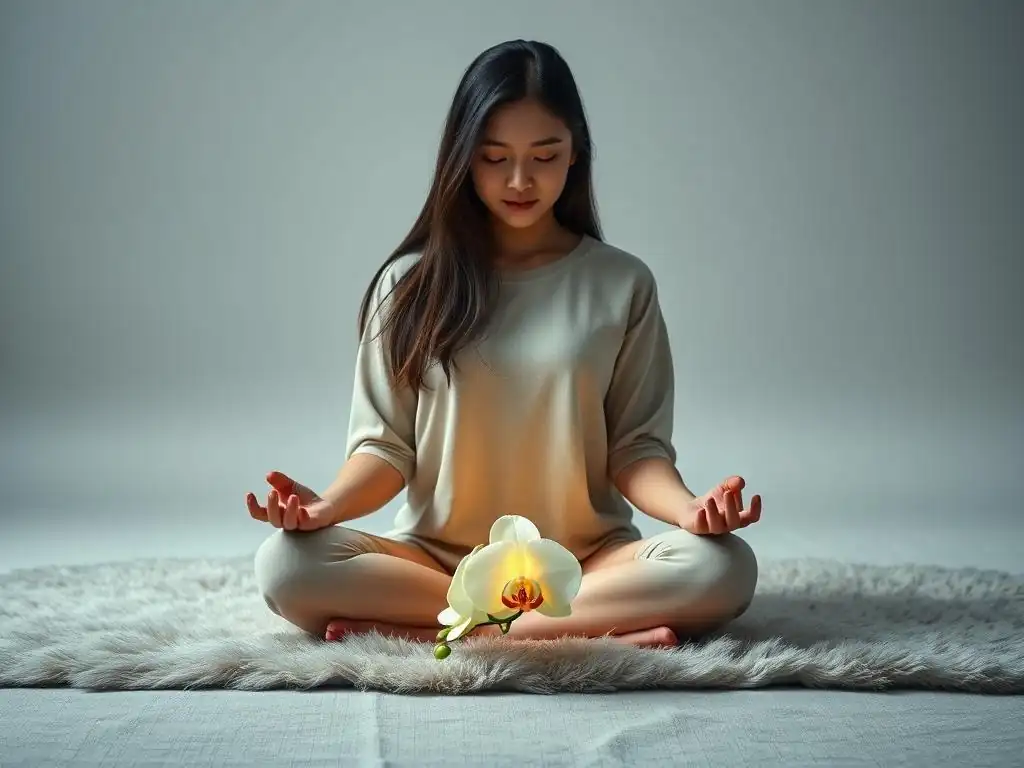
Self-Compassionate Letter Writing: A Powerful Exercise
One effective technique to cultivate self-compassion, particularly when grappling with performance anxiety, is writing a self-compassionate letter. This exercise involves writing to yourself from the perspective of a compassionate friend. First, identify a specific situation related to performance anxiety that is causing you distress – perhaps an upcoming presentation or a past performance where you felt you failed. Describe the situation and the feelings it evokes without judgment.
Next, imagine a friend who is unconditionally loving and accepting. Write a letter to yourself from this friend's perspective. In this letter, acknowledge your suffering related to the performance situation with kindness and understanding. Remind yourself that imperfection is part of the human experience and that many people struggle with similar fears (common humanity). Offer words of comfort and support, expressing belief in your inherent worth regardless of the outcome of the performance. Reading this letter aloud to yourself can be particularly powerful in internalizing the compassionate message, actively using selfcompassion to reduce performance anxiety symptoms.
Mindfulness Meditation for Performance Anxiety
Mindfulness meditation is a foundational practice for developing the mindful component of self-compassion, which is crucial for managing performance anxiety. Regular meditation helps train the mind to observe thoughts and feelings without getting entangled in them. For performance anxiety, specific meditations can be helpful. A simple practice involves sitting quietly and focusing on the breath. When anxious thoughts or physical sensations arise – like a racing heart or fearful predictions about performance – gently notice them without judgment.
Instead of trying to push the anxiety away, acknowledge its presence ("Ah, there is the feeling of nervousness," or "I notice the thought 'I can't do this'"). Then, gently redirect your attention back to your breath. This practice helps you become more aware of the anxiety as a temporary state, rather than an overwhelming identity. Over time, this reduces the reactivity to anxious triggers, allowing you to approach performance situations with greater presence and less fear, enabling selfcompassion to reduce performance anxiety's intensity. Short, focused meditations can even be used in the moments leading up to a performance.
Using Affirmations to Boost Self-Compassion and Reduce Anxiety
Affirmations are positive statements that can help counter the negative self-talk often associated with performance anxiety and cultivate self-compassion. While simply repeating positive phrases might feel inauthentic if not rooted in self-compassion, combining affirmations with a compassionate stance is powerful. Instead of unrealistic claims like "I am perfectly confident," focus on compassionate truths.
Examples of self-compassionate affirmations for performance anxiety include: "It's okay to feel nervous; this feeling will pass," "I am doing my best, and that is enough," "I am worthy of kindness, regardless of how I perform," "I can handle this challenge with courage," or "I accept myself fully, imperfections and all." Choose affirmations that resonate with you and repeat them regularly, especially when anxiety levels are high. Pair the affirmation with a gentle hand on your heart or a comforting gesture. This practice reinforces a kinder relationship with yourself, helping selfcompassion reduce performance anxiety by countering the inner critic.
The "Soften, Soothe, Allow" Technique for Managing Anxious Thoughts
The "Soften, Soothe, Allow" technique, developed by Dr. Kristin Neff and Dr. Chris Germer, is a simple yet effective method for applying self-compassion in moments of distress, including performance anxiety. When you notice anxious thoughts or feelings arising, first Soften. This involves relaxing the body, particularly areas where you hold tension (shoulders, jaw, stomach). Breathe deeply and gently release physical tightness.
Next, Soothe. Offer yourself comforting touch, like placing a hand over your heart or gently stroking your arm. Pair this with kind words or phrases, such as "May I be kind to myself," "It's okay," or "You are safe." Finally, Allow.
Acknowledge the presence of the difficult feeling or thought without trying to push it away. Allow it to be there, recognizing that it is a temporary experience. This doesn't mean liking the feeling, but simply making space for it. This three-step process actively engages the components of self-compassion to reduce performance anxiety in real-time by creating a compassionate response to distress.
Applying Self-Compassion in Specific Performance Situations
Self-Compassion for Public Speaking Anxiety
Public speaking is a common trigger for performance anxiety, often leading to intense fear of judgment and embarrassment. Applying self-compassion here means recognizing that feeling nervous before speaking in front of others is a very common human experience. Instead of criticizing yourself for feeling anxious ("I'm so weak for being scared"), offer yourself kindness ("It's completely normal to feel nervous; many people do").
Before a speech, practice mindful awareness of your anxiety without judgment. Notice the physical sensations and fearful thoughts, allowing them to be present without fighting them. During the speech, if you make a mistake or your voice trembles, resist the urge to engage in harsh self-criticism.
Instead, offer yourself an internal message of understanding ("It's okay, everyone makes mistakes") and gently re-focus. Remind yourself that your worth is not dependent on a flawless performance, which is a core tenet of how selfcompassion can reduce performance anxiety's impact. Post-speech, regardless of how it went, treat yourself with kindness rather than dwelling on perceived failures.
Self-Compassion for Exam Anxiety and Academic Performance
Students often face significant pressure around exams, leading to debilitating anxiety that can hinder preparation and performance. Self-compassion is a powerful tool here. Instead of berating yourself for feeling overwhelmed or for not knowing everything ("I'm so stupid, I'm going to fail"), practice self-kindness ("It's natural to feel stressed about exams; I'm doing my best to prepare").
During the exam, if you encounter a difficult question or feel your mind go blank, resist panic and self-criticism. Take a moment to breathe, place a hand on your heart, and offer a compassionate thought ("It's okay, just focus on the next question," or "I can handle this one step at a time"). Recognize that struggling is part of the learning process and that many students find exams challenging (common humanity).
After the exam, regardless of the outcome, treat yourself with understanding. Avoid harsh self-judgment and acknowledge your effort. This compassionate approach helps selfcompassion reduce performance anxiety by fostering a healthier relationship with academic challenges.
Self-Compassion for Athletes Experiencing Performance Pressure
Athletes at all levels can experience immense pressure to perform, leading to anxiety that negatively impacts their game. The fear of "choking" or disappointing others is significant. Self-compassion helps athletes navigate this pressure by fostering resilience. When feeling nervous before a competition or after making a mistake, instead of harsh self-criticism ("I'm such a failure," "I always mess up"), offer self-kindness ("It's tough right now, but I'm trying my hardest," "Everyone makes mistakes").
Mindfully observe the physical sensations of anxiety (e.g., tight muscles, rapid breathing) without judgment. Recognize that feeling nervous under pressure is common among athletes (common humanity). Use compassionate self-talk during the game or event; for example, after a missed shot or error, an athlete could internally say, "That was tough, but I'll learn from it.
Now, focus on the next play." This approach helps athletes recover more quickly from setbacks and maintain focus, demonstrating how selfcompassion can reduce performance anxiety and improve mental game. Post-competition, evaluate performance with a balanced perspective, focusing on effort and learning rather than solely on outcome, always treating yourself with respect.
Overcoming Barriers to Self-Compassion
Identifying and Challenging Self-Critical Thoughts
One of the primary barriers to practicing self-compassion is the ingrained habit of self-criticism, which is often amplified by performance anxiety. We've spent years, perhaps decades, internalizing a harsh inner critic that tells us we're not good enough or that our worth depends on perfect performance. Identifying these thoughts is the first step. Pay attention to the voice in your head when you feel anxious about performing or when you make a mistake. Is it harsh, judgmental, or shaming? Write down the specific phrases you use.
Once identified, begin to challenge these thoughts from a compassionate perspective. Ask yourself: "Would I say this to a friend? ", "Is this thought truly helpful? ", "What is the kinder, more realistic way to view this situation?"
For example, if the thought is "I'm going to fail this presentation," challenge it with, "I'm feeling scared, but I've prepared, and even if it's not perfect, I will learn from the experience. My worth isn't tied to this outcome." This active process of questioning and reframing helps weaken the grip of the inner critic, making space for self-compassion to reduce performance anxiety's negative self-talk.
Addressing Feelings of Unworthiness and Shame
Performance anxiety is often rooted in underlying feelings of unworthiness or shame – the belief that we are fundamentally flawed or inadequate, and that this will be exposed through our performance. These deep-seated feelings can make self-compassion feel difficult or even undeserved. Addressing these requires acknowledging their presence with kindness. Recognize that these feelings are painful and often stem from past experiences or societal pressures, not necessarily from your current reality.
Practice self-kindness towards the parts of you that feel unworthy or ashamed. Imagine holding these feelings gently. Use compassionate affirmations like, "I am worthy of kindness and acceptance, just as I am," or "My worth is inherent and not based on my performance."
Connecting with the common humanity component is also vital here; remind yourself that feelings of inadequacy are part of the human condition. Therapy, particularly approaches like Self-Compassion Focused Therapy or Acceptance and Commitment Therapy, can be very effective in processing these deeper feelings and fostering a sense of inherent worth, which is crucial for allowing selfcompassion to reduce performance anxiety at its root.
Dispelling the Myth: Self-Compassion Isn't Self-Indulgence
A common misconception is that self-compassion is self-pity, self-indulgence, or letting ourselves off the hook. People worry that if they are kind to themselves, they will become lazy, stop trying, or never improve. This is a significant barrier, as it prevents individuals from even attempting to practice self-compassion, especially in performance contexts where excellence is valued. However, research contradicts this myth entirely.
Studies show that self-compassion is linked to increased motivation, but a healthier, more sustainable kind driven by a desire to reach our potential and learn from mistakes, rather than fear of failure or harsh self-judgment. When we are self-compassionate, we are better able to acknowledge our weaknesses and mistakes without being crushed by them, allowing us to learn and grow more effectively.
Think of a coach who encourages and supports you after a mistake versus one who yells and criticizes; the supportive coach is more likely to foster long-term improvement and resilience. Embracing this truth helps overcome the barrier, demonstrating how selfcompassion can reduce performance anxiety while fostering genuine improvement.
The Long-Term Benefits of Self-Compassion for Managing Anxiety

Increased Resilience and Coping Skills
Regularly practicing self-compassion builds psychological resilience, which is the ability to bounce back from stress, adversity, and failure. When faced with performance challenges or setbacks, self-compassionate individuals are better equipped to handle the associated anxiety and disappointment. Instead of being derailed by mistakes or criticism, they can process these experiences with kindness and perspective.
Self-compassion helps cultivate effective coping skills. For example, instead of resorting to avoidance or rumination when performance anxiety strikes, a self-compassionate person is more likely to use healthy strategies like mindful breathing, self-soothing touch, or reframing negative thoughts. This enhanced ability to cope with difficult emotions and situations means that while performance anxiety might still arise, its intensity and duration are often reduced, and the individual feels more capable of navigating it. This directly illustrates how selfcompassion can reduce performance anxiety's long-term impact on well-being.
Improved Self-Esteem and Confidence
While self-compassion is distinct from traditional self-esteem (which relies on positive self-evaluations), it actually provides a more stable and healthy foundation for confidence. When our self-worth isn't solely dependent on external performance or achieving perfection, setbacks become less threatening. We can feel good about ourselves simply because we are human, flawed, and doing our best.
This inherent sense of worth reduces the pressure to constantly prove ourselves through performance. When performance anxiety arises, it doesn't shake our core sense of self as dramatically. Over time, as we practice self-kindness and acceptance, our confidence in our ability to handle challenges and imperfections grows. We become less afraid of failure, which in turn can lead to better actual performance because we are less inhibited by fear, showing how selfcompassion can reduce performance anxiety by fostering a resilient inner core.
Reduced Risk of Burnout and Mental Health Issues
Performance pressure, especially when combined with harsh self-criticism, is a significant contributor to burnout and various mental health issues, including chronic anxiety and depression. Constantly striving for perfection while beating ourselves up for perceived failures is emotionally and physically exhausting. Self-compassion offers a powerful antidote to this cycle.
By treating ourselves with kindness and understanding, we reduce the chronic stress associated with intense self-scrutiny and the fear of not being enough. We learn to rest when needed, set realistic expectations, and value our effort regardless of outcome. This protective factor significantly lowers the risk of burnout. Furthermore, the emotional resilience fostered by self-compassion acts as a buffer against the development or worsening of anxiety disorders and depression, making it a crucial practice for long-term psychological health, and demonstrating a key benefit of how selfcompassion can reduce performance anxiety and related distress.
Seeking Professional Help for Performance Anxiety
When to Consider Therapy or Counseling
While self-compassion is a powerful tool, there are times when performance anxiety is so severe that it significantly impairs daily functioning, prevents participation in important activities, or is accompanied by other mental health symptoms like depression or panic attacks. If your performance anxiety is consistently debilitating, leading to avoidance of situations you value (e.g., turning down promotions requiring presentations, dropping out of classes, quitting sports), or causing intense physical or emotional distress that feels unmanageable, it's time to consider seeking professional help.
A mental health professional can provide personalized strategies and support. They can help you understand the root causes of your anxiety, develop more effective coping mechanisms beyond self-compassion alone, and address any co-occurring conditions. Don't view seeking help as a sign of weakness; rather, it's a courageous step towards reclaiming your life from the grip of severe performance anxiety.
Therapeutic Approaches Incorporating Self-Compassion: CBT, ACT, and Self-Compassion Therapy
Several therapeutic approaches effectively address performance anxiety and often incorporate principles of self-compassion. Cognitive Behavioral Therapy (CBT) helps identify and challenge the negative thought patterns and beliefs that fuel performance anxiety, often reframing them from a more balanced and realistic perspective. While traditional CBT might focus on challenging the truth of a thought, a self-compassionate approach adds kindness and acceptance towards the experience of having the thought.
Acceptance and Commitment Therapy (ACT) encourages accepting difficult thoughts and feelings (like anxiety) rather than fighting them, while committing to actions aligned with one's values. ACT naturally aligns with mindfulness and acceptance components of self-compassion. Additionally, therapies specifically focused on self-compassion, such as Mindful Self-Compassion (MSC) programs or Compassion-Focused Therapy (CFT), directly teach the skills of self-kindness, common humanity, and mindfulness to help individuals relate to their suffering, including performance anxiety, with greater warmth and understanding. These therapies provide structured ways to integrate selfcompassion to reduce performance anxiety symptoms.
Finding a Therapist Who Specializes in Anxiety and Self-Compassion
Finding the right therapist is key to successful treatment. Look for licensed mental health professionals (psychologists, counselors, social workers) who list anxiety disorders, performance anxiety, or specific modalities like CBT, ACT, MSC, or CFT as their areas of expertise. Many therapists will mention self-compassion in their approach if they utilize these evidence-based practices.
You can search online directories of professional organizations (like the American Psychological Association or local licensing boards) and filter by specialization. It's often recommended to have a brief initial consultation with a potential therapist to see if you feel comfortable and confident in their approach. Don't hesitate to ask about their experience with performance anxiety and how they incorporate self-compassion or similar principles into their work. Finding a good fit is crucial for building a trusting therapeutic relationship that can effectively help you manage performance anxiety and cultivate lasting self-compassion.
Integrating Self-Compassion into Your Daily Life for Anxiety Relief
Creating a Self-Compassionate Routine
Integrating self-compassion into your daily life is the most effective way to ensure it's available when performance anxiety strikes. It's not just a technique for moments of crisis, but a way of being. Start by dedicating a few minutes each day to a formal practice, such as a short self-compassion meditation or writing a brief self-compassionate journal entry about a challenge you faced. Even 5-10 minutes daily can make a significant difference over time.
Beyond formal practice, look for opportunities to weave self-compassion into your everyday moments. Set an intention at the start of the day to be kinder to yourself. When you notice yourself making a mistake (spilling coffee, forgetting something), pause and offer a moment of self-kindness instead of immediate criticism. Practice mindful awareness of difficult emotions as they arise throughout the day, treating them with acceptance. This consistent effort builds the muscle of self-compassion, making it a natural response when facing the specific stress of performance situations, thereby helping selfcompassion reduce performance anxiety proactively.
Using Self-Compassion as a Preventative Measure Against Performance Anxiety
Cultivating self-compassion regularly doesn't just help manage anxiety when it appears; it can also serve as a powerful preventative measure against the intensity of future performance anxiety. By building a foundation of self-worth that isn't contingent on perfect performance, and by developing the ability to meet difficult feelings with kindness and acceptance, you reduce the fertile ground in which severe performance anxiety thrives.
When you know you will treat yourself with understanding regardless of the outcome, the fear of failure loses some of its power. When you recognize that feeling nervous is a common human experience, the shame and isolation associated with anxiety lessen. This proactive approach, rooted in daily practice, creates a buffer against the overwhelming nature of performance anxiety, making future challenges feel less daunting. By consistently practicing self-compassion, you equip yourself with the inner resources needed to face performance situations with greater calm and confidence, a key benefit of how selfcompassion can reduce performance anxiety over the long term.
Resources for Further Learning and Support
For those interested in deepening their understanding and practice of self-compassion to reduce performance anxiety, numerous resources are available. Books by leading researchers like Dr. Kristin Neff ("Self-Compassion: The Proven Power of Being Kind to Yourself") and Dr. Chris Germer ("The Mindful Path to Self-Compassion") offer in-depth explanations and practical exercises. Their websites also provide guided meditations, exercises, and research information.
Many universities and mindfulness centers offer Mindful Self-Compassion (MSC) programs, typically an 8-week course designed to teach the core skills of self-compassion. Online versions of these programs are also available. Additionally, numerous apps and websites offer guided self-compassion meditations and exercises. Exploring these resources can provide structured guidance and support on your journey to using self-compassion as a powerful tool against performance anxiety and for overall mental well-being.
Frequently Asked Questions
How does self-compassion help reduce performance anxiety?
Self-compassion allows you to treat yourself with kindness and understanding during moments of stress, especially when facing performance pressure. This reduces self-criticism and fosters a more supportive inner dialogue.
What are the three key components of self-compassion, and how do they relate to managing anxiety?
The three components are: self-kindness, common humanity, and mindfulness. They help by replacing self-judgment with acceptance, acknowledging that struggles are universal, and promoting present moment awareness to avoid overthinking.
Is self-compassion the same as self-pity or self-indulgence?
No, self-compassion differs significantly. It's about acknowledging suffering without wallowing in it. Self-pity often involves exaggerating problems, while self-indulgence is about avoiding problems altogether.
Can self-compassion actually improve performance, or does it just make you feel better?
Studies suggest self-compassion can improve performance. By reducing fear of failure and increasing emotional resilience, individuals are more likely to approach challenges with confidence and persistence.
How can I start practicing self-compassion to combat performance anxiety in my daily life?
Begin with small acts of self-kindness, like offering yourself encouraging words. Practice mindfulness exercises to become more aware of your thoughts and feelings without judgment. Seek resources from Mind Care Guide for further guidance.
Final Reflection: Embracing Imperfection, Unleashing Potential
The pervasive nature of performance anxiety in our achievement-oriented society demands a powerful antidote, and self-compassion offers precisely that. It's no longer enough to simply strive for perfection; we must cultivate the resilience to navigate setbacks and embrace our inherent vulnerability. The ability to treat ourselves with kindness and understanding during moments of struggle is not a weakness, but a crucial strength that unlocks our true potential.
The exploration of self-compassion's impact on performance anxiety reveals a profound shift in our cultural understanding of success. We are moving away from a solely outcome-focused paradigm, recognizing the importance of the process and the inherent value of the individual, regardless of the final result. This shift is vital for fostering a healthier and more supportive environment, where individuals feel empowered to take risks and learn from their mistakes. Self-compassion involves treating yourself with the same kindness and understanding that you would offer a close friend.
This simple yet powerful statement encapsulates the transformative power of this practice.
Now, consider how you can integrate self-compassion into your own life. Challenge your inner critic, the voice that fuels performance anxiety. Practice self-kindness, acknowledging your efforts and celebrating your progress, no matter how small. Remember that setbacks are inevitable, and they are opportunities for growth and learning. Embrace your imperfections, for they are what make you uniquely you. By cultivating self-compassion, you not only reduce performance anxiety but also unlock a deeper sense of self-acceptance and empowerment, paving the way for a more fulfilling and authentic life.
Unleash Your Inner Champion: Conquer Performance Anxiety Today!
Thanks for taking the time to explore the power of self-compassion in overcoming performance anxiety. We hope you gained valuable insights into managing those tricky self-critical thoughts and building resilience. Now it's time to put these insights into action!
- Prioritize a Self-Compassion Break: Take 5 minutes right now to practice one of the self-compassion exercises discussed in the article. Focus on your breath and offer yourself kindness. This is your first step towards lasting change.
- Share Your Experience: Let's build a supportive community! Share your thoughts and experiences with self-compassion in the comments below. What resonates most with you?
- Explore Guided Meditations: Dive deeper into self-compassion by searching for guided meditations specifically designed for performance anxiety.
Ready to experience the transformative power of self-compassion? What small step will you take today to nurture yourself?