
Preventing the Spiral: Early Recognition of Anxiety in Older Adults

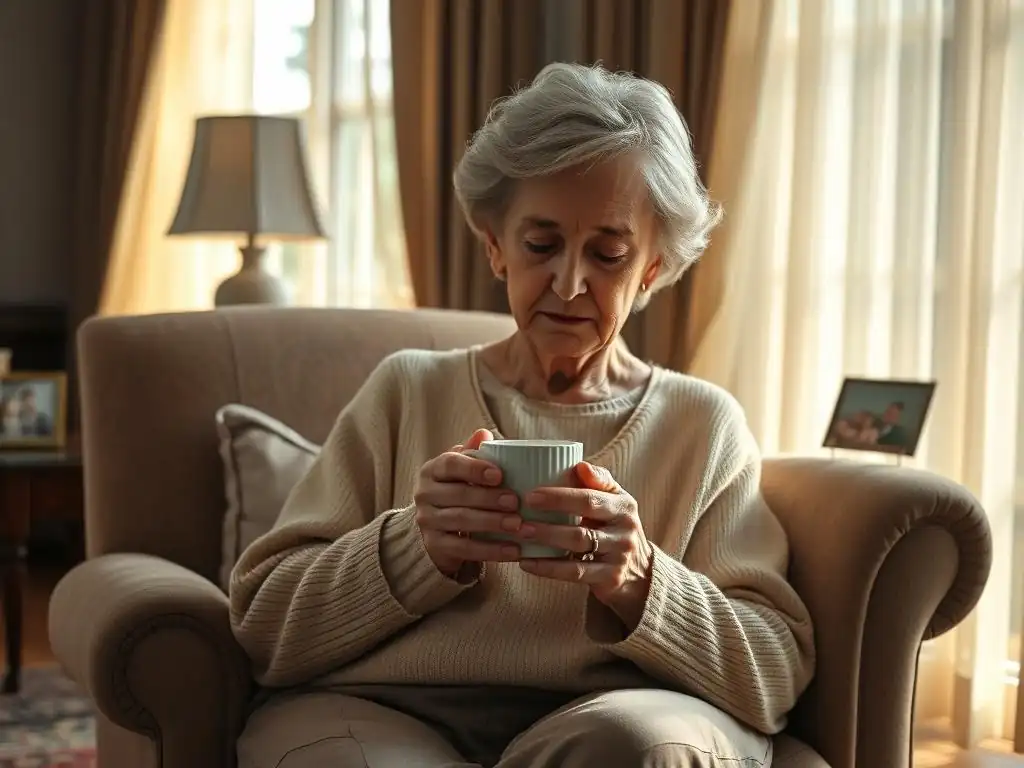
Welcome to Mind Care Guide, your haven for understanding and nurturing mental well-being.
Feeling overwhelmed about changes in your loved ones? This space is dedicated to providing you with valuable insights. Let's unravel the complexities of " anxiety symptoms in older adults" together. Recognizing the signs early can make all the difference. Curious to learn how you can help prevent the spiral? Keep reading to discover practical strategies and supportive resources.
Preventing the Spiral: Early Recognition of Anxiety in Older Adults - Mind Care Guide
- Understanding Anxiety in Older Adults: A Critical First Step
- Recognizing Anxiety Symptoms Older Adults: Key Indicators
- Differentiating Anxiety from Age-Related Changes
-
Specific Anxiety Disorders in Older Adults: A Closer Look
- Generalized Anxiety Disorder (GAD) in Seniors: Identifying the Core Symptoms
- Social Anxiety Disorder (SAD) and Isolation in Later Life
- Panic Disorder and Panic Attacks: Recognizing the Signs in Older Individuals
- Obsessive-Compulsive Disorder (OCD) in Older Adults: Manifestations and Challenges
- The Link Between Anxiety and Depression in the Elderly
- Risk Factors for Anxiety in Older Adults: Identifying Vulnerable Individuals
- Strategies for Early Intervention and Prevention of Anxiety in Seniors
- Supporting Older Adults with Anxiety: A Caregiver's Guide
- The Importance of Regular Mental Health Check-ups for Seniors
- Conclusion: Empowering Older Adults to Manage Anxiety and Live Fuller Lives
-
Frequently Asked Questions
- How does anxiety present differently in older adults compared to younger individuals?
- What are some common triggers for anxiety in older adults?
- Why is early recognition of anxiety so important in older adults?
- What are some practical steps family members can take to help an older adult struggling with anxiety?
- What resources are available to help older adults manage their anxiety symptoms?
- Final Reflection: The Unsilenced Voices of Aging Anxiety
- Unlock a Brighter Future: Support Seniors' Well-being
Understanding Anxiety in Older Adults: A Critical First Step
Why Early Recognition of Anxiety Symptoms in Seniors Matters
Recognizing anxiety symptoms older adults experience early is crucial for preventing a downward spiral in their overall health and well-being. Unlike younger populations, anxiety in later life can present differently, often manifesting as physical complaints or exacerbating existing medical conditions, making it easily overlooked or misattributed solely to aging. Prompt identification allows for timely intervention, which can significantly improve quality of life, maintain independence, and prevent the development of more severe mental and physical health issues. Ignoring early signs can lead to increased social isolation, functional decline, and a greater burden on healthcare systems.
Early detection also plays a vital role in differentiating anxiety from other conditions common in older age, such as depression or cognitive impairment. Studies suggest that untreated anxiety can contribute to cognitive decline and worsen outcomes for chronic diseases like heart disease or diabetes. By identifying anxiety early, healthcare providers and caregivers can implement targeted strategies, whether therapeutic or supportive, that address the root causes of distress rather than just managing secondary symptoms. This proactive approach is essential for empowering seniors to live fuller, more engaged lives despite the challenges of aging.
The Prevalence of Anxiety Disorders Among Older Adults
Anxiety disorders are among the most common mental health conditions experienced by older adults, though their prevalence is often underestimated. While major depressive disorder might receive more attention, generalized anxiety disorder (GAD) is estimated to affect a significant portion of the senior population, with some studies suggesting rates ranging from 3% to 15% depending on the specific group and diagnostic criteria used. Phobias, including social phobia and agoraphobia, are also notably prevalent, impacting daily activities and social engagement for many.
Despite these figures, many cases of anxiety in older adults go undiagnosed or misdiagnosed. This underreporting is partly due to seniors being less likely to report mental health concerns, often attributing symptoms to physical ailments or the natural process of aging. Furthermore, healthcare providers may not always screen specifically for anxiety in routine check-ups, focusing instead on physical health issues. This hidden burden of anxiety underscores the critical need for increased awareness and better screening tools tailored to the unique presentation of anxiety symptoms older adults exhibit.
Unique Challenges in Diagnosing Anxiety in the Elderly
Diagnosing anxiety in older adults presents unique challenges due to several factors. Firstly, the somatic or physical symptoms of anxiety, such as shortness of breath, chest pain, or gastrointestinal issues, can easily be mistaken for age-related physical health problems or side effects of medications. An older person reporting chronic fatigue or muscle tension might be treated for a physical ailment when anxiety is the underlying cause. This overlap requires careful differential diagnosis by healthcare professionals.
Secondly, older adults may express emotional distress differently than younger individuals. Instead of explicitly stating they feel worried or nervous, they might exhibit irritability, restlessness, or difficulty concentrating. Cognitive changes, even mild ones, can further complicate diagnosis, as anxiety can sometimes mimic or coexist with early signs of dementia, such as forgetfulness or confusion. Therefore, a comprehensive assessment that considers physical health, medication use, cognitive function, and psychological state is vital for accurately identifying anxiety symptoms older adults are experiencing.
Recognizing Anxiety Symptoms Older Adults: Key Indicators
Physical Manifestations of Anxiety in Older Adults
Anxiety in older adults frequently presents with physical symptoms that can be easily misinterpreted as signs of other health conditions. These somatic complaints are often the primary way seniors express their distress, sometimes without consciously recognizing it as anxiety. Common physical manifestations include persistent fatigue, muscle tension, headaches, and gastrointestinal issues like nausea, indigestion, or irritable bowel syndrome-like symptoms. These can be particularly challenging to attribute to anxiety when the individual has pre-existing physical health problems.
Other physical signs of anxiety symptoms older adults might display involve cardiovascular or respiratory systems. These can include palpitations, chest tightness, shortness of breath, or dizziness. Sleep disturbances are also a significant indicator, with many anxious older adults experiencing difficulty falling asleep, staying asleep, or waking up feeling unrefreshed. Recognizing these physical signs as potential indicators of anxiety is a critical step for both individuals and their caregivers.
Cognitive and Emotional Signs of Anxiety in Seniors
Beyond physical symptoms, anxiety also affects the cognitive and emotional state of older adults. Cognitively, seniors with anxiety may experience excessive worry about everyday matters, difficulty concentrating, or problems with memory – sometimes leading to concerns about cognitive decline. They might ruminate on past events or potential future problems, often feeling overwhelmed by their thoughts.
Emotionally, anxiety symptoms older adults exhibit can include persistent feelings of nervousness, unease, or dread. However, they might also express irritability, restlessness, or a general sense of being "on edge" rather than overt fear. Some older adults may internalize their anxiety, appearing withdrawn or apathetic, which can be mistaken for depression or simply a lack of interest due to age. Understanding this range of emotional and cognitive presentations is key to accurate recognition.
Behavioral Changes as Indicators of Anxiety
Behavioral changes are often noticeable indicators of anxiety in older adults. Anxious seniors may start avoiding situations or activities that trigger their worries, leading to social withdrawal and isolation. This could manifest as reluctance to leave the house, avoidance of social gatherings, or even refusing medical appointments due to health-related anxiety. They might also exhibit increased dependency on others due to fear of being alone or inability to cope with perceived dangers.
Other behavioral signs can include increased restlessness, pacing, or repetitive actions aimed at reducing anxiety, such as constantly checking locks or seeking reassurance. Some older adults may become more rigid in their routines or exhibit compulsive behaviors. Identifying these changes in behavior, especially when they represent a departure from the individual's usual habits, is crucial for recognizing potential anxiety symptoms older adults are experiencing and seeking appropriate support.
Distinguishing Normal Aging from Anxiety Disorders
Distinguishing between normal age-related changes and symptoms of an anxiety disorder can be challenging but is essential for proper diagnosis and treatment. It is normal for older adults to experience some level of worry about health, finances, or loved ones. Occasional forgetfulness or slower processing speed can also be part of typical aging. However, when worries become excessive, pervasive, and interfere significantly with daily functioning, relationships, or quality of life, it likely indicates an anxiety disorder.
For example, while some reduction in social activity might occur with age due to mobility issues or loss of peers, severe avoidance of social situations driven by intense fear of embarrassment or judgment is a sign of social anxiety disorder, not normal aging. Similarly, while it's common to be cautious about health, constant, intrusive health worries leading to repeated doctor visits for unsubstantiated concerns might point towards health anxiety. The key lies in the intensity, persistence, and functional impact of the symptoms compared to typical changes associated with aging.
The Role of Physical Health in Anxiety Presentation
Physical health plays a significant, often complex, role in the presentation and diagnosis of anxiety symptoms older adults display. Chronic illnesses, such as heart disease, respiratory conditions (like COPD), thyroid problems, or chronic pain, can produce symptoms that mimic anxiety, including shortness of breath, palpitations, fatigue, or restlessness. Conversely, anxiety can also exacerbate these physical conditions, creating a challenging cycle.
Furthermore, the stress of managing a chronic illness can itself be a significant trigger for anxiety in older adults. Fear about declining health, loss of independence, or the future can fuel anxious thoughts and feelings. Therefore, a thorough medical evaluation is always necessary when assessing anxiety in seniors to rule out physical causes for symptoms and to understand how existing health conditions might be interacting with mental health. Treating the underlying physical condition may sometimes alleviate anxiety symptoms, while addressing anxiety can improve outcomes for physical health.
Medication Side Effects Mimicking Anxiety Symptoms
A critical factor in diagnosing anxiety in older adults is considering the potential side effects of their medications. Polypharmacy, the use of multiple medications, is common in the elderly population, and many drugs can cause anxiety-like symptoms. For instance, certain medications for asthma (like bronchodilators), heart conditions, thyroid issues, or even over-the-counter cold remedies containing stimulants can increase heart rate, cause restlessness, or trigger feelings of nervousness.
Withdrawal from certain medications, such as benzodiazepines or alcohol, can also lead to significant anxiety. It is crucial for healthcare providers to conduct a thorough review of all medications, including prescriptions, over-the-counter drugs, and supplements, when evaluating anxiety symptoms older adults present. Adjusting medication dosages or switching to alternative treatments under medical supervision can sometimes resolve anxiety symptoms without the need for specific anxiety treatment.
Specific Anxiety Disorders in Older Adults: A Closer Look
Generalized Anxiety Disorder (GAD) in Seniors: Identifying the Core Symptoms
Generalized Anxiety Disorder (GAD) is perhaps the most common anxiety disorder in older adults. It is characterized by excessive, persistent worry about a variety of topics, such as health, finances, family, or minor everyday matters, that is difficult to control. This worry is typically disproportionate to the actual likelihood or impact of the feared event. Identifying GAD requires looking beyond mere worry to its pervasive nature and associated physical and cognitive symptoms.
Core symptoms of GAD in older adults include restlessness or feeling on edge, being easily fatigued, difficulty concentrating, irritability, muscle tension, and sleep disturbances. These symptoms must be present on most days for at least six months and cause significant distress or impairment in social, occupational, or other important areas of functioning. Unlike younger adults, seniors with GAD may focus their worries more intensely on health or family issues, and their physical symptoms might be more pronounced than their overt expressions of worry.
Social Anxiety Disorder (SAD), or social phobia, involves intense fear of social situations where the individual feels they might be scrutinized, judged, or humiliated by others. While often associated with younger individuals, SAD can persist into or emerge in later life, significantly contributing to social isolation. For older adults, this fear might center around activities like joining clubs, attending family gatherings, eating in public, or even using public transportation.
The fear of negative evaluation can lead to avoidance of social interactions, which in turn exacerbates loneliness and reduces opportunities for engagement – critical components of healthy aging. Recognizing SAD involves identifying not just shyness, which is a personality trait, but persistent, excessive fear leading to avoidance or endured social situations with intense distress. The impact on quality of life and increased risk of isolation are key indicators of SAD in older adults.
Panic Disorder and Panic Attacks: Recognizing the Signs in Older Individuals
Panic disorder is characterized by recurrent, unexpected panic attacks, which are sudden episodes of intense fear that trigger severe physical reactions without any apparent danger or trigger. While less commonly diagnosed in older adults compared to younger populations, panic disorder can occur and is often misattributed to cardiac or respiratory events due to the prominence of physical symptoms. Recognizing panic symptoms older adults experience is therefore vital.
A panic attack involves a sudden surge of intense fear or discomfort that peaks within minutes, accompanied by at least four of the following symptoms:
- Palpitations, pounding heart, or accelerated heart rate
- Sweating
- Trembling or shaking
- Sensations of shortness of breath or smothering
- Feelings of choking
- Chest pain or discomfort
- Nausea or abdominal distress
- Feeling dizzy, unsteady, lightheaded, or faint
- Derealization (feelings of unreality) or depersonalization (being detached from oneself)
- Fear of losing control or going crazy
- Fear of dying
- Paresthesias (numbness or tingling sensations)
- Chills or hot flashes
For older adults, symptoms like chest pain or shortness of breath during a panic attack are often the most alarming and may lead to emergency room visits where cardiac issues are ruled out. The fear of future attacks can lead to significant changes in behavior, including avoidance of places or situations where attacks have occurred, potentially leading to agoraphobia.
Obsessive-Compulsive Disorder (OCD) in Older Adults: Manifestations and Challenges
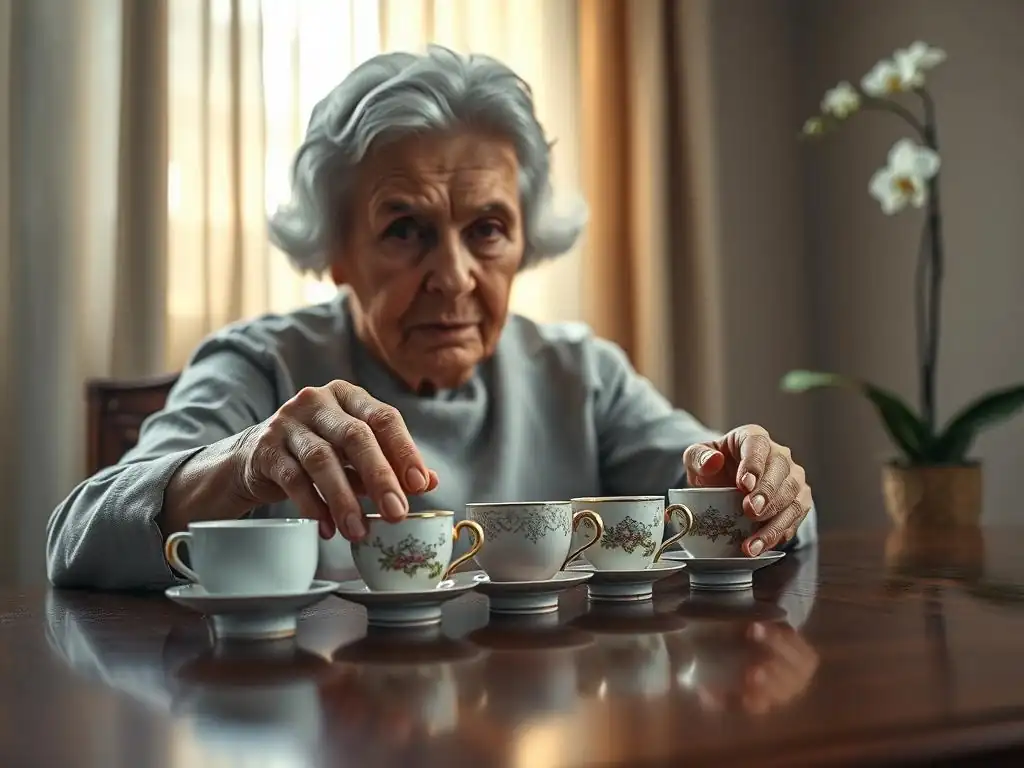
Obsessive-Compulsive Disorder (OCD) is characterized by persistent, intrusive thoughts, urges, or images (obsessions) that cause marked anxiety or distress, and repetitive behaviors or mental acts (compulsions) that the individual feels driven to perform in response to an obsession or according to rigid rules. While often presenting in adolescence or early adulthood, OCD can persist or, less commonly, emerge in later life. Identifying OCD symptoms older adults display can be challenging as compulsions might be subtle or internalized.
Common obsessions in older adults might involve fears of contamination, harm to oneself or others, or excessive concerns about order and symmetry. Compulsions can include excessive cleaning, checking (e.g., locks, appliances), ordering or arranging items, or mental rituals like praying or counting. The key diagnostic criterion is that these obsessions and compulsions are time-consuming (taking more than an hour a day) or cause clinically significant distress or impairment. In older adults, OCD might be misattributed to rigidity or eccentricity associated with age, delaying diagnosis and treatment.
The Link Between Anxiety and Depression in the Elderly
Anxiety and depression frequently co-occur in older adults, creating a complex clinical picture. It's estimated that a significant percentage of older adults with depression also experience clinically significant anxiety, and vice versa. The symptoms often overlap, such as sleep disturbances, fatigue, difficulty concentrating, and irritability, making it challenging to disentangle the two conditions.
When anxiety and depression co-exist, the symptoms of both are often more severe, and individuals experience greater functional impairment and poorer quality of life compared to having either condition alone. The presence of anxiety can also make depression more difficult to treat. Understanding this strong link is crucial for assessment, as screening for one condition should always prompt consideration for the other. Effective treatment often requires addressing both anxiety and depressive symptoms simultaneously.
Risk Factors for Anxiety in Older Adults: Identifying Vulnerable Individuals
Medical Conditions Contributing to Anxiety
Several medical conditions are known risk factors for developing or exacerbating anxiety symptoms older adults experience. Conditions that cause chronic pain, such as arthritis or neuropathy, can lead to anxiety about managing pain and its impact on daily life. Respiratory illnesses like COPD can trigger anxiety attacks due to the fear of not being able to breathe. Cardiovascular diseases, including heart failure and arrhythmias, can cause physical symptoms that mimic anxiety or create anxiety due to their severity.
Furthermore, neurological conditions like Parkinson's disease or stroke can sometimes lead to anxiety as a direct result of brain changes or indirectly due to the challenges of living with the condition. Endocrine disorders, such as thyroid imbalances (hyperthyroidism), can also cause anxiety-like symptoms. Identifying these medical comorbidities is essential, as managing the underlying physical condition can be a crucial part of addressing anxiety.
Social isolation and loneliness are significant and increasingly recognized risk factors for anxiety in older adults. As individuals age, they may experience loss of spouses, friends, or family members; reduced mobility; or relocation, all of which can decrease social contact. Lack of meaningful social interaction can lead to feelings of disconnect, vulnerability, and increased worry about being alone or unable to cope.
Studies have consistently shown a correlation between loneliness and higher rates of anxiety and depression in older populations. For example, research suggests that older adults who report feeling lonely have a significantly higher likelihood of experiencing anxiety symptoms compared to those who feel connected. Promoting social engagement and combating loneliness are therefore vital strategies for preventing and managing anxiety in later life.
Loss and Grief: Understanding Their Impact on Anxiety Levels
Experiencing loss is an inevitable part of aging, and while grief is a natural process, it can sometimes trigger or exacerbate anxiety symptoms older adults face. The loss of a spouse, partner, close friend, or even a pet can lead to intense feelings of sadness, but also significant anxiety related to changes in routine, financial concerns, loneliness, or fears about one's own mortality.
For some older adults, the grief process may become complicated or prolonged, leading to persistent anxiety, social withdrawal, and difficulty resuming normal activities. Anticipatory grief, worrying excessively about future losses, can also contribute to chronic anxiety. Recognizing the impact of loss and grief on mental well-being is crucial for providing appropriate support and intervention.
Financial Concerns and Their Effect on Mental Well-being
Financial insecurity is a major source of stress and a significant risk factor for anxiety in older adults. Many seniors live on fixed incomes, and worries about being able to afford healthcare costs, housing, food, or unexpected expenses can be overwhelming. Concerns about outliving savings or becoming a burden on family members are common anxious thoughts.
The constant worry about money can lead to chronic stress, manifesting as physical anxiety symptoms older adults often report. Financial strain can also limit participation in social activities, further contributing to isolation and worsening anxiety. Addressing financial concerns through resources, planning, or support programs can play a vital role in alleviating anxiety in this population.
History of Trauma and its Connection to Anxiety in Later Life
A history of trauma, whether experienced in childhood, adulthood, or even related to military service, can significantly increase the risk of developing anxiety disorders in later life. Traumatic experiences can have long-lasting effects on the brain and nervous system, making individuals more susceptible to anxiety and stress responses decades later.
Older adults with a history of trauma may experience anxiety symptoms triggered by reminders of the past, or they might develop chronic generalized anxiety, social avoidance, or panic attacks as a result of unresolved trauma. Post-Traumatic Stress Disorder (PTSD) can also persist into or manifest in old age. Recognizing that past experiences can profoundly impact current mental health is crucial when assessing anxiety symptoms older adults present.
Strategies for Early Intervention and Prevention of Anxiety in Seniors
Promoting social engagement is one of the most effective strategies for preventing and reducing anxiety in older adults. Maintaining strong social connections provides emotional support, reduces feelings of loneliness and isolation, and offers opportunities for meaningful activity. Encouraging participation in social clubs, senior centers, volunteer work, or intergenerational programs can significantly improve mental well-being.
Even simple activities like regular phone calls or visits from family and friends can make a difference. Technology can also play a role, helping older adults connect with loved ones who live far away through video calls or social media, provided they have access and support to use it. Initiatives that build community and foster belonging are invaluable in combating anxiety symptoms older adults might face due to isolation.
Encouraging Physical Activity and Healthy Lifestyle Choices
Regular physical activity is a powerful tool for managing and preventing anxiety across all age groups, including older adults. Exercise releases endorphins, which have mood-boosting effects, and can reduce stress hormones. Even moderate activities like walking, gardening, or gentle yoga can be beneficial. Aiming for about 150 minutes of moderate-intensity aerobic activity per week, as recommended by health guidelines, can significantly impact mental health.
Beyond exercise, promoting a healthy lifestyle including balanced nutrition and adequate sleep is crucial. Poor diet and lack of sleep can exacerbate anxiety symptoms. Encouraging older adults to maintain a regular sleep schedule and consume nutritious foods can support overall mental and physical health, helping to build resilience against anxiety.
Cognitive Behavioral Therapy (CBT) for Older Adults with Anxiety
Cognitive Behavioral Therapy (CBT) is a highly effective psychotherapy approach for treating anxiety disorders in older adults. CBT helps individuals identify and challenge negative thought patterns and behaviors that contribute to their anxiety. It teaches coping skills and strategies to manage anxious feelings and reactions.
Studies have shown that CBT can be as effective for older adults as it is for younger populations, often with positive results seen within 12-20 sessions. Therapists may adapt techniques to suit the specific needs of seniors, such as using larger print materials or incorporating discussions about age-related concerns. CBT provides older adults with practical tools to manage their anxiety symptoms older adults learn to recognize and modify.
Mindfulness and Relaxation Techniques for Managing Anxiety
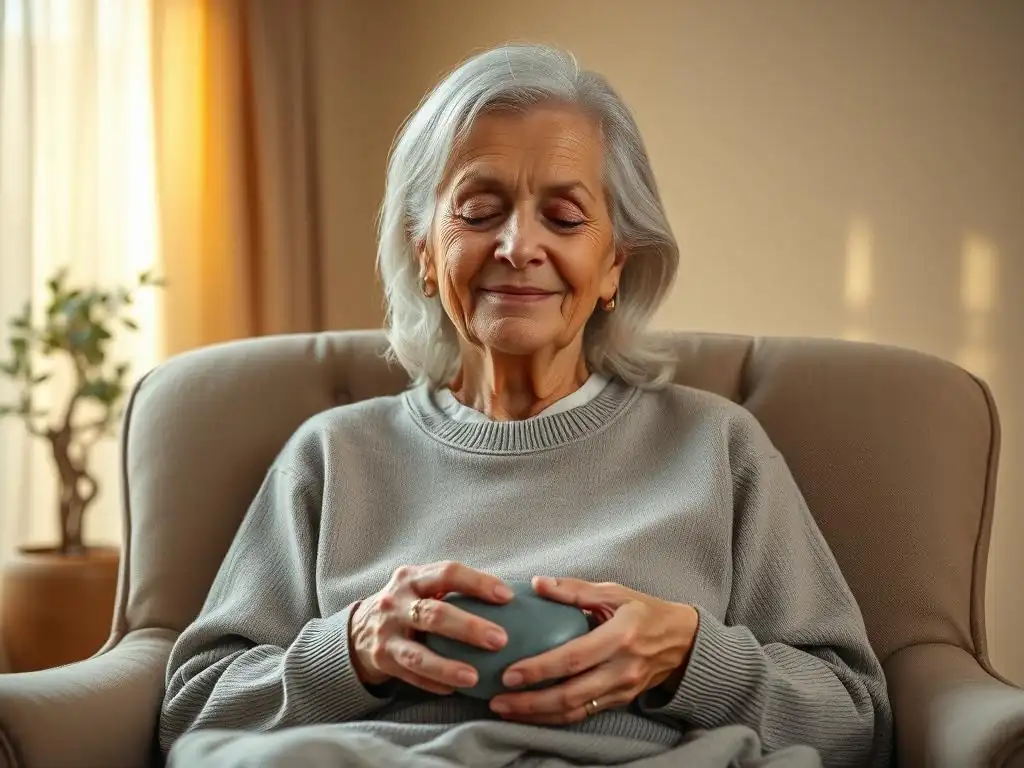
Mindfulness and relaxation techniques offer practical ways for older adults to manage acute anxiety and reduce overall stress levels. Mindfulness involves focusing on the present moment without judgment, which can help interrupt cycles of worry and rumination. Simple mindfulness practices like mindful breathing, body scans, or mindful walking can be easily incorporated into daily routines.
Relaxation techniques such as deep breathing exercises, progressive muscle relaxation, or guided imagery can help calm the nervous system and reduce physical tension associated with anxiety. These techniques are non-pharmacological and can be practiced anywhere, providing older adults with immediate tools to cope when anxiety symptoms older adults feel are overwhelming.
Seeking Professional Help: When to Consult a Mental Health Professional
Knowing when to seek professional help is critical. If anxiety symptoms older adults experience are persistent, severe, causing significant distress, or interfering with daily life, it is time to consult a healthcare provider or a mental health professional. This includes symptoms like excessive worry that is hard to control, significant changes in sleep or appetite due to worry, avoidance of necessary activities, or physical symptoms that are not explained by a medical condition.
A primary care physician can be the first point of contact, as they can perform a medical evaluation to rule out physical causes and provide a referral to a mental health specialist, such as a psychologist, psychiatrist, or licensed clinical social worker. Seeking help is a sign of strength, not weakness, and effective treatments are available to help older adults manage anxiety and improve their quality of life.
Supporting Older Adults with Anxiety: A Caregiver's Guide
Recognizing the Signs of Anxiety in Loved Ones
Caregivers play a vital role in recognizing anxiety symptoms older adults in their care might be experiencing, as seniors may not always express their feelings openly. Pay attention to changes in behavior, such as increased worry, restlessness, irritability, or withdrawal from social activities. Observe physical complaints like fatigue, muscle tension, or digestive issues that don't seem linked to a medical cause.
Listen carefully to what your loved one says, even if they don't use the word "anxiety." They might express excessive fears about specific things, complain about difficulty sleeping, or seem unusually on edge. Being aware of the potential risk factors for anxiety in older adults, such as recent losses, medical issues, or financial worries, can also help caregivers be more attuned to potential signs.
Communicating Effectively and Offering Support
Effective communication is key when supporting an older adult with anxiety. Approach conversations with empathy, patience, and understanding. Let them know you are concerned about their well-being and that you are there to listen without judgment. Avoid dismissing their worries, even if they seem irrational to you; instead, validate their feelings by saying things like, "I can see you are feeling very worried about this."
Encourage them to talk about their fears, but don't pressure them. Offer practical support, such as helping them find a therapist or accompanying them to appointments. Encourage them to engage in activities they enjoy and help them stay connected socially. Remember that your calm and supportive presence can make a significant difference in helping them feel safe and understood.
Creating a Supportive and Understanding Environment
Creating a supportive and understanding environment is crucial for older adults living with anxiety. This involves fostering a sense of security and predictability. For example, maintaining a consistent daily routine can help reduce anxiety related to uncertainty. Ensure their living environment is comfortable and feels safe.
Avoid contributing to their anxiety by minimizing stressors where possible. This might involve helping manage finances, coordinating medical appointments, or addressing safety concerns. Encourage independence where appropriate, but be ready to offer assistance when needed. Importantly, educate yourself about anxiety in older adults so you can better understand their experience and respond with compassion.
Resources and Support Networks for Caregivers
Caring for an older adult with anxiety can be challenging, and caregivers need support too. Numerous resources are available to help caregivers understand and manage the situation. Organizations focused on aging and mental health often provide educational materials, support groups, and helplines.
- Caregiver support groups, either in-person or online, offer a space to share experiences and coping strategies with others facing similar challenges.
- Websites and publications from reputable mental health organizations provide valuable information on anxiety symptoms older adults experience and effective support techniques.
- Consulting with a therapist or counselor yourself can provide emotional support and guidance on managing the stresses of caregiving.
Remember that taking care of your own well-being is essential for being able to effectively support your loved one.
The Importance of Regular Mental Health Check-ups for Seniors
Integrating Mental Health Screening into Routine Medical Care
Integrating routine mental health screening into standard medical appointments for older adults is a critical step towards early recognition and intervention for conditions like anxiety. Just as blood pressure and cholesterol are regularly checked, brief validated screening tools for anxiety and depression should be part of comprehensive geriatric care.
Many older adults see their primary care physician regularly but may not visit a mental health specialist unless a problem is severe. Training primary care providers to recognize anxiety symptoms older adults often exhibit and to use simple screening questionnaires can significantly improve detection rates. This proactive approach can identify issues early before they become debilitating, ensuring that seniors receive timely support and treatment.
Breaking the Stigma Surrounding Mental Health in Older Adults
Breaking down the stigma associated with mental health issues is paramount to encouraging older adults to seek help for anxiety. Historically, mental health has been a taboo topic, particularly for older generations who may have been taught to keep personal struggles private or view mental illness as a sign of weakness. This stigma prevents many seniors from reporting symptoms or accepting help.
Efforts to destigmatize mental health should focus on education, emphasizing that anxiety is a treatable health condition, not a character flaw. Promoting open conversations about mental well-being within families and communities, and highlighting positive stories of recovery, can help create a more supportive environment where older adults feel comfortable discussing their struggles and seeking the care they need for anxiety symptoms older adults are experiencing.
Promoting Mental Well-being and Resilience in Later Life
Promoting overall mental well-being and resilience is a preventative strategy against anxiety in older adults. This involves encouraging seniors to maintain a sense of purpose, engage in meaningful activities, and develop healthy coping mechanisms for stress. Activities that stimulate the mind, such as reading, puzzles, or learning new skills, can protect cognitive function and improve mood.
Practices that foster emotional resilience, like mindfulness, gratitude exercises, or journaling, can help older adults navigate challenges and bounce back from adversity. Encouraging a positive outlook, celebrating achievements, and focusing on strengths rather than limitations are also vital components of promoting mental well-being and building resilience against anxiety symptoms older adults might face.
Conclusion: Empowering Older Adults to Manage Anxiety and Live Fuller Lives
Recognizing and addressing anxiety symptoms older adults experience is not merely about treating a disorder; it is about empowering them to maintain their independence, relationships, and quality of life. Anxiety in later life is common, often complex, but highly treatable. By increasing awareness among seniors, families, and healthcare providers about the unique ways anxiety can manifest in this population, we can improve early detection rates.
Through a combination of professional support, evidence-based therapies like CBT, lifestyle adjustments, and strong social connections, older adults can learn to effectively manage their anxiety. Breaking down stigma and integrating mental health care into routine medical practice are crucial steps towards ensuring that no senior suffers in silence. By prioritizing the mental well-being of older adults, we enable them to navigate the challenges of aging with greater confidence and live the full, meaningful lives they deserve.
Frequently Asked Questions
How does anxiety present differently in older adults compared to younger individuals?
Anxiety in older adults often manifests with more physical symptoms such as fatigue and aches, and can be easily mistaken for age-related decline or other medical conditions. It can also be harder to recognize due to stigmas surrounding mental health in older generations.
What are some common triggers for anxiety in older adults?
Common triggers include loss of loved ones, chronic health conditions (like arthritis or heart disease), and financial worries related to retirement or healthcare costs. Social isolation and loneliness also significantly contribute.
Why is early recognition of anxiety so important in older adults?
Early recognition is crucial because untreated anxiety can lead to decreased quality of life, increased risk of physical health problems, and higher rates of hospitalization and mortality in older adults.
What are some practical steps family members can take to help an older adult struggling with anxiety?
Family members can encourage open communication, help the individual find a qualified therapist or counselor, and support healthy lifestyle changes such as regular exercise and a balanced diet.
What resources are available to help older adults manage their anxiety symptoms?
Resources include local senior centers, mental health professionals specializing in geriatrics, and online support groups and information from organizations like the Anxiety & Depression Association of America (ADAA).
Final Reflection: The Unsilenced Voices of Aging Anxiety
The early recognition of anxiety in older adults is not merely a clinical concern; it's a critical step towards preserving their quality of life and dignity. Failing to address this often-overlooked issue allows a silent spiral of isolation, depression, and declining health to take hold, impacting not only the individual but their entire support network. We must actively challenge the societal misconceptions that dismiss anxiety in older adults as a "normal" part of aging.
The pervasive stigma surrounding mental health, particularly in older generations, significantly hinders early intervention. Many older adults internalize their anxieties, fearing judgment or a loss of independence. This silence perpetuates a cycle of suffering. The greatest barrier to mental health care is not the lack of services, but the lack of access due to stigma and discrimination.
This quote highlights the urgent need for increased awareness and empathetic understanding within families and healthcare systems. We must create spaces where older adults feel empowered to voice their concerns without fear of reprisal.
Now, consider your own relationships with older adults in your life. Are you equipped to recognize the subtle signs of anxiety? Do you know how to offer support without judgment? Take the time to learn about the specific symptoms of anxiety in older adults, and actively engage in open and honest conversations with those you care about. By fostering a culture of understanding and proactive care, we can help prevent the spiral of anxiety and empower older adults to live fulfilling and vibrant lives.
Unlock a Brighter Future: Support Seniors' Well-being
Thanks for taking the time to learn about recognizing anxiety in older adults. You've now equipped yourself with valuable knowledge to make a real difference. Let's put that knowledge into action!
- Prioritize open conversations: Start a gentle dialogue with the senior in your life. Ask about their feelings and listen attentively, without judgment. This is the most crucial step in providing support.
- Share this article: Help spread awareness by sharing this article with family, friends, or support groups who work with older adults. Every bit of knowledge helps!
- Explore local resources: Research local senior centers, support groups, or mental health services that specialize in geriatric care. Finding the right support network is key.
What small step can you take today to improve the well-being of a senior in your life?