
Seeking Help: Mental Health Resources for Athletes Under Pressure

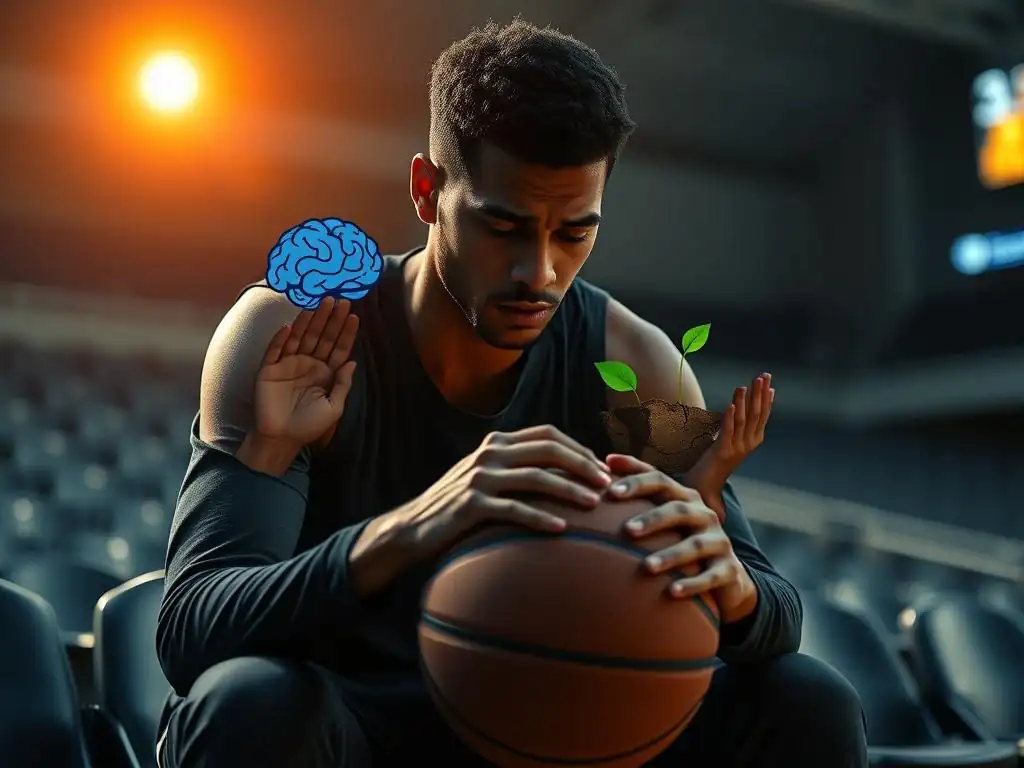
Welcome to Mind Care Guide, a compassionate space dedicated to nurturing your mental well-being. Feeling overwhelmed by the pressures of athletic life? You're not alone. Discover our comprehensive Athlete Mental Health Resources Guide, a crucial starting point for understanding and addressing the unique challenges faced by athletes. This guide, while rooted in our wider exploration of anxiety disorders, provides actionable steps and supportive resources to help you reclaim your mental strength. Ready to prioritize your mental health? Let's begin.
- Athlete Mental Health Resources Guide: Finding Support Under Pressure
- Comprehensive Guide to Mental Health Resources for Athletes
- Specific Mental Health Resources for Different Athlete Levels
- Overcoming Barriers to Seeking Mental Health Support
- Building a Supportive Team Environment: A Coach's Role in Athlete Mental Health
- Self-Care Strategies for Athletes: Prioritizing Mental Well-being
- Advocating for Athlete Mental Health: Creating Systemic Change
-
Frequently Asked Questions
- What specific mental health challenges are common among athletes?
- Where can athletes find confidential mental health support tailored to their unique needs?
- What are some effective strategies for athletes to manage stress and anxiety related to competition?
- How can coaches and teammates contribute to creating a supportive mental health environment for athletes?
- What resources does Mind Care Guide offer to help athletes navigate their mental well-being?
- Final Reflection: The Unseen Game: Championing Athlete Mental Wellness
- Unlock Your Mental Strength: Next Steps for Peak Performance
Athlete Mental Health Resources Guide: Finding Support Under Pressure
Understanding the Unique Mental Health Challenges Faced by Athletes
The world of competitive sports, whether at the high school, collegiate, or professional level, places athletes under immense and often unique pressures. Beyond the physical demands of training and competition, athletes frequently face intense scrutiny from coaches, teammates, media, and the public. This constant evaluation, coupled with the pressure to perform at peak levels consistently, can create a breeding ground for significant mental health challenges. Unlike the general population, athletes' careers, identities, and even financial stability can be directly tied to their performance, amplifying the stakes and the associated stress.
Furthermore, athletes often operate within cultures that historically valued toughness and stoicism, sometimes discouraging open discussions about vulnerability or mental struggles. This environment can make it difficult for athletes to acknowledge when they need help or to know where to turn for support. The transition into and out of sports, injury recovery, and managing the balance between athletic life and personal life also contribute layers of complexity to an athlete's mental well-being, necessitating specialized athlete mental health resources guide and support systems.
The High-Pressure Environment of Competitive Sports
The pressure to perform is a constant companion for athletes. This isn't just about winning; it includes pressure to make the team, secure scholarships, maintain a starting position, meet specific performance metrics, and manage the physical toll of training and competition. For example, a collegiate swimmer might face pressure to hit qualifying times for national championships, balancing rigorous practice schedules with academic demands. This relentless cycle can lead to chronic stress and anxiety.
This high-stakes environment is further complicated by the public nature of sports. Athletes, particularly at higher levels, are often under a microscope. A single mistake can lead to criticism online or in the media, creating significant emotional strain. Reports suggest that student-athletes, for instance, experience stress levels comparable to non-athletes but often have less time and fewer traditional social outlets to manage that stress effectively.
Common Mental Health Issues in Athletes: Anxiety, Depression, and Burnout
While athletes may appear outwardly resilient, they are susceptible to a range of mental health issues. Anxiety disorders, including performance anxiety, generalized anxiety, and social anxiety, are prevalent. The fear of failure, the pressure to meet expectations, and the unpredictable nature of competition can trigger significant anxiety. Depression is also a concern, potentially arising from injuries, performance slumps, the end of a season or career, or general life stressors compounded by athletic demands.
Burnout, characterized by emotional and physical exhaustion, cynicism, and a reduced sense of accomplishment, is a particularly relevant issue for athletes. The demanding training schedules, travel, and pressure can lead to burnout, impacting not only performance but overall well-being. Studies have indicated that a significant percentage of athletes across various sports report symptoms consistent with depression or anxiety, highlighting the critical need for accessible athlete mental health resources guide.
Recognizing the Signs: When an Athlete Needs Mental Health Support
Identifying when an athlete needs support is crucial. Signs can manifest physically, emotionally, and behaviorally. Physical indicators might include changes in sleep patterns (insomnia or excessive sleep), significant changes in appetite or weight, increased frequency of injuries, or chronic fatigue. Emotional signs can include persistent sadness, irritability, loss of interest in activities they once enjoyed (including their sport), feelings of hopelessness, or excessive worry.
Behaviorally, an athlete needing support might exhibit withdrawal from teammates or social activities, increased risk-taking behavior, difficulty concentrating, a noticeable drop in academic or athletic performance not attributable to physical injury, or increased use of substances. Coaches, teammates, family members, and athletic staff play a vital role in recognizing these signs and gently encouraging the athlete to explore available athlete mental health resources guide.
Comprehensive Guide to Mental Health Resources for Athletes
Immediate Support: Crisis Hotlines and Emergency Services for Athletes
For athletes experiencing acute distress or a mental health crisis, immediate help is paramount. Accessing timely support can make a critical difference. These resources are designed to provide confidential support 24/7, connecting individuals with trained crisis counselors who can offer immediate assistance and guidance. It's important for athletes, coaches, and support staff to be aware of these vital lifelines.
Having readily available contact information for crisis services should be a standard part of any athlete mental health resources guide provided by sports organizations or teams. These services are equipped to handle situations ranging from overwhelming stress and anxiety to thoughts of self-harm, offering a safe space to talk without judgment.
988 Suicide & Crisis Lifeline
The 988 Suicide & Crisis Lifeline provides free and confidential support for people in distress, prevention and crisis resources for you or your loved ones, and best practices for professionals in the United States. By calling or texting 988 anytime, individuals can connect with trained crisis counselors. This service is available 24/7 and can be a critical first step for an athlete in crisis.
The service is designed to be accessible and easy to remember, aiming to provide immediate support during moments of intense emotional pain. It offers a confidential space for athletes to share their struggles, whether related to performance pressure, injury, or personal issues, with someone who can listen and help navigate the crisis.
Crisis Text Line: Text HOME to 741741
Crisis Text Line offers free, 24/7 support via text message. By texting HOME to 741741 from anywhere in the US, Canada, or the UK, individuals can connect with a trained crisis counselor. This service can be particularly useful for athletes who may find it easier to communicate via text or are in a situation where talking on the phone is not feasible or comfortable.
This text-based platform provides a discreet way for athletes to reach out for help when they are struggling. It offers immediate, confidential support for a wide range of issues, including anxiety, depression, stress, bullying, and thoughts of self-harm, connecting the athlete with a compassionate listener who can provide support and resources.
SAMHSA's Behavioral Health Treatment Services Locator
The Substance Abuse and Mental Health Services Administration (SAMHSA) offers a confidential and anonymous resource for individuals seeking treatment facilities in the United States for substance use/addiction and/or mental health issues. While not a crisis hotline, it is a vital tool for finding longer-term support.
This locator helps individuals find treatment programs, therapists, and mental health services in their local area. It can be a valuable resource for athletes looking for ongoing professional help after accessing immediate crisis support, providing information on facilities and services tailored to behavioral health needs.
Long-Term Mental Health Support for Athletes
While immediate crisis support is essential, sustainable mental well-being for athletes often requires long-term strategies and professional help. Engaging in therapy or counseling provides athletes with tools and coping mechanisms to navigate ongoing stressors, address underlying issues, and build resilience. Finding the right type of support is key to a successful journey.
Long-term support can take many forms, from regular therapy sessions to specialized mental skills training. It's about creating a consistent support system that helps athletes proactively manage their mental health, rather than just reacting to crises. This sustained effort is crucial for both performance longevity and overall quality of life.
Therapy and Counseling for Athletes: Finding the Right Fit
Therapy offers a confidential space for athletes to process their experiences, develop coping strategies, and address mental health conditions. Finding a therapist who understands the unique pressures of competitive sports can be particularly beneficial. This might involve exploring different therapeutic approaches, such as Cognitive Behavioral Therapy (CBT) to challenge negative thought patterns or Acceptance and Commitment Therapy (ACT) to build psychological flexibility.
The process of finding the "right fit" is personal and may require trying a few different therapists. It's important for athletes to feel comfortable and safe with their therapist to build a trusting relationship. Many therapists specialize in working with athletes, possessing a deeper understanding of performance issues, team dynamics, and the athlete identity.
Sports Psychologists: Expertise in Athlete-Specific Mental Health
Sports psychologists are mental health professionals with specialized training in the psychological aspects of sport, exercise, and physical activity. They often work with athletes on performance enhancement, but many also address clinical mental health issues like anxiety, depression, and eating disorders within the context of sports. They understand the specific demands athletes face, such as managing pressure, coping with injury, and navigating transitions.
Working with a sports psychologist can provide athletes with strategies tailored to their unique environment. They can help athletes develop mental toughness, improve focus, manage performance anxiety, and process the emotional impact of injuries or setbacks. Their expertise makes them invaluable athlete mental health resources guide specifically for performance-related psychological challenges.
Teletherapy Options for Athletes: Convenient and Accessible Support
Teletherapy, or online therapy, has become an increasingly accessible option, offering convenience and flexibility that can be particularly beneficial for athletes with demanding schedules or those who travel frequently. Athletes can connect with licensed therapists via video calls from anywhere, making it easier to maintain consistent appointments regardless of their location or training commitments.
This format removes geographical barriers, allowing athletes to access therapists who specialize in sports psychology or athlete mental health, even if they are not located nearby. Teletherapy platforms adhere to privacy regulations to ensure confidentiality, providing a secure and confidential way for athletes to receive professional support from the comfort of their home or a private space.
Open Path Collective: Affordable Therapy Options
Financial barriers can sometimes prevent athletes from accessing needed mental health support. Resources like the Open Path Collective aim to make therapy more affordable by connecting clients with therapists who offer sessions at reduced rates. This can be a crucial resource for athletes without comprehensive insurance coverage or those facing financial constraints.
Exploring options like Open Path Collective is part of a comprehensive athlete mental health resources guide, ensuring that cost does not become an insurmountable obstacle to seeking help. These resources broaden access to professional counseling and therapy, making long-term mental health support attainable for more athletes.
Support Groups and Peer Networks for Athletes
Connecting with others who share similar experiences can be incredibly validating and empowering for athletes struggling with mental health challenges. Support groups and peer networks provide a safe space to share experiences, offer mutual support, and reduce feelings of isolation. Hearing from peers who have navigated similar pressures and mental health struggles can provide hope and practical insights.
These networks foster a sense of community and understanding that can be hard to find elsewhere. They allow athletes to open up about their vulnerabilities with people who truly grasp the unique context of their challenges, reinforcing that they are not alone in their experiences.
Connecting with Other Athletes Facing Similar Challenges
Support groups specifically for athletes can address shared experiences like performance anxiety, injury recovery, identity struggles outside of sport, and the pressures of balancing athletic and personal life. These groups can be facilitated by mental health professionals or run as peer-led initiatives. Sharing stories and coping strategies in a supportive environment can significantly reduce feelings of stigma and isolation.
Participating in these groups allows athletes to learn from the experiences of others, gain new perspectives, and build a support system outside of their immediate team or family. The shared understanding within these groups can be a powerful catalyst for healing and growth.
The Hidden Opponent: Online Community for Student-Athlete Mental Health
The Hidden Opponent is an advocacy group and online community specifically focused on addressing the mental health of student-athletes. Founded by a former collegiate athlete, it provides resources, shares personal stories, and connects student-athletes with each other. Their platform aims to destigmatize mental health struggles in sports and empower athletes to seek help.
This organization serves as a valuable part of an athlete mental health resources guide for younger athletes, offering relatable content and a sense of solidarity. By highlighting the shared challenges faced by student-athletes, The Hidden Opponent encourages open dialogue and provides a supportive online environment for those navigating the pressures of collegiate sports.
The Power of Peer Support in Overcoming Mental Health Struggles
Peer support leverages the power of shared experience. Athletes who have successfully managed mental health challenges can offer invaluable guidance, empathy, and hope to those currently struggling. This informal support can complement professional help, providing day-to-day understanding and encouragement.
Peer networks, whether formal or informal, reinforce the message that seeking help is a sign of strength, not weakness. They provide practical advice based on lived experience and help to normalize discussions around mental well-being within the athletic community.
Educational Resources and Workshops for Athletes and Coaches
Education is a critical component of promoting athlete mental health. Providing athletes, coaches, and support staff with information about mental health issues, available resources, and strategies for support can build a more informed and supportive environment. Workshops and educational materials help to increase awareness, reduce stigma, and equip individuals with the knowledge to recognize signs of distress and respond effectively.
Investing in mental health education is a proactive approach to well-being in sports. It empowers everyone involved to prioritize mental health and understand their role in creating a positive and supportive athletic culture.
NCAA Mental Health Resources for Student-Athletes
The National Collegiate Athletic Association (NCAA) provides a range of mental health resources specifically for student-athletes and member institutions. These resources include best practice guidelines, educational materials, and directories of mental health professionals. The NCAA emphasizes the importance of integrating mental health care into overall student-athlete health and well-being.
These resources serve as a foundational part of the athlete mental health resources guide for collegiate athletes, offering guidance on everything from recognizing symptoms to developing institutional policies that support mental health. They aim to ensure that student-athletes have access to appropriate care and support services on campus.
Positive Coaching Alliance: Workshops on Creating Positive Team Environments
The Positive Coaching Alliance (PCA) offers workshops and resources aimed at developing "Positive Coaches" and creating positive team cultures. While not exclusively focused on mental health conditions, PCA's principles of fostering mastery-oriented environments, emphasizing effort, and teaching life lessons through sports directly contribute to a supportive atmosphere that can mitigate stress and anxiety among athletes.
Workshops from organizations like PCA help coaches understand their impact on athletes' psychological well-being and equip them with strategies to build trust, encourage open communication, and support athletes beyond just their performance on the field. This creates a safer space for athletes to address mental health concerns.
Resources for Coaches on Supporting Athlete Mental Health
Coaches are often the first line of contact for athletes and play a significant role in their lives. Providing coaches with resources and training on how to recognize signs of mental distress, how to approach conversations about mental health empathetically, and how to connect athletes with professional help is essential. Many sports organizations and mental health bodies offer programs specifically for coaches.
These resources might include guides on creating a mentally healthy team culture, modules on specific mental health conditions prevalent in athletes, and information on referral pathways. Empowering coaches with this knowledge ensures that they can be effective allies in promoting athlete well-being and utilizing available athlete mental health resources guide.
Specific Mental Health Resources for Different Athlete Levels

Mental health challenges and available support can vary depending on an athlete's level of competition. The pressures faced by a high school athlete differ from those of a professional or a retired athlete. Recognizing these distinctions allows for the targeting of specific athlete mental health resources guide tailored to the unique contexts of each group.
Providing level-specific information ensures that athletes and those who support them can find the most relevant and accessible resources for their particular situation. This tiered approach acknowledges that the demands, support structures, and available services differ significantly across the athletic journey.
Student-athletes face the dual demands of rigorous training and academic responsibilities. Balancing practice schedules, travel, coursework, and social life can be incredibly challenging and a significant source of stress and anxiety. Support systems for student-athletes often involve campus resources and specific programs designed to address these unique pressures.
Accessing appropriate mental health support is crucial for student-athletes to succeed both academically and athletically while maintaining their well-being. Universities and colleges are increasingly recognizing the need for integrated support services.
Mental Health Services Available at Colleges and Universities
Most colleges and universities have counseling centers that provide mental health services to enrolled students, including student-athletes. These services typically include individual counseling, group therapy, crisis intervention, and workshops on stress management and coping skills. Many institutions also have dedicated sports psychologists or counselors embedded within the athletic department.
These campus resources are often free or low-cost for students, making them accessible. Athletic departments are increasingly working to ensure that student-athletes are aware of these services and that scheduling conflicts are minimized to allow access to appointments.
Balancing Academics and Athletics: Time Management and Stress Reduction Tips
Effective time management is critical for student-athletes. Resources and workshops focusing on study skills, scheduling, and balancing competing demands can significantly reduce stress. Learning to prioritize tasks, set realistic goals, and utilize academic support services are key skills for navigating the student-athlete experience.
Beyond time management, teaching stress reduction techniques like mindfulness, deep breathing exercises, and ensuring adequate sleep and nutrition are vital components of supporting student-athlete mental health. These strategies help student-athletes cope with pressure and maintain well-being amidst their demanding schedules.
Resources for Professional Athletes: Addressing the Demands of a High-Profile Career
Professional athletes face intense public scrutiny, performance expectations tied to livelihood, and significant travel demands. The stakes are high, and the pressure can be immense. Many professional sports leagues and players' associations have developed specific mental health programs and confidential resources for their athletes.
These programs are designed to address the unique challenges of professional sports, offering confidential access to therapy, psychiatric care, and support for issues ranging from performance slumps to the stress of media attention and contract negotiations.
Confidential Mental Health Support for Professional Athletes
Many professional sports leagues (such as the NBA, NFL, MLB, NHL, etc.) and players' unions offer confidential mental health support programs as part of their benefits packages. These programs typically provide access to a network of licensed therapists and mental health professionals who understand the unique context of professional sports. Confidentiality is a critical component to encourage athletes to utilize these services without fear of repercussions.
These services aim to remove barriers to access and ensure that athletes feel safe seeking help for any issue, whether it's performance-related stress, personal struggles, or clinical conditions. They are designed to be readily available and discreet, recognizing the high-profile nature of the athlete's life.
Managing Public Scrutiny and Performance Anxiety
Professional athletes are constantly in the public eye, with their performance, personal lives, and even social media activity subject to intense scrutiny and commentary. Learning to navigate this level of public attention and manage the associated performance anxiety is a significant challenge. Mental skills training and therapy can provide strategies for coping with criticism, setting boundaries, and maintaining focus under pressure.
Resources specifically addressing media training, social media management, and psychological strategies for handling high-pressure situations are crucial for professional athletes. These tools help athletes develop resilience and protect their mental well-being in a highly visible and demanding environment.
Resources for Retired Athletes: Transitioning to Life After Sports
The transition out of competitive sports can be a significant life change, often accompanied by challenges related to identity, purpose, and physical health. Athletes who have dedicated years, if not decades, to their sport may struggle with the loss of their athletic identity, the structure of daily training, and the camaraderie of a team. Mental health support is vital during this period of adjustment.
Providing resources and support for retired athletes acknowledges that the impact of sports on mental well-being extends beyond the playing years. Helping former athletes navigate this transition is crucial for their long-term health and successful integration into post-athletic life.
Addressing Identity Crisis and Loss of Purpose
For many athletes, their sport is central to their identity. Retiring can lead to a profound sense of loss and an identity crisis. Support services for retired athletes often focus on helping individuals explore new interests, develop new skills, and find a new sense of purpose outside of sports. Counseling can help process the grief associated with the end of a career and build a new identity.
Workshops and programs designed for career transition and personal development are valuable athlete mental health resources guide for those moving into retirement. They provide structure and support for exploring new paths and redefining success beyond athletic achievements.
Support for Physical and Mental Health Challenges Post-Retirement
The physical toll of a sports career can manifest in chronic pain or injuries after retirement, which can impact mental health. Additionally, the lack of the structured physical activity that was central to their lives can affect mood and well-being. Resources that address both physical recovery and mental health are important for retired athletes.
Access to physical therapy, pain management specialists, and mental health professionals who understand the unique issues faced by former athletes can provide comprehensive support. Programs that encourage continued physical activity in healthy ways and offer social connection can also aid in the transition and maintenance of well-being.
Overcoming Barriers to Seeking Mental Health Support
Despite the growing awareness of mental health challenges in sports, significant barriers still prevent athletes from seeking the help they need. Stigma, fear of judgment, concerns about confidentiality, and lack of awareness of available resources are common obstacles. Addressing these barriers is crucial to ensuring that athlete mental health resources guide are not just available, but also accessible and utilized.
Creating an environment where seeking help is normalized and encouraged requires intentional effort from athletes, coaches, organizations, and the wider sports community. Dismantling these barriers is key to fostering a culture that truly prioritizes mental well-being.
Addressing Stigma and Promoting Open Conversations About Mental Health in Sports
Historically, sports culture has sometimes equated seeking help for mental health with weakness or a lack of toughness. This pervasive stigma is a major barrier. Promoting open conversations about mental health, sharing stories of athletes who have sought help, and emphasizing that mental well-being is integral to performance and overall health are essential steps in breaking down this stigma.
Initiatives like public campaigns featuring athletes sharing their experiences, educational workshops for teams, and consistent messaging from leadership within sports organizations can help normalize discussions about mental health. The goal is to create an environment where athletes feel safe and supported in talking about their struggles.
Reducing the Fear of Judgment and Weakness
Athletes often fear that admitting to mental health struggles will lead to negative consequences, such as losing playing time, jeopardizing scholarships or contracts, or being seen as unreliable by coaches or teammates. This fear of judgment is powerful. Highlighting examples of athletes who have successfully sought help and continued to perform at a high level can counter this fear.
Creating a team and organizational culture where vulnerability is seen as a strength and seeking help is viewed as proactive self-care helps reduce the fear of being perceived as weak. Leaders and coaches play a critical role in modeling this behavior and reinforcing supportive attitudes.
Encouraging Athletes to Prioritize Mental Well-being
Athletes are often conditioned to prioritize physical training and performance above all else. Encouraging them to view mental well-being as equally important as physical health is vital. This involves educating athletes on the connection between mental health and performance, and providing practical strategies for incorporating mental self-care into their routines.
Messaging that emphasizes mental health as a component of peak performance, rather than something separate or secondary, can resonate with athletes. Providing easy access to athlete mental health resources guide and integrating mental skills training into regular practice schedules helps reinforce this priority.
Confidentiality and Privacy Concerns: Protecting Athlete Information
Athletes, particularly those in high-profile positions, may have legitimate concerns about the privacy and confidentiality of their mental health information. They may worry about how this information could impact their career, endorsements, or public image. Ensuring robust privacy protections and clearly communicating these protections is essential for building trust.
Addressing these concerns directly and transparently is crucial for encouraging athletes to seek help. Athletes need to be confident that their sensitive information will be handled with the utmost care and discretion.
Understanding HIPAA and Athlete Mental Health Records
In the United States, the Health Insurance Portability and Accountability Act (HIPAA) sets standards for the protection of sensitive patient health information. While HIPAA provides a baseline for privacy, the application of privacy rules in sports settings, particularly concerning information shared between medical staff, coaches, and administrators, can be complex. Athletes need to understand their rights regarding their mental health records and how their information is handled.
Providing clear information about confidentiality policies, who has access to their records, and under what circumstances information can be shared (e.g., with their explicit consent) is vital. Mental health professionals working with athletes should be well-versed in these regulations and committed to protecting athlete privacy.
Ensuring a Safe and Trusting Environment for Seeking Help
Beyond formal regulations, creating an environment of trust is paramount. This means ensuring that conversations about mental health are treated with sensitivity and respect, and that athletes feel safe disclosing their struggles without fear of negative consequences. This trust is built through consistent messaging, ethical practices by staff, and a demonstrated commitment to athlete well-being.
A safe environment is one where athletes know they can reach out for help, be met with understanding, and have their privacy respected. This requires ongoing training for coaches and staff, clear protocols for handling mental health issues, and a culture that values athlete welfare above all else.
Building a Supportive Team Environment: A Coach's Role in Athlete Mental Health

Coaches are often the most influential figures in an athlete's life outside of their family. They shape the team culture, set expectations, and are frequently the first to notice changes in an athlete's behavior or performance. Therefore, coaches play a critical role in supporting athlete mental health and connecting them with appropriate athlete mental health resources guide.
Empowering coaches with the knowledge and skills to recognize signs of distress, communicate empathetically, and know when and how to refer athletes to professional help is fundamental to creating a truly supportive athletic environment.
Recognizing and Responding to Signs of Mental Distress in Athletes
Coaches spend significant time with their athletes and are well-positioned to observe changes in mood, behavior, and performance that could indicate mental distress. Recognizing these signs early is crucial. Training for coaches should cover common symptoms of anxiety, depression, burnout, eating disorders, and substance use disorders in athletes.
Responding effectively involves approaching the athlete with care and concern, expressing observations non-judgmentally, and listening actively. The coach's role is not to diagnose or treat, but to express support and guide the athlete towards professional help.
Creating a Culture of Open Communication and Support
A team culture where athletes feel comfortable talking about their struggles, including mental health challenges, is invaluable. Coaches can foster this by being approachable, modeling vulnerability (where appropriate), and explicitly stating that mental health is a priority. Regularly checking in with athletes about their well-being, not just their performance, helps build trust.
Encouraging open dialogue, providing psychoeducation on mental health topics during team meetings, and integrating mental skills training into regular practices can normalize discussions and reduce stigma within the team.
Connecting Athletes with Appropriate Mental Health Resources
Knowing when and how to refer an athlete to professional help is a key responsibility for coaches. Coaches should be familiar with the available athlete mental health resources guide, both within their institution or organization and in the wider community. Having established protocols for referring athletes in distress ensures that they receive timely and appropriate care.
Coaches should have contact information for campus counseling services, team psychologists, crisis hotlines, and other relevant resources readily available. Guiding an athlete through the process of seeking help, whether it's scheduling an initial appointment or accompanying them to a first visit if appropriate and comfortable for the athlete, demonstrates support and helps overcome potential barriers.
Self-Care Strategies for Athletes: Prioritizing Mental Well-being
While professional support and external resources are vital, empowering athletes with effective self-care strategies is also crucial for maintaining long-term mental well-being. Self-care involves proactive steps athletes can take to manage stress, improve mood, and build resilience. Integrating these practices into daily routines can help athletes navigate the pressures of their sport more effectively.
Self-care is not selfish; it is a necessary component of sustainable performance and overall health. Athletes who prioritize their mental well-being are often better equipped to handle challenges and maintain a healthier relationship with their sport.
Mindfulness and Meditation Techniques for Stress Reduction
Mindfulness involves paying attention to the present moment without judgment, while meditation is a practice used to train attention and awareness. Both techniques can be powerful tools for athletes to manage stress, reduce anxiety, improve focus, and enhance emotional regulation. Practices can be as simple as a few minutes of focused breathing or body scan meditation.
Incorporating mindfulness into pre-competition routines or recovery periods can help athletes stay centered and manage performance pressure. Regular practice can build mental resilience, helping athletes navigate setbacks and distractions with greater calm.
The Importance of Sleep, Nutrition, and Physical Activity
Fundamental aspects of physical health—adequate sleep, balanced nutrition, and appropriate physical activity (outside of sport-specific training)—are deeply intertwined with mental well-being. Chronic sleep deprivation can exacerbate anxiety and depression, while poor nutrition can affect mood and energy levels. Even for athletes, balancing training load with rest and recovery is critical.
Educating athletes on the importance of these foundational health behaviors and providing resources to support healthy habits is a key part of an athlete mental health resources guide. Ensuring athletes prioritize sufficient sleep (often 7-9 hours per night for adults, more for younger athletes), fueling their bodies properly, and engaging in restorative activities can significantly impact their mental state.
Setting Boundaries and Managing Time Effectively
The demanding nature of sports can easily lead to burnout if athletes don't set healthy boundaries. Learning to say no to non-essential commitments, scheduling downtime, and protecting time for rest, recovery, and personal relationships are important self-care practices. Effective time management, as mentioned for student-athletes, is also crucial for all athletes to reduce feelings of being overwhelmed.
Setting boundaries around training hours, media availability, or even interactions on social media can help athletes protect their mental energy and prevent exhaustion. Learning to manage their time effectively allows athletes to allocate sufficient time for recovery and activities outside of their sport that contribute to their overall well-being.
Advocating for Athlete Mental Health: Creating Systemic Change
While individual resources and support are essential, creating lasting positive change requires systemic advocacy. This involves working to change policies, increase funding for mental health services in sports, and raise awareness at a broader level. Athletes, coaches, organizations, and fans can all play a role in advocating for better mental health support structures within the sports world.
Advocacy aims to create environments where mental health is not an afterthought but a fundamental priority, embedded in the structure and culture of sports at all levels. This requires collective effort and a commitment to pushing for change.
Supporting Legislation and Policies that Prioritize Athlete Well-being
Advocating for policies and legislation that mandate access to mental health services, protect athlete privacy, and promote mental health education within sports organizations is a crucial step. This could involve supporting bills related to student-athlete welfare or pushing for league-wide mandates regarding mental health staffing and resources.
Policy changes can ensure that mental health support is not optional but a required component of athlete care, similar to physical healthcare. Supporting organizations that lobby for these changes is one way to contribute to systemic improvement in athlete mental health resources guide.
Raising Awareness and Promoting Mental Health Advocacy in Sports
Public awareness campaigns, sharing personal stories, and utilizing the platform of sports to promote mental health awareness can significantly reduce stigma and encourage help-seeking. Athletes, coaches, and sports figures who speak openly about their experiences can inspire others and normalize discussions about mental well-being.
Promoting mental health advocacy involves encouraging individuals within the sports community to become champions for the cause, educating others, and challenging negative stereotypes surrounding mental illness. This collective voice is powerful in driving cultural change.
Donate to Athlete Mental Health Organizations
Financial support is often needed to expand access to athlete mental health resources guide, fund research, and develop new programs. Donating to non-profit organizations dedicated to supporting athlete mental health is a direct way to contribute to creating systemic change and providing vital services.
Many organizations work tirelessly to provide free or low-cost counseling, educational programs, and advocacy efforts specifically for athletes. Supporting these groups financially helps them reach more athletes in need and continue their work in building a healthier, more supportive sports environment.
Frequently Asked Questions
What specific mental health challenges are common among athletes?
Athletes often face challenges such as performance anxiety, burnout, and body image issues due to intense pressure and scrutiny. These can significantly impact their overall well-being.
Where can athletes find confidential mental health support tailored to their unique needs?
Athletes can seek help from sports psychologists, team counselors, and athlete-specific mental health organizations that offer confidential and specialized support.
Strategies include mindfulness techniques, visualization exercises, and developing coping mechanisms to manage pre-competition jitters and performance-related stress.
How can coaches and teammates contribute to creating a supportive mental health environment for athletes?
Coaches and teammates can foster a positive environment by promoting open communication, reducing stigma around mental health, and encouraging athletes to seek help when needed.
Mind Care Guide provides a comprehensive Athlete Mental Health Resources Guide, offering information, support, and links to various organizations specializing in athlete mental health.
Final Reflection: The Unseen Game: Championing Athlete Mental Wellness
The pressure cooker environment of elite athletics often masks a silent struggle: the pervasive challenge of mental health. Ignoring this reality is not only detrimental to individual athletes but also undermines the very fabric of competitive sport. We must move beyond the outdated notion of strength equating solely to physical prowess and embrace a holistic understanding of athletic well-being.
The journey to destigmatizing mental health within the athletic community is a marathon, not a sprint. This article has highlighted the crucial resources available, but the true impact lies in fostering a culture of open communication and support. The greatest victory is not winning the game, but overcoming the challenges within ourselves.
This quote, though not directly about athletics, perfectly encapsulates the internal battles many athletes face, battles that deserve the same level of attention and care as physical training. The ongoing shift towards prioritizing mental wellness is a testament to the growing awareness and a crucial step towards creating a more supportive and sustainable athletic landscape.
You, the reader, now hold the power to be a part of this positive change. Consider how you can contribute to a more supportive environment for athletes in your life – be it through active listening, encouraging help-seeking behavior, or simply spreading awareness about the resources available. Let's collectively work towards a future where athletes feel empowered to prioritize their mental health, knowing that seeking help is a sign of strength, not weakness. The game is not just about physical performance; it's about the whole person, and their well-being deserves to be championed.
Unlock Your Mental Strength: Next Steps for Peak Performance
Thanks for taking the time to explore mental wellness strategies for athletes. We hope you gained valuable insights into managing the unique pressures you face. Ready to take the next step towards a stronger, healthier you?
- Prioritize self-care: Schedule even just 15 minutes daily for mindfulness, stretching, or a relaxing activity – your mental and physical health will thank you. This is your primary action towards building resilience.
- Share your story (optional): Connect with other athletes by sharing your experiences and learnings in the comments below. Your insights could inspire others!
- Explore additional resources: Dive deeper into the topic by checking out the recommended resources listed in the article – there's more to uncover on this vital journey.
What specific self-care practice are you most excited to try today to boost your mental fortitude?