
Can Natural Supplements Interact with Your Anxiety Medication?


Welcome to Mind Care Guide, a sanctuary for your mental well-being. Feeling overwhelmed by the complexities of anxiety management? It's a journey we understand. This guide explores a vital, often overlooked aspect: the potential for natural supplements anxiety medication interactions. Could that seemingly harmless herbal remedy be impacting your treatment? Let's unravel this critical connection together, because understanding is the first step towards empowered mental health. Intrigued? Read on to learn more and ensure your path to wellness is both safe and effective...
Can Natural Supplements Interact with Your Anxiety Medication? - A Mind Care Guide
- Understanding the Risks: Natural Supplements and Anxiety Medication Interactions
- Common Natural Supplements Used for Anxiety: Benefits and Risks
- Anxiety Medication Basics: Types and How They Work
- Exploring Specific Interactions: Supplement and Medication Combinations to Avoid
- Identifying the Signs of a Negative Interaction: What to Watch Out For
- How to Safely Use Natural Supplements with Anxiety Medication
- Alternatives to Combining Supplements and Anxiety Medication
- The Future of Integrative Mental Health: Supplements and Medication
- Conclusion: Prioritizing Safety When Combining Natural Supplements and Anxiety Meds
-
Frequently Asked Questions
- Can natural supplements really interfere with my anxiety medication?
- What types of natural supplements are most likely to cause interactions?
- How can I find out if a supplement is safe to take with my anxiety medication?
- What are some potential signs that my supplements are interacting with my anxiety medication?
- If I want to use natural supplements, should I just stop taking my anxiety medication?
- Final Reflection: Navigating the Complex Landscape of Anxiety Relief
- Unlock Your Anxiety Journey: Next Steps to Wellness
Understanding the Risks: Natural Supplements and Anxiety Medication Interactions
The Growing Popularity of Natural Supplements for Anxiety
The use of natural supplements for managing anxiety has surged in recent years. Driven by a desire for alternative approaches, concerns about prescription medication side effects, and increased accessibility, many individuals are exploring options like herbal remedies, vitamins, and minerals.
Global surveys and market reports indicate a significant portion of the population incorporates supplements into their health routines, with estimates suggesting that perhaps 20-30% or even higher of adults in some regions use supplements specifically for mood or stress support. This growing trend highlights the importance of understanding how these seemingly benign substances can interact with conventional medical treatments, particularly for conditions like anxiety.
This increased interest in natural supplements anxiety medication interactions underscores a critical public health conversation. While many supplements are marketed as safe or "natural," this does not inherently mean they are free from biological activity or potential risks. Unlike pharmaceuticals, which undergo rigorous testing for efficacy and safety, including drug interaction studies, supplements often have less scientific scrutiny regarding their effects when combined with prescription drugs. This disparity in regulatory oversight and research creates potential blind spots, making informed decision-making and professional guidance absolutely crucial for anyone considering using supplements alongside their prescribed anxiety medication.
Why Interactions Between Supplements and Anxiety Meds Are a Concern
Interactions between natural supplements and anxiety medications can have serious consequences, ranging from reduced medication effectiveness to dangerous side effects. These interactions can occur through various mechanisms, including affecting how the body absorbs, metabolizes, or eliminates either the supplement or the medication. For instance, some supplements can induce or inhibit liver enzymes (like the cytochrome P450 system, specifically enzymes such as CYP3A4 or CYP2D6) that are responsible for breaking down many anxiety medications.
If a supplement speeds up this process, the medication might be cleared too quickly, reducing its therapeutic effect. Conversely, if a supplement slows down this process, the medication can build up in the body, potentially leading to increased side effects or toxicity.
Furthermore, interactions aren't limited to how the body processes substances; they can also involve pharmacodynamic effects, where the supplement and medication have similar or opposing effects on the body's systems. For example, a supplement that promotes relaxation might amplify the sedative effects of a benzodiazepine, leading to excessive drowsiness or impaired coordination. Conversely, a supplement marketed for energy might counteract the calming effects of an SSRI.
These complex natural supplements anxiety medication interactions mean that combining treatments without professional oversight is a gamble, potentially undermining treatment success or, worse, causing harm. Approximately 70% of adverse drug events reported in some studies involve potential drug-drug or drug-supplement interactions, highlighting the pervasive nature of this risk.
Common Natural Supplements Used for Anxiety: Benefits and Risks
Overview of Popular Supplements: Magnesium, L-Theanine, and More
Several natural supplements have gained popularity for their purported anxiety-reducing effects. Magnesium, a mineral vital for numerous bodily functions, is often cited for its role in nervous system regulation; studies suggest magnesium deficiency may be linked to increased anxiety in some individuals. L-Theanine, an amino acid found primarily in green tea, is believed to promote relaxation without causing drowsiness by affecting neurotransmitters like GABA.
Other commonly used supplements include Omega-3 fatty acids, known for their anti-inflammatory properties and potential effects on mood, and various B vitamins, essential for brain health and energy metabolism. While research on their efficacy for anxiety is ongoing and results vary, their widespread use necessitates understanding their potential interactions.
Beyond these, several herbal remedies are frequently used. Valerian root is popular as a sleep aid and for calming effects, often attributed to compounds that may interact with GABA receptors. Kava is used in some cultures for its anxiolytic properties, though concerns exist about potential liver toxicity.
St. John's Wort, primarily used for depression, is also sometimes tried for anxiety, but it is notorious for significant drug interactions. Melatonin, primarily a sleep hormone supplement, is often used by individuals whose anxiety affects sleep, introducing another potential interaction point. Each of these supplements, while potentially offering some benefit for some individuals, carries unique risks, particularly when combined with prescription medications, making the topic of natural supplements anxiety medication interactions critically important.
Potential Benefits of Natural Supplements for Anxiety Relief
For some individuals, natural supplements may offer perceived benefits in managing anxiety symptoms, either alone or as part of a broader wellness strategy. Supplements like L-Theanine are often reported to induce a state of calm focus, potentially reducing feelings of jitteriness or racing thoughts without the sedation associated with some prescription medications. Magnesium supplementation, particularly in individuals with a deficiency, may help improve nervous system function and reduce muscle tension, a common physical symptom of anxiety. Omega-3 fatty acids are sometimes explored for their general brain health benefits, which anecdotally may contribute to improved mood stability for some users.
Furthermore, the appeal of natural supplements often lies in the desire for fewer or milder side effects compared to some conventional anxiety medications. While this perception isn't always accurate and supplements do have potential side effects and risks, some users report finding specific supplements helpful in managing mild anxiety or complementing other therapeutic approaches like therapy.
For example, some limited studies suggest that certain herbal extracts or nutrients might modulate stress responses or improve resilience. However, it is crucial to remember that these potential benefits must always be weighed against the very real risks of natural supplements anxiety medication interactions, and they are rarely a substitute for evidence-based medical or psychological treatment for moderate to severe anxiety.
Risks Associated with Using Natural Supplements for Anxiety
Despite their natural origin, supplements are not without risks, especially when used for anxiety. The most significant risk, particularly in the context of this article, is the potential for adverse interactions with prescription medications.
However, supplements can also cause their own side effects, which can range from mild gastrointestinal upset (common with magnesium or some herbs) to more serious issues like liver damage (associated with Kava in some cases) or increased bleeding risk (with certain herbal supplements). The purity and potency of supplements can also vary widely between brands, as they are not regulated with the same stringency as pharmaceuticals, leading to inconsistent effects and potential contamination.
Moreover, using supplements for anxiety without a proper diagnosis or professional guidance can delay appropriate treatment. Anxiety disorders are serious medical conditions that often require evidence-based therapies and/or medications. Relying solely on supplements might allow the condition to worsen. There's also the risk of taking excessive doses, as the concept of "more is better" can be dangerous with biologically active substances. For instance, excessive intake of some vitamins can lead to toxicity. Therefore, while exploring supplements, it is vital to be fully aware of these inherent risks and prioritize safety, especially concerning potential natural supplements anxiety medication interactions.
Anxiety Medication Basics: Types and How They Work
SSRIs, SNRIs, and Other Common Anxiety Medications
Anxiety disorders are commonly treated with various types of prescription medications, tailored to the specific disorder and individual needs. Selective Serotonin Reuptake Inhibitors (SSRIs) are often a first-line treatment for many anxiety disorders, including Generalized Anxiety Disorder (GAD), Panic Disorder, Social Anxiety Disorder (SAD), and Obsessive-Compulsive Disorder (OCD). Examples include sertraline (Zoloft), fluoxetine (Prozac), escitalopram (Lexapro), and paroxetine (Paxil). Serotonin-Norepinephrine Reuptake Inhibitors (SNRIs) are another class, like venlafaxine (Effexor) and duloxetine (Cymbalta), which affect both serotonin and norepinephrine levels and are also effective for various anxiety conditions.
Other types of medications may be used depending on the situation. Benzodiazepines, such as alprazolam (Xanax), lorazepam (Ativan), and clonazepam (Klonopin), provide rapid relief from acute anxiety or panic attacks but are typically prescribed for short-term use due to the risk of dependence. Buspirone (Buspar) is an anxiolytic medication that works differently and is often used for GAD.
Beta-blockers, like propranolol, are sometimes used off-label for performance anxiety or situational anxiety by blocking the physical symptoms like rapid heart rate. Understanding these different classes is crucial because the likelihood and nature of natural supplements anxiety medication interactions can vary significantly depending on the specific drug being taken.
How Anxiety Medications Affect the Body
Anxiety medications work by influencing the balance and activity of neurotransmitters in the brain, chemicals that transmit signals between nerve cells. SSRIs and SNRIs primarily target serotonin and norepinephrine, respectively (or both). By blocking the reabsorption (reuptake) of these neurotransmitters back into the nerve cells, they increase the amount available in the synaptic cleft, the space between neurons.
Over time, this increased availability is thought to help regulate mood and reduce anxiety symptoms. It often takes several weeks, typically 4 to 8 weeks, for patients to experience the full therapeutic effects of these medications as the brain adapts to the altered neurotransmitter levels.
Benzodiazepines work by enhancing the effect of gamma-aminobutyric acid (GABA), the brain's primary inhibitory neurotransmitter. GABA reduces neural activity, leading to a calming effect. Benzodiazepines bind to specific sites on GABA receptors, making them more responsive to GABA, thus increasing inhibition and reducing anxiety and promoting sedation.
Buspirone's mechanism is more complex but involves effects on serotonin and dopamine receptors. Beta-blockers reduce the physical symptoms of anxiety by blocking the effects of adrenaline (epinephrine) on the heart and blood vessels. The diverse ways these medications act on the body mean they can potentially interact with a wide range of natural substances that also affect neurotransmitter systems or metabolic pathways, highlighting the complexities of natural supplements anxiety medication interactions.
Exploring Specific Interactions: Supplement and Medication Combinations to Avoid

St. John's Wort and Anxiety Medication Interactions: A Detailed Look
St. John's Wort ( Hypericum perforatum) is one of the most well-known examples of a natural supplement with significant potential for drug interactions, particularly with anxiety medications. It is a potent inducer of certain liver enzymes, most notably CYP3A4 and CYP2C19, which are responsible for metabolizing a large percentage of prescription drugs, including many SSRIs and benzodiazepines.
When St. John's Wort is taken concurrently with medications metabolized by these enzymes, it can speed up the breakdown and elimination of the medication from the body. This results in lower levels of the anxiety medication in the bloodstream, potentially rendering it less effective at controlling anxiety symptoms.
Furthermore, St. John's Wort itself affects serotonin levels, albeit through different mechanisms than SSRIs. Combining St. John's Wort with SSRIs or SNRIs carries a risk of Serotonin Syndrome, a potentially life-threatening condition caused by excessive serotonin activity in the brain. Symptoms can range from mild (agitation, confusion, rapid heart rate, sweating, muscle rigidity) to severe (high fever, seizures, unconsciousness).
Due to its significant and varied interaction risks, particularly concerning enzyme induction and potential serotonergic effects, St. John's Wort is generally strongly discouraged for anyone taking prescription anxiety medication. This is a prime example of a natural supplement anxiety medication interaction that healthcare providers universally advise against.
Kava and Anxiety Medication: Understanding the Risks
Kava ( Piper methysticum) is a plant traditionally used in the Pacific Islands for its relaxing and anxiety-reducing properties. While some research suggests it may have anxiolytic effects, its use is associated with significant risks, especially in combination with other substances that affect the central nervous system or liver. Kava can cause sedation and impair motor function and judgment. When combined with medications that also cause sedation, such as benzodiazepines or even sedating antidepressants or antipsychotics sometimes prescribed for anxiety, the additive effect can lead to excessive drowsiness, respiratory depression, and dangerous levels of impairment.
A more serious concern with Kava is its potential for liver toxicity. Although rare, cases of severe liver damage, including liver failure requiring transplantation or resulting in death, have been linked to Kava use, particularly with certain preparations or in individuals with pre-existing liver conditions.
Combining Kava with medications that are also metabolized by the liver or have potential liver toxicity warnings could theoretically increase this risk, although specific data on Kava's interaction with the liver metabolism of most anxiety medications is less clear than with St. John's Wort. However, the risk of additive sedation and the potential for liver issues make Kava a supplement with a high-risk profile for natural supplements anxiety medication interactions, and its use is generally not recommended alongside prescription psychiatric medications.
Valerian Root and Anxiety Meds: What You Need to Know
Valerian root ( Valeriana officinalis) is another herbal supplement widely used as a sleep aid and for its calming effects. It is believed to work by increasing GABA levels in the brain or enhancing GABA receptor sensitivity, similar in mechanism to benzodiazepines, though to a much milder extent. Because Valerian affects the same neurotransmitter system as benzodiazepines (like Ativan or Xanax) and some other anxiety medications, combining them can lead to additive central nervous system (CNS) depression. This means increased drowsiness, sedation, dizziness, and impaired concentration.
While Valerian is generally considered relatively safe for short-term use, the risk of excessive sedation is a significant concern when combined with prescription anxiety medications, particularly benzodiazepines, but also potentially with sedating antidepressants or even strong opioids if also prescribed for pain. This additive effect can be dangerous, increasing the risk of accidents, falls, or impaired ability to perform daily tasks. While Valerian's interaction profile is less complex than St. John's Wort's in terms of enzyme induction, its direct impact on CNS function makes it a supplement that warrants caution and professional consultation regarding natural supplements anxiety medication interactions.
Melatonin and Anxiety Drugs: Is it Safe?
Melatonin is a hormone produced by the pineal gland that regulates sleep-wake cycles. It is a popular supplement used to address insomnia, which often co-occurs with anxiety disorders. While melatonin is generally considered safe for short-term use, combining it with anxiety medications warrants consideration. The primary interaction risk is additive sedation, particularly when taken with benzodiazepines, sedating antidepressants (like mirtazapine or tricyclic antidepressants), or even SSRIs that cause drowsiness in some individuals (like paroxetine). This combination can increase feelings of sleepiness, dizziness, and potentially impair cognitive and motor function.
Furthermore, some research suggests melatonin might interact with certain metabolic pathways in the liver (like CYP1A2), potentially affecting the metabolism of some medications, though this interaction is generally considered less significant or widespread than with St. John's Wort or some other herbs. However, individuals taking fluvoxamine (Luvox), an SSRI sometimes used for OCD and social anxiety, should be particularly cautious as fluvoxamine can significantly increase melatonin levels, and combining them could lead to excessive melatonin concentrations and side effects.
While the risk profile for melatonin is generally lower than for St. John's Wort or Kava regarding natural supplements anxiety medication interactions, the potential for additive sedation means consultation with a healthcare provider is still advisable.
Other Potential Interactions: SAMe and MAOIs
Beyond the more common examples, other supplements can pose interaction risks. S-Adenosylmethionine (SAMe) is a compound naturally produced in the body and sold as a supplement, sometimes used for mood support. Like St. John's Wort and some anxiety medications, SAMe can affect neurotransmitter levels, particularly serotonin, norepinephrine, and dopamine. Combining SAMe with SSRIs, SNRIs, or especially older antidepressants like Monoamine Oxidase Inhibitors (MAOIs) can significantly increase the risk of Serotonin Syndrome due to the additive effects on these neurotransmitters. MAOIs, although less commonly prescribed now for anxiety, have particularly dangerous interactions with substances that affect neurotransmitters.
Another class of concern involves supplements that can affect blood clotting, such as high-dose Omega-3 fatty acids, ginger, ginkgo biloba, or garlic supplements. While these aren't typically used for anxiety, individuals taking them for other health reasons might also be on anxiety medication.
While most anxiety medications don't directly affect clotting, some individuals with anxiety may have co-occurring conditions or be taking other medications (like blood thinners) where these supplement interactions are critical. This highlights that understanding natural supplements anxiety medication interactions requires considering all supplements and medications a person is taking, not just those directly targeting mood or anxiety.
Identifying the Signs of a Negative Interaction: What to Watch Out For
Common Symptoms of Adverse Interactions Between Supplements and Anxiety Drugs
Recognizing the signs of a negative interaction between natural supplements and anxiety medication is crucial for safety. Symptoms can vary widely depending on the specific substances involved and the type of interaction (e.g., increased sedation, reduced efficacy, or toxicity).
Common signs of increased central nervous system (CNS) depression due to additive effects (like with Valerian, Kava, or Melatonin combined with sedating meds) include excessive drowsiness, dizziness, impaired coordination, difficulty concentrating, confusion, or slowed breathing. If the interaction leads to reduced medication levels (like St. John's Wort with some SSRIs), the original anxiety symptoms might worsen, or the medication might seem ineffective after having previously worked.
Other potential signs relate to increased side effects. For instance, if a supplement increases the levels of a medication, you might experience more pronounced typical side effects of your anxiety drug, such as increased nausea, agitation, headache, or gastrointestinal distress. Interactions affecting blood pressure or heart rate could manifest as palpitations, rapid heartbeat, or changes in blood pressure readings.
Because symptoms can be vague or mimic either anxiety symptoms or medication side effects, it's essential to be aware of any new or worsening symptoms after starting a supplement and to discuss them promptly with a healthcare professional. Keeping a log of symptoms, dosages, and timing can be helpful.
When to Seek Immediate Medical Attention
Certain symptoms indicate a potentially severe interaction and require immediate medical attention. Signs of Serotonin Syndrome, which can occur when substances that increase serotonin (like SSRIs, SNRIs, St. John's Wort, SAMe, or MAOIs) are combined, include:
- Agitation or restlessness
- Confusion
- Rapid heart rate and high blood pressure
- Dilated pupils
- Loss of muscle coordination or twitching muscles (especially in the legs)
- Muscle rigidity
- Sweating
- Diarrhea
- Shivering
Severe cases can lead to high fever, seizures, irregular heartbeat, and unconsciousness. If you experience any of these symptoms after combining supplements and anxiety medication, seek emergency medical care immediately. Similarly, signs of severe liver toxicity (though less common but associated with Kava) like yellowing of the skin or eyes (jaundice), dark urine, severe nausea or vomiting, or abdominal pain warrant urgent medical evaluation.
Any sudden, severe, or alarming change in your physical or mental state after combining treatments should be treated as a medical emergency. While many natural supplements anxiety medication interactions are less dramatic, recognizing these critical signs is paramount for preventing serious harm.
How to Safely Use Natural Supplements with Anxiety Medication
Talking to Your Doctor: The Importance of Open Communication
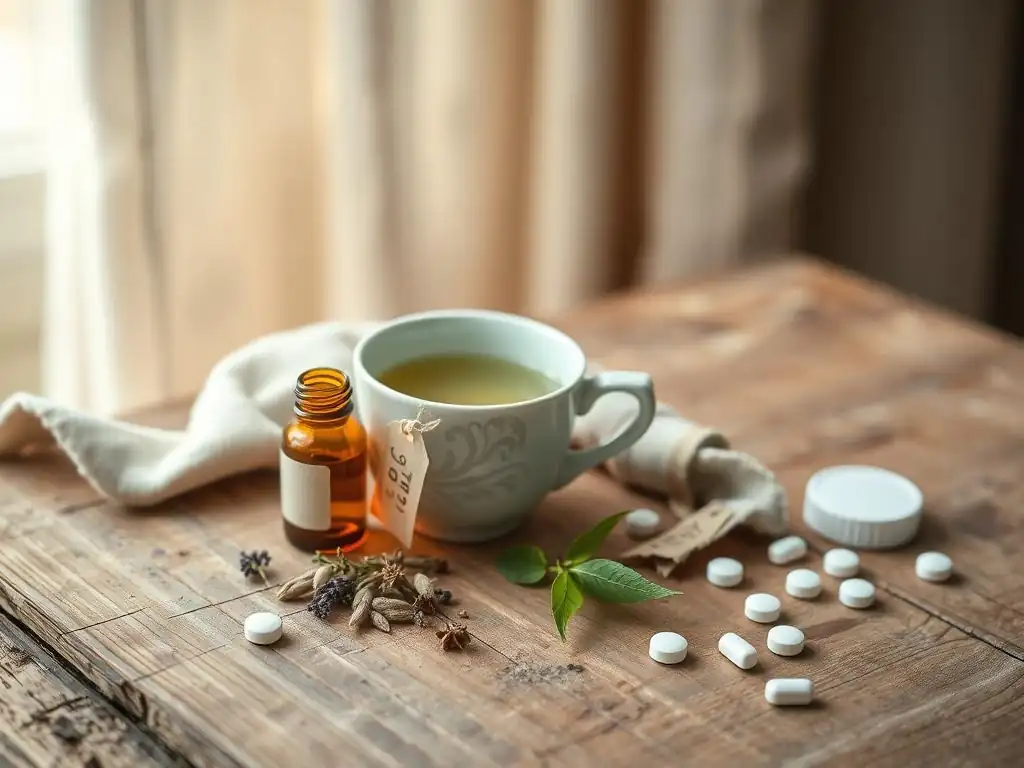
The single most important step in safely using natural supplements with anxiety medication is maintaining open and honest communication with your healthcare provider. This includes your prescribing physician (like a psychiatrist or primary care doctor), as well as possibly a pharmacist or a registered dietitian knowledgeable about supplements. It is crucial to inform them about all supplements, vitamins, minerals, and herbal products you are currently taking, considering taking, or have recently stopped taking. Do not assume that because a product is "natural" or available without a prescription, it is safe to combine with your medication.
Your doctor needs this complete picture to assess potential natural supplements anxiety medication interactions based on your specific medication, dosage, overall health status, and other conditions you may have. They can review the scientific evidence (or lack thereof) for the supplement's efficacy and safety in combination with your treatment plan. This conversation allows your doctor to advise you on which supplements are likely safe, which are definitely unsafe, and which require caution and monitoring. It's an essential partnership where your doctor's expertise guides your choices to ensure your anxiety is effectively managed while minimizing risks.
Understanding Potential Risks and Benefits: Informed Decision-Making
Before starting any new supplement, especially while on anxiety medication, it is vital to educate yourself and engage in informed decision-making. This involves understanding the potential benefits the supplement might offer for your anxiety or other health goals, but equally, if not more importantly, understanding the potential risks, particularly the risk of natural supplements anxiety medication interactions. Research the specific supplement you are considering: What is its proposed mechanism of action?
What are its known side effects? Has it been studied in combination with medications like yours? Reputable sources of information include the National Institutes of Health (NIH) Office of Dietary Supplements, academic medical centers, and peer-reviewed scientific literature summaries.
Discuss your findings with your doctor or pharmacist. Ask specific questions:
- Could this supplement affect the way my medication is absorbed or metabolized?
- Could it add to or counteract the effects of my medication?
- Are there any specific warning signs I should watch for if I take this?
- Is there a safer alternative supplement or treatment for my needs?
Weigh the potential, often uncertain, benefits of the supplement against the known risks of interaction and potential harm. An informed decision prioritizes safety and the overall effectiveness of your established medical treatment plan for anxiety.
Dosage Considerations: Finding the Right Balance
If, after consulting with your healthcare provider, it is determined that a specific supplement may be cautiously used alongside your anxiety medication, dosage becomes a critical factor. The dosage of both the medication and the supplement can influence the likelihood and severity of an interaction. Never exceed the recommended dosage for the supplement listed on the product label unless specifically instructed by your doctor. It is often advisable to start with the lowest effective dose of the supplement to see how your body reacts and whether any new symptoms or side effects emerge.
Your doctor may also need to adjust the dosage of your anxiety medication if an interaction is anticipated or observed. For example, if a supplement is known to slightly increase the metabolism of your medication, your doctor might need to increase the medication dose to maintain therapeutic levels, or conversely, decrease it if the supplement inhibits metabolism. Dosage adjustments should only be made under the strict guidance of your prescribing physician.
Self-adjusting either medication or supplement dosages based on perceived effects or information found online is dangerous and can lead to ineffective treatment or adverse events. Dosage considerations are a key component of managing potential natural supplements anxiety medication interactions safely.
Monitoring and Adjusting Your Treatment Plan
Once you begin taking a natural supplement alongside your anxiety medication (under medical supervision), careful monitoring is essential. Pay close attention to how you feel. Are your anxiety symptoms improving, staying the same, or worsening? Are you experiencing any new side effects, or are existing medication side effects becoming more pronounced or different? Keep a journal to track your symptoms, mood, sleep patterns, energy levels, and any side effects. Note the dates you started the supplement and any changes in dosage.
Regular follow-up appointments with your doctor are necessary to report your observations. Based on your feedback and potentially further assessments, your doctor may decide to adjust the dosages of either the medication or the supplement, recommend stopping the supplement, or explore alternative strategies. Monitoring allows for early detection of potential natural supplements anxiety medication interactions or simply ensures that the combination is providing the desired therapeutic benefit without undue risk. Your treatment plan for anxiety is dynamic and may require adjustments over time, especially when introducing new elements like natural supplements.
Alternatives to Combining Supplements and Anxiety Medication
Exploring Alternative Treatment Options for Anxiety
For individuals seeking alternatives to or complements for traditional anxiety medication, or those who wish to avoid potential natural supplements anxiety medication interactions altogether, a range of evidence-based treatment options are available. Psychotherapy, particularly Cognitive Behavioral Therapy (CBT), is a highly effective first-line treatment for many anxiety disorders. CBT helps individuals identify and change negative thought patterns and behaviors that contribute to anxiety. Exposure therapy is particularly effective for phobias and OCD. Other therapeutic approaches like Acceptance and Commitment Therapy (ACT) and Dialectical Behavior Therapy (DBT) can also be beneficial.
Mindfulness-based stress reduction (MBSR) and meditation practices have shown promise in helping individuals manage anxiety symptoms by focusing on present-moment awareness. Biofeedback and neurofeedback are techniques that can help individuals learn to control physiological responses associated with anxiety, such as heart rate and muscle tension. Exploring these therapeutic avenues, either alone or in combination with medication under professional guidance, can provide robust strategies for managing anxiety without the complexities and risks associated with combining medications and natural supplements anxiety medication interactions. Referral to a qualified therapist or counselor is often a valuable step in this process.
Lifestyle Changes for Anxiety Management
Significant improvements in anxiety symptoms can often be achieved through lifestyle modifications, which carry none of the interaction risks associated with natural supplements and anxiety medication. Regular physical exercise is a powerful anxiety reducer; even moderate activities like brisk walking for 30 minutes several times a week can significantly impact mood and stress levels. Exercise releases endorphins and can help regulate stress hormones like cortisol.
Prioritizing sufficient, quality sleep (typically 7-9 hours per night for adults) is also fundamental, as sleep deprivation can exacerbate anxiety. Developing a consistent sleep schedule and creating a relaxing bedtime routine can be very helpful.
Nutrition plays a role as well. A balanced diet rich in whole foods, fruits, vegetables, lean proteins, and healthy fats supports overall brain health. Reducing caffeine and alcohol intake is often recommended, as these substances can trigger or worsen anxiety symptoms in many people.
Stress management techniques such as deep breathing exercises, yoga, progressive muscle relaxation, and engaging in hobbies or social activities are also effective tools. These lifestyle changes offer safe, accessible, and evidence-backed ways to manage anxiety and support mental well-being, providing valuable alternatives or complements to medical treatment without introducing the variable of natural supplements anxiety medication interactions.
The Future of Integrative Mental Health: Supplements and Medication
Research on Supplement and Anxiety Medication Interactions
Research into the complex interplay between natural supplements and anxiety medication is ongoing and critically important for advancing integrative mental health care. Current research aims to better understand the precise mechanisms by which specific supplements affect drug metabolism (pharmacokinetics) and activity (pharmacodynamics). Studies utilize various methods, including in vitro lab tests using human liver enzymes, animal models, and increasingly, clinical trials involving human participants, although rigorous, large-scale trials on supplement-drug interactions are challenging and expensive to conduct compared to pharmaceutical trials.
Key areas of investigation include identifying which specific compounds within complex herbal extracts are responsible for interactions (e.g., hyperforin and hypericin in St. John's Wort), determining safe dosage thresholds if any exist for combined use, and exploring genetic factors that might predispose individuals to certain interactions (e.g., variations in CYP enzyme genes). There is also growing interest in developing better databases and predictive models for identifying potential natural supplements anxiety medication interactions before they occur.
While significant gaps in knowledge remain, particularly for less common supplements, the increasing awareness of these risks is driving efforts to provide more evidence-based guidance for patients and clinicians.
The Role of Personalized Medicine in Anxiety Treatment
The concept of personalized medicine is increasingly relevant to the treatment of anxiety, including the consideration of natural supplements. Personalized medicine aims to tailor medical treatment to the individual characteristics of each patient, including their genetic makeup, environment, and lifestyle. In the context of anxiety medication and supplements, this could involve genetic testing to understand how an individual's liver enzymes (like CYP450 variants) might metabolize certain medications or supplements more quickly or slowly than average. This information could help predict potential natural supplements anxiety medication interactions or guide medication selection and dosage.
Furthermore, personalized approaches consider an individual's specific anxiety symptoms, co-occurring conditions, preferences, and previous treatment responses. This holistic view allows healthcare providers to work with patients to develop a comprehensive treatment plan that might integrate medication, therapy, lifestyle changes, and potentially, carefully selected supplements if the evidence supports their use and known interactions are manageable. The future of managing natural supplements anxiety medication interactions lies in leveraging more precise individual data and research to make safer, more effective, and truly personalized treatment decisions for mental well-being.
Conclusion: Prioritizing Safety When Combining Natural Supplements and Anxiety Meds
Managing anxiety effectively often involves a multifaceted approach. While natural supplements can appear to be a gentle or appealing option, it is paramount to recognize that they are biologically active substances with the potential to cause harm, especially when combined with prescription medications. The potential for natural supplements anxiety medication interactions is a significant concern that cannot be overlooked. These interactions can reduce the effectiveness of your anxiety medication, worsen side effects, or even lead to dangerous health consequences like Serotonin Syndrome or liver damage.
Prioritizing safety means making informed decisions and, critically, maintaining open communication with your healthcare team. Never start or stop any supplement or medication without consulting your doctor or pharmacist. They have the expertise to assess the potential risks and benefits based on your individual health profile and current treatments.
While research continues to shed light on specific interactions, the default approach should be caution. Exploring evidence-based alternatives like therapy, exercise, and stress management techniques offers effective ways to support your mental health without the complexities of natural supplements anxiety medication interactions. Ultimately, safeguarding your well-being requires a collaborative approach with your healthcare provider, ensuring that all components of your treatment plan work together safely and effectively towards managing your anxiety.
Frequently Asked Questions
Can natural supplements really interfere with my anxiety medication?
Yes, absolutely. Certain natural supplements can significantly alter the effectiveness of your prescribed anxiety medication, leading to either reduced efficacy or increased side effects.
What types of natural supplements are most likely to cause interactions?
Supplements known to affect liver enzymes, such as St. John's Wort, and those influencing neurotransmitter levels, like kava kava, are particularly prone to interacting with anxiety medication. Always consult your doctor.
How can I find out if a supplement is safe to take with my anxiety medication?
The best approach is to discuss all supplements you are considering with your doctor or pharmacist. They can check for potential drug interactions and provide personalized advice.
What are some potential signs that my supplements are interacting with my anxiety medication?
Be alert for changes in your anxiety levels, increased side effects from your medication (e.g., drowsiness, dizziness), or any new or worsening symptoms. These may indicate a negative interaction requiring medical attention.
If I want to use natural supplements, should I just stop taking my anxiety medication?
Never abruptly stop taking your prescribed anxiety medication without consulting your doctor. This can lead to withdrawal symptoms and a worsening of your condition. Discuss alternative approaches safely.
The search for effective anxiety relief is a deeply personal journey, and understanding the potential interactions between natural supplements and prescription medications is crucial for safe and successful management. The information presented in this article highlights the often-overlooked complexities of combining seemingly harmless herbal remedies with clinically proven anxiety medications. Ignoring these interactions can lead to unpredictable and potentially harmful consequences, emphasizing the need for informed decision-making.
The impact of anxiety on individuals and society is undeniable, and the quest for effective treatment methods continues to evolve. The increasing popularity of natural supplements reflects a growing desire for holistic approaches to wellness, but this trend necessitates a cautious and informed approach. It's vital to remember that "natural" doesn't automatically equate to "safe." The line between medicine and poison is often a matter of dosage,
a principle that applies equally to prescription drugs and natural supplements. Understanding this delicate balance is paramount to achieving optimal mental health.
You, the reader, now possess a greater understanding of the potential pitfalls and benefits of combining natural supplements with your anxiety medication. Take this knowledge and empower yourself. Don't hesitate to discuss any supplements you're considering with your doctor or psychiatrist. Open communication is key to navigating this complex landscape and ensuring your journey toward better mental health is both safe and effective. Your well-being is paramount, and informed choices are the cornerstone of a successful path to managing your anxiety.
Unlock Your Anxiety Journey: Next Steps to Wellness
Thanks for taking the time to explore the complex relationship between natural supplements and anxiety medication! We hope you gained valuable insights into navigating this important aspect of your health. Now, let's take the next steps towards a more balanced and informed approach:
- Prioritize a conversation with your doctor or psychiatrist: This is the most crucial step. Discuss any supplements you're considering or already taking to ensure safe and effective interaction with your prescribed medication.
- Share this article with a friend or family member: Help spread awareness about the potential interactions between supplements and medication, empowering others to make informed decisions about their health.
- Explore Mind Care Guide's other resources: Discover more articles and guides on anxiety management and holistic wellness strategies.
What specific steps will you take today to further enhance your understanding of anxiety management and supplement safety?