
Is Anxiety Stealing Your Sleep? Understand the Connection


Welcome to Mind Care Guide.
Is anxiety keeping you awake at night? You're not alone. Many find that the relentless worries of the day follow them into the darkness, disrupting much-needed rest. This guide delves into the intricate connection between anxiety and sleep patterns, offering insights and practical strategies to help you reclaim your nights and find peace. Curious to understand how anxiety might be stealing your sleep and what you can do about it? Let's explore.
- Is Generalized Anxiety Disorder Stealing Your Sleep? A Guide to Better Rest
- Understanding the GAD-Sleep Connection: Why Worry Disrupts Sleep Patterns
- GAD's Impact on Sleep: A Deeper Dive
- Practical Strategies to Combat GAD and Improve Sleep
- When to Seek Professional Help for GAD and Sleep Issues
- Long-Term Strategies for Managing GAD and Improving Sleep Quality
- Conclusion: Reclaiming Your Sleep and Managing GAD for a Healthier Life
-
Frequently Asked Questions
- How does anxiety specifically disrupt sleep patterns?
- What are some common anxiety-related sleep problems?
- What are some practical strategies to reduce anxiety before bedtime?
- When should I seek professional help for anxiety-related sleep problems?
- Are there any specific types of therapy that are effective for anxiety and sleep?
- Final Reflection: Reclaiming Restful Nights
- Unlock Your Best Sleep: Conquer Anxiety Tonight
Is Generalized Anxiety Disorder Stealing Your Sleep? A Guide to Better Rest
Sleep is a fundamental pillar of health, essential for physical restoration, cognitive function, and emotional regulation. Yet, for millions, achieving restful sleep remains an elusive goal. When anxiety takes root, particularly Generalized Anxiety Disorder (GAD), it often infiltrates the quiet hours of the night, making sleep a source of frustration rather than rejuvenation. Understanding how GAD impacts sleep is the first step toward reclaiming peaceful nights and improving overall well-being. This guide explores the intricate link between persistent worry and sleep disruption, offering insights and practical strategies to help you navigate these challenges.
Generalized Anxiety Disorder is characterized by excessive, uncontrollable worry about everyday things. This pervasive anxiety can significantly interfere with daily life, affecting concentration, energy levels, and relationships. Unfortunately, the very nature of GAD—constant worrying and feeling on edge—makes it a prime culprit for anxiety disrupting sleep patterns. The mind struggles to switch off, leaving individuals trapped in a cycle of sleeplessness and heightened anxiety, further exacerbating their symptoms during the day.
Understanding the GAD-Sleep Connection: Why Worry Disrupts Sleep Patterns
The relationship between GAD and sleep is complex and often described as a two-way street. While sleep deprivation can worsen anxiety symptoms, the chronic worry associated with GAD is a major contributor to sleep problems. This is because the physiological and psychological responses to anxiety are fundamentally incompatible with the state required for falling and staying asleep. The body remains in a state of alert, making relaxation difficult, if not impossible, when it's time to rest.
Chronic worry keeps the brain highly active, preventing the natural winding down process necessary for sleep onset. Thoughts race, "what-ifs" proliferate, and the mind replays potential scenarios or worries about future events. This mental chatter makes it incredibly difficult to quiet the mind and drift off, leading to prolonged periods of wakefulness in bed. For many with GAD, this mental hyperactivity is the primary way anxiety disrupts sleep patterns.
The Vicious Cycle: How GAD and Sleep Deprivation Interact
The interaction between GAD and sleep deprivation creates a powerful negative feedback loop. Persistent worry makes it hard to sleep, and the resulting lack of sleep intensifies anxiety symptoms during the day. This heightened daytime anxiety then makes it even harder to sleep the following night, perpetuating the cycle. Research suggests that sleep deprivation can increase activity in the amygdala, the brain region associated with fear and anxiety responses, making individuals more reactive to stressors.
Furthermore, chronic sleep loss impairs the prefrontal cortex, which is responsible for regulating emotions and executive functions. This reduced capacity to manage emotions and control worry makes individuals with GAD more vulnerable to excessive rumination and heightened anxiety throughout the day. This demonstrates clearly how anxiety disrupting sleep patterns doesn't just affect the night; it has significant repercussions on daytime functioning and the severity of anxiety itself.
Recognizing the specific ways GAD impacts your sleep is crucial for addressing the issue effectively. While sleep problems are common, certain patterns are particularly linked to anxiety. One of the most prevalent is difficulty falling asleep, often due to a racing mind filled with worries about the day's events or anticipated future problems. This can lead to spending hours in bed feeling restless and frustrated.
Another common sign is difficulty staying asleep. Individuals with GAD may wake up frequently during the night, often with their minds immediately jumping back to anxious thoughts or worries. Early morning awakening, where a person wakes up hours before their desired time and cannot fall back asleep due to anxiety, is also frequently reported. These persistent anxiety disrupting sleep patterns can lead to chronic fatigue, irritability, and difficulty concentrating during waking hours.
GAD's Impact on Sleep: A Deeper Dive

The influence of GAD on sleep quality goes beyond simple sleeplessness. It involves physiological changes driven by the anxiety response that actively interfere with the body's natural sleep mechanisms. Understanding these underlying factors provides a clearer picture of why managing anxiety is key to improving sleep. The body's stress system, intricately linked with anxiety, plays a significant role in keeping you awake when you should be resting.
Chronic activation of the stress response system, typical in GAD, disrupts the delicate balance of hormones and neurotransmitters that regulate the sleep-wake cycle. This disruption can affect the timing and quality of different sleep stages, particularly reducing the amount of restorative deep sleep and REM sleep. This explains why even if someone with GAD manages to get some hours of sleep, they may still wake up feeling unrefreshed, as the sleep obtained might not be of sufficient quality to be truly restorative, highlighting another dimension of anxiety disrupting sleep patterns.
The Role of Cortisol: How Chronic Stress Affects Sleep Quality
Cortisol, often called the "stress hormone," plays a critical role in the body's stress response. Normally, cortisol levels are high in the morning to help us wake up and decrease throughout the day, reaching their lowest point at night to facilitate sleep. However, in individuals with chronic anxiety, this natural rhythm can be disrupted. Persistent worry and the feeling of being constantly under threat can lead to elevated cortisol levels, even at night.
High cortisol levels at bedtime or during the night are counterproductive to sleep. Cortisol promotes wakefulness and alertness, directly opposing the physiological state needed for sleep onset and maintenance. This hormonal imbalance can make it challenging to fall asleep and is often associated with fragmented sleep and frequent awakenings. This physiological mechanism is a significant way chronic anxiety disrupts sleep patterns at a hormonal level.
Worrying and Insomnia: The Connection Explained
Insomnia, defined as difficulty falling or staying asleep, is a hallmark symptom experienced by a large percentage of individuals with GAD. The connection is rooted in cognitive arousal – the inability to quiet the mind. When lying in bed, instead of relaxing, the anxious mind becomes a stage for rehearsing worries, analyzing potential problems, and anticipating future difficulties. This mental activity is the opposite of the calm state required for sleep.
This constant state of mental engagement prevents the brain from transitioning into sleep states. The more someone tries to force sleep while their mind is racing, the more frustrated and anxious they become about their inability to sleep, creating performance anxiety around sleep itself. This reinforces the cycle, making worry a direct pathway to insomnia and illustrating how anxiety disrupting sleep patterns manifests as persistent sleeplessness.
Muscle Tension and Restlessness Keeping You Awake
Beyond the mental aspects, GAD often manifests physically as muscle tension. Chronic anxiety can lead to persistent tightness in muscles throughout the body, including the neck, shoulders, and back. This physical tension makes it difficult to find a comfortable position in bed and promotes restlessness. The body remains physically "on alert," mirroring the mental state of worry.
Physical discomfort from muscle tension can prevent relaxation necessary for sleep onset. Furthermore, the general feeling of restlessness and being unable to settle down is a common symptom of GAD that directly interferes with the ability to lie still and drift off to sleep. This physical manifestation of anxiety adds another layer to how anxiety disrupts sleep patterns, making it a whole-body experience that hinders rest.
Practical Strategies to Combat GAD and Improve Sleep
Fortunately, there are many effective strategies that target both GAD and the sleep problems it causes. These approaches aim to reduce anxiety levels, improve sleep hygiene, and change thought patterns that interfere with rest. Implementing consistent practices can make a significant difference in breaking the cycle of anxiety disrupting sleep patterns.
Combining techniques that address the psychological aspects of worry with behavioral strategies for sleep can be particularly powerful. Consistency is key when adopting these strategies; results may not be immediate but build over time. Taking an active role in managing both your anxiety and your sleep habits empowers you to regain control over your nights.
Creating a Relaxing Bedtime Routine for Anxiety Relief
A consistent, calming bedtime routine signals to your body and mind that it's time to wind down and prepare for sleep. This routine should be a buffer zone between the stresses of the day and the attempt to sleep, helping to reduce the mental and physical arousal associated with GAD. Dedicate the last 30-60 minutes before bed to quiet, relaxing activities.
Examples of calming activities include reading a physical book (avoiding screens), taking a warm bath, listening to soothing music, or practicing gentle stretching or yoga. The goal is to create a predictable sequence of events that promotes relaxation and reduces the likelihood of anxiety disrupting sleep patterns as you transition from wakefulness to sleep.
Establishing a Consistent Sleep Schedule
Maintaining a consistent sleep schedule, even on weekends, helps regulate your body's internal clock (circadian rhythm). Going to bed and waking up around the same time each day strengthens this rhythm, making it easier to fall asleep at night and wake up feeling more refreshed. Irregular sleep times can confuse your body's natural sleep-wake signals, exacerbating sleep difficulties.
Aim for 7-9 hours of sleep per night, the amount recommended for most adults. While it might be tempting to sleep in on days after a poor night's sleep, try to limit lie-ins to no more than an hour past your usual wake-up time. This consistency is a cornerstone of good sleep hygiene and a vital tool against anxiety disrupting sleep patterns.
The Power of Progressive Muscle Relaxation for Sleep
Progressive Muscle Relaxation (PMR) is a technique that involves tensing and then releasing different muscle groups in the body. This practice helps you become more aware of physical tension and learn how to release it, which is particularly beneficial for individuals with GAD who often experience chronic muscle tightness. Practicing PMR before bed can help alleviate the physical symptoms of anxiety that interfere with sleep.
By systematically relaxing muscles from your toes to your head, you can reduce physical restlessness and promote a state of calm conducive to sleep. This technique provides a concrete way to address the physical component of anxiety disrupting sleep patterns, allowing the body to relax alongside the mind.
Optimizing Your Bedroom for Sleep
Your bedroom environment plays a significant role in your ability to fall and stay asleep. Create a sleep sanctuary that is cool, dark, and quiet. Use blackout curtains to block out light, consider earplugs or a white noise machine to minimize disruptive sounds, and set your thermostat to a comfortable, cool temperature (typically between 60-67°F or 15-19°C).
Ensure your mattress and pillows are comfortable and supportive. Reserve your bedroom primarily for sleep and intimacy; avoid working, eating, or watching TV in bed. Making your bedroom a dedicated space for rest helps strengthen the association between the environment and sleep, reducing the influence of anxiety disrupting sleep patterns by creating a calming retreat.
Cognitive Behavioral Therapy for Insomnia (CBT-I) and GAD
Cognitive Behavioral Therapy for Insomnia (CBT-I) is a highly effective, evidence-based treatment that addresses the thoughts, feelings, and behaviors that contribute to insomnia. It is often recommended as a first-line treatment for chronic insomnia, including that linked to anxiety. CBT-I typically involves several sessions with a trained therapist and provides tools to change habits and beliefs that interfere with sleep.
While CBT-I specifically targets insomnia, its principles and techniques are highly applicable to sleep problems driven by GAD. It helps individuals identify and challenge unhelpful thoughts about sleep and anxiety, modify behaviors that perpetuate sleep problems (like spending too much time awake in bed), and develop strategies to manage worry at night. For many, CBT-I is a crucial intervention for tackling anxiety disrupting sleep patterns head-on.
What is CBT-I and How Can It Help?
CBT-I is a structured program that helps you identify and replace thoughts and behaviors that cause or worsen sleep problems with habits that promote sound sleep. It often includes components such as sleep restriction (temporarily reducing time in bed to increase sleep drive), stimulus control (re-associating the bed and bedroom with sleep), and cognitive restructuring (challenging negative or anxious thoughts about sleep).
By addressing the specific ways anxiety disrupts sleep patterns, CBT-I empowers individuals with practical techniques to manage racing thoughts, reduce time spent awake in bed, and build confidence in their ability to sleep. Unlike sleeping pills, CBT-I provides long-lasting skills to maintain healthy sleep patterns.
Addressing Anxious Thoughts and Behaviors That Disrupt Sleep
A core component of both CBT-I and general CBT for GAD involves identifying and modifying the anxious thoughts and behaviors that interfere with sleep. This includes challenging catastrophic thinking about not sleeping ("If I don't sleep tonight, I won't be able to function tomorrow") and reducing behaviors that worsen sleep anxiety (like checking the clock repeatedly).
Techniques like scheduled "worry time" earlier in the evening can help contain anxious thoughts so they don't flood your mind at bedtime. Learning to accept uncertainty and tolerate discomfort is also key. By changing your relationship with worry and sleep, you can significantly reduce how much anxiety disrupts sleep patterns.
Lifestyle Changes to Reduce GAD and Promote Better Sleep
Beyond specific therapies and routines, broader lifestyle choices have a profound impact on both anxiety levels and sleep quality. Integrating healthy habits into your daily life can create a foundation of well-being that makes you more resilient to stress and better equipped to achieve restful sleep. These changes contribute to overall mental and physical health, which in turn supports better sleep.
Implementing these changes consistently requires effort but yields significant benefits. They work synergistically to reduce the underlying anxiety that contributes to sleep problems, while also optimizing the body's natural ability to sleep. Addressing both sides of the coin is essential for long-term improvement when anxiety disrupts sleep patterns.
The Importance of Regular Exercise and a Balanced Diet
Regular physical activity is a powerful stress reducer and can significantly improve sleep quality. Aim for at least 30 minutes of moderate-intensity exercise most days of the week. Exercise helps reduce tension, elevates mood, and can make it easier to fall asleep. However, try to avoid vigorous exercise close to bedtime, as it can be stimulating.
A balanced diet also supports mental health and sleep. Ensure you're getting adequate nutrients and avoiding excessive sugar or processed foods, which can cause energy crashes and mood swings. Staying hydrated throughout the day is also important. Fueling your body properly contributes to stable energy levels and a calmer nervous system, reducing the likelihood of anxiety disrupting sleep patterns.
Limiting Caffeine and Alcohol Intake Before Bed
Both caffeine and alcohol can severely interfere with sleep, especially for individuals prone to anxiety. Caffeine is a stimulant that can keep you awake and increase feelings of nervousness. Avoid caffeine in the late afternoon and evening.
While alcohol might initially make you feel sleepy, it disrupts sleep architecture later in the night, leading to fragmented sleep and reduced quality. It can also worsen anxiety symptoms as its effects wear off. Limiting or avoiding alcohol, particularly in the hours before bed, is crucial for individuals whose anxiety disrupts sleep patterns.
Practicing Yoga and Spending Time in Nature
Mind-body practices like yoga combine gentle movement, breathwork, and mindfulness, all of which can help reduce anxiety and promote relaxation. Regular yoga practice can decrease cortisol levels and improve overall stress resilience. Finding a style that focuses on calming movements and breathwork can be particularly beneficial before bed.
Spending time in nature has been shown to reduce stress, improve mood, and lower blood pressure, all of which are conducive to better sleep. Even a short walk in a park or sitting in a garden can have a calming effect. Integrating time outdoors into your routine provides a natural way to de-stress and prepare your mind and body for rest, mitigating the effects of anxiety disrupting sleep patterns.
When to Seek Professional Help for GAD and Sleep Issues
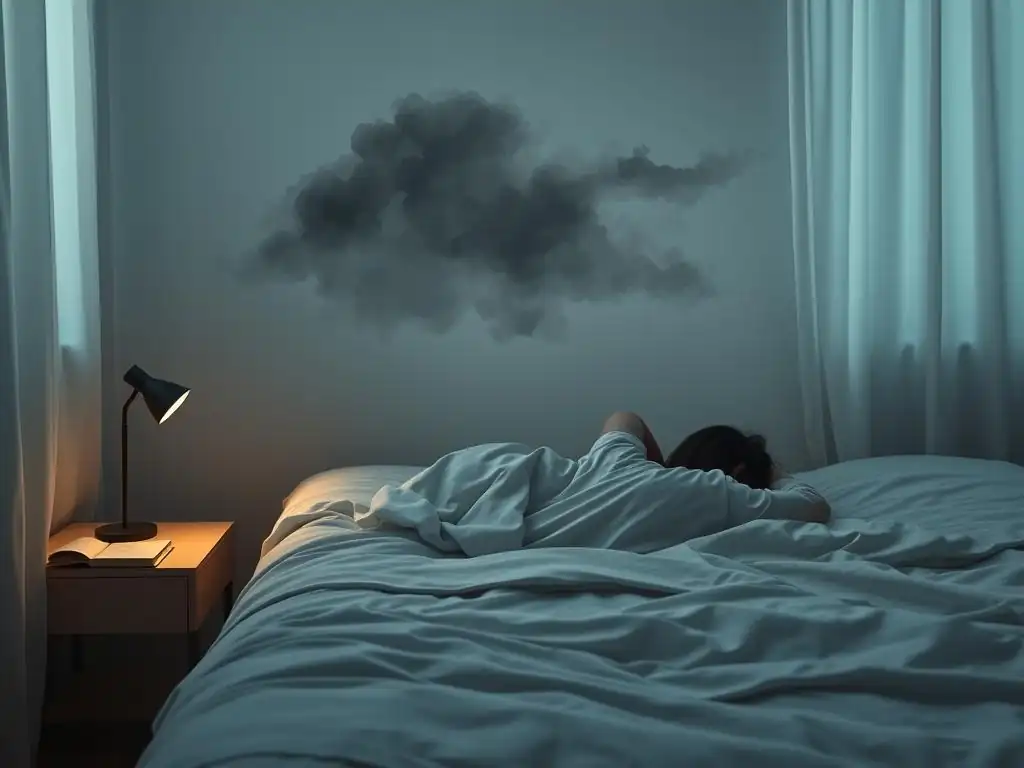
While self-help strategies can be very effective, there are times when the persistent cycle of anxiety and sleep problems requires professional intervention. If your anxiety and sleep difficulties are significantly impacting your daily life, causing distress, or feel overwhelming, reaching out to a healthcare provider or mental health professional is a wise and necessary step.
Professionals can provide a comprehensive assessment, diagnose underlying conditions, and recommend tailored treatment plans that may include therapy, medication, or a combination of approaches. Don't hesitate to seek help if self-management techniques haven't provided sufficient relief or if your symptoms are severe. Getting expert support is key when anxiety disrupting sleep patterns becomes a chronic and debilitating issue.
Recognizing When Self-Help Isn't Enough
Self-help strategies are valuable tools, but they may not be sufficient for everyone, especially when GAD is severe or accompanied by other conditions. Signs that you might need professional help include:
- Your anxiety and sleep problems have lasted for several months despite consistent efforts to use self-help techniques.
- The lack of sleep and constant worry are significantly impairing your ability to function at work, school, or in relationships.
- You experience panic attacks or intense physical symptoms related to anxiety or sleep deprivation.
- You feel overwhelmed, hopeless, or that your symptoms are worsening.
- You are considering using alcohol or substances to cope with anxiety or sleep problems.
If anxiety disrupting sleep patterns is severely impacting your quality of life, a professional can offer the targeted support and treatment needed to break the cycle.
Finding a Therapist or Sleep Specialist
Finding the right professional is an important step. A therapist specializing in anxiety disorders (such as a psychologist, licensed clinical social worker, or licensed professional counselor) can help you address the root causes of your GAD using therapies like CBT. Many therapists are also familiar with sleep hygiene and can integrate strategies for improving sleep into your anxiety treatment.
Alternatively, a sleep specialist (a medical doctor specializing in sleep medicine) can evaluate your sleep problems through sleep studies or other assessments to rule out primary sleep disorders and provide targeted treatments for insomnia, including referrals for CBT-I. Sometimes, a collaborative approach involving both a therapist and a sleep specialist is most beneficial when anxiety disrupting sleep patterns is severe.
Medication Options for GAD and Sleep: Understanding the Risks and Benefits
Medication can be a helpful component of treatment for some individuals, particularly when anxiety is severe or other treatments haven't provided sufficient relief. Medications for GAD, such as selective serotonin reuptake inhibitors (SSRIs) or serotonin-norepinephrine reuptake inhibitors (SNRIs), can help reduce overall anxiety levels, which in turn may improve sleep.
In some cases, a doctor might temporarily prescribe medication specifically for sleep, such as non-benzodiazepine hypnotics. However, it's crucial to discuss the potential risks and benefits with your doctor. Sleep medications are often recommended for short-term use due to potential for dependence and side effects. They treat the symptom (insomnia) but don't address the underlying anxiety disrupting sleep patterns as effectively as therapy.
Long-Term Strategies for Managing GAD and Improving Sleep Quality
Managing GAD and achieving lasting improvements in sleep is an ongoing process that involves adopting sustainable habits and coping mechanisms. It's about building a lifestyle that supports both mental well-being and restful sleep, recognizing that these two aspects of health are deeply interconnected. Long-term success comes from consistent effort and a commitment to self-care.
Developing resilience and effective coping strategies allows you to navigate life's stressors without them completely derailing your sleep. It's about creating a buffer against the inevitable challenges that could potentially lead to anxiety disrupting sleep patterns.
Developing Coping Mechanisms for Anxiety
Effective coping mechanisms are essential for managing GAD and preventing anxiety from dominating your nights. This might include mindfulness techniques, deep breathing exercises, meditation, or journaling to process worries earlier in the day. Learning to challenge negative thought patterns and practicing acceptance can also reduce the intensity of anxiety.
Identifying healthy outlets for stress, such as hobbies, creative activities, or spending time with supportive friends and family, provides alternative ways to manage difficult emotions. Proactively using these coping strategies during the day can significantly reduce the likelihood of anxiety disrupting sleep patterns at night.
Building Resilience to Stress
Resilience is the ability to bounce back from adversity and adapt to stressful situations. Building resilience involves cultivating a positive outlook, developing problem-solving skills, fostering strong social connections, and maintaining physical health. It's about viewing challenges as opportunities for growth rather than insurmountable threats.
Practicing self-compassion and acceptance is also key to building resilience. Understanding that anxiety and sleep difficulties are common struggles and treating yourself with kindness can reduce the added stress of self-criticism. A resilient mindset helps you navigate periods where anxiety disrupts sleep patterns without falling into despair.
The Importance of Self-Care for GAD and Sleep
Prioritizing self-care is not a luxury; it's a necessity for managing GAD and promoting healthy sleep. This means consistently engaging in activities that nourish your mind, body, and spirit. It includes the lifestyle factors mentioned earlier – exercise, diet, limiting substances – but also setting boundaries, managing your time effectively, and allowing yourself time for rest and enjoyment.
Self-care involves listening to your body's needs and responding with compassion. When you feel overwhelmed or symptoms of anxiety or sleep deprivation are increasing, it's a signal to pause and engage in restorative activities. Making self-care a non-negotiable part of your routine is fundamental to long-term well-being and minimizing the impact of anxiety disrupting sleep patterns.
Conclusion: Reclaiming Your Sleep and Managing GAD for a Healthier Life
The connection between Generalized Anxiety Disorder and sleep problems is undeniable, with chronic anxiety disrupting sleep patterns for countless individuals. However, understanding this link is the first step toward taking control. By implementing targeted strategies – from creating a calming bedtime routine and optimizing your sleep environment to engaging in therapies like CBT-I and making conscious lifestyle choices – you can significantly improve both your anxiety and your sleep quality.
Reclaiming restful sleep is not just about feeling less tired; it's a vital component of effectively managing GAD and improving overall health and resilience. It requires patience, persistence, and sometimes, the support of professionals. By addressing both your anxiety and your sleep head-on, you can break the vicious cycle and pave the way for calmer nights and healthier, more fulfilling days.
Frequently Asked Questions
How does anxiety specifically disrupt sleep patterns?
Anxiety triggers the release of stress hormones, like cortisol, which increase alertness and make it difficult to fall asleep or stay asleep. This heightened state of arousal disrupts the natural sleep-wake cycle.
Common issues include insomnia (difficulty falling or staying asleep), restless sleep, nightmares, and sleep terrors. These disturbances can significantly impact daytime functioning and overall well-being.
What are some practical strategies to reduce anxiety before bedtime?
Implementing a relaxing bedtime routine is crucial. This can include activities like meditation, deep breathing exercises, or reading a calming book to quiet the mind.
If sleep disturbances are persistent, severely impacting your daily life, or accompanied by other symptoms of anxiety, it's essential to consult a mental health professional. They can provide tailored treatment.
Are there any specific types of therapy that are effective for anxiety and sleep?
Cognitive Behavioral Therapy for Insomnia (CBT-I) is particularly effective. It helps identify and change negative thoughts and behaviors that contribute to both anxiety and sleep issues.
Final Reflection: Reclaiming Restful Nights
The pervasive link between anxiety and sleep disruption is not merely an inconvenience; it's a significant public health concern impacting millions. The information presented in this article highlights the intricate ways anxiety manifests in sleep patterns, from racing thoughts and racing hearts to the physical inability to fall asleep or stay asleep. Understanding this connection is the crucial first step towards reclaiming control over your sleep and overall well-being.
The insidious nature of anxiety's impact on sleep is something I've personally witnessed, both in my own life and in the lives of countless others. It's a vicious cycle: anxiety prevents sleep, lack of sleep exacerbates anxiety, creating a debilitating downward spiral. Sleep is the golden chain that ties health and our bodies together.
This quote, though not directly addressing anxiety, perfectly encapsulates the vital role sleep plays in our overall physical and mental health, a role often undermined by the silent thief of anxious thoughts. The ongoing societal pressure to constantly perform and achieve only intensifies this struggle, making it crucial to prioritize mental health and sleep hygiene.
You are not alone in this struggle. Take a moment to reflect on your own relationship with sleep and anxiety. Identify your personal triggers and explore the coping mechanisms discussed in this article. Remember, seeking professional help is a sign of strength, not weakness. By acknowledging the connection between anxiety and sleep, and actively working to improve your sleep hygiene, you are taking a powerful step towards a healthier, more restful, and ultimately, more fulfilling life. Start small, be patient with yourself, and prioritize your well-being. You deserve peaceful nights and energized days.
Unlock Your Best Sleep: Conquer Anxiety Tonight
Thanks for taking the time to explore the connection between anxiety and sleep! We hope you now have a clearer understanding of how to address this common struggle. Ready to take control?
- Prioritize a relaxing bedtime routine: Try incorporating deep breathing exercises or a calming meditation into your evening. This is your key to a more restful night.
- Share your insights: Discuss this article with a friend or family member who might also be struggling with anxiety and sleep. Supporting each other can make a big difference!
- Explore our resources: Consider exploring more articles on our site dedicated to sleep and anxiety management for additional tips and techniques.
What small step will you take tonight to improve your sleep quality?