
Sleep Hygiene for Anxiety: Creating Your Perfect Sleep Sanctuary

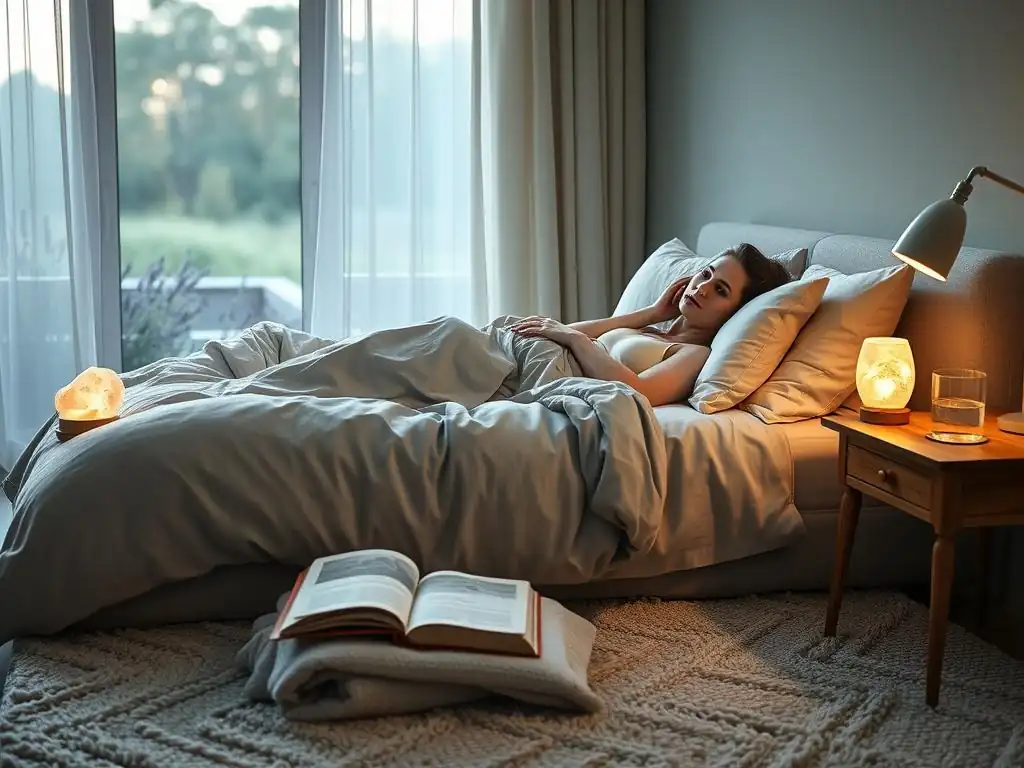
Welcome to Mind Care Guide, a sanctuary dedicated to your mental well-being.
Feeling overwhelmed by anxiety? You're not alone. Did you know that improving your sleep can significantly reduce anxiety symptoms? Dive into our comprehensive guide, "Sleep Hygiene for Anxiety: Creating Your Perfect Sleep Sanctuary," and discover practical strategies to unlock the power of restful nights and calmer days. Curious about how to transform your bedroom into a haven of tranquility? Let's explore the secrets to a better night's sleep, and a brighter, less anxious tomorrow.
Sleep Hygiene for Anxiety: Creating Your Perfect Sleep Sanctuary
- Understanding the Connection: Anxiety and Sleep Deprivation
- What is Sleep Hygiene? Defining and Implementing Effective Practices
- Establishing a Relaxing Bedtime Routine to Reduce Anxiety
- Diet and Lifestyle Modifications for Better Sleep and Reduced Anxiety
- Addressing Specific Sleep Problems Related to Anxiety
- Creating Your Perfect Sleep Sanctuary: A Step-by-Step Guide
- Long-Term Strategies for Maintaining Good Sleep Hygiene and Reducing Anxiety
- Improving Sleep Reduces Anxiety Symptoms: A Recap
-
Frequently Asked Questions
- How does improving sleep help with anxiety?
- What are some key elements of a good "sleep sanctuary"?
- What is "sleep hygiene" and why is it important for managing anxiety?
- How long does it typically take to see improvements in anxiety after implementing better sleep hygiene?
- What are some common sleep hygiene mistakes that can worsen anxiety?
- Final Reflection: Weaving Calm into the Night
- Unveil Your Calmer Self: Sleep Soundly Tonight
Understanding the Connection: Anxiety and Sleep Deprivation
How Anxiety Impacts Sleep Quality
Anxiety can significantly disrupt sleep patterns, making it difficult to fall asleep, stay asleep, or achieve restful sleep. The physiological response to anxiety involves the activation of the sympathetic nervous system, often referred to as the "fight or flight" response.
This state elevates heart rate, increases muscle tension, and releases stress hormones like cortisol, all of which are counterproductive to the relaxed state needed for sleep initiation and maintenance. Studies have shown that individuals with anxiety disorders, such as Generalized Anxiety Disorder (GAD) or Panic Disorder, report higher rates of insomnia and poor sleep quality compared to the general population, sometimes affecting as much as 70-80% of those diagnosed.
Furthermore, the anxious mind is prone to rumination and excessive worry, particularly during quiet periods like bedtime. This mental overactivity keeps the brain aroused, making it hard to transition into sleep. Even if sleep is achieved, the quality can be poor, characterized by increased awakenings, reduced time spent in deep sleep stages (like slow-wave sleep), and fragmented REM sleep. This disruption prevents the restorative processes that occur during sleep, such as memory consolidation and emotional regulation, potentially exacerbating anxious feelings the following day.
The Vicious Cycle: Poor Sleep Worsens Anxiety
The relationship between anxiety and sleep is bidirectional, creating a detrimental cycle. While anxiety impairs sleep, insufficient or poor-quality sleep can, in turn, intensify anxiety symptoms. Lack of sleep affects the amygdala, the brain region responsible for processing emotions, making it more reactive to negative stimuli. Research indicates that even one night of sleep deprivation can increase amygdala activity by up to 60% when exposed to disturbing images, demonstrating a heightened emotional response.
This heightened emotional reactivity and impaired regulation can lead to increased irritability, difficulty managing stress, and a greater propensity for anxious thoughts. The worry about not sleeping well can become a new source of anxiety itself, creating a performance pressure around sleep that further hinders the ability to relax and drift off. This feedback loop means that addressing sleep problems is a crucial step in managing anxiety, highlighting why improving sleep reduces anxiety symptoms effectively.
The Importance of Sleep Hygiene in Managing Anxiety
Given the strong link between anxiety and sleep disruption, implementing effective sleep hygiene practices is a cornerstone strategy for managing anxiety. Sleep hygiene refers to a set of habits and environmental factors conducive to sleeping well. By optimizing these factors, individuals can create conditions that promote consistent, restful sleep, thereby breaking the vicious cycle where poor sleep fuels anxiety.
Adopting good sleep hygiene provides a sense of control over a process that often feels uncontrollable to those with anxiety. Establishing routines and making conscious choices about one's sleep environment and daily habits directly targets some of the root causes of sleep disruption related to anxiety, such as hyperarousal and irregular sleep patterns. Consistent application of these practices supports the body's natural sleep-wake cycle and helps calm the nervous system, demonstrating how improving sleep reduces anxiety symptoms over time through tangible actions.
What is Sleep Hygiene? Defining and Implementing Effective Practices
Creating a Consistent Sleep Schedule: The Foundation of Good Sleep Hygiene
A cornerstone of effective sleep hygiene, especially for individuals with anxiety, is establishing and adhering to a consistent sleep schedule. This means going to bed and waking up at roughly the same time every day, including weekends. Consistency helps regulate the body's internal clock, known as the circadian rhythm, which dictates sleep and wakefulness patterns. When the circadian rhythm is stable, the body naturally prepares for sleep at a set time, making it easier to fall asleep and wake up feeling refreshed.
Variations in sleep times, particularly late weekend lie-ins, can disrupt this rhythm, leading to "social jetlag," which mimics the effects of traveling across time zones and can exacerbate anxiety and sleep difficulties. Aiming for a consistent sleep window, perhaps within 30-60 minutes of your usual bedtime and wake-up time, even on days off, reinforces the circadian signal.
For example, if you typically sleep between 11 PM and 7 AM on weekdays, try to maintain a similar schedule on weekends, perhaps shifting only slightly to 11:30 PM or 7:30 AM if needed, rather than staying up until 2 AM and sleeping until 10 AM.
Optimizing Your Sleep Environment for Anxiety Relief
The physical environment where you sleep plays a critical role in sleep quality, particularly when managing anxiety. Creating a "sleep sanctuary" involves making your bedroom conducive to rest by controlling elements like temperature, light, and noise. An environment optimized for sleep signals to your body and mind that this space is for rest and relaxation, helping to reduce the physiological arousal often associated with anxious bedtime thoughts.
Minor adjustments to your bedroom can have a significant impact. For instance, ensuring your bedroom is dark blocks light cues that signal wakefulness to the brain. Reducing noise minimizes disruptions that can pull you out of sleep or make it harder to fall asleep initially. Paying attention to these environmental factors creates a calming atmosphere, which is essential for individuals whose anxiety makes them hyper-aware of their surroundings and internal state at night.
The Ideal Bedroom Temperature for Restful Sleep
Maintaining an optimal bedroom temperature is crucial for promoting sleep. The body's core temperature naturally dips slightly as it prepares for sleep, and a cool environment facilitates this process. Experts generally recommend keeping the bedroom temperature between 60 and 67 degrees Fahrenheit (approximately 15.5 to 19.5 degrees Celsius). Temperatures significantly outside this range can make it harder to fall asleep and stay asleep, increasing wakefulness during the night.
A room that is too warm, for instance, above 70 degrees Fahrenheit (around 21 degrees Celsius), can cause discomfort, sweating, and restlessness, disrupting the sleep cycle. Conversely, a room that is too cold might also impede sleep, although being slightly cool is generally better than being too warm. Finding the temperature sweet spot within this recommended range allows your body to comfortably enter and remain in the cooler state necessary for deep, restorative sleep, reducing physical discomfort that can fuel anxious thoughts about sleep quality.
Minimizing Noise and Light for Enhanced Sleep
Noise and light are two major disruptors of sleep, capable of waking you up or preventing you from falling asleep, even if you're not consciously aware of them. Light exposure, especially blue light from electronic screens, suppresses melatonin production, the hormone that signals the body it's time to sleep. Even dim ambient light, like that from streetlights or digital clocks, can interfere with sleep architecture. Aim for a room as dark as possible, using blackout curtains or blinds to block external light sources.
Noise, whether sudden loud sounds or continuous low-level noise, can increase physiological arousal and disrupt sleep stages. While complete silence isn't always achievable, minimizing noise is key. This might involve using earplugs, a white noise machine, or a fan to create a consistent, soothing background sound that masks sudden noises. Creating a quiet and dark environment tells your brain that it's time to wind down and rest, counteracting the hypervigilance sometimes associated with anxiety and making it easier to transition into sleep.
Choosing the Right Mattress and Pillows for Comfort and Support
The comfort and support provided by your mattress and pillows are fundamental to achieving restful sleep, particularly when tension and physical discomfort are heightened by anxiety. An unsupportive mattress can lead to aches and pains, forcing you to shift positions frequently throughout the night and fragmenting sleep. Mattresses come in various types, such as innerspring, memory foam, latex, or hybrid, each offering different levels of firmness and support. The "right" mattress is subjective and depends on your personal preference and sleeping position, but it should keep your spine in a neutral alignment.
Similarly, the correct pillow supports your head and neck in alignment with your spine. A pillow that is too high or too low can strain your neck and shoulders, causing discomfort that interferes with sleep.
Side sleepers often need a thicker pillow to fill the gap between their shoulder and head, while back sleepers typically need a medium-thickness pillow, and stomach sleepers (though this position is generally not recommended for spinal health) might need a very thin pillow or none at all. Investing in a comfortable, supportive sleep surface reduces physical distractions and allows your body to relax more fully, easing the physical tension often accompanying anxiety and promoting deeper sleep.
Establishing a Relaxing Bedtime Routine to Reduce Anxiety
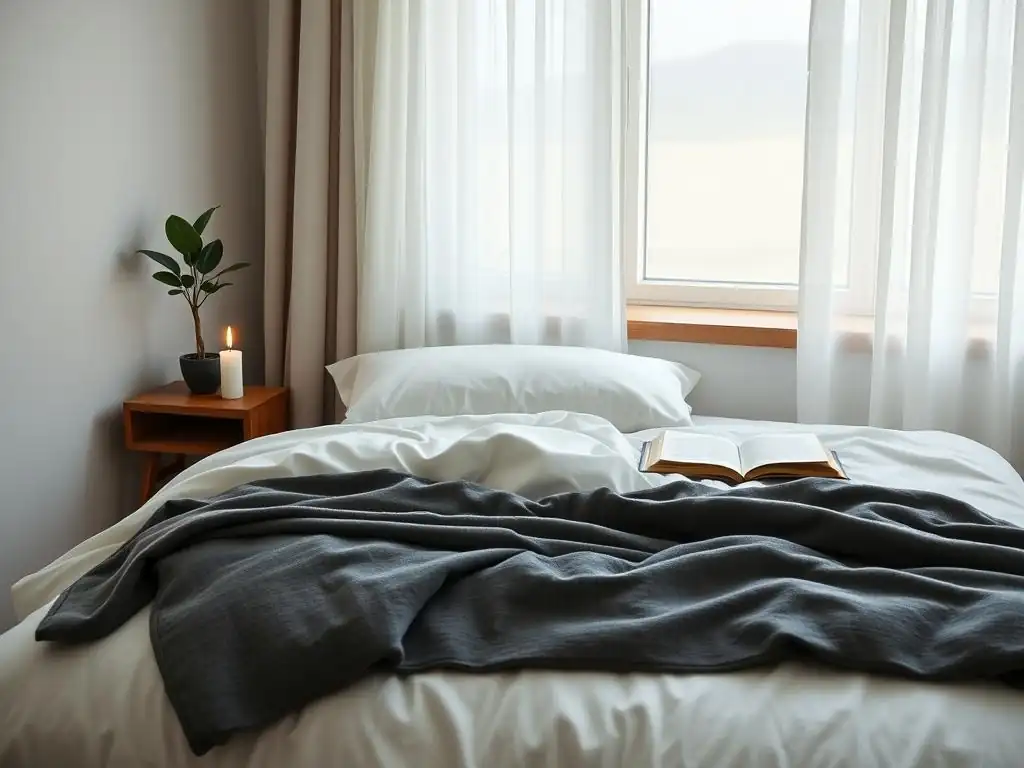
Pre-Sleep Activities to Calm Your Mind and Body
Developing a consistent, relaxing bedtime routine signals to your brain and body that it's time to wind down and prepare for sleep. This routine should ideally start 30 to 60 minutes before your target bedtime and involve calming activities that help you transition from the day's activities to a state of rest. For individuals with anxiety, this period is crucial for reducing mental and physical arousal that can interfere with sleep.
Engaging in soothing activities helps to quiet the anxious mind and relax tense muscles. This might include taking a warm bath or shower, listening to calming music, or doing some gentle stretching. The key is consistency; performing the same sequence of calming activities each night helps create a powerful association between the routine and sleepiness. This ritual becomes a signal to your nervous system that it's safe to relax and release the day's worries, paving the way for more peaceful sleep.
The Power of Meditation and Mindfulness for Sleep
Meditation and mindfulness practices are highly effective tools for calming the nervous system and reducing the racing thoughts often associated with bedtime anxiety. Mindfulness involves focusing on the present moment without judgment, which can help detach from worries about the past or future. Even just 5-10 minutes of mindful breathing or a guided meditation designed for sleep can significantly lower heart rate and promote a state of relaxation conducive to sleep.
Studies have demonstrated the positive impact of mindfulness meditation on sleep quality. For example, a study published in JAMA Internal Medicine found that participants who engaged in mindfulness meditation for six weeks showed significant improvements in sleep quality compared to a control group, experiencing less insomnia and fatigue. Integrating a brief meditation practice into your bedtime routine provides a structured way to acknowledge anxious thoughts without getting swept away by them, creating mental space for sleep.
Gentle Stretching and Yoga for Relaxation Before Bed
Gentle stretching or restorative yoga poses before bed can help release physical tension that often accompanies anxiety and contributes to restlessness at night. Simple stretches like child's pose, cat-cow stretch, or a gentle supine twist can soothe tight muscles and promote a sense of ease in the body. Avoid vigorous exercise close to bedtime, as this can be stimulating.
The focus during these gentle movements is on slow, deliberate motion and coordinating breath with movement. This combination helps to calm the nervous system and draw attention away from anxious thoughts and towards bodily sensations in a non-judgmental way. Spending 15-20 minutes on a gentle stretching or yoga sequence can significantly reduce physical discomfort and mental chatter, making it easier to relax into sleep.
Reading and Journaling to Process Anxious Thoughts
Engaging in calming activities like reading or journaling can be excellent ways to wind down before sleep and process anxious thoughts. Reading a physical book (avoiding screens) can be a quiet, immersive activity that distracts the mind from worries. Choose something light and enjoyable rather than stimulating or stressful material.
Journaling, particularly writing down worries or a "to-do list" for the next day, can help offload anxious thoughts from your mind onto paper. This practice, sometimes called a "worry journal," can reduce the tendency to ruminate on these thoughts once you are in bed. Spending 10-15 minutes writing down whatever is on your mind can provide a sense of closure for the day's concerns, allowing you to approach bedtime with a clearer, calmer mind.
Avoiding Stimulants Before Bed: Coffee, Alcohol, and Nicotine
To improve sleep quality and reduce anxiety-related sleep disturbances, it's crucial to avoid stimulants in the hours leading up to bedtime. Caffeine, found in coffee, tea, soda, and chocolate, is a powerful stimulant that can keep you awake. Its effects can last for several hours; some individuals may need to avoid caffeine for 6-8 hours before bed. For someone with anxiety, caffeine can also exacerbate nervousness and restlessness, making sleep even more elusive.
Alcohol might initially seem relaxing, but it disrupts sleep architecture later in the night. While it can make you feel drowsy and help you fall asleep faster, it reduces REM sleep and increases awakenings in the latter half of the night, leading to fragmented and less restorative sleep. Nicotine is also a stimulant that interferes with sleep. Smokers often take longer to fall asleep and experience more sleep disturbances. Avoiding alcohol and nicotine, especially in the 3-4 hours before bed, is vital for promoting consistent, quality sleep.
Diet and Lifestyle Modifications for Better Sleep and Reduced Anxiety
The Impact of Diet on Sleep Quality and Anxiety Levels
What you eat and when you eat can significantly influence both your sleep quality and anxiety levels. Certain foods and eating patterns can either promote relaxation and healthy sleep or contribute to digestive discomfort and physiological arousal that interfere with rest. For instance, eating a large, heavy meal close to bedtime can cause indigestion and heartburn, making it difficult to lie down comfortably and fall asleep.
Conversely, nutrient deficiencies or imbalances can also impact mood and sleep. Low levels of certain vitamins and minerals, such as magnesium or B vitamins, have been linked to increased anxiety and sleep problems. Maintaining a balanced diet rich in whole foods supports overall physical and mental health, creating a foundation for better sleep and reduced anxiety symptoms.
Foods to Promote Sleep and Reduce Anxiety
Incorporating certain foods into your diet may help promote sleep and ease anxiety. Foods rich in tryptophan, an amino acid that the body converts into serotonin and then melatonin (the sleep hormone), can be beneficial. Examples include turkey, chicken, nuts (like almonds and walnuts), seeds, and dairy products. Pairing these with a small amount of carbohydrates can help tryptophan reach the brain more effectively.
Other nutrients linked to improved sleep and reduced anxiety include magnesium, which has a calming effect on the nervous system, and omega-3 fatty acids, which support brain health and mood regulation. Good sources of magnesium include leafy greens, nuts, seeds, and whole grains. Fatty fish like salmon and tuna are excellent sources of omega-3s. While diet alone isn't a cure, making conscious food choices can be a supportive strategy for improving sleep reduces anxiety symptoms.
The Role of Exercise in Improving Sleep and Reducing Anxiety
Regular physical activity is a powerful tool for both improving sleep and reducing anxiety. Exercise helps reduce stress hormones like cortisol and increases the production of endorphins, which have mood-boosting and calming effects. Consistent aerobic exercise, such as brisk walking, jogging, swimming, or cycling, has been shown to decrease sleep latency (the time it takes to fall asleep), reduce awakenings during the night, and increase the amount of time spent in deep sleep.
Furthermore, exercise provides a healthy outlet for pent-up energy and tension that can contribute to anxiety. Engaging in physical activity during the day helps the body feel genuinely tired at night, making it easier to fall asleep. Studies consistently show that individuals who exercise regularly report better sleep quality and lower levels of anxiety compared to sedentary individuals, illustrating another way improving sleep reduces anxiety symptoms through lifestyle changes.
Timing Your Exercise for Optimal Sleep Benefits
While regular exercise is beneficial, the timing of your workouts can impact sleep. For most people, exercising during the day or in the late afternoon is ideal. Finishing moderate to vigorous exercise at least 2-3 hours before bedtime is generally recommended. Intense physical activity too close to sleep can raise core body temperature and stimulate the nervous system, making it harder to wind down and fall asleep.
However, some individuals find that light exercise, such as gentle yoga or stretching, close to bedtime can be relaxing. Listen to your body and experiment to find what works best for you. The overall goal is consistency; regular exercise, regardless of the exact time (as long as it doesn't interfere with sleep), contributes to better physical and mental health, which in turn supports restful sleep and reduces anxiety symptoms.
Managing Racing Thoughts and Worrying at Night
Racing thoughts and excessive worrying are hallmark symptoms of anxiety that frequently interfere with sleep onset. Lying in bed with a mind that won't shut off can be incredibly frustrating and fuel further anxiety about not being able to sleep. These thoughts often become more intrusive and difficult to manage in the quiet darkness of the bedroom.
Effectively managing racing thoughts requires proactive strategies implemented before even getting into bed, as well as techniques to use if you wake up worrying. Simply telling yourself "don't worry" is rarely effective. Instead, techniques aimed at acknowledging, processing, or diverting these thoughts are more helpful in creating the mental calm needed for sleep.
Techniques to Quiet Your Mind Before Sleep
Several techniques can help quiet a busy, anxious mind before sleep. A "worry time" involves setting aside a specific short period earlier in the evening (e.g., 20 minutes at 7 PM) to actively think about and write down your worries. This practice helps contain worrying to a designated time, making it easier to let go of thoughts later. If a worry arises at bedtime, you can tell yourself, "I've already worried about that during my worry time," or "I'll add that to my worry list tomorrow."
Another technique is cognitive defusion, which involves creating psychological distance from your thoughts. Instead of getting caught up in the content of a worry, you observe the thought itself, perhaps noting "I'm having the thought that..." This helps you see thoughts as just thoughts, not necessarily facts. Guided imagery or progressive muscle relaxation can also help shift focus away from thoughts and towards calming physical sensations, making it easier to drift off.
Dealing with Nightmares and Sleep Terrors Associated with Anxiety
Anxiety can sometimes manifest as disturbing dreams, including nightmares, or in more severe cases, sleep terrors. Nightmares are vivid, frightening dreams that often occur during REM sleep and can cause you to wake up feeling distressed. Sleep terrors, more common in children but occasionally occurring in adults with high anxiety, are episodes of screaming, thrashing, or fear during non-REM sleep, where the person is typically not fully awake and has no memory of the event.
Managing nightmares related to anxiety often involves addressing the underlying anxiety itself. Techniques like stress reduction, therapy (such as Cognitive Behavioral Therapy for Anxiety - CBT-A), and improving sleep hygiene can help. For recurrent, distressing nightmares, a specific technique called Imagery Rehearsal Therapy (IRT) can be effective. IRT involves rewriting the narrative of the nightmare into a less threatening one while awake and rehearsing this new version, which can help reduce the frequency and intensity of the nightmares.
Insomnia, characterized by difficulty falling asleep, staying asleep, or waking too early and being unable to return to sleep, is a common symptom of anxiety. The hyperarousal and worry associated with anxiety create a state that directly opposes the relaxation needed for sleep. Overcoming anxiety-related insomnia often requires a multi-faceted approach combining sleep hygiene with psychological strategies.
Cognitive Behavioral Therapy for Insomnia (CBT-I) is considered the gold standard treatment. CBT-I addresses the thoughts, feelings, and behaviors that perpetuate insomnia. It includes techniques like stimulus control (associating the bed only with sleep and intimacy), sleep restriction (temporarily reducing time in bed to increase sleep drive), and cognitive restructuring (challenging unhelpful beliefs about sleep). By targeting both the sleep behaviors and the anxious thoughts about sleep, CBT-I helps individuals regain confidence in their ability to sleep and significantly improves sleep quality, directly demonstrating how improving sleep reduces anxiety symptoms.
Creating Your Perfect Sleep Sanctuary: A Step-by-Step Guide
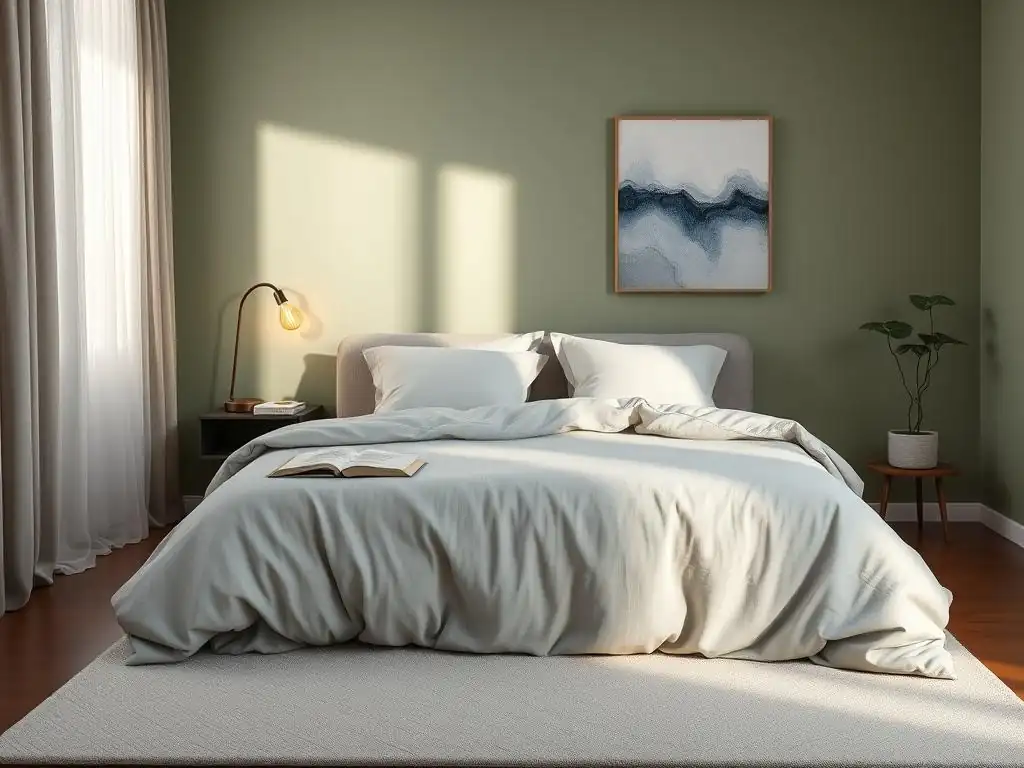
Step 1: Assess Your Current Sleep Habits and Identify Problem Areas
The first step in creating your sleep sanctuary and improving sleep reduces anxiety symptoms is to understand your current sleep patterns and identify what might be hindering your sleep. Keep a sleep diary for one to two weeks, recording your bedtime, wake-up time, how long it takes to fall asleep, how many times you wake up, what you eat and drink, your exercise, and your anxiety levels throughout the day and before bed.
Analyzing this diary can reveal patterns, such as inconsistent sleep times, late-night caffeine consumption, or excessive screen time before bed. It can also highlight specific anxious thoughts or worries that frequently arise when you try to sleep. This assessment provides a clear picture of your starting point and helps pinpoint the specific areas you need to address to build a more sleep-conducive lifestyle.
Step 2: Develop a Personalized Sleep Hygiene Plan
Based on your assessment, develop a personalized sleep hygiene plan. This isn't a one-size-fits-all approach; it should be tailored to your specific challenges and lifestyle. Your plan might include setting a consistent sleep schedule, optimizing your bedroom environment (e.g., getting blackout curtains, setting a thermostat), establishing a relaxing bedtime routine (e.g., choosing 2-3 calming activities), and making conscious choices about diet and exercise timing.
For example, if your diary shows you're staying up late watching TV and drinking soda, your plan might include turning off screens an hour before bed and switching to herbal tea. If you identified racing thoughts as a major issue, your plan might incorporate journaling or meditation before bed. Write down your specific goals and the strategies you will use to achieve them.
Step 3: Implement Your Plan and Track Your Progress
Once you have your personalized plan, the next crucial step is to implement it consistently. Start making the changes you've outlined, focusing on one or two key areas first if the list feels overwhelming. Consistency is key to retraining your body and mind. Stick to your new sleep schedule as closely as possible, follow your bedtime routine every night, and make conscious choices about stimulants and evening activities.
Continue using your sleep diary to track your progress. Note any changes in how quickly you fall asleep, how often you wake up, your total sleep time, and how you feel during the day (e.g., energy levels, anxiety levels). Tracking helps you see what's working, identify new challenges, and make adjustments to your plan as needed. Celebrating small victories, like a night with fewer awakenings, can also provide motivation. This tracking process actively demonstrates how improving sleep reduces anxiety symptoms over time.
Step 4: Seek Professional Help if Needed
While implementing sleep hygiene practices is highly beneficial, it's important to recognize when professional help is necessary. If you have persistent difficulty sleeping despite consistent efforts, or if your anxiety or sleep problems are significantly impacting your daily life, consult a healthcare provider. This could be your primary care physician, a sleep specialist, or a mental health professional.
A doctor can rule out underlying medical conditions contributing to sleep issues. A sleep specialist can provide further diagnosis and treatment for sleep disorders like chronic insomnia or sleep apnea. A therapist specializing in anxiety or CBT-I can provide targeted strategies for managing the psychological factors contributing to your sleep problems. Seeking professional support is a sign of strength and can provide the necessary tools and guidance when self-help measures are not enough to achieve restful sleep and reduce anxiety symptoms.
Long-Term Strategies for Maintaining Good Sleep Hygiene and Reducing Anxiety
Building a Sustainable Sleep Routine for Long-Term Anxiety Management
Maintaining good sleep hygiene isn't a temporary fix; it's a long-term commitment to supporting your mental and physical health. The goal is to build a sustainable sleep routine that becomes a natural part of your daily life. This involves integrating consistent sleep practices into your schedule in a way that is manageable and realistic for you. Life happens, and occasional deviations are inevitable, but the key is to return to your established routine as quickly as possible.
Sustainability means finding a balance. It's about making sleep a priority alongside work, social life, and other commitments. This might involve setting boundaries around evening activities that interfere with sleep, communicating your sleep needs to others, and continuously evaluating and adjusting your routine as your life circumstances change. By making sleep a consistent priority, you build resilience against anxiety and reinforce the positive cycle where improving sleep reduces anxiety symptoms over the long haul.
Incorporating Relaxation Techniques into Your Daily Life
Beyond the bedtime routine, integrating relaxation techniques into your daily life can significantly help manage anxiety throughout the day, which in turn supports better sleep at night. Techniques like deep breathing exercises, progressive muscle relaxation, short mindfulness breaks, or gentle stretching can be practiced anywhere and anytime you feel anxiety starting to build.
Regular practice of these techniques, even for a few minutes each day, helps lower your overall stress level and reduces the likelihood of feeling overwhelmed by anxiety when bedtime arrives. Think of it as proactively managing your anxiety "budget" throughout the day so you don't reach bedtime with a surplus of nervous energy. Consistent daily relaxation reinforces your body's ability to enter a calm state, making the transition to sleep smoother and more consistent.
The Importance of Seeking Professional Support for Chronic Anxiety and Sleep Problems
For individuals experiencing chronic or severe anxiety and sleep problems, professional support is not just an option but often a necessity for long-term well-being. While sleep hygiene provides foundational support, it may not fully resolve issues rooted in complex anxiety disorders or co-occurring conditions. Therapists can help address the underlying causes of anxiety, teach effective coping mechanisms, and provide evidence-based treatments like CBT for anxiety or CBT-I.
Medication may also be an option in some cases, prescribed and monitored by a doctor, to manage severe anxiety or sleep disorders. A collaborative approach involving healthcare providers, sleep specialists, and mental health professionals ensures that all facets of the problem are addressed. Recognizing the need for help and actively seeking it is a crucial step towards breaking free from the cycle of chronic anxiety and sleep deprivation, ultimately leading to sustained improvement where improving sleep reduces anxiety symptoms significantly.
Improving Sleep Reduces Anxiety Symptoms: A Recap
Key Takeaways for Creating a Sleep-Promoting Lifestyle
Improving sleep reduces anxiety symptoms by breaking the detrimental cycle between poor sleep and heightened worry. Creating a perfect sleep sanctuary and adopting consistent sleep hygiene practices are powerful strategies for managing anxiety. Key takeaways include establishing a regular sleep schedule, optimizing your bedroom environment for darkness, quiet, and cool temperature, and developing a relaxing bedtime routine free from stimulants and screens.
Incorporating stress-reducing activities like meditation, gentle exercise, and journaling into your daily life and before bed helps calm the anxious mind and body. Paying attention to diet and timing of exercise further supports sleep quality. While implementing these strategies, remember to be patient with yourself and track your progress. If difficulties persist, seeking professional help from doctors, sleep specialists, or therapists is a vital step towards achieving lasting relief and experiencing firsthand how improving sleep reduces anxiety symptoms effectively.
Frequently Asked Questions
How does improving sleep help with anxiety?
Improving sleep helps reduce anxiety by regulating the nervous system and allowing the brain to properly process emotions. This leads to a decrease in anxious thoughts and feelings.
What are some key elements of a good "sleep sanctuary"?
A good sleep sanctuary focuses on creating a calm, dark, and quiet environment. This includes using blackout curtains, a comfortable bed, and minimizing noise distractions.
What is "sleep hygiene" and why is it important for managing anxiety?
Sleep hygiene refers to habits and practices that promote consistent and quality sleep. Good sleep hygiene is vital because it directly impacts mood regulation and reduces anxiety symptoms.
How long does it typically take to see improvements in anxiety after implementing better sleep hygiene?
While it varies, many people notice initial improvements in anxiety within a few weeks of consistently practicing good sleep hygiene. More significant, long-term benefits often require several months.
What are some common sleep hygiene mistakes that can worsen anxiety?
Common mistakes include consuming caffeine or alcohol before bed, using electronic devices in bed, and having an inconsistent sleep schedule. These disrupt sleep patterns and can exacerbate anxiety.
Final Reflection: Weaving Calm into the Night
The pursuit of restful sleep is not a luxury; it's a fundamental pillar of mental well-being, directly impacting our ability to manage anxiety. In a world increasingly characterized by relentless demands and constant connectivity, prioritizing sleep hygiene is no longer a suggestion, but a necessity for navigating the complexities of modern life and reducing the pervasive grip of anxiety. The connection between sleep and anxiety is undeniable, and understanding this link is the first step towards reclaiming control over our mental and physical health.
The journey towards a peaceful night's sleep is deeply personal, a process of self-discovery and mindful adjustment. It's about creating a sanctuary, a space where the mind and body can unwind and recharge. This isn't just about counting sheep; it's about cultivating a holistic approach to well-being, recognizing the interconnectedness of our physical and mental states. As the poet Mary Oliver wisely observed: What is it you plan to do with your one wild and precious life?
Sleep, in its restorative power, is a vital component of answering this profound question. It allows us to approach each day with renewed energy and resilience, better equipped to face the challenges that life presents.
Now, consider your own sleep sanctuary. What adjustments can you make to enhance its tranquility? Perhaps it's dimming the lights an hour before bed, incorporating a calming bedtime routine, or creating a space free from electronic distractions.
The power to transform your sleep, and in turn, your ability to manage anxiety, rests within your hands. Embrace the journey, be patient with yourself, and remember that even small changes can have a profound impact on your overall well-being. Start small, build consistency, and watch as the calm you cultivate in your sleep sanctuary radiates outwards, transforming your days and empowering you to live a more peaceful and fulfilling life.
Unveil Your Calmer Self: Sleep Soundly Tonight
Thanks for taking the time to explore better sleep habits for anxiety relief! We hope you gained valuable insights into creating a truly restorative sleep sanctuary. Now, it's time to put your newfound knowledge into action. Let's get you sleeping soundly tonight!
- Prioritize one small change: Choose just one sleep hygiene tip from the article – whether it's dimming the lights an hour before bed, creating a relaxing bedtime routine, or adjusting your sleep environment – and implement it tonight. This small step can make a big difference.
- Share your sleep sanctuary secrets: Tell us (or a friend!) about the change you've chosen. Sharing your journey can boost accountability and provide inspiration for others.
- Explore our sleep resources: Delve deeper into anxiety management techniques by exploring more articles on our site. You can find a wealth of resources designed to help you build a healthier, happier, and more restful you.
Ready to experience the transformative power of a good night's sleep? What single step will you take tonight to build your perfect sleep sanctuary?