
Unlock Deeper Sleep: ScienceBacked Strategies for Anxious Minds


Welcome to Mind Care Guide, a safe space dedicated to your mental well-being. Are restless nights and racing thoughts keeping you from the restorative sleep you deserve? You're not alone. Dive into our comprehensive guide on Anxious Minds Sleep Strategies and discover science-backed techniques to quiet your mind and unlock deeper, more peaceful sleep. Let's begin your journey to a better night, tonight.
Unlock Deeper Sleep: Science-Backed Strategies for Anxious Minds
- Introduction: Anxiety and the Quest for Restful Sleep
- Anxious Minds Sleep Strategies: Science-Backed Techniques
- Optimizing Your Sleep Environment for Anxiety Relief
- Lifestyle Adjustments for Improved Sleep in Anxious Individuals
- Addressing Underlying Anxiety Disorders for Better Sleep
- Conclusion: Taking Control of Your Sleep and Managing Anxiety
-
Frequently Asked Questions
- How does anxiety directly impact sleep quality?
- What are some science-backed techniques to calm an anxious mind before bed?
- Are there specific sleep hygiene practices that are especially beneficial for anxious individuals?
- Can diet play a role in managing anxiety-related sleep disturbances?
- When should someone with an anxious mind seek professional help for sleep problems?
- Final Reflection: Finding Rest in the Wake of Anxiety
- Unlock Your Best Sleep Tonight: Simple Steps to Peaceful Rest
Introduction: Anxiety and the Quest for Restful Sleep
Understanding the Link Between Anxiety and Sleep Deprivation
Anxiety and sleep deprivation often exist in a bidirectional relationship, meaning they significantly influence each other. For many individuals grappling with anxious minds, the quiet hours before bed become a battleground where racing thoughts and worries amplify, making it incredibly difficult to fall asleep or stay asleep. This struggle isn't just an inconvenience; chronic sleep deprivation can exacerbate anxiety symptoms, creating a vicious cycle.
Studies indicate that people with anxiety disorders are significantly more likely to report sleep problems, with estimates suggesting that up to 70% of adults with generalized anxiety disorder experience sleep disturbances. This profound connection highlights why addressing sleep is a critical component of managing anxiety effectively.
The physiological response to anxiety, involving the activation of the sympathetic nervous system ("fight or flight"), directly interferes with the body's ability to relax and transition into sleep. Hormones like cortisol are released, increasing alertness and making the body feel wired, rather than calm and ready for rest. This heightened state of arousal prevents the natural decrease in heart rate and brain activity needed for sleep onset.
Furthermore, the cognitive aspect of anxiety – the persistent worry and rumination – keeps the mind actively engaged, preventing the mental quiet necessary for drifting off. Understanding this intricate link is the first step in developing effective anxious minds sleep strategies.
The Impact of Anxious Thoughts on Sleep Quality
Anxious thoughts don't just make it hard to fall asleep; they also significantly degrade the quality of sleep. Even if an anxious individual manages to fall asleep, their sleep architecture might be disrupted. They may spend less time in deep, restorative sleep stages (like slow-wave sleep and REM sleep) and more time in lighter stages, or wake up frequently during the night.
This fragmented and shallow sleep doesn't allow the brain and body to perform essential restorative processes, such as memory consolidation, emotional regulation, and physical repair. Consequently, the individual wakes up feeling unrefreshed, which can then amplify anxiety symptoms throughout the day.
The content of anxious thoughts themselves can also intrude upon sleep. Worrying about sleep itself (sleep performance anxiety) is a common issue for anxious minds. The pressure to "get enough sleep" can become a source of significant stress, paradoxically making sleep more elusive. This preoccupation with sleep failure, often accompanied by checking the clock or calculating lost hours of rest, fuels the cycle of anxiety and insomnia. Addressing these cognitive patterns is a key element in implementing effective anxious minds sleep strategies and breaking free from this disruptive loop.
Anxious Minds Sleep Strategies: Science-Backed Techniques
Cognitive Behavioral Therapy for Insomnia (CBT-I): A Powerful Tool for Anxious Sleepers
Cognitive Behavioral Therapy for Insomnia (CBT-I) is widely recognized as the gold standard treatment for chronic insomnia and is particularly effective for individuals whose sleep problems are intertwined with anxiety. Unlike sleep medications, which often provide temporary relief but don't address underlying causes, CBT-I targets the thoughts, feelings, and behaviors that contribute to sleep difficulties. It's a structured program, typically delivered over several sessions, that helps individuals identify and change negative sleep habits and beliefs. For anxious minds seeking lasting sleep solutions, CBT-I offers a comprehensive approach that tackles both the behavioral and cognitive components of insomnia.
Research consistently demonstrates the efficacy of CBT-I, showing significant improvements in sleep onset latency (time to fall asleep), wakefulness after sleep onset, total sleep time, and overall sleep quality. For instance, studies have shown that CBT-I can reduce the time it takes to fall asleep by an average of 10-20 minutes and decrease the amount of time spent awake during the night by 20-30 minutes.
Importantly, these improvements are often sustained over time, unlike the effects of many sleep medications. This makes CBT-I a vital component of effective anxious minds sleep strategies, empowering individuals with tools to manage their sleep long-term.
How CBT-I Addresses Anxiety-Related Sleep Problems
CBT-I directly addresses anxiety-related sleep problems by tackling both the behavioral patterns and the cognitive distortions that fuel the sleep-anxiety cycle. Behaviorally, it employs techniques like sleep restriction and stimulus control to re-associate the bed and bedroom with sleep, rather than with frustration, worry, or wakefulness. For someone with an anxious mind, the bedroom can become a trigger for stress; CBT-I helps break this negative association. It also emphasizes establishing a consistent sleep schedule, which regulates the body's internal clock and can reduce the variability in sleep patterns often experienced by anxious individuals.
Cognitively, CBT-I helps individuals identify and challenge unhelpful beliefs about sleep and worry. This might involve addressing fears about the consequences of poor sleep ("If I don't get 8 hours, I'll fail tomorrow") or processing anxious thoughts that arise at bedtime. Techniques like cognitive restructuring teach individuals how to replace catastrophic or anxious thoughts with more balanced and realistic perspectives. By reducing sleep-related worry and changing maladaptive behaviors, CBT-I effectively lowers the physiological and cognitive arousal that prevents anxious minds from achieving restorative sleep.
Key Components of CBT-I for Anxious Minds: Sleep Restriction Therapy
One of the core components of CBT-I, particularly relevant for anxious minds who overestimate the amount of time they spend awake, is Sleep Restriction Therapy (SRT). This technique involves temporarily reducing the amount of time spent in bed to closely match the amount of time actually spent sleeping.
For example, if someone reports being in bed for 8 hours but only sleeping for 5 hours, their initial "sleep window" might be restricted to 5.5 or 6 hours. This deliberate sleep deprivation increases "sleep drive" or the physiological need for sleep, making it easier to fall asleep and stay asleep during the restricted window.
While initially counterintuitive and potentially anxiety-provoking, SRT is carefully monitored and adjusted. As sleep efficiency improves (the percentage of time in bed spent asleep), the sleep window is gradually increased by 15-30 minute increments. The goal is not long-term restriction but to consolidate sleep into a more efficient block, thereby strengthening the association between being in bed and being asleep. For anxious individuals prone to spending hours tossing and turning, SRT helps break the cycle of lying awake and worrying, making it a powerful behavioral strategy within the broader anxious minds sleep strategies framework.
Relaxation Techniques for Calming Anxious Thoughts Before Bed
Beyond structured therapies like CBT-I, incorporating relaxation techniques into a pre-sleep routine can be incredibly beneficial for calming an anxious mind. These techniques help shift the body and mind out of a state of high alert and into a more relaxed state conducive to sleep. Consistency is key; practicing these methods regularly, even during the day, can build resilience against anxiety and improve your ability to relax on demand before bed. Simple yet powerful techniques can make a significant difference in preparing for sleep.
The beauty of many relaxation techniques is their accessibility. They don't require special equipment or locations and can be practiced anywhere. Integrating them into the hour before bed signals to your brain that it's time to wind down. This mindful transition from the day's activities to rest is a crucial anxious minds sleep strategy. It's about creating a buffer zone between the stresses of the day and the attempt to sleep, allowing the nervous system to settle.
Deep Breathing Exercises for Sleep: Box Breathing
Deep breathing exercises are fundamental relaxation tools that can significantly impact the body's stress response. Box breathing, also known as square breathing, is a simple yet highly effective technique for calming the nervous system. It involves four equal parts: inhale, hold, exhale, hold. You typically count to four for each step. For example, inhale deeply for a count of four, hold the breath for a count of four, exhale slowly for a count of four, and hold the breath out for a count of four. Repeat this cycle for several minutes.
Practicing box breathing before bed helps to slow the heart rate, lower blood pressure, and reduce the levels of stress hormones like cortisol. By focusing on the breath, it also provides a gentle anchor for the mind, diverting attention away from anxious thoughts. This intentional regulation of the breath signals safety to the brain, counteracting the "fight or flight" response associated with anxiety. Incorporating 5-10 minutes of box breathing into your bedtime routine is a practical and immediate anxious minds sleep strategy.
Progressive Muscle Relaxation (PMR) for Reducing Tension and Anxiety
Anxiety often manifests physically as muscle tension. Progressive Muscle Relaxation (PMR) is a technique that involves tensing and then releasing different muscle groups in the body, one by one. Starting typically from the feet and moving up to the head, you might tense the muscles in your feet tightly for about 5-10 seconds, then completely release the tension, noticing the difference between tension and relaxation. You then move on to the calves, thighs, and so on, systematically working through the entire body.
This practice not only helps to release physical tension but also increases awareness of where tension is held in the body, allowing you to consciously relax those areas. For anxious minds, PMR provides a tangible way to experience relaxation, which can be a powerful counterpoint to the feeling of being constantly wound up. By focusing on the physical sensations of tension and release, it also helps to anchor the mind in the present moment, reducing rumination about past worries or future fears. Regular practice of PMR is an effective component of anxious minds sleep strategies.
Guided Meditation for Sleep: Finding Peace in the Present Moment
Guided meditation involves listening to instructions from a facilitator (often via recordings or apps) to help guide your focus and promote relaxation. There are many guided meditations specifically designed for sleep, which often combine gentle breathing instructions, body scans, and visualizations aimed at calming the mind and preparing for rest. These sessions encourage acceptance of thoughts and feelings without judgment, a key aspect of managing anxiety.
For anxious minds, a guided meditation can provide structure and support, making it easier to quiet racing thoughts compared to trying to meditate alone. The soothing voice and intentional focus on relaxation or gentle awareness can interrupt cycles of worry. By directing attention away from anxiety-provoking topics and towards calming imagery or bodily sensations, guided meditation facilitates the transition from an active, anxious state to a more peaceful, pre-sleep state. Exploring different guided meditation resources can help find one that resonates with your specific needs as part of your anxious minds sleep strategies.
Mindfulness for Anxiety and Sleep: Cultivating Awareness and Acceptance
Mindfulness is the practice of paying attention to the present moment without judgment. It involves observing your thoughts, feelings, bodily sensations, and the surrounding environment with an attitude of curiosity and acceptance. For anxious minds, mindfulness is particularly powerful because it helps to decrease the tendency to get caught up in worry loops about the past or future. By cultivating awareness of anxious thoughts without necessarily engaging with them or believing them as absolute truths, you can lessen their power over your emotional and physiological state, including your ability to sleep.
Regular mindfulness practice, whether through formal meditation or informal moments throughout the day, can change your relationship with anxiety. Instead of reacting automatically to anxious thoughts, you learn to notice them and choose how to respond. This metacognitive awareness – awareness of your own thinking process – is crucial. It helps you recognize when your mind is spiraling into worry and gently redirect your attention. This skill translates directly to bedtime, making it easier to observe anxious thoughts about sleep without being consumed by them, thus improving sleep quality.
Mindfulness Meditation for Reducing Sleep-Related Worry
Mindfulness meditation specifically focused on sleep involves bringing non-judgmental awareness to the experience of trying to sleep. Instead of fighting against sleeplessness or getting frustrated by anxious thoughts, you practice observing them with acceptance. This might involve noticing the feeling of lying in bed, the sounds around you, your breath, and the thoughts that arise, acknowledging them without getting swept away. The goal is not to eliminate thoughts but to change your reaction to them.
For someone with an anxious mind, the act of trying to sleep can be a major source of stress. Mindfulness helps to release this pressure by shifting the focus from the outcome (falling asleep) to the process (being present in the moment). By reducing the distress associated with not sleeping immediately, mindfulness lowers the arousal that prevents sleep. Regularly practicing mindful acceptance of your current state, even if it's wakefulness and worry, can paradoxically make it easier to relax and eventually drift off. This is a key piece of applying anxious minds sleep strategies.
Incorporating Mindfulness into Your Daily Routine for Better Sleep
While mindfulness meditation before bed is helpful, integrating mindfulness throughout your day can have a cumulative positive effect on anxiety and sleep. This involves bringing mindful awareness to everyday activities, such as eating, walking, or even doing chores. For example, when eating, notice the tastes, textures, and smells of your food. When walking, pay attention to the sensation of your feet on the ground and the movement of your body. These small moments of present-moment awareness build the "muscle" of mindfulness.
By regularly practicing mindfulness during the day, you become more adept at recognizing anxious thought patterns as they arise and less likely to get trapped in them. This reduces the overall level of anxiety carried into the evening. Furthermore, being more present during the day can help you appreciate restful moments and feel less overwhelmed by the demands of life, contributing to a calmer state of mind when it's time to sleep. Consistent daily mindfulness is a powerful, long-term anxious minds sleep strategy.
Optimizing Your Sleep Environment for Anxiety Relief
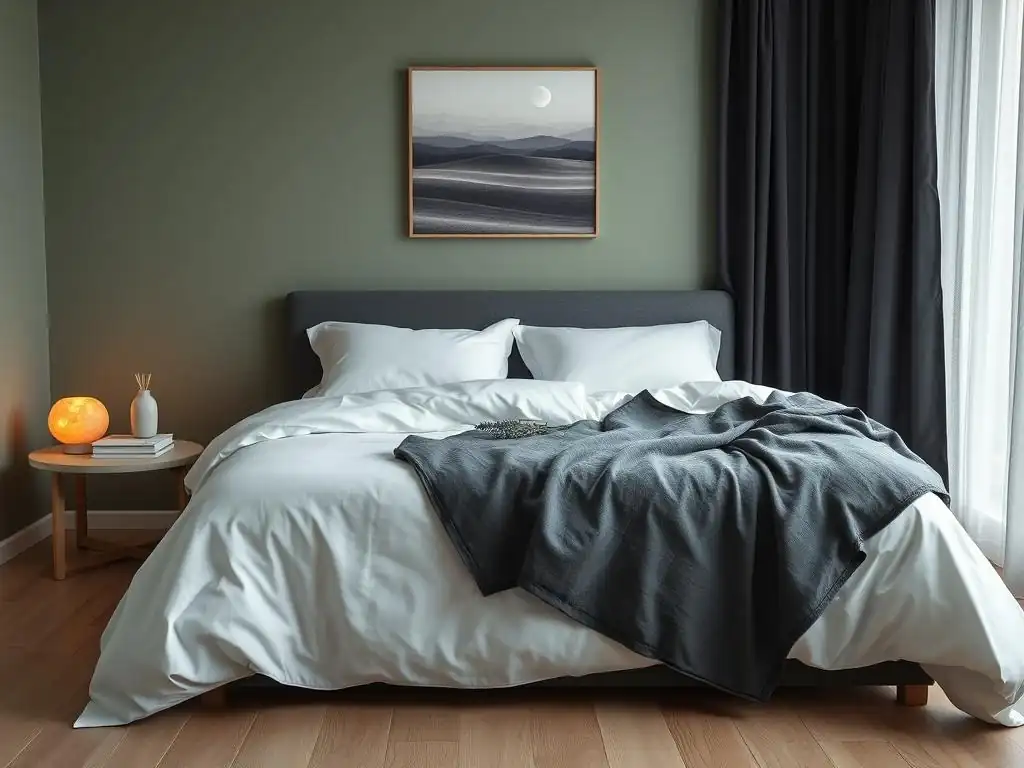
Creating a Sleep Sanctuary: Making Your Bedroom a Haven of Calm
Your bedroom environment plays a significant role in your ability to relax and fall asleep, especially for anxious minds who are more sensitive to external stimuli. Think of your bedroom as a sanctuary dedicated solely to sleep and intimacy, not a multi-purpose room for work, watching TV, or worrying. Making deliberate choices about the setup and atmosphere of your bedroom can create a calming space that signals to your brain that it's time to wind down and rest.
This involves more than just tidiness; it's about actively designing a space that promotes tranquility. Removing clutter can reduce visual distractions and the feeling of being overwhelmed, which is particularly helpful for anxious minds. Consider the aesthetics: calming colors (like blues, greens, or neutrals), soft lighting, and minimal decorations can contribute to a peaceful atmosphere. Making your bedroom a true "sleep sanctuary" is a foundational step in optimizing anxious minds sleep strategies.
The Importance of a Dark, Quiet, and Cool Sleep Environment
Three critical factors for an optimal sleep environment are darkness, quietness, and a cool temperature. Even small amounts of light, particularly blue light from electronic devices, can suppress melatonin production, the hormone that regulates sleep-wake cycles. A dark room helps facilitate the natural rise in melatonin needed for sleep. Use blackout curtains or blinds to block out external light.
Noise is another major disruptor, especially for anxious individuals whose minds might latch onto sounds and turn them into sources of worry. Use earplugs or a white noise machine/fan to create a consistent, soothing sound that can mask sudden noises. Finally, temperature is key. Most sleep experts recommend a bedroom temperature between 60-67°F (15-19°C). A cooler environment helps the body's core temperature drop, which is a necessary physiological step for initiating and maintaining sleep. Ensuring these conditions are met creates a powerful foundation for anxious minds sleep strategies.
Choosing the Right Bedding for Comfort and Relaxation
The comfort of your bed and bedding can significantly impact your ability to relax and fall asleep. An uncomfortable mattress or pillow can lead to tossing and turning, physical discomfort, and frustration, all of which exacerbate anxiety. Invest in a mattress and pillows that provide adequate support and comfort for your body.
The choice of bedding materials also matters. Breathable fabrics like cotton or linen can help regulate body temperature, preventing you from getting too hot or cold during the night. Soft, comfortable sheets and blankets contribute to a feeling of coziness and security, which can be particularly soothing for anxious minds. Ensure your bedding is clean and fresh, as this also contributes to a sense of calm and comfort. Prioritizing comfort in your sleep setup is a simple yet effective part of optimizing anxious minds sleep strategies.
Establishing a Consistent Sleep Schedule: Regulating Your Circadian Rhythm
One of the most powerful tools for improving sleep, especially for anxious minds, is establishing and sticking to a consistent sleep schedule. This means going to bed and waking up at roughly the same time every day, including weekends. Consistency helps regulate your body's internal biological clock, known as the circadian rhythm, which controls sleep and wakefulness. A well-regulated circadian rhythm sends clear signals to your body about when it's time to be awake and when it's time to sleep, making it easier to fall asleep and wake up naturally.
Irregular sleep schedules, such as sleeping in significantly on weekends or varying bedtime drastically, can disrupt the circadian rhythm, similar to experiencing jet lag. This makes it harder to fall asleep the following nights and can worsen feelings of fatigue and anxiety. While it might feel tempting to catch up on sleep, consistency is far more beneficial for long-term sleep quality and anxiety management. Making a consistent schedule a priority is a cornerstone of effective anxious minds sleep strategies.
The Benefits of a Regular Sleep-Wake Cycle for Anxiety
A consistent sleep schedule provides stability for both the body and the mind, which is particularly valuable for anxious individuals who may struggle with feelings of unpredictability or lack of control. Knowing when you are supposed to be awake and when you are supposed to be asleep can reduce the anxiety surrounding sleep itself. It helps condition your body to become sleepy at a predictable time, reducing the time spent lying awake and worrying.
Furthermore, a regular sleep-wake cycle supports the body's natural hormonal balance, including the regulation of cortisol, which is often dysregulated in anxiety. By promoting more stable sleep patterns, a consistent schedule can help normalize these hormonal rhythms, potentially reducing overall anxiety levels throughout the day. This predictable structure is a calming force for the anxious mind, reinforcing effective anxious minds sleep strategies.
Tips for Maintaining a Consistent Sleep Schedule, Even on Weekends
Maintaining a consistent sleep schedule, especially on weekends, requires discipline but yields significant rewards. Aim to keep your bedtime and wake-up time within an hour of your weekday schedule. If you feel the need to sleep in, try to limit it to no more than an extra hour. This helps prevent a major disruption to your circadian rhythm.
If you feel tired during the day, opt for a short power nap (20-30 minutes) in the early afternoon rather than sleeping in late or taking long, late-afternoon naps, which can make it harder to fall asleep at your scheduled bedtime. On weekend mornings, expose yourself to natural light soon after waking up, as this helps reinforce your circadian rhythm. While it might require some adjustment, prioritizing a consistent schedule is a fundamental aspect of successful anxious minds sleep strategies.
Lifestyle Adjustments for Improved Sleep in Anxious Individuals
The Role of Diet and Exercise in Sleep and Anxiety Management
Lifestyle choices, particularly regarding diet and exercise, have a profound impact on both anxiety levels and sleep quality. What you eat and when you eat it can affect your body's readiness for sleep, while regular physical activity is a powerful tool for reducing stress and improving sleep architecture. Making conscious decisions about these aspects of your daily life can significantly support anxious minds sleep strategies.
It's not about drastic changes but about making sustainable adjustments that promote overall well-being. Understanding how certain foods or lack of movement affect your body can empower you to make choices that support both a calmer mind and more restful sleep. These lifestyle factors are interconnected, and addressing them together can yield cumulative benefits.
Foods to Avoid Before Bed to Minimize Anxiety and Promote Sleep
Certain foods and substances can interfere with sleep and potentially heighten anxiety when consumed close to bedtime. Caffeine, found in coffee, tea, chocolate, and some sodas, is a stimulant that can keep you awake for hours after consumption. Alcohol might initially make you feel sleepy, but it disrupts sleep architecture later in the night, leading to fragmented rest. Nicotine is also a stimulant and should be avoided, especially close to bedtime.
Heavy or spicy meals right before bed can cause indigestion, heartburn, or discomfort, making it difficult to relax. Sugary snacks can cause blood sugar spikes and crashes, which can disrupt sleep. While individual sensitivities vary, it's generally advisable for anxious minds to avoid stimulants, alcohol, and heavy meals within a few hours of bedtime. Opting for light, calming snacks if needed, such as a small portion of nuts or a banana, can be a better choice within your anxious minds sleep strategies.
The Benefits of Regular Physical Activity for Reducing Anxiety and Improving Sleep Quality
Regular exercise is one of the most effective natural remedies for both anxiety and insomnia. Physical activity helps reduce stress hormones like cortisol and releases endorphins, which have mood-boosting and calming effects. Engaging in regular aerobic exercise, such as brisk walking, jogging, swimming, or cycling, has been shown to significantly decrease overall anxiety levels.
Furthermore, exercise helps improve sleep quality by promoting deeper sleep. It can also help regulate the sleep-wake cycle. However, it's generally recommended to avoid vigorous exercise within 2-3 hours of bedtime, as it can be stimulating for some people. Moderate exercise earlier in the day or in the late afternoon is usually best for promoting sleep. Aim for at least 30 minutes of moderate-intensity exercise most days of the week as a core part of your anxious minds sleep strategies.
Managing Screen Time Before Bed: The Impact of Blue Light on Sleep
In our increasingly digital world, managing screen time before bed is crucial for sleep quality, particularly for anxious minds who may be prone to rumination triggered by online content. The blue light emitted by electronic devices like smartphones, tablets, and computers is particularly problematic because it interferes with the production of melatonin. Exposure to blue light in the evening signals to your brain that it's daytime, suppressing the natural release of melatonin needed to initiate sleep.
Beyond the biological effect of blue light, engaging with stimulating content (like news, social media, or stressful emails) on screens before bed can activate the mind and increase anxiety, making it harder to transition to a relaxed state. This combination of physiological disruption and mental stimulation makes limiting screen time a vital anxious minds sleep strategy.
The Importance of Limiting Screen Exposure Before Bedtime
Sleep experts widely recommend creating a "digital curfew," ideally putting away all electronic devices at least 60 minutes, and preferably 90 minutes, before your scheduled bedtime. This allows your body's natural melatonin production to increase, helping you feel naturally sleepy. This hour can be used for calming activities like reading a physical book, listening to quiet music, practicing relaxation techniques, or spending quiet time with loved ones.
This buffer period also gives your mind time to wind down from the stimulation of the day and process thoughts without the immediate input of external information or social interactions from screens. For anxious minds, this can be a valuable time to engage in a calming ritual that prepares them for sleep, rather than potentially encountering content that triggers worry.
Using Blue Light Filters to Minimize Disruption to Sleep
While limiting screen time is the most effective strategy, it's not always possible to avoid screens entirely in the evening. Many devices now offer built-in "night mode" or blue light filter settings that shift the screen's color spectrum to warmer tones, reducing blue light emission. There are also apps and computer programs available that serve the same purpose.
Using these filters in the evening can help mitigate some of the negative impact of screen time on melatonin production. However, it's important to remember that even with filters, engaging with stimulating content on screens can still keep your mind alert. Blue light filters should be seen as a secondary measure, not a replacement for establishing a digital curfew as part of your comprehensive anxious minds sleep strategies.
Addressing Underlying Anxiety Disorders for Better Sleep

Identifying and Treating Underlying Anxiety Conditions
While implementing anxious minds sleep strategies like CBT-I, relaxation techniques, and lifestyle adjustments can significantly improve sleep, it's also crucial to consider if an underlying anxiety disorder is contributing to the sleep difficulties. Conditions like Generalized Anxiety Disorder (GAD), Panic Disorder, Social Anxiety Disorder, or Obsessive-Compulsive Disorder (OCD) are strongly associated with insomnia and other sleep disturbances. Effectively treating the primary anxiety disorder often leads to significant improvements in sleep.
If you suspect your sleep problems are deeply rooted in an anxiety condition, seeking a professional evaluation is a vital step. A mental health professional can provide an accurate diagnosis and recommend appropriate treatment, which may include therapy, medication, or a combination of both. Ignoring an underlying disorder while only addressing sleep symptoms is like treating the symptom without addressing the cause.
Seeking Professional Help for Generalized Anxiety Disorder (GAD) and Sleep
Generalized Anxiety Disorder (GAD) is characterized by excessive, uncontrollable worry about everyday things, often accompanied by physical symptoms like restlessness, fatigue, difficulty concentrating, muscle tension, and sleep disturbance. Sleep problems, particularly difficulty falling asleep and staying asleep due to racing thoughts, are hallmarks of GAD. If excessive worry is keeping you up at night most nights, it's worth being evaluated for GAD.
Treatment for GAD typically involves psychotherapy, such as Cognitive Behavioral Therapy (CBT) or Acceptance and Commitment Therapy (ACT), which help individuals learn new ways of thinking about and responding to worry. Medication, such as selective serotonin reuptake inhibitors (SSRIs) or serotonin-norepinephrine reuptake inhibitors (SNRIs), may also be prescribed to help manage anxiety symptoms. Addressing GAD directly can significantly reduce the intensity of bedtime worry, paving the way for more effective anxious minds sleep strategies.
The Role of Medication in Managing Anxiety and Improving Sleep
Medication can play a role in managing anxiety and, consequently, improving sleep, but it is typically used in conjunction with therapy and lifestyle changes, especially for chronic conditions. Antidepressants (like SSRIs or SNRIs) are often prescribed for anxiety disorders and can help reduce the overall level of anxiety, which in turn may improve sleep over time. These medications work by affecting neurotransmitters in the brain that regulate mood and anxiety.
In some cases, short-term use of sleep medications might be considered for severe insomnia, but they are generally not recommended as a long-term solution due to potential side effects, dependence, and the fact that they don't address the root causes of anxiety-related insomnia. Similarly, anti-anxiety medications (like benzodiazepines) can be helpful for acute anxiety but are generally not prescribed long-term for sleep problems due to risks of dependence. Any medication decision should be made in consultation with a healthcare provider who can assess your specific needs and potential risks within your overall anxious minds sleep strategies plan.
Conclusion: Taking Control of Your Sleep and Managing Anxiety
Key Takeaways: Implementing Strategies for Restful Sleep with Anxiety
Navigating sleep with an anxious mind is challenging, but it is far from impossible. The journey towards deeper, more restful sleep involves a multi-faceted approach that addresses both the behavioral and cognitive aspects of the sleep-anxiety connection. Key strategies include implementing science-backed techniques like Cognitive Behavioral Therapy for Insomnia (CBT-I), which helps restructure negative thoughts and behaviors around sleep. Incorporating relaxation practices such as deep breathing, progressive muscle relaxation, and guided meditation into your nightly routine can significantly calm a racing mind before bed.
Furthermore, optimizing your sleep environment by ensuring it is dark, quiet, and cool, and establishing a consistent sleep schedule, are fundamental steps in regulating your body's natural sleep-wake cycle. Lifestyle adjustments, including mindful choices about diet and exercise, and effectively managing screen time, further support your ability to relax and prepare for sleep. Crucially, recognizing when sleep problems are tied to an underlying anxiety disorder and seeking professional help for diagnosis and treatment is essential for long-term improvement. By integrating these anxious minds sleep strategies, individuals can take proactive steps towards reclaiming their nights.
Building a Personalized Sleep Plan for Anxious Minds: Combining Cognitive Restructuring with Sleep Hygiene
Creating a personalized sleep plan that integrates various anxious minds sleep strategies is often the most effective approach. This plan should combine elements of cognitive restructuring, learned through therapies like CBT-I, with robust sleep hygiene practices. Cognitive restructuring helps you challenge and change unhelpful thoughts about sleep and worry, reducing the mental barrier to falling asleep. Sleep hygiene involves establishing consistent routines and creating an environment conducive to sleep, addressing the behavioral and environmental factors.
A personalized plan might involve committing to a specific bedtime and wake-up time, dedicating the hour before bed to a screen-free relaxation routine (perhaps incorporating guided meditation or PMR), and ensuring your bedroom is optimized for sleep. It should also include strategies for managing anxious thoughts if they arise during the night, such as gently redirecting focus to your breath or practicing mindful acceptance rather than engaging with the worry.
Regular review and adjustment of this plan, ideally with guidance from a healthcare professional or sleep specialist, will help ensure it remains effective in supporting your journey towards better sleep and reduced anxiety. Taking deliberate action, armed with these strategies, empowers anxious minds to achieve the restorative rest they need and deserve.
Frequently Asked Questions
How does anxiety directly impact sleep quality?
Anxiety activates the fight-or-flight response, making it difficult to relax and fall asleep. This heightened state can lead to increased heart rate and racing thoughts, disrupting sleep cycles.
What are some science-backed techniques to calm an anxious mind before bed?
Techniques include mindfulness meditation, focusing on the present moment to reduce worry. Progressive muscle relaxation can also ease tension. Finally, using cognitive behavioral therapy (CBT) techniques can help identify and challenge negative thought patterns.
Are there specific sleep hygiene practices that are especially beneficial for anxious individuals?
Yes, maintaining a consistent sleep schedule is crucial. Creating a relaxing bedtime routine, like taking a warm bath or reading, can also help signal to the body that it's time to sleep. Avoiding caffeine and alcohol before bed is also important.
Certain dietary choices can influence sleep. Limiting processed foods and sugary drinks is recommended. Focusing on a balanced diet rich in magnesium and tryptophan may promote relaxation and sleep.
When should someone with an anxious mind seek professional help for sleep problems?
If self-help strategies are ineffective and sleep difficulties persist for several weeks. Also, when anxiety significantly impacts daily functioning, seeking guidance from a therapist or sleep specialist is advisable.
Final Reflection: Finding Rest in the Wake of Anxiety
The relentless pace of modern life, coupled with pervasive anxieties, leaves many struggling to find restful sleep. This struggle isn't simply a matter of inconvenience; it's a significant contributor to decreased productivity, impaired mental health, and a diminished quality of life. The strategies outlined in this article – from mindful breathing techniques to optimizing sleep hygiene – offer a pathway towards reclaiming the restorative power of sleep, even amidst the anxieties that plague our minds.
The impact of anxiety on sleep is profound, reaching far beyond the individual. It ripples outward, affecting relationships, work performance, and overall societal well-being. The pervasive nature of this issue underscores the importance of accessible and effective solutions. As the poet Mary Oliver wisely wrote, Tell me, what is it you plan to do with your one wild and precious life?
Sleep, a fundamental pillar of health, is integral to living that life fully and meaningfully. Ignoring the connection between anxiety and sleep is to neglect a crucial element of self-care and personal flourishing.
You now hold the keys to unlocking deeper, more restorative sleep. This isn't a passive process; it requires commitment and consistent effort. But consider the reward: a clearer mind, increased energy, enhanced emotional resilience, and a renewed sense of self. Start small, choose one or two strategies from this article that resonate with you, and integrate them into your nightly routine. Observe the subtle shifts, celebrate the small victories, and remember that the journey to peaceful sleep is a journey worth taking. Your well-being depends on it.
Unlock Your Best Sleep Tonight: Simple Steps to Peaceful Rest
Thanks for taking the time to explore science-backed strategies for better sleep! We hope you gained valuable insights into calming your anxious mind and preparing for a more restful night. Now, it's time to put that knowledge into action.
- Prioritize your sleep hygiene: Start tonight by implementing one of the sleep strategies discussed – whether it’s creating a relaxing bedtime routine, adjusting your room temperature, or practicing a calming breathing exercise. This single change could make a significant difference.
- Share your experience: Tell us (or a friend!) which strategy you chose and how it worked for you. Sharing your journey can inspire others and build a supportive community.
- Explore further: Deepen your understanding by exploring additional resources on our website (MindCareGuide.org) – we’ve got plenty of articles to support your sleep journey!
Ready to embrace a more peaceful night's sleep? What small change will you implement tonight to feel more rested tomorrow?