
Taming the Nighttime Worry Monster: Strategies for Sleep


Welcome to Mind Care Guide, a sanctuary for your mental well-being.
Do you find yourself wrestling with anxieties that keep you awake at night, your thoughts spiraling as the hours tick by? You're not alone. Many struggle to find peace as darkness descends, and we understand. This guide offers compassionate support and practical strategies, starting with our focus on overcoming nighttime anxiety sleep. Discover how to tame the worry monster and reclaim your restful nights. Curious about finally getting a good night's sleep? Let's begin.
- Overcoming Nighttime Anxiety for Better Sleep: A Mind Care Guide
- Practical Strategies for Taming the Nighttime Worry Monster
- Lifestyle Changes to Support Better Sleep and Reduced Anxiety
- Long-Term Strategies for Maintaining Anxiety-Free Sleep
-
Frequently Asked Questions
- How does nighttime anxiety specifically impact sleep?
- What are some quick relaxation techniques I can use when anxiety strikes at night?
- Are there any lifestyle changes I can make to reduce nighttime anxiety related to sleep?
- When should I seek professional help for nighttime anxiety and sleep problems?
- What role does cognitive behavioral therapy (CBT) play in overcoming nighttime anxiety and improving sleep?
- Final Reflection: Finding Peace in the Quiet Hours
- Conquer Your Nighttime Worries: Start Sleeping Soundly Tonight!
Overcoming Nighttime Anxiety for Better Sleep: A Mind Care Guide

What is Nighttime Anxiety and Why Does it Happen?
Nighttime anxiety, often referred to as sleep anxiety or nocturnal anxiety, is a specific form of anxiety that manifests or intensifies during the evening hours, particularly as bedtime approaches. Unlike general anxiety which can be present throughout the day, nighttime anxiety often centers around worries about sleep itself, the quiet stillness of the night allowing intrusive thoughts to surface, or a fear of impending sleeplessness.
This type of anxiety can stem from various sources, including unresolved stress from the day, anticipation of the next day's challenges, or simply the absence of distractions that occupy the mind during waking hours. For many, the transition from the busy day to the quiet night can feel overwhelming, making them more vulnerable to anxious thoughts.
The reasons behind nighttime anxiety are multifaceted. Physiologically, as the body prepares for rest, the decrease in sensory input means the mind has fewer external stimuli to focus on. This can allow internal worries and fears to gain prominence. Psychological factors, such as a predisposition to anxiety or a history of traumatic experiences, can also contribute.
Furthermore, poor sleep hygiene or previous negative sleep experiences can create a conditioned response where the bed and bedtime become associated with stress and wakefulness. Studies suggest that a significant portion of adults reporting sleep difficulties, potentially ranging from 30% to 40%, also experience symptoms of anxiety or depression, highlighting the strong link between mental state and sleep quality. Overcoming nighttime anxiety sleep requires addressing these underlying causes.
The Vicious Cycle: Anxiety, Insomnia, and Sleep Deprivation
Nighttime anxiety is deeply intertwined with insomnia and sleep deprivation, creating a detrimental feedback loop. When anxiety levels are high at night, the body's fight-or-flight response can be activated, releasing stress hormones like cortisol and adrenaline. This physiological arousal makes it incredibly difficult to fall asleep or stay asleep. The mind races, the heart rate increases, and muscles may feel tense, all counteracting the body's natural inclination towards rest. This results in fragmented sleep or outright insomnia, where one lies awake for extended periods, often becoming increasingly frustrated and anxious about the inability to sleep.
The consequences of this cycle extend beyond just a single restless night. Chronic sleep deprivation, even just a few hours lost per night consistently, significantly worsens anxiety symptoms during the day. Lack of sleep impairs the prefrontal cortex, the part of the brain responsible for regulating emotions and executive functions, making individuals more reactive to stress and less able to manage anxious thoughts.
This heightened daytime anxiety then primes the individual for another night of struggle, perpetuating the vicious cycle of anxiety, insomnia, and sleep deprivation. Breaking this cycle is crucial for improving both mental well-being and sleep quality, making strategies for overcoming nighttime anxiety sleep essential.
Identifying Your Nighttime Anxiety Triggers: Work, Relationships, Finances
Understanding what specifically triggers your anxiety at night is a critical step in overcoming nighttime anxiety sleep. While the nighttime environment itself can be a trigger, the content of anxious thoughts often relates to specific stressors in your life. Common triggers include worries about work, such as looming deadlines, performance evaluations, job security, or challenging projects. For example, someone might lie awake replaying conversations with a boss or anticipating a difficult meeting the next day, leading to heightened anxiety.
Personal relationships are another frequent source of nighttime worry. Conflicts with a partner, concerns about family members' health or well-being, or anxieties related to friendships can all surface in the quiet of the night. Financial stress is also a major contributor; worries about bills, debt, income stability, or unexpected expenses can keep the mind racing.
Identifying these specific areas—whether it's a task list for work, a conversation you need to have, or a budget you need to balance—allows you to address the root cause of the anxiety rather than just the symptom of sleeplessness. Keeping a worry journal, as discussed later, can be an effective tool for pinpointing these triggers.
Practical Strategies for Taming the Nighttime Worry Monster
Creating a Relaxing Bedtime Routine for Anxiety Relief
Establishing a consistent, calming bedtime routine signals to your body and mind that it's time to wind down and prepare for sleep. This ritual should be a buffer zone between the day's stresses and the attempt to sleep, ideally starting 60 to 90 minutes before you plan to go to bed. The goal is to reduce stimulation and promote relaxation, actively working against the heightened arousal associated with nighttime anxiety. The specific activities in the routine should be personalized to what you find calming.
A typical relaxing bedtime routine might include activities like reading a physical book (not on a screen), listening to quiet music, engaging in gentle stretching or yoga, or practicing relaxation techniques. The consistency is key; performing the same sequence of calming activities each night helps condition your body to associate these actions with sleep readiness. This proactive approach to relaxation can significantly lower anxiety levels before you even get into bed, making overcoming nighttime anxiety sleep a more achievable goal.
Minimizing Screen Time Before Bed: The Blue Light Effect
One of the most impactful steps in creating a relaxing bedtime routine is minimizing exposure to screens from electronic devices like phones, tablets, and computers in the hour or two before sleep. These devices emit blue light, a wavelength of light that is particularly effective at suppressing the production of melatonin, the hormone that regulates sleep-wake cycles. Exposure to blue light close to bedtime essentially tells your brain that it's still daytime, disrupting your natural circadian rhythm and making it harder to fall asleep.
Research has shown that even moderate exposure to blue light in the evening can significantly delay the onset of sleep and reduce sleep quality. For example, some studies indicate that using a tablet for two hours before bed can suppress melatonin production by over 20%. Beyond the blue light, the content consumed on screens—emails, social media, news—can be stimulating and anxiety-provoking, further hindering relaxation. Opting for screen-free activities allows your brain to transition more smoothly into a state conducive to sleep, supporting your efforts in overcoming nighttime anxiety sleep.
The Power of a Warm Bath or Shower for Nighttime Calm
Taking a warm bath or shower about 60-90 minutes before bedtime can be a highly effective way to promote relaxation and prepare your body for sleep. The warmth of the water helps to soothe tense muscles and create a sense of calm. More importantly, as your body cools down after leaving the warm water, this drop in core body temperature mimics the natural decrease in body temperature that occurs as sleep onset approaches.
This temperature shift is a physiological signal to the body that it's time to sleep. A review of studies published in the journal Sleep Medicine Reviews found that taking a warm bath or shower 1-2 hours before bed could improve sleep quality and efficiency, helping people fall asleep about 10 minutes faster on average. Incorporating this simple, comforting activity into your evening routine can be a powerful tool in managing the physical tension often associated with nighttime anxiety, paving the way for better sleep.
Calming Activities: Reading, Gentle Stretching, or Meditation
Beyond avoiding screens and using warm water, engaging in quiet, calming activities is essential for easing the mind and body into a state ready for sleep. Reading a physical book is a popular choice, offering a distraction from worries without the stimulating blue light of screens. Choose something light and enjoyable, avoiding material that is likely to be stressful or overly engaging.
Gentle stretching or restorative yoga can release physical tension that accumulates during the day, which is often exacerbated by anxiety. Simple poses held for a few breaths can promote relaxation. Meditation or mindfulness exercises, even for just 10-15 minutes, can help quiet a racing mind by focusing attention on the breath or a guided visualization, pulling focus away from anxious thoughts. These activities provide a peaceful transition, helping to quiet the "worry monster" and supporting the goal of overcoming nighttime anxiety sleep.
Cognitive Techniques to Combat Anxious Thoughts at Night
Cognitive techniques focus on changing the way you think about your anxiety and sleep. Since nighttime anxiety is often driven by intrusive or negative thoughts, learning to manage these thought patterns is crucial. These strategies require practice but can significantly reduce the power of anxious thoughts over your ability to fall and stay asleep. They are active mental exercises designed to interrupt the cycle of worry.
These techniques empower you by providing tools to challenge the validity of your fears or to create distance from them. Rather than feeling helpless against a barrage of anxious thoughts, you learn to observe them, question them, or strategically redirect your attention. Implementing these cognitive shifts is a core component of effectively overcoming nighttime anxiety sleep.
Challenging Negative Thoughts: Cognitive Restructuring
Cognitive restructuring is a technique borrowed from Cognitive Behavioral Therapy (CBT) that involves identifying and challenging negative or irrational thought patterns that fuel nighttime anxiety. When an anxious thought arises—for example, "If I don't sleep tonight, I'll fail my presentation tomorrow"—you learn to question its validity. Ask yourself: "Is this thought based on fact or feeling? ", "What is the evidence for and against this thought? ", "What's the worst realistic outcome? ", "What's a more balanced or helpful way of looking at this?"
This process helps expose the often exaggerated or unrealistic nature of anxious thoughts. For the presentation worry, the evidence might be that you've given presentations successfully before even on little sleep, and while being tired might be challenging, failure is highly unlikely. A more balanced thought could be: "While I might feel tired if I don't sleep well, I am prepared for the presentation, and I will do my best regardless." Regularly practicing this technique weakens the hold of negative thoughts, making overcoming nighttime anxiety sleep more manageable.
Thought Stopping: Interrupting the Worry Cycle
Thought stopping is a technique aimed at immediately interrupting a cycle of anxious rumination. When you notice yourself spiraling into worried thoughts, the technique involves mentally (or sometimes even physically, like snapping a rubber band on your wrist, though this is less commonly recommended now) saying "STOP!" loudly in your mind. This abrupt interruption is intended to break the chain of thought.
Once the thought is stopped, the next step is to immediately redirect your attention to something neutral or positive. This could be focusing on your breath, visualizing a calming scene, or shifting your focus to a planned pleasant activity for the next day. While some find this technique helpful for breaking intense rumination, it requires consistent practice and isn't about suppressing thoughts entirely, but rather interrupting and redirecting, which can be a useful tactic when actively working on overcoming nighttime anxiety sleep.
Worry Journaling: Externalizing Anxious Thoughts
Worry journaling involves setting aside a specific time earlier in the evening, well before bedtime (e.g., 2-3 hours before sleep), to write down all your worries. The purpose is to externalize these thoughts, getting them out of your head and onto paper. This dedicated "worry time" and the act of writing can help prevent these thoughts from flooding your mind when you're trying to fall asleep.
During this time, write down everything that is causing you anxiety. Don't filter or judge; just let the thoughts flow. Once you've written them down, you can briefly reflect on them, perhaps identifying potential actions you could take the next day, or simply acknowledging them and consciously deciding to set them aside until your next designated worry time. By confining worries to a specific period and place, you train your brain not to bring them to bed, making it easier to achieve the calm needed for overcoming nighttime anxiety sleep.
Relaxation Techniques for Promoting Sleep and Reducing Anxiety
Relaxation techniques are powerful tools for calming the body's physiological response to anxiety. By activating the body's natural relaxation response, these techniques can lower heart rate, reduce muscle tension, and slow breathing, counteracting the physical symptoms of anxiety that interfere with sleep. Practicing these regularly can build your capacity for relaxation, making it easier to switch off the "fight or flight" mode at bedtime.
Incorporating these techniques into your bedtime routine or using them if you wake up with anxiety during the night can be incredibly beneficial. They provide a direct way to soothe your nervous system and create a state more conducive to falling asleep. Mastering one or more of these techniques is a key part of the strategy for overcoming nighttime anxiety sleep.
Deep Breathing Exercises: Calming the Nervous System
Deep breathing is one of the simplest yet most effective relaxation techniques. It directly impacts the autonomic nervous system, shifting it from the sympathetic (fight-or-flight) state to the parasympathetic (rest-and-digest) state. Slow, deep breaths signal to your body that you are safe and can relax. A common technique is the 4-7-8 method: inhale deeply through your nose for a count of 4, hold your breath for a count of 7, and exhale slowly through your mouth for a count of 8.
Practicing deep breathing for just a few minutes can significantly lower heart rate and blood pressure. Doing this while lying in bed can help quiet a racing mind and body, making the transition to sleep smoother. It provides an immediate tool to use when you feel anxiety rising, helping you regain control and support your efforts in overcoming nighttime anxiety sleep.
Progressive Muscle Relaxation: Releasing Physical Tension
Anxiety often manifests as physical tension in the body – clenched jaw, tight shoulders, restless legs. Progressive Muscle Relaxation (PMR) is a technique that involves systematically tensing and then releasing different muscle groups in the body. By first creating tension and then consciously releasing it, you become more aware of the difference between tension and relaxation, and you actively release physical stress.
Typically, you start with one part of the body (e.g., your feet), tense the muscles firmly for about 5-10 seconds, then release the tension completely, noticing the feeling of relaxation. You then move up the body, group by group (calves, thighs, abdomen, back, arms, hands, neck, face). This process not only releases physical tension but also serves as a form of mindfulness, grounding you in your body rather than your anxious thoughts. Practicing PMR can be a powerful way to physically relax before sleep, aiding in overcoming nighttime anxiety sleep.
Guided Imagery: Creating a Peaceful Mental Escape
Guided imagery involves using your imagination to create a calm, peaceful mental scene or journey. This technique helps distract the mind from anxious thoughts by focusing attention on sensory details within the imagined scenario. It could be walking on a serene beach, hiking in a peaceful forest, or resting in a cozy cabin.
You can find numerous guided imagery scripts or audio recordings online (though remember to avoid screens close to bedtime if possible – perhaps listen to an audio track with the screen off or use a dedicated audio player). Focus on engaging all your senses in the imagined scene: what do you see, hear, smell, feel? This mental escape can reduce the prominence of worries and promote a sense of tranquility, making it easier to drift off to sleep and supporting your journey in overcoming nighttime anxiety sleep.
Optimizing Your Sleep Environment for Anxiety-Free Nights
Your bedroom environment plays a significant role in promoting quality sleep and minimizing nighttime anxiety. Creating a space that is solely associated with sleep and relaxation helps condition your brain to wind down when you enter it. This involves paying attention to light, temperature, noise, and comfort.
Making your bedroom a sanctuary free from distractions and stressors can significantly reduce the environmental triggers that might exacerbate anxiety at night. A well-optimized sleep environment supports the physiological and psychological processes needed for restful sleep, complementing other strategies for overcoming nighttime anxiety sleep.
Creating a Dark, Quiet, and Cool Sleep Sanctuary
The ideal sleep environment is dark, quiet, and cool. Darkness is crucial because light, especially artificial light, can interfere with melatonin production. Use blackout curtains or blinds to block out external light sources. Even small amounts of light from electronic devices or streetlights can be disruptive.
Noise can easily interrupt sleep or prevent it altogether, especially if you are prone to anxiety and hyper-aware of your surroundings. Ensure your room is as quiet as possible. Temperature is also vital; most sleep experts recommend keeping the bedroom temperature between 60 and 67 degrees Fahrenheit (about 15-19 degrees Celsius). A slightly cooler temperature helps facilitate the drop in core body temperature needed for sleep onset. Creating this optimal environment provides a physical foundation for overcoming nighttime anxiety sleep.
The Importance of a Comfortable Mattress and Pillows
Physical comfort is fundamental to getting restful sleep. An uncomfortable mattress or pillows can lead to tossing and turning, physical discomfort, and frustration, all of which can heighten anxiety at bedtime. Your mattress should provide adequate support for your spine and body, and your pillows should support your head and neck alignment.
Investing in a comfortable sleep surface and pillows suited to your preferred sleeping position can make a significant difference in your ability to relax and fall asleep. While potentially a financial investment, the impact on sleep quality and overall well-being can be substantial. Ensuring physical comfort removes a potential layer of stress and discomfort that could contribute to nighttime anxiety, smoothing the path for overcoming nighttime anxiety sleep.
Using White Noise or Nature Sounds to Mask Disruptive Noises
If you live in a noisy environment or are easily startled by sudden sounds, using white noise or nature sounds can help create a consistent, soothing auditory environment that masks disruptive noises. White noise machines or apps produce a steady sound that can help block out sudden loud noises like traffic, barking dogs, or household sounds that might otherwise jolt you awake or keep you from falling asleep.
Many people find the gentle, predictable sound of white noise, pink noise (which has a deeper pitch), or nature sounds like rain or ocean waves to be calming and conducive to sleep. This auditory masking can prevent anxious thoughts from being triggered by noises and provide a consistent, non-distracting background that promotes relaxation, assisting in overcoming nighttime anxiety sleep.
Lifestyle Changes to Support Better Sleep and Reduced Anxiety
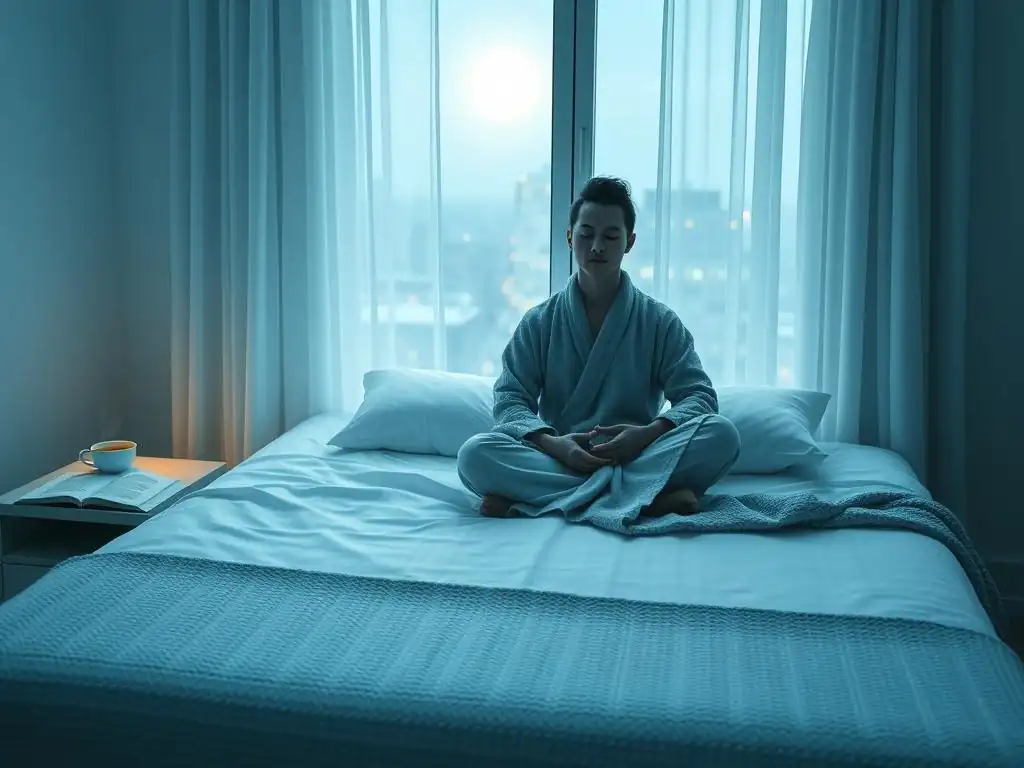
Addressing nighttime anxiety and improving sleep quality isn't just about what you do right before bed; broader lifestyle choices play a significant role. How you eat, how active you are, and the consistency of your daily schedule all impact your anxiety levels and your body's natural sleep-wake cycle. Making positive changes in these areas creates a supportive foundation for better mental well-being and more restful nights.
These lifestyle adjustments work synergistically with bedtime routines and cognitive techniques. They help regulate your body's natural rhythms and reduce overall stress, making the specific strategies for overcoming nighttime anxiety sleep more effective and sustainable in the long term.
The Role of Diet and Exercise in Managing Anxiety and Sleep
Your diet and exercise habits have a profound impact on both your anxiety levels and your ability to sleep well. What you consume and how active you are influence your mood, energy levels, and physiological state, all of which are interconnected with sleep quality and anxiety.
Adopting healthier eating habits and incorporating regular physical activity into your routine are not just about physical health; they are crucial components of mental well-being and essential steps in overcoming nighttime anxiety sleep. These changes help regulate neurotransmitters and hormones that affect mood and sleep.
Avoiding Caffeine and Alcohol Before Bed
Caffeine is a stimulant that can remain in your system for several hours. Consuming caffeine too close to bedtime can make it difficult to fall asleep, increase wakefulness during the night, and exacerbate feelings of anxiety. The half-life of caffeine is typically around 5 hours, meaning half of the amount consumed is still in your body after that time. Some sensitive individuals may feel its effects for even longer. It's generally recommended to avoid caffeine for at least 4-6 hours before bedtime, and some people may need to cut it off even earlier.
Alcohol, while initially seeming to induce sleepiness, actually disrupts sleep architecture later in the night. It can cause fragmented sleep, increase awakenings, and suppress REM sleep, the stage associated with dreaming and cognitive processing. As the body metabolizes alcohol, it can also lead to increased anxiety and physiological arousal. Avoiding alcohol, especially in the hours leading up to sleep, is crucial for promoting restful and anxiety-free nights and is a key element in overcoming nighttime anxiety sleep.
The Benefits of Regular Physical Activity
Regular physical activity is a powerful tool for managing anxiety and improving sleep quality. Exercise helps reduce stress hormones like cortisol and adrenaline and promotes the release of endorphins, which have mood-boosting and calming effects. Engaging in moderate-intensity exercise most days of the week can significantly lower overall anxiety levels.
Furthermore, regular exercise helps regulate the sleep-wake cycle and can improve sleep quality, making it easier to fall asleep and experience deeper, more restorative sleep. Aim for at least 30 minutes of moderate exercise most days. However, avoid vigorous exercise too close to bedtime (within 2-3 hours), as it can be stimulating for some people. Finding the right balance and timing for exercise is an important part of overcoming nighttime anxiety sleep.
Establishing a Consistent Sleep Schedule: Training Your Body Clock
One of the most effective strategies for improving sleep and reducing nighttime anxiety is establishing and sticking to a consistent sleep schedule. This means going to bed and waking up at roughly the same time each day, even on weekends. Consistency helps regulate your body's internal circadian rhythm, which dictates when you feel sleepy and when you feel awake.
When your sleep schedule is erratic, your circadian rhythm becomes disrupted, making it harder to fall asleep and wake up naturally. This inconsistency can increase anxiety about sleep. Aiming for consistency, perhaps allowing only an hour's deviation on weekends, helps train your body clock to expect sleep at a certain time. This predictability reduces uncertainty and can significantly alleviate the anxiety associated with trying to fall asleep, supporting your efforts in overcoming nighttime anxiety sleep.
Seeking Professional Help for Persistent Nighttime Anxiety and Sleep Problems
While self-help strategies can be very effective, it's important to recognize when professional help is needed. If your nighttime anxiety and sleep problems are persistent, significantly impacting your daytime functioning, mood, relationships, or work, it may be time to consult a healthcare professional. This could be a primary care physician, a therapist, or a sleep specialist.
Persistent sleep difficulties (e.g., struggling to fall or stay asleep at least three nights a week for three months or more) coupled with significant distress or impairment are indicators that professional intervention could be beneficial. A professional can help identify underlying causes, rule out other medical conditions, and recommend appropriate treatment strategies tailored to your specific needs, which is crucial for effectively overcoming nighttime anxiety sleep.
When to Consider Therapy or Medication
Therapy, particularly Cognitive Behavioral Therapy for Insomnia (CBT-I) or therapy for anxiety disorders, is often the first-line recommendation for chronic insomnia and anxiety. Medication might be considered in some cases, either short-term for acute insomnia or as part of a broader treatment plan for a diagnosed anxiety disorder, but it's usually not a long-term solution for sleep problems due to potential side effects or dependency.
Consider therapy if self-help strategies haven't significantly improved your sleep or anxiety after a consistent effort (e.g., several weeks to a couple of months), or if your anxiety feels overwhelming or unmanageable. Discuss medication options with a doctor, understanding their potential benefits and risks, and always use them as prescribed. Making the decision to seek professional support is a sign of strength and a critical step towards effectively overcoming nighttime anxiety sleep.
Types of Therapy Effective for Anxiety and Insomnia: Cognitive Behavioral Therapy for Insomnia (CBT-I), Acceptance and Commitment Therapy (ACT)
Cognitive Behavioral Therapy for Insomnia (CBT-I) is specifically designed to treat chronic insomnia and is considered the gold standard. It addresses the thoughts and behaviors that contribute to sleep problems, including the anxiety about not sleeping. CBT-I typically involves identifying and challenging negative sleep-related thoughts, establishing healthy sleep habits (like consistent timing and restricting time in bed when awake), and using relaxation techniques. Studies consistently show that CBT-I is highly effective, often more so than sleep medication in the long run, with improvements seen in approximately 70-80% of individuals who complete treatment.
Acceptance and Commitment Therapy (ACT) is another therapeutic approach that can be helpful for anxiety and sleep issues. ACT focuses on accepting difficult thoughts and feelings (like anxiety) rather than fighting against them, while committing to actions aligned with your values. For nighttime anxiety, ACT might involve learning to observe anxious thoughts without getting entangled in them and choosing to engage in calming bedtime behaviors even when anxiety is present. This approach can reduce the struggle against anxiety, which often fuels sleeplessness, thereby supporting the process of overcoming nighttime anxiety sleep.
Long-Term Strategies for Maintaining Anxiety-Free Sleep
Achieving restful nights free from the grip of nighttime anxiety is an ongoing process that involves sustainable long-term strategies. It's not just about managing acute episodes of worry but building resilience and healthy habits that support mental well-being and sleep health consistently. These strategies help maintain the progress made and prevent the "worry monster" from regaining control.
Integrating these practices into your daily life fosters a state of greater calm and emotional regulation, making you less susceptible to the intensity of nighttime anxiety. They are about cultivating a lifestyle that naturally promotes peace of mind and restorative sleep, solidifying your success in overcoming nighttime anxiety sleep for the long haul.
Building Resilience to Stress and Anxiety
Building resilience means developing the capacity to bounce back from stress and adversity. It involves cultivating coping skills, fostering a positive mindset, and developing a strong support system. Learning to manage stress effectively during the day prevents it from accumulating and spilling over into nighttime anxiety.
Strategies for building resilience include practicing problem-solving skills, setting realistic goals, maintaining perspective during challenges, and cultivating self-compassion. Engaging in hobbies, spending time in nature, and nurturing supportive relationships also contribute to resilience. By increasing your ability to handle life's stressors, you reduce the fuel for nighttime worries, a key component in maintaining success in overcoming nighttime anxiety sleep.
Mindfulness and Meditation for Ongoing Anxiety Management
Regular practice of mindfulness and meditation can significantly reduce overall anxiety levels and improve your ability to manage anxious thoughts when they arise, day or night. Mindfulness involves paying attention to the present moment without judgment, whether it's focusing on your breath, bodily sensations, or the world around you. This practice helps you become more aware of your thoughts and feelings without getting carried away by them.
Even just 10-20 minutes of mindfulness or meditation daily can train your brain to be less reactive to stressors and anxious thoughts. This makes it easier to observe nighttime worries without becoming distressed by them, allowing sleep to come more naturally. Integrating mindfulness into your daily routine provides a powerful ongoing tool for managing anxiety and sustaining the benefits of overcoming nighttime anxiety sleep.
The Importance of Self-Care in Promoting Mental Well-being and Sleep
Prioritizing self-care is not a luxury; it is essential for maintaining mental well-being and supporting healthy sleep. Self-care encompasses a wide range of activities that nourish your physical, emotional, and mental health. This includes ensuring you get adequate rest, eating nutritious meals, staying hydrated, engaging in regular physical activity, and making time for activities you enjoy.
Self-care also involves setting boundaries, saying no when you need to, and allowing yourself time to rest and recharge. When you consistently attend to your own needs, you are better equipped to handle stress and anxiety, which in turn positively impacts your sleep. Making self-care a non-negotiable part of your life is fundamental to both long-term anxiety management and the maintenance of the restful sleep achieved through overcoming nighttime anxiety sleep.
Frequently Asked Questions
How does nighttime anxiety specifically impact sleep?
Nighttime anxiety often manifests as racing thoughts and worries, making it difficult to fall asleep or stay asleep. This can result in poor sleep quality and daytime fatigue.
What are some quick relaxation techniques I can use when anxiety strikes at night?
Try techniques like deep breathing exercises, progressive muscle relaxation, or visualizing a calm and peaceful place. These can help lower your heart rate and reduce anxiety symptoms.
Yes, establishing a consistent sleep schedule, limiting caffeine and alcohol intake before bed, and creating a relaxing bedtime routine can significantly improve sleep quality and reduce anxiety.
When should I seek professional help for nighttime anxiety and sleep problems?
If your anxiety is persistent, severe, and significantly impacting your daily life, or if you've tried self-help strategies without success, it's important to consult a mental health professional.
What role does cognitive behavioral therapy (CBT) play in overcoming nighttime anxiety and improving sleep?
CBT helps identify and challenge negative thought patterns that contribute to anxiety. It also teaches coping mechanisms and sleep hygiene techniques to promote better sleep.
Final Reflection: Finding Peace in the Quiet Hours
The relentless pursuit of sleep, often thwarted by the anxieties of nighttime, is a struggle shared by millions. This pervasive issue, impacting mental and physical well-being, demands our attention and proactive strategies. The strategies outlined in this article—from mindful breathing to cognitive restructuring—are not merely fleeting solutions, but tools for cultivating a healthier relationship with sleep and, ultimately, with ourselves.
The impact of nighttime anxiety extends far beyond the bedroom; it ripples through our daily lives, affecting productivity, mood, and overall quality of existence. The persistent worry, the racing thoughts, the inability to quiet the mind—these are experiences that resonate deeply, shaping our perceptions and interactions with the world. As the poet Mary Oliver so eloquently stated: Tell me, what is it you plan to do with your one wild and precious life?
Sleep, or rather the lack thereof due to anxiety, significantly impacts our ability to fully engage with and appreciate that precious life.
Now, consider the power you hold. You have the ability to implement the techniques discussed within these pages. Start small, be patient with yourself, and celebrate every small victory. Each deep breath, each mindful moment, each successful application of cognitive restructuring brings you closer to taming your own nighttime worry monster and reclaiming the restorative power of sleep. Embrace the journey towards a more peaceful night, and discover the transformative impact it will have on your waking hours.
Conquer Your Nighttime Worries: Start Sleeping Soundly Tonight!
Thanks for taking the time to explore ways to overcome nighttime worries and improve your sleep! We hope you found the strategies in this article helpful and empowering. Now it's time to put them into action.
- Prioritize one sleep-hygiene technique: Choose just one strategy from the article – maybe it's creating a relaxing bedtime routine, practicing mindfulness before bed, or adjusting your caffeine intake – and commit to trying it tonight. Small changes make a big difference!
- Share your wins (or challenges!): We'd love to hear about your experience. Share your progress—or even any roadblocks you encounter—in the comments below. Let's support each other on this journey to better sleep!
- Explore a guided meditation: Take your relaxation to the next level by trying a guided sleep meditation. Many free resources are available online.
What small step will you take tonight to tame your nighttime worry monster and get the restful sleep you deserve?