
Sleep Soundly Tonight: Simple Strategies for Anxiety Sufferers

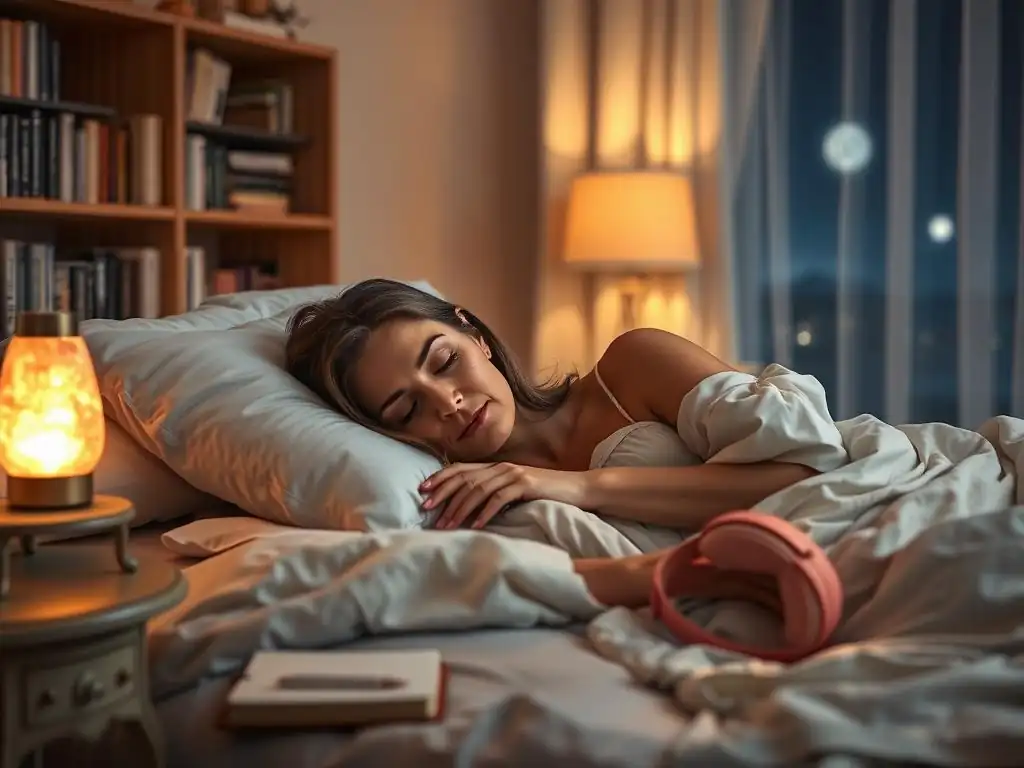
Welcome to Mind Care Guide, your haven for fostering mental well-being.
Tired of anxiety stealing your sleep? You're not alone. Many struggle with racing thoughts and restless nights. That's why we've created a comprehensive resource to help you reclaim your peace. Discover anxietyfriendly sleep strategies tonight in our featured article and begin your journey toward restful, restorative sleep. Curious to learn how simple adjustments can dramatically improve your sleep quality? Let's explore practical techniques together...
Sleep Soundly Tonight: Simple Strategies for Anxiety Sufferers
- Understanding the Connection Between Anxiety and Sleep
-
Anxiety-Friendly Sleep Strategies for Tonight: A Step-by-Step Guide
- Step 1: Create a Relaxing Bedtime Routine for Anxious Minds
- Step 2: Optimize Your Sleep Environment for Anxiety Relief
- Step 3: Mindful Techniques for Quieting Anxious Thoughts Before Sleep
- Step 4: Addressing Underlying Anxiety with Cognitive Behavioral Techniques
- Step 5: Dietary Considerations for Anxiety and Sleep
- Long-Term Strategies for Improving Sleep and Managing Anxiety
- Overcoming Common Sleep Challenges for Anxious Individuals
- Conclusion: Prioritizing Sleep for Better Mental Well-being
-
Frequently Asked Questions
- What are Anxiety-Friendly Sleep Strategies?
- How can anxiety specifically impact sleep?
- What are some simple, actionable steps I can take tonight to improve my sleep if I have anxiety?
- Is there a connection between my diet and anxiety-related sleep problems?
- Where can I find more resources and support for managing anxiety and improving my sleep?
- Final Reflection: Finding Peace in the Night
- Unlock Your Best Sleep Yet!
Understanding the Connection Between Anxiety and Sleep
How Anxiety Impacts Sleep Quality: A Vicious Cycle
Anxiety and sleep problems are deeply intertwined, often creating a challenging cycle. When you feel anxious, your body enters a state of heightened alert, releasing stress hormones like cortisol. This physiological response, part of the "fight or flight" mechanism, makes it incredibly difficult to relax, quiet your mind, and fall asleep. You might find yourself tossing and turning, replaying worries from the day or anticipating future problems, which prevents your brain from transitioning into the necessary stages of sleep.
Furthermore, the lack of quality sleep can significantly worsen anxiety symptoms during the day. Sleep deprivation impairs your ability to regulate emotions, increases irritability, and can make you more susceptible to stress. Studies indicate that even partial sleep deprivation can increase amygdala activity (the brain region associated with fear and anxiety) by as much as 60%, making you feel more reactive and anxious. This creates a vicious cycle where anxiety prevents sleep, and poor sleep fuels more intense anxiety, making it crucial to explore effective anxiety-friendly sleep strategies tonight and every night.
The Role of Sleep in Managing Anxiety Symptoms
Prioritizing sleep is not just about feeling rested; it's a fundamental component of managing anxiety. During sleep, your brain processes emotions and consolidates memories. Adequate sleep allows for better emotional regulation, helping you respond to stressors more calmly throughout the day. It supports cognitive functions like problem-solving and decision-making, which can feel overwhelming when anxiety is high and you're sleep-deprived.
Research consistently shows a strong correlation: individuals with chronic insomnia are significantly more likely to develop an anxiety disorder, and vice versa. Conversely, improving sleep quality can lead to a noticeable reduction in anxiety symptoms for many people. Aiming for approximately 7-9 hours of quality sleep per night helps restore your body and mind, building resilience against daily stressors. Implementing practical anxiety-friendly sleep strategies tonight is a powerful step towards breaking the anxiety-sleep cycle and improving overall mental well-being.
Anxiety-Friendly Sleep Strategies for Tonight: A Step-by-Step Guide
Step 1: Create a Relaxing Bedtime Routine for Anxious Minds
Establishing a consistent, calming sequence of activities before bed signals to your brain that it's time to wind down. This routine should be a sanctuary from daily stresses, specifically designed to soothe an anxious mind. It's not just about what you do, but the consistency and intentionality of the actions, aiming to create a predictable transition from wakefulness to rest.
Consider dedicating the last 60-90 minutes before your target bedtime to this routine. This might involve reading a physical book (not on a screen), taking a warm bath, listening to quiet music, or doing gentle stretching. The key is to find activities that personally help you feel calm and relaxed. This ritual prepares your body and mind for sleep, making it easier to drift off and serving as a foundational anxiety-friendly sleep strategy tonight.
Ditch the Screens: Minimizing Blue Light Exposure Before Bed
Electronic devices like smartphones, tablets, and computers emit blue light, which can suppress the production of melatonin, the hormone that regulates sleep. Using these devices right before bed keeps your brain alert and makes it harder to fall asleep, a particular challenge for anxious individuals whose minds are already active.
Aim to put away all screens at least one hour, preferably 90 minutes, before you plan to go to sleep. Instead, engage in screen-free activities as part of your relaxing bedtime routine. This simple yet impactful change can significantly improve your ability to fall asleep and contribute to more restful sleep, making it a crucial part of any anxiety-friendly sleep strategies tonight.
Gentle Movement: Incorporating Calming Exercises
Engaging in light, gentle movement before bed can help release physical tension that often accompanies anxiety without being stimulating. Activities like slow stretching, gentle yoga poses (such as child's pose or legs-up-the-wall), or even just walking slowly around your home can promote relaxation.
Avoid strenuous exercise close to bedtime, as this can increase your heart rate and body temperature, making it harder to sleep. The goal is to soothe, not stimulate. Just 10-15 minutes of gentle movement can make a noticeable difference in reducing physical restlessness and preparing your body for rest, enhancing your anxiety-friendly sleep strategies tonight.
Soothing Sounds: Using White Noise or Nature Sounds for Relaxation
A quiet environment is essential for sleep, but complete silence can sometimes make internal anxious thoughts seem louder. Introducing soothing background sounds can help mask distracting noises and provide a calming auditory environment.
Many people find white noise, pink noise, or nature sounds like rainfall or ocean waves helpful. These consistent, non-stimulating sounds can help quiet a busy mind and create a peaceful soundscape conducive to sleep. Experiment to find what works best for you, integrating this into your anxiety-friendly sleep strategies tonight.
Step 2: Optimize Your Sleep Environment for Anxiety Relief
Your bedroom should be a sanctuary dedicated primarily to sleep and intimacy, especially when dealing with anxiety. Making this space as comfortable and conducive to rest as possible can significantly impact your ability to fall and stay asleep. It's about controlling the external factors that can interfere with sleep.
Think of your bedroom as your sleep retreat. Remove clutter, which can be visually distracting and contribute to a sense of unease for some. Ensure it's a place you look forward to entering at the end of the day. Optimizing your sleep environment is a tangible step in implementing effective anxiety-friendly sleep strategies tonight.
Temperature Control: Creating a Cool and Comfortable Sleep Space
The optimal temperature for sleep is generally cooler than what most people keep their homes at during the day. A room temperature between 60-67°F (15-19°C) is often recommended. As you prepare for sleep, your body's core temperature naturally drops slightly. A cool environment supports this process, signaling to your body that it's time to rest.
Being too hot can lead to restlessness and frequent awakenings, which are particularly disruptive for anxious individuals. Consider using a fan, air conditioning, or adjusting your thermostat to find the temperature that feels most comfortable for you. This focus on thermal comfort is a simple yet effective anxiety-friendly sleep strategy tonight.
Darkness is Key: Blocking Out Light for Better Sleep
Light exposure, especially artificial light, can interfere with your body's circadian rhythm and melatonin production. Even small amounts of light from streetlights, digital clocks, or electronic devices can disrupt sleep quality. Complete darkness is ideal for promoting restful sleep.
Use blackout curtains or blinds to block external light sources. Cover or turn off any electronics that emit light, or wear a comfortable sleep mask. Creating a pitch-black environment reinforces your body's natural sleep signals and minimizes visual distractions that can trigger or sustain anxious thoughts, making it a vital component of anxiety-friendly sleep strategies tonight.
Soundproofing Strategies: Reducing Noise Distractions
Sudden or inconsistent noises can easily startle you awake or prevent you from falling asleep, especially if your anxiety makes you hyper-aware of your surroundings. While complete silence is difficult to achieve, minimizing disruptive sounds is essential.
Consider using earplugs, particularly if you live in a noisy environment. As mentioned earlier, using a white noise machine or fan can also help mask external sounds by providing a consistent, soothing background noise. Creating a quieter sleep space reduces potential interruptions and allows your mind to settle, contributing to effective anxiety-friendly sleep strategies tonight.
Step 3: Mindful Techniques for Quieting Anxious Thoughts Before Sleep
Anxiety often manifests as a racing mind, making it difficult to switch off worries when you lie down. Mindful techniques focus on bringing your attention to the present moment, away from hypothetical future problems or past regrets. These practices can help calm your nervous system and create a mental space conducive to sleep.
Incorporating just 10-20 minutes of mindfulness or relaxation exercises before bed can significantly reduce the mental chatter associated with anxiety. These aren't about stopping thoughts entirely, but rather learning to observe them without judgment and gently redirecting your focus. Mastering these techniques is key to implementing effective anxiety-friendly sleep strategies tonight.
Deep Breathing Exercises for Anxiety and Sleep
Controlled breathing techniques can directly impact your body's stress response. Slow, deep breaths activate the parasympathetic nervous system, promoting relaxation and reducing the physiological symptoms of anxiety like rapid heart rate and shallow breathing.
A simple technique is 4-7-8 breathing: inhale deeply through your nose for a count of 4, hold your breath for a count of 7, and exhale slowly through your mouth for a count of 8. Repeat this cycle several times. Focusing on the breath provides an anchor for your attention, pulling it away from anxious thoughts. Practicing this as you lie in bed is a readily available anxiety-friendly sleep strategy tonight.
Progressive Muscle Relaxation (PMR) for Easing Tension
Anxiety often causes physical tension in the body – clenched jaw, tight shoulders, restless legs. Progressive Muscle Relaxation involves systematically tensing and then releasing different muscle groups in your body. This process helps you become more aware of physical tension and teaches you how to consciously release it.
Starting from your toes and working your way up to your head, tense each muscle group for about 5-10 seconds, then release completely, noticing the feeling of relaxation. This technique not only reduces physical discomfort but also serves as a form of mindfulness, grounding you in your body rather than your anxious thoughts. PMR is a powerful tool for anxiety-friendly sleep strategies tonight.
Guided Meditation for Sleep and Anxiety Reduction
Listening to a guided meditation specifically designed for sleep or anxiety can be incredibly effective. These meditations typically involve gentle guidance to relax the body, focus on the breath, and release worries. The voice of the guide can also provide a soothing distraction from your own internal monologue.
Many free and paid apps and online resources offer guided meditations of various lengths. Choose one that resonates with you and incorporate it into your bedtime routine. This passive yet powerful technique helps quiet the mind and ease you into a state ready for sleep, making it a highly recommended anxiety-friendly sleep strategy tonight.
Step 4: Addressing Underlying Anxiety with Cognitive Behavioral Techniques
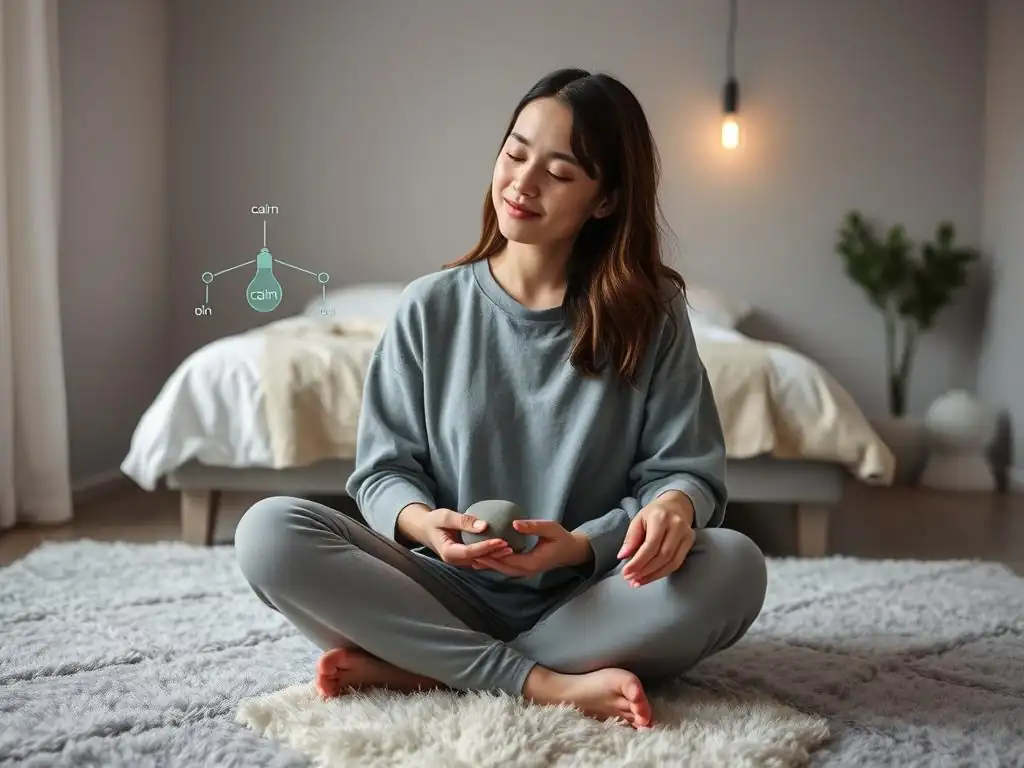
While immediate strategies help you sleep tonight, addressing the underlying cognitive patterns that fuel anxiety is crucial for long-term improvement. Cognitive Behavioral Therapy (CBT) techniques, particularly CBT-I (CBT for Insomnia) and CBT-A (CBT for Anxiety), focus on identifying and changing negative thought patterns and behaviors related to sleep and anxiety.
Learning to challenge and reframe anxious thoughts can significantly reduce their power over you, especially at night. These techniques require practice but can fundamentally change your relationship with anxiety and sleep. Incorporating these principles into your daily life supports your anxiety-friendly sleep strategies tonight and in the future.
Identifying and Challenging Anxious Thoughts
Anxious thoughts before bed often involve catastrophic thinking, worrying about lack of sleep, or replaying stressful events. Identifying these specific thought patterns is the first step. Are you telling yourself, "If I don't sleep now, tomorrow will be ruined"? Or "I'm never going to be able to fall asleep"?
Once identified, you can begin to challenge these thoughts. Ask yourself: Is this thought based on fact or feeling? What is a more realistic perspective? For example, instead of "Tomorrow will be ruined," a challenged thought might be, "I might feel tired tomorrow, but I've managed before, and I can still function." This process weakens the hold of anxiety on your mind before sleep.
Thought Journaling for Anxiety Management
Writing down your anxious thoughts before bed can be a highly effective way to get them out of your head and onto paper. This technique, often called a "brain dump" or worry journal, can help you process anxieties rather than letting them cycle endlessly in your mind as you try to sleep.
Set aside 10-15 minutes earlier in the evening (not right before bed) to write down whatever is causing you anxiety. Don't censor yourself; just let the thoughts flow. Some people find it helpful to also jot down a brief plan of action for any solvable problems. This practice can provide a sense of closure for the day's worries, allowing you to approach bedtime with a clearer mind, complementing your anxiety-friendly sleep strategies tonight.
Step 5: Dietary Considerations for Anxiety and Sleep
What you eat and drink, especially in the hours leading up to bedtime, can significantly impact both your anxiety levels and your ability to sleep. Certain substances can act as stimulants, while others can promote relaxation. Being mindful of your evening intake is an easily implemented anxiety-friendly sleep strategy tonight.
Pay attention to how different foods and drinks affect you. Keep a simple log for a few nights if necessary. Making small adjustments to your evening diet can contribute to a calmer state of mind and body, preparing you better for rest.
Foods to Avoid Before Bed: Minimizing Stimulants
Several common substances can interfere with sleep and potentially heighten anxiety if consumed close to bedtime. Caffeine, found in coffee, tea, soda, and chocolate, is a well-known stimulant that can keep you awake for hours. While its effects vary, it's generally recommended to avoid caffeine for at least 4-6 hours before bed.
Alcohol might initially make you feel sleepy, but it disrupts sleep architecture later in the night, leading to fragmented and less restorative sleep. Nicotine is also a stimulant. Heavy or rich meals, sugary snacks, and excessive liquids close to bedtime can also cause discomfort or awakenings. Avoiding these is a practical anxiety-friendly sleep strategy tonight.
Sleep-Promoting Foods and Drinks: Chamomile Tea, Tart Cherry Juice
Certain foods and drinks contain compounds that may promote relaxation and sleep. Chamomile tea is widely recognized for its calming properties, often used as a gentle sedative. It contains apigenin, an antioxidant that may bind to certain receptors in the brain that decrease anxiety and initiate sleep.
Tart cherry juice is another beverage often cited for its potential to improve sleep. It contains melatonin, the sleep-regulating hormone, and tryptophan, an amino acid that is a precursor to both serotonin and melatonin. While not a magic bullet, incorporating a warm cup of chamomile tea or a small glass of tart cherry juice into your bedtime routine can be a soothing part of your anxiety-friendly sleep strategies tonight.
Long-Term Strategies for Improving Sleep and Managing Anxiety
While the steps above offer anxiety-friendly sleep strategies tonight, sustainable improvement requires consistent effort and addressing anxiety more broadly. Building healthy habits over time reinforces your ability to manage stress and promotes better sleep hygiene, creating a more resilient state against the anxiety-sleep cycle.
Think of these long-term strategies as building a strong foundation. They support and enhance the immediate techniques, making it easier to implement those anxiety-friendly sleep strategies tonight and every night. Consistency is key to seeing lasting benefits.
The Importance of Consistent Sleep Schedules for Anxiety Sufferers
Going to bed and waking up at roughly the same time every day, even on weekends, helps regulate your body's internal clock, the circadian rhythm. A consistent schedule strengthens this rhythm, making it easier to fall asleep when it's time and wake up feeling more refreshed.
Irregular sleep patterns can disrupt your body's natural sleep-wake cycle, exacerbating both insomnia and anxiety. Aim for a consistent bedtime and wake-up time within an hour or so. This consistency is one of the most powerful long-term anxiety-friendly sleep strategies.
Seeking Professional Help for Chronic Anxiety and Sleep Problems
If anxiety and sleep difficulties are persistent and significantly impacting your life, seeking professional help is a crucial step. Therapists specializing in anxiety disorders or sleep medicine can provide tailored strategies and treatments.
Cognitive Behavioral Therapy (CBT), particularly CBT-I, is highly effective for treating chronic insomnia and related anxiety. A therapist can help you identify underlying causes, challenge negative beliefs about sleep, and teach coping mechanisms. Medication may also be considered in some cases, but therapy is often recommended as a first-line approach for lasting change. Don't hesitate to reach out; professional support can provide the most effective long-term anxiety-friendly sleep strategies.
Lifestyle Changes to Reduce Anxiety and Improve Sleep Hygiene
Beyond specific bedtime routines, broader lifestyle factors play a significant role in both anxiety levels and sleep quality. Making conscious choices about your daily habits can create a more supportive environment for mental well-being and restful nights.
These changes require commitment but yield significant dividends. They are not quick fixes but rather ongoing practices that build resilience. Integrating these into your life complements all other anxiety-friendly sleep strategies tonight and for the future.
Regular Exercise (But Not Too Close to Bedtime)
Physical activity is a powerful stress reliever and can significantly reduce anxiety symptoms. Regular exercise helps burn off excess energy, releases endorphins (natural mood boosters), and can improve sleep quality.
Aim for at least 30 minutes of moderate-intensity exercise most days of the week. However, avoid vigorous workouts within 2-3 hours of bedtime, as this can be too stimulating. Morning or afternoon exercise is ideal for promoting better sleep at night.
Stress Management Techniques: Yoga, Mindfulness
Incorporating stress management techniques into your daily life helps build resilience against anxiety. Practices like yoga, meditation (beyond just before bed), and mindfulness exercises can train your mind to be less reactive to stressors.
Spending even 10-15 minutes daily practicing these techniques can reduce overall anxiety levels, making it easier to relax and sleep at night. These practices teach you to observe thoughts and feelings without getting overwhelmed, a skill directly applicable to managing nighttime anxiety.
Overcoming Common Sleep Challenges for Anxious Individuals
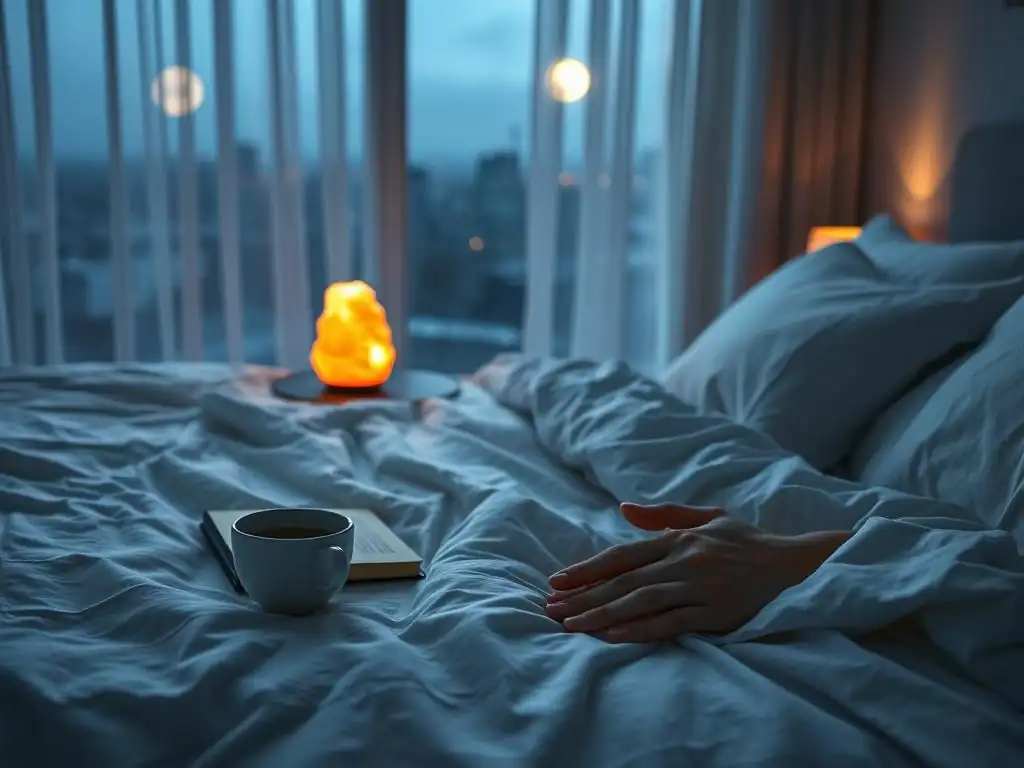
Anxiety can manifest in specific ways that interfere with sleep. Addressing these particular challenges requires targeted approaches alongside general sleep strategies. Knowing how to respond when faced with these difficulties is essential for maintaining sleep quality.
These situations can be frightening or frustrating, but having a plan can help you regain control and minimize their impact on your rest. Applying anxiety-friendly sleep strategies tonight might involve specific responses to these challenges.
Dealing with Nighttime Panic Attacks
Nighttime panic attacks involve sudden surges of intense fear that occur while you are asleep or trying to sleep. Symptoms can include racing heart, shortness of breath, sweating, shaking, and a feeling of impending doom. They are terrifying and immediately disruptive to sleep.
If you experience a nighttime panic attack, try to remind yourself that it is a panic attack and it will pass. Get out of bed if necessary, go to a different room, and practice grounding techniques (like focusing on your senses: what do you see, hear, feel, smell, taste?). Deep breathing exercises can also help regain control. Return to bed only when you feel calmer. Seeking professional help for panic disorder is highly recommended.
Anxiety is a leading cause of chronic insomnia. If you find yourself unable to fall asleep after about 20 minutes, or if you wake up during the night and can't get back to sleep, it's often counterproductive to stay in bed feeling frustrated.
Get out of bed and go to another room. Engage in a quiet, non-stimulating activity in dim light, such as reading a physical book, listening to quiet music, or doing gentle stretching. Only return to bed when you feel genuinely sleepy. This technique, known as stimulus control, helps break the association between your bed and wakefulness/anxiety, reinforcing your anxiety-friendly sleep strategies tonight.
Addressing Sleep Paralysis and Nightmares
Anxiety can increase the frequency of both sleep paralysis and nightmares. Sleep paralysis occurs when you are briefly unable to move or speak while falling asleep or waking up, sometimes accompanied by hallucinations. Nightmares are vivid, disturbing dreams. Both can be frightening and make you dread going to sleep.
While sleep paralysis is generally harmless, its connection to anxiety means reducing anxiety levels can help. Nightmares can sometimes be reduced through techniques like Imagery Rehearsal Therapy (IRT), where you mentally rewrite the nightmare with a positive ending during the day. Discussing these experiences with a therapist can be very helpful in understanding and managing them.
Conclusion: Prioritizing Sleep for Better Mental Well-being
Improving sleep quality is a powerful and often overlooked aspect of managing anxiety. The connection between a racing mind and restless nights is undeniable, but by implementing targeted strategies, you can significantly improve both. It requires patience and consistency, but the rewards for your mental and physical health are substantial.
Reclaiming Your Nights: Implementing Anxiety-Friendly Sleep Strategies
Taking intentional steps to create a calming bedtime routine, optimize your sleep environment, practice relaxation techniques, and address underlying anxious thought patterns can make a profound difference. While some strategies offer immediate relief, like mindful breathing or using white noise, others build resilience over time, such as maintaining a consistent schedule and seeking professional support.
By making sleep a priority and actively practicing anxiety-friendly sleep strategies tonight and consistently, you can begin to break free from the cycle of anxiety and poor sleep. Be kind to yourself through this process; progress may be gradual. Celebrate small victories and remember that reclaiming your nights is a vital step toward fostering greater peace and improving your overall mental well-being.
Frequently Asked Questions
What are Anxiety-Friendly Sleep Strategies?
These are techniques designed to help individuals with anxiety fall asleep and stay asleep, addressing common anxiety-related sleep disturbances. They often incorporate relaxation and mindfulness practices.
How can anxiety specifically impact sleep?
Anxiety can lead to racing thoughts, increased heart rate, and muscle tension, making it difficult to relax and fall asleep. It can also cause frequent awakenings during the night.
What are some simple, actionable steps I can take tonight to improve my sleep if I have anxiety?
Try practicing deep breathing exercises before bed, establish a consistent sleep schedule, and create a relaxing bedtime routine. Avoid caffeine and alcohol in the evening.
Yes, certain foods and drinks, like those high in sugar or caffeine, can exacerbate anxiety and disrupt sleep patterns. A balanced diet is beneficial for overall mental well-being.
Where can I find more resources and support for managing anxiety and improving my sleep?
Mind Care Guide offers a comprehensive collection of articles, resources, and support options for various mental health challenges, including anxiety and sleep disorders.
Final Reflection: Finding Peace in the Night
The struggle with anxiety is a pervasive reality for millions, impacting not only daily life but also the crucial restorative power of sleep. This article explored practical, accessible strategies to navigate the anxieties that often keep us awake at night, highlighting the importance of creating a consistent bedtime routine, practicing mindfulness techniques, and understanding the role of diet and exercise in promoting restful sleep. These aren't just suggestions; they are pathways to reclaiming control over your nights and, consequently, your days.
The impact of anxiety on sleep, and vice versa, is a cyclical and often debilitating experience. It's a challenge that transcends age, background, and circumstance, affecting the social and emotional well-being of countless individuals. The quiet desperation of a sleepless night, the constant worry that prevents relaxation – these are experiences that resonate deeply. Sleep is the golden chain that ties health and our bodies together.
– Thomas Dekker. This quote underscores the fundamental connection between sleep, physical health, and mental well-being, making the pursuit of anxiety-friendly sleep strategies not just a personal choice but a vital component of self-care.
Now, consider your own sleep habits. What small changes could you implement tonight? Perhaps it's dimming the lights an hour earlier, setting aside time for a calming activity like reading or meditation, or simply making a conscious effort to let go of worries before bed. You have the power to cultivate a more peaceful night's rest. Start small, be patient with yourself, and remember that even incremental improvements can lead to a significant shift in your overall well-being. Embrace the journey to a more restful, anxiety-free sleep, one step at a time.
Unlock Your Best Sleep Yet!
Thanks for taking the time to explore simple strategies for better sleep! We hope you found valuable insights to ease your anxiety and prepare for a more restful night. Now, it's time to put these tips into action.
- Prioritize your evening wind-down routine: Begin implementing one new relaxation technique from the article – even just 5 minutes of deep breathing can make a difference.
- Create a calming bedtime ritual:Try adding a warm bath or journaling to help you disconnect from the day's stresses before bed.
- Share your sleep success (or challenges!): Let us know in the comments what worked best for you – your experience might help others find their path to better sleep.
What small step will you take tonight to improve your sleep quality?