
The Sleep Thief: Unmasking Anxiety's Impact on Your Rest


Welcome to Mind Care Guide.
Are you tossing and turning, night after night, feeling like anxiety has stolen your sleep? You're not alone. We understand the frustration and exhaustion that comes with anxiety disrupting sleep patterns. This guide offers insights and practical strategies to reclaim your rest and find peace of mind. Let's unravel the connection between anxiety and sleep, and discover ways to quiet the thoughts that keep you awake. Your journey to restful nights starts now.
- The Sleep Thief: Unmasking Anxiety's Impact on Your Rest
- How Anxiety Disrupts Sleep Patterns: Identifying the Mechanisms
- Recognizing the Signs: Is Anxiety Stealing Your Sleep?
- Strategies to Combat Anxiety and Improve Sleep Quality
- Medications and Supplements for Anxiety and Sleep: A Balanced Approach
- Creating a Personalized Sleep Plan for Anxiety Management
- Seeking Professional Help: When to Consult a Doctor or Therapist
- Long-Term Strategies for Managing Anxiety and Improving Sleep
-
Frequently Asked Questions
- How does anxiety specifically disrupt sleep patterns?
- What are some common symptoms of anxiety-induced sleep disturbances?
- Can lifestyle changes help improve sleep when anxiety is the culprit?
- When should I seek professional help for anxiety impacting my sleep?
- What types of treatments are available for anxiety-related sleep problems?
- Final Reflection: Reclaiming Your Rest from the Grip of Anxiety
- Unlock Deeper Sleep: Conquer Anxiety & Reclaim Your Rest
The Sleep Thief: Unmasking Anxiety's Impact on Your Rest
Understanding the Link Between Generalized Anxiety Disorder and Sleep Disturbances
Generalized Anxiety Disorder (GAD) is characterized by persistent, excessive worry about everyday things, often disproportionate to the actual situation. This relentless mental activity doesn't simply switch off at bedtime; instead, it frequently spills over into the night, significantly impacting rest.
For individuals grappling with GAD, the mind becomes a battlefield of 'what ifs,' future predictions, and replayed past events, making it incredibly difficult to relax into a state conducive to sleep. Estimates suggest that a significant majority, perhaps 70-80%, of individuals diagnosed with GAD report experiencing chronic sleep disturbances, highlighting the profound connection between this specific anxiety disorder and the ability to achieve restful sleep.
This constant state of heightened arousal associated with GAD primes the body for 'fight or flight,' a state fundamentally incompatible with the relaxation needed for sleep. The sympathetic nervous system remains activated, keeping heart rate elevated and muscles tense, even when lying in bed. This physiological readiness makes falling asleep a struggle and often leads to fragmented sleep throughout the night. The pervasive worry about various aspects of life – health, finances, work, relationships – becomes a mental noise that prevents the necessary winding down process, directly causing or exacerbating anxiety disrupting sleep patterns.
Social Anxiety Disorder (SAD), distinct from general shyness, involves intense fear of social situations, driven by a concern about being judged, embarrassed, or humiliated. This fear doesn't just manifest during social interactions; it creates significant anticipatory anxiety leading up to events and persistent rumination afterward. This cycle of worry and self-critique is a major contributor to sleep problems for those with SAD. Lying in bed, the mind might be busy rehearsing conversations, dreading an upcoming social gathering, or replaying past interactions with intense scrutiny, all of which prevent the mental quietude necessary for sleep onset.
The fear of judgment can be so potent that even the thought of upcoming social events days or weeks away can trigger sleepless nights. For instance, someone with social anxiety might spend the night before a work presentation or a social dinner lying awake, heart pounding, mentally scripting scenarios and anticipating potential missteps.
Even after a social event, the tendency to ruminate on perceived awkward moments or negative interactions can keep the brain active for hours, leading to difficulty falling asleep or staying asleep. This constant mental engagement directly exemplifies how anxiety disrupting sleep patterns is a core issue in SAD.
How Anxiety Disrupts Sleep Patterns: Identifying the Mechanisms
Racing Thoughts and Sleepless Nights: The Role of Cognitive Anxiety
One of the most direct ways anxiety disrupts sleep patterns is through cognitive anxiety – the mental component characterized by worry, intrusive thoughts, and rumination. As a person with anxiety attempts to fall asleep, their mind often becomes a whirlwind of uncontrollable thoughts. These might be worries about the day's events, fears about the future, or even anxious thoughts about the inability to fall asleep itself. This 'racing mind' keeps the brain in an alert state, counteracting the natural transition towards sleep. The prefrontal cortex, involved in planning and worry, remains highly active instead of winding down.
This persistent cognitive arousal elevates stress hormones like cortisol, which further interferes with the body's natural sleep-wake cycle. Instead of experiencing the calming descent into sleep stages, the individual remains mentally stimulated. This often results in lying awake for extended periods, frustrating attempts to rest and reinforcing the negative association between bedtime and anxiety. The inability to quiet the internal monologue is a hallmark of how cognitive anxiety becomes a primary factor in anxiety disrupting sleep patterns.
Physical Symptoms of Panic Disorder That Interfere With Sleep
Panic Disorder involves recurrent, unexpected panic attacks, which are sudden surges of intense fear or discomfort peaking within minutes. While panic attacks often occur during the day, they can also happen at night, known as nocturnal panic attacks. These attacks are characterized by terrifying physical symptoms like rapid heart rate, sweating, trembling, shortness of breath, chest pain, dizziness, and a feeling of losing control or impending doom. Waking up experiencing these intense physical sensations is profoundly disruptive to sleep and can leave individuals fearful of falling back asleep or even developing a fear of sleep itself.
Even without a full-blown nocturnal panic attack, the chronic hypervigilance and physical tension associated with the fear of having a panic attack can significantly interfere with sleep. Individuals might lie awake monitoring their physical sensations, interpreting normal bodily functions (like a slight increase in heart rate) as signs of an impending attack. This constant physical monitoring keeps the body in a state of alert, making relaxation and sleep difficult. The physical manifestations of panic, whether in an attack or as anticipatory tension, are powerful mechanisms by which anxiety disrupting sleep patterns exerts its influence.
The Impact of Chronic Worry on Sleep Architecture
Chronic worry, a core feature of many anxiety disorders, has a detrimental effect on the very structure of sleep – known as sleep architecture. Sleep is not a single state but a cycle of different stages: non-rapid eye movement (NREM) sleep, which includes light sleep, moderate sleep, and deep sleep (slow-wave sleep), and rapid eye movement (REM) sleep, associated with dreaming. Chronic anxiety and elevated stress hormones tend to reduce the amount of time spent in the deeper, more restorative stages of NREM sleep.
This shift means that even if someone with anxiety spends enough time in bed, they may not be getting the quality of sleep needed for physical and mental restoration. The sleep becomes more fragmented, with more time spent in lighter stages and potentially more awakenings. This lack of deep, restorative sleep exacerbates daytime fatigue, irritability, and difficulty concentrating, which in turn can worsen anxiety symptoms, creating a vicious cycle. The persistent physiological arousal from chronic worry fundamentally alters the brain's ability to cycle through sleep stages effectively, illustrating a key way anxiety disrupting sleep patterns impacts overall health.
Recognizing the Signs: Is Anxiety Stealing Your Sleep?
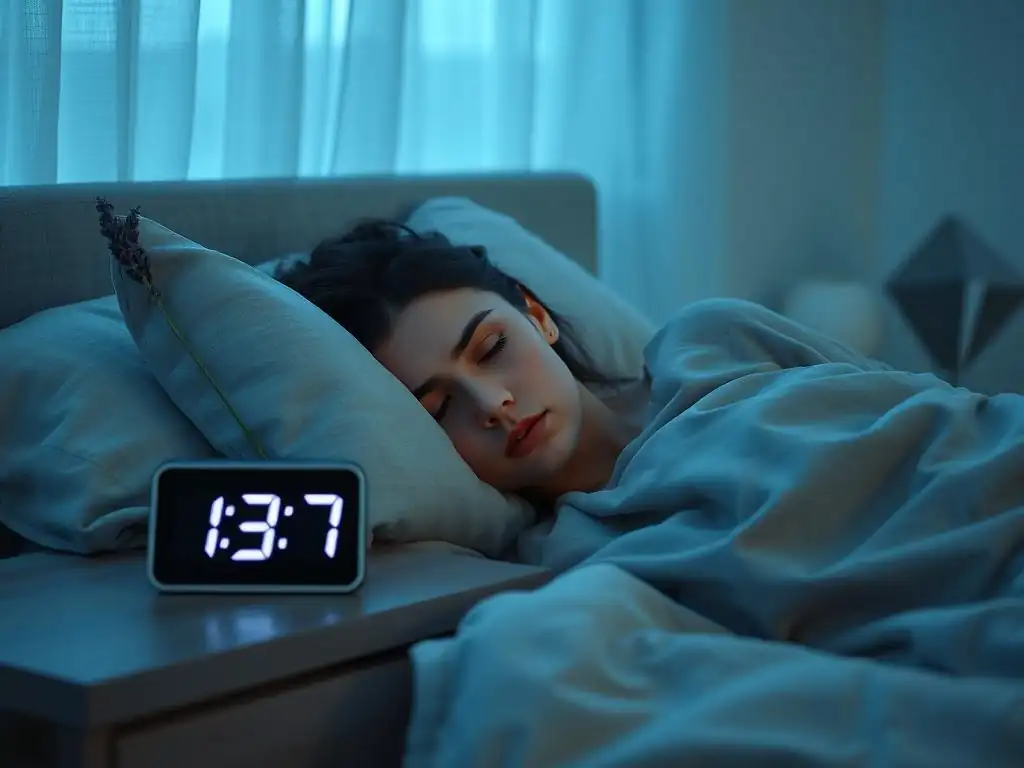
Common Sleep Problems Associated with Anxiety
Anxiety manifests in sleep disturbances in various ways, often presenting as classic symptoms of insomnia. The most common problem is difficulty falling asleep (sleep onset insomnia), where the anxious mind races, making it impossible to relax enough to drift off. This can lead to hours spent lying awake, becoming increasingly frustrated and anxious about the inability to sleep. Another frequent issue is difficulty staying asleep (sleep maintenance insomnia), where individuals wake up multiple times during the night, often with their minds immediately latching onto worries, making it hard to return to sleep.
Beyond traditional insomnia, anxiety can also cause restless or non-restorative sleep. Even if someone spends adequate time in bed, they might wake up feeling unrefreshed, as if they haven't slept at all. Nightmares, particularly those reflecting daytime worries or fears, can also be more frequent in individuals with anxiety, leading to disturbed sleep and reluctance to fall back asleep. Early morning waking, where a person wakes up hours before their desired time and cannot fall back asleep due to overwhelming worry, is another common sign that anxiety disrupting sleep patterns might be at play.
Distinguishing anxiety-related insomnia from other causes often involves examining the content of the thoughts and feelings experienced around bedtime. While other factors like poor sleep hygiene or medical conditions can cause insomnia, anxiety-related insomnia is typically characterized by excessive worry or rumination specifically triggered by the prospect of sleep or the silence of the night. The individual might feel a surge of anxiety as bedtime approaches, anticipating difficulty sleeping, which becomes a self-fulfilling prophecy.
The anxious thoughts are often centered on themes relevant to their specific anxieties – worrying about work deadlines, social interactions, health issues, or general 'what ifs.' Sometimes, the anxiety is even about sleep itself, a fear of not getting enough sleep and the consequences of daytime fatigue. This focus on worry, particularly when lying in bed, is a key indicator that anxiety disrupting sleep patterns is the primary driver of the sleeplessness, rather than solely a physical or environmental factor.
The Vicious Cycle: Sleep Deprivation Worsening Anxiety
The relationship between anxiety and sleep is bidirectional, meaning they influence each other in a potentially damaging loop. When anxiety causes sleep deprivation, the resulting lack of rest significantly impairs the brain's ability to regulate mood and stress. Studies have shown that insufficient sleep can increase activity in the amygdala, the brain region associated with fear and threat processing, making individuals more reactive to stressors and more prone to feelings of anxiety.
Furthermore, sleep deprivation reduces the effectiveness of the prefrontal cortex, which is crucial for managing complex thoughts and regulating emotions. This makes it harder to control worried thoughts or reframe anxious interpretations. So, the less sleep someone gets due to anxiety, the more challenging it becomes to manage their anxiety during the day, which in turn makes it even harder to sleep the following night. Breaking this vicious cycle where anxiety disrupting sleep patterns leads to worsened anxiety, which further disrupts sleep, is crucial for recovery.
Strategies to Combat Anxiety and Improve Sleep Quality
Cognitive Behavioral Therapy for Insomnia (CBT-I) and Anxiety
Cognitive Behavioral Therapy for Insomnia (CBT-I) is widely regarded as the most effective non-pharmacological treatment for chronic insomnia and is particularly helpful when anxiety is a contributing factor. CBT-I works by addressing the thoughts and behaviors that perpetuate sleep problems. It involves several components, including stimulus control (reassociating the bed with sleep, not wakefulness or worry), sleep restriction (temporarily limiting time in bed to consolidate sleep), and cognitive restructuring (challenging and changing unhelpful beliefs about sleep).
For individuals whose anxiety disrupting sleep patterns is a major issue, CBT-I directly targets the fear and worry surrounding sleep. By teaching techniques to manage the racing thoughts and challenging catastrophic thinking about sleep loss, CBT-I helps reduce the performance anxiety associated with trying to sleep. Research consistently shows its effectiveness, often producing improvements comparable to or exceeding sleep medications, and the benefits tend to be longer lasting. This approach is powerful because it tackles both the sleep issue and the underlying anxious cognitions that fuel it.
Relaxation Techniques for Anxiety and Better Sleep
Incorporating relaxation techniques into a nightly routine can significantly reduce the physiological arousal that often accompanies anxiety, making it easier to transition into sleep.
Deep Breathing Exercises for Calmness and Sleep
Simple deep breathing exercises can activate the body's relaxation response, counteracting the 'fight or flight' state triggered by anxiety. Techniques like the 4-7-8 method (inhaling for 4 seconds, holding for 7, exhaling for 8) slow the heart rate and calm the nervous system. Practicing this for just a few minutes before bed can shift the body from a state of tension to one of ease, directly mitigating how anxiety disrupting sleep patterns manifests physically.
Regular practice helps build the ability to access this calm state more readily. It provides a simple, portable tool to use whenever anxious thoughts or physical tension arise, whether in bed or during the day. Focusing on the breath also serves as a form of mindfulness, diverting attention away from worries and towards the present moment, which is crucial for quieting the mind for sleep.
Progressive Muscle Relaxation for Reducing Tension
Anxiety often manifests as physical tension – clenched jaw, tight shoulders, restless legs. Progressive Muscle Relaxation (PMR) is a technique that involves systematically tensing and then releasing different muscle groups in the body. By intentionally creating and then releasing tension, individuals become more aware of what relaxation feels like and can learn to release physical stress more effectively.
Practicing PMR before bed helps release the stored physical tension that can keep the body alert and uncomfortable, making it difficult to find a restful position or quiet the physical restlessness associated with anxiety. This technique addresses the somatic symptoms of anxiety that contribute to anxiety disrupting sleep patterns, allowing the body to relax more deeply in preparation for sleep.
Mindfulness Meditation for Sleep and Anxiety Relief
Mindfulness meditation involves paying attention to the present moment without judgment – observing thoughts, feelings, and bodily sensations as they arise without getting caught up in them. For anxiety, mindfulness helps create distance from worried thoughts, reducing their power and preventing rumination. When applied to sleep, mindfulness can help individuals observe their difficulty sleeping or their anxious thoughts about sleep without adding layers of frustration or fear.
Guided mindfulness practices, such as body scans or loving-kindness meditation, can be particularly helpful before bed. They shift focus from the anxious narrative in the mind to present physical sensations or calming intentions, promoting a state of acceptance and peace. By reducing the mental engagement with worry, mindfulness directly combats the cognitive arousal that is a primary driver of anxiety disrupting sleep patterns.
Lifestyle Changes to Promote Restful Sleep and Reduce Anxiety
Implementing consistent, healthy lifestyle habits forms a strong foundation for managing both anxiety and improving sleep quality.
Optimizing Your Sleep Environment
Creating a bedroom environment specifically optimized for sleep signals to your body that it's time to rest. This means ensuring the room is dark (using blackout curtains if necessary), quiet (using earplugs or white noise if needed), and cool (experts often recommend a temperature between 60-67°F or 15-19°C). A comfortable mattress and pillows are also essential. A poor sleep environment can exacerbate anxiety around sleep, making it harder to relax and increasing the likelihood of anxiety disrupting sleep patterns. Making the bedroom a sanctuary solely for sleep and intimacy helps strengthen the mental association with rest.
Removing distractions like televisions, laptops, and smartphones from the bedroom is also crucial. The blue light emitted by screens interferes with melatonin production, the hormone that regulates sleep. Furthermore, engaging with stimulating content or work in bed can keep the mind active and reinforce the bedroom as a place of arousal rather than relaxation, directly counteracting efforts to improve sleep quality when anxiety is present.
The Importance of a Consistent Sleep Schedule
Maintaining a regular sleep schedule – going to bed and waking up at approximately the same time every day, even on weekends – helps regulate your body's internal clock, the circadian rhythm. A consistent rhythm promotes more stable sleep patterns, making it easier to fall asleep when you go to bed and wake up feeling refreshed naturally. Irregular schedules can confuse the body, making it harder to initiate and maintain sleep, which is particularly challenging for someone already dealing with anxiety disrupting sleep patterns.
Sticking to a schedule helps build predictability around sleep, which can reduce anxiety about the uncertainty of falling asleep each night. While it might be tempting to "catch up" on sleep on weekends, large deviations (more than an hour or two) can disrupt the circadian rhythm and worsen Monday morning sleepiness and anxiety. Consistency trains the body and mind to expect sleep at a certain time, supporting the natural processes needed for rest.
Diet and Exercise: Fueling Sleep and Reducing Anxiety
What you consume and how you move significantly impact both anxiety levels and sleep quality. Avoiding stimulants like caffeine and nicotine, especially in the hours leading up to bedtime (typically after lunch), is vital, as they can increase alertness and anxiety. Limiting alcohol, while it might initially feel relaxing, actually disrupts sleep architecture later in the night, leading to fragmented rest and potentially increased anxiety symptoms the next day. A balanced diet rich in whole foods supports overall mental and physical health, contributing to better sleep.
Regular physical exercise is a powerful tool for reducing anxiety and promoting deeper sleep. Exercise helps burn off excess energy, reduces muscle tension, and releases endorphins, which have mood-boosting and calming effects. Aim for at least 30 minutes of moderate exercise most days of the week. However, avoid vigorous exercise too close to bedtime (within 2-3 hours), as it can be stimulating for some individuals. Consistency in both diet and exercise provides a robust foundation for managing the interplay between anxiety disrupting sleep patterns.
Medications and Supplements for Anxiety and Sleep: A Balanced Approach
Medication may be considered as an option for anxiety-related sleep problems when symptoms are severe, persistent, and have not adequately responded to non-pharmacological interventions like CBT-I, relaxation techniques, and lifestyle changes. It is crucial that this decision is made in consultation with a qualified healthcare professional who can assess the individual's specific situation, overall health, and the nature of their anxiety and sleep difficulties. Medication is often viewed as a short-term tool to provide relief while other, more sustainable strategies are being implemented.
In cases where severe anxiety significantly impairs functioning and sleep, a doctor might prescribe anti-anxiety medication or, in some cases, a sleep aid. The choice of medication depends on the primary issue – is it primarily anxiety keeping you awake, or is the sleep problem the most debilitating symptom? A comprehensive evaluation is necessary to determine the most appropriate course of action, weighing potential benefits against risks.
Understanding the Risks and Benefits of Sleep Medications
Sleep medications can offer the benefit of providing relatively rapid relief from acute insomnia, helping break a cycle of sleepless nights that might be exacerbating anxiety. For someone who hasn't slept well in days, even a few nights of improved sleep can make a significant difference in mood and ability to cope with anxiety. They can be useful in crisis situations or for very short-term use during particularly stressful periods.
However, sleep medications come with potential risks. Many can lead to dependence or tolerance over time, requiring higher doses to achieve the same effect. There's also a risk of side effects such as daytime grogginess, dizziness, and impaired cognitive function. Importantly, sleep medications don't address the underlying anxiety that is causing the sleep disruption; they only treat the symptom. Therefore, they are generally not recommended for long-term use and should always be taken strictly as prescribed and under medical supervision.
Exploring Natural Supplements for Sleep and Anxiety Relief [Example: L-Theanine, Valerian Root]
Some individuals explore natural supplements for help with anxiety and sleep, such as L-Theanine or Valerian Root. L-Theanine, an amino acid found primarily in green and black tea, is thought to promote relaxation without causing drowsiness. Some studies suggest it may help reduce anxiety and improve sleep quality by increasing calming neurotransmitters in the brain and reducing 'excitability'.
Valerian Root is an herb traditionally used as a sedative and anxiolytic. While research findings on its effectiveness are mixed, some people report finding it helpful for reducing the time it takes to fall asleep. It's important to note that the regulation of supplements is less stringent than prescription medications. Their potency and purity can vary, and they can interact with other medications. Therefore, anyone considering using supplements for anxiety disrupting sleep patterns should discuss it with their doctor first to ensure safety and appropriateness.
Creating a Personalized Sleep Plan for Anxiety Management
Assessing Your Sleep Habits and Anxiety Levels
The first step in creating a personalized plan to combat anxiety disrupting sleep patterns is to gain a clear understanding of your current situation. This involves assessing both your sleep habits and your anxiety levels. Keeping a detailed sleep diary for one to two weeks is invaluable. Record your bedtime, wake-up time, estimated time to fall asleep, number and duration of awakenings, total sleep time, and how rested you feel upon waking. Crucially, also note your anxiety levels throughout the day and specifically how anxious you feel at bedtime or during the night.
This assessment phase helps identify patterns and triggers. You might notice that anxiety spikes on certain days or in response to specific events, and these spikes correlate with poorer sleep. You might also identify habits (like late-night caffeine or screen time) that are contributing to your difficulties. Understanding the nuances of your personal interplay between anxiety and sleep provides the specific information needed to tailor strategies effectively, moving beyond generic advice to targeted interventions.
Setting Realistic Sleep Goals
Once you have a clear picture of your current situation, the next step is to set realistic and achievable goals for improving your sleep and managing your anxiety. It's important to avoid the trap of aiming for perfect sleep immediately, as this can increase performance anxiety around bedtime. Instead, focus on incremental progress. For example, if you currently take two hours to fall asleep, a realistic goal might be to reduce that to one hour over several weeks. If you wake up five times a night, aim to reduce that to three.
Goals should also focus on process rather than just outcome. Instead of "I will sleep 8 hours tonight," try "I will practice my deep breathing exercise for 10 minutes before bed" or "I will leave my phone outside the bedroom." Setting process-oriented goals gives you actionable steps you can control, which helps reduce the feeling of helplessness often associated with anxiety disrupting sleep patterns. Celebrate small victories along the way to maintain motivation.
Tracking Your Progress and Adjusting Your Plan
Implementing strategies is only part of the process; continuously tracking your progress is essential to see what's working and what isn't. Continue using your sleep diary to monitor changes after you implement new techniques or lifestyle adjustments. Note how your anxiety levels fluctuate in response to sleep improvements and vice versa. This ongoing tracking provides data that allows you to evaluate the effectiveness of your personalized plan.
Based on the data from your tracking, be prepared to adjust your plan. If a particular relaxation technique isn't helping, try another. If a lifestyle change is difficult to maintain, find a more sustainable alternative. The relationship between anxiety and sleep is complex and highly individual, so flexibility and willingness to experiment are key. Regular assessment and adjustment ensure that your plan remains responsive to your needs and continues to target how anxiety disrupting sleep patterns is affecting you specifically.
Seeking Professional Help: When to Consult a Doctor or Therapist
Recognizing the Need for Professional Intervention
While self-help strategies and lifestyle changes can be incredibly beneficial, there are times when the severity or persistence of anxiety disrupting sleep patterns warrants professional help. If your sleep problems are significantly impacting your daily functioning – affecting your work, relationships, or physical health – or if your anxiety feels overwhelming and unmanageable despite your best efforts, it's a strong indicator that professional intervention is needed. Persistent insomnia lasting for several weeks or months, especially when accompanied by severe anxiety symptoms, should not be ignored.
Furthermore, if you suspect your sleep problems might be related to an underlying medical condition (like sleep apnea or restless legs syndrome) or if you are experiencing symptoms of a specific anxiety disorder (like panic attacks or phobias), consulting a healthcare professional is essential. They can conduct a proper diagnosis, rule out other causes, and recommend appropriate treatment paths tailored to your specific needs, potentially including therapy, medication, or a combination of approaches.
Finding the Right Therapist or Sleep Specialist
If you determine that professional help is needed, finding the right practitioner is a crucial step. For anxiety, look for a therapist (psychologist, licensed clinical social worker, counselor) who specializes in anxiety disorders and utilizes evidence-based therapies such as Cognitive Behavioral Therapy (CBT) or Acceptance and Commitment Therapy (ACT). If sleep is the primary or equally significant issue, consider a therapist specifically trained in CBT-I or a sleep psychologist.
Alternatively, a sleep specialist (a medical doctor specializing in sleep medicine) can help diagnose and treat sleep disorders, including insomnia potentially driven by anxiety. Don't hesitate to ask about their experience with anxiety-related sleep issues and their treatment approach. Finding a practitioner with whom you feel comfortable and confident is vital for successful treatment, so it's okay to consult with a few different professionals before making a choice.
Local Resources for Anxiety and Sleep Support
Beyond individual therapy or medical consultations, exploring local resources can provide additional support for managing anxiety and improving sleep. Community mental health centers often offer affordable therapy options and support groups. University clinics or teaching hospitals may have sleep disorder centers or mental health departments that provide specialized services and sometimes participate in research studies.
Support groups, whether in-person or online, can offer a sense of community and shared experience with others facing similar challenges with anxiety disrupting sleep patterns. While I cannot provide specific local listings, searching for resources in your area through mental health directories, hospital websites, or national mental health organizations can help you find available support systems that complement professional treatment and self-management strategies.
Long-Term Strategies for Managing Anxiety and Improving Sleep
Building Resilience to Stress and Anxiety
Managing anxiety and improving sleep is often a long-term journey, not a quick fix. A key strategy for sustained well-being is building resilience – the ability to adapt and recover from stress and adversity. This involves developing a repertoire of healthy coping mechanisms to navigate life's challenges without becoming overwhelmed by anxiety. Techniques such as problem-solving skills, emotional regulation strategies, and learning to identify and challenge negative thought patterns are foundational to building resilience.
Cultivating a resilient mindset helps individuals better manage the stressors that can trigger anxiety and subsequently disrupt sleep patterns. It's about developing flexibility in thinking and emotional responses, allowing you to bounce back more effectively from setbacks. By increasing resilience, you reduce the frequency and intensity of anxious responses that can hijack your sleep, creating a more stable foundation for rest.
Maintaining a Healthy Lifestyle for Sustained Well-being
The lifestyle changes discussed earlier – consistent sleep schedule, balanced diet, regular exercise, avoiding stimulants – are not just temporary fixes but pillars of long-term health that support both mental well-being and sleep quality. Consistency is key. Adhering to a regular routine helps regulate the body's natural rhythms, reducing vulnerability to both anxiety and sleep disturbances. Think of these habits as ongoing investments in your health.
Making these healthy behaviors a consistent part of your daily life provides a stable base that helps buffer against stress and anxiety. When these foundations are strong, your body and mind are better equipped to handle challenges without resorting to the hyperarousal that leads to anxiety disrupting sleep patterns. It's about creating sustainable habits that nourish your physical and psychological health over the long haul.
The Importance of Self-Care in Managing Anxiety and Promoting Sleep
Self-care is not a luxury; it's a necessity for managing anxiety and fostering healthy sleep. Beyond basic needs, self-care involves intentionally engaging in activities that replenish your energy, reduce stress, and bring you joy. This could include spending time in nature, pursuing hobbies, connecting with loved ones, practicing gratitude, or simply scheduling quiet time for yourself.
Prioritizing self-care helps reduce the overall burden of stress and prevents burnout, which are significant contributors to both anxiety and sleep problems. When you regularly engage in activities that nourish your well-being, you create a buffer against the daily stressors that can trigger anxious thoughts and physiological arousal. This proactive approach to managing your mental and emotional state is a powerful long-term strategy for mitigating how anxiety disrupting sleep patterns impacts your life.
Frequently Asked Questions
How does anxiety specifically disrupt sleep patterns?
Anxiety triggers the release of stress hormones like cortisol, leading to a state of hyperarousal that makes it difficult to fall asleep or stay asleep. Racing thoughts and worries also contribute to this disruption.
What are some common symptoms of anxiety-induced sleep disturbances?
Symptoms include difficulty falling asleep, frequent nighttime awakenings, feeling restless or agitated in bed, and experiencing nightmares or vivid dreams. These can lead to daytime fatigue and irritability.
Can lifestyle changes help improve sleep when anxiety is the culprit?
Yes, incorporating lifestyle changes such as establishing a consistent sleep schedule, practicing relaxation techniques (like meditation or deep breathing), and limiting caffeine and alcohol intake can be beneficial.
When should I seek professional help for anxiety impacting my sleep?
If sleep disturbances persist for more than a few weeks, significantly impact your daily functioning, or are accompanied by other symptoms of anxiety, seeking professional help from a therapist or doctor is recommended.
Treatment options include Cognitive Behavioral Therapy for Insomnia (CBT-I), which addresses maladaptive sleep thoughts and behaviors, as well as medication to manage anxiety symptoms and improve sleep quality.
Final Reflection: Reclaiming Your Rest from the Grip of Anxiety
The pervasive nature of anxiety in modern life is undeniable, and its insidious impact on sleep is a silent epidemic. Millions struggle nightly with racing thoughts, restless limbs, and the frustrating inability to find restful slumber, significantly impacting their physical and mental well-being. This silent struggle demands our attention and understanding, not just as a medical concern, but as a societal issue affecting productivity, relationships, and overall quality of life.
The exploration of anxiety's disruptive influence on sleep patterns has been a deeply personal journey for me, highlighting the interconnectedness of mental and physical health. I've witnessed firsthand the debilitating effects of sleepless nights fueled by anxious thoughts, and the ripple effect it has on every aspect of daily life. Sleep is the golden chain that ties health and our bodies together.
- Thomas Dekker. This quote resonates profoundly, underscoring the crucial role sleep plays in our overall well-being, a role often undermined by the relentless grip of anxiety. Understanding this connection is the first step towards reclaiming our rest.
You, the reader, now hold the knowledge to begin your own journey towards healthier sleep. Don't let anxiety steal your nights any longer. Take the time to reflect on your own sleep habits, identify potential triggers, and explore the coping mechanisms discussed within this article. Whether it's implementing a calming bedtime routine, seeking professional help, or simply prioritizing self-care, remember that reclaiming your rest is an investment in your overall health and happiness. Your journey to peaceful sleep begins now.
Unlock Deeper Sleep: Conquer Anxiety & Reclaim Your Rest
Thanks for taking the time to explore the often-overlooked connection between anxiety and sleep. You've now armed yourself with valuable insights into managing this common challenge. Ready to take the next steps towards more restful nights?
- Prioritize one small, manageable relaxation technique: Whether it's deep breathing, progressive muscle relaxation, or a calming bedtime routine, even 5 minutes can make a difference. Consistency is key.
- Share your experience: Connect with others in the Mind Care Guide community and share what relaxation techniques have worked best for you. Let's build a supportive space for better sleep!
- Explore a guided meditation for anxiety: Consider trying a short, free guided meditation specifically designed to reduce anxiety before bed. It might surprise you how quickly you find calm.
Ready to start your journey to peaceful sleep tonight? What small step will you take first?