
Craft Your Calming Bedtime Routine: A Must for Anxiety Sufferers


Welcome to Mind Care Guide.
Are you tired of anxiety stealing your sleep? You're not alone. We understand the struggle, and that's why we've created this space. This isn't just another article; it's a lifeline. Dive in to discover our comprehensive guide on creating a calming bedtime routine for anxiety, and begin reclaiming your nights – and your peace of mind. What simple steps can you take tonight to finally quiet the racing thoughts? Let's find out together.
Craft Your Calming Bedtime Routine: A Must for Anxiety Sufferers
- Understanding the Anxiety-Sleep Connection: Why a Bedtime Routine Matters
-
Designing Your Personalized Calming Bedtime Routine for Anxiety
- Step 1: Assess Your Current Sleep Habits and Anxiety Triggers
- Step 2: Optimize Your Bedroom Environment for Relaxation
- Step 3: Incorporate Relaxation Techniques to Reduce Anxiety Before Bed
- Step 4: Limit Screen Time and Blue Light Exposure Before Bed
- Step 5: Choose Calming Activities to Wind Down
- Step 6: Establish a Consistent Sleep Schedule
- Essential Elements of a Successful Bedtime Routine for Anxiety
- Troubleshooting Common Bedtime Routine Challenges for Anxiety Sufferers
- Long-Term Benefits of a Calming Bedtime Routine for Anxiety
-
Frequently Asked Questions
- What is the primary benefit of a calming bedtime routine for anxiety?
- How can I incorporate mindfulness into my bedtime routine?
- What are some activities to avoid before bed if I have anxiety?
- How long should my calming bedtime routine ideally be?
- What if my anxiety is still high even after following a calming routine?
- Final Reflection: Weaving Calm into the Night
- Unlock Your Peaceful Nights: Start Your Calming Routine Now!
Understanding the Anxiety-Sleep Connection: Why a Bedtime Routine Matters
The Vicious Cycle of Anxiety and Insomnia
Anxiety and sleep disturbances share a deeply intertwined relationship, often creating a difficult cycle that is hard to break. When anxiety levels are high, the sympathetic nervous system is activated, triggering the body's "fight or flight" response. This state of heightened arousal makes it incredibly difficult to relax, quiet the mind, and fall asleep.
Worrying about sleep itself can add another layer of anxiety, leading to racing thoughts, physical tension, and a feeling of being "wired but tired" when trying to rest. It's estimated that between 50% and 70% of adults report insufficient sleep or sleep disturbances, a figure significantly higher among those diagnosed with anxiety disorders.
For instance, individuals with Generalized Anxiety Disorder (GAD) often report chronic insomnia at rates potentially exceeding 75%. This persistent lack of restorative sleep then exacerbates anxiety symptoms, impairing emotional regulation, increasing irritability, and making it harder to cope with daily stressors, thus perpetuating the cycle.
Moreover, chronic sleep deprivation caused by anxiety can negatively impact brain function, particularly areas like the prefrontal cortex (responsible for executive functions and impulse control) and the amygdala (involved in processing emotions like fear and anxiety). Research suggests that even one night of poor sleep can increase activity in the amygdala by up to 60%, making individuals more reactive to negative stimuli and less able to regulate their emotional responses.
This neurological impact means that the less you sleep because of anxiety, the more vulnerable you become to experiencing heightened anxiety symptoms during the day. Breaking this cycle requires addressing both the anxiety and the sleep issues simultaneously, and a structured, calming bedtime routine for anxiety is a crucial tool in this process.
How Anxiety Impacts Sleep Quality
Anxiety doesn't just make it hard to fall asleep; it significantly degrades the quality of the sleep you do get. While lying in bed, anxious thoughts can keep the mind active, preventing entry into deeper, more restorative sleep stages. This often results in fragmented sleep, where individuals wake up multiple times during the night, sometimes with panic or a sense of dread.
The time spent in lighter sleep stages (like NREM stage 1 and 2) may increase, while the crucial deep sleep (NREM stage 3) and REM sleep (associated with emotional processing and memory consolidation) are reduced. Deep sleep is vital for physical restoration and growth hormone release, while REM sleep helps process emotional experiences; disruptions in these stages leave you feeling unrefreshed and emotionally vulnerable the next day.
Furthermore, physiological symptoms of anxiety, such as rapid heart rate, shortness of breath, muscle tension, and digestive issues, can physically interfere with sleep. These bodily sensations can be distressing and prevent the body from entering the relaxed state necessary for sleep onset and maintenance. For example, a racing heart might feel alarming in the quiet of the night, triggering further anxious thoughts.
This constant state of physiological arousal, even when attempting to rest, means that the sleep obtained is less effective at repairing the body and mind, leading to chronic fatigue and a worsened ability to manage anxiety during waking hours. Implementing a calming bedtime routine for anxiety helps counteract these effects by promoting relaxation and signaling to the body that it's time to wind down.
The Power of a Consistent Bedtime Routine for Anxiety Relief
Establishing a consistent bedtime routine is a powerful, non-pharmacological strategy for managing anxiety and improving sleep. It acts as a transitional buffer between the demands of the day and the restfulness of the night, signaling to your brain and body that it's time to prepare for sleep. This predictability helps regulate your internal body clock, the circadian rhythm, which governs sleep-wake cycles.
When your circadian rhythm is stable, your body naturally prepares for sleep at a consistent time, making it easier to fall asleep and stay asleep. For individuals with anxiety, this sense of predictability and control over the bedtime process can be incredibly grounding, reducing the uncertainty and fear often associated with trying to fall asleep.
Moreover, a well-designed calming bedtime routine for anxiety incorporates activities specifically aimed at lowering anxiety levels before bed. By engaging in relaxing practices like reading, gentle stretching, or deep breathing during the hour or two before sleep, you actively reduce the physiological and psychological arousal that anxiety causes.
This deliberate wind-down period allows the nervous system to shift from a state of alertness to a state of calm, making the transition to sleep smoother. Studies have shown that consistent pre-sleep rituals can significantly decrease sleep onset latency (the time it takes to fall asleep) and reduce nighttime awakenings, leading to improved overall sleep efficiency and, consequently, reduced daytime anxiety symptoms.
Designing Your Personalized Calming Bedtime Routine for Anxiety
Step 1: Assess Your Current Sleep Habits and Anxiety Triggers
Before you can build an effective calming bedtime routine for anxiety, you need to understand your current patterns. Start by keeping a sleep diary for one to two weeks. Record things like what time you go to bed, what time you wake up, how long it takes you to fall asleep, how many times you wake up during the night, and how you feel upon waking.
Crucially, also note what you do in the hours leading up to bedtime – this includes eating, drinking (especially caffeine or alcohol), screen time, exercise, and any activities that seem to increase or decrease your anxiety. Pay close attention to specific thoughts or worries that tend to surface when you try to fall asleep; these are your bedtime anxiety triggers.
Understanding these patterns provides a baseline and reveals specific areas where your routine needs adjustment. For example, you might discover that watching the news before bed consistently spikes your anxiety, or that a late-afternoon coffee makes it hard to wind down hours later.
Simultaneously, reflect on your daily anxiety levels and what seems to influence them. Are certain times of day worse? Do specific situations or thoughts provoke significant worry? How does your anxiety typically manifest physically (e.g., racing heart, stomach issues)?
Understanding your general anxiety landscape will help you choose relaxation techniques that are most likely to be effective for you within your calming bedtime routine for anxiety. For instance, if your anxiety manifests strongly as physical tension, progressive muscle relaxation might be particularly beneficial. If it's primarily racing thoughts, mindfulness or journaling could be more helpful. This initial assessment phase is foundational to creating a routine that is truly personalized and effective for your unique needs.
Step 2: Optimize Your Bedroom Environment for Relaxation
Creating a Sleep-Conducive Atmosphere: Temperature, Darkness, and Noise
The physical environment of your bedroom plays a critical role in your ability to relax and fall asleep, especially when dealing with anxiety. Experts widely agree that a cool room is best for sleep; the ideal temperature range is often cited as between 60-67°F (approximately 15-19°C). A slightly cooler temperature helps your body's core temperature drop, a natural signal for sleep onset. Conversely, a room that is too warm can cause discomfort, restlessness, and awakenings.
Ensuring your bedroom is dark is also paramount. Light, particularly artificial light, can interfere with the production of melatonin, the hormone that regulates sleep. Use blackout curtains or blinds to block out external light sources, and cover or remove any electronic devices that emit light. Even small indicator lights can be disruptive.
Noise is another significant factor that can disrupt sleep and increase anxiety, especially if you are already feeling keyed up. Aim for a quiet environment. If external noise is an issue, consider using earplugs or a white noise machine.
White noise or consistent, low-level ambient sound can help mask sudden noises that might wake you up and can also provide a soothing backdrop for relaxation. Some individuals find 'pink noise' or 'brown noise' (which are deeper frequencies) even more calming than white noise. The goal is to create a sanctuary that minimizes sensory input that could trigger your anxiety or interfere with your body's natural sleep signals, making this space integral to your calming bedtime routine for anxiety.
The Importance of a Comfortable Bed and Pillow
Beyond temperature, darkness, and noise, the physical comfort of your sleeping surface is fundamental to achieving restful sleep. Your mattress and pillow should provide adequate support for your body, aligning your spine and minimizing pressure points. An uncomfortable bed can lead to tossing and turning, physical pain, and disrupted sleep, all of which exacerbate anxiety.
While specific firmness levels or pillow types depend on personal preference and sleeping position (side sleeper, back sleeper, stomach sleeper), investing in a mattress and pillow that feel comfortable and supportive to you is crucial. Over time, mattresses can lose their support, typically needing replacement every 7-10 years, while pillows may need replacing more frequently, perhaps every 1-2 years, as they lose shape and accumulate allergens.
The state of your bedding also contributes to comfort and hygiene. Ensure your sheets, blankets, and comforter are clean, comfortable, and appropriate for the room temperature. Scratchy fabrics or bedding that makes you too hot or too cold can be distracting and uncomfortable, preventing relaxation.
Think of your bed not just as a place to sleep, but as a comfortable haven within your optimized sleep environment – a place where you feel safe, supported, and ready to unwind. Making your bed a truly inviting space is a simple yet effective step in building a successful calming bedtime routine for anxiety.
Step 3: Incorporate Relaxation Techniques to Reduce Anxiety Before Bed
Deep Breathing Exercises for Anxiety Reduction
Deep breathing is one of the simplest yet most powerful tools for calming the nervous system and reducing anxiety before sleep. When we feel anxious, our breathing often becomes shallow, rapid, and centered in the chest, which reinforces the body's stress response. Practicing slow, deep, diaphragmatic breathing (breathing into your belly) signals to the brain that you are safe and can relax.
A popular and effective technique is the "4-7-8" method: inhale quietly through your nose for a count of 4, hold your breath for a count of 7, and exhale completely through your mouth with a whooshing sound for a count of 8. Repeat this cycle for several minutes.
Regular practice of deep breathing techniques can lower heart rate, reduce blood pressure, and decrease levels of stress hormones like cortisol. Incorporating 5-10 minutes of deep breathing into your calming bedtime routine for anxiety provides a direct way to counteract the physiological symptoms of anxiety that keep you awake. You can practice this while sitting on the edge of your bed or once you are lying down. The focus on the breath also serves as a simple form of mindfulness, anchoring your attention to the present moment and away from anxious thoughts about the past or future.
Progressive Muscle Relaxation (PMR) for Sleep
Progressive Muscle Relaxation (PMR) is another highly effective technique for reducing physical tension associated with anxiety, making it easier to fall asleep. This technique involves systematically tensing and then releasing different muscle groups in the body, from your toes to your head. By deliberately creating tension and then letting it go, you become more aware of the difference between tension and relaxation and learn how to release physical stress.
For example, you might start by tensing the muscles in your feet and toes for a few seconds, noticing the sensation, and then completely relaxing them, feeling the tension drain away. You then move up through your body: calves, thighs, abdomen, arms, hands, shoulders, neck, face, etc.
Practicing PMR before bed helps to quiet the physical restlessness that often accompanies anxiety and insomnia. It grounds you in your physical body and provides a structured process for letting go of accumulated tension from the day. Many people find that the mental focus required for PMR also helps distract from anxious thoughts. Incorporating PMR into your calming bedtime routine for anxiety, perhaps while lying comfortably in bed, can be a powerful way to prepare your body for rest by releasing the physical grip of stress.
Mindfulness Meditation for a Calm Mind Before Sleep
Mindfulness meditation involves paying attention to the present moment without judgment. For anxiety sufferers trying to sleep, this often means observing thoughts, feelings, and bodily sensations as they arise, without getting caught up in them.
Instead of trying to stop anxious thoughts (which is often impossible and frustrating), mindfulness teaches you to acknowledge them and gently redirect your attention, perhaps back to your breath or body. A simple bedtime mindfulness practice might involve lying in bed and simply noticing the sensation of your body on the mattress, the feeling of the air on your skin, or the sounds around you.
Regular mindfulness practice has been shown in numerous studies to reduce symptoms of anxiety and depression and improve sleep quality. For example, research suggests mindfulness meditation can improve sleep quality by roughly 30% in individuals with moderate sleep disturbances. By cultivating a non-judgmental awareness, you create distance from your anxious thoughts, reducing their power to keep you awake. Integrating even 5-10 minutes of simple mindfulness into your calming bedtime routine for anxiety can help quiet a busy mind, foster a sense of presence, and create a more peaceful mental state conducive to sleep.
Step 4: Limit Screen Time and Blue Light Exposure Before Bed
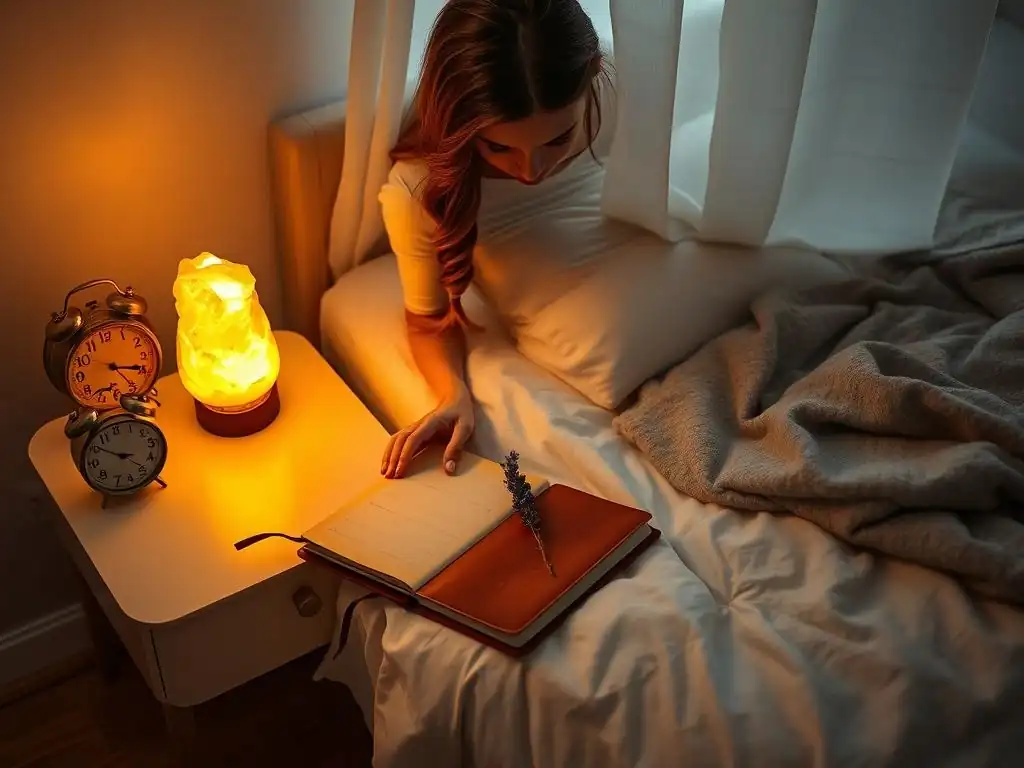
The Impact of Blue Light on Melatonin Production
Electronic devices like smartphones, tablets, laptops, and TVs emit significant amounts of blue light. Exposure to blue light in the evening is particularly problematic for sleep because it suppresses the production of melatonin, the hormone that signals to your body that it's time to sleep. The body's internal clock, the circadian rhythm, is highly sensitive to light, and blue light specifically mimics daylight, confusing the brain into thinking it's still daytime.
Research indicates that evening exposure to blue light can suppress melatonin production by over 50%, delaying sleep onset and altering sleep architecture. This effect is amplified by the close proximity of screens to our eyes when using phones or tablets in bed.
For individuals with anxiety, delayed sleep onset and disrupted circadian rhythms can worsen symptoms, creating a vicious cycle. The longer you lie awake, the more opportunity there is for anxious thoughts to surface, making it even harder to fall asleep. Therefore, minimizing blue light exposure is a critical component of a calming bedtime routine for anxiety. This means not just avoiding screens but also being mindful of other bright artificial lights in your home in the hour or two before bed.
Practical Tips for Reducing Screen Time Before Sleep
Implementing a screen-free period before bed is essential for protecting your melatonin production and allowing your mind to wind down naturally. Aim to turn off all electronic devices that emit blue light at least 60-90 minutes before your target bedtime. This includes TVs, computers, tablets, and smartphones. If you must use a screen close to bedtime (e.g., for a work emergency), use blue light filtering glasses or enable night mode settings on your devices, which shift the screen color towards warmer tones (though this is not a complete substitute for avoiding screens altogether).
Instead of scrolling through social media or watching TV, use this screen-free time for other calming activities within your routine. This could be reading a physical book, listening to a podcast or calming music (ideally through speakers or headphones that don't emit light), journaling, or practicing relaxation techniques like those mentioned earlier. Making this boundary firm is one of the most impactful steps you can take to improve sleep quality and build a truly effective calming bedtime routine for anxiety.
Step 5: Choose Calming Activities to Wind Down
Reading a Book for Relaxation
Reading a physical book (not on a backlit e-reader or tablet) is a classic wind-down activity that can be incredibly effective for preparing your mind for sleep, especially for those with anxiety. Reading engages your cognitive functions just enough to distract you from anxious thoughts without being overly stimulating. It allows you to enter a different world or focus on a specific topic, shifting your attention away from your worries. Choose something relaxing and non-stressful – perhaps fiction, a hobby magazine, or a lighthearted non-fiction book. Avoid intense thrillers, work-related reading, or anything that might trigger stress or rumination.
Spending 20-30 minutes reading as part of your calming bedtime routine for anxiety provides a clear transition from the day's activities to sleep. It's a quiet, solitary activity that encourages stillness and focus, helping to lower your heart rate and calm your nervous system. The key is to make it a pleasant, low-pressure activity; if you find yourself getting frustrated with a difficult book or reading feels like a chore, choose something else. The goal is relaxation, not accomplishment.
Gentle Stretching or Yoga for Anxiety Relief
Gentle physical movement can help release physical tension and calm the mind, making it an excellent addition to a calming bedtime routine for anxiety. Activities like light stretching or restorative yoga poses can improve flexibility, reduce muscle tightness, and promote a sense of ease in the body. Poses like child's pose, legs-up-the-wall, or a gentle seated forward bend can be particularly soothing. The focus on slow movements and breath often incorporated in yoga also adds a mindfulness component, further helping to quiet anxious thoughts.
Avoid vigorous exercise close to bedtime, as this can be stimulating. The goal of bedtime movement is relaxation and release, not exertion. Even just 10-15 minutes of gentle stretching can make a significant difference in how physically relaxed you feel when you get into bed, easing the physical manifestations of anxiety that can interfere with sleep. This type of movement helps signal to your body that it's time to transition from activity to rest.
Listening to Calming Music or Nature Sounds
Auditory input can have a powerful effect on our mood and physiological state. Listening to calming music, nature sounds (like rain, ocean waves, or forest ambiance), or guided meditations specifically designed for sleep can help lower heart rate, reduce brain activity, and create a peaceful atmosphere conducive to sleep. Many streaming services and apps offer curated playlists and soundscapes for sleep and relaxation. Instrumental music, classical music, or ambient soundscapes often work best, as lyrics can sometimes be distracting or emotionally evocative.
Make sure the volume is set to a comfortable level – loud enough to be heard but not so loud that it's jarring. Using headphones can help block out external noise, but be mindful of comfort if you tend to fall asleep with them on. Incorporating soothing sounds into your calming bedtime routine for anxiety creates an auditory cue for relaxation and can effectively mask disruptive noises, helping you drift off more easily and potentially stay asleep longer.
Step 6: Establish a Consistent Sleep Schedule
The Importance of a Regular Sleep-Wake Cycle
One of the most fundamental principles of good sleep hygiene, especially for anxiety management, is maintaining a consistent sleep schedule. This means going to bed at roughly the same time each night and waking up at roughly the same time each morning, even on weekends. Your body's internal clock, the circadian rhythm, thrives on regularity.
When you adhere to a consistent schedule, your circadian rhythm becomes more robust and predictable, making it easier for your body to naturally feel tired at bedtime and wake up refreshed in the morning. Erratic sleep schedules, often referred to as "social jetlag" when weekend sleep patterns differ significantly from weekdays, disrupt this rhythm, potentially worsening insomnia and anxiety symptoms. Studies indicate that inconsistent sleep schedules can negatively impact metabolic health, mood, and cognitive function, exacerbating the challenges faced by those with anxiety.
A consistent sleep schedule supports the natural ebb and flow of sleep-wake hormones like melatonin and cortisol. Melatonin levels rise in the evening to promote sleepiness and fall in the morning, while cortisol levels are typically lower at night and higher in the morning to promote wakefulness. When you maintain a regular schedule, these hormonal cycles become more predictable and aligned with your desired sleep time. This regularity is a cornerstone of a successful calming bedtime routine for anxiety, providing a stable foundation upon which other relaxation practices can build.
Tips for Maintaining a Consistent Bedtime Routine
Sticking to a consistent sleep schedule requires discipline, but the benefits for anxiety and sleep are immense. First, determine your ideal bedtime and wake-up time based on when you naturally feel tired and how much sleep you need (most adults need around 7-9 hours). Then, commit to these times as closely as possible.
This might mean setting an alarm for bedtime as well as for waking up. If you have trouble falling asleep at your designated time, resist the urge to stay in bed tossing and turning; instead, get up and do a quiet, calming activity in dim light (like reading or listening to quiet music) until you feel sleepy, then return to bed. This helps your brain associate your bed with sleep, not frustration.
On weekends, try not to deviate by more than an hour from your weekday wake-up time. While it's tempting to sleep in, significant variations can throw off your circadian rhythm, making Monday mornings particularly difficult and potentially increasing anxiety. Sunlight exposure shortly after waking can also help reinforce your circadian rhythm. Make your consistent sleep schedule the anchor around which you build your calming bedtime routine for anxiety, ensuring that the wind-down activities lead you towards sleep at a predictable time each night.
Essential Elements of a Successful Bedtime Routine for Anxiety
The Role of Diet and Hydration in Sleep Quality
Foods and Drinks to Avoid Before Bed
What you consume in the hours leading up to bedtime can significantly impact your ability to fall and stay asleep, especially when you have anxiety. Certain foods and drinks are known sleep disruptors. Caffeine, found in coffee, tea, soda, and chocolate, is a stimulant that can keep you awake for several hours after consumption; its effects can last up to 6-8 hours.
Alcohol might initially make you feel sleepy, but it disrupts sleep architecture later in the night, leading to fragmented sleep and early morning awakenings, which can increase anxiety the next day. Heavy or spicy meals close to bedtime can cause indigestion, heartburn, and discomfort, making it difficult to relax. Sugary snacks can cause blood sugar spikes followed by crashes, potentially waking you up during the night.
It's generally recommended to avoid caffeine and alcohol in the late afternoon and evening. Try to finish your last large meal at least 2-3 hours before bedtime. If you need a snack, opt for something light and easily digestible, such as a small bowl of oatmeal, a banana, or a handful of almonds. Being mindful of your dietary choices as part of your calming bedtime routine for anxiety helps minimize physical discomfort and chemical stimulation that can interfere with sleep onset and quality.
Hydration Tips for a Restful Night's Sleep
Staying adequately hydrated throughout the day is important for overall health, including sleep. Dehydration can cause discomfort, muscle cramps, and headaches, all of which can make it harder to sleep. However, drinking too much liquid right before bed can lead to frequent nighttime trips to the bathroom, disrupting sleep. The key is balanced hydration.
Aim to drink plenty of water throughout the day, but taper off your fluid intake in the hour or two before your target bedtime. This allows your body time to process the liquids before you settle down for the night, reducing the likelihood of being woken up by the need to urinate. If you wake up thirsty during the night, a small sip of water is fine, but avoid drinking large amounts. Incorporating smart hydration habits into your daily routine supports your overall goal of achieving restful sleep within your calming bedtime routine for anxiety.
The Importance of Physical Activity and Exercise
Best Time to Exercise for Optimal Sleep
Regular physical activity is incredibly beneficial for both anxiety and sleep. Exercise helps reduce stress and anxiety levels, improves mood, and can increase the amount of time spent in deep, restorative sleep. However, the timing of your workout matters. For most people, exercising earlier in the day, such as in the morning or afternoon, is ideal. This allows your body temperature and heart rate, which increase during exercise, to return to baseline levels well before bedtime. Morning exercise can also help regulate your circadian rhythm by exposing you to natural light early in the day.
Studies suggest that moderate-intensity aerobic exercise performed consistently can significantly improve sleep quality for individuals with insomnia. For example, some research indicates that regular exercise can reduce the time it takes to fall asleep by nearly half and increase total sleep time by almost an hour. Making exercise a regular part of your day, ideally completed several hours before your calming bedtime routine for anxiety begins, contributes significantly to your overall sleep health.
Types of Exercise to Avoid Close to Bedtime
While exercise is good for sleep, certain types or intensities of physical activity should generally be avoided in the hours immediately preceding your calming bedtime routine for anxiety. High-intensity workouts, vigorous cardio (like running or intense cycling), or heavy weightlifting too close to bedtime can be overly stimulating. These activities significantly raise your heart rate, body temperature, and adrenaline levels, making it difficult for your body to transition into a relaxed state conducive to sleep. The general recommendation is to finish any vigorous exercise at least 2-3 hours before you plan to go to bed.
If you prefer to exercise in the evening, opt for lighter activities that promote relaxation rather than arousal. Gentle yoga, stretching (as mentioned earlier), or a leisurely walk can be beneficial additions to your wind-down period. Listen to your body; some individuals are less sensitive to the timing of evening exercise than others, but as a general rule, keep evening activity low-impact and calming to avoid interfering with your ability to relax and initiate sleep within your calming bedtime routine for anxiety.
Addressing Underlying Anxiety Issues: Seeking Professional Help
When to Consider Therapy or Counseling for Anxiety
While a calming bedtime routine for anxiety is a powerful tool for managing sleep disturbances linked to worry, it's important to recognize that it is often a complementary strategy to addressing the root causes of your anxiety. If your anxiety feels overwhelming, is significantly impacting your daily life (beyond just sleep), or if the strategies discussed here aren't providing sufficient relief, it may be time to seek professional help.
Therapists and counselors specializing in anxiety disorders can provide effective treatments. Signs that professional help might be beneficial include persistent, excessive worry that is difficult to control, feeling restless or on edge most days, difficulty concentrating, irritability, muscle tension, and significant fatigue – especially when these symptoms have been present for several months.
Reaching out to a mental health professional is a sign of strength and a proactive step towards better well-being. They can assess your specific situation, provide a diagnosis if appropriate, and develop a tailored treatment plan. Don't hesitate to seek help if you feel stuck or if your anxiety is significantly diminishing your quality of life, including your ability to get restful sleep. A therapist can provide valuable support and strategies that go hand-in-hand with your efforts to build a calming bedtime routine for anxiety.
The Benefits of Cognitive Behavioral Therapy (CBT) for Insomnia and Anxiety
Cognitive Behavioral Therapy (CBT) is a highly effective, evidence-based treatment for both anxiety disorders and insomnia (CBT-I, a specialized form). CBT works by helping you identify and challenge negative thought patterns and behaviors that contribute to your anxiety and sleep problems. For anxiety, CBT helps you learn coping skills, reframe anxious thoughts, and gradually face feared situations.
For insomnia (CBT-I), it specifically addresses the thoughts and behaviors that keep you awake, such as worrying about sleep, spending too much time in bed awake, or inconsistent sleep schedules. CBT-I teaches you techniques like sleep restriction (temporarily limiting time in bed to improve sleep efficiency), stimulus control (associating your bed only with sleep), and cognitive restructuring (challenging unhelpful beliefs about sleep).
Studies consistently show that CBT and CBT-I are among the most effective long-term treatments for anxiety and chronic insomnia, often providing more durable results than medication alone. CBT-I, for example, has been shown to improve sleep for 70-80% of patients with chronic insomnia. A therapist can help you integrate these powerful techniques into your daily life, complementing and strengthening the effects of your calming bedtime routine for anxiety. By addressing both the anxiety and the sleep issues at their core, you can achieve more sustainable improvements in your sleep quality and overall mental well-being.
Troubleshooting Common Bedtime Routine Challenges for Anxiety Sufferers
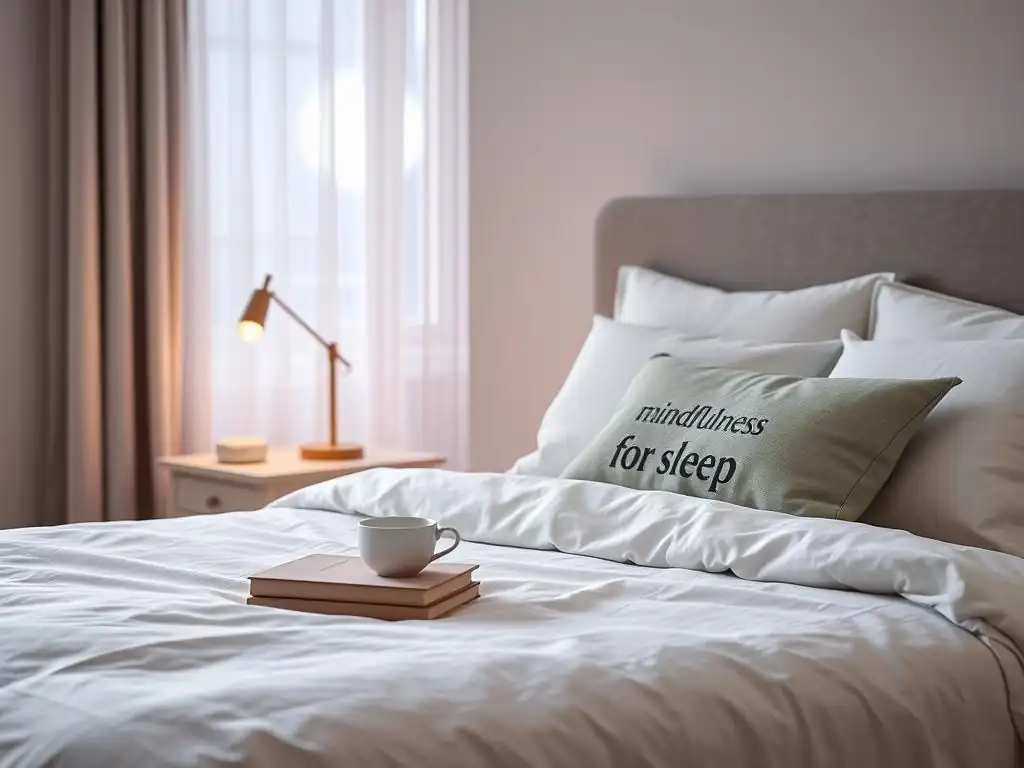
Dealing with Racing Thoughts and Anxious Feelings at Night
One of the most persistent challenges for anxiety sufferers at bedtime is the onslaught of racing thoughts and anxious feelings that seem to intensify in the quiet of the night. Lying in bed with nothing else to occupy the mind can make worries feel louder and more overwhelming. If you find yourself caught in a loop of anxious rumination after getting into bed, try not to fight the thoughts directly, as this can increase frustration and arousal. Instead, acknowledge the thoughts without judgment, perhaps by mentally labeling them as "thinking about work" or "worrying about tomorrow."
If the thoughts are particularly persistent and distressing, consider getting out of bed after about 20 minutes of being unable to sleep. Go to another room with dim lighting and engage in a quiet, non-stimulating activity from your calming bedtime routine for anxiety, such as reading a physical book or listening to quiet, soothing music. Return to bed only when you feel genuinely sleepy.
This technique, part of stimulus control often taught in CBT-I, helps break the association between your bed and wakefulness/anxiety. Another helpful strategy is "worry time" earlier in the evening: dedicate a specific 15-20 minute period, perhaps a few hours before bed, to write down all your worries. This allows you to process them outside of the bedroom, making it easier to let them go when it's time for sleep.
Overcoming Resistance to Establishing a Bedtime Routine
Creating and sticking to a new habit, especially a calming bedtime routine for anxiety when you're feeling exhausted or overwhelmed, can feel like a daunting task. Resistance might come from feeling like it's too much effort, doubting it will work, or feeling restless when trying to slow down. Start small and be patient with yourself.
You don't need to implement every single step of the routine overnight. Choose just one or two elements that resonate with you most (like turning off screens 60 minutes early or doing 10 minutes of deep breathing) and commit to doing those consistently for a week or two. Once those feel comfortable, gradually add another element.
It's also helpful to think of the routine not as a chore, but as a self-care practice – a time you are dedicating to nurturing your well-being and preparing your mind and body for rest. Frame it positively. Track your progress in your sleep diary to see the impact, which can be motivating. Understand that setbacks are normal; if you miss a night or two, don't give up. Simply get back on track the next evening. Consistency is key, but flexibility and self-compassion are just as important when building a sustainable calming bedtime routine for anxiety.
Adjusting Your Bedtime Routine Based on Your Needs
Your anxiety levels and needs can fluctuate from day to day or week to week. A successful calming bedtime routine for anxiety isn't rigid; it should be adaptable. On days when your anxiety is particularly high, you might need to spend a little extra time on relaxation techniques. Perhaps you do a longer meditation or add a warm bath to the routine. On days when you feel relatively calm, you might stick to the core elements. Pay attention to what works best for you on different days.
Periodically review and adjust your routine based on your experiences. Are certain activities no longer feeling effective? Is there something new you want to try (like a different breathing exercise or a specific type of calming music)? Your calming bedtime routine for anxiety should evolve with you. Be mindful of lifestyle changes, travel, or illness, which may require temporary adjustments. The goal is to have a set of tools and practices you can draw upon consistently, but with the flexibility to tailor them to your current state, ensuring the routine remains supportive and effective over the long term.
Long-Term Benefits of a Calming Bedtime Routine for Anxiety
Improved Sleep Quality and Reduced Insomnia Symptoms
The most direct and significant long-term benefit of consistently practicing a calming bedtime routine for anxiety is a marked improvement in sleep quality and a reduction in insomnia symptoms. By establishing a predictable sleep-wake cycle, optimizing your sleep environment, and incorporating relaxation techniques, you create the optimal conditions for falling asleep faster and staying asleep longer. Over time, your body learns to associate the routine with sleep, making the transition to rest more automatic. This leads to increased total sleep time, reduced awakenings during the night, and a greater proportion of time spent in restorative deep and REM sleep.
As sleep quality improves, the symptoms of insomnia, such as difficulty falling asleep, staying asleep, or waking up too early, typically diminish. This doesn't happen overnight; it requires consistent effort over weeks and months. However, the cumulative effect of regular, quality sleep is profound. You'll likely notice feeling more rested upon waking, experiencing less daytime fatigue, and feeling more alert throughout the day. This fundamental improvement in sleep provides a stable foundation that positively impacts all other areas of your life, directly counteracting the sleep deprivation that often fuels anxiety.
Reduced Anxiety Levels and Improved Mood
Beyond just improving sleep, a consistent calming bedtime routine for anxiety has a powerful positive impact on anxiety levels and overall mood. Chronic sleep deprivation is a known risk factor for worsening anxiety and depression. By prioritizing sleep and actively engaging in calming activities before bed, you reduce the physiological and psychological arousal that contributes to anxiety. Getting sufficient, quality sleep helps regulate neurotransmitters and hormones involved in mood and stress response, such as serotonin and cortisol.
As your sleep improves, you may find yourself feeling less irritable, more resilient to stress, and better equipped to handle challenges during the day. The reduction in daytime fatigue and improved cognitive function make it easier to cope with anxious thoughts and situations.
Furthermore, the act of engaging in a self-care routine itself can be empowering and provide a sense of control, which is often beneficial for individuals with anxiety. Over time, the compounding effect of better sleep and proactive anxiety management through your routine can lead to a significant reduction in the frequency and intensity of anxious feelings and a noticeable improvement in your overall mood and emotional stability.
Enhanced Overall Mental Well-being
Ultimately, establishing and maintaining a calming bedtime routine for anxiety contributes significantly to enhanced overall mental well-being. Sleep is not merely a period of rest; it is a vital process for brain health, emotional regulation, and cognitive function. By consistently getting restorative sleep, you support your brain's ability to process emotions, consolidate memories, and maintain executive functions like planning and problem-solving. This improved cognitive and emotional resilience makes it easier to navigate the challenges of life and manage your anxiety effectively.
The routine provides a structured end to the day, which can bring a sense of order and predictability that is comforting to an anxious mind. It encourages self-care and mindfulness, fostering a stronger connection between mind and body.
As sleep improves and anxiety lessens, you may find you have more energy, motivation, and capacity to engage in activities you enjoy, strengthen relationships, and pursue personal goals. A dedicated calming bedtime routine for anxiety is more than just a sleep strategy; it's an investment in your long-term mental health, paving the way for a more peaceful mind and a more fulfilling life.
Frequently Asked Questions
What is the primary benefit of a calming bedtime routine for anxiety?
A calming bedtime routine helps to reduce stress and anxiety before sleep, leading to improved sleep quality and a more restful night. It aims to prepare your mind and body for sleep and relaxation.
How can I incorporate mindfulness into my bedtime routine?
You can incorporate mindfulness by practicing mindful meditation, focusing on your breath, or doing a body scan meditation. This helps to quiet the racing thoughts often associated with anxiety.
What are some activities to avoid before bed if I have anxiety?
Avoid screen time (phones, tablets, TVs), consuming caffeine or alcohol, and engaging in stressful activities like work or intense discussions.
How long should my calming bedtime routine ideally be?
Aim for a routine that lasts at least 30-60 minutes before bed. This allows sufficient time to wind down and relax, helping to effectively manage anxiety.
What if my anxiety is still high even after following a calming routine?
If anxiety persists, consider seeking professional help from a therapist or doctor. They can provide additional strategies and support for managing your anxiety effectively.
Final Reflection: Weaving Calm into the Night
The pursuit of a peaceful night's sleep is no longer a luxury; it's a necessity, especially for those grappling with anxiety. The overwhelming pressures of modern life often leave us wired and unable to unwind, leading to a vicious cycle of sleep deprivation and heightened anxiety. This article explored practical strategies to break free from this cycle, emphasizing the power of a carefully crafted bedtime routine.
The impact of consistent, calming bedtime rituals extends far beyond simply improving sleep quality. It's about reclaiming control over our minds and bodies, creating a sanctuary of peace in a world that often feels chaotic. Sleep is the golden chain that ties health and our bodies together.
– Thomas Dekker. This quote highlights the fundamental connection between restful sleep and overall well-being, a connection often disrupted by anxiety. The routines discussed—from mindful breathing exercises to the creation of a relaxing sleep environment—are not merely suggestions; they are tools for self-care, empowering individuals to actively manage their anxiety and cultivate a sense of inner peace.
Now, consider your own bedtime routine. Is it serving you, or is it contributing to your stress? I invite you to take what you've learned here and experiment. Try incorporating even one new element—a warm bath, a calming tea, or a few minutes of gentle stretching—and observe the difference it makes. Remember, creating a truly calming bedtime routine is a personal journey; there's no one-size-fits-all solution. The key is to find what works best for you, to build a ritual that nurtures your mind and body, and to embrace the transformative power of a peaceful night's sleep.
Unlock Your Peaceful Nights: Start Your Calming Routine Now!
Thanks for taking the time to explore ways to cultivate a more peaceful bedtime routine! We hope you found valuable insights into managing anxiety and improving your sleep. Now it's time to put your newfound knowledge into action.
- Prioritize one small change: Choose just one element from the routine suggestions (e.g., a warm bath, a calming tea, or a short meditation) and commit to incorporating it into your tonight. This is your first step to a more restful sleep.
- Share your sleep sanctuary secrets: What calming techniques already work for you? Share your tips in the comments – inspire others on their journey to better sleep!
- Explore further: Dive deeper into the world of relaxation techniques by exploring different mindfulness exercises or researching aromatherapy options.
What small adjustment will you make tonight to create a more calming bedtime environment?