
Understand the Loop: Anxiety, Sleep Deprivation, and How to Escape

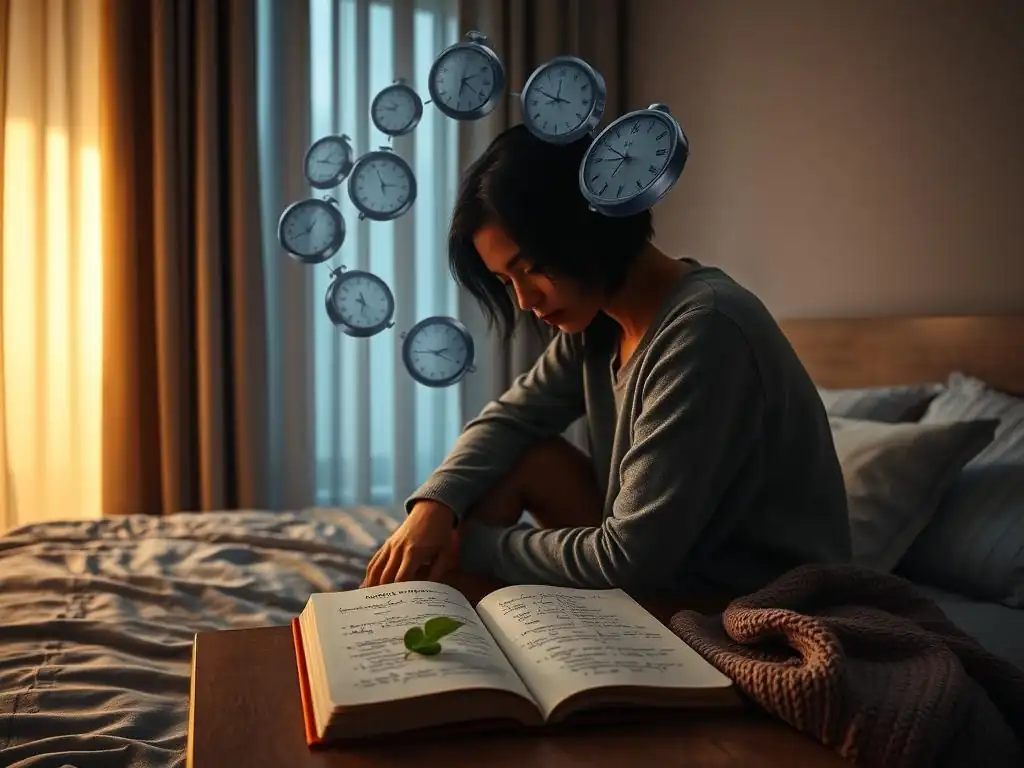
Welcome to Mind Care Guide, a safe space dedicated to nurturing your mental well-being. Feeling trapped in the relentless cycle of worry and sleepless nights? You're not alone. This article delves into the intricate connection between anxiety and sleep deprivation, uncovering powerful anxiety sleep deprivation recovery strategies to help you break free. Curious how to reclaim your peace and restore restful sleep? Let's explore together.
Understand the Loop: Anxiety, Sleep Deprivation, and How to Escape
- The Vicious Cycle: Anxiety and Lack of Sleep
- Decoding Anxiety-Induced Sleep Problems
- Breaking Free: Anxiety Sleep Deprivation Recovery Strategies
- Medical Interventions for Severe Anxiety and Sleep Deprivation
- Long-Term Strategies for Maintaining Anxiety and Sleep Health
-
Frequently Asked Questions
- What is the connection between anxiety and sleep deprivation?
- How does sleep deprivation impact anxiety recovery?
- What are some effective strategies for improving sleep when dealing with anxiety?
- How can I break the anxiety-sleep deprivation loop?
- Where can I find resources and support for anxiety and sleep deprivation?
- Final Reflection: Breaking the Cycle of Anxiety and Sleep Deprivation
- Break Free from the Anxiety-Sleep Cycle: Your Next Steps
The Vicious Cycle: Anxiety and Lack of Sleep
How Anxiety Triggers Sleep Deprivation
Anxiety is characterized by excessive worry, fear, and nervousness, which significantly impacts the body's stress response system. When someone experiences anxiety, their sympathetic nervous system goes into overdrive, releasing stress hormones like cortisol and adrenaline. This physiological state of heightened arousal makes it incredibly difficult to relax and transition into sleep. The mind races with anxious thoughts about the past, present, or future, creating a mental environment that is the opposite of calm needed for sleep onset.
This constant state of vigilance means that even when lying in bed, the anxious individual's brain is still actively processing potential threats, real or perceived. This can manifest as difficulty falling asleep (sleep onset insomnia) or waking up during the night and being unable to return to sleep (sleep maintenance insomnia). The physical symptoms of anxiety, such as a pounding heart, muscle tension, or shortness of breath, further interfere with the ability to relax, trapping the person in a wakeful state despite feeling exhausted.
The Detrimental Effects of Sleep Deprivation on Anxiety Levels
Sleep deprivation is a powerful amplifier of anxiety. When the brain is deprived of adequate rest, its ability to regulate mood and process emotions is significantly impaired. The prefrontal cortex, responsible for rational thought and emotional regulation, becomes less active, while the amygdala, the brain's fear center, becomes more reactive. This imbalance means that without sufficient sleep, a person is more likely to interpret situations negatively, feel overwhelmed by minor stressors, and experience heightened emotional responses, including increased anxiety.
Furthermore, chronic sleep deprivation disrupts the body's hormonal balance, including the regulation of cortisol. Instead of following a healthy pattern where cortisol levels are low at night and rise in the morning, sleepless nights can lead to elevated cortisol levels throughout the day, maintaining the body in a state of stress. This physiological stress further fuels anxious feelings, making it harder to cope with daily challenges and increasing the likelihood of experiencing panic or intense worry. It's a feedback loop where lack of sleep makes anxiety worse, which in turn makes sleep more elusive.
Recognizing the Interplay Between Anxiety and Poor Sleep
Identifying the connection between anxiety and poor sleep is the first step towards finding effective anxiety sleep deprivation recovery strategies. Many people initially focus on the sleep problem, trying various sleep aids, without addressing the underlying anxiety that is fueling the insomnia. Symptoms like lying awake for hours with racing thoughts, waking up frequently throughout the night, experiencing nightmares related to worries, or waking up feeling unrefreshed despite spending time in bed are strong indicators that anxiety is playing a significant role in sleep disturbances.
Conversely, experiencing increased irritability, difficulty concentrating, heightened stress reactions, or excessive worry during the day after a poor night's sleep are signs that sleep deprivation is exacerbating existing anxiety or triggering new anxious feelings. Recognizing this bidirectional relationship is crucial. It's not just a sleep problem or an anxiety problem; it's often a combined issue where addressing one significantly helps in managing the other. Understanding this interplay is fundamental for developing comprehensive anxiety sleep deprivation recovery strategies.
Decoding Anxiety-Induced Sleep Problems

Identifying the Root Causes of Anxiety Affecting Sleep
Anxiety that impacts sleep can stem from various sources, ranging from generalized worries about daily life to specific phobias or traumatic experiences. Generalized Anxiety Disorder (GAD), for instance, involves persistent and excessive worry about numerous things, making it hard to relax and fall asleep. Specific anxieties like health anxiety can lead to hyper-vigilance about bodily sensations, which are amplified at night, preventing sleep. Social anxiety might cause worries about upcoming interactions, keeping the mind active when it should be winding down.
Beyond clinical diagnoses, everyday stressors like job pressure, financial worries, relationship issues, or significant life changes (moving, new baby) can trigger situational anxiety that disrupts sleep. Sometimes, the fear of not sleeping itself becomes a significant source of anxiety, creating a performance pressure around sleep that is counterproductive. Identifying what specifically is causing the anxiety – whether it's a broad pattern of worry or a specific concern – is vital for tailoring effective anxiety sleep deprivation recovery strategies.
Common Sleep Disorders Associated with Anxiety
While anxiety can cause general insomnia (difficulty falling or staying asleep), it is also frequently linked to other specific sleep disorders. Chronic insomnia, defined as difficulty sleeping at least three nights per week for three months or longer, is highly prevalent among individuals with anxiety disorders. Studies suggest that people with GAD are significantly more likely to experience chronic insomnia compared to the general population.
Other associated disorders include restless legs syndrome (RLS), where uncomfortable sensations in the legs create an urge to move, often worsening at night and preventing sleep; and sleep paralysis, a temporary inability to move or speak that occurs during transitions between wakefulness and sleep, which can be terrifying and anxiety-provoking. While not always directly caused by anxiety, these conditions can be exacerbated by it, and the anxiety they cause can worsen sleep, perpetuating the loop. Addressing both the anxiety and the specific sleep disorder is often necessary for effective anxiety sleep deprivation recovery strategies.
The Role of the Sympathetic Nervous System in Anxiety and Insomnia
The sympathetic nervous system (SNS) is a key player in the body's "fight or flight" response. When anxiety is triggered, the SNS activates, releasing stress hormones like adrenaline and noradrenaline. These hormones increase heart rate, blood pressure, and muscle tension – preparing the body for action. This state of physiological arousal is fundamentally incompatible with sleep, which requires the activation of the parasympathetic nervous system, the "rest and digest" system.
In individuals with chronic anxiety, the SNS can become hyperactive or dysregulated, remaining partially or fully activated even in non-threatening situations, including bedtime. This persistent state of arousal prevents the body and mind from relaxing sufficiently to fall asleep. The constant stream of stress hormones and heightened physiological activity directly interferes with the brain's sleep-wake cycles, making it difficult to initiate sleep and leading to fragmented sleep throughout the night. Understanding this physiological mechanism is crucial for targeting recovery strategies.
Breaking Free: Anxiety Sleep Deprivation Recovery Strategies
Cognitive Behavioral Therapy for Insomnia (CBT-I) and Anxiety
Cognitive Behavioral Therapy for Insomnia (CBT-I) is widely considered the gold standard treatment for chronic insomnia and is particularly effective when insomnia is linked to anxiety. CBT-I is a structured program that helps identify and replace thoughts and behaviors that cause or worsen sleep problems with habits that promote sound sleep. It addresses the cognitive (thought patterns) and behavioral (actions related to sleep) components that contribute to the anxiety-sleep loop.
Unlike sleeping pills, which offer a temporary solution, CBT-I provides lasting tools by addressing the root causes of sleep disturbance, including the anxiety surrounding sleep. It typically involves working with a therapist over several sessions, though online programs are also available. Research consistently shows significant improvements in sleep quality and duration for individuals completing CBT-I, often comparable to or exceeding results from medication, and these benefits tend to be sustained over time. This makes CBT-I a cornerstone of effective anxiety sleep deprivation recovery strategies.
Techniques Used in CBT-I for Managing Anxiety and Sleep
CBT-I employs several core techniques. Sleep Restriction is a counterintuitive method that initially limits the time spent in bed to the actual amount of time slept, which helps consolidate sleep and build sleep drive. As sleep efficiency improves, time in bed is gradually increased. Stimulus Control aims to break the association between the bed/bedroom and wakefulness/anxiety by using the bed only for sleep and intimacy, and leaving the bedroom if unable to sleep after about 20 minutes.
Cognitive Restructuring is crucial for addressing the anxious thoughts about sleep. It involves identifying and challenging unhelpful beliefs about sleep (e.g., "I must get 8 hours of sleep or my day will be ruined") and replacing them with more realistic and helpful perspectives. Relaxation Training teaches techniques like progressive muscle relaxation or deep breathing to reduce the physiological arousal associated with anxiety. Together, these techniques provide a comprehensive approach to managing both the sleep problem and the underlying anxiety.
Relaxation Techniques for Anxiety and Improved Sleep Quality
Incorporating daily relaxation practices can significantly reduce anxiety levels and prepare the body and mind for sleep, serving as valuable anxiety sleep deprivation recovery strategies. These techniques activate the parasympathetic nervous system, counteracting the "fight or flight" response triggered by anxiety. Regular practice helps lower overall stress levels, making it easier to fall asleep and stay asleep.
Consistency is key with relaxation techniques. Practicing them not just at bedtime, but also during the day when feeling anxious or stressed, can build resilience and make them more effective when needed for sleep. Even short, focused sessions of 5-10 minutes can make a difference in calming the nervous system and reducing the mental chatter that prevents sleep.
Deep Breathing Exercises for Anxiety Reduction
Deep breathing is a simple yet powerful technique that can immediately calm the nervous system. When anxious, breathing tends to be shallow and rapid, which reinforces the stress response. Deep, slow breathing signals to the brain that you are safe and can relax. A common technique is diaphragmatic breathing, where you breathe deeply into your belly rather than your chest.
One effective method is the 4-7-8 technique: inhale quietly through your nose for a count of 4, hold your breath for a count of 7, and exhale completely through your mouth for a count of 8. Repeat this cycle several times. Practicing this before bed or when waking up with anxiety can help slow your heart rate, relax muscles, and shift your focus away from anxious thoughts, promoting a state conducive to sleep.
Progressive Muscle Relaxation for Better Sleep
Progressive Muscle Relaxation (PMR) involves tensing and then releasing different muscle groups in the body. This practice helps you become more aware of physical tension and learn how to release it. Anxiety often manifests as physical tension, such as clenched jaw, tight shoulders, or a knot in the stomach. Releasing this tension can significantly reduce overall stress and promote relaxation.
To practice PMR, lie down or sit comfortably. Starting with your feet, tense the muscles for about 5-10 seconds, then release completely, noticing the sensation of relaxation. Move up through your body, tensing and releasing calves, thighs, abdomen, back, arms, hands, shoulders, neck, and face. Doing this sequence before bed can help release physical stress that keeps you awake and is a valuable tool in anxiety sleep deprivation recovery strategies.
Mindfulness Meditation for Anxiety and Sleep
Mindfulness meditation involves focusing your attention on the present moment without judgment. For someone with anxiety, the mind often dwells on future worries or past regrets. Mindfulness helps train the mind to stay present, reducing the time spent in anxious rumination that interferes with sleep. Practices can include focusing on the breath, bodily sensations, or sounds.
Even a few minutes of mindfulness meditation before bed can help quiet a busy mind. Apps and guided meditations are readily available to help beginners. By learning to observe thoughts without getting carried away by them, individuals can reduce the power of anxious thoughts that keep them awake, making mindfulness a potent addition to anxiety sleep deprivation recovery strategies.
Optimizing Sleep Hygiene for Anxiety Relief
While sleep hygiene alone may not cure anxiety-induced insomnia, it provides a critical foundation. Good sleep hygiene involves establishing habits and creating an environment that supports healthy sleep. For individuals with anxiety, paying extra attention to sleep hygiene can help reduce triggers that worsen sleep problems and create a sense of control over the sleep process, which can alleviate some sleep-related anxiety.
Consistent practice of good sleep hygiene reinforces the body's natural sleep-wake cycle and reduces obstacles to falling asleep and staying asleep. It works synergistically with other anxiety sleep deprivation recovery strategies like CBT-I and relaxation techniques to create a comprehensive approach to improving sleep and reducing anxiety.
Creating a Relaxing Bedtime Routine for Anxiety
A consistent bedtime routine signals to your body and mind that it's time to wind down and prepare for sleep. For someone with anxiety, this routine should be calming and free of stressors. Avoid stimulating activities like working, paying bills, or engaging in intense discussions in the hour or two before bed.
Instead, engage in relaxing activities such as reading a physical book (avoiding screens), taking a warm bath, listening to calming music, or practicing gentle stretching or yoga. The routine should be practiced consistently, even on weekends, to help regulate your internal body clock. This predictability can also reduce anxiety about sleep, as you establish a familiar, calming transition period.
The Importance of a Consistent Sleep Schedule
Going to bed and waking up at roughly the same time every day, including weekends, is one of the most important aspects of sleep hygiene. This consistency helps regulate your body's circadian rhythm, the internal clock that governs sleep and wakefulness. An irregular sleep schedule can disrupt this rhythm, making it harder to fall asleep and wake up feeling rested.
Maintaining a consistent schedule, even after a poor night's sleep, helps reinforce the natural sleep drive. While it might be tempting to sleep in after a night of anxiety-induced insomnia, doing so can make it harder to fall asleep the following night, perpetuating the cycle. Sticking to a schedule, even when challenging, is a fundamental component of anxiety sleep deprivation recovery strategies.
Optimizing Your Sleep Environment for Anxiety Sufferers
Your bedroom environment plays a significant role in sleep quality. For those with anxiety, creating a calm, comfortable, and safe space is particularly important. Ensure the bedroom is dark, quiet, and cool. Use blackout curtains if necessary to block out light, and consider earplugs or a white noise machine if noise is an issue.
The temperature should be comfortable, generally between 60-67°F (15-19°C). Make sure your mattress and pillows are comfortable and supportive. Reserve the bedroom primarily for sleep and intimacy to strengthen the mental association between the space and rest, avoiding activities like working, watching TV, or using electronic devices in bed, which can stimulate the brain and exacerbate anxiety.
Lifestyle Changes to Mitigate Anxiety and Improve Sleep
Beyond targeted techniques, broader lifestyle adjustments can have a profound impact on both anxiety levels and sleep quality. Integrating healthy habits into daily life supports overall mental and physical well-being, making the body and mind more resilient to stress and more capable of achieving restful sleep. These changes often require consistent effort but yield significant long-term benefits as part of anxiety sleep deprivation recovery strategies.
Focusing on nutrition, physical activity, and managing substance intake can address underlying physiological factors that contribute to both anxiety and sleep disturbances. These changes work in conjunction with behavioral and cognitive strategies to create a holistic approach to recovery.
The Impact of Diet on Anxiety and Sleep
What you eat and when you eat can influence both anxiety and sleep. While there's no single "anti-anxiety" or "sleep" diet, a balanced diet rich in whole foods, fruits, vegetables, lean proteins, and healthy fats supports overall brain health and mood regulation. Avoiding excessive sugar and processed foods can help prevent blood sugar spikes and crashes that can trigger anxiety symptoms.
Certain nutrients are particularly important: Omega-3 fatty acids (found in fish) are linked to reduced anxiety, and magnesium (found in leafy greens, nuts, seeds) is known for its calming properties. Limiting large meals close to bedtime can prevent digestive discomfort that disrupts sleep. Staying hydrated throughout the day is also important, but reducing fluid intake in the hour or two before bed can help minimize nighttime awakenings for bathroom trips.
The Benefits of Regular Exercise for Anxiety and Sleep
Regular physical activity is a powerful stress reliever and has been shown to significantly reduce anxiety symptoms. Exercise releases endorphins, natural mood boosters, and helps burn off excess energy and tension that can contribute to restlessness at night. It also helps regulate the body's internal clock and can improve sleep quality and duration.
Aim for at least 30 minutes of moderate-intensity exercise most days of the week. Activities like brisk walking, jogging, swimming, or cycling are beneficial. However, avoid intense exercise close to bedtime, as it can be stimulating. Gentle activities like yoga or stretching in the evening can be calming and promote sleep. Making exercise a consistent part of your routine is a key component of anxiety sleep deprivation recovery strategies.
Limiting Caffeine and Alcohol Intake for Anxiety and Insomnia
Both caffeine and alcohol can significantly disrupt sleep, and their effects are often magnified in individuals with anxiety. Caffeine is a stimulant that blocks adenosine, a brain chemical that promotes sleepiness. Consuming caffeine, especially in the afternoon or evening, can make it difficult to fall asleep and can increase feelings of nervousness and jitteriness, exacerbating anxiety.
Alcohol might initially feel relaxing and induce sleepiness, but it disrupts the sleep cycle later in the night, leading to fragmented and less restorative sleep. It also increases adrenaline levels, which can worsen anxiety the next day. Reducing or eliminating caffeine and alcohol intake, particularly in the hours leading up to bedtime, is a crucial step in improving sleep quality and reducing anxiety.
Medical Interventions for Severe Anxiety and Sleep Deprivation
When to Consider Medication for Anxiety and Insomnia
While lifestyle changes and behavioral therapies are often the first line of defense and are foundational anxiety sleep deprivation recovery strategies, there are instances when medication may be considered, particularly for severe or debilitating symptoms. If anxiety and sleep problems are significantly impacting daily functioning, work, relationships, and overall quality of life despite trying other approaches, it's time to discuss medical options with a healthcare professional.
Medication is typically considered when symptoms are causing significant distress or impairment and other treatments have not provided sufficient relief. It's important to view medication as one tool among many, often used in conjunction with therapy and lifestyle changes, rather than a standalone solution.
Types of Medications Used for Anxiety and Sleep
Several classes of medications can be used to manage severe anxiety and associated insomnia, but the choice depends on the specific diagnosis, severity of symptoms, and individual health profile. Selective Serotonin Reuptake Inhibitors (SSRIs) and Serotonin-Norepinephrine Reuptake Inhibitors (SNRIs) are commonly prescribed antidepressants that are also highly effective in treating various anxiety disorders. They work by balancing neurotransmitters in the brain and can take several weeks to show full effect.
For short-term relief of severe anxiety or acute insomnia episodes, benzodiazepines may be prescribed, but they carry risks of dependence and withdrawal and are generally not recommended for long-term use. Non-benzodiazepine hypnotics (often called "Z-drugs") are sometimes used for short-term insomnia relief. Beta-blockers can help manage the physical symptoms of anxiety like rapid heart rate. It is crucial to understand that these medications have potential side effects and should only be used under strict medical supervision.
Working with a Healthcare Professional to Manage Anxiety and Sleep
Navigating medication options requires close collaboration with a qualified healthcare professional, such as a primary care physician, psychiatrist, or sleep specialist. They can conduct a thorough evaluation to understand the nature and severity of your anxiety and sleep problems, rule out other potential causes, and recommend the most appropriate treatment plan.
This collaboration involves discussing potential benefits, risks, and side effects of any prescribed medication. It also includes monitoring your response to treatment, adjusting dosages as needed, and developing a plan for tapering off medication if appropriate. A healthcare professional can integrate medication into a broader treatment plan that includes therapy and lifestyle changes, offering the most comprehensive approach to anxiety sleep deprivation recovery strategies.
Long-Term Strategies for Maintaining Anxiety and Sleep Health
Developing Coping Mechanisms for Anxiety Triggers
Sustainable anxiety sleep deprivation recovery strategies involve building robust coping mechanisms. This means learning to identify personal anxiety triggers – situations, thoughts, or feelings that tend to provoke anxious responses – and developing healthy ways to manage them. Triggers can be external (like public speaking or social events) or internal (like self-critical thoughts or physical sensations).
Coping mechanisms can include techniques learned in therapy, such as cognitive restructuring to challenge negative thought patterns, or behavioral strategies like gradually exposing oneself to feared situations in a controlled manner (exposure therapy). Stress management techniques like journaling, engaging in hobbies, or spending time in nature can also help mitigate the impact of triggers and prevent anxiety from escalating to a point where it disrupts sleep.
Building a Support System for Mental and Sleep Well-being
You don't have to navigate anxiety and sleep issues alone. Building a strong support system is a vital long-term strategy. This can include trusted friends, family members, support groups (online or in-person), or mental health professionals. Sharing your experiences and feelings with others can reduce feelings of isolation and provide emotional support.
A support system can offer practical help, understanding, and encouragement during challenging times. For example, a friend might provide a listening ear, or a support group can connect you with others facing similar struggles, offering shared wisdom and reducing stigma. Having people to lean on makes implementing anxiety sleep deprivation recovery strategies feel less daunting and more sustainable.
The Importance of Self-Care for Anxiety and Sleep Deprivation Recovery
Prioritizing self-care is fundamental for maintaining both mental health and sleep health in the long run. Self-care isn't selfish; it's necessary for managing stress and preventing burnout. This involves consistently engaging in activities that nourish your mind, body, and spirit.
Examples of self-care activities include regular exercise, eating nutritious meals, getting enough sleep (using the strategies discussed), making time for relaxation and hobbies, setting healthy boundaries, and seeking professional help when needed. Consistently integrating self-care practices into your routine helps build resilience against stress and anxiety, making it easier to maintain healthy sleep patterns and sustain the progress made through anxiety sleep deprivation recovery strategies.
Frequently Asked Questions
What is the connection between anxiety and sleep deprivation?
Anxiety can lead to difficulty falling asleep or staying asleep due to racing thoughts and heightened arousal. Conversely, sleep deprivation can worsen anxiety symptoms, creating a vicious cycle.
How does sleep deprivation impact anxiety recovery?
Insufficient sleep hinders the brain's ability to regulate emotions and process information effectively. This makes it significantly harder to utilize anxiety sleep deprivation recovery strategies and manage anxiety in the long term.
What are some effective strategies for improving sleep when dealing with anxiety?
Establishing a consistent sleep schedule, practicing relaxation techniques like meditation, and creating a calming bedtime routine can promote better sleep. Cognitive Behavioral Therapy for Insomnia (CBT-I) can also be beneficial.
How can I break the anxiety-sleep deprivation loop?
Addressing both anxiety and sleep issues concurrently is crucial. This may involve therapy, medication (under medical supervision), and implementing lifestyle changes to prioritize sleep and reduce anxiety triggers.
Where can I find resources and support for anxiety and sleep deprivation?
Mind Care Guide offers information, support, and resources for various mental health challenges, including anxiety and sleep disorders. Consulting with a mental health professional is also highly recommended for personalized guidance.
Final Reflection: Breaking the Cycle of Anxiety and Sleep Deprivation
The interconnectedness of anxiety and sleep deprivation is not merely a correlation; it's a vicious cycle that impacts millions, silently stealing their well-being and productivity. Understanding this dynamic is crucial in today's fast-paced, high-stress world, where anxiety is increasingly prevalent and sleep often sacrificed at the altar of ambition. The consequences are far-reaching, affecting not only mental health but also physical health, relationships, and overall quality of life.
The pervasive nature of this issue has profoundly impacted my own understanding of well-being, forcing me to confront my own struggles with sleep and anxiety. Sleep is the golden chain that ties health and our bodies together.
– Thomas Dekker. This quote beautifully encapsulates the fundamental truth explored in this article: healthy sleep is the cornerstone of a healthy mind and body. The ongoing societal pressure to achieve and perform, often at the expense of rest, only exacerbates this problem, creating a culture where exhaustion is normalized and seeking help is stigmatized.
You now possess the knowledge to begin breaking free from this debilitating cycle. Take a moment to reflect on your own sleep habits and anxiety levels. Identify your personal triggers and stressors. Implement even one of the recovery strategies discussed – whether it's practicing mindfulness, establishing a consistent sleep schedule, or seeking professional help – and witness the transformative power of prioritizing your mental and physical health. Your journey to better sleep and reduced anxiety starts now. Embrace the change, and reclaim your well-being.
Break Free from the Anxiety-Sleep Cycle: Your Next Steps
Thanks for taking the time to learn about the connection between anxiety and sleep deprivation. We hope you now feel more equipped to understand and manage this challenging cycle. Ready to take control?
- Prioritize a relaxing bedtime routine: This is your primary step towards breaking the cycle. Try a warm bath, reading a book, or gentle stretching – anything that helps you unwind before bed.
- Share your journey: Connect with others facing similar challenges. Sharing your experiences can be incredibly powerful and supportive. Discuss your strategies with friends, family, or online communities.
- Explore guided meditation for sleep: Many free resources are available to help you find calm before bed. This can be a surprisingly effective way to quiet your mind and improve sleep quality.
What small step will you take tonight to improve your sleep and reduce anxiety?