
The Role of Family History and Genetics in Social Anxiety

Welcome to Mind Care Guide, a space dedicated to nurturing your mental well-being.
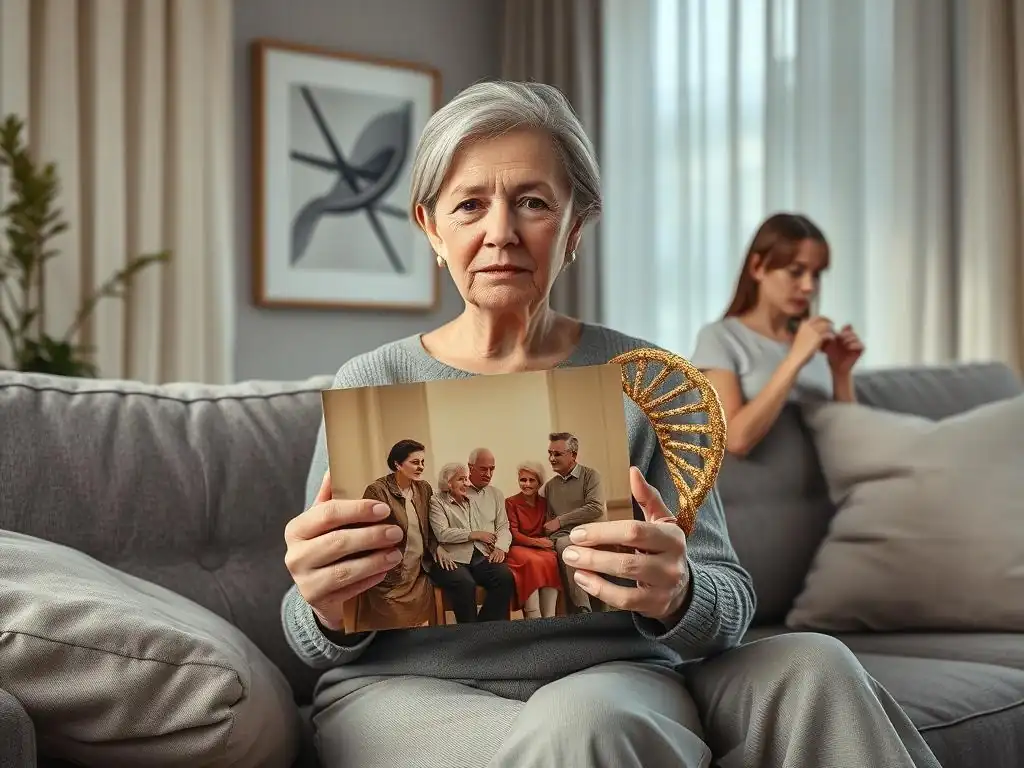
Ever wonder if your family history plays a role in your social anxiety? You're not alone. This article delves into the intricate connection between family history, social anxiety, and genetics, exploring how inherited predispositions might influence your experiences. Discover insights and resources to understand this complex relationship and empower your journey towards overcoming social anxiety. Let's unravel this together.
The Role of Family History and Genetics in Social Anxiety: A Mind Care Guide
Social Anxiety Disorder (SAD), also known as social phobia, is a common mental health condition characterized by intense fear or anxiety in social situations. This fear often stems from a worry about being judged, scrutinized, or humiliated by others. While many people experience nervousness before public speaking or meeting new people, SAD involves a level of distress that significantly interferes with daily functioning, relationships, and quality of life. It's more than just shyness; it's a persistent, overwhelming fear that can lead to avoidance of social interactions altogether.
Unlike temporary shyness, which doesn't typically disrupt life significantly, social anxiety disorder involves a profound and often disabling fear of social performance or interaction. Individuals with SAD may anticipate social situations with dread, experience physical symptoms like blushing, sweating, or trembling, and feel compelled to avoid such situations entirely. The core fear isn't necessarily being around people, but the evaluation or judgment they perceive from others.
- Understanding Social Anxiety Disorder (SAD)
- The Genetic Component of Social Anxiety: Is SAD Inherited?
- Family History as a Predictor of Social Anxiety
- The Interplay of Genetics and Environment in Social Anxiety
- Differentiating Genetic Predisposition from Familial Patterns of Social Anxiety
- Assessing Your Risk: Family History and Personal Predisposition to Social Anxiety
- Treatment Options for Social Anxiety: Addressing Genetic and Environmental Factors
- Supporting Loved Ones with Social Anxiety: Understanding the Genetic and Familial Implications
- Future Directions in Research: Unlocking the Genetic and Environmental Puzzle of Social Anxiety
-
Frequently Asked Questions
- How much does family history influence the development of social anxiety?
- Does having a parent with social anxiety guarantee I will also develop it?
- What specific genes are linked to social anxiety?
- Can understanding my family history help me manage my social anxiety?
- Are there environmental factors that can interact with genetics to cause social anxiety?
- Final Reflection: Unraveling the Threads of Anxiety
- Unlock Your Family's Story, Uncover Your Strength
Social anxiety disorder is defined by the Diagnostic and Statistical Manual of Mental Disorders (DSM-5) as a marked fear or anxiety about one or more social situations in which the individual is exposed to possible scrutiny by others. Examples include social interactions (e.g., having a conversation, meeting unfamiliar people), being observed (e.g., eating or drinking), and performing in front of others (e.g., giving a speech). This fear or anxiety is persistent, typically lasting for 6 months or more, and is out of proportion to the actual threat posed by the social situation.
The distress associated with social anxiety is significant enough to cause clinically significant impairment in social, occupational, or other important areas of functioning. For someone with SAD, the thought of attending a party or giving a presentation can trigger intense panic, leading to avoidance that limits opportunities for personal and professional growth. Understanding this distinction is crucial because it highlights the need for professional intervention, rather than simply advising someone to "just be more outgoing."
Social anxiety disorder is one of the most common mental health disorders globally. According to data compiled from various studies, the lifetime prevalence of SAD in the United States is estimated to be around 12-13%. This means that roughly one in eight people will experience social anxiety disorder at some point in their lives. The 12-month prevalence, representing cases active within a year, is typically cited as 7-8%.
Prevalence rates can vary slightly depending on the population studied and the diagnostic criteria used, but the consistent finding is that SAD affects millions of people. Research indicates that SAD often begins in early to mid-adolescence, around age 13, though it can start earlier in childhood or later in adulthood. It affects both men and women, though some studies suggest a slightly higher prevalence in females. These figures underscore the widespread impact of social anxiety and the importance of understanding its contributing factors, including family history social anxiety genetics.
The pervasive fear and avoidance associated with social anxiety disorder can severely limit an individual's life. Daily activities that many take for granted, such as attending school or work, shopping, using public transportation, or even eating in a restaurant, can become sources of intense dread and panic. This avoidance can lead to significant isolation, hindering the formation and maintenance of friendships and romantic relationships.
Beyond social isolation, SAD can negatively impact educational and career advancement. Fear of speaking up in class or participating in meetings can limit learning and professional growth. Economically, individuals with SAD may earn less than their peers without the disorder and have higher rates of unemployment. The chronic stress and impairment also increase the risk of developing other mental health conditions, such as depression, and can contribute to substance misuse as a coping mechanism. The ripple effects of social anxiety touch nearly every facet of life, making effective treatment and support essential.
Research strongly suggests that genetics play a significant role in an individual's susceptibility to developing social anxiety disorder. Heritability studies, particularly those involving twins and families, provide compelling evidence for a genetic contribution. Studies comparing identical twins (who share 100% of their genes) to fraternal twins (who share about 50% of their genes) have consistently shown that identical twins are more likely to both have SAD if one twin is affected, compared to fraternal twins.
Estimates from these studies suggest that the heritability of social anxiety disorder ranges from approximately 30% to 50%. This means that a substantial portion of the variation in people's vulnerability to SAD can be attributed to genetic factors inherited from parents. While this doesn't mean SAD is solely determined by genes, it indicates that a genetic predisposition significantly increases the risk. Understanding this heritability is key when considering family history social anxiety genetics.
While social anxiety is not caused by a single "social anxiety gene," researchers have identified several gene candidates that may contribute to the risk. These genes are often involved in regulating neurotransmitters, the brain's chemical messengers, which play a critical role in mood, fear, and anxiety responses. One frequently studied gene is SLC6A4, which is involved in the transport of serotonin, a neurotransmitter linked to mood and emotional regulation. Variations in this gene have been associated with increased vulnerability to anxiety and depression.
Other genes under investigation include those involved in the dopamine and glutamate systems, which are also crucial for brain circuits related to reward, motivation, fear learning, and stress response. For example, genes affecting the function of the amygdala, a brain region central to processing fear, are also potential candidates. It's important to understand that these genes likely exert small effects individually, and the complex interplay of multiple genes, rather than a single gene, contributes to the overall genetic risk for social anxiety.
Current genetic research on social anxiety utilizes advanced techniques like genome-wide association studies (GWAS) to scan the entire genome for genetic variations associated with the disorder. While GWAS have successfully identified genetic loci for other psychiatric conditions, findings for social anxiety disorder have been less robust so far, likely due to the complex nature of the disorder and the relatively smaller sample sizes in SAD studies compared to conditions like schizophrenia or depression.
Despite the challenges, ongoing research continues to refine our understanding of the genetic landscape of SAD. Studies are increasingly focusing on polygenic risk scores, which combine the effects of many genetic variants across the genome to estimate an individual's overall genetic predisposition. Furthermore, research is exploring how genetic factors might influence specific endophenotypes, or measurable components that lie between genes and the observed symptoms, such as heightened amygdala reactivity or specific cognitive biases related to social threat. This work is crucial for unraveling the intricate link between family history social anxiety genetics.
Beyond shared genes, growing up in a family environment where social anxiety or other anxiety disorders are present can significantly influence a child's risk of developing similar issues. The family environment shapes a child's early experiences with social interactions, their understanding of the world, and their coping mechanisms. For instance, a child raised in a family where parents are overly critical, highly controlling, or rarely engage in social activities outside the home may absorb these patterns and develop a heightened sense of anxiety about social situations.
Conversely, a family environment that encourages exploration, provides opportunities for positive social interactions, and models healthy coping strategies can act as a protective factor, even for a child with a genetic predisposition. The emotional climate within the family, the parents' own levels of anxiety, and their parenting styles all contribute to the environmental half of the equation in the development of social anxiety. This highlights why family history isn't just about genes; it's also about the shared experiences and learned behaviors within the home.
Children are keen observers, and they learn many behaviors and emotional responses by watching their parents and other family members. This concept, known as observational learning or modeling, plays a significant role in how social anxiety can be transmitted across generations within a family. If a parent exhibits fearful or avoidant behavior in social situations – for example, refusing invitations, showing visible distress when interacting with strangers, or constantly worrying about others' opinions – a child may learn to perceive social interactions as inherently threatening or dangerous.
A real-world example might involve a child whose parent consistently expresses extreme nervousness before public speaking or avoids social gatherings entirely. The child observes this behavior and the associated distress, internalizing the message that social situations are to be feared and avoided. Over time, this learned association can contribute to the development of their own social anxiety symptoms, even if they don't have a strong genetic predisposition. This mechanism is a crucial part of understanding how family history can predict social anxiety risk, distinct from purely genetic factors.
The specific dynamics and communication patterns within a family can also foster or exacerbate social anxiety. Families characterized by poor communication, high levels of conflict, or a lack of emotional expressiveness may inadvertently create an environment where a child feels unsafe or unsupported in exploring their emotions or social world. Conversely, families with overly protective or intrusive parenting styles might prevent a child from developing the independence and coping skills necessary to navigate social challenges, potentially leading to increased social anxiety when faced with novel situations.
Consider a family where open discussion of feelings is discouraged, or where criticism is common. A child in such an environment might learn to suppress their thoughts and feelings, fearing negative judgment, which can translate into difficulty expressing themselves in social settings outside the family. Furthermore, if parents are overly anxious themselves, they might inadvertently reinforce a child's anxious behaviors by being excessively cautious or preventing the child from engaging in age-appropriate social risks. These complex interactions between family dynamics, communication, and individual vulnerability are central to the familial patterns of social anxiety.

The development of social anxiety disorder is a classic example of the complex interplay between "nature" (genetics) and "nurture" (environment). It's rarely a case of one or the other; rather, genetic predispositions interact with environmental experiences to shape an individual's risk and the severity of their symptoms. A person might inherit a genetic vulnerability that makes them more sensitive to stress or more prone to fear responses. However, this genetic risk may only manifest as full-blown social anxiety if they are exposed to certain environmental triggers, such as negative social experiences, critical parenting, or traumatic events.
Conversely, someone without a strong genetic predisposition might still develop social anxiety if their environment is particularly challenging or lacking in supportive factors. The presence of family history social anxiety genetics doesn't guarantee a diagnosis, just as the absence of it doesn't guarantee immunity. Understanding this dynamic is crucial for both prevention and treatment, as it suggests that interventions should ideally address both biological vulnerabilities and environmental influences.
Gene-Environment Interactions: How Experiences Shape Genetic Predisposition
Gene-environment interaction refers to how specific genetic variations can influence an individual's sensitivity or response to particular environmental exposures. In the context of social anxiety, this means that having a certain genetic variant might make a person more likely to develop SAD only if they experience a specific type of environmental stressor, such as being bullied at school or growing up in a highly critical household. For instance, research has explored how variations in the SLC6A4 gene might interact with exposure to early life stress to predict later anxiety or depression.
This concept also includes gene-environment correlation, where an individual's genetic makeup influences the environments they are exposed to. For example, a child with a genetic tendency towards shyness might be less likely to seek out social situations, thus limiting opportunities to build social skills and reinforcing their social avoidance. This creates a cycle where genetic predisposition influences behavior, which in turn shapes the environment, further impacting the development of social anxiety. These interactions underscore the intricate relationship between family history social anxiety genetics and lived experience.
Epigenetics is a field of study that examines how environmental factors can influence gene expression – whether genes are turned "on" or "off" – without altering the underlying DNA sequence. These epigenetic changes can be influenced by experiences such as stress, trauma, nutrition, and social interactions, and they can sometimes be passed down through generations. In the context of social anxiety, epigenetic modifications could potentially explain how early life experiences, particularly within the family environment, might leave lasting marks on the genome that affect brain function and anxiety levels later in life.
For example, animal studies have shown that variations in maternal care can lead to epigenetic changes in offspring that affect their stress response and anxiety levels. While human research is more complex, preliminary studies suggest that similar mechanisms might be at play in humans, linking early adversity or specific family dynamics to altered gene expression patterns in brain regions involved in anxiety. Understanding these epigenetic processes adds another layer to the complex picture of how family history social anxiety genetics, and the environment interact to shape vulnerability.
Identifying specific genetic markers associated with social anxiety is a complex scientific endeavor. As mentioned earlier, research is ongoing and has pointed towards genes involved in neurotransmitter systems (like serotonin, dopamine, glutamate) and brain regions associated with fear processing (like the amygdala). Techniques such as GWAS and sequencing studies aim to pinpoint specific single nucleotide polymorphisms (SNPs) or other genetic variations that occur more frequently in individuals with SAD compared to those without it.
It's crucial to understand that even when a genetic marker is identified, it typically only confers a small increase in risk. Social anxiety is considered a polygenic trait, meaning that risk is influenced by the combined effect of many different genes, each contributing a tiny piece to the overall predisposition. Furthermore, these genetic markers are not deterministic; they indicate a vulnerability or susceptibility, not a guarantee that someone will develop the disorder. The presence of these markers in a family history social anxiety genetics analysis highlights potential biological vulnerabilities.
Beyond shared genes, recognizing familial patterns of behavior related to social anxiety involves observing how anxiety manifests and is managed within a family. This includes identifying if parents or other close relatives exhibit:
- Excessive shyness or social avoidance.
- High levels of worry about social situations or others' opinions.
- Critical or perfectionistic tendencies.
- Difficulty expressing emotions openly.
- Overprotective or controlling parenting styles.
- Modeling of fearful or avoidant responses to social challenges.
These behavioral patterns can be learned through observation and imitation, independent of genetic inheritance. For instance, a child might learn to avoid eye contact or speak softly in social situations by watching an anxious parent, even if the child doesn't inherit the same underlying genetic sensitivity to stress. Documenting these observable behaviors within a family history can provide crucial insights into the environmental contributions to social anxiety risk.
Discriminating Between Inherited Traits and Learned Responses
Distinguishing between inherited genetic traits and learned familial responses in social anxiety can be challenging, as they often overlap and influence each other. However, several clues can help differentiate them:
- Early onset and biological signs: If a child exhibits significant shyness, physiological hyperarousal (like blushing or trembling), and fear responses to social novelty from a very young age, even before significant exposure to modeling, this might suggest a stronger genetic predisposition.
- Consistency across environments: If social anxiety symptoms are present across various social contexts (school, peer interactions, family gatherings) and don't seem tied to specific family-modeled behaviors, it might point more towards an intrinsic, possibly genetic, vulnerability.
- Specific imitated behaviors: If a child specifically mimics the exact social avoidance strategies or fearful verbalizations of a parent, this strongly suggests learned behavior.
- Response to different interventions: Some individuals may respond more strongly to therapeutic approaches targeting learned behaviors and cognitive patterns (like CBT), while others might benefit more from treatments addressing biological sensitivities (like medication), though most benefit from a combination.
Ultimately, for any given individual, social anxiety is likely a product of both genetic and environmental factors. Understanding the nuances of family history social anxiety genetics involves considering both the biological inheritance and the psychosocial environment of the family.
Evaluating Your Family's History of Anxiety Disorders
Evaluating your family's history is a practical step in assessing your potential predisposition to social anxiety. This involves gathering information about whether your parents, grandparents, siblings, or other close blood relatives have been diagnosed with social anxiety disorder or other anxiety disorders, such as generalized anxiety disorder, panic disorder, or specific phobias. While a family history of any anxiety disorder can increase risk, a history of SAD specifically is a stronger indicator.
When evaluating your family history, consider:
- Which relatives experienced anxiety?
- What type of anxiety disorder, if any, were they diagnosed with?
- At what age did their symptoms begin?
- How severe was their anxiety, and how did it impact their lives?
- Did they receive treatment, and if so, what kind?
Gathering this information can provide valuable context regarding the potential genetic and environmental factors that might contribute to your own risk. A strong family history social anxiety genetics pattern warrants closer attention to your own potential vulnerabilities.
Beyond family history, several personal factors can increase your predisposition to social anxiety:
- Temperament: Inhibited temperament in childhood, characterized by shyness, fearfulness, and withdrawal in novel situations, is a known risk factor.
- Negative social experiences: Experiencing bullying, rejection, humiliation, or criticism in social settings, particularly during formative years, can significantly contribute to the development of SAD.
- Parenting styles: Overprotective, critical, or emotionally distant parenting can increase vulnerability.
- Lack of social skills: Deficits in social skills can lead to awkward or negative social interactions, reinforcing fear and avoidance.
- Other mental health conditions: The presence of other anxiety disorders, depression, or other mental health conditions can increase the likelihood of developing SAD.
Assessing your personal risk involves reflecting on these factors in your own life history. Understanding the interplay between your genetic background (indicated by family history social anxiety genetics) and your personal experiences provides a more complete picture of your individual vulnerability.
If you recognize potential risk factors based on your family history and personal experiences, and you find yourself experiencing significant fear or anxiety in social situations that interferes with your daily life, it is advisable to seek professional help. Mental health professionals, such as therapists, psychologists, or psychiatrists, can provide an accurate diagnosis and develop an appropriate treatment plan.
Signs that warrant seeking professional help include:
- Persistent and intense fear or anxiety in most social situations.
- Avoidance of social situations that limits your activities or relationships.
- Significant distress or physical symptoms (e.g., panic attacks) before or during social events.
- Worrying about social situations for days or weeks in advance.
- Believing you will be judged, criticized, or humiliated by others.
- Experiencing symptoms for at least six months.
- The anxiety is causing significant problems in your work, school, or social life.
Seeking help is a sign of strength, and effective treatments are available to manage social anxiety, regardless of its genetic or environmental origins.

Psychotherapy is a cornerstone of social anxiety treatment, and Cognitive Behavioral Therapy (CBT) is particularly effective. CBT helps individuals identify and challenge negative thought patterns and beliefs about social situations ("Everyone is watching me," "I'm going to say something stupid") and gradually expose themselves to feared social situations in a safe and controlled manner. This exposure helps to reduce anxiety over time and build confidence.
Other therapeutic approaches that can be beneficial include Acceptance and Commitment Therapy (ACT), which helps individuals accept anxious feelings while committing to value-driven actions, and Social Skills Training, which teaches specific skills for navigating social interactions more effectively. Group therapy for social anxiety can also be powerful, providing a supportive environment to practice social skills and realize that others share similar fears. These therapies address the learned components and cognitive aspects influenced by both environment and potentially gene-environment interactions.
For individuals with moderate to severe social anxiety, medication may be recommended, often in combination with psychotherapy. Medications primarily address the biological components of anxiety, which can be influenced by genetic predisposition. Selective Serotonin Reuptake Inhibitors (SSRIs) and Serotonin-Norepinephrine Reuptake Inhibitors (SNRIs) are commonly prescribed antidepressants that are also effective in reducing social anxiety symptoms by affecting neurotransmitter levels in the brain.
Beta-blockers may be used to manage physical symptoms like trembling or rapid heartbeat in specific performance situations, although they are not typically used for generalized social anxiety. While medication can provide significant relief from symptoms, it does not typically address the underlying learned behaviors or cognitive patterns. Therefore, a combined approach of medication and therapy is often the most effective strategy, addressing both the potential genetic/biological vulnerabilities and the environmental/learned aspects related to family history social anxiety genetics.
Implementing certain lifestyle changes can significantly complement professional treatment for social anxiety. Regular physical exercise has been shown to reduce anxiety levels by releasing endorphins and reducing stress hormones. Aiming for at least 30 minutes of moderate-intensity exercise most days of the week can be beneficial.
Mindfulness and meditation practices can also help individuals become more aware of their thoughts and feelings without judgment, reducing rumination and anxiety about social situations. Techniques like deep breathing exercises and progressive muscle relaxation can help manage acute anxiety symptoms in the moment. Additionally, ensuring adequate sleep and maintaining a balanced diet support overall mental well-being. These lifestyle adjustments empower individuals to manage their anxiety daily, working alongside therapeutic and pharmacological interventions to address the multifaceted nature of social anxiety, influenced by both family history social anxiety genetics and personal habits.
Supporting a loved one with social anxiety disorder begins with empathy and understanding. Recognize that their fear is real and not simply "being difficult" or "shy." Learn about social anxiety, including the potential roles of family history social anxiety genetics and environmental factors, to better appreciate the challenges they face. Avoid minimizing their feelings or pressuring them into situations they are not ready for, which can increase their anxiety and distress.
Instead, offer patience, validation, and reassurance. Let them know you are there for them and that their feelings are valid. Encourage small steps towards facing fears rather than demanding sudden changes. Understanding that their struggle may stem partly from factors beyond their immediate control, like genetic predisposition or early family environment, can foster greater compassion and a more effective approach to support.
Encouraging Professional Help: Breaking the Stigma
One of the most impactful ways to support a loved one is to gently encourage them to seek professional help. Social anxiety is treatable, but many individuals delay seeking help due to fear, shame, or a belief that they should be able to overcome it on their own. Help them understand that seeking therapy or medication is a sign of strength and a proactive step towards improving their quality of life.
Offer to help them research therapists or doctors who specialize in anxiety disorders. You might even offer to accompany them to an initial appointment if they feel comfortable with that support. By normalizing the idea of seeking mental health care and challenging the stigma associated with it, you can help your loved one access the resources they need to manage their social anxiety effectively, addressing both the biological and environmental roots linked to family history social anxiety genetics.
For individuals living with social anxiety, the family environment can be a powerful source of support or an inadvertent trigger. Creating a supportive environment involves:
- Open Communication: Encourage open, non-judgmental communication about feelings and challenges.
- Reducing Criticism: Minimize criticism and foster an atmosphere of acceptance and encouragement.
- Modeling Healthy Coping: Demonstrate healthy ways to manage stress and anxiety.
- Gradual Exposure Support: Support gradual exposure to feared situations, celebrating small victories without pressure.
- Respecting Boundaries: Respect their limits and need for downtime, while gently encouraging movement outside their comfort zone.
- Educating the Family: Ensure all family members understand social anxiety and how their interactions can help or hinder.
By fostering a nurturing and understanding home environment, families can significantly contribute to managing social anxiety, providing a crucial environmental buffer that complements professional treatment and helps mitigate the influence of genetic predispositions.
The field of genetic research in social anxiety is continuously advancing. Future research will likely involve larger, international collaborations to achieve the sample sizes needed for more powerful genome-wide studies. These studies aim to identify additional genetic variants associated with SAD and to understand how these variants interact with each other.
Beyond identifying individual genes, researchers are increasingly focusing on understanding the complex genetic architecture of SAD, including the role of rare genetic variants and structural variations in DNA. Advances in technology, such as whole-genome sequencing, will provide a more complete picture of an individual's genetic makeup. Furthermore, integrating genetic data with neuroimaging data and environmental exposure data is a key future direction to build a more comprehensive model of social anxiety risk rooted in family history social anxiety genetics.
Developing Personalized Treatments Based on Genetic Profiles
A long-term goal of genetic research in social anxiety is the development of personalized or precision medicine approaches. If specific genetic profiles can be linked to different subtypes of social anxiety or to differential responses to treatment (either therapy or medication), clinicians could potentially use this information to tailor interventions for individual patients. For example, understanding how a person's genetic makeup influences their neurotransmitter systems might help predict whether they are more likely to respond to a particular type of antidepressant.
While personalized treatment based purely on genetic profiles is not yet a reality for social anxiety, ongoing research is laying the groundwork. Identifying genetic markers associated with treatment response or vulnerability to specific environmental triggers could revolutionize how SAD is diagnosed and managed, moving towards more effective, individualized care that considers the unique blend of family history social anxiety genetics and personal experiences.
Continued research into the genetic, environmental, and neurobiological factors contributing to social anxiety disorder is critically important. Despite significant progress, many questions remain about why some individuals develop SAD while others with similar risk factors do not, and why treatments are highly effective for some but less so for others.
Future research needs to continue exploring the intricate gene-environment interactions, the role of epigenetics, and how genetic predispositions influence brain function and behavior from early development. By unraveling these complex pathways, researchers can pave the way for more accurate risk prediction, earlier intervention strategies, more effective and personalized treatments, and ultimately, better outcomes for individuals affected by social anxiety disorder. A deeper understanding of family history social anxiety genetics is a vital piece of this ongoing scientific puzzle.
Frequently Asked Questions
Family history plays a significant role. Individuals with a family history of anxiety disorders, including social anxiety, have a higher risk of developing the condition themselves, suggesting a genetic predisposition.
No, it doesn't guarantee it. While genetics increase susceptibility, it's not a certainty. Environmental factors and personal experiences also contribute to the development of social anxiety.
There isn't a single "social anxiety gene." Research suggests that multiple genes, each with a small effect, are likely involved. These genes often relate to neurotransmitter function and brain structure.
Yes, knowing your family history can be beneficial. It can help you identify your risk and be proactive with early intervention strategies like therapy or lifestyle changes.
Absolutely. Early childhood experiences, traumatic events, and learned behaviors within the family environment can all interact with genetic vulnerabilities to increase the likelihood of developing social anxiety.
Final Reflection: Unraveling the Threads of Anxiety
The intricate interplay between family history, genetics, and social anxiety is not merely an academic pursuit; it's a crucial understanding for fostering empathy, developing effective treatments, and ultimately, breaking the cycle of inherited anxieties. The research presented highlights the significant heritability of social anxiety, emphasizing that we are not solely products of our environment, but also inherit predispositions that shape our experiences. This understanding is paramount in our current climate, where mental health awareness is finally gaining the traction it deserves.
The exploration of this topic has profoundly impacted my own understanding of mental health, shifting my perspective from a purely individualistic model to one that acknowledges the powerful influence of inherited traits. The family is the first and most important environment for the development of the child's personality.
This quote underscores the lasting impact of familial experiences and genetic predispositions on the development of social anxiety. Understanding this complex interaction allows for a more nuanced approach to prevention and treatment, moving beyond simplistic solutions and embracing a holistic perspective.
Consider, for a moment, the weight of inherited anxieties. How might acknowledging the potential influence of your family history inform your own self-care strategies? Perhaps it's time to engage in open conversations with family members, seek professional guidance, or simply cultivate self-compassion in the face of challenges. You are not alone in this journey, and understanding the roots of your anxieties can be the first step towards building a more resilient and fulfilling life. Embrace this knowledge, and let it empower you to navigate the complexities of social anxiety with greater awareness and strength.
Unlock Your Family's Story, Uncover Your Strength
Thanks for taking the time to explore the fascinating connection between family history, genetics, and social anxiety with us! We hope you gained valuable insights into understanding your own experiences. Ready to take the next step?
- Begin your personal family history exploration: Start charting key details about social anxiety within your family – it might reveal surprising patterns. Even small details can be significant!
- Share your thoughts and experiences: Join the conversation in the comments below – your insights can help others and spark further discussion. Let's build a supportive community!
- Consider exploring additional resources: Research support groups or mental health professionals specializing in anxiety to discover personalized strategies for managing your own social anxiety.
What unique family dynamic or genetic trait do you believe might be linked to your social anxiety experience?