
Mindfulness for GAD: Reducing Symptoms Through Present Moment Awareness

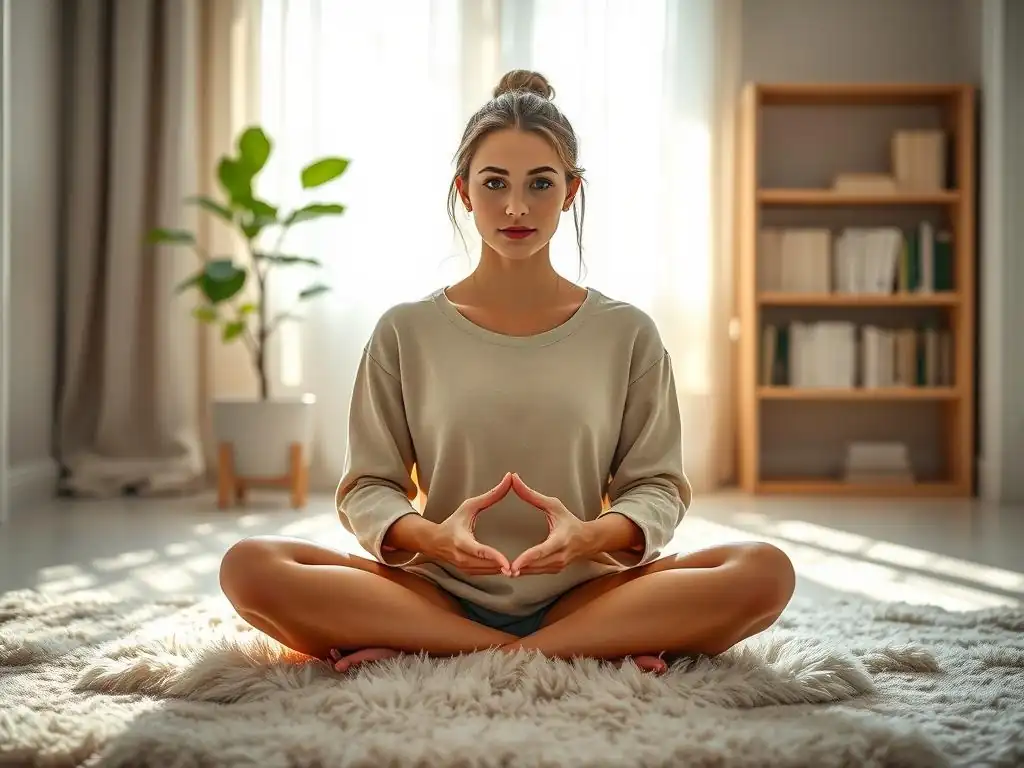
Welcome to Mind Care Guide, a haven dedicated to nurturing your mental well-being. Feeling overwhelmed by anxiety? You're not alone. This week, we delve into a powerful tool that can help: Mindfulness. Discover how mindfulness reduces anxiety symptoms, offering a path towards calmer waters amidst the storm. Curious to learn how focusing on the present moment can ease your worries? Let's explore together...
Mindfulness for GAD: Reducing Symptoms Through Present Moment Awareness - Mind Care Guide
- Understanding Generalized Anxiety Disorder (GAD) and Its Impact
- Introduction to Mindfulness and Anxiety Relief
- Mindfulness Techniques for Managing GAD
- Integrating Mindfulness into Your Daily Routine for Lasting Anxiety Relief
- Mindfulness vs. Traditional GAD Treatments: A Comparison
- Real-Life Examples: Mindfulness Success Stories for GAD
- Mindfulness Apps and Resources for GAD Support
- Potential Challenges and Considerations When Using Mindfulness for GAD
- Long-Term Benefits of Mindfulness for Anxiety and Overall Well-being
- Conclusion: Embracing Mindfulness for a Calmer, More Present Life with GAD
-
Frequently Asked Questions
- How does mindfulness specifically help with Generalized Anxiety Disorder (GAD)?
- What are some practical mindfulness exercises I can start doing today to reduce anxiety symptoms?
- How often should I practice mindfulness to see a noticeable reduction in anxiety symptoms related to GAD?
- Is mindfulness a replacement for traditional treatments like therapy or medication for GAD?
- Where can I find reliable resources and support for learning more about mindfulness and GAD?
- Final Reflection: Cultivating Calm in a Chaotic World
- Unleash Your Inner Calm: Start Practicing Mindfulness Today
Understanding Generalized Anxiety Disorder (GAD) and Its Impact
Defining Generalized Anxiety Disorder (GAD): Symptoms and Diagnosis
Generalized Anxiety Disorder (GAD) is characterized by excessive anxiety and worry about a variety of events or activities, such as work, school, social interactions, or health. This worry is often disproportionate to the actual likelihood or impact of the feared event.
Individuals with GAD find it difficult to control their worry, and it is typically associated with at least three physical or cognitive symptoms, including restlessness or feeling on edge, being easily fatigued, difficulty concentrating or mind blankness, irritability, muscle tension, and sleep disturbance. These symptoms must be present for at least six months and cause clinically significant distress or impairment in social, occupational, or other important areas of functioning for a diagnosis to be made according to diagnostic criteria like those in the DSM-5.
The diagnosis of GAD is made by a qualified mental health professional after a thorough assessment of symptoms, medical history, and ruling out other conditions that could be causing the anxiety. While worry is a normal human experience, in GAD, it is persistent, excessive, and intrusive, significantly interfering with daily life.
The pervasive nature of this worry distinguishes GAD from other anxiety disorders, which may be tied to specific fears (phobias) or situations (social anxiety disorder). Understanding the specific pattern of symptoms and their duration is crucial for accurate diagnosis and developing an effective treatment plan, which may include strategies like mindfulness reduce anxiety symptoms.
The Pervasive Effects of GAD on Daily Life
The constant state of worry and physical tension characteristic of GAD can have profound and widespread effects on nearly every aspect of a person's life. Academically or professionally, difficulty concentrating and fatigue can impair performance and productivity. Socially, excessive worry about interactions or potential negative outcomes can lead to avoidance or strained relationships.
The physical symptoms, such as chronic muscle tension or sleep problems, can also take a toll on physical health, sometimes leading to headaches, digestive issues, or exacerbating existing health conditions. The emotional burden is significant, often accompanied by feelings of hopelessness, frustration, and a reduced quality of life.
Furthermore, the unpredictable nature of the worry in GAD means that individuals may constantly feel unprepared for potential threats, even when none are apparent. This hypervigilance can be exhausting and make it difficult to relax or enjoy leisure activities. The pervasive impact underscores the need for effective strategies to manage GAD symptoms. While traditional treatments like therapy and medication are common, complementary approaches such as mindfulness reduce anxiety symptoms by helping individuals relate differently to their thoughts and physical sensations.
Introduction to Mindfulness and Anxiety Relief
What is Mindfulness? A Beginner's Guide
Mindfulness is the practice of intentionally bringing one's attention to the present moment without judgment. It involves observing thoughts, feelings, bodily sensations, and the surrounding environment as they arise, simply noticing them without getting carried away by them or trying to change them. It's about cultivating a state of active, open attention on the present. This practice originates from ancient contemplative traditions but has been adapted into secular forms for use in clinical and therapeutic settings.
At its core, mindfulness is about awareness – being awake and present in your life. It’s not about emptying your mind or achieving a state of blissful calm, although these can sometimes be byproducts. Instead, it’s about developing a greater understanding of your internal and external experiences from moment to moment. For beginners, this often starts with simple exercises focusing on the breath or body, gradually expanding to notice the rich tapestry of sensations, thoughts, and emotions that constantly flow through us. This cultivated awareness is a key tool in learning how mindfulness reduce anxiety symptoms.
How Mindfulness Can Help Reduce Anxiety Symptoms: The Science Behind It
The practice of mindfulness addresses anxiety through several interconnected mechanisms grounded in neuroscience and psychology. One primary way is by interrupting the cycle of worry that fuels GAD. Anxiety often involves dwelling on past events or anticipating future problems. Mindfulness anchors attention in the present, shifting focus away from these anxious thought loops. By observing thoughts without judgment, individuals can learn to recognize anxious thoughts as temporary mental events rather than absolute truths, reducing their power.
Research into the effects of mindfulness on the brain shows changes in areas associated with anxiety and emotional regulation. Studies using fMRI scans have indicated that regular mindfulness practice can lead to decreased activity in the amygdala, the brain's fear center, and increased activity in the prefrontal cortex, which is involved in executive function, planning, and emotional regulation. For example, some research suggests that after just 8 weeks of consistent practice, changes in brain structure and function can be observed.
Furthermore, mindfulness helps cultivate greater tolerance for uncomfortable physical sensations often linked to anxiety (like a racing heart or muscle tension), reducing the fear associated with these bodily signals. This ability to observe and tolerate discomfort is a core reason why mindfulness reduce anxiety symptoms effectively for many.
Mindfulness Techniques for Managing GAD
Focused Attention Meditation for Anxiety Reduction
Focused Attention Meditation involves directing your attention to a single object, such as your breath, a mantra, or a candle flame. When your mind inevitably wanders – which it will – the practice is simply to notice where your attention has gone and gently guide it back to your chosen object. This repeated process of noticing distraction and returning focus builds the "muscle" of attention and concentration. For someone with GAD, whose mind is often hijacked by anxious thoughts, this practice provides a structured way to gently disengage from worry and train the mind to stay present.
Engaging in focused attention meditation for even just 5-10 minutes daily can begin to shift habitual patterns of worry. By consistently practicing bringing your attention back to a neutral anchor like the breath, you learn that you have some agency over where your mind goes. You develop the capacity to observe anxious thoughts arise without getting immediately swept away by them. This skill is particularly valuable when trying to manage intrusive worries, helping to reduce the intensity and duration of anxious episodes. This is a fundamental way focused mindfulness reduce anxiety symptoms.
Body Scan Meditation: Cultivating Awareness and Reducing Tension
Body Scan Meditation involves systematically bringing awareness to different parts of the body, typically starting from the toes and moving up to the head. The goal is to notice any sensations present in each area – tingling, warmth, coolness, tension, absence of sensation – without trying to change them. This practice helps individuals become more attuned to their physical bodies and the subtle ways anxiety manifests physically, such as clenched jaw, tight shoulders, or stomach discomfort.
For individuals with GAD, who often carry significant physical tension, the body scan can be particularly beneficial. It not only helps to identify areas of tension but also provides an opportunity to consciously release some of that tension.
By paying non-judgmental attention to bodily sensations, you develop a greater tolerance for physical discomfort associated with anxiety, reducing the fear of these sensations. Practicing body scan meditation regularly, even for 15-20 minutes a few times a week, can increase interoceptive awareness (awareness of internal bodily states) and provide a tool for grounding yourself when feeling overwhelmed by worry, significantly helping mindfulness reduce anxiety symptoms tied to physical discomfort.
Mindful Breathing Exercises to Calm Anxiety
Mindful breathing is perhaps one of the most accessible and immediate mindfulness techniques for managing acute anxiety. It involves simply paying attention to the sensation of the breath as it enters and leaves the body. This can be focusing on the feeling of air moving through the nostrils, the rise and fall of the abdomen or chest, or the temperature difference between inhale and exhale. There's no need to change the breath; the practice is just to observe it.
When anxiety escalates, the breath often becomes rapid and shallow. Mindful breathing provides a direct way to interrupt this physiological response. By gently bringing attention to the breath, you can naturally slow it down and deepen it, which activates the body's relaxation response via the vagus nerve. Even a few minutes of focused, mindful breathing can help to calm the nervous system and create a sense of groundedness in moments of intense worry or panic. This simple yet powerful technique is a core component in how mindfulness reduce anxiety symptoms in the moment.
Walking Meditation: Finding Peace in Movement

Walking meditation integrates mindful awareness into the physical act of walking. Instead of focusing solely on the destination, the attention is placed on the process of walking itself – the sensation of the feet touching the ground, the movement of the legs, the swing of the arms, and the rhythm of the breath. This can be practiced indoors or outdoors, in a short loop or over a longer distance.
This technique is particularly helpful for individuals who find sitting meditation challenging or who experience restlessness as a symptom of their GAD. Walking meditation provides a dynamic way to practice presence, grounding you in the physical sensations of movement and the immediate environment. It can help to release pent-up energy and tension that often accompanies anxiety. By focusing on the physical experience of walking, the mind has less opportunity to ruminate on worries, making it a practical way mindfulness reduce anxiety symptoms while staying active.
RAIN Technique: Responding to Difficult Emotions with Mindfulness
The RAIN technique is a powerful tool for working with difficult emotions, including the intense worry and fear associated with GAD. RAIN is an acronym that stands for:
- Recognize: Acknowledge what is happening. Notice the emotion, thought, or sensation present.
- Allow: Let the experience be there. Don't try to push it away or immediately fix it. Create space for it.
- Investigate: Gently inquire into the experience with curiosity. What does it feel like in the body? What thoughts are associated with it?
- Nurture: Offer kindness and compassion to yourself in the face of this difficulty. What do you need right now?
This technique moves beyond simple observation to actively engaging with difficult internal experiences in a compassionate way. For someone caught in a cycle of worry, RAIN provides a step-by-step process to approach the anxiety rather than being overwhelmed by it. By recognizing the worry, allowing it to be present without resistance, investigating its nature with curiosity, and offering self-compassion, individuals can learn to navigate anxious episodes with greater ease and less reactivity. This process helps to significantly reduce the distress caused by anxiety, illustrating another facet of how mindfulness reduce anxiety symptoms by changing the relationship with them.
Integrating Mindfulness into Your Daily Routine for Lasting Anxiety Relief
Creating a Mindfulness Practice Schedule
Establishing a regular mindfulness practice is key to experiencing its lasting benefits for GAD. Consistency is often more important than duration when starting out. Begin with short, manageable sessions, perhaps 5-10 minutes daily. Find a time and place where you are unlikely to be interrupted. This could be first thing in the morning, during a lunch break, or before bed. Think of it like scheduling any other important appointment – block out the time in your calendar if necessary.
Gradually increase the duration of your practice as you become more comfortable. Aim for 15-20 minutes of formal meditation (like focused attention or body scan) most days of the week, alongside incorporating informal mindfulness throughout your day. Don't get discouraged by missed sessions; simply acknowledge it and recommit to your next scheduled practice. Building this routine strengthens the mental muscles needed for mindfulness reduce anxiety symptoms over time by making present moment awareness a more natural state.
Mindful Activities for Everyday Life: Eating, Walking, and Working
Mindfulness isn't confined to formal meditation sessions; it can be woven into everyday activities. Mindful eating involves paying attention to the process of eating – noticing the colors, textures, smells, and tastes of the food, chewing slowly, and being aware of hunger and fullness cues. Mindful walking, as mentioned earlier, focuses on the physical sensations of movement. Mindful working involves bringing focused attention to the task at hand, minimizing distractions, and noticing physical sensations or thoughts that arise without judgment.
- [ ] Practice mindful eating during one meal today.
- [ ] Take a 5-minute mindful walk during a break.
- [ ] Dedicate 10 minutes to working on a single task mindfully, without multitasking.
These informal practices reinforce the skills learned in formal meditation and help maintain a state of presence throughout the day. By bringing mindfulness to routine activities, you create more opportunities to step out of anxious thought patterns and ground yourself in the present moment, further helping mindfulness reduce anxiety symptoms in various contexts.
Overcoming Challenges in Your Mindfulness Practice: Tips and Tricks
Starting and maintaining a mindfulness practice can present challenges, especially for individuals with GAD whose minds are prone to distraction and self-criticism. It's common to feel frustrated when the mind wanders constantly or when difficult emotions arise during practice. Remember that a wandering mind is not a sign of failure; it's simply what minds do. The practice is in gently noticing and returning.
Tips for overcoming challenges include starting small, being patient and compassionate with yourself, and viewing distractions or difficult experiences during meditation as opportunities for practice, not obstacles. If sitting still is difficult, try walking meditation or mindful movement. If negative self-talk arises ("I'm not doing this right"), apply the RAIN technique to those thoughts. Joining a mindfulness group or working with a qualified instructor can also provide support and guidance. Persistence and self-compassion are key to allowing mindfulness reduce anxiety symptoms effectively.
Mindfulness vs. Traditional GAD Treatments: A Comparison
Exploring Traditional Treatments for GAD: Therapy and Medication
Traditional treatments for Generalized Anxiety Disorder primarily include psychotherapy and medication. Cognitive Behavioral Therapy (CBT) is a widely effective form of therapy that helps individuals identify and challenge negative thought patterns and behaviors contributing to anxiety. Exposure therapy might also be used to gradually confront feared situations or thoughts. Other therapeutic approaches like Acceptance and Commitment Therapy (ACT) or psychodynamic therapy are also utilized.
Medication options for GAD typically include selective serotonin reuptake inhibitors (SSRIs), serotonin-norepinephrine reuptake inhibitors (SNRIs), or sometimes benzodiazepines for short-term relief of acute symptoms. These medications work by affecting neurotransmitter levels in the brain to regulate mood and anxiety. Both therapy and medication have demonstrated efficacy in clinical trials, with many individuals experiencing significant reduction in GAD symptoms through these traditional routes.
The Complementary Role of Mindfulness in GAD Treatment
Mindfulness is increasingly recognized as a valuable complementary approach to traditional GAD treatments. It is not typically presented as a replacement for therapy or medication, especially for severe GAD, but rather as an adjunct that can enhance their effectiveness. Mindfulness-Based Stress Reduction (MBSR) and Mindfulness-Based Cognitive Therapy (MBCT) are structured programs that integrate mindfulness practices with therapeutic principles.
Integrating mindfulness into a treatment plan can help individuals develop skills that complement what they learn in therapy, such as improved emotional regulation and a less reactive relationship with anxious thoughts. While medication can help regulate brain chemistry, mindfulness provides tools for managing the experience of anxiety in the moment. For example, a person might use mindful breathing to calm down during an anxious episode, a skill not directly taught by medication. This combined approach leverages the strengths of different modalities, allowing mindfulness reduce anxiety symptoms alongside other established interventions.
Comparison of Mindfulness and Cognitive Behavioral Therapy (CBT) for GAD
Both mindfulness and CBT are effective in helping individuals manage GAD, but they approach anxiety from different angles. CBT primarily focuses on identifying and modifying the content of anxious thoughts and challenging underlying beliefs. It teaches specific coping strategies and problem-solving skills. For example, CBT might teach you to evaluate the evidence for your worry ("Is it really likely that worst-case scenario will happen? ").
Mindfulness, on the other hand, focuses more on changing the relationship to thoughts and feelings, rather than directly changing their content. It teaches you to observe thoughts and emotions without judgment, recognizing them as transient mental events. While CBT might ask "Is this thought true? ", mindfulness asks "Can I be present with this thought and the feeling it brings without getting carried away?".
Research suggests that both approaches can significantly reduce anxiety symptoms. Some studies indicate that MBCT, which combines elements of both, can be particularly effective in preventing relapse for individuals with recurrent depression and anxiety. Both methods contribute to strategies that mindfulness reduce anxiety symptoms, often with greater benefit when used together.
Real-Life Examples: Mindfulness Success Stories for GAD
Sarah, a 35-year-old marketing manager, struggled with GAD that heavily impacted her social interactions. She constantly worried about saying the wrong thing, being judged, or appearing anxious in front of others, making networking events and team meetings incredibly stressful. This worry often led to avoidance behaviors. After several months of practicing mindful breathing and body scan meditation for 15 minutes daily, Sarah noticed a subtle but significant shift.
During a large team presentation, instead of being completely overwhelmed by her racing heart and catastrophic thoughts, she remembered to pause and take a few mindful breaths, grounding herself in the physical sensation of her feet on the floor. She also practiced noticing her anxious thoughts ("They think I'm incompetent") without immediately believing them or letting them spiral.
While she still felt some anxiety, the intensity was reduced, and she was able to deliver her presentation effectively. This experience wasn't about eliminating anxiety but about learning to function despite it, demonstrating how mindfulness reduce anxiety symptoms by building tolerance and non-reactivity.
Case Study 2: Reducing Worry and Rumination Through Mindfulness
Mark, a 50-year-old accountant, spent hours each day ruminating about finances, health, and potential future problems, a core symptom of his GAD. This constant mental chatter left him exhausted and irritable. He started attending a local MBSR course, which involved daily formal meditation practice and mindful movement. A key practice for Mark was focused attention meditation, using his breath as the anchor.
Initially, he found his mind was constantly jumping to worries. However, with consistent practice over the 8-week course and beyond, he developed the ability to recognize when his mind was caught in a worry loop. Instead of getting swept away, he learned to gently redirect his attention back to his breath or the present moment.
He reported that while the worries still arose, he spent significantly less time dwelling on them – perhaps 30 minutes a day instead of several hours. This reduction in rumination is a direct result of training the mind to disengage from anxious thoughts, showing how mindfulness reduce anxiety symptoms like excessive worry.
Case Study 3: Improved Sleep Quality with Mindful Meditation
Emily, a 28-year-old teacher with GAD, suffered from chronic insomnia, often lying awake for hours worrying about the next day or replaying past events. Her lack of sleep exacerbated her anxiety symptoms during the day. She incorporated a 20-minute body scan or guided sleep meditation into her nightly routine.
By focusing on her body sensations and allowing thoughts to pass without engaging with them, Emily found it easier to relax and fall asleep. She learned to recognize the physical tension she held in her body and practice releasing it mindfully. After about a month, she noticed she was falling asleep faster and experiencing fewer nighttime awakenings. While not a cure-all, this improvement in sleep quality had a positive ripple effect on her overall anxiety levels during the day, illustrating how mindfulness reduce anxiety symptoms indirectly by addressing related issues like insomnia.
Mindfulness Apps and Resources for GAD Support
Top Mindfulness Apps for Anxiety Management
Numerous mobile applications offer guided meditations, breathing exercises, and mindfulness programs that can be invaluable tools for individuals seeking to use mindfulness reduce anxiety symptoms. Apps like Calm, Headspace, Insight Timer, and Ten Percent Happier provide extensive libraries of content suitable for beginners and experienced practitioners alike.
Calm and Headspace offer structured courses on topics such as stress, anxiety, and sleep, often with daily guided meditations. Insight Timer boasts a vast free library of guided meditations contributed by various teachers, along with timers for unguided practice. Ten Percent Happier provides meditations and practical wisdom from experts, specifically aimed at skeptics or those new to the practice. These apps make it easier to access guided practices anytime, anywhere, supporting consistent engagement with mindfulness techniques.
Online Mindfulness Courses and Guided Meditations
Beyond apps, a wealth of online resources provides more in-depth mindfulness training. Websites like Palouse Mindfulness offer free, comprehensive online MBSR courses. Platforms like Coursera and edX host university-level courses on mindfulness and its applications. Many individual mindfulness teachers and centers also offer online guided meditations, workshops, and programs.
These online courses often provide a more structured and educational experience than standalone app use, covering the principles behind mindfulness and offering a progressive path through various practices. They can be particularly helpful for individuals who prefer a more formal learning environment or who do not have access to in-person mindfulness programs. Engaging with these resources can deepen understanding and practice, enhancing the ability of mindfulness reduce anxiety symptoms effectively.
Recommended Reading: Books on Mindfulness and Anxiety
For those who prefer learning through reading, many excellent books explore mindfulness and its application to anxiety. Titles such as "Full Catastrophe Living" by Jon Kabat-Zinn (the foundational text for MBSR), "Mindfulness: An Eight-Week Plan for Finding Peace in a Frantic World" by Mark Williams and Danny Penman, and "The Mindful Way Through Anxiety" by Susan M. Orsillo and Lizabeth Roemer offer practical guidance and theoretical background.
These books often include written explanations of practices, scientific context, and personal stories, providing a comprehensive resource for developing a mindfulness practice. Reading can complement hands-on practice by providing context and motivation, reinforcing the understanding of how mindfulness reduce anxiety symptoms and improve overall well-being.
Potential Challenges and Considerations When Using Mindfulness for GAD
Is Mindfulness Suitable for Everyone with GAD?
While mindfulness can be highly beneficial for many individuals with GAD, it is not a one-size-fits-all solution and may not be suitable for everyone or every situation. For some individuals, particularly those with severe trauma histories or active panic attacks, initially sitting with intense internal experiences without judgment can be overwhelming or even destabilizing. In such cases, starting mindfulness practice under the guidance of a trauma-informed therapist or mindfulness instructor is crucial.
It's also important to manage expectations. Mindfulness is a practice, not a quick fix. It requires patience and consistency. Individuals looking for immediate relief or who are resistant to self-exploration may find it challenging. For a smaller percentage of people, focusing inward can, in some instances, temporarily heighten anxiety before it decreases. Therefore, exploring mindfulness should ideally be done with awareness of potential difficulties and, if necessary, with professional support.
Addressing Common Misconceptions About Mindfulness
Several misconceptions can hinder someone from trying or sticking with mindfulness. One common myth is that mindfulness is about emptying the mind or stopping thoughts. This is inaccurate; the goal is to notice thoughts without getting caught up in them. Another misconception is that it requires hours of practice daily; even short, consistent sessions can yield benefits. Some believe mindfulness is a religious practice, but secular mindfulness is widely taught and practiced independently of any religion.
Others might think that mindfulness means becoming passive or accepting difficult situations without trying to change them. In reality, mindfulness helps you respond to challenges more skillfully and intentionally, rather than reacting impulsively out of anxiety. Addressing these misconceptions is vital for individuals to approach mindfulness with a realistic understanding of what it is and how it can genuinely help mindfulness reduce anxiety symptoms without adding unnecessary pressure or confusion.
When to Seek Professional Guidance for GAD
Mindfulness can be a powerful tool, but it should not replace professional treatment for GAD, especially for moderate to severe cases. If your anxiety symptoms are significantly impairing your daily life, causing severe distress, or if you are experiencing suicidal thoughts, it is essential to seek help from a qualified mental health professional immediately.
A therapist or psychiatrist can provide a comprehensive diagnosis and develop a tailored treatment plan that may include therapy, medication, and complementary strategies like mindfulness. They can also help you integrate mindfulness safely into your overall treatment plan and guide you through any difficulties that arise during your practice. Mindfulness is best viewed as a valuable component of a broader approach to managing GAD, working in conjunction with professional support to most effectively mindfulness reduce anxiety symptoms and improve long-term well-being.
Long-Term Benefits of Mindfulness for Anxiety and Overall Well-being
Sustained Reduction of Anxiety Symptoms Through Mindfulness
Regular and consistent mindfulness practice has been shown to lead to a sustained reduction in GAD symptoms over time. While initial benefits might be subtle, continued practice builds resilience and changes how the brain processes stress and anxiety. Studies tracking individuals who complete mindfulness programs often find that reductions in anxiety levels are maintained months after the program ends, particularly if a regular practice is continued.
This long-term benefit comes from developing a fundamental shift in one's relationship with anxious thoughts and feelings. Instead of being constantly battled against or avoided, they are met with greater awareness and acceptance. This reduces the secondary suffering caused by the fear of anxiety itself. The skills learned – like present moment awareness, non-judgment, and emotional regulation – become integrated into daily life, allowing mindfulness reduce anxiety symptoms not just acutely, but as a sustained outcome.
Improved Emotional Regulation and Resilience
Mindfulness practice significantly enhances emotional regulation skills. By observing emotions without immediate reaction, individuals learn to tolerate uncomfortable feelings and choose how to respond rather than being driven by them. This is particularly crucial for GAD, where intense worry can trigger overwhelming emotional responses.
Developing this capacity for emotional regulation builds psychological resilience – the ability to bounce back from stress and adversity. When faced with challenging situations that might typically trigger intense anxiety, a mindful individual is better equipped to navigate the emotional landscape with greater stability and less reactivity. This improved resilience is a key long-term benefit, demonstrating how mindfulness reduce anxiety symptoms by building inner strength and adaptability.
Enhanced Self-Awareness and Acceptance
At its heart, mindfulness cultivates deeper self-awareness. Through consistent practice, individuals become more attuned to their internal states – their thoughts, emotions, physical sensations, and behavioral patterns. This increased awareness is the first step towards making conscious choices rather than operating on autopilot driven by anxiety.
Furthermore, mindfulness promotes self-acceptance. By practicing non-judgmental observation, individuals learn to accept themselves, including their anxious thoughts and feelings, without harsh criticism. This self-compassion is vital for individuals with GAD, who often struggle with self-blame and inadequacy. Embracing self-awareness and acceptance fosters a more compassionate relationship with oneself, contributing significantly to overall well-being and providing a foundation upon which mindfulness reduce anxiety symptoms by fostering inner peace.
Conclusion: Embracing Mindfulness for a Calmer, More Present Life with GAD
The Power of Present Moment Awareness in Managing Anxiety
Generalized Anxiety Disorder thrives on dwelling in the past and worrying about the future. The constant mental projection into potential problems creates a state of chronic stress and detachment from the here and now. Present moment awareness, the core of mindfulness, directly counteracts this tendency. By intentionally bringing attention to the current experience – the sensations, the sounds, the simple act of breathing – individuals with GAD can find respite from the relentless cycle of worry.
This shift in focus doesn't make problems disappear, but it changes one's relationship to them. It creates mental space between the anxious thought and the automatic reaction. Learning to anchor oneself in the present moment, even for brief periods, provides moments of calm and clarity amidst the storm of anxiety. This ability to access the present is the fundamental mechanism through which mindfulness reduce anxiety symptoms, offering a pathway to greater peace.
Taking the First Steps Towards a Mindful Life
Embarking on a mindful path is a journey, not a destination. For someone with GAD, it begins with curiosity and a willingness to explore a different way of relating to their internal experience. Start small – perhaps with a few minutes of mindful breathing or a short guided meditation using an app. Don't strive for perfection; simply commit to showing up for the practice.
Be patient and compassionate with yourself, recognizing that cultivating mindfulness takes time and effort. Integrate informal mindfulness into daily activities like eating or walking. Seek resources, whether apps, books, or courses, that resonate with you. If your anxiety is severe, consider integrating mindfulness with professional therapy. By taking these first steps and committing to consistent practice, you can harness the power of present moment awareness to significantly mindfulness reduce anxiety symptoms and cultivate a calmer, more present life despite the challenges of GAD.
Frequently Asked Questions
How does mindfulness specifically help with Generalized Anxiety Disorder (GAD)?
Mindfulness helps with GAD by training the mind to focus on the present moment, reducing the tendency to dwell on worries about the future or regrets about the past. This present moment awareness allows individuals to observe anxious thoughts without judgment, lessening their impact.
What are some practical mindfulness exercises I can start doing today to reduce anxiety symptoms?
You can start with simple exercises like mindful breathing, focusing on the sensation of your breath. Another is body scan meditation, where you bring awareness to different parts of your body. Practicing mindful walking, paying attention to each step, can also be beneficial.
Consistency is key. Aim for at least 10-15 minutes daily, gradually increasing the duration as you become more comfortable. It may take several weeks of regular practice to experience a significant reduction in anxiety symptoms.
Is mindfulness a replacement for traditional treatments like therapy or medication for GAD?
Mindfulness is generally considered a complementary therapy, not a replacement for traditional treatments. It can be a powerful tool to manage anxiety symptoms alongside therapy and/or medication, as prescribed by a healthcare professional.
Where can I find reliable resources and support for learning more about mindfulness and GAD?
"Mind Care Guide" offers comprehensive resources, and you can also explore reputable websites and apps dedicated to mindfulness. Consulting with a qualified mental health professional is highly recommended for personalized guidance and support in managing GAD.
Final Reflection: Cultivating Calm in a Chaotic World
The pervasive nature of Generalized Anxiety Disorder (GAD) in today's fast-paced world demands innovative solutions, and mindfulness offers a powerful, accessible pathway to alleviate its debilitating symptoms. The techniques explored in this article – from mindful breathing to body scans – are not merely theoretical exercises; they are practical tools readily available to anyone seeking relief from the relentless cycle of worry and fear. This is not a quick fix, but a journey towards a more peaceful and present existence.
The impact of mindfulness on my own life, and the lives of countless others struggling with anxiety, has been profound. It's not about eliminating anxiety entirely – that's often unrealistic – but about changing our relationship with it. Learning to observe anxious thoughts and feelings without judgment, to acknowledge them without being swept away by them, is a transformative experience. As Jon Kabat-Zinn so eloquently stated, Mindfulness means paying attention in a particular way: on purpose, in the present moment, and nonjudgmentally.
This simple yet profound definition encapsulates the core of this practice and its ability to reshape our experience of anxiety.
Now, I invite you to consider how you can integrate these mindfulness techniques into your daily life. Start small – perhaps with just five minutes of mindful breathing each day. Notice the sensations in your body, the rhythm of your breath, the sounds around you.
Don't strive for perfection; simply be present. With consistent practice, you will cultivate a greater sense of calm, resilience, and self-awareness, empowering you to navigate the challenges of life with more ease and grace. This journey towards mindful living is a gift you give yourself – a gift of peace in a world that often feels anything but.
Unleash Your Inner Calm: Start Practicing Mindfulness Today
Thanks for taking the time to explore the powerful connection between mindfulness and managing Generalized Anxiety Disorder. You've learned valuable techniques to find peace in the present moment – now it's time to put them into practice!
- Begin a daily mindfulness practice: Even 5-10 minutes a day dedicated to focused breathing or mindful observation can make a significant difference. Start small and gradually increase your practice time.
- Share your experience: Connect with others in the Mind Care Guide community and share your mindfulness journey. Your insights can inspire others!
- Try a guided meditation: Explore different styles of guided meditations online to find one that resonates with you and supports your anxiety reduction goals.
Ready to cultivate a calmer, more centered you? What small step will you take today to integrate mindfulness into your daily life?