
Master Mindfulness to Quiet Your Social Anxiety


Welcome to Mind Care Guide, a safe space where we understand the silent battles fought within.
Are you tired of social anxiety dictating your life? Do you yearn for genuine connection without the crippling fear? Master Mindfulness to Quiet Your Social Anxiety explores a powerful path towards inner peace and confident social interactions. But how exactly can mindfulness techniques transform your anxieties? Discover practical strategies and expert insights to reclaim your peace of mind and build a more fulfilling life. Let's embark on this journey to emotional well-being, together.
Mastering Mindfulness for Social Anxiety Relief
- Understanding Social Anxiety and Mindfulness
- Mindfulness Techniques for Social Anxiety
- Integrating Mindfulness into Daily Life
- Long-Term Benefits of Mindfulness
- Practical Guide to Mindfulness for Social Anxiety
- Additional Strategies for Social Anxiety
- Maintaining a Mindful Approach
- Conclusion: Mindfulness for Overcoming Social Anxiety
-
Frequently Asked Questions
- How does mindfulness specifically help reduce social anxiety?
- What are some simple mindfulness exercises I can start with to address social anxiety?
- How long does it typically take to see results from using mindfulness to manage social anxiety?
- Can mindfulness completely cure social anxiety, or is it just a management tool?
- What if I find it difficult to focus during mindfulness exercises due to my social anxiety?
- Final Reflection: Cultivating Inner Peace to Conquer Social Anxiety
- Unlock Your Calm: Take Control of Social Anxiety Now!
Social Anxiety Disorder, often referred to as social phobia, is a chronic mental health condition characterized by an intense and persistent fear of being watched, judged, and scrutinized by others in social situations. This fear can be so severe that it interferes significantly with daily life, including work, school, and relationships.
Common situations that trigger this anxiety include public speaking, meeting new people, eating or drinking in front of others, using public restrooms, or even simply being observed while performing a task. Individuals with SAD often anticipate social events with dread and may avoid them altogether, leading to isolation and missed opportunities.
The prevalence of Social Anxiety Disorder is notable; it affects millions of people worldwide. In the United States alone, it's estimated that approximately 7% of adults experience SAD in any given year. This makes it one of the most common mental health disorders. The onset typically occurs in the teenage years, though it can begin earlier or later. The fear experienced is often disproportionate to the actual threat posed by the social situation, yet it feels overwhelmingly real to the person experiencing it, triggering significant physical symptoms like blushing, sweating, trembling, rapid heart rate, and nausea.
At the core of social anxiety lies a pervasive pattern of negative and distorted thinking. Individuals with SAD tend to engage in excessive self-monitoring and harbor critical thoughts about their performance and perceived flaws in social settings. These thoughts often take the form of predictions like "I'm going to make a fool of myself," "Everyone will notice how nervous I am," or "People think I'm boring/awkward/unintelligent."
These negative self-evaluations fuel the anxiety cycle, leading to increased physical symptoms and a stronger urge to escape the situation. This constant internal commentary makes it difficult to focus on the actual interaction or the people involved.
This cycle is often self-reinforcing. A person anticipates a negative outcome, experiences anxiety, perhaps behaves in a way that confirms their fear (e.g., avoiding eye contact, speaking softly), and then interprets the outcome as proof of their initial negative thought. For example, if someone thinks "I'm going to be awkward," feels anxious, and then struggles to make conversation, they might conclude, "See, I am awkward." This reinforces the belief and increases anxiety for future social events. Research consistently shows that the intensity and frequency of these negative automatic thoughts are directly correlated with the severity of social anxiety symptoms.
Mindfulness offers a powerful approach to interrupt the negative thought patterns and fear responses characteristic of SAD. At its heart, mindfulness is the practice of paying attention to the present moment without judgment. For someone with social anxiety, this means learning to observe anxious thoughts and physical sensations as temporary events rather than absolute truths or insurmountable threats.
Instead of being swept away by the thought "They think I'm stupid," mindfulness teaches you to notice the thought itself – "Ah, there is the thought 'They think I'm stupid'" – without attaching to it or believing it implicitly. This creates a crucial space between the thought and your reaction.
Practicing mindfulness reduce social anxiety by shifting focus from hypothetical future dangers or past regrets to the concrete reality of the present. When you are mindfully present in a conversation, you are less likely to be consumed by internal worries about how you are perceived. Instead, you can focus on the other person's words, their facial expressions, and the flow of the interaction.
This presence reduces the intensity of self-focused attention that drives social anxiety. Studies have indicated that mindfulness-based interventions can lead to significant reductions in social anxiety symptoms, sometimes comparable to the effects of traditional therapies, by helping individuals develop a non-reactive awareness of their internal experience.
Diaphragmatic Breathing for Calming Anxiety
Diaphragmatic or deep breathing is a fundamental mindfulness technique that can provide immediate relief from the physical symptoms of social anxiety. When we are anxious, our breathing tends to become shallow and rapid, activating the body's "fight or flight" response. By consciously engaging the diaphragm – the large muscle located below the lungs – we can slow the breath, signal to the nervous system that it's safe to relax, and counter the anxiety response. This technique involves inhaling deeply through the nose, allowing the abdomen to expand, and exhaling slowly through the mouth, gently contracting the abdomen.
A simple practice involves inhaling slowly for a count of four, holding briefly for a count of two, and exhaling slowly for a count of six or more. Repeating this cycle for just a few minutes can significantly lower heart rate and reduce muscle tension. This isn't about eliminating anxiety entirely but about managing its physical manifestations in the moment. By practicing this regularly, you build your capacity to access this calming state when faced with a triggering social situation, making it a valuable tool for mindfulness reduce social anxiety.
The body scan is a practice where you systematically bring your attention to different parts of your body, noticing physical sensations without trying to change them. For someone with social anxiety, this can be particularly helpful as anxiety often manifests physically (e.g., a knot in the stomach, tension in the shoulders, sweaty palms). By mindfully observing these sensations, you learn to recognize them as temporary physical states rather than overwhelming threats. This practice helps to ground you in the present moment and reduce the tendency to get lost in anxious thoughts about the future or past interactions.
During a body scan, you might start by focusing on your feet, noticing any pressure, warmth, or tingling. Then, you slowly move your attention up through your legs, torso, arms, neck, and head. If you encounter areas of tension or discomfort, you simply notice them with curiosity and gentle acceptance, perhaps breathing into them, without judgment. This practice enhances body awareness, which can help you recognize the early signs of rising social anxiety and apply coping strategies before the feeling becomes overwhelming. Regularly practicing body scan meditation can improve your ability to stay present and centered during social interactions.
Mindful Observation of Anxious Thoughts
A core component of using mindfulness reduce social anxiety is learning to observe your thoughts without getting tangled in them. This involves recognizing thoughts as mental events – just words or images passing through the mind – rather than absolute reflections of reality or commands that must be obeyed. When an anxious thought arises, such as "They think my voice is shaking," the practice is to simply notice the thought ("Oh, there's the thought about my voice shaking") rather than immediately believing it or arguing with it.
Various techniques can help with this, such as mentally labeling thoughts ("thinking," "worrying") or imagining thoughts floating away on clouds or leaves on a stream. The goal is not to stop thinking but to change your relationship with your thoughts. By creating distance from anxious thoughts, their power to trigger intense emotional and physical reactions diminishes. This skill, often referred to as cognitive defusion, is crucial for breaking the cycle where negative thoughts automatically lead to heightened social anxiety.
Loving-kindness meditation, or Metta, involves cultivating feelings of warmth, compassion, and kindness towards oneself and others. This practice can be particularly beneficial for social anxiety, which often involves harsh self-criticism and a fear of judgment from others.
It helps to counter the negative internal dialogue and fosters a sense of common humanity, reducing feelings of isolation. The practice typically involves silently repeating phrases such as "May I be happy," "May I be healthy," "May I be safe," and "May I be free from suffering," directing these wishes first towards yourself, then towards loved ones, neutral people, difficult people, and eventually all beings.
For social anxiety, directing loving-kindness towards oneself is a powerful antidote to self-judgment. Extending these wishes to others, including those you might feel anxious around, can shift your perspective from fear and potential threat to warmth and connection. While it might feel challenging initially, consistent practice can gradually soften the harsh inner critic and foster a more open, compassionate attitude towards both yourself and others, making social interactions feel less threatening and more manageable.
Integrating Mindfulness into Daily Life
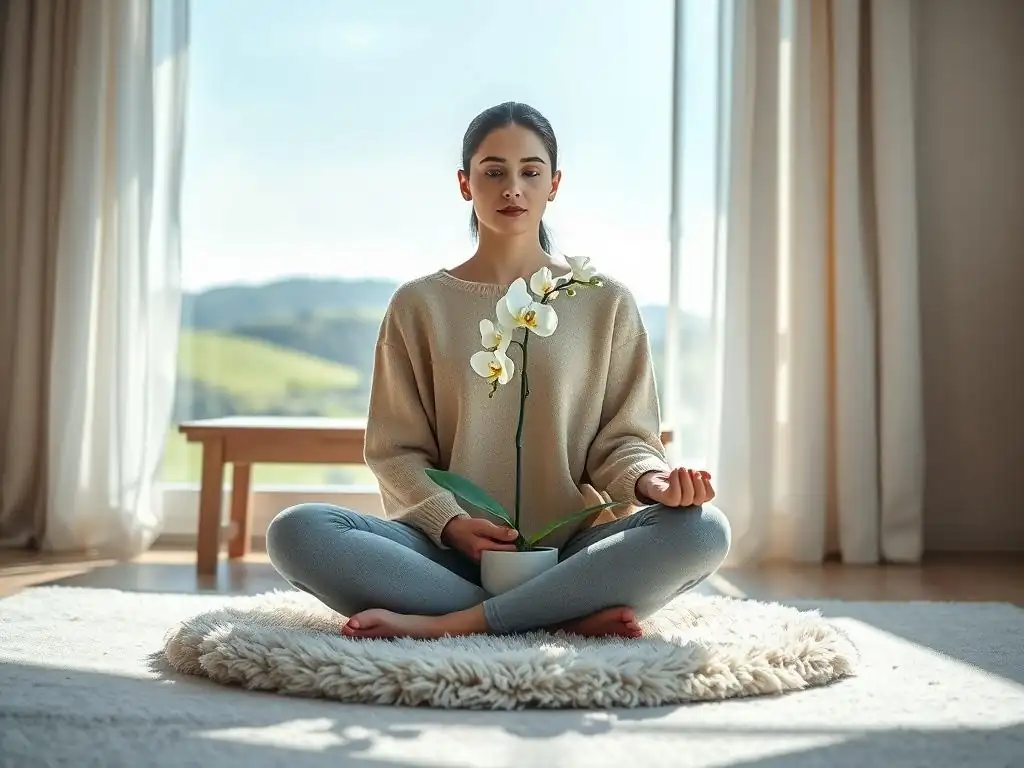
Mindful Communication: Active Listening in Conversations
Mindful communication is about bringing your full, non-judgmental attention to your interactions with others. A key aspect of this is active listening, which involves truly hearing and understanding what the other person is saying, rather than being preoccupied with what you're going to say next or how you are being perceived. This means giving the speaker your undivided attention, making eye contact (if comfortable), nodding or offering verbal cues to show engagement, and refraining from interrupting.
By focusing your attention outwards on the other person and the present moment of the conversation, you naturally reduce the amount of mental energy spent on internal anxious rumination. This not only makes you a better conversationalist but also helps to alleviate the self-focused attention that fuels social anxiety. Practicing active listening can make social interactions feel less like a performance and more like a genuine exchange, thereby helping mindfulness reduce social anxiety in real-time situations.
Managing Pre-Event Anxiety with Mindfulness
Anticipatory anxiety, the dread leading up to a social event, is a significant component of social anxiety. Mindfulness provides tools to manage this. Instead of letting your mind spiral into worst-case scenarios, you can use mindfulness to anchor yourself in the present. Before a challenging social situation, take a few minutes to practice mindful breathing or a brief body scan. Notice the physical sensations of anxiety – the tightness in your chest, the butterflies in your stomach – without judgment, simply observing them as temporary bodily experiences.
You can also practice mindful visualization, not of a perfect outcome, but of simply being present and navigating the situation one moment at a time. Focus on the steps you need to take (getting dressed, traveling there) rather than the feared outcome. By repeatedly bringing your attention back to the present moment and your physical sensations, you interrupt the cycle of anxious thoughts about the future and build a greater sense of calm and preparedness, effectively using mindfulness reduce social anxiety before it escalates.
Mindfulness isn't just for meditation cushions; it's a skill to be applied in the midst of life, including challenging social interactions. When you feel anxiety rising during a conversation or social gathering, you can subtly bring your awareness back to the present moment. This might involve focusing on the sensation of your feet on the ground, the feeling of your breath entering and leaving your body, or the simple sensory details of your surroundings (the color of the wall, the sound of distant chatter).
You can also mindfully observe the interaction itself – the nuances in the other person's voice, their gestures, the rhythm of the conversation. If an anxious thought arises ("I sound stupid"), simply notice it without dwelling on it and gently redirect your attention back to the present moment or the other person. This practice allows you to stay engaged in the interaction while acknowledging and managing your internal experience, demonstrating how mindfulness reduce social anxiety even when you are actively participating in a feared situation.
Addressing Challenges in Mindfulness Practice
Beginning a mindfulness practice, especially when dealing with social anxiety, can present challenges. It's common for the mind to wander constantly, for feelings of frustration to arise when you feel you're "doing it wrong," or for the practice to initially bring uncomfortable emotions or physical sensations to the surface. These are normal parts of the process. Expecting your mind to be completely quiet is unrealistic; the practice is about noticing when your mind wanders and gently bringing it back, again and again, without self-criticism.
It's essential to approach mindfulness with patience and self-compassion. There will be days when it feels difficult or unproductive. Instead of judging yourself, simply acknowledge the difficulty and return to the practice or take a break if needed. Think of it as training a muscle; it takes time, consistency, and tolerance for discomfort. Finding a form of mindfulness that resonates with you, whether it's seated meditation, walking meditation, or mindful movement, can also help maintain motivation and overcome hurdles.
Long-Term Benefits of Mindfulness
One of the most significant long-term benefits of using mindfulness reduce social anxiety is a diminished fear of social judgment. By consistently practicing observing thoughts without believing them implicitly, individuals learn that thoughts about being judged are just thoughts, not necessarily reality. This detachment lessens the power these thoughts have to trigger intense fear. Over time, the habit of mindfully observing self-critical thoughts weakens their hold, making the prospect of being scrutinized less terrifying.
This reduced fear doesn't mean you stop caring about how others perceive you entirely, but rather that the fear of negative judgment no longer dictates your behavior or causes debilitating distress. You become less reactive to perceived criticism and more grounded in your own sense of self-worth. Research indicates that mindfulness training leads to structural and functional changes in the brain areas associated with fear and self-referential processing, supporting this observed reduction in the fear of judgment.
Improved Self-Esteem
Social anxiety often co-occurs with low self-esteem, fueled by the constant internal critique and perceived social failures. Mindfulness helps to improve self-esteem by fostering a more compassionate and accepting relationship with oneself. Through practices like mindful self-compassion and loving-kindness meditation directed inwards, individuals learn to treat themselves with the same kindness and understanding they would offer a friend. This counters the harsh inner critic that is so prevalent in social anxiety.
Furthermore, as mindfulness helps individuals navigate social situations with less avoidance and more presence, they gain positive experiences that challenge their negative core beliefs about themselves. Successfully engaging in a conversation or attending an event, even imperfectly, builds confidence. By being mindfully present, individuals can also notice and appreciate their own positive qualities and efforts, rather than solely focusing on perceived flaws or mistakes.
Enhanced Emotional Regulation
Mindfulness significantly enhances emotional regulation skills, which is crucial for managing the intense feelings associated with social anxiety. By practicing mindful observation of emotions, individuals learn to recognize feelings like fear, embarrassment, or shame as they arise, without being immediately overwhelmed or controlled by them. They develop the capacity to tolerate uncomfortable emotions for longer periods without resorting to avoidance or other unhelpful coping mechanisms.
This enhanced ability to regulate emotions means that when anxiety spikes in a social situation, you are better equipped to handle it skillfully. Instead of panicking or fleeing, you can acknowledge the feeling, breathe through it, and choose a thoughtful response rather than a reactive one. This improved emotional resilience makes facing social challenges feel less daunting and reinforces the positive cycle of using mindfulness reduce social anxiety.
Consistent mindfulness practice builds resilience, making individuals better equipped to handle social triggers that previously would have caused significant distress. Resilience in this context means the capacity to bounce back from challenging experiences and adapt effectively when faced with stress. For someone with social anxiety, this means being able to encounter a feared situation – like being introduced to someone new or speaking up in a meeting – and navigating it without being completely derailed by anxiety.
By developing the skills of present moment awareness, non-judgmental observation, and emotional regulation, individuals become less vulnerable to the automatic anxiety response triggered by social cues. They learn that they can tolerate discomfort and that anxious feelings are temporary. This experiential learning builds confidence and a sense of agency, making them more resilient in the face of future social challenges and reinforcing the power of mindfulness reduce social anxiety over the long term.
Step-by-Step Guide to Starting a Mindfulness Practice
Starting a mindfulness practice doesn't require special equipment or hours of free time. Begin small and be patient with yourself.
- Find a quiet space: Choose a place where you won't be interrupted for a few minutes.
- Set a time limit: Start with just 5-10 minutes per day. Consistency is more important than duration initially.
- Choose a focus: Your breath is a common anchor. Feel the sensation of air entering and leaving your nostrils or the rising and falling of your abdomen.
- Sit comfortably: You can sit on a chair with your feet flat on the floor or cross-legged on a cushion. Keep your spine upright but relaxed.
- Close your eyes gently or soften your gaze: This minimizes distractions.
- Bring attention to your focus: Gently direct your awareness to your breath.
- Notice when your mind wanders: It will. This is normal. Recognize the thought without judgment ("thinking," "planning," "worrying").
- Gently redirect your attention back: As soon as you notice your mind has wandered, kindly bring your focus back to your breath or chosen anchor.
- End with kindness: When your timer goes off, take a moment to notice how you feel. Thank yourself for showing up for the practice.
Tips for Consistent Mindfulness Meditation
Maintaining a regular mindfulness practice is key to experiencing its benefits for social anxiety.
- Start small: Don't try to meditate for 30 minutes on your first day. Begin with 5-10 minutes and gradually increase the duration as you feel comfortable.
- Schedule it: Treat your mindfulness practice like any other important appointment. Put it on your calendar at a time that works for you, whether it's first thing in the morning, during a lunch break, or before bed.
- Find your style: Experiment with different types of mindfulness – seated meditation, walking meditation, mindful eating, body scan, or loving-kindness. Find what resonates and feels accessible.
- Use guided meditations: Many apps and online resources offer guided meditations which can be helpful, especially when starting out or when your mind feels particularly busy. While specific resources cannot be named here, searching for "guided mindfulness for anxiety" can yield many options.
- Be kind to yourself: Some days will be easier than others. If you miss a session, don't dwell on it. Just start again the next day. Progress isn't linear.
- Connect with others (optional): While social anxiety makes this hard, finding a local mindfulness group or online community can provide support and motivation.
While specific links and names are prohibited, know that there are many types of resources available to support your journey with mindfulness and social anxiety.
- Guided Meditation Platforms: Numerous apps and websites offer libraries of guided meditations specifically tailored for anxiety, stress, and self-compassion.
- Books: Many excellent books explain the principles of mindfulness and provide practical exercises. Some focus specifically on applying mindfulness to anxiety or social challenges.
- Mindfulness Courses: Programs like Mindfulness-Based Stress Reduction (MBSR) or Mindfulness-Based Cognitive Therapy (MBCT) are structured courses that teach mindfulness techniques over several weeks. While MBCT was initially developed for depression, its principles are highly applicable to anxiety disorders, including SAD. Research on MBSR has shown symptom reduction in participants with social anxiety.
- Therapists: Many therapists integrate mindfulness techniques into their practice, particularly those trained in Acceptance and Commitment Therapy (ACT) or Dialectical Behavior Therapy (DBT), which heavily utilize mindfulness components.
Sample Weekly Mindfulness Schedule
Here is a sample schedule illustrating how you might integrate various mindfulness practices throughout a week. This is flexible and can be adapted based on your preferences and availability.
- Monday: 10-minute seated breath meditation (morning)
- Tuesday: 5-minute mindful breathing before a potentially challenging social interaction OR 5-minute body scan (midday)
- Wednesday: 15-minute guided loving-kindness meditation (evening)
- Thursday: Mindful walking during commute or break (10-15 minutes)
- Friday: 10-minute seated breath meditation (morning)
- Saturday: Mindful eating during one meal OR 15-minute body scan (anytime)
- Sunday: 10-minute seated meditation OR reflection on mindful moments throughout the week (anytime)

Cognitive Behavioral Therapy (CBT)
While mindfulness is a powerful tool, it is often most effective when used in conjunction with other evidence-based therapies for social anxiety. Cognitive Behavioral Therapy (CBT) is widely recognized as a highly effective treatment. CBT focuses on identifying and challenging the negative thought patterns and core beliefs that contribute to social anxiety and gradually exposing individuals to feared social situations in a controlled manner (exposure therapy).
CBT helps you restructure distorted thinking (e.g., replacing "Everyone thinks I'm a failure" with more balanced thoughts) and develop coping skills. While mindfulness teaches you to observe thoughts without judgment, CBT often involves actively questioning and modifying those thoughts. Combining mindfulness reduce social anxiety by managing the experience of anxiety, while CBT helps address the underlying cognitive patterns and encourages behavioral change through exposure. Many therapists integrate elements of both approaches.
Joining a support group for social anxiety can be incredibly beneficial. These groups provide a safe and understanding environment where individuals can share their experiences, challenges, and successes with others who are facing similar struggles. Knowing you are not alone in your experience can significantly reduce feelings of isolation and shame, which often accompany SAD.
Support groups offer opportunities to practice social skills in a low-pressure setting and gain valuable insights and coping strategies from peers. While the idea of a group setting might initially trigger anxiety for someone with SAD, the shared vulnerability and empathetic environment often make it a powerful tool for gradual exposure and building connection. Many individuals find that the peer support complements individual therapy and mindfulness practice effectively.
Seeking Professional Help
For many individuals, professional help from a therapist or counselor is an essential step in managing social anxiety. Mental health professionals can provide a diagnosis, develop a personalized treatment plan, and offer evidence-based therapies like CBT, ACT, or mindfulness-based therapies. They can also help address any co-occurring conditions, such as depression or other anxiety disorders, which are common alongside SAD.
A therapist can guide you through exposure exercises, help you identify and challenge deeply ingrained negative beliefs, and teach you specific techniques tailored to your unique challenges. They can also assess whether medication might be a helpful option for managing severe symptoms, though therapy is typically the first line of treatment. Seeking professional support is a sign of strength and significantly increases the likelihood of successfully managing and overcoming social anxiety.
Maintaining a Mindful Approach
Cultivating Self-Compassion
Self-compassion is a vital element in maintaining a mindful approach, especially when dealing with the challenges of social anxiety. It involves treating yourself with the same kindness, understanding, and acceptance that you would offer a close friend who is suffering. This is the opposite of the harsh self-criticism that often fuels social anxiety. Cultivating self-compassion means recognizing that experiencing anxiety and making mistakes are part of the human experience, not indicators of your worthlessness.
Practicing self-compassion involves acknowledging your pain or difficulty ("This is really hard right now"), recognizing your common humanity ("Everyone struggles sometimes"), and offering yourself kindness (perhaps a comforting hand on your chest or a gentle internal phrase like "May I be kind to myself"). This compassionate stance makes it easier to practice mindfulness consistently, especially during difficult moments, and helps build resilience against the negative self-talk associated with social anxiety.
Embracing Vulnerability
Mindfulness practice can help individuals with social anxiety gradually learn to embrace vulnerability. Social anxiety often stems from a deep fear of being seen as imperfect or inadequate, leading to efforts to hide perceived flaws. Mindfulness, by encouraging non-judgmental awareness of internal experiences, helps you become more comfortable with discomfort, including the discomfort of feeling vulnerable.
As you become more present and less consumed by fear of judgment, you may find it easier to be your authentic self in social situations, imperfections and all. This doesn't mean oversharing or forcing yourself into uncomfortable situations, but rather allowing yourself to be seen as a real person, rather than trying to project a perfect image. Embracing vulnerability, supported by mindful self-acceptance, can deepen connections with others and significantly reduce the burden of constantly trying to hide or perform.
Overcoming social anxiety is a journey with ups and downs. Maintaining motivation and a positive perspective is crucial, and mindfulness can support this by helping you savor positive experiences. Make a conscious effort to notice and appreciate small social successes, no matter how minor they seem. This could be maintaining eye contact with someone, speaking up in a meeting, attending a social gathering for a short time, or simply having a pleasant brief interaction.
Instead of immediately focusing on what went wrong or what you should have done differently (a common anxiety pattern), take a moment to mindfully acknowledge what went right or the effort you made. Notice the feeling of accomplishment, relief, or connection. By bringing mindful attention to these small wins, you reinforce positive associations with social interaction and build confidence, countering the tendency to only focus on perceived failures. This practice helps solidify the progress made by using mindfulness reduce social anxiety.
Mindfulness offers a profound and practical path towards managing and ultimately reducing the impact of social anxiety on your life. By cultivating present moment awareness, learning to observe thoughts and emotions without judgment, and practicing self-compassion, you can interrupt the cycle of fear and avoidance that characterizes Social Anxiety Disorder. Techniques like mindful breathing, body scans, and loving-kindness meditation provide concrete tools to navigate anxious feelings in the moment and build resilience over time.
Integrating mindfulness into daily life, whether through mindful communication or managing pre-event anxiety, empowers you to face social situations with greater presence and less reactivity. While challenging at times, consistent practice leads to significant long-term benefits, including reduced fear of judgment, improved self-esteem, and enhanced emotional regulation.
When combined with other effective strategies like CBT and professional support, mindfulness becomes a powerful ally in your journey towards greater social ease and connection. Embracing a mindful approach is not about eliminating anxiety entirely, but about changing your relationship with it, allowing you to live a fuller life less constrained by fear, truly demonstrating how mindfulness reduce social anxiety and opens doors to new possibilities.
Frequently Asked Questions
Mindfulness allows you to observe anxious thoughts and feelings without judgment. This detached observation can help you realize they are temporary and not necessarily reflective of reality, thereby reducing their power over your behavior in social situations.
Begin with basic breathing exercises or a body scan meditation. These practices help you ground yourself in the present moment, diverting attention from anxious thoughts about social interactions.
Results vary, but consistent practice, even for a few minutes daily, can lead to noticeable improvements within a few weeks. Remember that patience and consistency are key to building mindfulness skills.
Mindfulness is primarily a management tool, not a cure. It equips you with skills to cope effectively with anxiety symptoms, enabling you to navigate social situations with greater ease and confidence.
It's normal to experience distractions! Acknowledge the thoughts without judgment and gently redirect your attention back to your breath or chosen focus. Consistent practice will improve your focus over time.
The pervasive nature of social anxiety in our hyper-connected world demands a proactive approach to well-being, and mindfulness offers a powerful antidote. It's no longer a niche practice; it's a vital skill for navigating the complexities of modern life and fostering genuine connection. The ability to quiet the internal chatter and find a sense of calm amidst social situations is not just beneficial, it's essential for a fulfilling life.
Mindfulness's impact on reducing social anxiety extends far beyond individual relief; it's a ripple effect that touches our communities and culture. By cultivating self-awareness and compassion, we create space for more authentic interactions and deeper relationships. As the Dalai Lama wisely said, The purpose of our lives is to be happy. But to be happy we must be peaceful. And to be peaceful we must be mindful.
This sentiment underscores the profound interconnectedness between inner peace and the quality of our social experiences. It's a journey of self-discovery that not only alleviates anxiety but also enriches our capacity for empathy and understanding.
Now, consider your own journey. What small steps can you take today to integrate mindfulness into your daily life? Perhaps it's a few minutes of deep breathing before a social event, or a conscious effort to observe your thoughts and feelings without judgment. Remember, the path to conquering social anxiety is not a sprint, but a marathon of self-compassion and consistent practice. Embrace the process, celebrate your progress, and allow the transformative power of mindfulness to guide you towards a more peaceful and fulfilling social life.
Thanks for taking the time to explore the power of mindfulness in managing social anxiety. You've now learned valuable techniques to help quiet those anxious thoughts. Let's put that knowledge into action!
- Prioritize your well-being: Dedicate just 5 minutes today to a guided mindfulness exercise. Even a short practice can make a significant difference.
- Share this article with someone who might benefit from these techniques. Let's build a supportive community together.
- Explore our website for more resources on mindfulness and anxiety reduction. Find the tools that resonate best with your journey.
What small step will you take today to cultivate more calmness and confidence in social situations?