
Animal Phobias: Why We Fear Creatures Great and Small

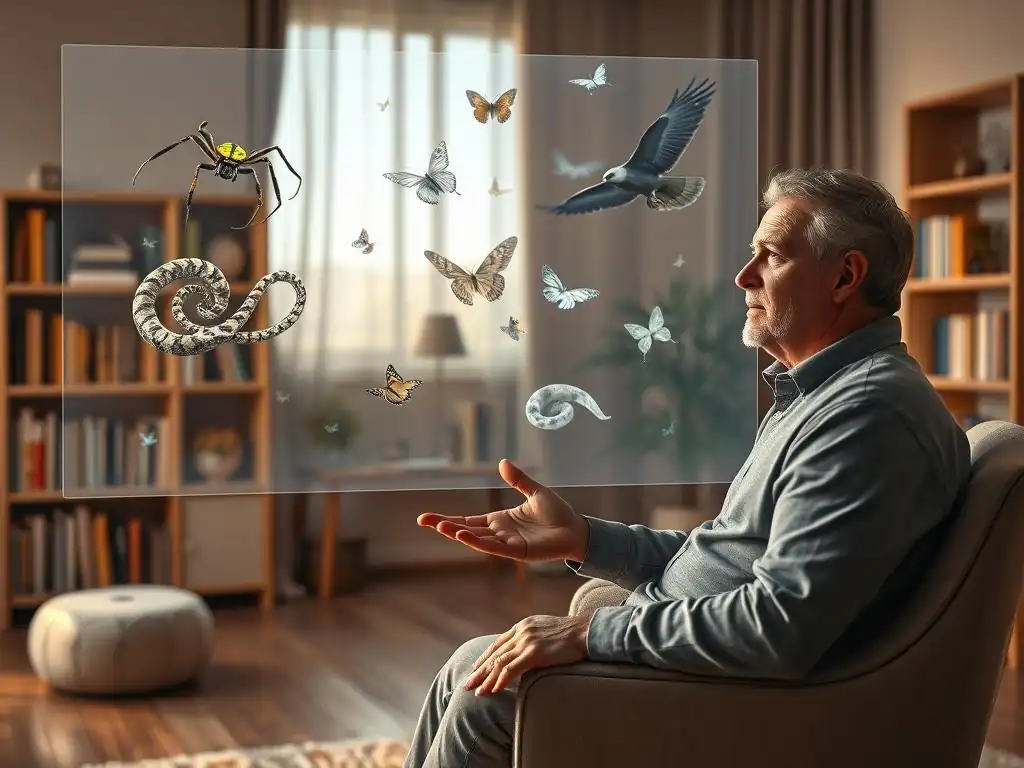
Welcome to Mind Care Guide, your compassionate companion on the path to mental well-being.
Are you living in the shadow of an unexplained fear? Perhaps the mere sight of a spider sends shivers down your spine, or the thought of a dog crossing your path fills you with dread. You're not alone. This week, we delve into the world of animal phobias, exploring why these fears take hold and, more importantly, outlining the Animal Phobias Treatment Options available to help you reclaim your peace of mind. Ready to understand and overcome your fear? Let's begin.
Specific Phobias: Understanding and Overcoming the Fear of Animals - Mind Care Guide
- Understanding Animal Phobias: An Introduction to Zoophobia
- The Roots of Animal Phobias: Exploring the Causes
- Identifying Animal Phobias: Symptoms and Diagnosis
- The Impact of Animal Phobias on Daily Life
- Animal Phobias Treatment Options: A Comprehensive Overview
- Self-Help Strategies for Managing Animal Phobias
- Finding Professional Help for Animal Phobias
- Overcoming Animal Phobias: Success Stories and Hope
- Living a Fear-Free Life: Maintaining Long-Term Wellness After Treatment
-
Frequently Asked Questions
- What are the primary treatment options available for animal phobias?
- How does exposure therapy work in the context of animal phobias?
- Can animal phobias develop in adulthood, and if so, why?
- What role does Cognitive Behavioral Therapy (CBT) play in animal phobias treatment?
- Are there any self-help strategies that can complement professional animal phobias treatment?
- Final Reflection: Confronting Our Fears, Embracing Ourselves
- Conquer Your Fears: Unlock a Life Beyond Phobias
Understanding Animal Phobias: An Introduction to Zoophobia
Defining Zoophobia: The Fear of Animals
Zoophobia is classified as a specific phobia, falling under the category of anxiety disorders. It is characterized by an intense, irrational, and persistent fear of animals. This fear is disproportionate to the actual danger posed by the animal, leading to significant distress and often avoidance behaviors. Individuals with zoophobia may experience severe anxiety or panic attacks when confronted with the feared animal, or even when merely thinking about it or seeing representations of it.
Unlike a simple dislike or healthy caution around potentially dangerous animals, zoophobia involves a pervasive and overwhelming fear that significantly impacts a person's life. This fear can manifest towards a single type of animal, such as dogs (cynophobia) or spiders (arachnophobia), or it can encompass a broader range of animals. The diagnostic criteria for specific phobias, as outlined in the DSM-5, emphasize the persistent nature of the fear, the immediate anxiety response, and the active avoidance of the feared stimulus.
How Animal Phobias Differ from General Dislike
A general dislike or cautious approach to certain animals is a common and often adaptive trait. For example, many people feel uncomfortable around snakes or large predatory animals due to an inherent understanding of potential danger. This discomfort does not typically interfere with daily functioning or lead to extreme avoidance. An animal phobia, however, involves a level of fear that is excessive and unreasonable given the context.
The key difference lies in the intensity of the reaction and its impact on life. Someone with arachnophobia might be unable to enter a room if they suspect a spider is present, or they might experience a full-blown panic attack at the sight of even a small, harmless spider. This level of fear goes far beyond a simple preference to avoid spiders and dictates behavior in a way that normal dislike does not. The distress caused by the phobia is clinically significant, causing impairment in social, occupational, or other important areas of functioning.
Common Animals That Trigger Phobias
While zoophobia can involve a fear of virtually any animal, some are more commonly reported triggers than others. Spiders are perhaps one of the most well-known, leading to arachnophobia, which is estimated to affect a significant portion of the population. Snakes (ophidiophobia) are another very common phobic trigger, often rooted in evolutionary or cultural factors.
Other frequently cited animal phobias include cynophobia (fear of dogs), ailurophobia (fear of cats), ornithophobia (fear of birds), and entomophobia (fear of insects). Less common but still impactful phobias can involve animals like rodents, fish, or even farm animals. The specific animal feared often relates to personal experiences, learned associations, or perceived characteristics of the animal, such as their appearance, movement, or perceived threat level.
The Roots of Animal Phobias: Exploring the Causes
Genetic Predisposition and Anxiety Disorders
Research suggests that there may be a genetic component to the development of anxiety disorders, including specific phobias like zoophobia. While there isn't a single "phobia gene," individuals with a family history of anxiety, depression, or other phobias may have a higher predisposition to developing a phobic condition themselves. Studies involving twins, for instance, have indicated that identical twins are more likely to share specific phobias than fraternal twins, pointing towards a heritable influence.
This genetic vulnerability doesn't necessarily mean a person will develop an animal phobia, but it can make them more susceptible when combined with environmental factors. For example, someone with a genetic predisposition for anxiety might be more likely to develop a strong fear response after a negative encounter with an animal compared to someone without that predisposition. Understanding this potential biological link is important when considering animal phobias treatment options.
Environmental Factors Contributing to Zoophobia
Environmental factors play a crucial role in the development of animal phobias. Growing up in an environment where a parent or caregiver displayed intense fear towards a specific animal can significantly increase the likelihood of a child developing the same phobia. This is a form of observational learning, where the child learns to associate the animal with danger or extreme fear by witnessing another's reaction.
Furthermore, cultural beliefs and societal attitudes towards certain animals can also contribute. For instance, in cultures where snakes are widely feared or depicted negatively, ophidiophobia might be more prevalent. Exposure to media that portrays animals as dangerous or terrifying can also reinforce existing fears or contribute to the development of new ones, shaping a person's perception of certain creatures.
Traumatic Experiences and the Development of Animal Fears
A direct traumatic experience with an animal is a common pathway to developing a specific animal phobia. Being bitten by a dog, stung by a swarm of bees, or experiencing a frightening encounter with a wild animal can create a powerful and lasting association between the animal and intense fear or pain. This single event can be enough to trigger a phobic response that generalizes to all animals of that type.
Even an experience that wasn't directly harmful but was perceived as terrifying can lead to a phobia. For example, being chased by a dog, even without being bitten, might instill a deep-seated fear. The emotional intensity of the traumatic event creates a strong memory trace that triggers the phobic response whenever the individual encounters or thinks about the animal. This highlights the importance of addressing the root cause when exploring animal phobias treatment options.
Learned Behavior and Animal Phobias
Beyond direct trauma and observational learning, animal phobias can also develop through classical conditioning. This occurs when a neutral stimulus (the animal) becomes associated with a frightening or unpleasant experience (the unconditioned stimulus), leading to a conditioned fear response. For example, if a child hears a loud, sudden noise (unconditioned stimulus) every time they see a rabbit (neutral stimulus), they may eventually develop a fear of rabbits (conditioned response) even without the loud noise present.
This learned association strengthens over time, especially if the individual avoids the feared animal, as avoidance prevents the opportunity to learn that the animal is not dangerous in the absence of the negative stimulus. This avoidance reinforces the phobia, making it more entrenched. Understanding these learning processes is fundamental to effective animal phobias treatment options.
Identifying Animal Phobias: Symptoms and Diagnosis
Physical Symptoms of Animal Phobias
When confronted with the feared animal or even thinking about it, individuals with zoophobia often experience a range of intense physical symptoms mirroring the body's "fight or flight" response. These symptoms are involuntary and can be highly distressing. Common physical manifestations include a rapid heart rate (tachycardia), sweating, trembling or shaking, shortness of breath, or a feeling of being smothered.
Other physical symptoms might include chest pain or discomfort, nausea or abdominal distress, dizziness, lightheadedness, or fainting. Some individuals report a tingling sensation or numbness in their extremities. These physical reactions are a direct result of the surge of adrenaline and other stress hormones released in response to the perceived threat, even if the threat is not objectively real or proportionate.
Psychological Symptoms of Animal Phobias
Alongside the physical symptoms, animal phobias also involve significant psychological distress. The most prominent symptom is an overwhelming feeling of intense anxiety or panic when encountering the feared animal or stimulus. This fear is often described as uncontrollable and goes beyond feeling nervous.
Psychological symptoms also include a persistent and excessive worry about encountering the feared animal in the future. This can lead to anticipatory anxiety, where the individual feels anxious simply thinking about situations where the animal might be present. There's often a feeling of losing control, a fear of fainting, or a fear of dying during a panic episode. Individuals may also recognize that their fear is irrational or excessive, but feel powerless to control it, adding to their distress.
Diagnostic Criteria for Specific Animal Phobias
Diagnosing a specific phobia, including an animal phobia, typically involves a clinical interview with a mental health professional and adherence to criteria outlined in diagnostic manuals like the Diagnostic and Statistical Manual of Mental Disorders (DSM-5). The core criteria for a specific phobia include a marked fear or anxiety about a specific object or situation (in this case, an animal).
According to the DSM-5, the fear must be persistent, typically lasting for 6 months or more. Exposure to the feared animal must consistently provoke immediate fear or anxiety. The feared animal is actively avoided or endured with intense fear or anxiety. The fear or anxiety is out of proportion to the actual danger posed by the animal and the sociocultural context. Finally, the fear, anxiety, or avoidance must cause clinically significant distress or impairment in social, occupational, or other important areas of functioning, and the fear is not better explained by another mental disorder.
Differentiating Animal Phobias from Normal Anxiety
It is crucial to differentiate between an animal phobia and normal levels of anxiety or caution around animals. As mentioned earlier, a normal level of fear or respect for potentially dangerous animals is healthy and adaptive. Normal anxiety might involve feeling slightly nervous around a large dog or being cautious when encountering a snake in the wild. This anxiety does not typically lead to avoidance that disrupts life.
An animal phobia, however, is characterized by the intensity and disproportionate nature of the fear, and critically, the impairment it causes. If the fear of spiders prevents someone from going into their basement, or the fear of birds makes them avoid outdoor cafes, this level of disruption points towards a phobia rather than just normal anxiety. The distress experienced in a phobic reaction is also far more severe than typical nervousness. Effective animal phobias treatment options target this excessive and impairing fear response.
The Impact of Animal Phobias on Daily Life

One of the most significant impacts of an animal phobia is the tendency towards avoidance behaviors, which can lead to social isolation. Individuals may refuse invitations to friends' or family members' homes if they own the feared animal. They might avoid parks, zoos, hiking trails, or even entire neighborhoods if they believe they might encounter the animal there.
This constant need to scan environments and avoid potential triggers can severely limit social activities and interactions. A fear of dogs, for example, could make visiting dog-owning friends impossible or restrict participation in outdoor community events. Over time, this avoidance shrinks a person's world, leading to feelings of loneliness and isolation.
Limitations in Career and Lifestyle Choices
Animal phobias can also impose significant limitations on career paths and lifestyle choices. Certain professions that involve working outdoors, in animal-related fields, or in environments where animals are common (like agriculture or veterinary science) may be completely off-limits. Even jobs that don't directly involve animals might become difficult if the workplace is located in an area with frequent animal encounters, such as a building near a park with many dogs.
Beyond careers, lifestyle choices are heavily impacted. Travel can become complicated if the phobia involves animals common in certain regions (e.g., fear of monkeys in some tropical areas). Simple activities like gardening, visiting a farm, or even walking down the street can become sources of intense anxiety and avoidance. This curtailment of activities significantly reduces quality of life.
The Emotional Toll of Living with an Animal Phobia
Living with a constant, irrational fear takes a heavy emotional toll. Individuals with animal phobias often experience chronic stress and anxiety, not just when faced with the animal, but also from the anticipation of potential encounters. This persistent state of hypervigilance is exhausting and can lead to irritability, difficulty concentrating, and sleep problems.
There can also be feelings of shame or embarrassment about the phobia, particularly if the fear is of a seemingly harmless animal. This can make it difficult for individuals to talk about their struggles or seek help. The cumulative effect of fear, anxiety, avoidance, and potential shame can significantly impact mental well-being and may contribute to the development of other conditions like depression. Recognizing this emotional burden is key to approaching animal phobias treatment options with empathy.
Animal Phobias Treatment Options: A Comprehensive Overview
Specific phobias, including zoophobia, are among the most treatable anxiety disorders. A range of effective animal phobias treatment options are available, primarily focusing on therapeutic interventions. The goal of treatment is to help individuals confront their fears in a safe and controlled environment, learn coping mechanisms, and ultimately reduce or eliminate the phobic response.
While therapy is the cornerstone of treating animal phobias, medication may be used in some cases to manage acute anxiety symptoms, often in conjunction with therapy. The choice of animal phobias treatment options depends on the severity of the phobia, the specific animal feared, and the individual's overall health and preferences. Success rates for specific phobias treatment are generally high, particularly with evidence-based approaches.
Therapy for Animal Phobias: Evidence-Based Approaches
Therapy is the most recommended and effective approach for overcoming animal phobias. Evidence-based therapies focus on changing the individual's thought patterns and behavioral responses to the feared stimulus. The two most widely used and successful therapeutic modalities for specific phobias are Cognitive Behavioral Therapy (CBT) and Exposure Therapy. Often, these two approaches are used together as part of a comprehensive treatment plan.
These therapies work by gradually helping the individual confront their fears in a controlled setting, allowing them to learn that their feared outcome is unlikely to occur and that they can manage their anxiety response. The effectiveness of these animal phobias treatment options is well-supported by clinical research, showing significant reduction or elimination of phobic symptoms for a large majority of individuals.
Cognitive Behavioral Therapy (CBT) for Animal Phobias
Cognitive Behavioral Therapy (CBT) is a highly effective therapeutic approach for treating specific phobias, including those involving animals. CBT operates on the principle that our thoughts, feelings, and behaviors are interconnected. For someone with an animal phobia, this means identifying and challenging the negative thought patterns and beliefs associated with the feared animal, which in turn influence their feelings of fear and their avoidance behaviors.
A therapist using CBT will work with the individual to understand the origins and triggers of their fear. They will then help the individual develop strategies to cope with the anxiety and gradually change their behavioral response. CBT often includes components of exposure therapy, making it a comprehensive approach among animal phobias treatment options.
How CBT Helps Overcome Animal Fears
CBT helps individuals overcome animal fears by equipping them with tools to manage their anxiety and alter their perception of the feared animal. The process involves identifying the specific thoughts that arise when confronted with or thinking about the animal (e.g., "That spider is going to jump on me and kill me," or "That dog is aggressive and will bite me").
Once these thoughts are identified, the therapist helps the individual examine the evidence for and against these beliefs. They learn to recognize cognitive distortions – irrational ways of thinking – and replace them with more realistic and balanced thoughts. For example, learning that most house spiders are harmless and unlikely to bite, or understanding dog behavior to differentiate between friendly and aggressive signs. This cognitive restructuring is a core component of effective animal phobias treatment options.
Cognitive Restructuring for Challenging Negative Thoughts
Cognitive restructuring is a key technique within CBT used to challenge and change irrational or negative thought patterns related to the animal phobia. The process typically involves several steps: identifying the distressing thought, examining the evidence supporting and contradicting the thought, considering alternative, more realistic interpretations, and finally, developing a balanced perspective.
For example, someone with ophidiophobia (fear of snakes) might have the automatic thought, "All snakes are venomous and will attack me." Cognitive restructuring would involve examining this: Evidence for: Some snakes are venomous. Evidence against: The vast majority of snake species are non-venomous; even venomous snakes rarely attack humans unless provoked; snakes often try to avoid humans.
Alternative interpretation: Most snakes are harmless and prefer to stay away from people. Balanced perspective: While caution is wise around unknown snakes, most snakes are not dangerous, and encounters can be managed safely. This systematic challenge helps diminish the power of phobic thoughts.
Exposure Therapy for Animal Phobias: Facing Your Fears
Exposure therapy is widely considered the most effective animal phobias treatment option. It involves gradually exposing the individual to the feared animal or situation in a controlled and safe environment. The core principle is that by repeatedly facing the fear without experiencing the feared outcome (or learning to cope with the anxiety response), the association between the animal and intense fear is weakened through a process called habituation or extinction.
Exposure can be done in various ways, including in vivo (real-life) exposure, imaginal exposure (imagining the feared situation), or using virtual reality (VR) technology. The process is typically systematic, starting with the least frightening exposure and slowly progressing to more challenging situations as the individual's anxiety decreases.
Gradual Exposure to Animals in a Safe Environment
Gradual exposure, also known as systematic desensitization, is a common method within exposure therapy. It begins by creating a fear hierarchy – a list of situations involving the feared animal, ranked from least anxiety-provoking to most anxiety-provoking. For someone with cynophobia (fear of dogs), this might start with looking at pictures of dogs, then watching videos, then being in the same room as a dog in a cage, then being in the same room with a dog on a leash, and eventually, perhaps, interacting with a calm, friendly dog.
The individual works through this hierarchy one step at a time, only moving to the next step when they can tolerate the current level of exposure with significantly reduced anxiety. This systematic approach ensures that the process is manageable and helps the individual build confidence as they progress. This is a highly effective method among animal phobias treatment options.
In Vivo Exposure Therapy for Animal Phobias
In vivo exposure involves direct, real-life confrontation with the feared animal. This is often considered the most powerful form of exposure therapy because it directly challenges the avoidance behavior and provides irrefutable evidence that the feared consequences do not occur. For someone with arachnophobia, this might involve being in the same room as a harmless spider in a sealed container, then gradually moving closer, and eventually, perhaps, allowing a trained therapist to place the spider on their hand (only if appropriate and safe).
In vivo exposure is conducted under the careful guidance of a trained therapist who ensures the environment is safe and helps the individual manage their anxiety response. The therapist provides support and coping strategies throughout the process. While challenging, the success rates for in vivo exposure therapy for specific phobias are remarkably high, often leading to significant improvement or remission of symptoms after a relatively short course of treatment.
While therapy is the primary and most effective animal phobias treatment option, medication may sometimes be used as an adjunct, particularly if the phobia is severe and significantly impacts daily life, or if there are co-occurring conditions like generalized anxiety disorder or depression. Medications do not cure the phobia itself but can help manage the intense anxiety symptoms associated with potential or actual exposure to the feared animal.
Medication is typically not used as a standalone treatment for specific phobias because it doesn't address the underlying fear response or avoidance behaviors. However, for some individuals, medication can reduce anxiety to a level that makes them more receptive and able to engage effectively in therapy, particularly exposure therapy.
Selective Serotonin Reuptake Inhibitors (SSRIs) and Their Role in Treatment
Selective Serotonin Reuptake Inhibitors (SSRIs), a class of antidepressants, are sometimes prescribed off-label to help manage the persistent anxiety associated with severe specific phobias, especially when panic attacks are frequent or when the phobia co-occurs with other anxiety disorders. SSRIs work by increasing serotonin levels in the brain, which can help regulate mood and anxiety.
While not typically the first-line animal phobias treatment option specifically for the phobia itself, SSRIs can reduce the overall level of anxiety and make it easier for individuals to tolerate the distress associated with exposure therapy. They are usually taken daily and may take several weeks to reach their full therapeutic effect.
When Medication is Appropriate for Animal Phobias
Medication might be considered appropriate for animal phobias in specific circumstances. This includes cases where the phobia is so severe that it causes significant impairment and prevents the individual from even beginning therapy, particularly exposure-based treatments. It may also be used when the phobia is part of a broader anxiety disorder.
Additionally, in rare instances, a fast-acting anti-anxiety medication, such as a benzodiazepine, might be prescribed for very specific, unavoidable encounters with the feared animal (e.g., an essential work trip involving air travel for someone with aviophobia). However, benzodiazepines are generally avoided due to the risk of dependence and potential interference with the learning process in exposure therapy. Any decision to use medication should be made in consultation with a psychiatrist or medical doctor who can assess the individual's specific needs and potential risks.
In addition to therapy and potentially medication, learning and practicing relaxation techniques can be a valuable tool for managing the anxiety associated with animal phobias. These techniques can be used in the moment when feeling anxious or as part of a regular practice to reduce overall stress levels. Incorporating these techniques can enhance the effectiveness of other animal phobias treatment options.
Relaxation techniques work by activating the body's parasympathetic nervous system, which counteracts the "fight or flight" response triggered by fear. Regular practice helps individuals gain a sense of control over their physiological reactions to anxiety-provoking situations.
Deep Breathing Exercises for Managing Fear
Deep breathing, or diaphragmatic breathing, is a simple yet powerful technique for calming the nervous system. When feeling anxious or panicky due to an animal phobia, breathing tends to become shallow and rapid, which can worsen anxiety symptoms. Focusing on slow, deep breaths helps to regulate heart rate and promote relaxation.
To practice deep breathing, find a comfortable position. Place one hand on your chest and the other on your abdomen. Inhale slowly and deeply through your nose, feeling your abdomen rise as you fill your lungs with air. Hold for a few seconds, then exhale slowly through your mouth, feeling your abdomen fall. Repeat this process for several minutes, focusing solely on your breath. This technique can be used before or during exposure exercises or whenever anxiety levels rise.
Progressive Muscle Relaxation for Reducing Anxiety
Progressive Muscle Relaxation (PMR) is another effective technique for reducing the physical tension that often accompanies anxiety from animal phobias. PMR involves systematically tensing and then releasing different muscle groups in the body. This process helps individuals become more aware of the physical sensations of tension and relaxation and learn how to consciously release muscle tightness.
To practice PMR, find a quiet place and comfortable position. Start with one muscle group, such as your hands. Clench your fists tightly for about 5-10 seconds, noticing the tension. Then, release the tension completely for about 15-20 seconds, focusing on the feeling of relaxation. Move through different muscle groups (arms, shoulders, face, neck, back, abdomen, legs, feet), tensing and releasing each one. Regular practice of PMR can help reduce overall muscle tension and provide a tool to use when anxiety is triggered.
Self-Help Strategies for Managing Animal Phobias

While professional animal phobias treatment options like therapy are highly recommended, there are also self-help strategies that individuals can use to complement treatment or manage less severe fears. These strategies often incorporate principles from therapeutic techniques and empower individuals to take an active role in overcoming their phobia.
Self-help requires commitment and consistency, but it can be a valuable part of the journey towards reducing fear and anxiety related to animals. It's important to approach self-help with patience and self-compassion, recognizing that overcoming a phobia is a process.
Creating a Fear Hierarchy: A Step-by-Step Approach
Creating a fear hierarchy is a fundamental self-help step, borrowed directly from exposure therapy. It provides a roadmap for gradually confronting the feared animal or situation. Start by brainstorming all the scenarios involving the feared animal that cause you anxiety, from the least frightening to the most terrifying.
List these scenarios and assign each a subjective fear rating, perhaps on a scale of 0 to 100 (0 being no fear, 100 being extreme panic). For example, for cynophobia:
- Looking at a cartoon drawing of a dog (10)
- Looking at a photograph of a dog (25)
- Watching a short, calm video of a dog (40)
- Being in the same building as a dog, but not seeing it (50)
- Being in the same room as a dog on a leash, far away (65)
- Being in the same room as a dog on a leash, closer (80)
- Having a calm dog approach on a leash (90)
- Petting a calm dog (100)
This list serves as your guide for gradual exposure practice.
Desensitization Techniques You Can Try at Home
Once you have your fear hierarchy, you can begin practicing desensitization at home. Start with the lowest item on your list. Expose yourself to that situation repeatedly until your anxiety significantly decreases. This might involve looking at a picture of the animal for a set amount of time each day or watching a short video clip.
The key is to stay with the exposure until your anxiety naturally subsides (habituation). This teaches your brain that the stimulus is not inherently dangerous. Only move to the next step on your hierarchy when the current step no longer triggers significant anxiety. Be patient; this process can take time. Combining this with relaxation techniques can be very helpful.
Building a Support System: Connecting with Others
Dealing with an animal phobia can feel isolating, but building a support system is crucial. Talk to trusted friends or family members about your fear. Sharing your struggles can reduce feelings of shame and provide emotional support. Explain what triggers your fear and how they can help you, perhaps by being present during early exposure exercises or simply by being understanding.
Consider joining online forums or support groups for people with specific phobias. Connecting with others who understand your experience can provide validation, coping tips, and encouragement. Knowing you are not alone in your struggle can be incredibly empowering as you work through animal phobias treatment options and self-help strategies.
The Importance of Self-Compassion in Overcoming Phobias
Overcoming an animal phobia is a challenging process that involves facing significant fear. It's vital to approach this journey with self-compassion. Recognize that having a phobia is not a sign of weakness; it's a legitimate mental health condition. Be patient with yourself and acknowledge that progress may not always be linear – there will be good days and more difficult days.
Avoid self-criticism if you experience setbacks or feel overwhelmed. Instead, practice self-kindness, understanding, and acceptance. Treat yourself with the same empathy you would offer a friend facing a similar challenge. Celebrating small victories and acknowledging your effort are important for maintaining motivation and resilience throughout the process of seeking and implementing animal phobias treatment options.
Finding Professional Help for Animal Phobias
While self-help strategies can be beneficial, seeking professional help is often necessary and highly effective for overcoming animal phobias, especially when they significantly impact daily life. Mental health professionals, such as therapists or counselors specializing in anxiety disorders, are trained to provide evidence-based animal phobias treatment options.
Finding the right professional is a crucial step. They can provide a proper diagnosis, develop a personalized treatment plan, and guide you safely through challenging therapeutic processes like exposure therapy. Don't hesitate to reach out for support; help is available, and recovery is possible.
How to Choose the Right Therapist or Counselor
Choosing the right therapist is a personal decision, but there are factors to consider. Look for a therapist who specializes in anxiety disorders and specific phobias. They should be experienced in using evidence-based animal phobias treatment options such as CBT and exposure therapy. You can search for licensed clinical psychologists, licensed professional counselors, or licensed clinical social workers.
Consider their therapeutic approach – do they primarily use CBT and exposure? Do they have experience working with your specific type of animal phobia? It's also important to feel comfortable and have a good rapport with the therapist, as therapy requires trust and open communication. Many therapists offer a brief initial consultation, which can be helpful for assessing compatibility.
Questions to Ask a Potential Therapist
When contacting potential therapists, prepare a few questions to help you make an informed decision.
- What is your experience treating specific phobias, particularly animal phobias?
- What therapeutic approaches do you use (e.g., CBT, exposure therapy)?
- Can you describe how a typical session might look when treating an animal phobia?
- How long does treatment typically last for this type of phobia?
- What are your fees, and do you accept my insurance?
- Are you licensed and board-certified?
Asking these questions can help you gauge their expertise and determine if their approach aligns with your needs and preferences for animal phobias treatment options.
Understanding the Cost of Animal Phobia Treatment
The cost of animal phobia treatment can vary widely depending on several factors, including the therapist's location, their level of experience, their credentials, and whether they are in network with your health insurance plan. Therapy sessions typically range in price, and some therapists offer sliding scale fees based on income.
Health insurance often covers mental health services, including therapy for specific phobias, but coverage details vary significantly. It's important to contact your insurance provider beforehand to understand your benefits, deductible, co-pay, and any limitations on the number of sessions. While the cost is a factor, view it as an investment in your well-being and ability to live a life free from debilitating fear. Discussing costs and payment options upfront with the therapist is always recommended.
Overcoming Animal Phobias: Success Stories and Hope
Overcoming an animal phobia is a journey, but it is a journey with a high probability of success thanks to effective animal phobias treatment options. Many individuals who once experienced debilitating fear now live comfortably alongside the animals that used to terrify them. Hearing about success stories can provide hope and motivation for those currently struggling.
Recovery is not always linear, and there may be challenges along the way. However, with the right support and commitment to treatment, significant improvement and even complete remission of phobic symptoms are achievable goals for most people.
Real-Life Examples of Individuals Who Overcame Their Fears
While specific personal details vary, countless individuals have successfully overcome severe animal phobias. Consider the person who, for years, couldn't walk through a park or visit friends with dogs due to cynophobia, but after exposure therapy, was not only comfortable around dogs but eventually adopted one. Or the individual whose fear of spiders (arachnophobia) made them terrified of certain rooms in their own home, who can now calmly remove a spider from their living space.
These stories, common among those who have completed evidence-based treatments, highlight the transformative power of confronting fears with professional guidance. They demonstrate that even intense, long-standing phobias can be significantly reduced or eliminated, allowing individuals to reclaim parts of their lives that fear had taken away. These outcomes are a testament to the effectiveness of dedicated animal phobias treatment options.
The Importance of Perseverance and Commitment to Treatment
Success in overcoming an animal phobia relies heavily on perseverance and commitment to the chosen animal phobias treatment options. Therapy, particularly exposure therapy, can be challenging and uncomfortable at times, as it requires facing the very thing that causes intense fear. There may be moments of doubt or a desire to stop when anxiety peaks.
However, pushing through these moments, with the support of a therapist, is where real change happens. Sticking to the treatment plan, completing homework assignments (like self-exposure exercises), and attending sessions consistently are crucial. Recovery is a process that requires patience and effort, but the freedom gained from living without the burden of a debilitating phobia is a powerful reward for that commitment.
Living a Fear-Free Life: Maintaining Long-Term Wellness After Treatment
Overcoming an animal phobia through effective animal phobias treatment options is a significant achievement. However, maintaining long-term wellness requires ongoing effort and strategies to prevent relapse and manage general anxiety that may arise in the future. Recovery is not just about eliminating the phobia but also about building resilience and developing healthy coping mechanisms for life's stressors.
While the intense, irrational fear of the specific animal may be gone, it's beneficial to have strategies in place to handle potential triggers or minor anxieties that might occasionally surface. Focusing on overall mental well-being supports lasting freedom from phobic limitations.
Strategies for Preventing Relapse
Preventing relapse after successful animal phobia treatment involves incorporating learned skills into daily life and staying vigilant for early signs of returning anxiety. Continue practicing the relaxation techniques learned in therapy. If exposure therapy was used, occasionally engaging in maintenance exposures to the feared animal (e.g., visiting a zoo if you feared certain animals there, or spending time with a friend's pet) can help reinforce the learned safety and prevent the fear from creeping back.
Identify potential high-risk situations or stressors that could potentially trigger old anxieties. Having a plan for how to handle these situations, perhaps by reviewing coping strategies or scheduling a booster therapy session, can be very helpful. Staying connected with your support system also provides a valuable resource.
Building Resilience and Managing Anxiety in the Future
Living a fear-free life long-term involves building overall psychological resilience and developing effective strategies for managing general anxiety, not just that related to the specific animal. This might include maintaining a healthy lifestyle with regular exercise, sufficient sleep, and a balanced diet, all of which positively impact mental health.
Practicing mindfulness or meditation can help you stay present and manage anxious thoughts if they arise. Continuing to challenge irrational thoughts, even those unrelated to the phobia, using cognitive restructuring skills can strengthen your ability to manage anxiety in various contexts. Remember the skills and insights gained during your animal phobias treatment options and continue to apply them to navigate life's challenges with greater confidence and less fear.
Frequently Asked Questions
What are the primary treatment options available for animal phobias?
The main treatment options usually involve exposure therapy, which gradually introduces you to the feared animal. Cognitive behavioral therapy (CBT) is also used to address negative thought patterns. Sometimes, medication may be prescribed to manage anxiety symptoms.
How does exposure therapy work in the context of animal phobias?
Exposure therapy involves gradually exposing the individual to the feared animal in a safe and controlled environment. This can start with pictures or videos and progress to real-life encounters, helping to reduce anxiety over time.
Can animal phobias develop in adulthood, and if so, why?
Yes, animal phobias can develop in adulthood, often triggered by a traumatic experience involving the animal. Learned behaviors from childhood experiences or observing others' fears can also contribute.
What role does Cognitive Behavioral Therapy (CBT) play in animal phobias treatment?
CBT helps individuals identify and challenge negative or irrational thoughts related to the feared animal. It teaches coping mechanisms to manage anxiety and change maladaptive behaviors associated with the phobia.
Are there any self-help strategies that can complement professional animal phobias treatment?
Yes, self-help strategies include relaxation techniques like deep breathing and meditation to manage anxiety. Practicing mindfulness and engaging in self-exposure exercises (with caution and guidance) can also be beneficial.
Final Reflection: Confronting Our Fears, Embracing Ourselves
The pervasive nature of animal phobias, impacting millions worldwide, demands not just understanding but also proactive solutions. These fears, often deeply rooted in childhood experiences or evolutionary instincts, significantly impact quality of life, limiting personal growth and social interaction. The good news is that effective treatment options exist, offering a pathway to a life free from the crippling grip of these anxieties.
The exploration of animal phobias throughout this article highlights the complex interplay between biology, psychology, and personal experience. Understanding the root causes, whether learned or innate, is crucial for effective treatment. The journey to overcoming these fears is deeply personal, requiring courage, self-compassion, and professional guidance. The brave man is not he who does not feel afraid, but he who conquers that fear.
– Nelson Mandela. This quote resonates deeply, emphasizing the strength found in facing our anxieties head-on, rather than allowing them to define us.
Now, consider your own relationship with animals. Do you harbor a hidden fear? Perhaps a childhood encounter left a lasting impression, or maybe an ingrained instinct holds you back. This article serves as a starting point. Take the time to reflect on your own experiences, and if you find yourself struggling with an animal phobia, remember that help is available. Reach out to a qualified therapist, explore the treatment options discussed, and begin your journey towards a more fulfilling and fearless life. You deserve the freedom to interact with the natural world without the burden of overwhelming anxiety.
Conquer Your Fears: Unlock a Life Beyond Phobias
Thanks for taking the time to explore the world of animal phobias with us! You've gained valuable insight into understanding these fears and taking the first steps towards overcoming them. Now it's time to put that knowledge into action.
- Schedule a consultation with a therapist specializing in phobias: This is the most impactful step towards lasting change. They can help you develop a personalized plan to confront your fear and regain control of your life.
- Share your experience: Connecting with others who understand can be incredibly powerful. Share this article with friends or family members who might benefit from it or join online support groups.
- Challenge yourself with a small, manageable exposure exercise: This could be anything from looking at pictures of the animal you fear to watching a video. Start small, celebrate your progress, and gradually increase the level of exposure.
What small step can you take today to move beyond the fear and reclaim your peace of mind?