
Retirement, Loss, and Health: Specific Triggers for Anxiety in Older Age

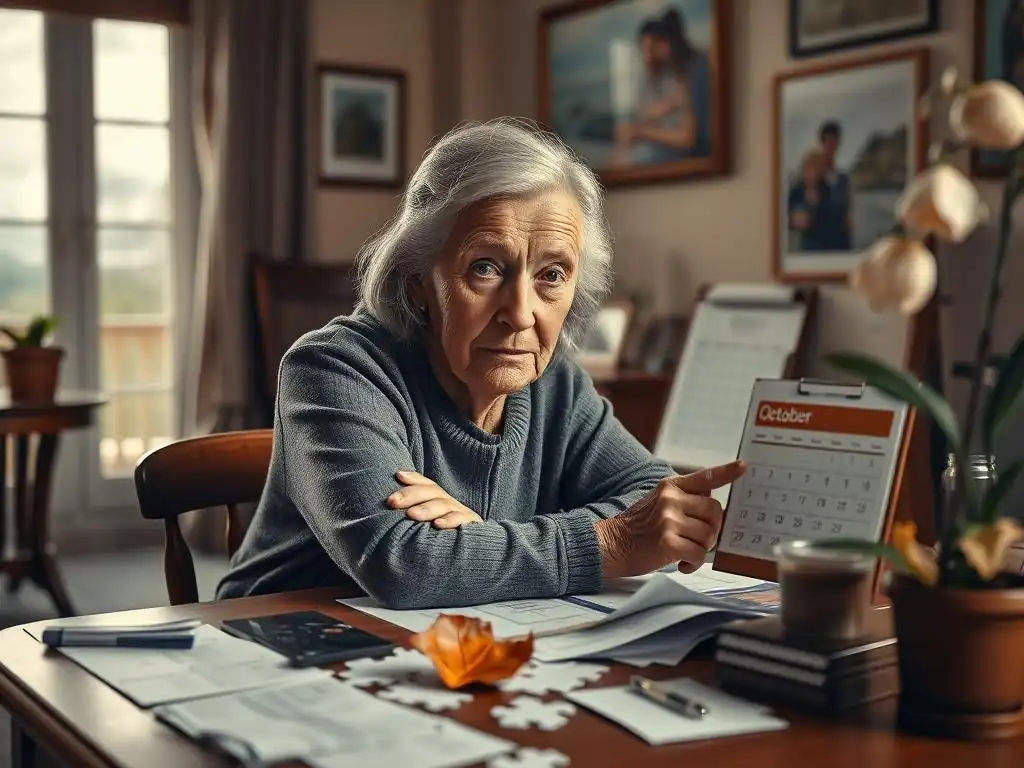
Welcome to Mind Care Guide, your dedicated space for nurturing mental well-being.
Are you finding that life's transitions are bringing unexpected anxieties? It's a common experience, especially as we age. We understand. This week, we delve into the specific challenges older adults face, exploring the often-overlooked anxiety triggers older adults may encounter during retirement, loss, and health changes. What if understanding these triggers could unlock a pathway to greater peace? Let's begin this journey together.
- Understanding Anxiety in Later Life: Unique Challenges
- Specific Anxiety Triggers for Seniors: Loss, Health Concerns, and Social Isolation
-
Frequently Asked Questions
- What are some common anxiety triggers specific to older adults during retirement?
- How can the loss of loved ones contribute to anxiety in older adults?
- How does declining physical health impact anxiety levels in older adults?
- What resources are available to help older adults manage anxiety related to these triggers?
- Are there specific coping mechanisms that older adults can use to reduce anxiety related to retirement, loss, and health issues?
- Final Reflection: Navigating the Anxiety of Later Life
- Unlock Your Path to Peaceful Aging
Understanding Anxiety in Later Life: Unique Challenges
Anxiety Disorders and the Aging Process: An Overview
Anxiety disorders are not a natural or inevitable part of aging, yet they are among the most common mental health concerns in older adults. While depression often receives more attention in this demographic, research suggests that anxiety disorders, including generalized anxiety disorder, specific phobias, and panic disorder, affect a significant portion of the senior population. Understanding anxiety triggers older adults face requires acknowledging that the manifestation and causes can differ from those in younger individuals, often intertwined with unique life stage challenges.
Studies indicate that while the prevalence of some anxiety disorders might be slightly lower in older adults compared to younger groups, conditions like generalized anxiety disorder (GAD) are still quite common. Estimates vary, but some research suggests that GAD affects between 2% and 7% of older adults in community settings, with even higher rates observed in primary care settings. These figures highlight the substantial number of seniors grappling with excessive worry and tension, often silently, making it crucial to recognize and address these specific anxiety triggers older adults encounter.
The aging process brings about a complex interplay of physiological and social changes that can heighten vulnerability to anxiety. Physically, older adults may experience declining health, the onset or worsening of chronic conditions, and reduced physical stamina, all of which can fuel worry about future health, independence, and mortality. For example, managing conditions like heart disease, diabetes, or arthritis can involve constant monitoring, medication regimens, and unpredictable symptoms, creating a fertile ground for persistent anxiety.
Socially, later life often involves significant transitions that can erode support systems and create feelings of isolation. Retirement, while anticipated, can lead to a loss of routine, social connection, and purpose. The death of friends and family members, a sadly common experience in older age, can leave individuals feeling increasingly alone. Furthermore, reduced mobility or sensory impairments can limit participation in social activities, further contributing to isolation. These combined physiological and social shifts create a unique landscape where specific anxiety triggers older adults experience can take root and flourish.
Loss of Loved Ones: The Impact of Bereavement on Senior Anxiety
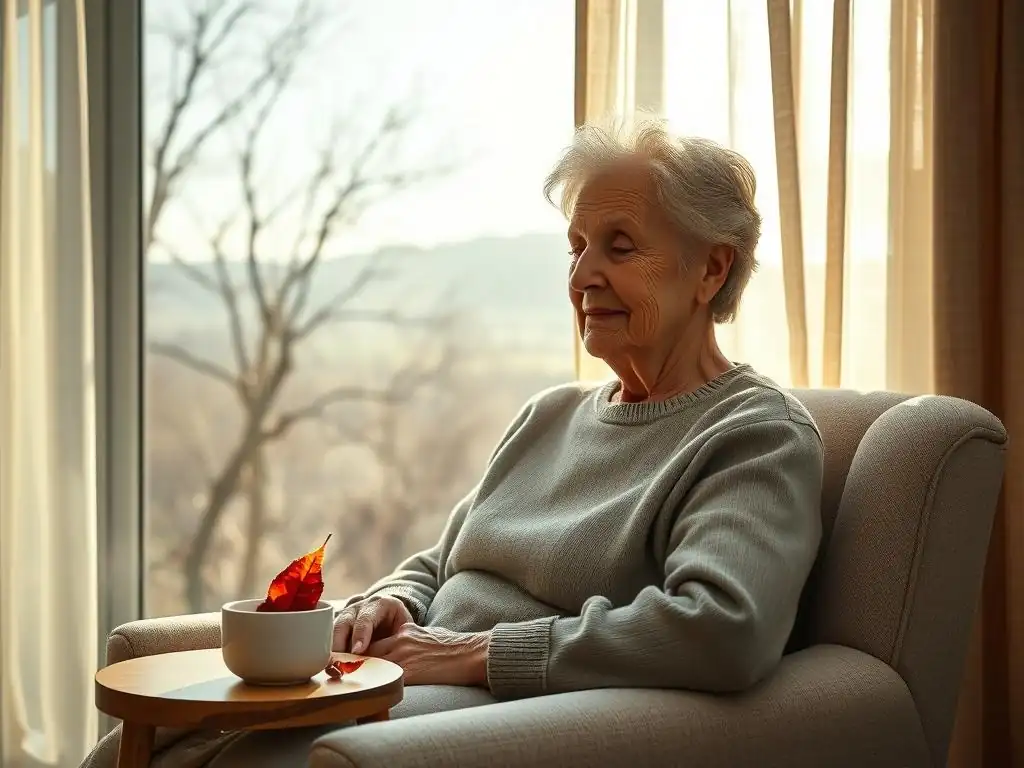
One of the most profound anxiety triggers older adults face is the loss of loved ones. As individuals age, they are more likely to experience the death of spouses, siblings, friends, and sometimes even adult children. This accumulation of loss can lead to intense grief, loneliness, and a heightened sense of vulnerability, all of which can manifest as or exacerbate existing anxiety. The emotional toll of bereavement is significant, often leading to changes in sleep patterns, appetite, and overall well-being, further fueling anxious thoughts and feelings.
The grieving process itself can be long and complex, and for older adults, successive losses can compound the emotional burden. Each death can serve as a reminder of one's own mortality and the shrinking of their social world. This can trigger specific anxieties about future loneliness, the ability to cope independently, and the fear of being the next to go. Approximately 30% of older adults report feeling lonely after the loss of a spouse, and loneliness is strongly correlated with increased anxiety symptoms, highlighting the deep connection between bereavement and senior anxiety triggers.
Coping with the Loss of a Spouse: Grief and Loneliness
The death of a spouse is often considered one of life's most stressful events, and for older adults, it represents the loss of a primary source of companionship, emotional support, and practical assistance. The void left by a long-term partner can be immense, leading to profound loneliness and a struggle to adapt to a single life after decades of partnership. This intense loneliness is a significant anxiety trigger older adults frequently report, manifesting as excessive worry about the future, safety, and managing daily life alone.
Beyond the emotional grief, losing a spouse can trigger specific anxieties related to practical matters – managing finances, household chores, or transportation. For someone who relied heavily on their partner for these tasks, the sudden responsibility can feel overwhelming, leading to intense worry and fear of inadequacy. Research indicates that widowed individuals, especially men in the first year after loss, show higher rates of anxiety disorders compared to their married counterparts, underscoring the critical impact of spousal loss on senior anxiety.
Dealing with the Loss of Friends: Social Isolation and Grief
While the loss of a spouse is often central, the cumulative loss of friends is another potent anxiety trigger older adults encounter. As peer groups shrink, social circles diminish, leading to increased social isolation. Friends provide companionship, shared history, emotional support, and opportunities for social engagement. Their absence leaves a gap that can be difficult to fill, contributing to feelings of loneliness and disconnection.
The grief experienced after losing friends can be just as real, though perhaps less formally recognized, as grieving a spouse. This loss contributes directly to reduced social interaction, which is a well-established risk factor for anxiety and depression in older adults. A longitudinal study found that social isolation in older adults was associated with a nearly 30% increased risk of anxiety symptoms, illustrating how the loss of friends contributes to the specific anxiety triggers older adults face by eroding their social safety net.
Managing Grief and Anticipatory Anxiety: Acceptance and Support
Navigating grief in later life often involves not only processing past losses but also confronting anticipatory anxiety – the worry about future losses and one's own mortality. This can manifest as constant worry about the health of remaining loved ones or a pervasive fear of death and dying. Learning to manage grief and anticipatory anxiety is crucial for mitigating these specific anxiety triggers older adults experience.
Strategies for managing grief and anticipatory anxiety include finding healthy ways to express emotions, seeking support from remaining friends, family, or support groups, and finding meaning in life despite the losses. Acceptance of the natural cycle of life can also play a role. For example, participating in a bereavement support group can provide a space for shared experience and coping strategies, while engaging in activities that provide a sense of purpose can help counteract the feelings of emptiness left by loss, thus reducing anxiety.
Health Concerns and Anxiety in Older Age: Physical and Mental Well-being
Declining physical health is a major anxiety trigger older adults frequently grapple with. The body changes with age, and the likelihood of developing chronic conditions increases significantly. Worry about physical symptoms, the progression of illness, medical procedures, and the potential loss of independence due to health issues can fuel pervasive anxiety. This is often compounded by the complex reality of managing multiple health problems simultaneously, a common scenario in later life.
The relationship between physical health and anxiety in older adults is often bidirectional; poor physical health can cause anxiety, and anxiety can exacerbate physical symptoms or lead to poorer health outcomes. For instance, worry about heart palpitations could be a symptom of anxiety, but persistent anxiety can also contribute to cardiovascular stress. This intricate link makes health concerns a particularly challenging area when identifying and addressing specific anxiety triggers older adults face.
Chronic Pain and Anxiety: A Vicious Cycle
Chronic pain is a prevalent issue among older adults, affecting an estimated 50% or more of those living in the community. Conditions like arthritis, back problems, or nerve pain can cause persistent discomfort that significantly impacts daily life. This constant physical burden is a potent anxiety trigger older adults often experience. The worry about managing pain, its impact on mobility, and the fear of it worsening creates a vicious cycle where pain increases anxiety, and anxiety can heighten the perception of pain.
Living with chronic pain can lead to reduced activity levels, social withdrawal, and sleep disturbances, all of which are known contributors to anxiety. The unpredictability of pain flares can also cause anticipatory anxiety, as individuals worry about when and how severely their pain will strike next. For example, an older adult with chronic knee pain might become anxious about leaving the house, fearing a sudden increase in pain that could leave them stranded or dependent on others, thus triggering significant anxiety about potential loss of independence.
Fear of Falling: Anxiety and Loss of Independence
Falls are a major concern for older adults, often leading to injuries, hospitalization, and a significant reduction in quality of life. The fear of falling, even without a history of falls, is a common and debilitating anxiety trigger older adults report. This fear can lead to avoidance of activities that carry a perceived risk of falling, such as walking outdoors, using stairs, or even moving around the house independently.
While intended to prevent falls, this avoidance behavior can paradoxically lead to muscle weakness, reduced balance, and increased social isolation, thereby increasing the actual risk of falling over time and exacerbating anxiety. Research indicates that fear of falling affects approximately 30% of community-dwelling older adults and is strongly associated with reduced physical activity and increased anxiety symptoms. This highlights how a specific physical concern translates directly into a significant anxiety trigger older adults must navigate.
Cognitive Changes and Anxiety: Understanding the Connection
Changes in cognitive function, ranging from mild forgetfulness to more significant cognitive decline or dementia, can be a profound anxiety trigger older adults face. As individuals notice changes in their memory, concentration, or ability to perform familiar tasks, they may worry excessively about the possibility of developing Alzheimer's disease or other forms of dementia. This worry can be intense and persistent, even in the absence of a formal diagnosis.
Anxiety can also be a symptom of cognitive decline itself, particularly in the early stages. Individuals may feel anxious or agitated as they struggle to process information, remember details, or navigate unfamiliar situations. For example, someone experiencing early memory issues might become highly anxious in crowded or complex environments where they fear becoming disoriented or making mistakes. This interconnectedness means that addressing anxiety in older adults often requires considering potential cognitive factors.
Social isolation and loneliness are distinct but often related experiences that serve as significant anxiety triggers older adults frequently encounter. Social isolation refers to a lack of social contact, while loneliness is the subjective feeling of being alone or separated from others, even when surrounded by people. Both conditions are pervasive in later life and have detrimental effects on mental health, including significantly increasing the risk of anxiety disorders.
As individuals age, their social networks naturally tend to shrink due to factors like retirement, relocation of family members, and the death of peers. This reduction in social connection, coupled with potential physical limitations that make it harder to engage socially, creates an environment where loneliness and isolation can thrive. These feelings of disconnection are powerful anxiety triggers older adults experience, contributing to feelings of insecurity, worthlessness, and a pervasive sense of dread about being alone.
Reduced Social Interaction: Contributing Factors
Several factors contribute to reduced social interaction among older adults, making it a key element in the landscape of anxiety triggers older adults face. Retirement removes the daily social contact of the workplace. Mobility issues or chronic illness can make it difficult to leave the home to visit friends or attend social events. Sensory impairments, such as hearing loss, can make social interactions challenging and frustrating, leading some individuals to withdraw.
Furthermore, geographic distance from family members, particularly adult children and grandchildren, is increasingly common and limits regular face-to-face contact. The cumulative effect of these factors is a significant reduction in opportunities for meaningful social engagement, leaving many older adults feeling increasingly isolated. This lack of regular, positive social interaction is a direct pathway to increased feelings of loneliness and, consequently, heightened anxiety.
Lack of Purposeful Engagement: Impact on Mental Health
Beyond simple social interaction, a lack of purposeful engagement is another critical factor contributing to anxiety in older adults. Purposeful activities, whether through work, volunteering, hobbies, or caring for others, provide structure, meaning, and a sense of value. Retirement or the inability to continue previous roles can strip away these sources of purpose, leaving individuals feeling adrift and without direction.
This void can lead to excessive introspection and worry, as individuals have more time to dwell on health concerns, past regrets, or future uncertainties. Engaging in activities that provide a sense of contribution or personal fulfillment is protective against anxiety. Conversely, the absence of such engagement is a significant anxiety trigger older adults often struggle with, leading to feelings of worthlessness and contributing to a cycle of inactivity and worry.
Impact of Technology Use on Social Connection
The role of technology in mitigating or exacerbating social isolation among older adults is complex. While technology like video calls and social media can connect seniors with distant family and friends, lack of access, digital literacy barriers, or financial constraints can prevent many from benefiting. For those who struggle with technology, it can become another source of frustration and anxiety, rather than a tool for connection.
Conversely, for tech-savvy older adults, online platforms can provide valuable social outlets, such as virtual book clubs, online classes, or social media groups. However, even with technology, the quality of connection matters. Replacing face-to-face interaction entirely with digital communication may not fully satisfy the need for genuine human connection, and excessive time spent online could potentially displace real-world social opportunities. Therefore, the impact of technology on social connection and senior anxiety triggers is highly variable and depends on individual circumstances and usage patterns.
Frequently Asked Questions
What are some common anxiety triggers specific to older adults during retirement?
Retirement often brings significant life changes. Financial insecurity, loss of purpose, and social isolation are major triggers that can lead to increased anxiety levels.
How can the loss of loved ones contribute to anxiety in older adults?
Grief is a natural response to loss, but it can become chronic and debilitating. The emotional distress from losing a spouse, friends, or family members can significantly heighten anxiety in older age.
How does declining physical health impact anxiety levels in older adults?
Dealing with chronic illnesses or physical limitations can be incredibly stressful. Pain management, fear of dependence, and worry about future health are all factors that contribute to anxiety.
Mind Care Guide provides a range of information, support, and resources specifically designed for mental well-being. Seeking professional therapy and joining support groups are also beneficial.
Yes, techniques like mindfulness meditation, regular exercise, and maintaining social connections can significantly reduce anxiety symptoms and improve overall well-being.
The anxieties surrounding retirement, loss, and declining health are not merely age-related inconveniences; they are significant challenges impacting the well-being of a rapidly growing older adult population. These factors, often intertwined and amplified by societal pressures, create a perfect storm for increased anxiety levels, demanding our attention and proactive solutions. Ignoring these triggers only serves to exacerbate the problem, leaving vulnerable individuals struggling in silence.
The pervasive impact of these anxieties extends far beyond the individual, shaping the social and cultural landscape of aging. We are witnessing a growing awareness of mental health needs in older adults, yet significant stigma remains. This necessitates a shift in societal attitudes, fostering open conversations and removing the shame associated with seeking help. As we age, we must remember that vulnerability is not weakness, but a testament to our resilience. The best way to find yourself is to lose yourself in the service of others.
- Mahatma Gandhi. This quote, while seemingly unrelated at first glance, highlights the importance of community and connection in mitigating the isolation that often fuels anxiety in later life.
Consider the lessons learned within this article. You are not alone in your struggles. Recognize the specific triggers that impact your anxiety, and actively seek support – whether through professional help, family, friends, or community resources. Embrace the opportunity to redefine your identity beyond work and physical capabilities. By fostering self-compassion, building strong social connections, and proactively managing your health, you can navigate the complexities of aging with grace, resilience, and a renewed sense of purpose. Take the first step today; your well-being is worth it.
Unlock Your Path to Peaceful Aging
Thanks for taking the time to explore the complexities of anxiety in later life. We hope this article provided valuable insights into the unique challenges older adults face and how to address them. Now, let's move from understanding to action:
- Prioritize one self-care activity this week: Choose something that brings you joy and peace – whether it's a long walk, a relaxing bath, or connecting with loved ones. Small steps make a big difference.
- Share this article with someone who might benefit: Knowledge is power, and spreading awareness can help others navigate similar challenges.
- Consider joining a local support group or online forum: Connecting with others facing similar anxieties can provide invaluable comfort and support.
What small step will you take today to nurture your mental well-being?