
Decoding Social Anxiety: What Triggers Your Fear?


Welcome to Mind Care Guide, a safe space to navigate the complexities of mental well-being. Feeling overwhelmed by social situations? You're not alone. In this article, we'll delve into the often-mysterious world of social anxiety triggers and causes, helping you understand the roots of your discomfort and begin your journey towards a more confident and connected you. Ready to uncover the hidden patterns and reclaim your peace of mind? Let's explore together.
Decoding Social Anxiety: Identifying Your Fear Triggers
- Understanding Social Anxiety Disorder (SAD)
- Identifying Social Anxiety Triggers and Causes
- Common Social Anxiety Triggers: A Detailed Exploration
- Specific Social Situations that Trigger Anxiety
- Understanding the Root Causes of Social Anxiety
- Managing and Overcoming Social Anxiety Triggers
- Building a Support System for Social Anxiety
- Long-Term Strategies for Reducing Social Anxiety and Improving Well-being
- Social Anxiety Triggers and Causes: Key Insights
-
Frequently Asked Questions
- What are the most common social anxiety triggers identified in the article?
- Does the article differentiate between triggers and causes of social anxiety?
- What potential causes of social anxiety are discussed in the "Decoding Social Anxiety" article?
- How does the article suggest identifying your personal social anxiety triggers?
- What kind of support and resources does Mind Care Guide offer for managing social anxiety triggers?
- Final Reflection: Unmasking the Roots of Social Anxiety
- Unlock Your Social Confidence: Take the Next Step
Social Anxiety Disorder (SAD), also known as social phobia, is a common mental health condition characterized by a persistent and intense fear of social situations. This fear stems from the worry of being scrutinized, judged, or humiliated by others. It's more than just shyness; it's a debilitating anxiety that significantly impacts a person's ability to interact in everyday life. The core of SAD lies in the fear of negative evaluation, anticipating criticism or rejection from peers, colleagues, or even strangers.
The manifestations of social anxiety can vary widely among individuals. Some might experience intense physical symptoms like rapid heartbeat, sweating, trembling, blushing, or difficulty speaking when faced with feared situations. Others might primarily experience racing thoughts, excessive worry about what to say, or a strong urge to escape the situation. For many, the anxiety leads to significant avoidance of social interactions altogether, which can severely limit opportunities for personal and professional growth. Understanding these varied expressions is the first step in addressing social anxiety triggers and causes.
Social anxiety can cast a long shadow over nearly every aspect of a person's life. In academic settings, it might prevent a student from participating in class discussions, giving presentations, or collaborating on group projects, potentially hindering their learning and grades. In the workplace, it can make attending meetings, speaking up with ideas, networking, or even having casual conversations with colleagues incredibly challenging, limiting career advancement and job satisfaction.
Beyond school and work, social anxiety profoundly affects personal relationships. Forming new friendships, dating, or even maintaining existing connections can become difficult due to the fear of judgment or rejection. This can lead to isolation, loneliness, and a reduced quality of life. Simple daily tasks, like ordering food at a restaurant, making a phone call, or using public transportation, can become sources of intense dread and avoidance, illustrating the pervasive nature of social anxiety triggers and causes on daily life.
Social anxiety triggers are the specific situations, events, or cues that reliably provoke feelings of intense anxiety in individuals with SAD. These triggers are highly personal and can range from seemingly minor interactions to major life events involving public scrutiny. At their root, social anxiety triggers often tap into the fundamental fear of being negatively evaluated, embarrassed, or rejected by others.
Identifying these triggers is a crucial step in managing social anxiety. It allows individuals to understand when and why their anxiety flares up, providing a roadmap for developing coping strategies. While triggers vary, they often fall into broad categories related to performance, interaction, or observation by others. Recognizing patterns in these social anxiety triggers and causes is key to breaking the cycle of fear and avoidance.
Research suggests that there is a genetic predisposition to developing social anxiety disorder. Studies involving twins and families have shown that individuals with a close relative who has SAD are several times more likely to develop the disorder themselves compared to the general population. While no single "social anxiety gene" has been identified, it's believed that a combination of genes might influence temperament traits like behavioral inhibition, which is a tendency to be fearful or withdrawn in unfamiliar situations and around new people.
However, it's important to note that genetics alone do not determine whether someone will develop social anxiety. Genetic factors contribute to a vulnerability, making some individuals more susceptible to the influence of environmental factors and life experiences. This interplay between inherited traits and external circumstances forms a complex picture of the underlying causes of social anxiety.
Environmental factors play a significant role in the development of social anxiety. Negative social experiences during childhood or adolescence, such as bullying, rejection by peers, or public humiliation, can be powerful contributors. Growing up in a family environment where social interactions were viewed negatively, or where parents were overly critical, controlling, or anxious themselves, can also shape a child's perception of social situations as threatening.
Learned behaviors also contribute to social anxiety. If an individual has a negative experience in a social situation and subsequently avoids similar situations, the temporary relief from anxiety reinforces the avoidance behavior. This prevents them from learning that their feared outcomes are often unlikely to occur or are manageable. Over time, this pattern of avoidance and reinforcement solidifies the social anxiety and makes it harder to overcome the specific social anxiety triggers and causes.
Performance situations are a major category of social anxiety triggers, where the individual feels exposed and evaluated based on their actions or words.
Public Speaking and Presentations: A Common Source of Anxiety
Public speaking is arguably one of the most widely reported social anxiety triggers. The fear isn't just about speaking itself, but the anticipation of being judged on delivery, content, or visible signs of nervousness like shaking hands or a quavering voice. The thought of making a mistake, forgetting lines, or drawing a blank in front of an audience can provoke intense dread.
For someone with social anxiety, preparing for a presentation might involve weeks of agonizing worry, sleepless nights, and rehearsing obsessively. During the actual event, physical symptoms can escalate, creating a distressing feedback loop where visible anxiety increases the fear of negative judgment. This cycle highlights how performance-based situations are potent social anxiety triggers and causes of acute distress.
Playing Musical Instruments in Public: Performance Pressure
Similar to public speaking, performing music in front of others involves a high degree of visibility and evaluation. Musicians with social anxiety might fear making technical errors, hitting wrong notes, or their hands trembling visibly. The pressure to perform perfectly, combined with the knowledge that any mistake is immediately audible and noticeable, can be overwhelming.
This trigger isn't limited to professional musicians; it affects students in school recitals, individuals playing in community groups, or even someone performing for friends and family. The anxiety can be so intense that it prevents talented individuals from sharing their gifts, showcasing how performance triggers can severely limit participation in enjoyable activities.
Interaction-based triggers involve direct engagement with others, often requiring spontaneous communication and navigating social norms.
Initiating Conversations and Small Talk: Navigating Initial Interactions
Starting a conversation, especially with strangers or acquaintances, is a significant trigger for many people with social anxiety. There's often intense worry about not knowing what to say, fearing awkward silences, or being perceived as boring, strange, or socially incompetent. The pressure to make a good first impression can feel immense.
This anxiety extends to small talk, the seemingly casual back-and-forth that greases the wheels of social interaction. Individuals with SAD may struggle with navigating these brief exchanges, fearing they will run out of things to say or say something inappropriate. This difficulty highlights how even low-stakes interactions can function as powerful social anxiety triggers and causes of distress.
Fear of Saying the Wrong Thing in Social Situations
A pervasive fear among those with social anxiety is the worry of making a social blunder, saying something offensive, or being ridiculed for their comments. This fear can lead to overthinking every word before it's spoken, resulting in hesitant speech, difficulty expressing thoughts, or even complete silence in group settings.
The anxiety isn't just about major gaffes; it can involve worrying about minor slip-ups in etiquette, misinterpreting social cues, or failing to understand a joke. This constant vigilance and self-monitoring make social interactions exhausting and reinforce the belief that one is constantly at risk of saying something "wrong," which is a core fear among social anxiety triggers and causes.
Attending Social Gatherings and Parties: Managing Social Overload
Large social gatherings like parties, weddings, or networking events can be particularly overwhelming social anxiety triggers. The sheer number of people, the need to navigate multiple conversations, and the feeling of being constantly observed can be highly anxiety-provoking. Individuals might worry about who to talk to, how to join existing groups, or how to leave conversations gracefully.
The pressure to appear relaxed and engaged, while feeling intensely anxious internally, creates a significant internal conflict. Many cope by arriving late and leaving early, sticking with one or two known people, or finding a quiet corner, but the underlying anxiety about potential judgment remains.
Observation-based triggers involve situations where the individual feels they are being watched or evaluated by others, even if no direct interaction is occurring.
Being the Center of Attention: Managing Scrutiny
Being the focus of attention, whether positive or negative, is a common social anxiety trigger. This could be receiving an award, being asked a question in a meeting, walking into a room where others are already seated, or even simply eating or drinking in front of others. The feeling of being under a microscope, with every move and expression potentially subject to judgment, can be paralyzing.
Even seemingly positive attention, like being complimented, can trigger anxiety because it still involves being the focus of others' thoughts and potential evaluation. This fear of scrutiny is a central component of many social anxiety triggers and causes.
Fear of Negative Evaluation: Addressing Perceived Judgment
The fear of negative evaluation is the hallmark of social anxiety disorder. It's the persistent worry that others are judging you critically – for your appearance, your intelligence, your social skills, or your anxiety symptoms themselves. This fear isn't always based on actual criticism; often, it involves misinterpreting neutral cues as negative or assuming the worst about what others are thinking.
This fear drives many of the avoidance behaviors seen in SAD. If someone believes they will be judged harshly for speaking up in a meeting, they will likely remain silent. If they fear being seen as awkward at a party, they might avoid attending. This constant anticipation of judgment is a primary mechanism behind many social anxiety triggers and causes.
Physical Symptom Triggers and Feedback Loops
Physical symptoms of anxiety can paradoxically become triggers themselves, creating a vicious cycle.
The Cycle of Anxiety Symptoms and Increased Social Fear
When an individual experiences physical symptoms of anxiety in a social setting – such as blushing, sweating, or trembling – they may become intensely self-conscious about these symptoms. The fear that others will notice these visible signs of anxiety and judge them for being nervous or weak then increases the overall anxiety level.
This heightened anxiety often intensifies the physical symptoms, which in turn further increases the fear of negative evaluation. This creates a powerful feedback loop: anxiety symptoms trigger more anxiety, which produces more symptoms, solidifying the association between social situations and intense distress. This cycle is a key element in understanding social anxiety triggers and causes.
Racing Heart, Difficulty Breathing, and Social Anxiety
Specific physical symptoms, like a racing heart or feeling short of breath, can be particularly distressing triggers. Individuals may interpret these sensations as signs that they are losing control, having a panic attack, or that their anxiety is visibly apparent to others. This can lead to intense fear and a strong urge to escape the situation.
The focus shifts from the social interaction itself to the internal physical sensations, which are perceived as embarrassing or dangerous. The worry about these symptoms being noticed and judged adds another layer of fear to the social situation, making the physical responses themselves potent social anxiety triggers and causes of avoidance.

The workplace presents a unique set of social anxiety triggers. These can include participating in or leading meetings, giving presentations to colleagues or clients, networking events, social gatherings like office parties, interacting with supervisors or authority figures, using shared spaces like break rooms or elevators, and even making or receiving phone calls in an open office.
For individuals with SAD, these situations can be sources of constant dread, impacting their ability to collaborate effectively, share ideas, build relationships, and ultimately advance in their careers. For example, someone might avoid asking a clarifying question in a meeting for fear of sounding unintelligent, or they might decline a promotion that involves more public interaction.
Navigating romantic relationships can be particularly challenging for someone with social anxiety. Triggers can include initiating contact (asking someone out), going on dates, expressing feelings or vulnerability, dealing with conflict, meeting a partner's friends or family, or even engaging in intimate physical contact where they might fear being judged.
The fear of rejection is often heightened in the context of romantic relationships, making the vulnerability required for intimacy feel overwhelming. This can lead to difficulty forming close bonds, maintaining relationships, or experiencing full emotional connection, demonstrating how social anxiety triggers impact deeply personal aspects of life.
Academic settings are rife with potential social anxiety triggers for students. These include speaking up in class, asking questions, participating in group projects, giving presentations, interacting with professors during office hours, taking exams in a room with other students, and socializing with peers in classrooms or common areas.
This anxiety can significantly hinder academic performance. A student might avoid asking for help when needed, fail to participate in discussions worth participation points, or perform poorly on presentations despite knowing the material. This illustrates how social anxiety triggers and causes can impede educational success.
Interacting with individuals perceived as having authority, such as bosses, teachers, police officers, doctors, or even customer service managers, can be particularly anxiety-provoking. The fear often stems from a perceived power imbalance and the heightened sense of being evaluated or judged by someone in a position of influence.
Anxiety in these situations might manifest as difficulty asserting oneself, expressing needs or opinions clearly, or even making eye contact. This can lead to challenges in advocating for oneself in professional, academic, or even everyday situations, highlighting another facet of social anxiety triggers and causes.
Early life experiences are often deeply intertwined with the development of social anxiety. Children who experienced persistent criticism, ridicule, or rejection from parents, siblings, or peers may develop core beliefs that they are inadequate, unlikable, or constantly at risk of negative judgment in social settings.
A lack of opportunities to develop social skills or positive social experiences during childhood can also contribute. For instance, children who were overprotected and shielded from normal social challenges may not develop the confidence and coping mechanisms needed to navigate social situations independently, making them more vulnerable to anxiety later in life.
Traumatic experiences, particularly those involving public humiliation, bullying, or interpersonal violence, can significantly contribute to or even trigger the onset of social anxiety. A single deeply embarrassing event in front of others can instill a lasting fear of similar situations.
Repeated exposure to social trauma, such as chronic bullying, can lead to a pervasive sense of being unsafe and constantly judged in social environments. The trauma creates a hypersensitivity to perceived threats in social interactions, making an individual much more susceptible to experiencing intense anxiety in situations that others might find neutral.
A key factor in the persistence of social anxiety is the cycle of avoidance and reinforcement. When a social situation triggers anxiety, the individual experiences discomfort and fear. Avoiding the situation provides immediate relief from this unpleasant feeling. This relief acts as a powerful reward, reinforcing the avoidance behavior.
However, this avoidance prevents the individual from experiencing the situation and learning that their feared outcomes (like severe negative judgment or humiliation) are often unlikely to happen or are manageable if they do. Over time, the avoidance becomes a deeply ingrained coping mechanism, inadvertently strengthening the social anxiety and making it harder to confront the underlying social anxiety triggers and causes.
Cognitive Behavioral Therapy (CBT) is widely recognized as one of the most effective treatments for social anxiety disorder. CBT helps individuals identify and challenge the negative, often irrational, thought patterns that fuel their anxiety in social situations. For example, it helps challenge beliefs like "If I blush, everyone will think I'm incompetent" or "If I say something wrong, I'll be completely rejected."
CBT also incorporates behavioral techniques, such as gradual exposure, to help individuals confront their feared situations in a controlled and systematic way. Studies consistently show that a significant percentage of individuals with SAD experience substantial improvement in their symptoms and functioning after completing a course of CBT, often lasting 12-20 sessions.
Exposure Therapy: Gradual Confrontation of Fears
Exposure therapy is a core component of CBT for social anxiety. It involves creating a hierarchy of feared social situations, from those that provoke mild anxiety to those that cause intense fear. The individual then gradually and repeatedly exposes themselves to these situations, starting with the least anxiety-provoking ones, until their anxiety naturally decreases through a process called habituation.
For example, a hierarchy might start with making eye contact with strangers, progress to asking a store clerk a question, then ordering food at a busy restaurant, and eventually giving a short presentation. Through repeated exposure, the individual learns that their feared outcomes rarely occur, and that they can tolerate the anxiety until it subsides. This systematic confrontation directly addresses the power of specific social anxiety triggers and causes.
Mindfulness and Relaxation Techniques for Anxiety Reduction
Mindfulness and relaxation techniques can be valuable tools in managing the physical and mental symptoms associated with social anxiety triggers. Mindfulness involves paying attention to the present moment without judgment, which can help individuals observe their anxious thoughts and feelings without getting overwhelmed by them. Techniques like mindful breathing or body scans can help ground the individual during moments of intense anxiety.
Relaxation techniques, such as deep diaphragmatic breathing, progressive muscle relaxation, or guided imagery, can help activate the body's relaxation response and counteract the physiological symptoms of anxiety like a racing heart or tense muscles. Practicing these techniques regularly can build resilience and provide coping strategies to use when facing feared social situations.
For some individuals, medication may be a helpful component of a comprehensive treatment plan for social anxiety, often used in conjunction with therapy. Selective Serotonin Reuptake Inhibitors (SSRIs) and Serotonin-Norepinephrine Reuptake Inhibitors (SNRIs) are commonly prescribed antidepressants that can help regulate mood and anxiety levels. These medications can reduce the intensity and frequency of social anxiety symptoms.
Beta-blockers are sometimes used to manage performance-related anxiety, such as public speaking, by blocking the physical effects of adrenaline (like a racing heart or trembling). It is crucial to discuss medication options, potential benefits, and side effects with a qualified medical professional, such as a psychiatrist, to determine if they are appropriate for your specific situation and social anxiety triggers and causes.
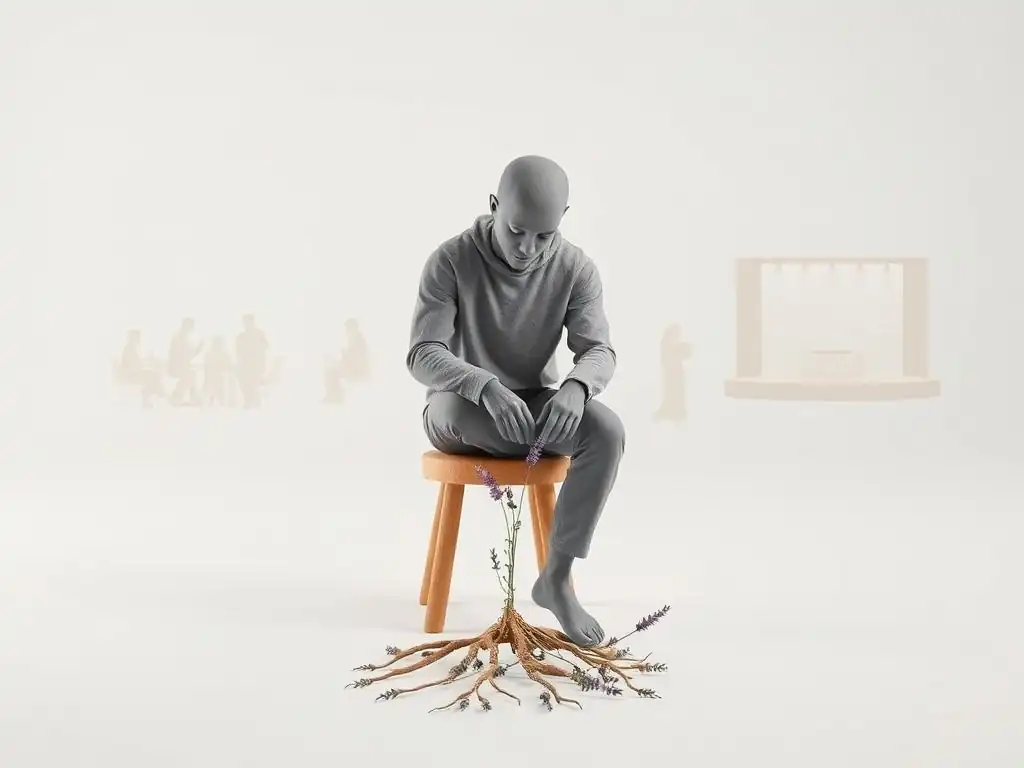
While social situations are the source of fear, positive social connections are paradoxically vital for overcoming social anxiety. Having supportive friends, family members, or partners who understand and validate your struggles can provide immense comfort and encouragement. These relationships can offer a safe space to practice social skills and receive reassurance.
Even small, positive interactions can help challenge negative beliefs about social situations. Building a support system doesn't mean instantly becoming a social butterfly; it means identifying a few trusted individuals with whom you feel relatively comfortable and gradually nurturing those connections.
Seeking professional help from a therapist or counselor who specializes in treating social anxiety disorder is a critical step. These professionals have expertise in evidence-based treatments like CBT and exposure therapy and can provide personalized strategies for identifying and managing your specific social anxiety triggers and causes.
A therapist can offer a safe and non-judgmental space to explore the roots of your anxiety, challenge negative thought patterns, and guide you through the process of gradually confronting feared situations. They can also help develop coping skills and provide support throughout the recovery journey.
Joining a support group for individuals with social anxiety can be incredibly beneficial. Connecting with others who understand what it's like to live with SAD can reduce feelings of isolation and provide a sense of community. Sharing experiences and coping strategies with peers can be empowering and validating.
Support groups offer a safe environment to practice social skills, receive encouragement, and learn from others' successes and challenges. Many organizations dedicated to mental health offer such groups, either in person or online, providing a valuable resource for navigating social anxiety triggers and causes.
Overcoming social anxiety is a gradual process, not an overnight fix. Setting realistic, achievable social goals is essential to avoid feeling overwhelmed and discouraged. Instead of aiming to be the life of the party, start with smaller goals like initiating one brief conversation at an event or maintaining eye contact during a conversation.
Celebrate small victories along the way. Each step, no matter how small, is progress. Setting realistic expectations helps manage the inherent challenges of confronting social anxiety triggers and causes and builds confidence over time.
Practicing Self-Compassion and Self-Acceptance
Individuals with social anxiety are often highly self-critical. Practicing self-compassion involves treating yourself with the same kindness, understanding, and acceptance you would offer a friend facing similar difficulties. Recognize that social anxiety is a challenging condition, not a personal failing.
Self-acceptance means acknowledging your anxieties and imperfections without judgment. It's okay to feel nervous sometimes. Embracing self-compassion and self-acceptance reduces the fear of internal judgment, which is closely linked to the fear of external judgment that fuels social anxiety triggers and causes.
Challenging Negative Thoughts and Cognitive Distortions
Social anxiety is heavily influenced by negative and often distorted thought patterns. Identifying these thoughts (e.g., "Everyone thinks I'm weird," "I'm going to embarrass myself") and actively challenging their validity is a core strategy. Ask yourself:
- What evidence supports this thought?
- What evidence contradicts this thought?
- What's a more balanced or realistic perspective?
- What's the worst that could realistically happen, and could I cope with it?
Learning to recognize and dispute these cognitive distortions weakens the power of social anxiety triggers and causes by altering your interpretation of social situations.
For some individuals, social anxiety may be accompanied by a lack of developed social skills, or the anxiety itself makes it difficult to utilize existing skills effectively. Actively working on building social skills, such as active listening, starting and maintaining conversations, or reading non-verbal cues, can increase comfort and confidence in social settings.
This can be done through therapy, social skills training groups, or practicing in low-stakes environments. As social skills improve and positive social experiences accumulate, self-confidence naturally grows, making feared social situations less intimidating and reducing the impact of social anxiety triggers and causes.
Understanding the specific social anxiety triggers and causes is fundamental to managing and overcoming this challenging condition. While genetics and environmental factors can create a vulnerability, specific situations related to performance, interaction, and observation often act as the immediate catalysts for anxiety. The fear of negative evaluation lies at the heart of most triggers, creating a cycle of worry, physical symptoms, and avoidance.
Recognizing these patterns allows individuals to target their efforts effectively. Evidence-based therapies like CBT and exposure therapy, coupled with strategies like mindfulness, medication (when necessary), building a support system, and practicing self-compassion, offer a clear path towards reducing the intensity of social anxiety triggers and causes. By gradually confronting fears, challenging negative thoughts, and building confidence, individuals can significantly improve their well-being and navigate social situations with greater ease and less distress.
Frequently Asked Questions
The article highlights triggers such as public speaking, social gatherings, and being observed while performing tasks. These situations often involve a fear of negative evaluation.
Yes, the article distinguishes triggers as specific situations that activate anxiety, while causes are the underlying factors contributing to its development.
The article explores potential causes including genetics, brain structure differences, and negative past experiences contributing to heightened social fear.
The article recommends keeping a journal to track situations that induce anxiety, noting your thoughts and physical sensations experienced during those moments.
Mind Care Guide provides informational articles, self-help techniques, and links to professional resources aimed at helping individuals cope with and manage their social anxiety.
Understanding the triggers of social anxiety is not merely an academic exercise; it's a crucial step towards reclaiming your life. The information presented in this article highlights the multifaceted nature of social anxiety, demonstrating how seemingly minor events can escalate into overwhelming fear and avoidance. This understanding empowers individuals to begin dismantling the walls of anxiety, one trigger at a time.
The exploration of social anxiety's impact on daily life has been profoundly moving. Witnessing the pervasive influence of these anxieties, from hindering career advancement to isolating individuals from meaningful connections, underscores the urgent need for increased awareness and support. The greatest barrier to change is the illusion of security.
This quote resonates deeply, as many individuals remain trapped in their anxiety due to the perceived safety of avoidance, even though it ultimately limits their potential.
Now, consider your own experiences. What triggers have you identified within yourself? What steps can you take, armed with this new knowledge, to challenge those triggers and gradually build resilience? This isn't about eliminating anxiety entirely—it's about learning to manage it, to understand its roots, and to navigate life with greater confidence and self-compassion. Take the first step today. Start small, celebrate your progress, and remember that you are not alone in this journey.
Thanks for taking the time to explore the world of social anxiety with us! We hope you gained valuable insights into your triggers and feel more empowered to navigate social situations. Now it's time to put that knowledge into action.
- Identify and Challenge One Trigger: This week, focus on just one specific social trigger that causes you anxiety. Write it down and brainstorm ways to approach it differently. Even small steps make a big difference.
- Share Your Thoughts (Optional): Feel comfortable sharing your thoughts and experiences in the comments below? Connecting with others can be surprisingly helpful.
- Explore a New Coping Mechanism: Try a new relaxation technique or mindfulness exercise to manage anxiety in social situations. Experiment and find what works best for you.
What's one small change you can make this week to build your social confidence?