
The Hidden Epidemic: Unmasking Anxiety in Older Adults

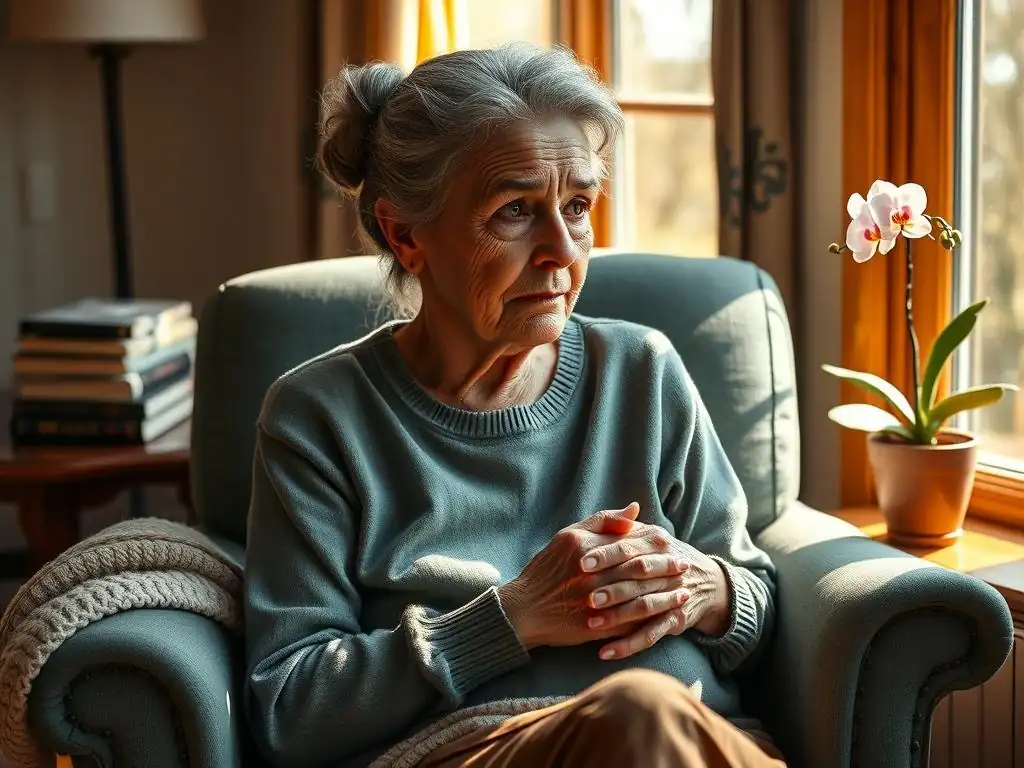
Welcome to Mind Care Guide, your compassionate companion on the journey to mental well-being. Are you concerned about the silent struggles of anxiety, especially in our elders? Delve into our in-depth exploration of anxiety in older adults, uncovering the often-overlooked signs and offering pathways to understanding and support. Discover how to recognize the hidden epidemic and empower yourself to make a difference. Let's begin.
The Hidden Epidemic: Unmasking Anxiety in Older Adults
- Understanding Anxiety Disorders in Later Life: An Introduction
- Unique Challenges of Anxiety in Older Adults
- Recognizing the Signs and Symptoms of Anxiety in Older Adults
-
Common Types of Anxiety Disorders Affecting Older Adults
- Generalized Anxiety Disorder (GAD) in Seniors: A Detailed Look
- Social Anxiety Disorder (SAD) and its Impact on Older Adults
- Panic Disorder and Panic Attacks in the Elderly: Management Strategies
- Obsessive-Compulsive Disorder (OCD) in Older Age: Unique Considerations
- Post-Traumatic Stress Disorder (PTSD) in Older Adults: Addressing Past Trauma
- Risk Factors for Developing Anxiety in Older Age
- Diagnosing Anxiety in Older Adults: A Comprehensive Approach
-
Treatment Options for Anxiety in Older Adults: A Holistic Approach
- Psychotherapy for Anxiety in Seniors: Cognitive Behavioral Therapy (CBT) and More
- Medication Management for Older Adults with Anxiety: Benefits and Risks
- Lifestyle Changes to Reduce Anxiety in the Elderly: Diet, Exercise, and Sleep
- Complementary and Alternative Therapies for Anxiety Relief in Older Adults
- Supporting Older Adults with Anxiety: Practical Tips for Caregivers and Family
- Resources for Anxiety in Older Adults: Where to Find Help
- Overcoming the Stigma of Mental Health in Older Adults
- The Future of Anxiety Care for Older Adults: Innovation and Research
-
Frequently Asked Questions
- What are the common symptoms of anxiety in older adults?
- Why is anxiety often overlooked in older adults?
- What are some effective treatment options for anxiety in older adults?
- How can family members support an older adult struggling with anxiety?
- What resources are available for older adults seeking help for anxiety?
- Final Reflection: The Unseen Struggle, The Urgent Need
- Unlock a Brighter Future: Support Seniors Facing Anxiety
Understanding Anxiety Disorders in Later Life: An Introduction
Anxiety disorders are among the most common mental health conditions, yet they often go unrecognized and undertreated in older adults. While some level of worry is a normal part of life at any age, persistent and excessive anxiety can significantly impair quality of life, social functioning, and physical health for seniors. This section introduces the unique landscape of anxiety as it affects the aging population, highlighting why it's a critical area needing more attention.
Understanding anxiety in older adults requires acknowledging that the experience can differ significantly from that in younger populations. Age-related physiological changes, chronic health conditions, social shifts, and the cumulative impact of life events all contribute to a complex picture. Recognizing the signs and seeking appropriate help is vital for improving the well-being of older adults struggling with anxiety.
Why Anxiety in Older Adults is Often Overlooked
Anxiety in older adults is frequently overlooked or misdiagnosed due to a combination of factors. Seniors may attribute their symptoms to the natural aging process, believing that increased worry, sleep disturbances, or fatigue are simply inevitable parts of getting older. This self-attribution can prevent them from discussing their struggles with family or healthcare providers, leading to silent suffering.
Furthermore, healthcare professionals may also miss the signs of anxiety in this population. Symptoms like restlessness, difficulty concentrating, or irritability can be mistaken for physical ailments, side effects of medication, or even cognitive decline. A lack of specific training in geriatric mental health, combined with limited time during appointments, contributes to this diagnostic gap, leaving many older adults with anxiety undiagnosed and without appropriate support.
The Prevalence of Anxiety Among Seniors: Statistics and Facts
While depression is often considered the most common mental health issue in older adults, anxiety disorders are also highly prevalent, and some estimates suggest they may even be more common. Approximately 10-20% of older adults in the community experience symptoms of anxiety that are clinically significant, though not always meeting the full criteria for a diagnosable disorder. Among those receiving home healthcare, the prevalence can be higher, potentially reaching 20-30%.
Specific data from studies indicate that Generalized Anxiety Disorder (GAD) is particularly common in this age group, affecting an estimated 2-7% of older adults. Phobias, including social phobia and agoraphobia, are also significant concerns, potentially impacting up to 10% of seniors. These figures underscore that anxiety in older adults is far from rare and represents a substantial public health challenge requiring targeted intervention and awareness.
Unique Challenges of Anxiety in Older Adults
Addressing anxiety in older adults presents unique challenges that distinguish it from anxiety experienced by younger individuals. These challenges stem from the specific physical, cognitive, and social contexts of later life. Understanding these factors is crucial for accurate diagnosis and effective treatment strategies tailored to the needs of seniors.
The aging process introduces new vulnerabilities and stressors. Chronic health conditions become more common, social networks may shrink due to loss or mobility issues, and major life transitions, such as retirement or moving homes, can disrupt established routines and coping mechanisms. These elements interact in complex ways, often amplifying feelings of worry and apprehension in older adults.
One of the primary difficulties in identifying anxiety in older adults is distinguishing its symptoms from what might be considered normal age-related changes or the effects of other conditions. For example, changes in sleep patterns are common in older age, but persistent insomnia or difficulty falling asleep can also be a hallmark of anxiety. Similarly, decreased energy or fatigue might be attributed to getting older, but it can also be a significant symptom of an anxiety disorder.
Healthcare providers and caregivers must be vigilant in looking beyond superficial similarities. While some degree of worry about health or finances is understandable, anxiety becomes problematic when it is excessive, persistent, difficult to control, and causes significant distress or impairment in daily functioning. A thorough assessment is needed to determine if symptoms represent a clinical anxiety disorder or typical aging, ensuring that anxiety in older adults is not dismissed.
The Impact of Physical Health Conditions on Anxiety in Seniors
Physical health conditions are pervasive in older adults and can profoundly influence the development and expression of anxiety. Chronic illnesses such as heart disease, respiratory problems (like COPD), diabetes, and neurological conditions often come with significant physical discomfort, limitations, and uncertainty about the future, all of which can trigger or exacerbate anxiety. For instance, an older adult with chronic pain might develop significant anxiety about managing their pain or fear that it will worsen.
Furthermore, the symptoms of physical conditions can sometimes mimic or overlap with anxiety symptoms, complicating diagnosis. Shortness of breath due to lung disease can feel similar to the physical sensations of a panic attack. Dizziness or fatigue from a medical condition might be misinterpreted as anxiety. It is estimated that a substantial percentage – perhaps 30-50% – of older adults with chronic medical illnesses also experience clinically significant anxiety, highlighting the strong bidirectional link between physical health and anxiety in older adults.
Social isolation and loneliness are significant, yet often underestimated, risk factors for anxiety in older adults. As individuals age, they may experience the loss of spouses, friends, and family members. Mobility issues or geographical distance can make it harder to maintain social connections. Retirement can reduce daily interactions that were part of a work routine. These factors can lead to increased feelings of loneliness and disconnection.
Being socially isolated can fuel anxiety in several ways. It reduces opportunities for emotional support and validation, leaving older adults feeling vulnerable and unsupported. It can also increase worry about future health crises or emergencies if there is no one nearby to help.
Studies have consistently shown a strong correlation between loneliness and higher rates of anxiety and depression in older populations. For example, research indicates that socially isolated seniors are at a significantly increased risk – potentially 2 to 5 times higher – of developing anxiety symptoms compared to their socially connected peers, underscoring the critical need to address social determinants of health when considering anxiety in older adults.
Recognizing the Signs and Symptoms of Anxiety in Older Adults
Identifying anxiety in older adults can be challenging because symptoms may differ from those seen in younger individuals or may be masked by other health issues. Caregivers, family members, and healthcare providers need to be attuned to both the classic manifestations and the more subtle indicators of distress in this population. Recognizing these signs is the first step toward seeking appropriate help for anxiety in older adults.
Symptoms can manifest across physical, emotional, behavioral, and cognitive domains. It's important to look for changes from the individual's baseline behavior and mood. What might seem like simple grumpiness or forgetfulness could, in fact, be rooted in underlying anxiety.
Physical Symptoms of Anxiety in Seniors: What to Look For
Physical symptoms are often the most prominent way anxiety manifests in older adults, sometimes even overshadowing emotional distress. These can include a variety of somatic complaints that may be attributed to age or existing medical conditions. Common physical signs include persistent fatigue or low energy levels, which is often reported by older adults experiencing significant worry.
Other physical manifestations can involve gastrointestinal issues such as nausea, stomach upset, or changes in bowel habits. Muscle tension, headaches, and unexplained aches and pains are also frequently reported. Some older adults with anxiety may experience restlessness, difficulty sitting still, or trembling. While these symptoms can overlap with other conditions common in later life, their persistence and association with periods of worry should raise suspicion for anxiety in older adults.
Emotional and Behavioral Manifestations of Anxiety in the Elderly
Emotional and behavioral signs of anxiety in older adults may be less verbally expressed than in younger people, sometimes presenting as irritability, agitation, or excessive complaining rather than overt statements of worry. Seniors might seem constantly on edge, easily startled, or disproportionately concerned about minor issues. They may exhibit excessive reassurance-seeking behavior, repeatedly asking the same questions about their health or safety.
Behaviorally, older adults with anxiety might withdraw from social activities they once enjoyed, fearing potential embarrassment or discomfort. They may avoid specific places or situations that trigger their worries, such as crowded spaces (agoraphobia) or social gatherings (social anxiety). Sleep disturbances, including difficulty falling asleep, staying asleep, or restless sleep, are also common behavioral indicators of anxiety in older adults.
Cognitive Changes Associated with Anxiety in Later Life
Anxiety can significantly impact cognitive function in older adults, sometimes leading to concerns about dementia or other forms of cognitive decline. One common cognitive symptom is difficulty concentrating or focusing, making it hard for seniors to follow conversations, read, or complete tasks. They may report their minds feeling "blank" or racing with worries.
Excessive rumination, or constantly dwelling on negative thoughts and potential worst-case scenarios, is another key cognitive feature of anxiety in older adults. This persistent worry can impair memory and executive functions, such as planning and problem-solving. While some age-related cognitive changes are normal, persistent difficulties with concentration, memory, and decision-making linked to excessive worry warrant evaluation for anxiety in older adults.
Common Types of Anxiety Disorders Affecting Older Adults
While older adults can experience any type of anxiety disorder, some are more prevalent or manifest with unique characteristics in this population. Understanding these specific presentations is important for accurate diagnosis and targeted intervention. This section details the common anxiety disorders encountered in later life.
It's important to remember that these disorders often co-occur with other mental health conditions, such as depression, and with physical health problems, complicating the clinical picture. Tailoring treatment to the specific type of anxiety and its comorbidities is essential for improving outcomes for older adults.
Generalized Anxiety Disorder (GAD) in Seniors: A Detailed Look
Generalized Anxiety Disorder (GAD) is characterized by persistent, excessive worry about a variety of things – health, finances, family, future events – that is difficult to control. In older adults, the focus of worry often shifts towards health concerns, fear of falling, financial security in retirement, or the well-being of loved ones. This chronic worry can lead to significant distress and functional impairment.
Unlike younger adults who might verbalize their worries more readily, older adults with GAD may express their anxiety through physical complaints (as mentioned earlier) or irritability. They may spend excessive amounts of time seeking reassurance or checking for potential problems. Prevalence estimates suggest GAD affects between 2% and 7% of community-dwelling older adults, making it one of the most common forms of anxiety in older adults. The chronic nature of GAD means it can significantly erode quality of life over many years if left untreated.
Social Anxiety Disorder (SAD), or social phobia, involves an intense fear of social situations where one might be judged, embarrassed, or humiliated. While often associated with younger individuals, SAD can persist into or even emerge in older age. For seniors, this might manifest as extreme anxiety about participating in group activities at a senior center, attending family gatherings, or even simple interactions like talking to a cashier.
The fear of negative evaluation can lead to significant social withdrawal, exacerbating feelings of loneliness and isolation, which are already risk factors for anxiety in older adults. An older adult with SAD might avoid necessary appointments or activities that could improve their well-being simply to avoid social interaction. While specific prevalence data for SAD onset in older age is less robust, studies indicate that a significant number of older adults carry this diagnosis from earlier life or develop it, further limiting their engagement with the world.
Panic Disorder and Panic Attacks in the Elderly: Management Strategies
Panic disorder is characterized by recurrent, unexpected panic attacks, which are sudden episodes of intense fear accompanied by physical symptoms like rapid heartbeat, sweating, trembling, shortness of breath, chest pain, dizziness, or a feeling of losing control or impending doom. While less commonly diagnosed for the first time in older adults compared to younger populations, panic disorder can still occur and is often complicated by co-occurring medical conditions that have similar physical symptoms.
Managing panic attacks in older adults requires careful assessment to rule out medical emergencies (like a heart attack). Treatment often involves a combination of strategies. Cognitive Behavioral Therapy (CBT) can teach techniques to manage anxious thoughts and physical symptoms. Relaxation techniques, such as deep breathing or mindfulness, are also valuable. Medication may be considered, but with caution due to potential interactions and side effects common in older adults. Effective management helps seniors regain a sense of control and reduce the debilitating fear associated with unexpected panic attacks.
Obsessive-Compulsive Disorder (OCD) in Older Age: Unique Considerations
Obsessive-Compulsive Disorder (OCD) involves persistent, intrusive thoughts (obsessions) that cause distress, leading to repetitive behaviors or mental acts (compulsions) performed to reduce the anxiety caused by the obsessions. While OCD typically begins in adolescence or early adulthood, it can persist into or even rarely emerge in older age. In older adults, obsessions might focus on health, safety of loved ones, or religious/moral concerns.
Compulsions might involve excessive checking (e.g., locks, appliances), cleaning, or ordering. Unique considerations in older adults include the potential for compulsions to be mistaken for age-related rigidity or habits. Furthermore, cognitive changes could potentially impact insight into the irrationality of obsessions or compulsions. Treatment, often involving exposure and response prevention therapy (a type of CBT) and sometimes medication, needs to be adapted to the individual's specific needs and potential cognitive or physical limitations.
Post-Traumatic Stress Disorder (PTSD) in Older Adults: Addressing Past Trauma
Post-Traumatic Stress Disorder (PTSD) can develop after exposure to a traumatic event, such as combat, natural disasters, accidents, assault, or abuse. While often associated with younger individuals who have experienced recent trauma, PTSD can also affect older adults who experienced trauma earlier in life (e.g., military combat in their youth) or who experience new trauma in later life. For older veterans of conflicts like WWII, Korea, or Vietnam, symptoms may emerge or intensify decades after the event, sometimes triggered by retirement, health issues, or the loss of a spouse.
Symptoms in older adults can include intrusive memories (flashbacks, nightmares), avoidance of trauma-related stimuli, negative changes in mood and cognition (e.g., difficulty remembering aspects of the trauma, feeling detached), and alterations in arousal and reactivity (e.g., irritability, difficulty sleeping, being easily startled). Addressing PTSD in older adults requires a trauma-informed approach, recognizing the potential for delayed onset and the need for gentle, effective therapies like trauma-focused CBT or Eye Movement Desensitization and Reprocessing (EMDR), adapted to the senior's pace and needs.
Risk Factors for Developing Anxiety in Older Age
Several factors can increase an older adult's vulnerability to developing anxiety. These risk factors often interact, creating a complex web of influences that can contribute to the onset or worsening of anxiety symptoms. Understanding these factors is key to identifying individuals at higher risk and implementing preventative strategies for anxiety in older adults.
Risk factors can be broadly categorized into biological, medical, and psychosocial domains. While some factors, like genetics, are unchangeable, others, like social isolation or medication side effects, can be addressed or mitigated through intervention.
The Role of Genetics and Family History in Senior Anxiety
Research suggests a genetic predisposition can play a role in the development of anxiety disorders across the lifespan, including in older age. Individuals with a family history of anxiety or depression may be at increased risk. While genetics don't guarantee that someone will develop anxiety, they can create a vulnerability that, when combined with environmental stressors or other risk factors common in later life, increases the likelihood.
Specific genes related to neurotransmitter regulation, such as serotonin and dopamine, have been implicated in anxiety disorders. While the exact mechanisms are complex and still being studied, having a first-degree relative (parent, sibling) with an anxiety disorder can increase one's risk by an estimated 2 to 5 times. This highlights the importance of considering family history when assessing risk for anxiety in older adults.
Medical Conditions and Medications that Can Trigger Anxiety in the Elderly
As previously mentioned, chronic medical conditions are significant risk factors for anxiety in older adults. Conditions like cardiovascular disease, respiratory illnesses (asthma, COPD), thyroid problems (hyperthyroidism), chronic pain conditions, and neurological disorders (Parkinson's disease, dementia) can directly cause anxiety symptoms or create stress that triggers anxiety. For example, the physical sensations of hyperthyroidism can mimic a panic attack.
Furthermore, many medications commonly prescribed to older adults can have anxiety as a side effect. Examples include certain bronchodilators used for asthma, corticosteroids, stimulants, some antidepressants (especially when starting), and even some over-the-counter cold remedies. Polypharmacy, the use of multiple medications, increases the risk of drug interactions and side effects that can contribute to anxiety in older adults. A thorough review of all medications is crucial when evaluating late-life anxiety.
Life Transitions and Stressful Events Contributing to Anxiety in Older Adults
Older age is often accompanied by significant life transitions and potentially stressful events that can serve as potent triggers for anxiety. Retirement, while anticipated, can lead to a loss of routine, social connections, and a sense of purpose, contributing to feelings of uncertainty and anxiety. Moving from a long-term home to assisted living or a smaller residence can be highly stressful.
The death of a spouse, close friends, or family members is a profound loss that can trigger intense grief, loneliness, and anxiety about one's own mortality or ability to cope alone. Financial difficulties, health crises (their own or a loved one's), and the loss of independence (e.g., giving up driving) are also significant stressors that can increase vulnerability to anxiety in older adults. It is estimated that major life stressors account for a substantial portion – perhaps 30-40% – of anxiety cases with late-life onset.
Diagnosing Anxiety in Older Adults: A Comprehensive Approach
Diagnosing anxiety in older adults requires a comprehensive and nuanced approach that goes beyond simply asking if someone feels worried. Given the unique challenges and potential for overlapping symptoms with other conditions, a thorough evaluation is essential to ensure an accurate diagnosis and guide effective treatment for anxiety in older adults.
A multi-faceted assessment typically involves gathering information from the older adult, their family or caregivers, conducting clinical interviews, using standardized assessment tools, and coordinating with medical providers to rule out physical causes.
The Importance of Accurate Diagnosis for Effective Treatment
An accurate diagnosis is the cornerstone of effective treatment for anxiety in older adults. Misdiagnosing anxiety as depression, a medical condition, or simply "normal aging" can lead to inappropriate or ineffective interventions, delaying access to the help the individual truly needs. For instance, treating anxiety with medication intended for depression alone may not fully address the symptoms, or focusing solely on physical health might miss the underlying psychological distress.
Conversely, attributing anxiety symptoms to a medical condition without proper investigation could mean missing a treatable mental health disorder. An accurate diagnosis allows clinicians to select the most appropriate evidence-based therapies, whether it's a specific type of psychotherapy like CBT, carefully considered medication, or a combination of approaches tailored to the individual's specific anxiety disorder and overall health profile. This precision is vital for improving outcomes for older adults with anxiety.
Mental Health Assessments for Seniors: What to Expect
A mental health assessment for anxiety in older adults typically involves several components. A clinician will conduct a detailed clinical interview, asking about the history and nature of the anxiety symptoms, their duration, intensity, triggers, and impact on daily life. They will also inquire about the individual's medical history, medications, social support, and significant life events.
Standardized assessment tools, such as the Geriatric Anxiety Inventory (GAI) or the Hamilton Anxiety Rating Scale (HARS), may be used to quantify the severity of anxiety symptoms and track progress over time. These tools are often designed or adapted specifically for older populations. The assessment might also involve gathering information from family members or caregivers, with the older adult's consent, as they can provide valuable insights into the individual's behavior and functioning. The goal is to build a complete picture to accurately diagnose anxiety in older adults.
Ruling Out Medical Conditions That Mimic Anxiety
A critical step in diagnosing anxiety in older adults is ruling out medical conditions that can present with similar symptoms. As discussed earlier, hyperthyroidism, cardiovascular issues (like arrhythmias), respiratory problems, hypoglycemia, and even vitamin deficiencies can cause symptoms that overlap with anxiety, such as palpitations, shortness of breath, dizziness, or trembling.
Therefore, a thorough medical evaluation is usually necessary. This might involve a physical examination, blood tests (e.g., thyroid function tests, blood glucose), and other diagnostic tests as indicated by the individual's symptoms and medical history. Consulting with the older adult's primary care physician is essential to review existing conditions and medications. Only after medical causes have been ruled out or appropriately managed can a confident diagnosis of anxiety in older adults be made and the correct mental health treatment initiated.
Treatment Options for Anxiety in Older Adults: A Holistic Approach
Treating anxiety in older adults requires a holistic approach that considers the individual's physical health, cognitive status, social context, and personal preferences. Effective interventions often combine different modalities, tailored to the specific type and severity of anxiety, as well as any co-occurring conditions. The goal is not just to reduce symptoms but to improve overall quality of life and functioning for older adults with anxiety.
Treatment plans should be flexible and adjusted as needed, always prioritizing the senior's comfort and safety. Collaboration between mental health professionals, primary care physicians, and caregivers is crucial for comprehensive care.
Psychotherapy for Anxiety in Seniors: Cognitive Behavioral Therapy (CBT) and More
Psychotherapy is a highly effective first-line treatment for anxiety in older adults. Cognitive Behavioral Therapy (CBT) is particularly well-supported by research for this population. CBT helps individuals identify and challenge negative thought patterns (cognitive distortions) that contribute to anxiety and teaches behavioral strategies to confront feared situations gradually (exposure therapy). CBT can be adapted to the specific needs and pace of older adults, often focusing on current problems and practical coping skills.
Other forms of therapy may also be beneficial. Relaxation training, applied relaxation, and mindfulness-based techniques can help seniors manage physical symptoms of anxiety. Interpersonal therapy (IPT) might be useful for anxiety linked to social roles or relationships. Problem-solving therapy can help older adults develop strategies to cope with specific stressors. The choice of therapy depends on the individual's diagnosis, cognitive ability, and preferences, providing tailored support for anxiety in older adults.
Medication Management for Older Adults with Anxiety: Benefits and Risks
Medication can be a useful component of treatment for anxiety in older adults, particularly when symptoms are severe or do not respond sufficiently to psychotherapy alone. However, prescribing medication in this population requires careful consideration due to age-related changes in metabolism, potential drug interactions, and increased sensitivity to side effects. Medications are typically started at lower doses and increased gradually, with close monitoring.
Selective Serotonin Reuptake Inhibitors (SSRIs) and Serotonin-Norepinephrine Reuptake Inhibitors (SNRIs) are often considered first-line pharmacological treatments for many anxiety disorders in older adults due to their effectiveness and relatively favorable side-effect profiles compared to older classes of drugs. Benzodiazepines, while effective for acute anxiety relief, are generally used cautiously and for short durations in older adults due to risks of sedation, cognitive impairment, falls, and dependence. Medication decisions should always be made in consultation with a physician experienced in geriatric pharmacology, carefully weighing the benefits against the risks for treating anxiety in older adults.
Lifestyle Changes to Reduce Anxiety in the Elderly: Diet, Exercise, and Sleep
Lifestyle modifications play a crucial role in managing anxiety in older adults and can complement psychotherapy and medication. Regular physical activity is a powerful anxiety reducer. Even moderate exercise, such as walking, swimming, or chair exercises, can improve mood, reduce muscle tension, and improve sleep. Aiming for about 150 minutes of moderate-intensity exercise per week, as recommended for older adults, can have significant mental health benefits.
Maintaining a balanced diet and staying hydrated also support overall well-being and can indirectly help manage anxiety symptoms. Limiting caffeine and alcohol intake is often recommended, as these substances can exacerbate anxiety. Prioritizing healthy sleep hygiene is essential; consistent sleep schedules, a comfortable sleep environment, and avoiding screens before bed can improve sleep quality, which is often disrupted by anxiety in older adults. These lifestyle changes empower seniors to take an active role in managing their anxiety.
Complementary and Alternative Therapies for Anxiety Relief in Older Adults
Complementary and alternative therapies can offer additional avenues for anxiety relief for older adults, often used in conjunction with conventional treatments. Techniques such as mindfulness meditation, guided imagery, and deep breathing exercises can help seniors calm their nervous system and manage anxious thoughts in the moment. These practices can be adapted for individuals with mobility issues.
Other approaches include gentle yoga or Tai Chi, which combine physical movement with mindfulness and relaxation. Creative therapies, such as art or music therapy, can provide non-verbal ways for older adults to express emotions and reduce stress. While evidence for some alternative therapies may vary, many offer low-risk ways to promote relaxation and well-being. It is important for older adults to discuss any complementary therapies with their healthcare provider to ensure they are safe and appropriate for their specific health conditions and to support their overall plan for managing anxiety in older adults.
Supporting Older Adults with Anxiety: Practical Tips for Caregivers and Family
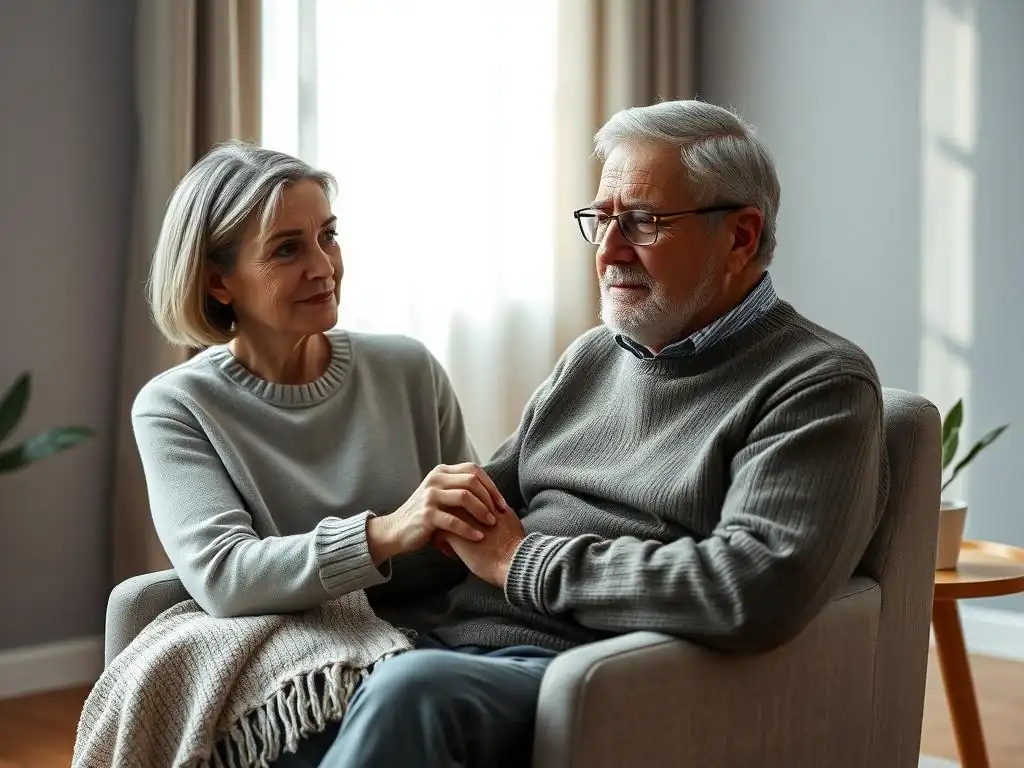
Caregivers and family members play a vital role in supporting older adults who are experiencing anxiety. Their understanding, patience, and practical assistance can make a significant difference in the senior's ability to cope and seek help. Providing support involves creating a positive environment, encouraging healthy behaviors, and helping navigate the healthcare system.
It's important for supporters to also take care of their own well-being, as caring for someone with anxiety can be demanding. Recognizing the signs in older adults and knowing how to respond empathetically is key.
Creating a Supportive and Understanding Environment
Creating a supportive environment begins with empathy and validation. Listen without judgment to the older adult's concerns and fears, even if they seem excessive. Avoid dismissing their feelings or telling them to "just stop worrying." Let them know that their feelings are real and that you are there to help. Learn about anxiety in older adults to better understand what they are going through.
Maintain patience, especially if their anxiety leads to repetitive questions or behaviors. Help them identify triggers for their anxiety and collaboratively brainstorm coping strategies. Encourage them gently to try new approaches or seek help, without being pushy. A calm and predictable environment can also be helpful, as uncertainty can exacerbate anxiety in older adults.
Combating social isolation is crucial for supporting older adults with anxiety, as loneliness is a significant risk factor. Encourage participation in social activities, but respect their comfort level, especially if they have social anxiety. Start small, perhaps with one-on-one visits or small group settings. Help them connect with friends, family, or community groups.
Assist with transportation if needed. Explore opportunities for volunteering or joining clubs or classes based on their interests. Technology can also be a bridge to connection; help them use video calls or social media to stay in touch with distant loved ones. Maintaining meaningful connections provides emotional support and reduces the sense of being alone with their worries, significantly helping older adults with anxiety.
Helping Seniors Access Mental Health Resources
Navigating the healthcare system can be challenging for older adults, especially when dealing with anxiety. Caregivers and family can assist by helping schedule appointments with primary care physicians or mental health specialists. Offer to accompany them to appointments to provide support and help remember information or ask questions.
Assist with finding qualified mental health professionals who specialize in geriatric care or have experience treating anxiety in older adults. Help them understand their insurance coverage for mental health services. Encourage them to follow treatment plans, whether it involves attending therapy sessions, taking medication as prescribed, or practicing learned coping skills. Actively helping them access and utilize resources is a practical way to support older adults with anxiety.
Resources for Anxiety in Older Adults: Where to Find Help
Finding the right support and information is a critical step for older adults experiencing anxiety and for those who care for them. Numerous resources are available, ranging from national organizations offering information and support groups to online tools and databases for finding qualified professionals. Accessing these resources can empower older adults and their families in managing anxiety.
Knowing where to turn for reliable information and professional help is essential. This section provides guidance on locating valuable resources specifically tailored to the needs of older adults dealing with anxiety.
National Organizations and Support Groups
Several national organizations provide valuable information, resources, and support networks for individuals with anxiety disorders and their families, often with specific materials relevant to older adults. Organizations like the Anxiety & Depression Association of America (ADAA) offer extensive online resources, webinars, and help finding local support groups. The National Alliance on Mental Illness (NAMI) provides education, support groups, and advocacy for individuals and families affected by mental illness, including anxiety in older adults.
Support groups, whether in-person or online, offer a space for older adults to connect with peers who understand their struggles, share experiences, and learn coping strategies. These groups can reduce feelings of isolation and provide a sense of community for older adults with anxiety. Checking the websites of national mental health organizations is a good starting point for finding reputable information and support networks.
Online Resources and Information
The internet offers a wealth of information about anxiety in older adults, including symptoms, causes, and treatment options. Reputable websites from mental health organizations, government health agencies (like the National Institute of Mental Health - NIMH), and academic medical centers often provide evidence-based information. Online articles, fact sheets, and guides can help older adults and their families learn more about anxiety and how to manage it.
Many organizations also offer online tools, such as symptom checkers (though these should not replace professional diagnosis) and directories of mental health professionals. Some platforms provide online therapy options, which can be particularly accessible for older adults with mobility issues or those living in rural areas. When using online resources, it is crucial to ensure the source is credible and the information is up-to-date and relevant to anxiety in older adults.
Finding Qualified Mental Health Professionals Specializing in Geriatric Care
Finding a mental health professional with experience treating older adults is important, as they understand the unique aspects of anxiety in this population, including potential interactions with medical conditions and medications. Primary care physicians are often a good first point of contact and can provide referrals to mental health specialists.
Directories from professional organizations, such as the American Psychological Association (APA) or the American Psychiatric Association (APA), often allow searching for therapists or psychiatrists by specialization, including geriatrics. Websites of local hospitals or university medical centers may also list mental health providers with expertise in older adult care. Asking for recommendations from trusted sources can also be helpful in finding a qualified professional to help manage anxiety in older adults.
Overcoming the Stigma of Mental Health in Older Adults
Stigma surrounding mental health remains a significant barrier for older adults seeking help for anxiety. Many seniors grew up in times when mental health issues were not openly discussed or were viewed as a sign of weakness. This can lead to feelings of shame or embarrassment, preventing them from acknowledging their struggles or reaching out for support. Addressing this stigma is crucial for improving access to care for anxiety in older adults.
Overcoming stigma requires education, open communication, and a shift in societal attitudes. It involves normalizing conversations about mental well-being and emphasizing that seeking help is a sign of strength, not weakness, especially when dealing with the unique challenges of anxiety in older adults.
Educating Seniors and Families About Anxiety
Education is a powerful tool in combating mental health stigma. Providing accurate information about anxiety disorders, their symptoms, causes, and effective treatments can help demystify these conditions. Explaining that anxiety is a common and treatable health condition, not a character flaw, can reduce shame and encourage help-seeking.
Educational efforts can target older adults directly through community centers, senior living facilities, and healthcare providers' offices. Informational brochures, workshops, and presentations can raise awareness. Educating family members and caregivers is equally important, as they can provide support and encourage the older adult to seek professional help. Highlighting the prevalence of anxiety in older adults through facts and figures can also demonstrate that they are not alone in their experience.
Promoting Open Communication and Seeking Help
Creating an environment where open communication about feelings and mental health is encouraged is vital. Family members and caregivers can initiate conversations about how the older adult is feeling, both physically and emotionally, in a gentle and non-judgmental way. Sharing personal experiences (if appropriate) or discussing the experiences of others can help normalize the conversation.
Encouraging older adults to talk to their doctor about all their symptoms, including worry, sleep problems, or irritability, is important, as healthcare providers are key in identifying anxiety. Emphasizing that treatment is effective and can significantly improve quality of life can motivate seniors to seek help. Promoting the idea that seeking professional support for anxiety in older adults is a positive step towards better health and well-being is essential to breaking down the barriers of stigma.
The Future of Anxiety Care for Older Adults: Innovation and Research
The field of geriatric mental health is continuously evolving, with ongoing research and technological advancements promising to improve the detection, diagnosis, and treatment of anxiety in older adults. Innovations in healthcare delivery and personalized approaches are paving the way for more accessible and effective interventions tailored to the unique needs of this population.
As the global population ages, the focus on mental health in later life, including anxiety, is expected to grow. Future developments aim to overcome current barriers to care and provide more integrated and individualized support for older adults experiencing anxiety.
Telehealth and Remote Monitoring for Anxiety Management
Telehealth has rapidly expanded, offering a promising avenue for improving access to mental health care for older adults, particularly those with mobility issues, chronic illnesses, or who live in rural or underserved areas. Video conferencing allows seniors to connect with therapists and psychiatrists from the comfort of their homes, reducing barriers related to transportation and physical limitations.
Remote monitoring technologies, such as wearable devices or smartphone apps, are also being explored for their potential to track physiological indicators of anxiety (like heart rate or sleep patterns) or allow older adults to log their mood and symptoms. While privacy and digital literacy are considerations, these technologies hold potential for more frequent monitoring and timely intervention, enhancing the management of anxiety in older adults. Pilot programs have shown high satisfaction rates among older adults using telehealth for mental health services.
Personalized Medicine Approaches to Anxiety Treatment
The future of anxiety treatment is moving towards more personalized approaches, recognizing that what works for one older adult may not work for another. This involves considering an individual's genetic makeup, specific biological markers, lifestyle factors, co-occurring medical conditions, and personal preferences when selecting treatments.
Research is exploring how genetic variations might influence a person's response to different anxiety medications, potentially allowing for more targeted prescribing. Understanding how anxiety interacts with specific age-related physiological changes or neurodegenerative processes could lead to more specialized therapeutic interventions. Tailoring psychotherapy techniques even more precisely to an individual's cognitive profile and life experiences represents another step towards personalized care. This shift towards precision medicine aims to optimize treatment outcomes and minimize side effects for anxiety in older adults.
Frequently Asked Questions
What are the common symptoms of anxiety in older adults?
Anxiety in older adults can manifest as excessive worry, restlessness, sleep disturbances, and physical symptoms like fatigue or muscle tension. It's important to note that these symptoms can sometimes be mistaken for age-related changes.
Why is anxiety often overlooked in older adults?
Anxiety is frequently overlooked due to a combination of factors, including ageism, the belief that anxiety is a normal part of aging, and the co-occurrence of physical health problems that mask the underlying anxiety.
What are some effective treatment options for anxiety in older adults?
Effective treatments include psychotherapy (like cognitive behavioral therapy or CBT), medication (antidepressants or anti-anxiety drugs), and lifestyle adjustments such as regular exercise and mindfulness techniques.
How can family members support an older adult struggling with anxiety?
Family members can provide support by actively listening, encouraging professional help, creating a supportive and understanding environment, and helping the individual engage in social activities.
What resources are available for older adults seeking help for anxiety?
Many resources are available, including mental health professionals specializing in geriatric care, support groups, online resources from organizations like the National Institute of Mental Health (NIMH), and local senior centers offering mental health programs.
Final Reflection: The Unseen Struggle, The Urgent Need
The pervasive nature of anxiety in older adults is not merely a statistic; it's a silent crisis demanding immediate attention. This article has highlighted the often-overlooked challenges faced by this demographic, from the physiological changes impacting mental health to the societal misconceptions that hinder effective support. We've explored the multifaceted nature of anxiety in later life, demonstrating its impact on physical well-being, social connections, and overall quality of life. Ignoring this epidemic has profound consequences, impacting not only individuals but also the fabric of our aging communities.
The journey of understanding anxiety in older adults is a deeply personal one, forcing us to confront our own biases and assumptions about aging. It's a journey that requires empathy, patience, and a willingness to listen without judgment. The weight of unspoken anxieties can be immense, leaving many feeling isolated and misunderstood. The greatest barrier to effective treatment is often the stigma surrounding mental health, particularly in older generations.
This quote underscores the crucial need for open dialogue and compassionate understanding. We must actively dismantle the societal barriers that prevent older adults from seeking help and finding the support they deserve.
Consider the impact of this article on your own perceptions. Are you more aware now of the signs and symptoms of anxiety in older adults? Have you considered how you might offer support to an elderly family member, friend, or neighbor who may be struggling silently? Take the time to reach out, to listen, and to learn. Let this article be a catalyst for change, not just in your understanding, but in your actions. The fight against the hidden epidemic of anxiety in older adults begins with each of us.
Unlock a Brighter Future: Support Seniors Facing Anxiety
Thanks for taking the time to learn about the often-overlooked challenges of anxiety in older adults. You've gained valuable insights into recognizing the signs and understanding the impact. Now, let's turn that knowledge into action:
- Prioritize open communication: Start a conversation with a senior loved one or friend about their mental wellbeing. A simple check-in can make a world of difference.
- Share this article: Help spread awareness about anxiety in older adults by sharing this piece on social media or sending it to someone who might find it helpful.
- Consider volunteering: Look for opportunities to support local senior centers or organizations that offer mental health services. Your time can make a profound impact.
What small step can you take today to promote better mental health among the older adults in your life?