
When to Worry About Worry: Distinguishing Normal Aging from Anxiety Disorder

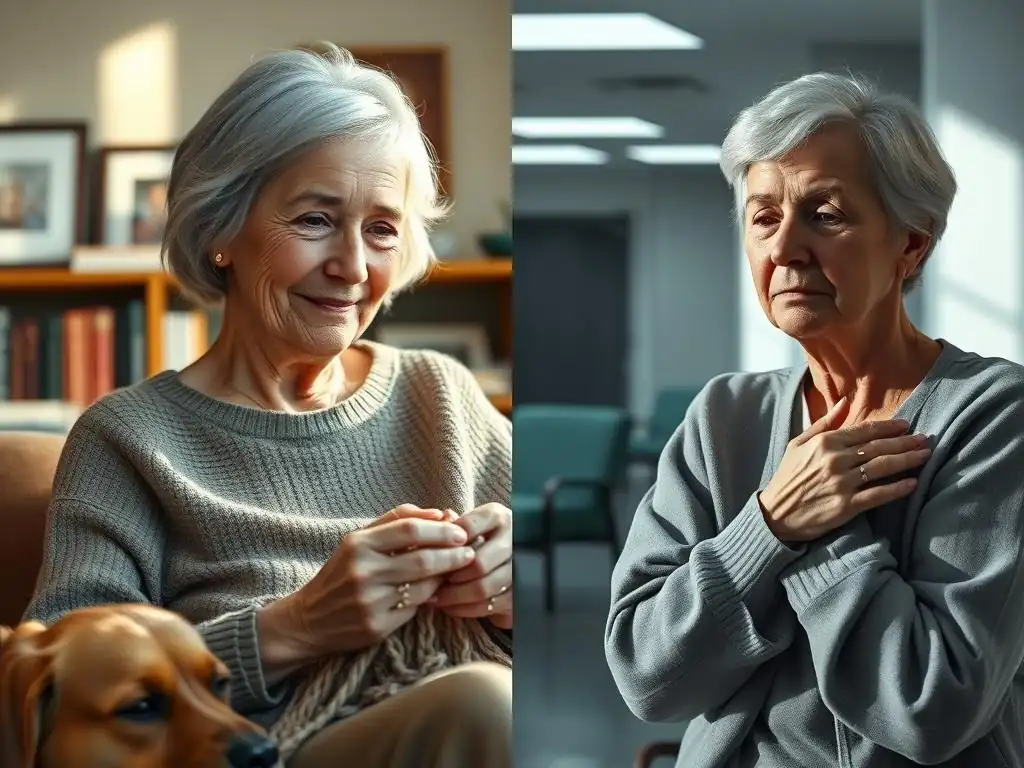
Welcome to Mind Care Guide, a space dedicated to nurturing your mental well-being.
Feeling more anxious as you get older? It's a common experience, but how do you know when it crosses the line? Our latest article, " When to Worry About Worry: Distinguishing Normal Aging from Anxiety Disorder," delves into the crucial differences. Discover the subtle signs that separate typical age-related changes from the symptoms of an anxiety disorder, and learn how to find the support you deserve. Your peace of mind matters. Dive in to understand the nuances and empower yourself with knowledge.
- Understanding Anxiety in Older Adults: Is it Normal Aging or an Anxiety Disorder?
-
Frequently Asked Questions
- How does normal aging typically affect worry and anxiety levels?
- What are some key differences between normal age-related worry and an anxiety disorder?
- What are some physical symptoms that might indicate an anxiety disorder rather than just normal aging?
- What types of treatment are available for anxiety disorders that can help older adults?
- Where can someone find reliable resources and support if they suspect an anxiety disorder in themselves or a loved one, and how does that relate to normal aging?
- Final Reflection: Navigating the Labyrinth of Aging and Anxiety
- Unlock Your Inner Calm: Take Control of Your Worries
Understanding Anxiety in Older Adults: Is it Normal Aging or an Anxiety Disorder?

Anxiety is a natural human emotion, a response to stress or perceived danger. While experiencing some level of worry is a common part of life, particularly as individuals navigate the changes associated with aging, for some older adults, these feelings can become overwhelming, persistent, and debilitating. Distinguishing between the typical concerns of later life and a clinical anxiety disorder is crucial for ensuring appropriate support and care. This understanding is fundamental to recognizing when worry transcends the boundaries of normal aging vs anxiety disorder.
Unlike depression, which has received significant attention in geriatric mental health, anxiety disorders in older adults are often under-recognized and undertreated. Yet, they represent a significant mental health challenge that can severely impact quality of life, physical health, and social engagement. Exploring the prevalence and diagnostic complexities is the first step in addressing this vital issue and clarifying the difference between normal aging vs anxiety disorder.
The Prevalence of Anxiety Disorders in the Elderly
While estimates vary depending on the study population and diagnostic criteria used, research consistently indicates that anxiety disorders are among the most common mental health issues affecting older adults. Some studies suggest that clinical anxiety disorders affect a significant minority of the elderly population living in the community, with figures often cited in the range of 5% to 10%.
However, when considering subclinical anxiety or significant symptoms that don't meet full diagnostic criteria, the numbers are considerably higher, potentially impacting up to 20% of older adults. This highlights that while mild worry may be part of normal aging vs anxiety disorder involves a level of distress and impairment far beyond typical concerns.
The prevalence can be even higher in specific settings, such as among older adults receiving home healthcare services or those living in long-term care facilities. For instance, estimates for anxiety symptoms in nursing home residents sometimes reach up to 30% or more.
These figures underscore that anxiety is not merely a fleeting emotion in later life but a potentially chronic and impactful condition that requires attention. Understanding these prevalence rates is essential for healthcare providers and families to differentiate between expected age-related worries and the more severe, persistent distress characteristic of an anxiety disorder, which represents a clear distinction in the realm of normal aging vs anxiety disorder.
Challenges in Diagnosing Anxiety in Older Adults
Diagnosing anxiety disorders in older adults presents several unique challenges that contribute to their under-recognition. One major difficulty lies in the fact that anxiety symptoms in this population often manifest physically, mimicking common age-related health issues. Symptoms like shortness of breath, chest tightness, dizziness, fatigue, and gastrointestinal problems might be attributed solely to physical ailments rather than being recognized as potential signs of anxiety.
This somatic presentation can easily lead healthcare providers to overlook the underlying mental health condition, focusing instead on medical explanations. Furthermore, older adults may be less likely to report feelings of anxiety or worry openly due to generational stigma around mental health, a belief that these feelings are simply a natural part of getting older, or difficulty articulating their emotional state, further blurring the line between normal aging vs anxiety disorder.
The presence of multiple chronic medical conditions and polypharmacy (the use of multiple medications) further complicates diagnosis. Symptoms of anxiety can be side effects of certain medications or can be exacerbated by underlying health problems like cardiovascular disease, respiratory conditions, or thyroid disorders. Clinicians must carefully consider the interplay between physical health, medication effects, and psychological symptoms.
Additionally, differentiating anxiety symptoms from early signs of cognitive decline or depression, which often co-occur with anxiety, requires careful assessment. These complexities necessitate a thorough evaluation that considers the individual's medical history, current medications, cognitive status, and life circumstances to accurately determine if they are experiencing normal aging vs anxiety disorder.
Frequently Asked Questions
How does normal aging typically affect worry and anxiety levels?
Normal aging can sometimes lead to increased worry due to life changes like retirement, health concerns, and loss. However, these worries are usually situational and manageable, not persistent or debilitating. Occasional sadness or worry is normal.
Normal aging worry is often triggered by specific events and resolves relatively quickly. An anxiety disorder involves excessive, persistent worry that is disproportionate to the situation and significantly impacts daily functioning. Intensity and duration are key differentiators.
What are some physical symptoms that might indicate an anxiety disorder rather than just normal aging?
While aging can bring physical discomfort, anxiety disorders often manifest in specific physical symptoms like chronic muscle tension, rapid heartbeat, digestive problems, and persistent fatigue, unrelated to physical exertion.
What types of treatment are available for anxiety disorders that can help older adults?
Effective treatments include cognitive behavioral therapy (CBT), which helps change negative thought patterns, and medication, such as antidepressants or anti-anxiety drugs, prescribed and monitored by a doctor. A combination of both is often the most effective.
Where can someone find reliable resources and support if they suspect an anxiety disorder in themselves or a loved one, and how does that relate to normal aging?
Resources include mental health professionals, support groups, and online platforms like the Mind Care Guide. It's crucial to seek professional assessment to differentiate between normal aging changes and a treatable anxiety disorder. Early intervention is key for improved quality of life.
The subtle dance between the normal anxieties of aging and the debilitating grip of an anxiety disorder is a crucial distinction to understand, impacting millions navigating the later stages of life. Failing to recognize this difference can lead to unnecessary suffering and delayed treatment, robbing individuals of precious time and quality of life. This understanding is more critical than ever in our rapidly aging global population.
The pervasive societal pressure to maintain youthful vigor and productivity often overshadows the valid emotional challenges inherent in aging. This pressure can exacerbate existing anxieties and even contribute to the development of anxiety disorders. It's vital to remember that aging is a complex process, and emotional fluctuations are a normal part of this journey. Growing old is mandatory; growing up is optional.
This quote, while often used in a different context, highlights the importance of self-compassion and acceptance as we age, allowing us to differentiate between normal anxieties and clinical conditions.
You, the reader, are now equipped with a framework to better understand the nuances of anxiety in later life. Take a moment to reflect on your own experiences, or those of loved ones. Are you recognizing the signs of healthy adaptation versus a potential disorder? Don't hesitate to seek professional guidance if you have concerns. Your mental well-being is paramount, and understanding the difference between normal aging and anxiety is a crucial step towards a fulfilling and peaceful later life. Take charge of your mental health; your future self will thank you.
Unlock Your Inner Calm: Take Control of Your Worries
Thanks for taking the time to learn about the difference between normal aging concerns and anxiety. We hope this article provided valuable insight into managing your mental wellbeing. Now, let's turn that knowledge into action!
- Schedule a check-in: Identify one area of worry you can address today. Even a small step, like planning a relaxing activity, can make a big difference. This is your first step toward a calmer you.
- Share this with someone you care about: Open up a conversation. Talking about our anxieties can help alleviate them and support others who might be experiencing similar concerns.
- Explore mindfulness techniques: Look into simple breathing exercises or guided meditation; these can be surprisingly powerful tools for managing everyday worries.
What small step will you take today to prioritize your mental wellbeing?