
Building Resilience: Coping Strategies Tailored for Senior Anxiety

Welcome to Mind Care Guide.
Feeling overwhelmed by anxiety as you navigate life's later years? You're not alone. At Mind Care Guide, we understand the unique challenges that can contribute to anxiety in seniors. This space is dedicated to providing you with the knowledge and support you deserve. In this article, we delve into practical and effective senior anxiety coping strategies, offering a pathway toward greater peace and well-being. Curious to discover how you can build resilience and reclaim your calm? Let's explore together.
- Building Resilience: Coping Strategies Tailored for Senior Anxiety - Mind Care Guide
-
Effective Senior Anxiety Coping Strategies: Building Resilience
- Physical Activity and Exercise for Anxiety Relief in Seniors
- Mindfulness and Relaxation Techniques for Older Adults
- Cognitive Behavioral Therapy (CBT) Techniques for Senior Anxiety
- Social Connection and Support Systems for Senior Mental Health
- Creative Outlets and Hobbies for Anxiety Management in Seniors
- Nutrition and Diet for Managing Anxiety in Older Adults
- Sleep Hygiene for Senior Anxiety: Promoting Restful Sleep
- Medication and Professional Support for Senior Anxiety
- Creating a Personalized Anxiety Management Plan for Seniors
- Resources and Support for Seniors and Caregivers Dealing with Anxiety
-
Frequently Asked Questions
- What are some common sources of anxiety in seniors?
- What is resilience, and how does it help seniors manage anxiety?
- What are some effective coping strategies specifically tailored for senior anxiety?
- How can family members support seniors struggling with anxiety?
- When should a senior seek professional help for their anxiety?
- Final Reflection: Embracing Resilience in the Golden Years
- Unlock Your Inner Strength: Actionable Steps to Calm Senior Anxiety
Building Resilience: Coping Strategies Tailored for Senior Anxiety - Mind Care Guide
Recognizing the Signs of Anxiety in Older Adults
Anxiety in older adults often presents differently than in younger populations, making it crucial for caregivers and loved ones to be vigilant. While younger individuals might express overt worry or panic attacks, seniors may exhibit more subtle or somatic symptoms.
This can include persistent and excessive worry about everyday things, such as finances, health, or family, but it might also manifest as physical complaints like headaches, stomach issues, or fatigue, which are often attributed solely to aging or other medical conditions. Approximately 10-20% of older adults experience anxiety disorders, though this number might be higher due to underreporting and misdiagnosis.
Beyond physical symptoms, behavioral changes can also signal anxiety in seniors. These might include increased irritability, restlessness, difficulty concentrating, or changes in sleep patterns, such as insomnia or waking up frequently during the night. Some older adults might withdraw from social activities they once enjoyed, become unusually dependent on family members, or express fears about being alone. Recognizing these signs is the first step in implementing effective senior anxiety coping strategies and seeking appropriate support to improve their quality of life and mental well-being.
Common Triggers of Senior Anxiety: Loss of Independence, Chronic Pain, Financial Concerns
Several life changes and health issues disproportionately affect older adults and serve as significant triggers for anxiety. A major one is the loss of independence, whether due to mobility issues, health decline requiring assistance, or the inability to drive. This transition can be deeply unsettling, as it impacts their sense of control and self-sufficiency. Chronic pain is another prevalent trigger; conditions like arthritis, neuropathy, or back problems can lead to constant discomfort and worry about future health, limiting activities and increasing feelings of helplessness. Studies indicate that older adults with chronic pain are significantly more likely to experience anxiety.
Financial concerns also loom large for many seniors. Fixed incomes, rising healthcare costs, and worries about outliving savings can create immense stress and anxiety. The death of spouses, friends, or family members leads to grief and loneliness, profound emotional experiences that can easily spiral into persistent anxiety. Furthermore, concerns about age-related cognitive decline, fear of falling, or worry about becoming a burden to family can fuel anxious thoughts. Addressing these specific triggers is vital when developing effective senior anxiety coping strategies.
Why Senior Anxiety Requires Tailored Coping Strategies
The unique physiological, psychological, and social contexts of older adulthood necessitate coping strategies specifically adapted for this population. Standard anxiety treatments and coping mechanisms may need modification due to age-related health conditions, cognitive changes, or medication interactions. For instance, high-intensity exercise recommended for younger adults might be unsuitable for a senior with heart conditions or joint problems, requiring low-impact alternatives. Similarly, cognitive approaches need to consider potential memory issues or processing speed differences.
Moreover, seniors often face unique barriers to accessing mental health support, such as mobility issues, lack of transportation, technological challenges, or stigma surrounding mental health. Tailored senior anxiety coping strategies must not only be effective in addressing the anxiety itself but also be accessible, safe, and sensitive to the specific life experiences and challenges faced by older adults. This includes considering their living situation, social support network, cultural background, and individual preferences to create a truly effective plan.
Effective Senior Anxiety Coping Strategies: Building Resilience
Physical Activity and Exercise for Anxiety Relief in Seniors
Physical activity is a powerful tool among senior anxiety coping strategies. Regular exercise helps reduce stress hormones like cortisol and increases endorphins, natural mood boosters. For older adults, finding safe and enjoyable ways to move can significantly alleviate symptoms of anxiety and depression. It also improves sleep, boosts energy levels, and enhances overall physical health, all of which contribute to better mental well-being. Even moderate activity, like a daily walk, can make a noticeable difference in managing anxious feelings and promoting resilience.
Furthermore, exercise can provide a sense of accomplishment and control, which is particularly beneficial for seniors who may feel a loss of autonomy in other areas of their lives. Group exercise classes specifically designed for older adults can also offer social interaction, combating loneliness—a known contributor to anxiety. The key is consistency and finding activities that are sustainable and enjoyable, making exercise a reliable component of their senior anxiety coping strategies.
The Benefits of Low-Impact Exercise for Mental Well-being
Low-impact exercises are ideal for many older adults as they minimize stress on joints and reduce the risk of injury while still providing significant cardiovascular and mental health benefits. Activities such as walking, swimming, water aerobics, cycling on a stationary bike, and chair exercises are excellent options. These forms of exercise improve circulation, enhance flexibility and balance, and strengthen muscles, contributing to greater physical confidence and reducing anxiety related to falls or physical decline.
Beyond the physical advantages, low-impact exercise routines offer a structured way to incorporate movement into daily life, providing a sense of routine and purpose. The rhythmic nature of activities like walking or swimming can be meditative, helping to quiet anxious thoughts. Participating in these activities, especially in nature or a supportive group setting, further enhances their effectiveness as senior anxiety coping strategies, fostering both physical and emotional resilience.
Creating a Safe and Accessible Exercise Routine for Seniors
Establishing a safe and accessible exercise routine is paramount for seniors. It's crucial to start slowly and gradually increase intensity and duration. Consulting with a doctor before beginning any new exercise program is highly recommended, especially for seniors with pre-existing health conditions. They can advise on appropriate activities and intensity levels. For instance, a senior recovering from a hip replacement might start with gentle chair exercises before progressing to walking.
Accessibility involves considering where and how the senior can exercise. This might mean using community centers with senior fitness programs, finding safe walking paths with benches for rest, or utilizing home-based options like exercise videos or resistance bands. Ensuring the environment is well-lit and free of tripping hazards is also vital. Making exercise a regular, scheduled part of the day helps build consistency, turning movement into a reliable and effective part of their senior anxiety coping strategies.
Mindfulness and Relaxation Techniques for Older Adults
Mindfulness and relaxation techniques are valuable senior anxiety coping strategies, helping older adults manage stress and cultivate a sense of calm. These practices teach individuals to focus on the present moment without judgment, reducing the tendency to ruminate on past worries or future fears. Simple techniques like deep breathing, progressive muscle relaxation, or guided imagery can be easily learned and practiced anywhere, providing immediate relief during moments of heightened anxiety.
Regular engagement with mindfulness can lead to long-term changes in how the brain processes stress, potentially reducing the frequency and intensity of anxious episodes. For seniors, these practices are particularly beneficial as they don't require physical exertion and can be adapted to various physical limitations. Incorporating a few minutes of mindful practice daily can significantly enhance their capacity to cope with life's challenges and build mental resilience.
Guided Meditation and Deep Breathing Exercises for Anxiety
Guided meditation involves listening to a guide who leads you through a meditation practice, often focusing on breathing, body sensations, or positive visualization. This can be very helpful for seniors who are new to meditation or find it difficult to quiet their minds independently. Numerous free and paid resources, including apps, websites, and local senior centers, offer guided meditations tailored for various durations and purposes, including anxiety reduction.
Deep breathing exercises are perhaps the simplest yet most effective immediate senior anxiety coping strategies. Techniques like diaphragmatic breathing (belly breathing) slow down the heart rate and activate the body's relaxation response. A simple exercise involves inhaling slowly through the nose, feeling the abdomen rise, holding for a few seconds, and exhaling slowly through the mouth. Practicing this for just a few minutes several times a day can provide significant relief from anxious feelings.
Practicing Mindfulness in Daily Activities: Mindful Eating, Nature Walks
Mindfulness doesn't have to be limited to formal meditation sessions; it can be integrated into everyday activities. Mindful eating, for example, involves paying full attention to the experience of eating – noticing the colors, textures, smells, and tastes of the food, and being aware of hunger and fullness cues. This practice slows down the eating process, aids digestion, and shifts focus away from anxious thoughts towards the sensory experience.
Taking mindful walks, especially in nature, is another effective strategy. Instead of rushing or letting the mind wander to worries, a mindful walk involves paying attention to the sensations of walking, the sights and sounds of the environment, and the feeling of the air or sun on the skin. Even a short, mindful walk in a park or garden can be incredibly grounding and calming, serving as a simple yet powerful addition to a senior's repertoire of senior anxiety coping strategies.
Cognitive Behavioral Therapy (CBT) Techniques for Senior Anxiety
Cognitive Behavioral Therapy (CBT) is a highly effective therapeutic approach that can be adapted for seniors dealing with anxiety. CBT focuses on identifying and challenging negative thought patterns and behaviors that contribute to anxiety. It teaches practical skills to manage anxious feelings and develop healthier ways of thinking and reacting to stressful situations. While it often involves a therapist, many core CBT techniques can be learned and practiced independently as part of a senior's self-managed senior anxiety coping strategies.
For older adults, CBT might involve exploring specific anxieties related to aging, health, or loss. A therapist can help them understand how their thoughts influence their feelings and behaviors, and work collaboratively to develop more balanced perspectives. For instance, a senior worried about falling might learn to assess the actual risk realistically and develop coping plans rather than avoiding activities altogether. Studies show that CBT is effective in reducing anxiety symptoms in older adults, with benefits often lasting long after therapy ends.
Identifying and Challenging Negative Thoughts
A core component of CBT is learning to identify automatic negative thoughts (ANTs) that pop into the mind, often without conscious effort. For a senior with anxiety, ANTs might include thoughts like "I'm going to get sick," "I can't handle this," or "Something bad is going to happen." The next step is to challenge these thoughts by asking questions like: Is this thought based on fact or feeling? What is the evidence for and against this thought? What is a more balanced or realistic perspective?
For example, if a senior thinks, "I forgot where I put my keys, my memory is going, I'm getting dementia," they can challenge this by remembering other times they misplaced items and found them, recognizing that occasional forgetfulness is normal, and acknowledging other evidence of healthy cognitive function. This process of questioning and re-evaluating negative thoughts weakens their power and reduces their impact on emotional well-being, making it a critical skill within senior anxiety coping strategies.
Developing Realistic and Positive Thinking Patterns
Once negative thoughts are identified and challenged, the focus shifts to developing more realistic, balanced, and positive thinking patterns. This doesn't mean ignoring potential problems, but rather approaching them with a more constructive mindset. Instead of thinking, "I can't do this," a senior might reframe it as, "This is challenging, but I can break it down into smaller steps," or "I can ask for help if I need it."
Another technique is practicing gratitude, focusing on the positive aspects of life, no matter how small. Keeping a gratitude journal or simply taking a moment each day to appreciate something can shift focus away from worries. Learning to accept uncertainty rather than demanding certainty in all situations is also a key skill. By consciously practicing these positive reframing techniques, seniors can build mental resilience and reduce the grip of anxiety, enhancing their overall senior anxiety coping strategies.
Maintaining strong social connections is a vital component of mental well-being and a powerful antidote to anxiety for older adults. Loneliness and social isolation are significant risk factors for anxiety and depression in this age group. Regular interaction with friends, family, and community members provides emotional support, a sense of belonging, and opportunities for enjoyable activities, all of which help buffer against stress and worry.
Social support systems act as a safety net, providing practical help and emotional comfort during challenging times. Sharing concerns with a trusted friend or family member can reduce the burden of anxiety. Participating in social activities keeps the mind engaged and provides distractions from anxious thoughts. Fostering and maintaining these connections is fundamental to effective senior anxiety coping strategies.
Combating Loneliness and Isolation in Older Adults
Loneliness is a pervasive issue for many seniors, often resulting from the loss of loved ones, mobility issues, or geographic distance from family. Actively combating isolation is crucial. This can involve scheduling regular calls or video chats with family and friends, finding transportation to visit others, or inviting people over. Technology, such as social media or online communication platforms, can also help seniors stay connected, though digital literacy support may be needed.
Joining groups and clubs centered around shared interests is another excellent way to meet new people and build connections. This could be a book club, a gardening group, a crafting circle, or a volunteer organization. Even small, regular interactions, like chatting with neighbors or the postal worker, can make a difference. Prioritizing social engagement should be a key element in any plan for senior anxiety coping strategies.
Joining Support Groups and Community Activities
Support groups, whether specifically for anxiety or for other shared experiences like grief, chronic illness, or caregiving, offer a unique form of social support. Connecting with others who understand their challenges can reduce feelings of being alone and provide valuable coping insights. Many organizations, like the Anxiety & Depression Association of America (ADAA) or local senior centers, offer support groups tailored to older adults.
Community activities provide structure, purpose, and opportunities for interaction. Senior centers often host a wide range of activities, from exercise classes and art workshops to card games and educational lectures. Participating in these activities not only provides social connection but also keeps the mind active and provides positive experiences that counteract anxious feelings. Exploring and engaging with local community resources is an important step in implementing effective senior anxiety coping strategies.
Creative Outlets and Hobbies for Anxiety Management in Seniors
Engaging in creative activities and hobbies is a wonderful way for seniors to manage anxiety, express emotions, and find joy. Hobbies provide a sense of purpose and accomplishment, diverting attention away from worries and fostering a state of flow, where one becomes completely absorbed in the activity. This absorption can be incredibly calming and stress-reducing. Whether it's painting, knitting, playing a musical instrument, writing, or gardening, creative pursuits tap into different parts of the brain and offer a healthy outlet for feelings.
These activities are not about achieving perfection but about the process and the pleasure derived from it. They offer a sense of control and personal expression, which can be particularly empowering for seniors facing limitations in other areas of life. Integrating enjoyable creative outlets is a gentle yet effective approach within senior anxiety coping strategies.
Engaging in Art, Music, and Writing for Emotional Expression
Artistic activities like painting, drawing, or sculpting provide a non-verbal way to explore and express emotions that may be difficult to articulate. The act of creating can be meditative and help process feelings of anxiety, sadness, or frustration. Even simple activities like coloring can be remarkably calming.
Music offers powerful therapeutic benefits. Listening to calming music can reduce physiological signs of anxiety, like heart rate and blood pressure. Playing an instrument, singing, or participating in group music sessions can also be deeply engaging and socially rewarding. Writing, whether journaling about feelings, writing poetry, or composing stories, offers a structured way to process thoughts and gain perspective on anxieties. These creative avenues provide diverse options for senior anxiety coping strategies.
Finding Joy and Purpose Through Creative Pursuits
Beyond emotional expression, creative outlets and hobbies help seniors find renewed joy and purpose in life. Learning a new skill or revisiting an old passion provides mental stimulation and a sense of achievement. Completing a project, whether it's finishing a knitted scarf or planting a successful garden, offers tangible proof of capability and productivity.
Sharing their creations with others, whether through informal sharing with family or participating in community art shows or musical performances, can also boost self-esteem and provide valuable social interaction. These activities add richness and meaning to daily life, counteracting the feelings of emptiness or lack of purpose that can sometimes accompany anxiety in older age. Cultivating these sources of joy is integral to building resilience through senior anxiety coping strategies.
Nutrition and Diet for Managing Anxiety in Older Adults
While diet alone cannot cure anxiety, proper nutrition plays a significant role in overall mental health and can influence anxiety levels. A balanced diet provides the brain with the necessary nutrients to function optimally and helps regulate mood and energy levels. Seniors, in particular, may face nutritional challenges due to changes in appetite, metabolism, or ability to shop and prepare food. Addressing these can be a supportive step in senior anxiety coping strategies.
Maintaining stable blood sugar levels through regular meals and avoiding excessive sugar or caffeine intake can help prevent mood swings and jitters that can exacerbate anxiety. Staying well-hydrated is also essential, as dehydration can sometimes mimic or worsen anxiety symptoms. Focusing on nutrient-dense foods supports both physical and mental resilience.
The Importance of a Balanced Diet for Mental Health
A balanced diet for seniors managing anxiety should emphasize whole, unprocessed foods. This includes plenty of fruits and vegetables, lean proteins, whole grains, and healthy fats. These food groups provide essential vitamins, minerals, and antioxidants that protect brain cells and support neurotransmitter function. For example, B vitamins are crucial for nerve function, and omega-3 fatty acids, found in fatty fish, are linked to reduced inflammation and improved mood.
Ensuring adequate intake of nutrients like magnesium, zinc, and selenium is also important, as deficiencies have been associated with increased anxiety. A diet rich in fiber from fruits, vegetables, and whole grains supports gut health, which research increasingly links to mental well-being. Making mindful food choices is a practical, daily aspect of senior anxiety coping strategies.
Foods to Include and Avoid for Anxiety Relief
Foods beneficial for managing anxiety include those rich in omega-3 fatty acids (salmon, flaxseeds, walnuts), probiotics (yogurt with live cultures, kimchi), complex carbohydrates (oats, quinoa, brown rice), lean proteins (chicken, beans, lentils), and plenty of fruits and vegetables (especially leafy greens and berries). These foods provide sustained energy and essential nutrients that support brain function and mood regulation.
Conversely, certain foods and drinks can worsen anxiety symptoms. These often include excessive caffeine, alcohol, high-sugar processed foods, and refined carbohydrates. Caffeine and sugar can cause blood sugar spikes and crashes, leading to irritability and nervousness. Alcohol may temporarily reduce anxiety but can disrupt sleep and worsen symptoms in the long run. Limiting or avoiding these can significantly aid in managing anxiety as part of effective senior anxiety coping strategies.
Sleep Hygiene for Senior Anxiety: Promoting Restful Sleep
Poor sleep and anxiety often go hand in hand, creating a vicious cycle. Anxiety can make it difficult to fall asleep or stay asleep, while sleep deprivation can increase feelings of worry and irritability. Establishing good sleep hygiene is therefore a critical component of senior anxiety coping strategies. While age-related changes can affect sleep patterns, many sleep issues in seniors are related to lifestyle factors that can be adjusted.
Prioritizing sleep and creating an environment and routine conducive to rest can significantly improve sleep quality and, consequently, reduce anxiety levels. Aiming for 7-9 hours of quality sleep per night is the general recommendation, although individual needs may vary. Consistent, restful sleep supports emotional regulation and cognitive function, making it easier to cope with stressors.
Establishing a Regular Sleep Schedule
One of the most effective sleep hygiene practices is maintaining a consistent sleep schedule, even on weekends. Going to bed and waking up at roughly the same time every day helps regulate the body's internal clock (circadian rhythm). This consistency signals to the body when it's time to be awake and when it's time to sleep, making it easier to fall asleep and wake up naturally.
For seniors, this might mean setting a specific bedtime and wake-up time and sticking to it as closely as possible. While naps can be beneficial, long or late-afternoon naps can interfere with nighttime sleep. Keeping naps short (20-30 minutes) and earlier in the day is generally recommended. A regular sleep schedule provides structure and predictability, which can be particularly calming for an anxious mind, reinforcing its role in senior anxiety coping strategies.
Creating a Relaxing Bedtime Routine
Developing a relaxing bedtime routine signals to the body that it's time to wind down and prepare for sleep. This routine should ideally start an hour or two before bedtime and involve calm, enjoyable activities. Examples include reading a book (not on a screen), listening to quiet music, taking a warm bath, or practicing gentle stretching or mindfulness exercises.
It's important to avoid stimulating activities before bed, such as watching exciting TV shows, working on challenging tasks, or using electronic devices that emit blue light, which can interfere with melatonin production. Ensuring the bedroom environment is dark, quiet, and cool also promotes better sleep. By creating a consistent, relaxing transition to sleep, seniors can improve their sleep quality and enhance their ability to manage anxiety through effective senior anxiety coping strategies.
Medication and Professional Support for Senior Anxiety
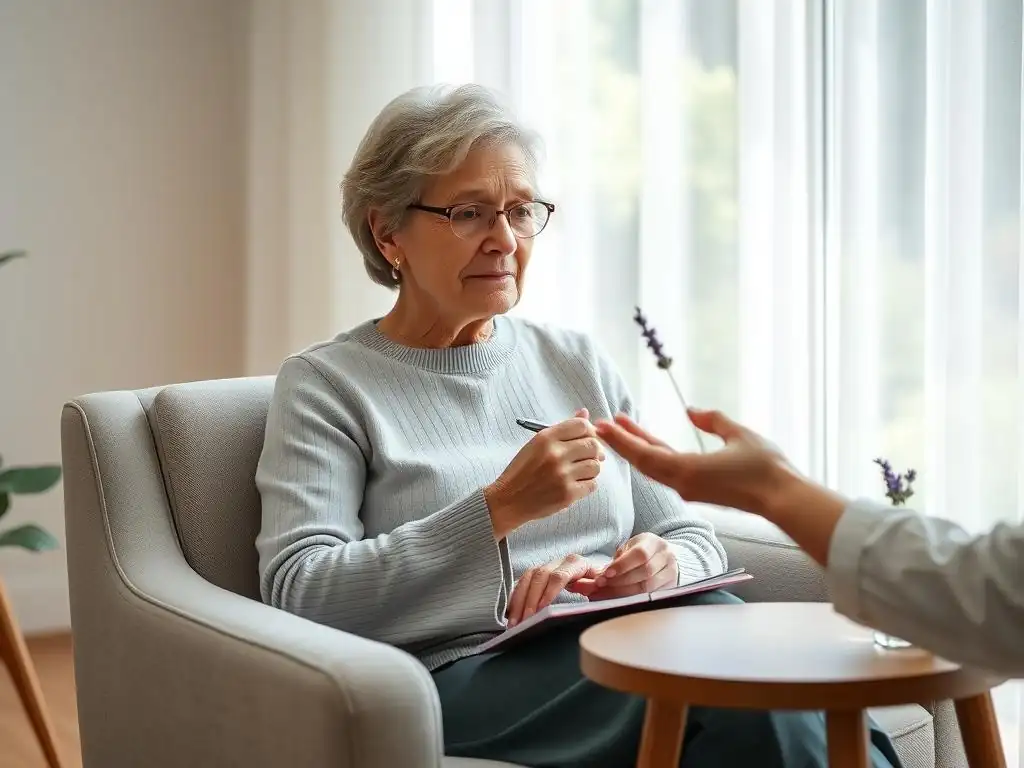
While many senior anxiety coping strategies focus on lifestyle and behavioral changes, sometimes professional intervention, including therapy and potentially medication, is necessary and highly effective. Recognizing when to seek help is crucial for ensuring seniors receive the most appropriate care for their anxiety. Mental health professionals can provide diagnosis, tailored therapy, and medication management, working in conjunction with other coping strategies.
There should be no stigma associated with seeking professional help for anxiety. It is a health condition like any other, and treatment is available and effective. Discussing concerns with a primary care physician is often the first step, as they can rule out underlying medical conditions and refer to mental health specialists experienced in working with older adults.
When to Seek Professional Help for Anxiety
It's time to seek professional help if anxiety symptoms are persistent, significantly interfering with daily life, causing distress, or impacting physical health. This includes difficulty functioning, withdrawing from social activities, experiencing panic attacks, or having thoughts of self-harm. If self-help senior anxiety coping strategies are not providing sufficient relief, or if symptoms are worsening, professional evaluation is warranted.
Caregivers and family members should also encourage a senior to seek help if they notice significant changes in behavior, mood, or functioning that suggest anxiety is becoming overwhelming. Early intervention can prevent anxiety from becoming chronic or leading to other health complications. A mental health professional can conduct a thorough assessment to determine the best course of action, which might involve therapy, medication, or a combination.
Types of Therapy and Counseling for Older Adults
Several types of therapy are effective for senior anxiety, often adapted to meet their specific needs. Cognitive Behavioral Therapy (CBT), as mentioned earlier, is widely used and teaches practical skills for managing anxious thoughts and behaviors. It can be delivered individually or in group settings.
Other beneficial therapies include Acceptance and Commitment Therapy (ACT), which helps individuals accept difficult thoughts and feelings while committing to valued actions, and Interpersonal Therapy (IPT), which focuses on improving relationships and social functioning, often relevant for seniors dealing with grief or social isolation. Therapists specializing in geriatrics are particularly skilled in addressing the unique challenges and life experiences of older adults, making therapy a powerful component of comprehensive senior anxiety coping strategies.
Understanding Medication Options for Anxiety Management
Medication can be a valuable tool in managing moderate to severe anxiety in seniors, often used in conjunction with therapy and other coping strategies. However, prescribing medication for older adults requires careful consideration due to age-related changes in metabolism, potential interactions with other medications they may be taking, and increased sensitivity to side effects.
Common medications prescribed for anxiety include selective serotonin reuptake inhibitors (SSRIs) and serotonin-norepinephrine reuptake inhibitors (SNRIs), which are often considered first-line treatments due to their effectiveness and relatively favorable side effect profiles compared to older medications. Benzodiazepines are sometimes prescribed for short-term relief of acute anxiety but are generally used cautiously in seniors due to risks of sedation, falls, dependence, and cognitive side effects. Any medication decision should be made in close consultation with a physician who is knowledgeable about geriatric pharmacology, ensuring it complements their overall senior anxiety coping strategies.
Creating a Personalized Anxiety Management Plan for Seniors
Effective management of senior anxiety is rarely a one-size-fits-all approach. A personalized plan that takes into account the individual's specific symptoms, triggers, health status, preferences, and lifestyle is essential. This plan should integrate various senior anxiety coping strategies discussed, tailored to what is most feasible and appealing for the individual.
Developing this plan is often a collaborative effort involving the senior, their family or caregivers, and healthcare professionals. The goal is to create a sustainable set of practices and resources that empower the senior to manage their anxiety actively and build long-term resilience. A personalized plan makes the process less overwhelming and more likely to succeed.
Identifying Individual Needs and Preferences
The first step in creating a personalized plan is a thorough assessment of the senior's individual situation. What specific situations or thoughts trigger their anxiety? What physical symptoms do they experience? What are their interests and hobbies? What are their physical limitations or health conditions? What kind of social support do they have?
Understanding their preferences is equally important. Does the senior prefer group activities or solitary pursuits? Are they comfortable with technology for online resources? What types of exercise do they enjoy? Incorporating activities and strategies that the senior finds appealing and manageable increases engagement and adherence to the plan. This individualized approach is key to effective senior anxiety coping strategies.
Setting Realistic Goals and Expectations
Setting realistic goals is crucial to avoid discouragement. Instead of aiming to eliminate anxiety entirely (which is often not possible or necessary), goals might focus on reducing the frequency or intensity of symptoms, improving sleep, increasing social interaction, or being able to participate in a feared activity. Goals should be specific, measurable, achievable, relevant, and time-bound (SMART).
For example, a goal might be "Walk for 15 minutes three times a week" or "Join one community group within the next month" or "Practice deep breathing for 5 minutes daily." Celebrating small successes along the way reinforces positive behaviors and motivates the senior to continue using their senior anxiety coping strategies. Expectations should also be realistic – managing anxiety is an ongoing process, not a one-time fix.
Monitoring Progress and Adjusting the Plan as Needed
Once the personalized plan is in place, it's important to monitor progress regularly. How is the senior feeling? Are the strategies helping? Are there any new challenges or triggers? Keeping a simple journal or using a mood tracking app (if comfortable with technology) can help identify patterns and assess the effectiveness of different strategies.
The plan should be flexible and adjusted as needed. If a particular coping strategy isn't working, try a different one. If health status changes, modify the exercise routine. If new stressors arise, incorporate additional support. Regular check-ins with healthcare providers or therapists are also valuable for reviewing the plan and making necessary adjustments. This dynamic approach ensures the senior anxiety coping strategies remain relevant and effective over time.
Resources and Support for Seniors and Caregivers Dealing with Anxiety
Navigating anxiety can be challenging for seniors and those who care for them. Fortunately, numerous resources and support systems are available to provide information, guidance, and connection. Knowing where to turn for help is a vital part of implementing effective senior anxiety coping strategies.
These resources range from online platforms and national organizations to local community services and support groups. Caregivers also need support, as caring for someone with anxiety can be demanding. Accessing resources designed for caregivers is equally important for the well-being of both the senior and their support network.
Online Resources and Support Groups
The internet offers a wealth of information on senior anxiety and coping strategies. Reputable websites from mental health organizations (like the National Alliance on Mental Illness - NAMI, or the Anxiety & Depression Association of America - ADAA) provide articles, fact sheets, and directories of healthcare providers. Many offer online forums or support groups specifically for seniors or their caregivers, providing a convenient way to connect with others facing similar challenges.
While online resources are convenient, it's important to use reputable sources and be cautious about information found online. Online therapy platforms are also becoming more accessible, offering therapy sessions via video call, which can be a good option for seniors with mobility issues or living in remote areas. Exploring these digital avenues expands the reach of senior anxiety coping strategies.
Local Mental Health Services and Organizations
Local resources are often the most accessible and tailored to the community. Senior centers, local health departments, and community mental health clinics often offer programs, counseling services, and support groups for older adults. Hospitals and university medical centers may also have geriatric psychiatry or psychology departments.
Organizations like Area Agencies on Aging (AAAs) provide information on local services, including mental health support, transportation, and social programs. Connecting with these local entities can provide direct access to services and support networks that are crucial for implementing effective senior anxiety coping strategies within the community.
Tips for Caregivers Supporting Seniors with Anxiety
Caregivers play a critical role in supporting seniors with anxiety. Providing emotional support, patience, and understanding is paramount. Encouraging the senior to talk about their feelings without judgment can be very helpful. Caregivers can assist by helping the senior access resources, reminding them to practice their coping strategies, accompanying them to appointments, and ensuring they maintain social connections.
It's also vital for caregivers to prioritize their own well-being. Caring for someone with anxiety can be stressful, and caregivers need their own support system and coping mechanisms to avoid burnout. Seeking support from caregiver support groups, friends, family, or mental health professionals is not selfish; it's necessary to continue providing effective care. Learning about senior anxiety and effective senior anxiety coping strategies empowers caregivers to provide better support while also taking care of themselves.
Frequently Asked Questions
What are some common sources of anxiety in seniors?
Many seniors experience anxiety due to factors like health concerns, social isolation, and financial worries. These can significantly impact their mental well-being.
What is resilience, and how does it help seniors manage anxiety?
Resilience is the ability to bounce back from adversity. It helps seniors cope with stress and manage anxiety by building inner strength.
What are some effective coping strategies specifically tailored for senior anxiety?
Effective strategies include mindfulness techniques, regular social engagement, and gentle exercise. These can help seniors reduce anxiety symptoms.
How can family members support seniors struggling with anxiety?
Family can offer support through active listening, providing reassurance, and encouraging professional help. Their presence can alleviate feelings of loneliness.
When should a senior seek professional help for their anxiety?
If anxiety is persistent, overwhelming, or interfering with daily life, it's crucial to seek professional help. This may involve therapy or medication.
Final Reflection: Embracing Resilience in the Golden Years
The anxieties faced by seniors are not merely a consequence of aging; they are a significant public health concern demanding immediate attention and innovative solutions. The strategies outlined in this article – from mindful practices to social connection and professional support – are not just suggestions, but vital tools for navigating the complexities of later life with grace and strength. Ignoring senior anxiety is not an option; fostering resilience is a necessity.
The journey of aging is often accompanied by a shifting landscape of emotional experiences. While some anxieties are naturally linked to physical changes or loss, many are exacerbated by societal factors and a lack of tailored support. It's crucial to remember that resilience isn't about eliminating anxiety entirely, but about developing the capacity to manage it effectively.
As Viktor Frankl so powerfully stated: >“Between stimulus and response there is a space. In that space is our power to choose our response. In our response lies our growth and our freedom.” This space, this power of choice, is what we must empower seniors to access and utilize.
The information presented here is not merely for reading; it's a call to action. Take a moment to reflect on the anxieties you or a loved one might be facing. Consider implementing one of the coping strategies discussed – perhaps starting a new hobby, joining a support group, or simply prioritizing moments of mindfulness.
By actively engaging with these tools, you are not only building resilience for yourself or your loved one, but you are also contributing to a more compassionate and understanding society that values the well-being of its older adults. Let's work together to ensure that the golden years are truly golden.
Unlock Your Inner Strength: Actionable Steps to Calm Senior Anxiety
Thanks for taking the time to explore practical strategies for managing anxiety in your later years. We hope this article equipped you with valuable tools to navigate this challenging experience. Now, let's put this knowledge into action!
- Prioritize one new coping technique: Choose one strategy from the article that resonates most with you – whether it's mindful breathing, gentle exercise, or connecting with loved ones – and commit to practicing it daily this week.
- Share your experience: Connect with others by sharing your insights or questions regarding what helped you most in the comments below. Your experience can inspire others.
- Explore complementary resources: Discover additional support by searching "senior anxiety resources" online. There's a wealth of knowledge available!
What small step will you take today to cultivate greater resilience and peace of mind?