
Keeping Active: How Physical Activity Reduces Anxiety in Older Adults

Welcome to Mind Care Guide, a compassionate space dedicated to nurturing your mental well-being.
Feeling overwhelmed by anxiety as you navigate the golden years? You're not alone. Discover the surprising and powerful connection between movement and peace of mind in our article, “Keeping Active: How Physical Activity Reduces Anxiety in Older Adults.” We'll explore how incorporating simple physical activity into your routine can offer tangible relief, and what steps you can take to feel more grounded and in control. Ready to unlock a more serene and joyful chapter in your life?
Keeping Active: How Physical Activity Reduces Anxiety in Older Adults
- Introduction: Understanding Anxiety in Later Life and the Power of Movement
- The Science Behind Physical Activity and Anxiety Reduction in Seniors
- Types of Physical Activities That Effectively Reduce Senior Anxiety
- Practical Tips for Integrating Physical Activity into the Daily Routine of Older Adults
- The Mental Health Benefits of Physical Activity Beyond Anxiety Reduction
- Physical Activity vs. Other Anxiety Treatments: A Comparison
- Resources and Support for Seniors Seeking Physical Activity for Anxiety Relief
- Conclusion: Embracing Physical Activity for a Calmer and More Fulfilling Senior Life
-
Frequently Asked Questions
- How does physical activity specifically help reduce anxiety in older adults?
- What types of physical activity are most effective for reducing anxiety in seniors?
- How much physical activity is recommended for older adults to experience anxiety reduction?
- Are there any precautions seniors should take before starting a new physical activity program?
- What if physical activity alone isn't enough to manage anxiety?
- Final Reflection: The Enduring Power of Movement Against Anxiety
- Unleash Your Inner Vitality: Boost Your Well-being Today!
Introduction: Understanding Anxiety in Later Life and the Power of Movement
The Prevalence of Anxiety Among Seniors
Anxiety is a significant mental health challenge that often goes unrecognized or undertreated in older adults. While it's a natural human emotion, chronic or excessive anxiety can severely impact quality of life. Studies suggest that anxiety disorders affect a substantial portion of the senior population.
For instance, generalized anxiety disorder (GAD) is one of the most common, with prevalence rates varying, but often cited as affecting between 3% and 14% of older adults depending on the setting (community vs. primary care). Other forms, like phobias or panic disorder, also occur, sometimes linked to specific life changes like loss of loved ones, health issues, or reduced independence. These rates can be even higher when considering clinically significant anxiety symptoms that don't meet full diagnostic criteria but still cause distress and impairment.
Moreover, anxiety in older adults can manifest differently than in younger individuals. Symptoms might be more physical, such as fatigue, muscle tension, or gastrointestinal problems, which can sometimes be mistaken for signs of aging or other medical conditions. Cognitive symptoms like worry or rumination are also common. This makes identifying and addressing anxiety crucial. The impact extends beyond emotional distress; it can exacerbate existing chronic health conditions, impair cognitive function, reduce social engagement, and increase the risk of disability. Recognizing that physical activity reduces senior anxiety is a vital step in developing effective strategies for this population.
Why Physical Activity Matters for Senior Mental Well-being
The connection between physical health and mental well-being is well-established across all age groups, but it holds particular significance for older adults navigating the unique challenges of aging. Regular physical activity offers a powerful, accessible tool for managing stress and anxiety. It's not just about building muscle or improving cardiovascular health; it profoundly influences brain chemistry and emotional regulation. For seniors, who may face increasing social isolation, health concerns, or life transitions, finding effective coping mechanisms is paramount.
Integrating physical activity into daily life can serve as a buffer against the stressors that often trigger anxiety in later years. Beyond the direct physiological effects, engaging in movement provides structure, a sense of accomplishment, and opportunities for social interaction if done in a group setting. It empowers individuals, giving them a sense of control over their health and well-being at a time when they may feel their control diminishing in other areas. Understanding how physical activity reduces senior anxiety opens up non-pharmacological avenues for improving mental health outcomes.
The Science Behind Physical Activity and Anxiety Reduction in Seniors
How Exercise Impacts the Brain: Neurochemical Changes and Anxiety Relief
Physical activity triggers a cascade of beneficial neurochemical changes in the brain that are directly relevant to mood and anxiety regulation. One of the most significant effects is the release of endorphins, often referred to as the body's natural painkillers and mood elevators. These chemicals produce a sense of well-being and euphoria, commonly known as the "runner's high," although similar effects can be achieved with less intense exercise. Beyond endorphins, exercise also influences neurotransmitters like serotonin, dopamine, and norepinephrine, which play critical roles in regulating mood, sleep, and stress response – all areas often dysregulated in anxiety disorders.
Furthermore, regular physical activity promotes neurogenesis, the creation of new neurons, particularly in the hippocampus, a brain region crucial for memory and emotional regulation. Chronic stress and anxiety can shrink the hippocampus, while exercise can help counteract this effect, potentially improving resilience to stress.
Exercise also increases levels of brain-derived neurotrophic factor (BDNF), a protein that supports the survival and growth of neurons and is often lower in individuals with depression and anxiety. This complex interplay of neurochemical and structural changes highlights the profound impact of physical activity on brain health and its potential to alleviate anxiety symptoms in older adults.
The Role of Physical Activity in Regulating Stress Hormones
Chronic anxiety is often associated with dysregulation of the body's stress response system, specifically the hypothalamic-pituitary-adrenal (HPA) axis. When stressed, the HPA axis releases hormones like cortisol, the primary stress hormone. While short-term cortisol release is essential for survival, chronically elevated levels can have detrimental effects on physical and mental health, including exacerbating anxiety. Regular physical activity helps to modulate the HPA axis, making it less reactive to stressors over time.
Studies have shown that individuals who exercise regularly tend to have a blunted cortisol response to psychological stress compared to sedentary individuals. This means their bodies don't go into "fight or flight" mode as intensely or for as long when faced with a stressful situation.
By improving the body's ability to manage stress hormones, physical activity helps create a greater sense of calm and reduces the physiological symptoms associated with anxiety, such as rapid heart rate, sweating, and muscle tension. This hormonal regulation is a key mechanism by which physical activity reduces senior anxiety, offering a biological pathway to relief.
Exploring the Link Between Physical Activity and Reduced Anxiety Symptoms
Numerous studies have demonstrated a clear inverse relationship between physical activity levels and anxiety symptoms in older adults. A meta-analysis published in the Journal of Aging and Physical Activity consolidating findings from multiple studies found that regular exercise significantly reduced anxiety levels in older adults. While the exact magnitude of the effect varies depending on the type, intensity, and duration of exercise, the overall trend is consistent: more active seniors report lower levels of anxiety.
Specific research has shown that even moderate levels of activity, such as brisk walking for 30 minutes most days of the week, can lead to measurable reductions in worry, nervousness, and other common anxiety symptoms. For example, a study involving sedentary older adults found that participation in a structured exercise program over several months led to statistically significant decreases in self-reported anxiety scores compared to a control group. These findings underscore the evidence-based reality that physical activity reduces senior anxiety, providing a powerful tool for improving mental well-being in later life.
Types of Physical Activities That Effectively Reduce Senior Anxiety
Gentle Exercises for Anxiety Management: Walking, Yoga, and Tai Chi
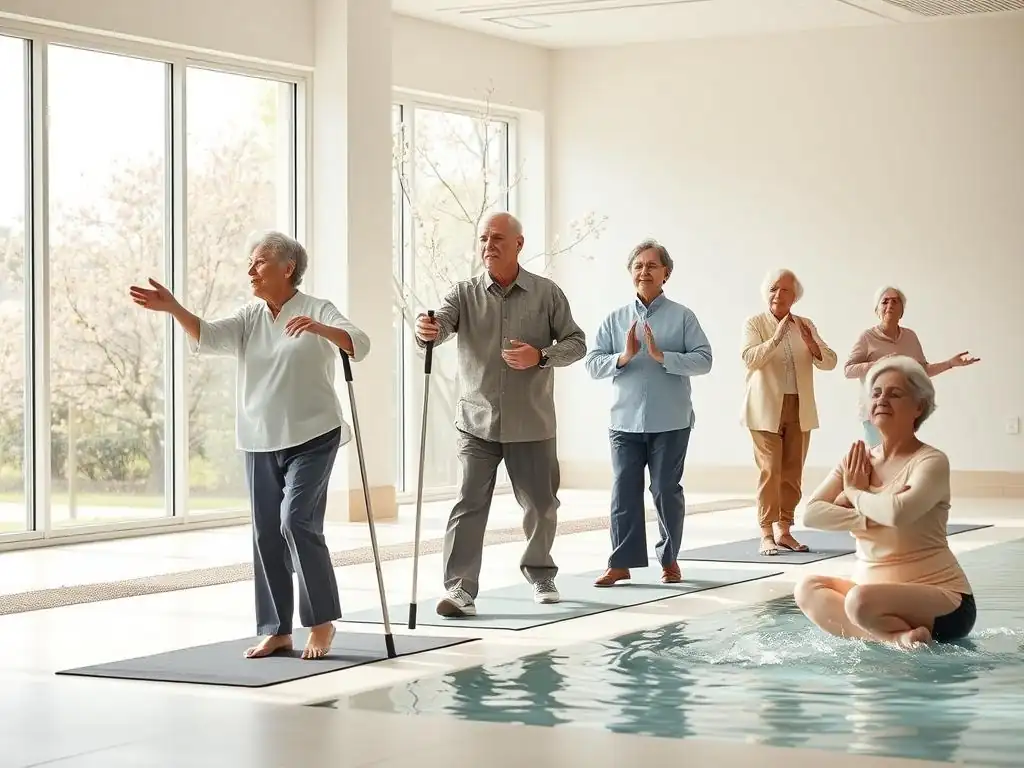
Not all effective physical activity needs to be high-intensity. For older adults, gentle forms of exercise can be particularly beneficial for anxiety reduction, offering low-impact options that are accessible and less likely to cause injury. Walking is perhaps the simplest and most accessible activity. A regular walking routine, even just 20-30 minutes daily, can provide significant anxiety relief. It gets the body moving, exposes individuals to fresh air and sunlight (if outdoors), and can be easily incorporated into a daily schedule. Walking also offers a chance for mindful movement, focusing on breath and surroundings, which can be calming.
Yoga and Tai Chi are other excellent gentle options that combine physical movement with mindful awareness and controlled breathing techniques, which are specifically known to reduce anxiety. Yoga poses, adapted for seniors (chair yoga, gentle flow), improve flexibility, strength, and balance while promoting relaxation through breathwork and meditation.
Tai Chi, often described as "meditation in motion," involves slow, flowing movements that improve balance, coordination, and mental focus. Studies have shown that regular participation in Tai Chi can lead to significant reductions in stress hormones and anxiety symptoms in older adults, making these practices valuable components of a strategy where physical activity reduces senior anxiety.
Strength Training and Anxiety: Building Physical and Mental Resilience
While often associated with building muscle mass and preventing falls, strength training also plays a crucial role in mental health, including anxiety reduction, for older adults. Engaging in resistance exercises, whether using weights, resistance bands, or bodyweight, helps build physical resilience, which can translate into increased confidence and a sense of capability. Feeling physically stronger can reduce worries about frailty and the ability to perform daily tasks, indirectly lowering anxiety related to independence.
Furthermore, strength training contributes to the release of endorphins and positively impacts neurotransmitter levels, similar to aerobic exercise. A review of studies on strength training and mental health in older adults indicated that resistance exercise programs were associated with reduced symptoms of both depression and anxiety. Programs involving 2-3 sessions per week, focusing on major muscle groups with proper form and weight appropriate for the individual, can yield significant mental health benefits. This demonstrates that diverse forms of physical activity reduce senior anxiety, not just aerobic ones.
Incorporating Aerobic Exercise for Enhanced Mood and Anxiety Reduction
Aerobic exercise, also known as cardio, is highly effective for improving cardiovascular health and is a powerful tool for managing anxiety. Activities like brisk walking, swimming, cycling, or dancing elevate heart rate and increase oxygen consumption, leading to significant physiological and psychological benefits. Regular aerobic activity helps regulate the nervous system, making it less reactive to stress, and promotes the release of mood-boosting neurotransmitters.
For older adults, finding enjoyable forms of aerobic exercise is key to consistency. Participating in a water aerobics class, joining a senior walking group, or using a stationary bike at home can all provide the necessary stimulus. Aiming for at least 150 minutes of moderate-intensity aerobic activity per week, as recommended by health guidelines, can lead to noticeable improvements in anxiety levels and overall mood.
For example, participating in three 50-minute sessions of brisk walking weekly has been shown in some studies to lead to a 20-30% reduction in self-reported anxiety scores over several months. This highlights how consistent aerobic physical activity reduces senior anxiety effectively.
Practical Tips for Integrating Physical Activity into the Daily Routine of Older Adults
Overcoming Barriers to Exercise: Addressing Physical Limitations and Motivation
Older adults often face unique barriers to engaging in physical activity, including chronic pain, mobility issues, fear of falling, lack of energy, or simply a lack of motivation. Addressing these barriers requires a tailored and empathetic approach. For physical limitations, consulting with a healthcare provider or physical therapist is crucial to identify safe and appropriate activities. They can recommend modifications or specific exercises that accommodate conditions like arthritis or joint pain. Starting slowly and gradually increasing intensity and duration is also vital to prevent injury and build confidence.
Lack of motivation is another common hurdle. This can often be overcome by finding activities the individual genuinely enjoys, perhaps something they did in the past or a new activity that sparks interest. Social support plays a huge role; exercising with a friend, spouse, or in a group setting can provide accountability and make the experience more enjoyable.
Setting small, achievable goals rather than overwhelming ones can also help build momentum. Remembering that even short bursts of activity are beneficial can make starting less daunting. Emphasizing how physical activity reduces senior anxiety can be a powerful motivator in itself, focusing on the positive impact on their mental well-being.
Creating a Safe and Enjoyable Exercise Plan
Safety is paramount when older adults begin or increase their physical activity. This starts with a consultation with a doctor to discuss any existing health conditions and get recommendations for safe exercise parameters. The exercise environment should also be safe – well-lit, free of tripping hazards, and with appropriate footwear. For activities involving balance, having support available (like a wall or chair) is important, especially when starting.
Making exercise enjoyable is key to long-term adherence. This might involve listening to music or podcasts while walking, exercising outdoors in a park, joining a class that feels welcoming and fun, or trying a variety of activities to prevent boredom. Incorporating activities that fit into their existing routine or social life can also help. The goal is to make movement a positive and anticipated part of their day, not a chore. When physical activity reduces senior anxiety and is enjoyable, it becomes a sustainable habit.
Setting Realistic Goals and Tracking Progress: Maintaining Momentum and Motivation
Setting realistic goals is crucial for maintaining motivation and preventing discouragement. Instead of aiming for immediate significant weight loss or running a marathon, seniors should start with small, manageable targets, such as walking for 15 minutes three times a week, or being able to do 5 repetitions of a certain strength exercise. As they build strength and stamina, these goals can be gradually increased. Celebrating small victories along the way is also important.
Tracking progress, even in simple ways, can provide a sense of accomplishment and highlight the benefits being gained. This could involve using a journal to note down the duration or distance of walks, the weights lifted, or simply how they felt before and after exercising. Some seniors might enjoy using wearable fitness trackers to monitor steps or activity levels. Seeing tangible evidence of improvement, whether in physical capability or reduced anxiety symptoms, reinforces the positive impact and helps sustain motivation. This tangible evidence that physical activity reduces senior anxiety can be a powerful driver for continued effort.
The Mental Health Benefits of Physical Activity Beyond Anxiety Reduction
Improved Sleep Quality and Cognitive Function
Beyond its direct impact on anxiety, regular physical activity offers a wealth of other mental health benefits for older adults. One significant area is sleep quality. Many seniors experience sleep disturbances, which can exacerbate anxiety and other mood issues. Physical activity helps regulate sleep patterns, promoting deeper and more restorative sleep. Moderate-intensity exercise can help individuals fall asleep faster and spend more time in deep sleep stages, which are crucial for physical and mental restoration. However, it's generally recommended to avoid vigorous exercise too close to bedtime.
Physical activity also has a profound positive effect on cognitive function. It increases blood flow to the brain, which is essential for optimal brain health. Regular exercise has been shown to improve memory, attention, and processing speed in older adults.
It can help protect against age-related cognitive decline and may even reduce the risk of developing dementia. A study published in JAMA Internal Medicine found that older adults who engaged in regular physical activity had a significantly lower risk of developing cognitive impairment compared to their less active peers. This cognitive boost further contributes to overall mental well-being and resilience.
Social isolation and loneliness are significant risk factors for poor mental health, including anxiety and depression, in older adults. Engaging in physical activities often provides valuable opportunities for social interaction, helping to combat loneliness. Joining a walking group, participating in a senior fitness class at a community center, or even exercising with a friend or family member creates connections and fosters a sense of belonging.
These social connections offer emotional support, reduce feelings of isolation, and provide a sense of community. The shared experience of pursuing a health goal can also strengthen bonds. For seniors whose social circles may have shrunk due to loss or reduced mobility, group exercise can be a lifeline. The combination of physical activity and social engagement offers a powerful dual benefit, not only helping physical activity reduces senior anxiety but also tackling a root cause of distress by increasing connection.
Boosting Self-Esteem and Confidence
As individuals age, they may experience a decline in physical capabilities, which can sometimes lead to reduced self-esteem and a diminished sense of independence. Engaging in regular physical activity can help reverse this trend by improving strength, balance, flexibility, and overall functional capacity. Achieving physical goals, no matter how small, provides a tangible sense of accomplishment and competence.
Successfully incorporating exercise into a routine and noticing improvements in physical performance can significantly boost self-confidence. This increased confidence can extend beyond physical tasks, empowering seniors to engage more fully in social activities, pursue hobbies, and maintain their independence. Feeling stronger and more capable physically translates into feeling more capable mentally and emotionally, reinforcing the positive cycle where physical activity reduces senior anxiety and builds overall resilience.
Physical Activity vs. Other Anxiety Treatments: A Comparison
Combining Exercise with Therapy and Medication
Physical activity is a powerful tool for managing anxiety, but it's important to view it as part of a comprehensive treatment approach rather than a standalone cure, especially for moderate to severe anxiety disorders. For many older adults, the most effective strategy involves combining exercise with other evidence-based treatments like psychotherapy (such as Cognitive Behavioral Therapy - CBT) and, in some cases, medication prescribed by a doctor. CBT helps individuals identify and change negative thought patterns and behaviors that contribute to anxiety, while medication can help regulate brain chemistry to alleviate severe symptoms.
Exercise can complement these treatments by enhancing their effectiveness. For example, the stress reduction benefits of physical activity can make individuals more receptive to therapy. Similarly, improved sleep and mood from exercise can support the effects of medication. A holistic approach that integrates physical activity, therapy, and potentially medication, tailored to the individual's specific needs and health status, often yields the best long-term outcomes for managing anxiety in older adults. This integrated approach leverages the fact that physical activity reduces senior anxiety alongside other therapeutic modalities.
The Benefits of a Holistic Approach: Lifestyle Changes for Long-Term Anxiety Relief
Managing anxiety effectively, particularly in later life, often requires embracing a holistic approach that extends beyond any single treatment modality. This involves looking at lifestyle factors that contribute to or alleviate anxiety. In addition to physical activity, incorporating healthy eating habits, ensuring adequate sleep, practicing mindfulness or relaxation techniques, maintaining social connections, and engaging in enjoyable hobbies all play a crucial role.
A holistic approach recognizes the interconnectedness of physical, mental, and emotional health. By addressing multiple aspects of well-being, seniors can build greater resilience to stress and reduce the frequency and intensity of anxiety symptoms over the long term. Physical activity serves as a cornerstone of this approach, providing a fundamental building block for improved mental health. Understanding that physical activity reduces senior anxiety within this broader context empowers individuals to make sustainable lifestyle changes for lasting relief.
Case Studies of Seniors Benefiting from Exercise for Anxiety
Consider the case of Eleanor, an 80-year-old woman who developed significant anxiety after the loss of her spouse and subsequent reduction in social activities. She reported constant worrying and difficulty sleeping. Her doctor suggested she try a gentle exercise program. Eleanor started attending a thrice-weekly water aerobics class at her local community center. After three months, she reported feeling less anxious, sleeping better, and enjoying the social interaction the class provided. Her self-reported anxiety scores decreased by approximately 40%.
Another example is Robert, a 75-year-old man with osteoarthritis who experienced anxiety related to his mobility limitations and fear of falling. He began working with a physical therapist on a tailored program of chair exercises and short walks with a cane. As his strength and balance improved, so did his confidence. He gradually increased his walking distance and joined a small walking group. Robert reported a significant reduction in his anxiety about mobility and a greater sense of independence. These real-world examples illustrate how physical activity reduces senior anxiety and improves overall quality of life.
Resources and Support for Seniors Seeking Physical Activity for Anxiety Relief
Community Programs and Exercise Classes
Community-based programs offer excellent resources for older adults looking to become more physically active. Local senior centers, YMCAs, community colleges, and park districts often host exercise classes specifically designed for seniors. These classes might include gentle yoga, Tai Chi, low-impact aerobics, chair exercises, or walking groups. Participation in these programs provides structured guidance, a safe environment, and valuable social interaction.
Many programs are led by instructors trained in working with older populations, understanding their unique needs and limitations. Some programs may even be free or low-cost, making them accessible. Contacting local community centers or searching online for "senior exercise classes near me" can help individuals find suitable options. These community resources are vital in helping seniors access the physical activity that reduces senior anxiety.
Online Resources and Apps for Guided Exercise and Mental Wellness
For seniors who prefer exercising at home or have mobility issues preventing them from attending in-person classes, a wealth of online resources and apps are available. Many websites and platforms offer guided exercise videos specifically tailored for older adults, including chair exercises, gentle stretching, balance training, and low-impact cardio. Some focus specifically on mind-body practices like senior yoga or guided meditation combined with movement.
Apps designed for mental wellness often include features that encourage physical activity, track progress, and provide motivational support. While choosing online resources, it's important to look for reputable sources, ideally led by certified instructors. These digital tools offer flexibility and convenience, empowering seniors to incorporate physical activity into their routine from the comfort of their homes, thereby utilizing technology to ensure physical activity reduces senior anxiety.
Consulting with Healthcare Professionals: Ensuring Safe and Effective Exercise Practices
Before starting any new exercise program, especially for older adults with existing health conditions, consulting with a healthcare professional is essential. A doctor can assess an individual's current health status, identify any potential risks or limitations, and provide personalized recommendations for safe and effective types and levels of physical activity. They can also advise on how exercise might interact with existing medications.
Working with a physical therapist or certified exercise physiologist specializing in geriatrics can also be highly beneficial. These professionals can develop a tailored exercise plan that addresses specific needs, improves mobility and strength, and minimizes the risk of injury. They can also teach proper form and techniques. This professional guidance ensures that physical activity is not only beneficial but also safe, maximizing its potential to ensure physical activity reduces senior anxiety without causing harm.
Conclusion: Embracing Physical Activity for a Calmer and More Fulfilling Senior Life
The Long-Term Impact of Physical Activity on Senior Mental Health
The evidence is clear: regular physical activity has a profound and lasting positive impact on the mental health of older adults, particularly in reducing anxiety. It's not a temporary fix but a sustainable lifestyle change that builds resilience over time. The neurochemical benefits, stress hormone regulation, improved sleep, enhanced cognitive function, and increased social connection all contribute to a more stable and positive emotional state.
Over the long term, consistent engagement in physical activity can lead to a significant reduction in the frequency and severity of anxiety symptoms. It empowers seniors, providing them with a sense of control and accomplishment. As physical capabilities improve, anxieties related to frailty and dependence often lessen. Embracing physical activity is an investment in long-term mental well-being, helping older adults navigate the challenges of aging with greater calm and confidence, solidifying the understanding that physical activity reduces senior anxiety effectively over time.
Empowering Seniors to Take Control of Their Anxiety Through Movement
Empowering older adults to use physical activity as a tool for managing their anxiety is a crucial step towards improved quality of life. It shifts the focus from feeling like a passive recipient of symptoms to becoming an active participant in their own well-being journey. By understanding the science behind how movement affects the brain and body, and by finding enjoyable and accessible ways to incorporate activity into their lives, seniors can take proactive steps to reduce their anxiety.
Healthcare providers, caregivers, and family members play a vital role in supporting seniors in this endeavor, providing encouragement, resources, and practical assistance. Starting small, celebrating progress, and focusing on the positive feelings associated with movement are key. Physical activity offers a natural, effective, and empowering pathway to a calmer, healthier, and more fulfilling senior life. Recognizing and promoting the fact that physical activity reduces senior anxiety is a powerful message of hope and empowerment.
Frequently Asked Questions
How does physical activity specifically help reduce anxiety in older adults?
Physical activity releases endorphins, which have mood-boosting effects. It also provides a distraction from anxious thoughts and improves sleep quality, often disrupted by anxiety.
What types of physical activity are most effective for reducing anxiety in seniors?
Activities like walking, swimming, and yoga are excellent choices because they are generally low-impact and adaptable to different fitness levels. The key is to find something enjoyable and sustainable for long-term benefits.
How much physical activity is recommended for older adults to experience anxiety reduction?
Experts generally recommend at least 150 minutes of moderate-intensity or 75 minutes of vigorous-intensity aerobic activity per week. This should be combined with muscle-strengthening exercises at least two days a week.
Are there any precautions seniors should take before starting a new physical activity program?
It's crucial to consult with a doctor before starting any new exercise routine, especially if there are pre-existing health conditions. A healthcare professional can help tailor a program that is safe and effective.
What if physical activity alone isn't enough to manage anxiety?
Physical activity is a valuable tool, but it might not be sufficient for everyone. Combining it with therapy, medication, or other coping strategies may be necessary for comprehensive mental health support.
Final Reflection: The Enduring Power of Movement Against Anxiety
The undeniable link between physical activity and reduced anxiety in older adults is not merely a scientific finding; it's a lifeline. This article has explored the multifaceted ways in which regular movement combats the often-overlooked anxieties of aging, from the physiological benefits of endorphin release to the social connections fostered through group activities. The implications are profound, offering a powerful, accessible, and often overlooked tool in promoting mental well-being in later life.
The impact of this simple yet profound intervention extends far beyond the individual. It ripples outwards, affecting families, communities, and healthcare systems. By empowering older adults to take control of their mental health through physical activity, we not only improve their quality of life but also alleviate the burden on healthcare resources. The body achieves what the mind believes.
This quote highlights the crucial mind-body connection, emphasizing the power of belief and action in overcoming anxiety. My own experiences researching this topic have underscored the transformative potential of even modest increases in physical activity for seniors struggling with anxiety.
Now, consider your own life, and the lives of the older adults you know. What small steps can you take today to encourage more movement and reduce anxiety? Perhaps it's a daily walk, a gentle yoga session, or joining a local senior center's fitness program. Remember, the journey towards better mental health begins with a single step – a step that, with consistent effort, can lead to a life filled with greater peace and joy. Let's prioritize movement, not just for physical health, but for the profound impact it has on mental well-being in our aging population.
Unleash Your Inner Vitality: Boost Your Well-being Today!
Thanks for taking the time to explore the powerful connection between physical activity and reduced anxiety in older adults! We hope you gained valuable insights into how movement can significantly improve your well-being. Now, it's time to put that knowledge into action.
Here are a few ways to get started on your journey to a more active and less anxious life:
- Prioritize a Daily Movement Routine: Start small – even a 15-minute walk can make a world of difference. Gradually increase the duration and intensity as you feel comfortable. This is the key to unlocking lasting benefits.
- Explore local senior centers or community groups offering gentle exercise classes. Connecting with others adds an extra layer of support and fun!
- Share this article with a friend or family member who might also benefit from learning these strategies. Let's spread the word about the power of movement!
What small step will you take today to prioritize your physical and mental health?