
The Brain on Panic: Understanding the Neuroscience Behind the Attack.

Welcome to Mind Care Guide, a safe space to explore your mental well-being.
Feeling lost in the chaos of a panic attack? You're not alone. Ever wondered what's actually happening inside your brain during these intense moments? In this article, we delve into the fascinating and often misunderstood world of panic attack neuroscience explained, uncovering the biological roots of anxiety and offering a deeper understanding of what you're experiencing. Let's unravel the science together and empower you with knowledge. Ready to learn more?
The Brain on Panic: Understanding the Neuroscience Behind the Attack
- Panic Attack Neuroscience Explained: An Introduction
- What is a Panic Attack? Defining the Experience
- The Panic Attack Brain: Key Neurotransmitters and Brain Regions Involved
- The Neurobiology of Panic Disorder: Genetic and Environmental Factors
- Decoding the Panic Circuit: How the Brain Triggers a Panic Attack
- Panic Attack Neuroscience and Treatment Options
- Future Directions in Panic Attack Neuroscience Research
- Understanding Panic Attack Brain Mechanisms: A Summary
-
Frequently Asked Questions
- What specific brain regions are most involved in a panic attack?
- How does the 'fight-or-flight' response relate to panic attacks from a neurological perspective?
- Can understanding the neuroscience of panic attacks help in managing them?
- Are there neurological differences between people who experience panic attacks and those who don't?
- What role do neurotransmitters play in the experience of a panic attack?
- Final Reflection: Unraveling the Mystery of Panic: A Path to Understanding and Healing
- Unlock Your Calm: Take Control of Panic Now
Panic Attack Neuroscience Explained: An Introduction
Understanding the intricate workings of the brain during a panic attack can demystify this distressing experience. A panic attack is more than just feeling stressed; it's a complex physiological and psychological event rooted in specific neural pathways and chemical imbalances. For anyone seeking a comprehensive panic attack neuroscience explained, delving into the brain's response provides critical insights into why these episodes occur and how they manifest. This exploration helps to normalize the experience and provides a foundation for effective management strategies.
The brain, a marvel of biological engineering, is constantly processing information from our internal and external environments. When a perceived threat arises, a rapid cascade of events is triggered, designed for survival. In the context of a panic attack, this system is essentially firing off false alarms, reacting intensely to non-threatening situations. This article will explore the key players in this neural drama, from specific brain regions to crucial neurotransmitters, offering a detailed look at the panic attack brain.
What is a Panic Attack? Defining the Experience
A panic attack is characterized by a sudden onset of intense fear or discomfort that reaches a peak within minutes. It is often accompanied by physical and cognitive symptoms that can be overwhelming and frightening. Unlike general anxiety, panic attacks are typically brief but incredibly intense, leaving the individual feeling exhausted and often fearful of experiencing another one. Understanding the panic attack neuroscience explained involves recognizing that these symptoms are the direct result of specific brain activity.
While the symptoms are consistent with a fight-or-flight response, the trigger is often internal or subtle, rather than an obvious external danger. This unpredictability is a hallmark of panic disorder, where recurrent, unexpected panic attacks occur, leading to persistent worry about future attacks and changes in behavior to avoid them. Exploring the panic attack brain helps illuminate why this system goes awry for some individuals.
Physical Symptoms of a Panic Attack
The physical manifestations of a panic attack are often the most alarming, mimicking symptoms of serious medical conditions like heart attacks or strokes. These symptoms are driven by the body's sympathetic nervous system preparing for immediate action.
Common physical symptoms include:
- Palpitations, pounding heart, or accelerated heart rate
- Sweating
- Trembling or shaking
- Sensations of shortness of breath or smothering
- Feelings of choking
- Chest pain or discomfort
- Nausea or abdominal distress
- Feeling dizzy, unsteady, lightheaded, or faint
- Chills or heat sensations
- Paresthesias (numbness or tingling sensations)
These symptoms are direct outputs of the brain's panic circuit activating the body's emergency response system. For example, the rapid heart rate and sweating are mediated by norepinephrine release, preparing muscles for action, while shortness of breath can result from changes in breathing patterns triggered by the brain's fear centers. Understanding this physiological cascade is key to comprehending panic attack neuroscience explained.
Cognitive and Emotional Symptoms of a Panic Attack
Beyond the physical, panic attacks also involve profound cognitive and emotional distress, contributing significantly to the overall terrifying experience. These symptoms are closely linked to the brain's processing of the physical sensations and the perceived threat.
Typical cognitive and emotional symptoms include:
- Derealization (feelings of unreality) or depersonalization (being detached from oneself)
- Fear of losing control or "going crazy"
- Fear of dying
These symptoms reflect the intense fear and confusion generated when the brain interprets the physiological arousal as catastrophic. The feeling of losing control, for instance, might stem from the brain's inability to consciously override the overwhelming autonomic response. The fear of dying is a direct interpretation of the extreme physical sensations through the lens of the activated fear network in the brain. This interplay between body and mind is central to the panic attack neuroscience explained.
The Panic Attack Brain: Key Neurotransmitters and Brain Regions Involved
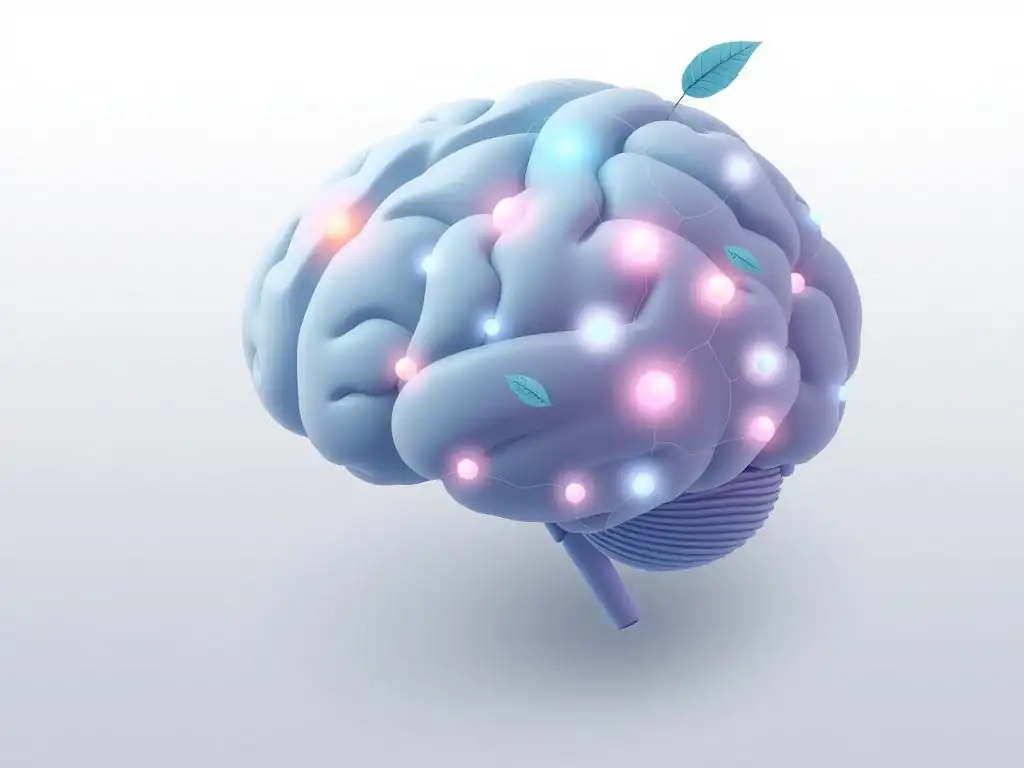
At the core of understanding the panic attack brain are specific brain regions and the chemical messengers, known as neurotransmitters, that facilitate communication between neurons. A disruption or imbalance in these areas and chemicals is thought to underpin the susceptibility to panic attacks. Research into the panic attack neuroscience explained highlights several critical components of the central nervous system.
Several brain structures form a network that processes fear and anxiety. When this network becomes hypersensitive or dysregulated, it can trigger the cascade of events leading to a panic attack. Key players include the amygdala, hippocampus, prefrontal cortex, and the locus coeruleus. The intricate connections and interactions between these regions, modulated by neurotransmitters, are fundamental to the panic attack neuroscience explained.
Amygdala's Role in Panic and Fear Response
The amygdala, a small almond-shaped structure deep within the temporal lobe, is often referred to as the brain's fear center. Its primary function is to process emotions, particularly fear, and to trigger rapid responses to perceived threats. In the context of a panic attack, the amygdala plays a pivotal role in initiating the fight-or-flight response even in the absence of real danger.
Upon receiving sensory information (even misinterpreted signals from the body), the amygdala can quickly activate other brain regions involved in the fear response, such as the hypothalamus and brainstem. This rapid activation bypasses slower, more analytical processing in the cortex, leading to the instantaneous and overwhelming sense of fear characteristic of a panic attack. The amygdala's sensitivity is a crucial aspect when considering panic attack neuroscience explained.
Amygdala Hyperactivity in Panic Disorder
Research using neuroimaging techniques, such as fMRI, has suggested that individuals with panic disorder may exhibit heightened activity or reactivity in the amygdala compared to healthy individuals. While precise percentage increases vary between studies and methodologies, some findings indicate that the amygdala in panic-prone individuals might show a greater response, perhaps around 15-25% stronger on average, when presented with anxiety-provoking stimuli, even those that wouldn't typically trigger panic.
This amygdala hyperactivity means the brain's alarm system is set too low, triggering a full-blown panic response to mild or even internal cues. This hypersensitivity is a significant factor in the development and maintenance of panic attacks, making the amygdala a prime target for therapeutic interventions aimed at modulating the panic attack brain.
Hippocampus and Memory: Reliving Traumatic Experiences
Adjacent to the amygdala lies the hippocampus, a structure crucial for memory formation and retrieval. While the amygdala signals immediate danger, the hippocampus contextualizes fear by linking it to specific memories and experiences. In the context of panic attacks, the hippocampus can influence the fear response by recalling past panic episodes or traumatic events.
If a panic attack occurred in a specific location or situation, the hippocampus can form a strong association between that context and the fear response. Subsequently, encountering similar cues can trigger a fear signal from the hippocampus to the amygdala, potentially initiating another panic attack. This explains why many people with panic disorder develop agoraphobia, avoiding places or situations where they've previously panicked, as their hippocampus actively reinforces the association between context and terror.
Prefrontal Cortex and Cognitive Control: Calming the Panic
The prefrontal cortex (PFC), located at the front of the brain, is responsible for higher-level cognitive functions such as decision-making, planning, and regulating emotions. It acts as the brain's executive control center, capable of evaluating threats more rationally and inhibiting the amygdala's immediate fear response. In a healthy brain, the PFC can signal to the amygdala that a perceived threat is not real, helping to calm down the fear response.
However, during a panic attack, the rapid and overwhelming activation of the amygdala can temporarily override the inhibitory signals from the PFC. This explains the feeling of losing control, as the rational part of the brain is temporarily less effective at regulating the intense fear. Strengthening the connection and communication between the PFC and the amygdala is a key goal in therapies aimed at treating panic disorder and understanding panic attack neuroscience explained.
Neurotransmitters Implicated in Panic Attacks
Neurotransmitters are chemical messengers that transmit signals between neurons. Several neurotransmitters play critical roles in regulating mood, anxiety, and the stress response, and imbalances in these chemicals are strongly implicated in the pathophysiology of panic attacks. Understanding the role of these chemicals is fundamental to understanding the panic attack neuroscience explained.
The intricate balance of excitatory and inhibitory neurotransmitters determines the overall state of neural activity in the brain. Disruptions in systems involving serotonin, GABA, and norepinephrine are particularly relevant to the hyper-arousal characteristic of panic. Targeting these neurotransmitter systems is a common approach in pharmacological treatments for panic disorder.
Serotonin's Impact on Anxiety and Panic
Serotonin is a neurotransmitter widely known for its role in regulating mood, sleep, appetite, and anxiety. It is thought that dysfunction in the serotonin system, particularly in pathways connecting the brainstem to the forebrain, contributes to anxiety and panic vulnerability. While the exact mechanism is complex, imbalances in serotonin levels or receptor sensitivity can affect the excitability of the amygdala and other fear-related circuits.
Many effective medications for panic disorder, such as Selective Serotonin Reuptake Inhibitors (SSRIs), work by increasing serotonin availability in the brain. By modulating serotonergic activity, these medications can help dampen the overactive fear response and reduce the frequency and intensity of panic attacks over time. This highlights serotonin's crucial role in the panic attack brain.
GABA's Role in Inhibiting Panic Responses
Gamma-aminobutyric acid (GABA) is the primary inhibitory neurotransmitter in the central nervous system. It acts like a brake pedal, reducing neuronal excitability and counteracting the effects of excitatory neurotransmitters. Sufficient GABA activity is essential for maintaining a calm state and preventing excessive activation of fear circuits.
In individuals prone to panic, there might be reduced GABAergic tone or fewer effective GABA receptors in key brain regions like the amygdala. This can lead to unchecked excitatory activity and a heightened state of arousal, making the brain more susceptible to triggering a panic response. Medications like benzodiazepines enhance GABAergic activity, providing rapid, albeit temporary, relief from acute panic symptoms by essentially boosting the brain's natural calming system.
Norepinephrine and the Fight-or-Flight Response During Panic
Norepinephrine is a neurotransmitter and hormone involved in the body's stress response and arousal. It is produced in the locus coeruleus, a brainstem nucleus, and widely projected throughout the brain. During the fight-or-flight response, norepinephrine surges, increasing heart rate, blood pressure, and respiration, and diverting blood flow to muscles – the classic physical symptoms of panic.
In panic disorder, the locus coeruleus may be hypersensitive, releasing excessive amounts of norepinephrine in response to minimal stimuli. This overactivity drives the intense physiological arousal experienced during a panic attack. Modulating norepinephrine levels or blocking its effects with medications like beta-blockers (though less commonly used for panic disorder itself compared to anxiety symptoms) can impact the physical manifestations of panic. Understanding the interplay of norepinephrine with other systems is vital for grasping the panic attack neuroscience explained.
The Neurobiology of Panic Disorder: Genetic and Environmental Factors
Panic disorder, characterized by recurrent, unexpected panic attacks, is a complex condition influenced by a combination of genetic predisposition and environmental experiences. Understanding the panic attack neuroscience explained is incomplete without considering how these factors shape the brain's vulnerability. It's not simply one or the other, but often a dynamic interaction that sets the stage for the disorder.
Both inherited traits and life events can impact the structure, function, and neurochemistry of the brain, potentially leading to a lowered threshold for triggering panic. Research continues to explore the specific genes involved and how early life experiences or stressors can prime the panic circuitry.
Genetic Predisposition to Panic Disorder
Studies suggest that there is a significant genetic component to panic disorder. Individuals with a first-degree relative (parent, sibling) with panic disorder are estimated to be around 4 to 8 times more likely to develop the condition themselves compared to the general population. While no single "panic gene" has been identified, research points to variations in genes involved in regulating neurotransmitter systems, particularly serotonin and norepinephrine, as potentially contributing factors.
For example, certain variations in genes that affect serotonin transporter function or receptor sensitivity have been associated with increased anxiety and stress reactivity in some studies. These genetic influences may contribute to differences in brain structure or function, such as the size or reactivity of the amygdala, making an individual more biologically susceptible to developing the panic attack brain.
Environmental Triggers and Panic Attack Development
Environmental factors also play a crucial role in the development of panic attacks and panic disorder. Stressful life events, such as trauma, loss, or significant life transitions, can act as triggers. Early childhood adversity, like parental loss or abuse, has been linked to an increased risk later in life, potentially by altering the developing stress response systems in the brain.
Exposure to chronic stress can lead to neurobiological changes, such as changes in the density of receptors for stress hormones in the brain, which can further sensitize the fear circuitry. Even seemingly minor stressors can accumulate, eventually overwhelming the brain's ability to regulate anxiety and potentially triggering the first panic attack. Understanding these environmental influences is key to a complete panic attack neuroscience explained.
The Interplay of Genes and Environment in Panic Disorder
Perhaps the most accurate view is that panic disorder arises from a complex interplay between genetic vulnerability and environmental factors. An individual might inherit a genetic predisposition that makes their amygdala slightly more reactive or their serotonin system less efficient at regulating mood. This genetic background creates a diathesis, or vulnerability.
Environmental stressors, particularly during critical developmental periods or when severe, can then act as stressors that interact with this vulnerability. For instance, a person with a moderate genetic risk might develop panic disorder only after experiencing a major trauma or prolonged period of intense stress. This gene-environment interaction model is crucial for understanding the diverse pathways leading to the panic attack brain and is a key area of research in panic attack neuroscience explained.
Decoding the Panic Circuit: How the Brain Triggers a Panic Attack
Understanding the specific neural pathways and feedback loops involved in generating a panic attack provides a clearer picture of the panic attack brain in action. It's not just about isolated regions but how they communicate and influence each other in a rapid, escalating cycle. Decoding this "panic circuit" is fundamental to grasping the panic attack neuroscience explained.
This circuit involves a rapid relay of signals, starting from potential triggers (internal or external), processed by fear centers, and resulting in the overwhelming physical and psychological symptoms. The speed and intensity of this process are what make panic attacks so debilitating.
The Role of the Locus Coeruleus in Panic Generation
The locus coeruleus (LC), a small nucleus in the brainstem, is a major source of norepinephrine in the brain and plays a critical role in the body's alarm system and arousal levels. It receives input from various brain regions, including the amygdala, and projects widely throughout the brain and spinal cord.
During a panic attack, the LC is believed to become highly activated, releasing a flood of norepinephrine. This surge drives many of the physical symptoms, like rapid heart rate, sweating, and increased respiration. The LC's activity is influenced by signals from the amygdala, creating a feedback loop: fear signals from the amygdala activate the LC, which in turn increases arousal and sends signals back to the amygdala, further intensifying the fear. This brainstem region is a central player in the panic attack neuroscience explained.
The Fear Network and Panic Pathways
The "fear network" in the brain involves several interconnected regions, including the amygdala, hippocampus, prefrontal cortex, thalamus, and brainstem structures like the locus coeruleus. When a panic attack is triggered, this network becomes intensely active. Signals often travel rapidly from the thalamus (which receives sensory input) to the amygdala (the fast, crude threat detection pathway) and simultaneously to the cortex (for slower, detailed processing).
In a panic attack, the amygdala's rapid response dominates, triggering the cascade via the hypothalamus (activating the HPA axis, releasing stress hormones) and the brainstem (activating the sympathetic nervous system via the LC). The prefrontal cortex's ability to modulate this response is temporarily overwhelmed. This rapid, bottom-up activation of the fear network, bypassing rational evaluation, is characteristic of the panic attack brain.
Understanding the Autonomic Nervous System's Involvement
The autonomic nervous system (ANS) controls involuntary bodily functions like heart rate, breathing, digestion, and sweating. It has two main branches: the sympathetic nervous system (SNS), responsible for the fight-or-flight response, and the parasympathetic nervous system (PNS), responsible for rest and digest.
During a panic attack, the brain's panic circuit heavily activates the SNS. This is what causes the dramatic physical symptoms. After the panic attack subsides, the PNS typically becomes more active, helping the body return to a state of calm. Understanding this dual system is essential to understanding the full physiological impact described by panic attack neuroscience explained.
Sympathetic Nervous System Activation During Panic
The intense activation of the SNS is the physiological engine driving the physical symptoms of a panic attack. Signals from the brain's fear centers, particularly via the hypothalamus and brainstem, stimulate the release of adrenaline (epinephrine) and norepinephrine from the adrenal glands and nerve endings.
This surge in catecholamines leads to:
- Increased heart rate and force of contraction (palpitations)
- Vasoconstriction in non-essential areas and vasodilation in muscles (shaking, blood pressure changes)
- Bronchodilation (feeling of shortness of breath, though often paradoxical)
- Increased sweat production
- Pupil dilation
- Inhibition of digestion (nausea)
This massive physiological response is designed for escaping immediate danger but is highly distressing when triggered inappropriately, providing a clear illustration of the panic attack neuroscience explained in action on the body.
Parasympathetic Nervous System Response After a Panic Attack
Once the perceived threat has passed and the panic attack begins to subside, the parasympathetic nervous system starts to regain dominance. The PNS acts to conserve energy and return the body to its baseline state.
This involves:
- Decreased heart rate
- Decreased blood pressure
- Slower, deeper breathing
- Increased digestive activity
- Reduced sweat production
The shift from overwhelming SNS activity to increasing PNS tone is what allows the body to recover from the intense physiological storm of a panic attack. While the psychological aftermath (fear of recurrence) may linger, the body's acute emergency response gradually deactivates.
Panic Attack Neuroscience and Treatment Options
Understanding the panic attack neuroscience explained provides valuable insights into why certain treatments are effective. Therapies and medications often target the very brain regions and neurotransmitter systems implicated in the panic circuit. This neurobiological perspective empowers individuals by showing that panic attacks are not a sign of weakness but rather a treatable condition involving specific brain processes.
Treatment approaches aim to modulate the overactive fear response, strengthen the brain's inhibitory mechanisms, and help the individual learn to interpret bodily sensations more accurately. Combining different modalities often yields the best results by addressing both the neurobiological underpinnings and the learned behavioral responses.
Medications Targeting the Panic Attack Brain
Pharmacological interventions for panic disorder primarily aim to restore balance in neurotransmitter systems known to be dysregulated, particularly serotonin and GABA, thereby reducing the frequency and intensity of panic attacks. These medications work directly on the neurochemistry of the panic attack brain.
It's important to note that medication effects vary between individuals, and finding the right drug and dosage often requires time and collaboration with a healthcare provider. Medications are typically used in conjunction with therapy for long-term management.
SSRIs and Panic Disorder Treatment
Selective Serotonin Reuptake Inhibitors (SSRIs) are considered a first-line treatment for panic disorder. Medications like sertraline, fluoxetine, paroxetine, and escitalopram work by blocking the reabsorption (reuptake) of serotonin in the brain, increasing the amount of serotonin available in the synaptic clefts.
This increased serotonin availability is thought to gradually desensitize the fear circuitry, including the amygdala, over several weeks. While they don't provide immediate relief for an acute attack, consistent use of SSRIs can significantly reduce the frequency and severity of panic attacks, often leading to remission for many individuals by modulating the panic attack brain's serotonin system.
Benzodiazepines for Acute Panic Relief
Benzodiazepines, such as alprazolam, lorazepam, and clonazepam, are another class of medication used for panic disorder, primarily for their rapid-acting effects on acute panic symptoms. They work by enhancing the effects of GABA, the brain's main inhibitory neurotransmitter.
By boosting GABAergic activity, benzodiazepines quickly dampen neuronal excitability throughout the brain, including in the amygdala and locus coeruleus, effectively putting a brake on the panic response. However, due to the risk of dependence and withdrawal, benzodiazepines are typically prescribed for short-term use or as needed for severe, infrequent attacks, rather than as a long-term daily treatment.
Therapy and Neuroplasticity: Rewiring the Panic Response
Psychological therapies, particularly Cognitive Behavioral Therapy (CBT) and Exposure Therapy, are highly effective treatments for panic disorder. These therapies leverage the brain's capacity for neuroplasticity – its ability to change and adapt over time – to essentially "rewire" the panic response. By learning new ways of thinking and behaving, individuals can create new neural pathways that override the old panic-prone circuits, directly impacting the panic attack brain.
Therapy helps individuals challenge catastrophic thoughts, learn coping skills, and gradually confront feared situations or bodily sensations, teaching the brain that these are not truly dangerous.
Cognitive Behavioral Therapy (CBT) and Brain Changes
CBT for panic disorder typically involves identifying and challenging catastrophic thoughts about physical sensations (e.g., "My heart is racing; I must be having a heart attack") and learning to interpret them more realistically as symptoms of anxiety. It also involves behavioral experiments and exposure exercises.
Neuroimaging studies have provided evidence that successful CBT treatment is associated with measurable changes in brain activity and connectivity. For example, some research suggests that effective CBT may lead to decreased activity in the amygdala and increased activity or connectivity in the prefrontal cortex, reflecting strengthened top-down control over fear responses. This demonstrates how therapy directly influences the panic attack neuroscience explained.
Exposure Therapy's Impact on Amygdala Activity
Exposure therapy involves gradually and systematically exposing individuals to feared situations (e.g., crowded places if agoraphobic) or internal bodily sensations (interoceptive exposure, e.g., spinning to induce dizziness) that they have come to associate with panic. The goal is to break the association between these cues and the panic response by showing the brain that the feared outcome does not occur.
Repeated, safe exposure allows the brain to learn that these stimuli are not dangerous. Neurobiological evidence suggests that successful exposure therapy can lead to a reduction in amygdala reactivity to threat cues and potentially changes in the pathways connecting the amygdala to the prefrontal cortex. This process of extinction learning is a core neurobiological mechanism by which exposure therapy modifies the panic attack brain.
Lifestyle Changes and Brain Health for Panic Management
Beyond medication and therapy, certain lifestyle changes can significantly impact brain health and resilience, playing a supportive role in managing panic attacks by influencing the underlying panic attack neuroscience explained. These strategies can help regulate neurotransmitter systems, reduce stress hormone levels, and improve overall neural function.
While not standalone treatments for severe panic disorder, these approaches can enhance the effectiveness of other interventions and contribute to long-term well-being. They focus on optimizing the brain's environment and function.
The Importance of Exercise for Anxiety Reduction
Regular physical exercise has well-documented benefits for mental health, including reducing anxiety and improving mood. Exercise impacts several neurobiological systems relevant to panic. It can help regulate stress hormones like cortisol and adrenaline, potentially reducing their overall impact on the fear circuitry.
Furthermore, exercise promotes the release of endorphins, which have mood-boosting effects, and may influence neurotransmitter systems like serotonin and norepinephrine in beneficial ways. Consistent aerobic exercise, such as 30 minutes most days of the week, has been shown in some studies to reduce overall anxiety levels, potentially by improving the brain's ability to cope with stress and modulating the panic attack brain.
Diet and its Effects on Neurotransmitter Balance
Nutrition plays a vital role in brain health and function, influencing the synthesis and activity of neurotransmitters. A diet rich in whole foods, lean proteins, healthy fats (like Omega-3 fatty acids), and complex carbohydrates provides the necessary building blocks and energy for optimal brain function.
For example, amino acids from protein are precursors for neurotransmitters like serotonin and norepinephrine. Omega-3 fatty acids are crucial for cell membrane fluidity and signaling. Imbalances or deficiencies in certain nutrients can potentially impact neurotransmitter production or receptor sensitivity, possibly influencing anxiety levels. While diet alone may not cure panic disorder, supporting overall brain health through balanced nutrition can contribute to a more stable neurochemical environment, potentially aiding in managing the panic attack neuroscience explained.
Sleep Hygiene and Panic Attack Prevention
Sufficient, quality sleep is essential for cognitive function, emotional regulation, and overall brain health. Sleep deprivation can disrupt neurotransmitter balance, increase stress hormone levels, and heighten amygdala reactivity, making individuals more vulnerable to anxiety and panic.
Establishing consistent sleep patterns and practicing good sleep hygiene – like going to bed and waking up at the same time daily, ensuring a dark, quiet room, and avoiding screens before bed – can help regulate the body's circadian rhythms and improve the brain's ability to manage stress. Chronic poor sleep can exacerbate the dysregulation seen in the panic attack brain, making adequate rest a critical component of management.
Future Directions in Panic Attack Neuroscience Research
The field of panic attack neuroscience explained is continually evolving, with ongoing research seeking a deeper understanding of the underlying mechanisms and more effective, targeted treatments. Future directions involve exploring novel brain targets, developing personalized approaches, and leveraging new technologies.
Advances in neuroimaging, genetics, and molecular biology are opening new avenues for investigation, promising to refine our understanding of the panic attack brain and improve outcomes for those affected.
Exploring Novel Treatment Targets in the Brain
Current treatments primarily target the serotonin and GABA systems. However, research is exploring other potential neurotransmitter systems and brain circuits involved in panic, such as glutamate (an excitatory neurotransmitter), the endocannabinoid system, and neuropeptides like cholecystokinin (CCK), which has been shown to induce panic-like symptoms in research settings.
Investigating the precise roles and interactions of these systems could lead to the development of medications that target the panic attack brain with greater specificity and potentially fewer side effects than current options. For instance, drugs that modulate glutamate activity are being explored for various anxiety disorders.
Personalized Medicine Approaches for Panic Disorder
Given the complex interplay of genetic and environmental factors, and the variability in treatment response among individuals, future research is moving towards personalized medicine. This involves using genetic information, neuroimaging data, and potentially other biomarkers to predict an individual's risk profile, the likely course of their disorder, and their potential response to specific treatments.
For example, understanding how variations in specific genes affect an individual's serotonin system might help predict whether an SSRI is likely to be effective. Neuroimaging could potentially identify specific patterns of brain activity associated with different subtypes of panic disorder. Tailoring treatment based on an individual's unique panic attack neuroscience explained could lead to more efficient and effective interventions.
The Potential of Neurofeedback for Panic Attack Management
Neurofeedback is a type of biofeedback that uses real-time displays of brain activity (often via EEG) to teach individuals how to self-regulate their brain function. The idea is that by seeing their brain activity, individuals can learn to consciously influence it, for example, increasing activity in brain regions associated with calm or decreasing activity in areas linked to fear.
While still an emerging area for panic disorder specifically, neurofeedback holds potential as a non-pharmacological approach to help individuals gain more control over their autonomic and emotional responses by directly targeting and modifying the activity patterns within the panic attack brain's relevant circuits. More research is needed to establish its efficacy and optimal protocols for panic disorder.
Understanding Panic Attack Brain Mechanisms: A Summary
Understanding the panic attack neuroscience explained reveals a complex interplay of brain regions, neurotransmitters, and physiological systems that contribute to these distressing episodes. It is clear that panic attacks are not simply psychological events but have a firm basis in neurobiology. The amygdala, the brain's fear center, plays a central role, often exhibiting hypersensitivity in individuals prone to panic. The hippocampus contributes by associating fear with specific contexts, while the prefrontal cortex's ability to regulate the response may be temporarily overridden.
Key neurotransmitters like serotonin, GABA, and norepinephrine are critically involved, with imbalances contributing to the dysregulation of the fear circuit and the intense physiological arousal. Genetic predispositions interact with environmental stressors to shape an individual's vulnerability to developing a panic attack brain. Treatments, both pharmacological and therapeutic, effectively target these neurobiological mechanisms, aiming to restore balance, dampen the overactive alarm system, and help the brain learn new, non-fearful responses. Continued research into the panic attack neuroscience explained promises even more targeted and personalized interventions in the future.
Frequently Asked Questions
What specific brain regions are most involved in a panic attack?
The amygdala, responsible for processing fear, and the locus coeruleus, which releases norepinephrine, are heavily involved. The prefrontal cortex, which usually regulates these areas, may become less effective during an attack.
How does the 'fight-or-flight' response relate to panic attacks from a neurological perspective?
Panic attacks essentially hijack the fight-or-flight response. The brain mistakenly perceives a danger, triggering a surge of hormones and neural activity, even when no real threat exists.
Can understanding the neuroscience of panic attacks help in managing them?
Yes! Knowing that panic attacks are rooted in specific brain processes can reduce the feeling of losing control. It also helps people understand that it's a physiological response, not necessarily a sign of madness.
Are there neurological differences between people who experience panic attacks and those who don't?
Research suggests that people prone to panic attacks may have a more sensitive amygdala or a less effective connection between the prefrontal cortex and amygdala. This can lead to an overactive fear response.
What role do neurotransmitters play in the experience of a panic attack?
Neurotransmitters like norepinephrine, serotonin, and GABA are crucial. An imbalance, particularly an excess of norepinephrine or a deficiency in GABA, can contribute to the intensity and frequency of panic attacks.
Final Reflection: Unraveling the Mystery of Panic: A Path to Understanding and Healing
The neuroscience of panic attacks, once a shrouded mystery, is now increasingly understood, offering a beacon of hope for millions struggling with this debilitating condition. This understanding moves beyond simple symptom identification; it provides a framework for developing effective treatments and fostering empathy for those experiencing these intense episodes. The more we learn about the intricate interplay of brain regions and neurochemicals involved, the closer we get to truly alleviating suffering.
The impact of this research extends far beyond the scientific community; it's reshaping our cultural understanding of anxiety and mental health. The stigma surrounding panic attacks is slowly eroding as we gain a deeper appreciation for their neurological basis. This shift is crucial for encouraging individuals to seek help without shame.
As the psychiatrist Viktor Frankl so eloquently stated: >“Between stimulus and response there is a space. In that space is our power to choose our response. In our response lies our growth and our freedom.” This space, illuminated by neuroscience, offers the possibility of choosing a response that fosters healing and resilience rather than succumbing to fear.
Now, consider your own relationship with anxiety. Perhaps you've experienced a panic attack yourself, or witnessed one in a loved one. Take a moment to reflect on the power of understanding. Armed with this knowledge, you can approach anxiety with greater compassion, both for yourself and others. Seek out resources, learn coping mechanisms, and remember that you are not alone. The journey to understanding and managing panic attacks is a personal one, but the neuroscience offers a roadmap to navigate it with greater clarity and hope.
Unlock Your Calm: Take Control of Panic Now
Thanks for taking the time to understand the neuroscience of panic attacks. You've gained valuable insights into your brain's response to stress – and that's a powerful first step. Now, let's put that knowledge into action.
- Prioritize one small, manageable self-care technique from the article—whether it's deep breathing, mindful movement, or a calming visualization—and practice it daily this week. This is your key to building resilience.
- Share this article with someone you know who might benefit from understanding panic attacks better. Supporting each other makes a big difference.
- Explore the Mind Care Guide website for additional resources and support groups dedicated to managing anxiety.
What small step can you take today to begin feeling more in control of your panic responses?