
Beyond "Clingy": When Normal Anxiety Becomes a Disorder


Welcome to Mind Care Guide, a safe space dedicated to nurturing your mental well-being.
Feeling overwhelmed by anxiety? You're not alone. We understand the silent battles and the weight of worry. Perhaps you've wondered when everyday anxiety crosses the line into something more. Our latest article, " Beyond "Clingy": When Normal Anxiety Becomes a Disorder," delves into this very question, exploring how anxiety disorder treatment strategies help you reclaim your peace. Curious about the signs and available support? Let's embark on this journey towards understanding and healing together.
Beyond "Clingy": When Normal Anxiety Becomes a Disorder - A Mind Care Guide
- Understanding Separation Anxiety: More Than Just Clinginess
- Identifying the Signs and Symptoms of Separation Anxiety Disorder
- Diagnosing Separation Anxiety Disorder: A Comprehensive Evaluation
- Anxiety Disorder Treatment Strategies Help: Effective Approaches
- Separation Anxiety Disorder in Children: Specific Considerations
- Separation Anxiety Disorder in Adults: Unique Challenges
- Long-Term Management and Prevention of Separation Anxiety
- Finding Help and Resources for Separation Anxiety Disorder
-
Frequently Asked Questions
- What distinguishes normal anxiety from an anxiety disorder?
- What are some common "Anxiety disorder treatment strategies help" resources mentioned in the article?
- Does the article suggest that everyone experiencing anxiety needs professional help?
- What role does "Mind Care Guide" play in helping individuals with anxiety disorders?
- Are there specific types of anxiety disorders discussed in detail in the article beyond generalized anxiety?
- Final Reflection: Reframing Anxiety: From Burden to Bridge
- Unlock Your Inner Calm: Take Control of Your Anxiety
Understanding Separation Anxiety: More Than Just Clinginess
Separation anxiety is a common and normal part of development, particularly in infants and toddlers who are forming attachments to their caregivers. It's typically characterized by distress when a loved one leaves, and it usually subsides as a child grows older and gains confidence in their independence. However, for some individuals, this anxiety doesn't diminish with age; instead, it intensifies and becomes pervasive, significantly impacting their ability to function in daily life. This is when normal separation anxiety transitions into Separation Anxiety Disorder (SAD).
SAD is a distinct mental health condition recognized by diagnostic criteria. It's not simply being overly attached or "clingy," but rather involves intense, persistent fear or anxiety about separation from primary attachment figures, often leading to significant distress or impairment in social, academic, or occupational settings. Understanding this distinction is the first step in recognizing the need for professional help and exploring available anxiety disorder treatment strategies help those affected find relief and recovery.
Defining Normal Separation Anxiety vs. Separation Anxiety Disorder (SAD)
Normal separation anxiety is a developmentally appropriate phase. For example, a two-year-old crying when a parent drops them off at daycare is typical. This distress is usually temporary and the child can be soothed or distracted relatively quickly, eventually adjusting to the new environment. It reflects a healthy attachment bond and the child's growing awareness of their surroundings and the absence of their primary caregiver. This stage is a natural part of growing up and learning to trust that caregivers will return.
Separation Anxiety Disorder, conversely, is characterized by anxiety that is excessive for the person's developmental level and causes clinically significant distress or impairment. This might manifest as a child refusing to go to school for weeks, experiencing debilitating panic symptoms when a parent leaves the room, or an adult struggling to maintain relationships or employment due to intense fear when separated from a partner.
The symptoms are persistent, often lasting for at least four weeks in children and adolescents and typically for six months or more in adults, and they are not better explained by another mental disorder. Effective anxiety disorder treatment strategies help individuals with SAD learn to manage these intense fears and build coping skills.
Prevalence of Separation Anxiety Disorder in Children and Adults
Separation Anxiety Disorder is one of the most common anxiety disorders in children, particularly in younger school-aged children. Studies suggest that approximately 4% of children and adolescents may experience SAD at some point. It often emerges during times of transition, such as starting school or after a significant life event like a family move or loss. While it's most frequently diagnosed in childhood, it can persist into adolescence or even emerge for the first time in adulthood.
While historically considered primarily a childhood disorder, research now confirms that SAD occurs in adults as well, though estimates of its prevalence vary. Some studies suggest that around 1-2% of adults may meet the diagnostic criteria for SAD. Adult SAD can significantly impact relationships, career choices, and overall quality of life. It might be triggered by major life changes such as moving out of the family home, starting a new relationship, or experiencing a loss. Fortunately, various anxiety disorder treatment strategies help adults effectively manage and overcome the challenges posed by SAD.
Identifying the Signs and Symptoms of Separation Anxiety Disorder
Recognizing the signs of Separation Anxiety Disorder is crucial for seeking timely intervention. The symptoms can be varied and affect individuals emotionally, physically, and behaviorally. While some symptoms overlap with normal anxiety, their intensity, persistence, and the level of distress they cause are key differentiators in SAD.
It's important to look beyond just outward behaviors like crying or clinging. The internal experience of intense fear and worry is central to SAD. These symptoms often lead to significant avoidance behaviors, where the individual goes to great lengths to prevent separation or cope with the anticipated distress. Identifying these patterns is a vital step before exploring anxiety disorder treatment strategies help address the root causes of the distress.
Emotional Symptoms of Separation Anxiety Disorder
Excessive Worry About Losing Loved Ones
Individuals with SAD experience persistent and excessive worry about possible harm befalling major attachment figures, such as parents, partners, or children, or about the possibility of losing them permanently through illness, injury, disasters, or death. This worry is often disproportionate to the actual likelihood of such events occurring. For a child, this might mean constant calls or texts to a parent to ensure they are safe; for an adult, it could involve intrusive thoughts and difficulty functioning when a loved one is out of sight or unreachable.
This intense preoccupation can consume a significant portion of their thoughts and lead to considerable emotional distress. They might constantly seek reassurance or feel compelled to monitor their loved ones' whereabouts. This level of worry goes far beyond typical concern and can be emotionally exhausting for both the individual with SAD and their loved ones. Finding effective anxiety disorder treatment strategies help individuals challenge these intrusive worries and develop healthier thought patterns.
Fear of Being Alone
A profound fear of being alone is a hallmark symptom of Separation Anxiety Disorder. This isn't just a preference for company; it's an intense dread or panic associated with being by oneself, even in a familiar environment like their own home. This fear stems from the anxiety that something bad will happen to them or their loved ones while they are separated.
This fear can lead to significant limitations in daily life. A child might refuse to sleep in their own bed or stay in a room by themselves, while an adult might avoid living alone, struggle to travel independently for work, or feel overwhelming panic when a partner leaves for an evening. This pervasive fear significantly impacts independence and autonomy. Thankfully, various anxiety disorder treatment strategies help individuals gradually confront this fear in a safe and structured way.
Refusal to Go to School or Work
School refusal in children and work avoidance in adults are common behavioral manifestations driven by the intense anxiety of separation. For children, this might involve tearful protests, complaints of physical symptoms just before school, or outright refusal to attend, leading to significant academic disruption. This is often a direct result of the distress associated with being apart from their primary attachment figures.
Similarly, adults with SAD may struggle to maintain employment that requires travel, working alone, or being away from home for extended periods. They might call in sick frequently, decline promotions, or even quit jobs due to overwhelming anxiety about separation. This symptom highlights how SAD can severely impact educational and occupational functioning, underscoring the need for effective anxiety disorder treatment strategies help individuals overcome these barriers.
Physical Symptoms of Separation Anxiety Disorder
Stomachaches and Headaches Related to Separation
The intense emotional distress of Separation Anxiety Disorder often manifests physically. Common somatic complaints include recurrent stomachaches, nausea, vomiting, and headaches, particularly when anticipating or experiencing separation. These symptoms are real and distressing, not fabricated, and are a direct physiological response to the anxiety.
These physical symptoms can be particularly pronounced in children, sometimes leading to frequent visits to the school nurse or doctor's office. For adults, chronic headaches or digestive issues may become intertwined with periods of separation anxiety. Recognizing these physical signs as potential indicators of an underlying anxiety disorder is important. Addressing these physical symptoms often requires managing the underlying anxiety through effective anxiety disorder treatment strategies help.
Panic Attacks and Anxiety Symptoms
Individuals with SAD may experience panic attacks or intense episodes of anxiety when separation occurs or is anticipated. These panic attacks can involve a rapid heartbeat, sweating, trembling, shortness of breath, chest pain, dizziness, and a feeling of losing control or impending doom. These episodes are terrifying and can further reinforce the fear of separation.
Beyond full-blown panic attacks, other general anxiety symptoms like restlessness, difficulty concentrating, irritability, and muscle tension can also be present, especially during times of separation. These symptoms contribute significantly to the overall distress and impairment caused by SAD. Learning effective anxiety disorder treatment strategies help individuals develop coping mechanisms to manage these intense physical and emotional reactions.
Diagnosing Separation Anxiety Disorder: A Comprehensive Evaluation

Diagnosing Separation Anxiety Disorder requires a thorough and comprehensive evaluation conducted by a qualified mental health professional. It involves more than just observing signs of distress during separation; it requires understanding the duration, intensity, and impact of the symptoms on the individual's life.
A proper diagnosis ensures that the individual receives appropriate and targeted support. Since symptoms can overlap with other conditions, a careful differential diagnosis is essential. This evaluation process is the critical first step towards implementing effective anxiety disorder treatment strategies help alleviate the symptoms and improve functioning.
Clinical Assessment for Separation Anxiety
A clinical assessment typically begins with a detailed interview with the individual and, in the case of children, their parents or caregivers. The therapist will gather information about the onset, duration, and severity of the symptoms, as well as their impact on daily life, including school, work, social activities, and family relationships. They will inquire about specific fears related to separation, avoidance behaviors, and any physical complaints.
Standardized questionnaires and rating scales designed to assess anxiety symptoms, including separation anxiety, may also be used to provide objective measures of symptom severity. The therapist will also explore the individual's history, family background, and any potential triggering events that may have preceded the onset of symptoms. This comprehensive understanding is vital for tailoring effective anxiety disorder treatment strategies help meet the individual's specific needs.
Differentiating SAD from Other Anxiety Disorders
It is crucial for a mental health professional to differentiate Separation Anxiety Disorder from other anxiety disorders or mental health conditions that may present with similar symptoms. For example, Social Anxiety Disorder involves fear of social situations, while Generalized Anxiety Disorder involves excessive worry about a wide range of events and activities, not specifically separation from attachment figures. Panic Disorder involves recurrent unexpected panic attacks, which may occur during separation but are not solely triggered by it.
Obsessive-Compulsive Disorder (OCD) with themes related to harm or safety might also involve excessive worry about loved ones, but it is typically accompanied by compulsions aimed at reducing distress. Post-Traumatic Stress Disorder (PTSD) can also involve anxiety and fear related to past traumatic events, which might include separation, but the focus is on the trauma itself. A careful assessment helps pinpoint the primary diagnosis, ensuring that the anxiety disorder treatment strategies help chosen are appropriate for SAD.
The Role of a Mental Health Professional in Diagnosis
A qualified mental health professional, such as a psychologist, psychiatrist, licensed clinical social worker, or licensed professional counselor, plays a critical role in diagnosing Separation Anxiety Disorder. They have the expertise to conduct thorough assessments, interpret clinical data, and apply diagnostic criteria from established manuals like the Diagnostic and Statistical Manual of Mental Disorders (DSM).
Beyond simply assigning a label, the professional provides context for the diagnosis, explaining what it means for the individual and their family. They can rule out other potential medical or psychological conditions and develop a comprehensive treatment plan. Their guidance is essential in navigating the journey towards recovery and implementing the most effective anxiety disorder treatment strategies help manage SAD symptoms.
Anxiety Disorder Treatment Strategies Help: Effective Approaches
Fortunately, Separation Anxiety Disorder is highly treatable, and a range of effective anxiety disorder treatment strategies help individuals of all ages manage and overcome their symptoms. Treatment approaches are often multimodal, combining therapy, and in some cases, medication, with lifestyle adjustments.
The goal of treatment is not to eliminate all anxiety, as some level of anxiety is a normal protective mechanism, but rather to reduce the excessive fear and avoidance behaviors associated with separation, improve functioning, and build resilience. A personalized treatment plan, developed in collaboration with a mental health professional, is key to successful outcomes.
Cognitive Behavioral Therapy (CBT) for Separation Anxiety
Cognitive Behavioral Therapy (CBT) is widely considered a first-line treatment for anxiety disorders, including SAD, and it is one of the most effective anxiety disorder treatment strategies help individuals challenge and change negative thought patterns and behaviors. CBT focuses on identifying and modifying the distorted thoughts (cognitions) and maladaptive behaviors that maintain anxiety.
In the context of SAD, CBT helps individuals recognize the exaggerated or irrational fears underlying their separation anxiety. They learn to evaluate the likelihood and severity of feared outcomes more realistically. This involves techniques like thought challenging and cognitive restructuring to replace anxious predictions with more balanced and helpful perspectives. For example, instead of thinking "If my mom leaves, something terrible will happen to her," a child might learn to think "Mom is safe, and she will be back soon." These fundamental shifts in thinking are crucial steps in managing the disorder.
Challenging Anxious Thoughts
Challenging anxious thoughts involves teaching individuals to question the validity of their fearful predictions about separation. This might include examining the evidence for and against a particular thought, identifying cognitive distortions (like catastrophizing or fortune-telling), and developing more realistic and balanced alternative thoughts. For example, an adult who fears their partner will be in a fatal accident every time they leave for work might be guided to consider the actual statistics on commuting safety and recall all the times their partner has left and returned safely.
This process is often done collaboratively with the therapist, using worksheets, role-playing, or journaling. It's a skill that is practiced in therapy and then applied in real-life situations. By systematically challenging and restructuring anxious thoughts, individuals can reduce the intensity of their emotional distress related to separation. This cognitive work is a vital component of the anxiety disorder treatment strategies help offered through CBT.
Exposure Therapy for Separation Fears
Exposure therapy is a core component of CBT for anxiety disorders, including SAD. It involves gradually and systematically exposing the individual to situations that trigger their separation fears in a safe and controlled environment, allowing them to learn that their feared outcomes do not occur and that they can tolerate the anxiety. This process is done incrementally, starting with less anxiety-provoking situations and gradually moving towards more challenging ones.
For a child, this might begin with the parent leaving the room for a few minutes, then leaving the house for a short errand, and eventually progressing to spending a night away from home. For an adult, it could start with spending time alone in a different room, progressing to going out independently for a short period, and eventually tolerating longer separations like work trips.
This gradual exposure, coupled with coping skills learned in therapy, helps individuals habituate to the anxiety and build confidence in their ability to handle separation. Exposure therapy is a powerful technique among the anxiety disorder treatment strategies help available.
Medication for Separation Anxiety Disorder
While psychotherapy, particularly CBT, is often the primary treatment for Separation Anxiety Disorder, medication may be considered in some cases, especially when symptoms are severe, significantly impairing, or when therapy alone has not been sufficiently effective. Medication is typically used in conjunction with therapy, not as a standalone treatment.
The decision to use medication is made on a case-by-case basis, often by a psychiatrist or other medical doctor, after a thorough evaluation of the individual's symptoms, medical history, and potential risks and benefits. Medication aims to help manage the intensity of anxiety symptoms, making it easier for the individual to engage in therapeutic interventions and practice new coping skills. Exploring medication options is part of considering comprehensive anxiety disorder treatment strategies help.
Antidepressants (SSRIs and SNRIs)
Selective Serotonin Reuptake Inhibitors (SSRIs) and Serotonin-Norepinephrine Reuptake Inhibitors (SNRIs) are types of antidepressant medications that are often prescribed for anxiety disorders, including SAD. These medications work by affecting neurotransmitters in the brain that play a role in regulating mood and anxiety. They are not sedatives and typically take several weeks to reach their full therapeutic effect.
SSRIs like sertraline (Zoloft), fluoxetine (Prozac), and paroxetine (Paxil) are commonly used. SNRIs like venlafaxine (Effexor) or duloxetine (Cymbalta) may also be prescribed. While primarily developed for depression, their effectiveness in treating anxiety has been well-documented. These medications can help reduce the overall intensity of anxiety, panic symptoms, and excessive worry associated with SAD, making it easier for individuals to engage in therapy and daily activities. Using these as part of anxiety disorder treatment strategies help requires careful medical supervision.
Anti-Anxiety Medications
In some situations, short-term use of anti-anxiety medications, such as benzodiazepines, may be considered to manage acute, severe anxiety or panic attacks associated with SAD. However, these medications are generally prescribed with caution due to the risk of dependence and potential side effects, and they do not treat the underlying cause of the anxiety.
Benzodiazepines like lorazepam (Ativan) or alprazolam (Xanax) provide rapid relief from anxiety symptoms. They are typically used for a very limited time, often only during the initial phase of treatment or for specific, highly distressing situations, while other treatments like therapy or antidepressants take effect. Long-term use is generally discouraged. The decision to use such medications is a clinical one, weighing the need for immediate symptom relief against potential risks. They are a temporary tool within the broader scope of anxiety disorder treatment strategies help.
Lifestyle Changes and Self-Help Strategies for Managing Anxiety
In addition to professional treatment, incorporating certain lifestyle changes and self-help strategies can significantly support managing Separation Anxiety Disorder and overall mental well-being. These strategies empower individuals to take an active role in their recovery and build resilience against anxiety.
These approaches are not substitutes for professional help but can complement therapy and medication, enhancing their effectiveness. Developing healthy habits and coping mechanisms provides individuals with tools they can use daily to reduce anxiety levels and improve their ability to handle stressful situations, including separation. Implementing these strategies is a crucial part of effective anxiety disorder treatment strategies help.
Relaxation Techniques (Mindfulness, Meditation)
Practicing relaxation techniques can help calm the nervous system and reduce the physical and emotional intensity of anxiety. Techniques such as deep breathing exercises, progressive muscle relaxation, mindfulness meditation, and guided imagery can be particularly helpful when feeling overwhelmed by separation anxiety. Mindfulness, for example, involves focusing on the present moment without judgment, which can help ground individuals when their thoughts are racing with fearful predictions.
Regular practice of these techniques, even when not feeling anxious, can build a greater capacity to manage distress when it arises. Learning to activate the body's relaxation response can counteract the physiological symptoms of anxiety and panic. Incorporating daily relaxation practices is an accessible and beneficial element of comprehensive anxiety disorder treatment strategies help.
Regular Exercise and Healthy Diet
Physical activity has a powerful impact on mental health. Regular exercise can reduce stress, improve mood, and even help regulate sleep patterns, all of which can be beneficial for managing anxiety. Aiming for consistent physical activity, such as brisk walking, jogging, swimming, or yoga, can serve as a healthy outlet for nervous energy and release endorphins, which have mood-boosting effects.
Similarly, maintaining a balanced and nutritious diet supports overall brain health and can influence mood and energy levels. Limiting caffeine and sugar intake, which can sometimes exacerbate anxiety symptoms, is often recommended. Ensuring adequate hydration is also important. These fundamental aspects of physical health are interconnected with mental well-being and form a supportive base for anxiety disorder treatment strategies help.
Building a Support System
Having a strong support system of understanding friends, family, or support groups is invaluable when dealing with Separation Anxiety Disorder. Sharing feelings and experiences with others who are supportive can reduce feelings of isolation and provide comfort and reassurance. Loved ones can also play a role in supporting exposure exercises or providing practical assistance.
Joining a support group, either in-person or online, specifically for anxiety disorders or SAD can connect individuals with others facing similar challenges. Hearing about their experiences and coping strategies can be empowering and validating. Building and nurturing these connections is a vital self-help strategy that complements professional anxiety disorder treatment strategies help.
Separation Anxiety Disorder in Children: Specific Considerations
While the core features of Separation Anxiety Disorder are similar across age groups, there are specific considerations when diagnosing and treating SAD in children. Children's symptoms may manifest differently depending on their developmental stage, and treatment approaches need to be adapted to be age-appropriate and involve their support network.
Understanding the unique challenges children face with SAD is crucial for effective intervention. School refusal, difficulties with sleepovers, and distress during parental absences are common presentations. Tailoring anxiety disorder treatment strategies help children requires collaboration with parents, schools, and consideration of the child's cognitive and emotional development.
Age-Appropriate Treatment Approaches for Children
Treatment for children with SAD often involves modified versions of CBT, often referred to as Trauma-Focused CBT or SPACE (Supportive Parenting for Anxious Childhood Emotions), tailored to their cognitive abilities. Therapy might incorporate play, art, or stories to help children understand and express their feelings. Psychoeducation for the child and family is essential to explain what anxiety is and how it affects the body and mind.
Exposure therapy is a key component, but it is introduced gradually and often framed as "detective work" or a "bravery ladder" where the child tackles small steps towards independence. For instance, starting with the parent leaving the room for 30 seconds, then 1 minute, then going to the mailbox, and so on. Rewards and positive reinforcement are often used to encourage brave behaviors. These child-friendly anxiety disorder treatment strategies help make therapy engaging and effective for young patients.
Working with Parents and Caregivers
Parental involvement is absolutely critical in the treatment of childhood SAD. Parents are often coached on how to respond to their child's anxiety without inadvertently reinforcing avoidance behaviors. This involves learning to provide support and empathy while gently encouraging the child to face their fears, rather than accommodating the anxiety by allowing avoidance (e.g., letting the child stay home from school).
Parents learn strategies for managing their own anxiety about the child's distress and how to communicate clearly and confidently about separations. They might practice planned, brief separations at home, practice drop-offs at school, or work on consistent bedtime routines. Empowering parents with the tools to support their child's brave steps is a cornerstone of effective anxiety disorder treatment strategies help for children.
Addressing School Avoidance and Refusal
School avoidance or refusal is one of the most challenging symptoms of childhood SAD due to its significant impact on education and social development. Addressing this requires a coordinated effort involving parents, the child, the therapist, and school personnel. The goal is typically a rapid return to school, as prolonged absence can make returning even more difficult.
Strategies may include a gradual re-entry plan (e.g., attending school for a few hours, with a parent nearby initially), developing a clear and consistent drop-off routine, identifying a safe person at school the child can check in with, and using positive reinforcement for attending school. Communication between the therapist and school staff can ensure consistency in managing the child's anxiety during the school day. Successfully addressing school avoidance is a major focus of anxiety disorder treatment strategies help for children.
Separation Anxiety Disorder in Adults: Unique Challenges
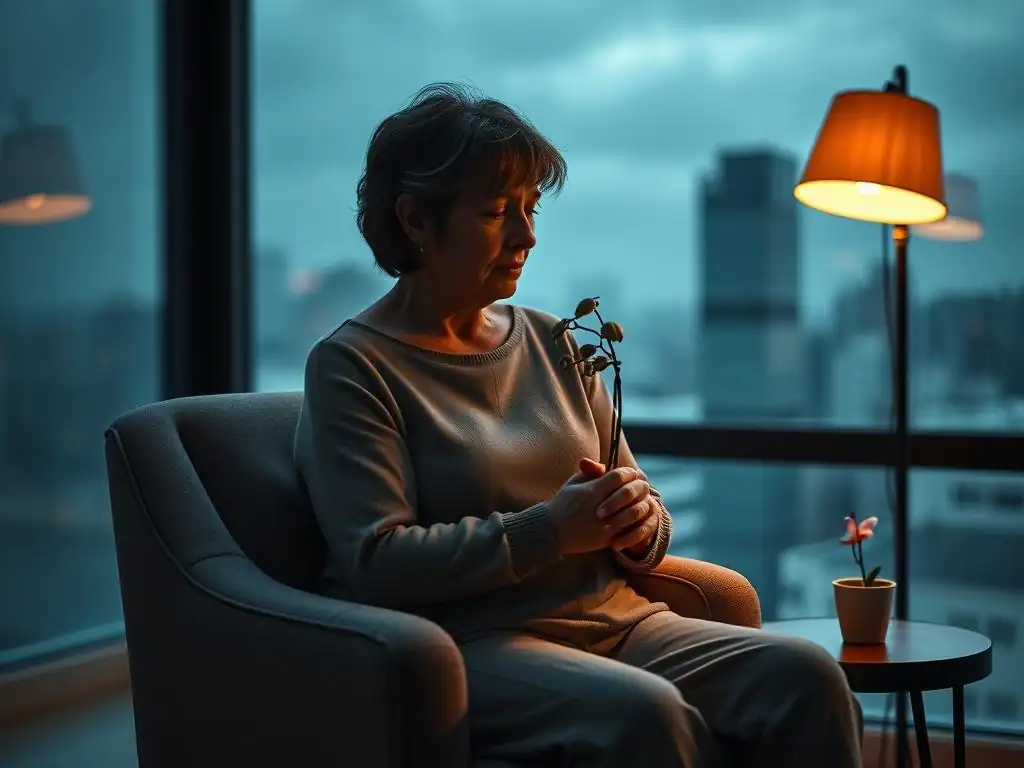
Separation Anxiety Disorder in adults presents its own set of unique challenges. Unlike in children where the primary attachment figures are typically parents, adults with SAD may experience intense anxiety about separation from a spouse, partner, children, or even pets. The impact on adult lives can be profound, affecting relationships, career, and independence in ways that differ from childhood presentations.
Adults with SAD may have developed sophisticated ways to hide their anxiety or structure their lives to avoid separation, making the disorder less obvious but no less debilitating. Recognizing SAD in adults is an important step towards accessing appropriate anxiety disorder treatment strategies help address these specific challenges.
Impact on Relationships and Work Life
Adult Separation Anxiety Disorder can severely strain romantic relationships. The individual with SAD may exhibit clingy behaviors, require constant reassurance, make excessive demands on their partner's time and presence, or become distressed or angry when the partner needs time or space away. This can lead to resentment, conflict, and isolation for both individuals in the relationship. They may struggle with intimacy if it involves periods of separation or independence.
In the workplace, SAD can manifest as difficulty traveling for business, inability to work alone or in remote locations, frequent lateness or absence due to anxiety before leaving home, or avoidance of jobs that require significant independence or time away from loved ones. This can limit career growth and financial stability. The pervasive nature of these challenges highlights the need for specific anxiety disorder treatment strategies help adults manage these complex impacts.
Strategies for Managing Adult Separation Anxiety
Effective strategies for managing adult SAD often mirror those used for children but are adapted for the adult context. CBT remains a cornerstone, focusing on identifying and challenging adult-specific anxious thoughts (e.g., "If my partner travels, they will leave me" or "I cannot cope alone"). Exposure therapy involves gradually increasing periods of time spent alone or away from the attachment figure, starting with manageable steps like dining alone or taking a short solo trip.
Couples therapy may also be beneficial to help partners understand SAD and develop healthier ways to support the individual with anxiety without enabling avoidance. Learning and practicing relaxation techniques, engaging in regular exercise, and building social connections outside of the primary attachment relationship are also important self-help strategies. Tailoring these anxiety disorder treatment strategies help address adult life complexities is key to recovery.
Long-Term Management and Prevention of Separation Anxiety
Managing Separation Anxiety Disorder is often a long-term process that involves building coping skills, maintaining healthy habits, and sometimes requiring ongoing support. While symptoms can significantly improve or remit with treatment, developing strategies for long-term wellness is crucial for preventing relapse and maintaining resilience.
Prevention efforts often focus on early identification and intervention, particularly in children who show early signs of excessive separation anxiety. Educating parents and caregivers about normal vs. disordered anxiety can help ensure that those who need it receive timely support and access effective anxiety disorder treatment strategies help.
Developing Coping Mechanisms for Anxiety Triggers
Learning to identify personal anxiety triggers related to separation is the first step in developing effective coping mechanisms. Triggers might include saying goodbye, anticipating a loved one's departure, being alone, or hearing news about accidents or losses. Once triggers are identified, individuals can proactively use coping strategies learned in therapy.
These coping mechanisms might include practicing deep breathing exercises before a separation, using positive self-talk ("I am safe, I can handle this"), engaging in distracting activities (reading, listening to music, calling a supportive friend who is not the attachment figure), or using relaxation techniques during moments of peak anxiety. Developing a personalized "coping toolbox" is a vital part of long-term management. Regularly utilizing these skills is a key element of successful anxiety disorder treatment strategies help maintain recovery.
Maintaining a Healthy Lifestyle for Mental Well-being
Consistent engagement in healthy lifestyle practices continues to be important even after symptoms improve. This includes maintaining a regular sleep schedule, eating a balanced diet, getting regular physical activity, and avoiding excessive alcohol or substance use, which can worsen anxiety.
Prioritizing self-care activities, managing stress effectively, and ensuring adequate rest are all components of maintaining overall mental well-being. These habits create a foundation of resilience that helps individuals better navigate potential stressors and maintain the gains made through treatment. A healthy lifestyle is a powerful supportive tool alongside formal anxiety disorder treatment strategies help.
Seeking Ongoing Support and Therapy
For some individuals, particularly those with more severe or persistent SAD, ongoing therapy or periodic check-ins with a mental health professional may be beneficial for relapse prevention and continued growth. Therapy can provide a space to process new challenges, reinforce coping skills, and address any resurgence of symptoms.
Participation in support groups can also provide long-term connection and encouragement. Knowing that support is available can be reassuring and empowering. Long-term management is about building a life where anxiety is manageable, and seeking continued support when needed is a sign of strength, not failure. Access to ongoing care is a valuable part of comprehensive anxiety disorder treatment strategies help.
Finding Help and Resources for Separation Anxiety Disorder
If you or someone you know is struggling with symptoms that sound like Separation Anxiety Disorder, reaching out for professional help is a crucial step. SAD is a recognized mental health condition that responds well to treatment, but it rarely resolves on its own when it reaches a clinical level.
There are various resources available to help individuals and families understand SAD, find qualified professionals, and connect with others who can offer support and guidance. Knowing where to turn for help is the first step on the path to recovery. Accessing these resources is essential for implementing effective anxiety disorder treatment strategies help.
Locating Qualified Mental Health Professionals
Finding a mental health professional experienced in treating anxiety disorders, particularly SAD, is essential. You can start by consulting with your primary care physician, who may be able to provide a referral. Health insurance providers often have online directories of in-network mental health specialists.
Professional organizations, such as the American Psychological Association (APA), the Anxiety & Depression Association of America (ADAA), or the Child Mind Institute (for children), often have "Find a Therapist" tools or resources. University psychology or psychiatry departments may also offer clinical services or referrals. When searching, look for professionals who list anxiety disorders, CBT, or child/adult psychology as areas of expertise. Ensuring the professional is licensed and qualified is paramount when seeking anxiety disorder treatment strategies help.
Support Groups and Online Communities
Connecting with others who understand the challenges of Separation Anxiety Disorder can be incredibly validating and supportive. Support groups, whether in-person or online, offer a space to share experiences, gain insights from peers, and feel less alone in the struggle.
Organizations like ADAA and others may host or list support groups. Online forums and communities dedicated to anxiety disorders or SAD can also provide a sense of community and practical tips from individuals who have navigated similar challenges. While not a substitute for professional treatment, these communities can offer valuable emotional support and shared wisdom. They serve as a complementary resource to formal anxiety disorder treatment strategies help.
Resources for Families and Individuals Affected by SAD
Numerous websites, books, and publications offer information and resources about Separation Anxiety Disorder for both individuals affected and their families. These resources can help educate people about the disorder, its symptoms, and available treatments.
Organizations focused on mental health and anxiety often provide free articles, guides, and toolkits. Reading personal stories of recovery can also offer hope and inspiration. For parents of children with SAD, resources specifically tailored to parenting anxious children and navigating challenges like school refusal are particularly helpful. Utilizing these educational materials is a proactive way to support the implementation of anxiety disorder treatment strategies help.
Frequently Asked Questions
What distinguishes normal anxiety from an anxiety disorder?
Normal anxiety is temporary and proportionate to a stressful situation. An anxiety disorder, however, is persistent, excessive, and impairs daily functioning. It often involves irrational fears and avoidance behaviors.
What are some common "Anxiety disorder treatment strategies help" resources mentioned in the article?
The article, while focusing on identification, likely alludes to standard treatments such as cognitive behavioral therapy (CBT) and medication management. It may also suggest lifestyle changes as supportive measures.
Does the article suggest that everyone experiencing anxiety needs professional help?
No, the article primarily aims to differentiate between normal anxiety and a disorder. While it doesn't explicitly say everyone needs help, it emphasizes the importance of seeking professional assessment if symptoms are severe or persistent.
What role does "Mind Care Guide" play in helping individuals with anxiety disorders?
"Mind Care Guide" aims to provide information, support, and resources. It may include articles, directories of therapists, and self-help tools related to mental well-being.
Are there specific types of anxiety disorders discussed in detail in the article beyond generalized anxiety?
While the article focuses on the general distinction, it might indirectly touch on other anxiety disorders. Specific disorders might be mentioned in the context of comorbidity or differential diagnosis, but the primary focus is on understanding the difference between normal anxiety and a disorder.
Final Reflection: Reframing Anxiety: From Burden to Bridge
The pervasive nature of anxiety in modern life is undeniable, and understanding when normal worry transforms into a debilitating disorder is crucial for effective treatment. The sheer volume of individuals silently struggling underscores the urgent need for accessible information and compassionate support systems. This isn't just about managing symptoms; it's about reclaiming lives.
This exploration of anxiety disorders has highlighted the complex interplay between biological predisposition, environmental triggers, and personal coping mechanisms. The journey towards healing is rarely linear, often marked by setbacks and breakthroughs. It's a deeply personal process, demanding both self-compassion and professional guidance. As the poet Mary Oliver so eloquently stated: Tell me, what is it you plan to do with your one wild and precious life?
This question becomes even more poignant when facing the challenges of an anxiety disorder, urging us to actively seek strategies for nurturing our well-being.
You, the reader, now hold the power to translate this knowledge into action. Consider the strategies discussed – therapy, medication, mindfulness practices – and identify which resonate most deeply with your experience. Remember that seeking help is a sign of strength, not weakness. Embrace the opportunity to build a life less burdened by anxiety, a life where you can navigate challenges with resilience and grace. Your journey towards a healthier, more fulfilling existence begins with a single, courageous step.
Unlock Your Inner Calm: Take Control of Your Anxiety
Thanks for taking the time to explore the complexities of anxiety with us! We hope you gained valuable insights into recognizing the difference between normal worry and a potential disorder. Now, let's turn those insights into action:
- Schedule a brief self-assessment: Take a few minutes to honestly reflect on your anxiety levels using the checklist or resources mentioned in the article. This is your first step to understanding your unique experience.
- Reach out to a trusted friend or family member: Sharing your thoughts and feelings can be incredibly powerful. Even simply talking about what you've learned can provide emotional relief.
- Explore additional resources: Deepen your understanding by researching local support groups or online communities focused on anxiety management.
Ready to take the next step towards a calmer, more confident you? What’s one small action you can take today to prioritize your mental well-being?