
Can You Prevent Separation Anxiety? Proactive Steps

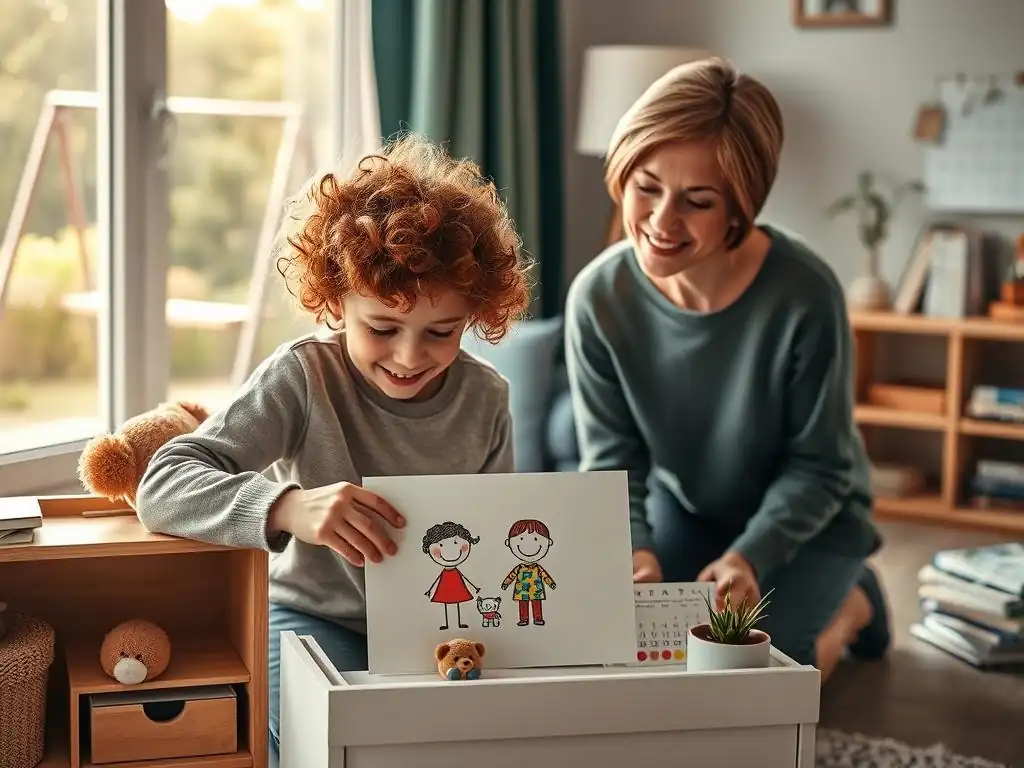
Welcome to Mind Care Guide, a safe space for navigating the complexities of mental well-being. Ever wonder if you could actually prevent the distress of separation anxiety in your child? This isn't just wishful thinking; our latest article, "Can You Prevent Separation Anxiety? Proactive Steps," dives deep into actionable strategies. Discover how to build resilience and foster secure attachment, starting today. Explore below to unlock the secrets to a calmer, more confident child... and a more peaceful you.
- Preventing Separation Anxiety in Children: A Proactive Guide
- Understanding Separation Anxiety Disorder (SAD) in Children
- Proactive Strategies for Preventing Separation Anxiety in Children
- Supporting Your Child's Independence and Confidence
- Recognizing and Addressing Early Signs of Separation Anxiety
- Long-Term Strategies for Maintaining Emotional Well-being and Preventing Relapse
- Conclusion: Empowering Children to Manage Separation Anxiety
-
Frequently Asked Questions
- Can separation anxiety in children be truly prevented?
- What are some early signs of separation anxiety in children that parents should look out for?
- What role does a secure parent-child attachment play in preventing separation anxiety?
- What are some practical strategies parents can use to help their child manage separation anxiety?
- When should parents seek professional help for their child's separation anxiety?
- Final Reflection: Nurturing Secure Attachments, Preventing Anxiety's Grip
- Unlock Your Pet's Confidence: Practical Steps to Prevent Anxiety
Preventing Separation Anxiety in Children: A Proactive Guide
Preventing separation anxiety in children is a key focus for parents and caregivers aiming to foster security and independence from an early age. While some level of distress when separating is a normal part of development, understanding how to proactively address potential triggers and build resilience can significantly reduce the likelihood of a child developing a more challenging form, known as Separation Anxiety Disorder. This guide explores the nature of childhood separation anxiety and outlines practical, empathetic strategies to help children navigate separations with confidence.
Understanding Separation Anxiety Disorder (SAD) in Children
What is Separation Anxiety and How Does it Affect Children?
Separation anxiety is a common developmental phase where young children experience distress when separated from primary caregivers. This is a natural part of attachment, typically emerging around 8-12 months of age and often subsiding by age two or three. However, in some children, this anxiety is intense, persistent, and inappropriate for their developmental level, significantly impacting their daily life and functioning. This more severe form is classified as Separation Anxiety Disorder (SAD).
Children affected by SAD may exhibit excessive worry about losing major attachment figures or about harm befalling them. They might also worry intensely about an unexpected event leading to separation, such as being kidnapped or getting lost. Physical symptoms like stomachaches, headaches, or nausea are common when separation is anticipated or occurs. These reactions can make attending school, daycare, or even sleeping alone incredibly challenging, potentially leading to academic difficulties or social isolation. For example, a child with SAD might refuse to go to school, leading to frequent absences, or struggle to participate in playdates away from home.
Differentiating Normal Separation Anxiety from Separation Anxiety Disorder
Distinguishing between normal, temporary separation anxiety and Separation Anxiety Disorder is crucial for understanding when to seek help. Normal separation anxiety typically occurs during infancy and toddlerhood, is predictable in situations like drop-offs, and the child is usually able to be comforted and eventually engage with their environment after the caregiver leaves. The intensity and duration are generally mild to moderate and decrease with age and consistent positive experiences.
In contrast, Separation Anxiety Disorder is marked by distress that is excessive for the child's developmental stage and persistent for at least four weeks in children and adolescents. The anxiety is often severe, causing significant impairment in social, academic, or other important areas of functioning.
Symptoms might include recurrent excessive distress when anticipating or experiencing separation, persistent and excessive worry about losing or harm coming to attachment figures, persistent reluctance or refusal to go to school or elsewhere because of fear of separation, and repeated nightmares involving the theme of separation. For instance, a child might experience a full-blown panic attack at the thought of a parent leaving, even for a short time, or consistently refuse sleepovers long past the age where peers enjoy them.
Risk Factors for Developing Separation Anxiety in Kids
Several factors can increase a child's vulnerability to developing Separation Anxiety Disorder. Genetic predisposition plays a role; children with a family history of anxiety or depression may be at higher risk. Environmental factors are also significant. A major life stressor, such as a move, a change in schools, illness of a loved one, or parental divorce, can trigger the onset of severe separation anxiety. Overprotective parenting, where a child is not given opportunities to experience age-appropriate independence or problem-solve on their own, can inadvertently foster dependency and make separation more difficult.
Additionally, certain temperamental traits, like being naturally more inhibited, shy, or prone to negative emotions, are associated with a higher risk. A child who has had a traumatic separation experience in the past might also be more prone to developing SAD. Understanding these risk factors can help parents and caregivers be more vigilant and proactive in implementing strategies aimed at preventing separation anxiety children might experience, especially during times of transition or stress.
Proactive Strategies for Preventing Separation Anxiety in Children
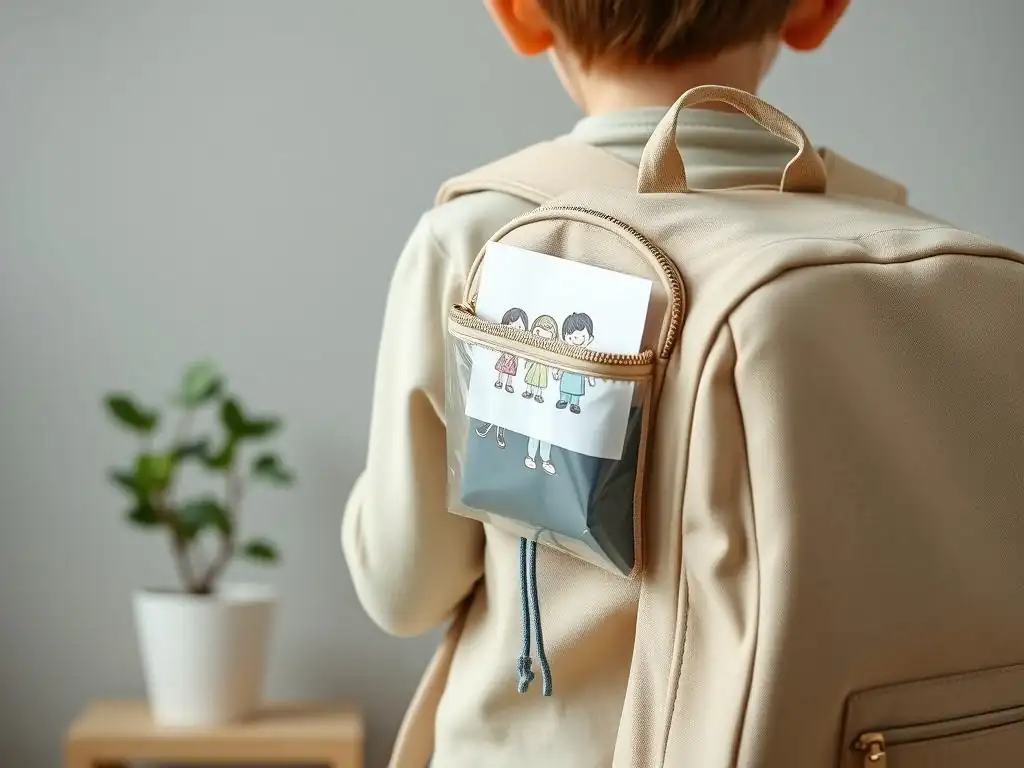
Building a Secure Attachment: The Foundation for Preventing Separation Anxiety
A secure attachment between a child and their primary caregiver is perhaps the most fundamental element in preventing separation anxiety children face. A secure attachment develops when a caregiver is consistently available, responsive, and sensitive to the child's needs. This creates a safe base from which the child feels confident to explore the world, knowing they can return to a reliable source of comfort and support.
Parents can foster secure attachment by responding promptly and empathetically to their child's cries and distress signals, engaging in warm and responsive interactions (like cuddling, playing, and talking), and providing a predictable and nurturing environment. Studies consistently show that infants and toddlers with secure attachments demonstrate less distress during separations and are more independent explorers when the caregiver is present. This strong foundation of trust and safety significantly contributes to preventing separation anxiety by equipping children with the internal security needed to handle temporary absences.
Creating Predictable Routines to Ease Separation Anxiety
Children thrive on predictability, and establishing consistent daily routines can significantly ease the stress associated with separations, thus helping in preventing separation anxiety. Routines provide a sense of structure and safety, helping children understand what to expect throughout their day. This is particularly important around times of separation, such as morning drop-offs at daycare or bedtime.
A predictable morning routine might involve waking up at the same time, having breakfast together, getting dressed, and then a consistent goodbye ritual. Similarly, a calming bedtime routine can make the separation of sleeping alone less daunting. By knowing the sequence of events, children feel more in control and less anxious about transitions.
For example, a child who knows that after story time comes a hug and then sleep is less likely to experience anxiety than one whose evenings are unpredictable. This consistency builds confidence and is a practical step in preventing separation anxiety children might feel when faced with transitions.
Gradual Exposure to Separation: A Key Strategy for Prevention
Gradual exposure, often referred to as 'practice separations,' is a highly effective proactive strategy for preventing separation anxiety children might develop. The idea is to introduce short periods of separation in a controlled and positive environment before longer, more significant separations (like starting school) occur. This helps children learn that separations are temporary and that they can cope and even enjoy themselves while away from their caregivers.
Implementing Short Separations with Positive Reinforcement
Begin with very short separations, perhaps just a few minutes, while you are still nearby but out of sight (e.g., in another room). As your child becomes comfortable with this, gradually increase the duration and distance. During these practice separations, ensure the child is engaged in a positive activity, perhaps with another trusted caregiver or sibling. When you return, offer warm, positive reinforcement – praise them for being brave and managing the separation well.
Avoid prolonged, tearful goodbyes, which can inadvertently increase anxiety. A simple, cheerful "See you soon!" works best. This systematic approach helps in preventing separation anxiety children might feel by building their confidence in managing short periods alone.
Practicing Separation Skills in a Safe and Supportive Environment
Practice separations should occur in safe and supportive environments where the child feels comfortable. This could be their own home, a familiar relative's house, or a trusted friend's home. Start with leaving the child with a grandparent or aunt for a short period.
As they become more comfortable, extend the time or introduce new, safe environments like a short drop-off at a familiar playgroup. These experiences allow children to practice coping skills in a low-stress setting, building their resilience before facing potentially more challenging separations like starting school or attending camp. This repeated, positive exposure is a cornerstone in preventing separation anxiety children experience when faced with new situations.
Teaching Coping Mechanisms for Anxiety in Children
Equipping children with simple coping mechanisms gives them tools to manage feelings of anxiety when they arise, which is vital for preventing separation anxiety. These techniques empower children by giving them a sense of agency over their emotions rather than feeling overwhelmed by them.
Relaxation Techniques for Separation Anxiety: Deep Breathing and Mindfulness
Simple relaxation techniques like deep breathing can be taught to young children through playful exercises. Imagine being a balloon filling up with air (inhale) and slowly deflating (exhale). Practicing this together when calm helps them access the technique when feeling anxious during separation. Mindfulness, even in its simplest form for children, involves focusing on the present moment – perhaps noticing their surroundings or focusing on a comforting object. These techniques provide immediate tools a child can use to calm their nervous system when feeling separated and anxious, contributing significantly to preventing separation anxiety children face.
Cognitive Restructuring: Helping Children Challenge Anxious Thoughts about Separation
While formal cognitive restructuring is complex, the basic principle can be adapted for children. This involves helping them identify and challenge unrealistic fears about separation. If a child says, "You won't come back," you can gently correct this thought with reality: "I always come back after I leave. I will be back after your snack time."
Use simple, factual reassurances. For slightly older children, you can talk about "worry thoughts" versus "true thoughts." If a worry thought is "Something bad will happen when Mommy leaves," a true thought is "Mommy is going to the store and will be back in 30 minutes, just like yesterday." This helps children develop more realistic expectations and reduces the power of anxious thoughts, a key aspect of preventing separation anxiety children might otherwise develop.
Supporting Your Child's Independence and Confidence
Encouraging Independence Skills to Reduce Separation Anxiety
Fostering independence is a crucial, albeit sometimes counterintuitive, step in preventing separation anxiety. When children are encouraged to do age-appropriate tasks for themselves, they build confidence in their abilities and learn they can function successfully even when a caregiver isn't directly assisting them. This starts with small steps, like letting a toddler feed themselves, allowing a preschooler to choose their own clothes, or teaching a young child to pack their own backpack.
Providing opportunities for independent play in the same room or a safe, adjacent room also builds comfort with being alone for short periods. Celebrating their successes in these independent tasks reinforces their capabilities. A child who feels capable and self-sufficient is less likely to rely solely on a caregiver's presence for comfort and security, making separations less daunting. This focus on building self-reliance is a powerful strategy for preventing separation anxiety children might otherwise experience.
Fostering a Sense of Self-Efficacy in Children
Self-efficacy, the belief in one's ability to succeed in specific situations or accomplish a task, is closely linked to independence and resilience against separation anxiety. Parents can foster self-efficacy by allowing children to attempt tasks on their own, even if they make mistakes, and offering support rather than taking over. Praising effort and persistence, not just the outcome, is vital. For example, instead of saying "You're so smart for building that tower," try "You worked really hard to figure out how to make that tower stand up!"
Provide challenges that are slightly beyond their current skill level but achievable with effort. This helps them learn that they can overcome difficulties through their own actions. A child who believes they can handle challenges is better equipped to face the challenge of separation without excessive anxiety. This belief in their own capabilities is a protective factor in preventing separation anxiety children might face in new or unfamiliar situations.
Positive experiences with peers and other adults outside the immediate family unit are invaluable for preventing separation anxiety children might develop. Socialization helps children build confidence in interacting with others and learn that they can feel safe and enjoy themselves in different environments. Playdates, parent-and-child classes, library story times, and eventually preschool or daycare provide opportunities for children to engage with the world beyond their primary caregivers.
These interactions normalize being with others and help children build relationships outside the family, expanding their circle of trust. Experiencing positive separations – where they are left in a safe, engaging environment and have fun – reinforces the idea that separation is not dangerous and can even be enjoyable. Regular positive social experiences build comfort and confidence, making it easier for children to handle future separations and contributing significantly to preventing separation anxiety.
Recognizing and Addressing Early Signs of Separation Anxiety
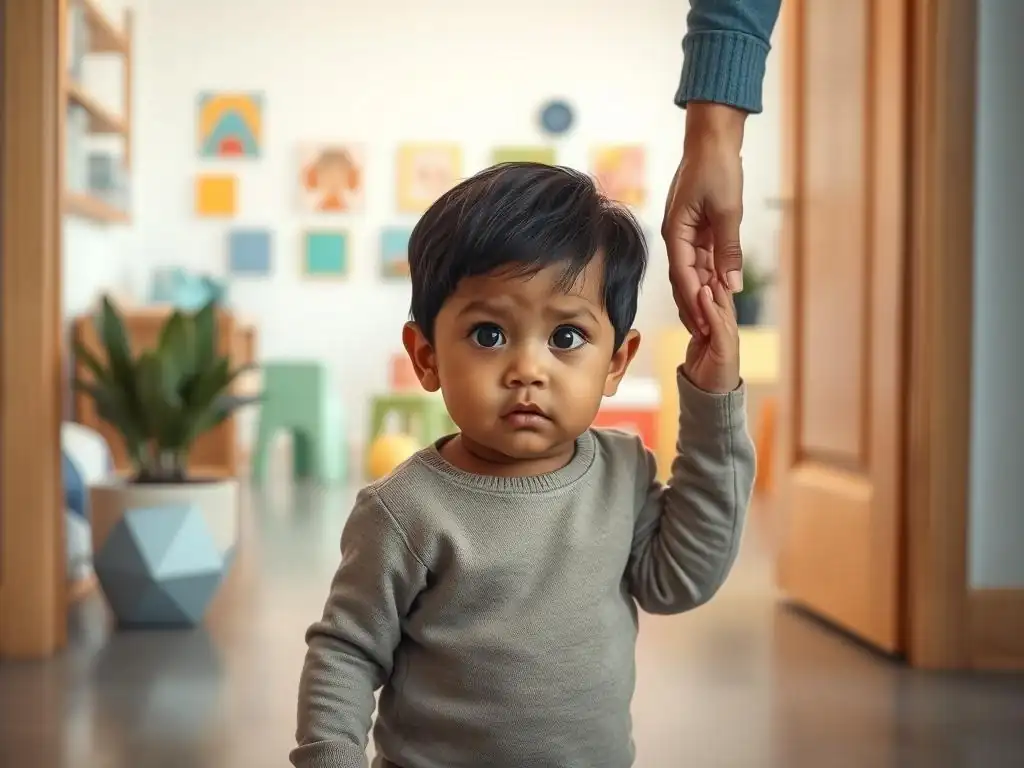
Identifying Potential Triggers for Separation Anxiety in Children
Being aware of common triggers can help parents anticipate and prepare for situations that might exacerbate separation anxiety in children. Transitions are frequent triggers – starting a new school year, changing classrooms, moving to a new house, or the arrival of a new sibling. Illness, either the child's or a caregiver's, can also increase anxiety. Stress within the family, such as parental conflict or financial worries, can also make children feel less secure and more prone to separation fears.
Even positive events, like a family vacation ending or a parent returning to work after leave, can be triggers as they disrupt established routines. Pay attention to your child's behavior during and after these events. Are they clingier than usual? Do they resist going to places they normally enjoy? Are there changes in sleep or eating patterns around times of potential separation? Recognizing these patterns allows for proactive support and intervention, aiding in preventing separation anxiety from escalating.
Responding Empathetically to Your Child's Fears and Concerns
When a child expresses fear or anxiety about separation, it's crucial to respond with empathy and validation, not dismissal. Telling a child "Don't be silly" or "There's nothing to be afraid of" can invalidate their feelings and make them less likely to share their worries in the future. Instead, acknowledge their feelings: "I can see you're feeling scared about me leaving," or "It's okay to feel a little nervous when trying something new."
Validating their feelings doesn't mean agreeing with their anxious thoughts, but rather acknowledging their emotional experience. After validating, gently offer reassurance and confidence in their ability to cope. "I know you feel scared, but I also know you are brave, and you can handle this for a little while. I will be back." This empathetic approach builds trust and helps the child feel understood, making them more receptive to strategies aimed at preventing separation anxiety and managing their fears.
Seeking Professional Guidance: When to Consult a Therapist for Separation Anxiety
While proactive steps are powerful in preventing separation anxiety children might experience, sometimes the anxiety is severe, persistent, and significantly impacts the child's life despite your best efforts. If your child's separation anxiety is causing significant distress, interfering with school attendance, social activities, or sleep, or if the symptoms have lasted for several weeks and show no signs of improvement, it's time to consult a professional.
A pediatrician is a good first point of contact, as they can rule out any underlying medical issues and provide a referral to a mental health professional specializing in child anxiety. Child psychologists or therapists can assess the severity of the anxiety and develop a tailored treatment plan, often involving cognitive behavioral therapy (CBT), which is highly effective for anxiety disorders. Early intervention is key to preventing separation anxiety from becoming a long-term challenge, ensuring the child receives the support they need to thrive.
Long-Term Strategies for Maintaining Emotional Well-being and Preventing Relapse
Continuing to Reinforce Independence and Coping Skills
Preventing separation anxiety is not a one-time fix but an ongoing process of nurturing a child's emotional resilience. Even after a child seems to have overcome significant separation fears, it's important to continue reinforcing the independence skills and coping mechanisms they have learned. Regularly provide opportunities for them to practice self-reliance in age-appropriate ways. Encourage them to solve simple problems independently before jumping in to help.
Periodically revisit and practice relaxation techniques like deep breathing during calm moments, so they remain familiar tools. Discuss feelings openly as a family, normalizing the experience of anxiety and other emotions. Maintaining these practices helps solidify their ability to handle future challenges and serves as a safeguard against potential relapses in separation anxiety, particularly during future transitions or stressful periods.
Maintaining Open Communication About Feelings and Fears
Creating an environment where children feel safe to express their feelings, including fears about separation, is vital for long-term emotional well-being. Regularly check in with your child about how they are feeling, especially during times of change or potential stress. Listen actively and without judgment when they share their worries. Use simple, age-appropriate language to talk about emotions and coping.
For instance, you might say, "It's normal to feel a little nervous when you go to a new place, but remember how brave you were last time? What helped you then?" This ongoing dialogue helps children understand their emotions, feel supported, and build trust that their concerns will be heard and addressed. Open communication is a powerful tool in preventing separation anxiety from taking root or resurfacing as children grow and face new challenges.
Utilizing Storytelling and Role-Playing to Address Separation Fears
Storytelling and role-playing are engaging and effective ways to help children process fears and practice coping strategies. Read books about characters who successfully navigate separations or new experiences. Discuss the character's feelings and how they coped. You can even create your own stories featuring a character similar to your child who overcomes separation challenges.
Role-playing different separation scenarios allows children to practice goodbyes, express their feelings in a safe space, and rehearse coping mechanisms. For example, you could pretend to be the parent leaving for work and have the child practice saying goodbye and then engaging in a fun activity. This playful approach helps desensitize them to the idea of separation and builds confidence in their ability to handle it, making it a valuable tool for preventing separation anxiety and building resilience.
Conclusion: Empowering Children to Manage Separation Anxiety
Frequently Asked Questions
Can separation anxiety in children be truly prevented?
While completely eliminating the possibility might be unrealistic, proactive steps can significantly reduce the likelihood and severity of separation anxiety. Early intervention and creating secure attachments are crucial.
What are some early signs of separation anxiety in children that parents should look out for?
Pay attention to excessive clinginess, increased crying or tantrums when separated, and difficulty sleeping alone. Changes in appetite or new physical complaints can also be indicators.
What role does a secure parent-child attachment play in preventing separation anxiety?
A secure attachment provides a foundation of trust and safety. Children who feel securely attached are more confident and less anxious when separated from their primary caregivers.
What are some practical strategies parents can use to help their child manage separation anxiety?
Gradually expose your child to short periods of separation, create a consistent goodbye routine, and offer reassurance and positive reinforcement. Avoid sneaking away without saying goodbye.
When should parents seek professional help for their child's separation anxiety?
If separation anxiety is severe, persistent, and interferes with the child's daily life (e.g., school attendance, social interactions), seeking professional guidance from a therapist or child psychologist is recommended.
Final Reflection: Nurturing Secure Attachments, Preventing Anxiety's Grip
The ability to foster a secure attachment in a child is not merely a parenting technique; it's a preventative measure against the debilitating effects of separation anxiety. Understanding the roots of this anxiety, as explored throughout this article, is crucial in today's fast-paced world, where children face increasing pressures and transitions. The strategies outlined—from consistent routines to age-appropriate independence training—are not just helpful suggestions, but essential tools for building resilient and emotionally healthy children.
The impact of early childhood experiences on later emotional well-being is profound and undeniable. The anxieties we help our children navigate today directly influence their capacity for healthy relationships and self-reliance tomorrow. The most important thing a father can do for his children is to love their mother.
- Theodore Hesburgh. While this quote speaks to a specific family dynamic, its underlying message resonates deeply: secure attachments are the bedrock of emotional security, regardless of family structure. Creating that secure base is a continuous process, requiring patience, understanding, and a commitment to nurturing the unique needs of each child.
You, the reader, now hold the power to implement these proactive strategies. Consider the routines in your home, the level of independence you encourage, and the quality of your interactions with your child. Reflect on how you can cultivate a stronger, more secure bond, fostering a sense of safety and trust that will equip your child to navigate the inevitable separations of life with confidence and resilience. Begin today, building a future where separation anxiety is not a looming threat, but a hurdle easily overcome.
Unlock Your Pet's Confidence: Practical Steps to Prevent Anxiety
We hope this article provided valuable insights into preventing separation anxiety in your beloved pet. You've armed yourself with knowledge – now let's put it into action! Ready to build a more secure and confident companion?
- Prioritize a consistent routine: Start implementing the training techniques discussed today. Even small, consistent changes can make a big difference in your pet's security.
- Create a calming sanctuary: Designate a safe space for your pet with their favorite toys and comfy blankets – a haven where they can retreat when feeling anxious. Consider incorporating calming scents like lavender.
- Share your success (or questions!): We'd love to hear about your progress! Share your experiences and tips in the comments below – you might just help another pet owner overcome this challenge.
What small change can you implement today to ease your pet's separation anxiety?