Yoga for Anxiety: How Movement and Mindfulness Reduce Symptoms Evidence Explained
🌟 Discover how yoga reduce anxiety symptoms by blending movement and mindfulness, backed by scientific evidence. This gentle practice offers a powerful,…
Read article
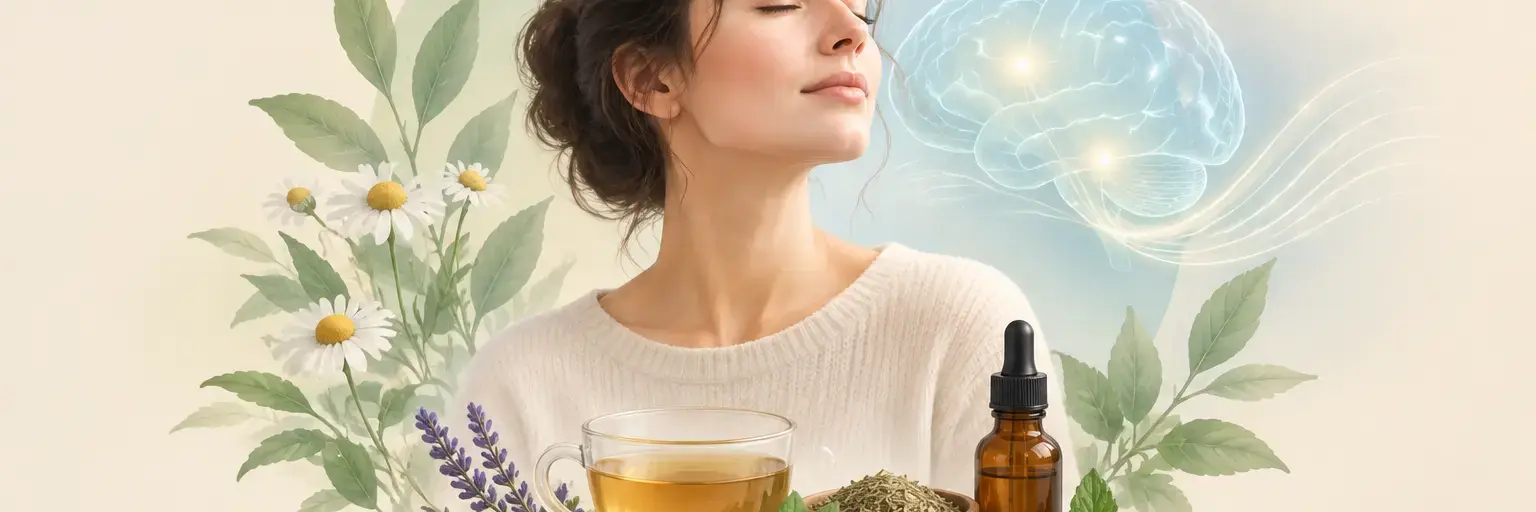
Discover the science-backed power of natural anxiety relief with evidence-based approaches that go beyond fleeting trends. Whether you’re seeking herbal supplements, mind-body techniques, or lifestyle tweaks, this guide breaks down what actually works—from lavender and passionflower to breathing exercises and omega-3s—all supported by clinical research. Uncover safe, integrative options that complement professional care, helping you reduce stress, calm your nervous system, and reclaim daily peace without relying solely on medication. Perfect for those exploring holistic mental health solutions grounded in science.
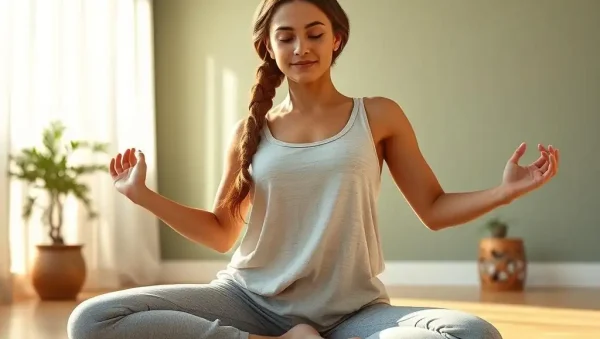
🌟 Discover how yoga reduce anxiety symptoms by blending movement and mindfulness, backed by scientific evidence. This gentle practice offers a powerful,…
Read article
🌿 Discover how L-Theanine contributes to mental well-being by promoting relaxation and reducing anxiety. Recent L-Theanine anxiety reduction studies highlight its potential…
Read article
🌿 Discover the ultimate CBD anxiety relief guide, exploring scientific insights, legal considerations, and evidence-based practices to help you navigate anxiety management…
Read article
🌿 Discover the differences between natural and conventional treatments for anxiety, exploring the evidence-based effectiveness of natural anxiety remedies versus traditional methods,…
Read article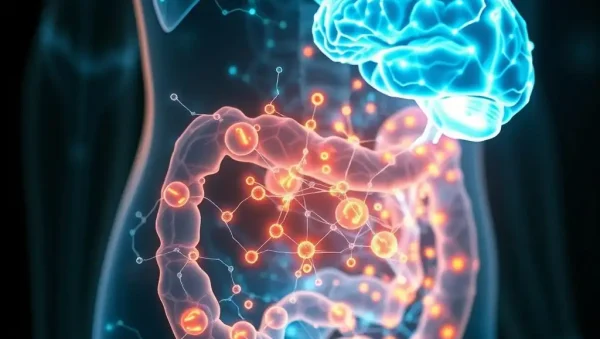
🌱 Discover how strengthening the probiotic anxiety gutbrain connection can enhance mental well-being. This article explores the latest evidence on probiotics' role…
Read article
🌿 Discover how evidence-based practices like meditation for anxiety relief can transform mental well-being. This article explores proven techniques to reduce stress,…
Read article
🌱 Discover how natural amino acids like L-tryptophan and 5-HTP may offer promising relief for anxiety, highlighting their potential as safe, effective…
Read article
🌿 Discover effective natural anxiety relief techniques that go beyond medication, empowering you with proven strategies like mindfulness, herbal remedies, and lifestyle…
Read article
🌿 Discover how magnesium can reduce anxiety symptoms by calming the nervous system and supporting mental health. This essential mineral plays a…
Read article
🌿 Discover how to confidently determine the right amounts of natural remedies with our comprehensive natural remedies dosage guide, empowering you to…
Read article
🌿 Discover the power of herbal remedies for anxiety relief backed by scientific evidence. This comprehensive guide explores natural, effective strategies to…
Read article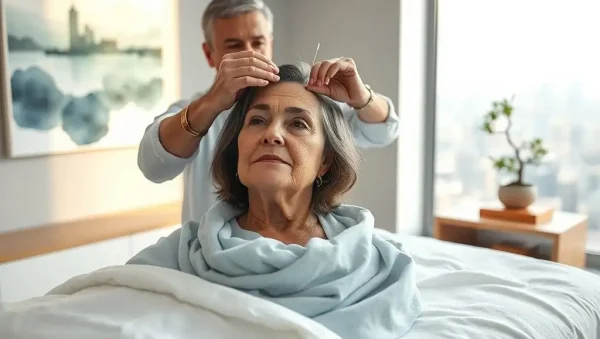
🌿 Discover how acupuncture reduces anxiety symptoms by blending ancient wisdom with modern science. This holistic approach offers promising relief for mental…
Read articleAt Mind Care Guide, we understand that anxiety can feel overwhelming, but you don’t have to rely solely on prescription options. This subcategory dives deep into natural remedies for anxiety that are backed by rigorous scientific research, not just anecdotal hype. From herbal supplements and lifestyle modifications to mind-body practices, we curate actionable, safe, and effective strategies to complement your mental health journey. Every recommendation here is filtered through the lens of clinical evidence, helping you make informed decisions alongside your healthcare provider. Discover how nature and neuroscience can work together to calm your nervous system and restore balance.
When exploring natural anxiety relief, herbs like ashwagandha, passionflower, and lemon balm often top the list. Evidence shows that ashwagandha significantly reduces cortisol levels in chronic stress, while passionflower may rival benzodiazepines for short-term anxiety without sedation. However, quality matters—standardized extracts and correct dosing are crucial. We break down clinical trials, potential interactions with medications, and which herbal blends have shown reproducible benefits. Always consult your doctor before starting, especially if you’re on SSRIs or blood thinners, to avoid adverse reactions.
Our evidence-based reviews prioritize human studies over animal models, highlighting where the data is strong versus preliminary. For instance, a 2020 meta-analysis of randomized controlled trials found kava effective for generalized anxiety, but liver toxicity concerns require cautious screening. We provide clear tables comparing dosage, onset, and side-effect profiles, so you can navigate this crowded market with confidence. Remember, natural does not always mean harmless—our goal is to empower you with precise, sourced information for safer self-care choices.
Yoga, tai chi, and qigong are not just gentle exercises—they are powerful neurobiological tools. Research shows that regular yoga practice lowers amygdala reactivity and increases GABA activity, mimicking the effects of anti-anxiety medications. Specifically, mindful breathing (e.g., 4-7-8 technique) activates the parasympathetic nervous system within minutes, reducing heart rate and blood pressure. We guide you through beginner-friendly sequences and breathing protocols, backed by studies from institutions like Harvard and the NIH, to help you build a sustainable daily practice.
Beyond movement, progressive muscle relaxation (PMR) has robust evidence for panic disorder and performance anxiety. A 2021 systematic review confirmed PMR as effective as cognitive behavioral therapy for mild-to-moderate anxiety. Our subcategory offers guided audio scripts, step-by-step muscle tensing routines, and tips to integrate these practices into busy schedules. The science is clear: these mind-body interventions modify brain wave patterns and promote hippocampal neurogenesis, offering long-term resilience rather than temporary relief.
Anxiety and sleep are intimately linked—poor sleep amplifies emotional reactivity, while anxiety disrupts sleep architecture. Evidence highlights that magnesium glycinate improves sleep quality and reduces anxiety symptoms, especially in those with deficiency. Similarly, a diet rich in omega-3 fatty acids (from fish or algae) lowers inflammation and supports neuronal membrane health, with trials showing a 20% reduction in anxiety scores. We detail the “anxiety-gut axis,” where probiotics like Lactobacillus and Bifidobacterium have demonstrated mood-regulating effects by increasing tryptophan metabolism.
Caffeine and refined sugars are notorious anxiety amplifiers, but how you replace them matters. Our evidence-based dietary swaps include L-theanine (found in green tea) to calm overstimulation and complex carbs to stabilize blood sugar. We also unpack the role of vitamin D deficiency—a 2022 study linked low levels with higher anxiety severity. With practical meal plans, supplement timing guides, and sleep hygiene audits, this section transforms your daily routine into a natural anxiolytic protocol.
Aerobic exercise isn’t just good for your heart—it’s a first-line natural remedy for anxiety. Meta-analyses show that moderate-intensity exercise (brisk walking, cycling) for 150 minutes weekly reduces anxiety scores comparable to antidepressants. The mechanisms include increased BDNF (brain-derived neurotrophic factor), endorphin release, and enhanced prefrontal cortex control over the amygdala. Crucially, high-intensity interval training (HIIT) may offer rapid relief in 20-minute sessions, but our guidance helps you match intensity to your current stress tolerance to avoid burnout.
Resistance training also holds promise; a 2023 trial found that two weightlifting sessions per week significantly lowered trait anxiety after eight weeks. We break down the “exercise anxiolytic window” (15-45 minutes post-workout) and how to structure rest days for nervous system recovery. Importantly, we address motivation barriers—using behavioral activation and scheduling tricks from psychology to help you maintain consistency. For those with physical limitations, chair-based yoga and aquatic exercises are equally evidence-backed alternatives.
Beyond herbs, certain amino acids and vitamins directly influence anxious neurochemistry. L-lysine and L-arginine reduce stress-induced cortisol in supplemental trials, while GABA supplements are controversial due to blood-brain barrier permeability—though newer liposomal forms show promise. Our evidence review weighs in on saffron extract, which has outperformed placebo in multiple anxiety RCTs with minimal side effects. We discuss each compound’s half-life, optimal timing relative to meals, and potential synergies with magnesium or zinc.
Adaptogens like rhodiola rosea and Panax ginseng are popular, but research is mixed—rhodiola shows better results for stress-related fatigue than generalized anxiety. We provide a concise decision tree: if your anxiety is anticipatory, consider inositol (which affects serotonin); if it’s somatic, try L-theanine with magnesium. Every recommendation includes a “what to avoid” box—like high-dose vitamin B6, which can cause neuropathy—ensuring you prioritize safety as fiercely as efficacy.
Some evidence supports comparable efficacy for mild-to-moderate anxiety, particularly for ashwagandha, kava, and exercise. However, for severe or panic-level anxiety, they are generally adjunctive, not replacements. Always work with a psychiatrist to taper or combine treatments safely.
Herbal supplements often take 2-4 weeks of consistent use to show measurable benefits, while mind-body practices like breathing exercises can reduce acute anxiety in minutes. Lifestyle changes such as sleep improvement and exercise typically require 6-8 weeks for full effects.
Some combinations are beneficial, like magnesium with L-theanine, but others risk serotonin syndrome or liver strain (e.g., kava with valerian). We recommend introducing one remedy at a time and keeping a symptom journal to track effects before adding more.
Avoid kava if you have liver issues, and be cautious with high-dose St. John’s Wort as it interacts with birth control and antidepressants. Also skip unknown “blend” supplements lacking third-party testing to prevent contamination or mislabeling.
Absolutely—even natural compounds can affect blood pressure, liver enzymes, or drug metabolism. Sharing your full regimen—including herbs, vitamins, and amino acids—helps your doctor prevent adverse interactions and tailor your overall care plan.